2027 Most Valuable Online Master's in Special Education Degree Programs Ranking in Missouri

Co-Founder and Chief Data Scientist
Exploring options for an online master's in special education can feel overwhelming, especially if you want to make a wise choice. This article presents the 2027 Most Valuable Online Master's in Special Education Degree Programs Ranking in Missouri, created by the Research.com team of data scientists to guide you through the best programs available.
By reading this, you'll gain valuable insights into programs that balance quality, flexibility, and career potential. Pursuing a special education degree is a meaningful step toward making a positive impact, and finding the right program is key to your success.
Key benefits of getting online special education degree in Missouri
- Special education graduates in Missouri can expect competitive salaries, with many roles in the state averaging around $60,000 to $65,000 annually, reflecting the rewarding nature of this career.
- Career paths include teaching in public schools, working as instructional coordinators, or supporting students with disabilities in community programs, as shown by graduates from the University of Missouri.
- Completing a special education degree online from institutions like Missouri State University offers flexibility, allowing students to balance work and study while gaining the same respected credentials as traditional programs.
- 2027 Most Valuable Online Master's in Special Education Degree Programs Ranking in Missouri
- What can I expect from online special education degree in Missouri?
- Where can I work with online special education degree in Missouri?
What can I expect from online special education degree in Missouri?
Exploring an online special education degree in Missouri often leads students to wonder about the average cost. Graduates from well-known Missouri universities share that the tuition typically ranges between $10,000 and $20,000 for completing a master's degree online. This investment covers coursework carefully crafted to prepare you for licensure through the Missouri Educator Gateway Assessments (MEGA).
At institutions like the University of Missouri or Southeast Missouri State University, students experience flexible schedules that fit alongside family and work life, making every dollar feel well spent. Many find comfort in federal aid and scholarships tailored for educators aiming to make a difference in special education, especially in underserved Missouri communities.
The blend of practical, hands-on practicum opportunities in local schools with affordable tuition allows students to feel confident and energized as they step into their careers. The cost might feel like a doorway, opening a path to rewarding roles supporting Missouri's 140,000 students receiving special education services.
Where can I work with online special education degree in Missouri?
Graduates with an online special education degree from Missouri's well-regarded universities often find themselves stepping into vibrant classrooms across the state, supporting students with diverse needs-from autism to learning disabilities. Imagine working in bustling public schools or smaller private institutions, where your training helps shape a child's educational journey every day.
Many alumni recall the excitement of assisting students in early childhood programs and high schools alike, navigating challenges alongside kids with emotional or behavioral disorders. The degree programs in Missouri prepare students to meet state certification standards, making those licensure exams feel like a gateway to rewarding careers rather than a hurdle.
Beyond traditional schools, graduates often explore roles in community agencies and vocational centers dedicated to developmental disabilities. Picture collaborating with therapists and educators in nonprofit organizations, creating personalized learning plans that transform lives.
Some graduates discover leadership paths as special education coordinators within school districts, where their passion turns into empowering others. Even Missouri's healthcare sector opens doors for those eager to bridge educational skills with therapeutic services.
Graduates with an online special education degree in Missouri often find themselves stepping into rewarding careers with salaries around $56,380 per year, based on the U.S. Bureau of Labor Statistics May 2022 data. Imagine starting your journey in a program at a well-known Missouri university, feeling the excitement of knowing your passion for teaching will translate into a meaningful income. While metropolitan areas like St. Louis or Kansas City can nudge those earnings above $60,000, rural parts of the state offer a closer-knit community vibe with steady pay near the state average.
One graduate shared how earning a master's degree online not only deepened their skills but also opened doors to district-level roles with salaries between $60,000 and $75,000. Missouri's teacher pay scale, rewarding experience and advanced certifications, adds layers of opportunity to increase your earnings over time. Envision your future evolving as a vital educator, supported by structured salary advances that match your growing expertise and dedication.
- Missouri offers multiple accredited online master's programs in special education that meet state and national certification standards.
- The cost of a master's degree in special education in Missouri ranges from $15,000 to $30,000, varying by institution and credit hours.
- There is a strong demand for special education teachers in Missouri due to increased enrollment of students with disabilities in public schools.
- Early-career special education teachers typically earn between $40,000 and $45,000 annually, with salaries rising to over $60,000 for experienced or specialized educators.
- Licensure requires completing an approved educator preparation program, passing state exams, and background checks, with many online programs aligned to these requirements.
Diving into an online special education degree in Missouri often feels like embarking on a personal journey filled with both challenges and triumphs. For full-time undergraduates at popular schools like the University of Missouri or Missouri State University, it typically takes around four years to complete a Bachelor of Science in Special Education. Many graduates reflect on how the flexibility of online classes empowered them to balance work and family while steadily progressing.
Graduate students pursuing a Master's degree usually spend about two years in full-time study, but several alumni share stories of extending their programs to three years to better fit busy lives. The key adventure is managing supervised practicum hours-hands-on experiences essential for certification through Missouri's Department of Elementary and Secondary Education. This practical piece might add extra weeks or a semester, but it's where theory truly comes alive.
Part-time enrollment, credit requirements between 30 and 45 hours, and summer intensives are other exciting factors shaping each student's timeline, offering numerous pathways to success in Missouri's supportive online learning environment.
Choosing between online and on-campus special education degrees in Missouri feels like picking your own adventure. Imagine a graduate from the University of Missouri navigating classes while juggling a full-time job and family; the online flexibility lets them study anytime, anywhere, turning coffee breaks into productive learning moments. Meanwhile, a graduate from Truman State University treasures the lively campus buzz-face-to-face discussions, study groups, and instant access to libraries and tutoring centers bring a vibrant social and academic energy that feels invaluable.
Both paths lead to the same Missouri certification, with hands-on student teaching woven in, whether it's coordinated through local schools or supervised fieldwork. The DESE ensures every candidate gains practical experience, so you won't miss out on real classroom skills.
Cost is another adventure-studying online can sometimes lighten the tuition load, while on-campus students often appreciate that immersive support system.
Whichever you choose, Missouri's special education programs adapt well to diverse lifestyles, inviting students to shape their own educational journeys.
The average cost of an online special education degree in Missouri offers a promising balance between quality and affordability. Median total costs hover around $21,537, with notable differences for out-of-state and in-state students. For residents, the tuition cost typically lands near $14,781, making it a financially attractive option for those ready to embark on their educational journey within the state. Many graduates from Missouri State University and the University of Central Missouri recall how these reasonable tuition rates allowed them to focus more on learning and less on financial stress.
For those curious about tuition and fees for Missouri special education master's programs, the price per credit hour usually ranges between $300 and $450 for residents. Considering most programs demand around 30 to 40 credit hours, students can expect tuition costs between $9,000 and $18,000, exclusive of additional fees. These graduates often emphasize how manageable costs paired with supportive faculty made their path both inspiring and attainable.
Living and learning online in Missouri also means you can take advantage of financial aid, scholarships, and grants especially targeted to special education students. Some programs even partner with school districts to offer tuition reimbursement for educators eager to advance their credentials. Exploring career opportunities ahead, many look into what doors a bachelor degree in special ed jobs could open once they complete their studies, filling them with excitement for the future.
Diving into the world of online special education degrees in Missouri uncovers a treasure trove of financial aid opportunities that light the path for many eager learners. Imagine a graduate from a well-known Missouri university feeling relieved after applying for the Free Application for Federal Student Aid (FAFSA), unlocking access to federal loans like Direct Subsidized and Unsubsidized Loans specifically tailored for graduate students.
Picture another student at a local college, heartened by the Access Missouri Financial Assistance program, which offers grants and scholarships designed to ease tuition costs for Missouri residents. These awards, often based on financial need, can transform daunting fees into manageable expenses.
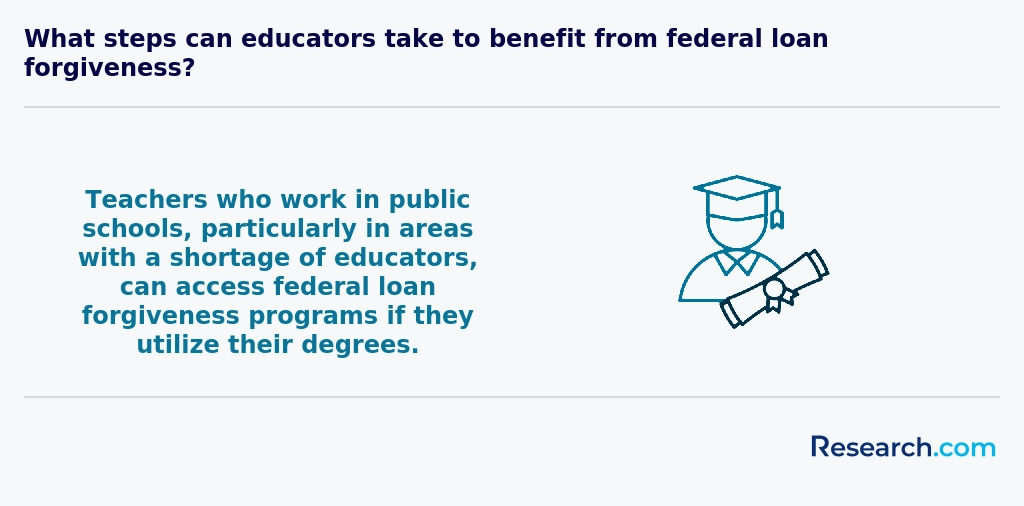
Many graduates recall the boost from university scholarships rewarding their dedication to special education, recognizing not just grades but also passion for teaching students with disabilities. And for those stepping into classrooms across Missouri, Public Service Loan Forgiveness programs have wiped away student debt after years of service.
Finally, envision professionals already working in Missouri schools, empowered by employer tuition reimbursement programs that invest in their growth, turning dreams of advanced degrees into vibrant realities.
Diving into an online special education degree in Missouri means stepping into a journey that starts with a solid academic foundation. Many graduates from well-known Missouri universities recall submitting transcripts proving they earned a bachelor's degree-often in education, psychology, or a related field. Imagine the excitement of opening that acceptance letter, knowing your undergraduate efforts have paved the way!
Some programs ask for a minimum GPA around 3.0, reflecting a commitment to academic excellence, while others warmly welcome candidates from diverse backgrounds, provided they complete key prerequisite courses. For those eyeing teacher licensure, holding a Missouri teaching certificate or comparable experience often unlocks the door to specialized master's programs, aligning with DESE's guidance.
Picture volunteer hours or internships working directly with students with disabilities-these experiences echo in application essays and give you a head start. Though GRE scores are less demanded nowadays, letters of recommendation and personal statements remain essential, capturing your passion and readiness to embrace this meaningful field in Missouri's supportive learning environments.
Diving into an online special education degree in Missouri means exploring courses that truly prepare you to make a difference. Graduates from well-known Missouri universities often describe how their journey began with foundational courses, where they uncovered the rich history and legislation shaping special education today. Imagine navigating a day in the life of a student assessing diverse learning needs, thanks to hands-on lessons in assessment and evaluation.
Excitingly, you'll also dive into instructional strategies and curriculum adaptations, crafting personalized plans that mirror real classroom challenges faced by Missouri teachers. Many alumni recall the aha moments from behavior management techniques courses, where positive interventions sparked new confidence in their teaching approach.
Collaboration courses bring the adventure full circle-working with families, therapists, and professionals all around Missouri, enhancing your practical skills. Plus, gaining insights into specific disabilities and using assistive technology creates a truly immersive experience that feels alive and relevant to the communities you'll serve.
Exploring an online special education degree in Missouri unveils exciting specializations tailored to meet diverse learner needs. Graduates from popular Missouri universities often share how focusing on learning disabilities equipped them to creatively support students struggling with reading or math challenges, transforming frustrating moments into breakthroughs. Others ventured into emotional and behavioral disorders, developing empathy and innovative classroom strategies that make a real difference in managing complex behaviors every day.
Missouri online master's in special education concentrations also include early childhood special education, where graduates vividly recall the joy of using early intervention techniques with young children, nurturing development from birth to age 8 in heartwarming ways. Autism spectrum disorder specialization reveals a fascinating journey of mastering communication and social connection strategies that open new doors for students on the spectrum. Intellectual disabilities specialization rounds out the path, offering skills to design personalized learning and life skills programs that empower students beyond academics.
Many students find that choosing an online degree in Missouri means access to strong certification pathways alongside their specializations, making their dream of becoming an impactful educator come true. Curious learners might consider an accelerated special education graduate certification online to further fast-track their journey.
Imagine yourself stepping into the vibrant world of special education in Missouri by choosing a program that truly fits your unique path. Graduates from well-known universities praise programs that blend Missouri's teaching licensure requirements with hands-on fieldwork right in their communities, offering an authentic feel of real classroom challenges. Selecting the best online special education degree Missouri offers means ensuring your program is accredited and tailored to local certification standards, which smooths the way toward becoming a certified teacher.
Cost matters too, and affordable special education master's programs Missouri provide a breath of fresh air with tuition ranging fairly to fit your budget. Many students find joy in programs offering flexible schedules to balance work, life, and study seamlessly. Some graduates highlight focusing on specialties like mild/moderate disabilities, which helped them connect deeply with their future students.
Curious learners can also explore an accelerated online special education masters degree, which fast-tracks their journey while maintaining quality learning and practical experiences. This adventurous choice often sparks excitement, confidence, and readiness to inspire change in Missouri's classrooms.
Graduates of online special education degrees in Missouri often find themselves stepping into dynamic roles that go far beyond classroom teaching. Many become licensed special education teachers in local districts, where they inspire students with disabilities to reach new academic and social heights-experiences shared by graduates from popular Missouri universities highlight how rewarding these moments can be. Others pivot toward leadership as special education coordinators, shaping programs that impact entire schools. Behavioral specialists craft personalized intervention plans, making daily differences in students' lives, while educational diagnosticians bring clarity and support through careful assessments.
For those eager to expand their horizons, roles like transition specialists provide an exciting avenue to help students prepare for life after high school, whether in college, work, or independent living. Missouri's vibrant educational landscape encourages exploration of these career paths, and many find that the flexibility of online learning supports balancing study with real-world experiences. Those interested in the exciting possibilities of online special education career opportunities Missouri can explore can start with highly regarded institutions offering online special education degrees.
Missouri's job outlook for special education teachers is bright, especially for those earning an online special education degree. Graduates from popular institutions like the University of Missouri or Missouri State University find themselves welcomed into districts eager to hire educators skilled in modern inclusive practices. Many share stories of quickly securing positions in public schools, where their flexible online training allowed them to balance work and study without missing a beat.
Employers in Missouri appreciate the adaptability and updated knowledge gained from online master's programs, which often opens doors to better career advancement and pay. Reflecting on these successes, many graduates feel confident stepping into roles where they support over 11,000 students statewide, making a tangible difference in classrooms across the state.
With increasing demand, online special education degree employment opportunities Missouri-wide are expanding. Candidates navigating these paths often explore the education degree requirements early on, finding clear pathways to achieve their goals while contributing to a community that values their expertise.
2027 Most Valuable Online Master's in Special Education Degree Programs Ranking in Missouri
Investing in your education is a significant decision that can profoundly impact your career and personal growth. The Research.com team recognizes the importance of making well-informed choices, which is why we have carefully developed the "2027 Most Valuable Online Master's in Special Education Degree Programs Ranking in Missouri." Our dedication to quality, credibility, and accuracy is demonstrated through rigorous research and thorough analysis to provide a trustworthy resource for prospective students.
We utilized the following reputable data sources to ensure a comprehensive evaluation of these programs:
By consulting this ranking, readers will access valuable insights to identify the most beneficial online master's programs in special education across Missouri, supporting informed educational and career decisions. For a deeper understanding of our approach, please visit our Research.com methodology page.


Frequently Asked Questions About special education
Students pursuing online special education degrees in Missouri can maximize their learning by actively engaging with course materials and participating in virtual discussions. Missouri requires special education teachers to be well-prepared, as nearly 13% of K-12 students receive special education services, according to the Missouri Department of Elementary and Secondary Education (DESE).
Utilizing local resources such as Missouri's online libraries and state education forums can deepen understanding. Additionally, seeking practicum opportunities in nearby school districts offers valuable hands-on experience, crucial for licensure in Missouri.
Time management and communication with professors and peers enhance the online learning environment. Missouri students are advised to monitor state licensure requirements carefully to align their coursework and fieldwork appropriately.
The field of special education is evolving, with several emerging niches gaining attention, especially for online master's degree students in Missouri. One growing area is autism spectrum disorder (ASD) intervention, driven by a rise in ASD diagnoses nationwide. Missouri schools have seen an increased demand for educators trained specifically in ASD strategies, supported by data from the Missouri Department of Elementary and Secondary Education.
Another niche is assistive technology integration, where educators learn to incorporate devices and software that aid students with disabilities. This reflects advancements in digital tools tailored to diverse learning needs.
Behavioral intervention planning also continues to expand, with a focus on positive behavioral supports for students with emotional and behavioral disorders. These specializations address specific challenges faced in Missouri classrooms and prepare graduates for targeted roles.
After completing an online special education degree in Missouri, preparing for the job market involves several key steps. First, obtaining Missouri's special education certification is essential. The Missouri Department of Elementary and Secondary Education requires passing the Missouri Educator Gateway Assessments. These credentials are necessary to teach legally in public schools. Next, gaining classroom experience through student teaching or internships strengthens practical skills.
Networking with local school districts and attending job fairs can increase employment opportunities. Missouri's Bureau of Labor Statistics reports steady growth in special education jobs, highlighting demand in areas like St. Louis and Kansas City. Staying updated on state-specific regulations and continuing education enhances career prospects.
Employers in Missouri seek several key skills in graduates of online special education degree programs. First, strong knowledge of individualized education programs (IEPs) is essential, as Missouri public schools must comply with state and federal disability laws, including IDEA. Effective communication and collaboration skills are also highly valued due to the need to work with parents, teachers, and specialists.
Data from the Missouri Department of Elementary and Secondary Education highlights that special educators must be adept at adaptive teaching strategies to support diverse learning needs. Additionally, familiarity with behavior management techniques and data-driven progress monitoring is critical for success in this field.
Technological proficiency in education software further enhances a graduate's employability, reflecting trends in inclusive classrooms across the state.
Finding internships in Missouri for those pursuing a special education degree often starts with connecting to local school districts. Missouri has over 500 public school districts where special education services are provided, offering diverse internship opportunities. Students should check district websites and contact their special education coordinators directly.
The Missouri Department of Elementary and Secondary Education (DESE) provides resources and listings for approved internship placements. Many accredited online programs in Missouri partner with local schools to facilitate internship placements, which can simplify the search process.
Additionally, national organizations like the Council for Exceptional Children have regional chapters that offer networking events and internship listings relevant to special education.
Utilizing university career centers and statewide job portals can also connect students to paid and unpaid internships in diverse educational settings.
An online special education degree in Missouri can significantly enhance career mobility and advancement for educators. With Missouri's growing demand for qualified special education teachers-projected by the Missouri Department of Elementary and Secondary Education (DESE) to rise by 8% over the next decade-earning this degree online offers convenient access to necessary credentials. This degree prepares professionals to meet state certification standards, enabling them to qualify for leadership roles such as special education coordinators or program specialists. Additionally, online programs often incorporate up-to-date teaching strategies and legal requirements, giving graduates a competitive edge in the job market across Missouri school districts.
Online special education degree programs in Missouri equip students with skills vital for interdisciplinary collaboration. Coursework typically emphasizes partnerships with general educators, speech therapists, counselors, and families, fostering a holistic approach to student development. Missouri's education standards encourage collaboration to meet diverse learner needs effectively.
According to the Missouri Department of Elementary and Secondary Education (DESE), about 13% of public school students receive special education services, increasing demand for professionals capable of working across disciplines. Programs integrate real-world case studies and field experiences to prepare graduates for team-based roles.
This training enhances communication, assessment, and individualized planning, crucial for coordinating support with educators and healthcare providers. Ultimately, Missouri's online degrees develop educators ready to contribute to inclusive and supportive learning environments.
When choosing between a thesis and a non-thesis online special education degree program in Missouri, consider your career goals and learning preferences. Thesis programs typically require original research and a formal paper, appealing to students interested in academic or research-oriented careers. In contrast, non-thesis options often emphasize practical skills and coursework, suited for professionals focused on classroom teaching or leadership roles.
Graduates with Missouri special education degrees often work under the Department of Elementary and Secondary Education, which values both pathways depending on the position. According to recent Missouri education reports, thesis degrees may offer advantages for those pursuing doctoral studies or specialized roles.
Review program requirements carefully and assess whether you prefer hands-on application or scholarly research before deciding.
Students based in Missouri interested in studying special education abroad have limited options due to the unique certification requirements in U.S. states. While international universities offer online special education degrees, Missouri's Department of Elementary and Secondary Education stresses the importance of programs aligned with state licensure standards to ensure certification transferability.
Most Missouri educators pursue regionally accredited U.S. programs to meet state-specific criteria. However, some international institutions collaborate with American universities to offer joint online degrees, potentially beneficial for advanced study or specialization.
According to the Missouri Department of Elementary and Secondary Education, candidates holding out-of-country credentials may face additional evaluation and testing before certification.
Therefore, students should carefully research program accreditation and state licensure alignment before enrolling in any foreign-based online special education degree.
In Missouri, students pursuing online special education degrees can benefit from several part-time job opportunities that enhance their training and professional skills. Working as teacher aides or paraprofessionals in local schools allows hands-on experience with students who have diverse learning needs. The Missouri Department of Elementary and Secondary Education (DESE) highlights the demand for paraprofessionals, especially in special education settings, making this role a valuable complement to academic study.
Additionally, roles such as behavioral aides or tutors for children with disabilities provide practical exposure to individualized education programs (IEPs) used statewide. Nonprofits focused on disability advocacy often seek part-time assistants, offering insight into community resources and support networks.
These jobs not only reinforce theoretical knowledge but also improve communication and classroom management skills crucial for educators in the field of special education.
Online special education students in Missouri have access to various networking opportunities designed to enhance their professional growth. Many universities offering online degrees maintain active virtual communities through discussion boards, group projects, and live webinars. These platforms enable students to connect with peers and faculty statewide.
The Missouri Department of Elementary and Secondary Education (DESE) supports educators by hosting conferences and workshops, often accessible virtually, providing additional networking venues. Furthermore, organizations like the Missouri Council for Exceptional Children (MoCEC) offer membership and events tailored to special education professionals.
Engaging in local school district partnerships and practicum experiences also helps online students build valuable connections that can lead to employment opportunities.
Alumni networks play a crucial role in supporting online special education degree students in Missouri. These networks provide valuable opportunities for mentorship, allowing students to connect with graduates who understand the unique challenges of special education careers. Missouri has approximately 230,000 K-12 students receiving special education services, according to the Missouri Department of Elementary and Secondary Education (DESE), which highlights the demand for skilled educators.
Through alumni connections, students can access job leads and internships within local school districts, improving their employment prospects. Networking also fosters professional development by sharing current trends in special education law and instructional strategies, keeping students informed and competitive. These benefits collectively enhance student success both during and after their studies in Missouri's online programs.
In Missouri, online special education degree programs often offer various options to tailor your studies toward specific career goals. You can select concentrations such as autism spectrum disorders, behavior analysis, or early childhood special education. These specializations allow you to focus on areas most relevant to your desired role.
Many programs include elective courses and field experiences that align with your interests, helping you gain practical skills. Additionally, some Missouri schools provide pathways that prepare you for state licensure or endorsements, an important step if you plan to work within public schools.
According to the Missouri Department of Elementary and Secondary Education, over 13,000 students received special education services statewide in 2022, highlighting the demand for qualified professionals.
By researching specific program details and consulting academic advisors, you can ensure your online degree aligns with Missouri's certification requirements and your long-term career plans.
Students pursuing online special education degrees in Missouri often face challenges related to practical classroom experience. State certification requirements typically include in-person student teaching or internships, which can be difficult to coordinate remotely. According to the Missouri Department of Elementary and Secondary Education, candidates must complete supervised field experiences to qualify for licensure.
Another challenge is accessing sufficient academic support. Online learners may struggle with limited real-time interaction with instructors and peers, impacting skill development. Connectivity and technology issues also pose barriers, especially in rural areas where reliable internet is less common. These factors can affect timely course completion and engagement.
With an online special education degree in Missouri, graduates can pursue several professional certifications to enhance their careers. The most common is the Missouri Teaching Certificate with a specialization in Special Education, required to work as a licensed special education teacher in public schools. This endorsement prepares educators to support students with diverse learning needs and disabilities.
Additionally, professionals can seek National Board Certification in Exceptional Needs Specialist, which demonstrates advanced skills and can lead to higher salaries. Missouri also supports certifications for speech-language pathologists and school psychologists, roles often connected to special education services.
According to the Missouri Department of Elementary and Secondary Education (DESE), over 10,000 students receive special education services annually, underlining the ongoing demand for qualified professionals.
To write a winning application for an online special education program in Missouri, start by clearly demonstrating your commitment to serving students with disabilities. Highlight any relevant experience working with diverse learners or in educational settings. Missouri's Department of Elementary and Secondary Education emphasizes the need for educators to understand federal laws like IDEA and Section 504, which are important to reference in your application.
Include specific examples that showcase your collaboration skills, as special education often requires teamwork with families and professionals. Missouri public schools served over 150,000 students with disabilities in recent years, illustrating the growing demand for qualified teachers.
Strong letters of recommendation, preferably from educational supervisors or professionals familiar with your skills, strengthen your application. Finally, explain why you prefer an online program in Missouri, focusing on flexibility and alignment with state licensure requirements.
Special education careers are recognized globally for their vital role in supporting diverse learners. In the United States, including Missouri, there is a growing demand for qualified special education professionals due to increased awareness and legal mandates such as the Individuals with Disabilities Education Act (IDEA).
Internationally, special education often reflects local cultural and legislative contexts, but the shared goal remains: fostering inclusive education. Missouri reported over 100,000 students receiving special education services in recent years, emphasizing strong community needs documented by the Missouri Department of Elementary and Secondary Education.
Online degrees in Missouri provide flexibility for educators aiming to meet these global challenges. Graduates gain skills applicable in varied environments, preparing them to advocate for inclusive practices and address diverse disabilities across educational systems.
Gaining practical experience while studying for an online special education degree in Missouri is essential for licensure and skill development. Most Missouri programs require supervised fieldwork or student teaching as part of their curriculum. These experiences typically take place in local schools or special education centers close to the student's residence.
Students often collaborate with their program advisors to identify partner schools that meet state standards. The Missouri Department of Elementary and Secondary Education (DESE) mandates a minimum of 600 hours of practicum or internship for special education candidates.
This hands-on training helps students apply teaching methods and behavior management techniques with diverse learners, preparing them effectively for careers in the state.
Choosing the right concentration within an online special education degree in Missouri depends on your career goals and student needs you wish to support. Missouri offers concentrations such as Autism Spectrum Disorders, Emotional and Behavioral Disorders, and Severe Disabilities, each targeting specific challenges in special education. According to the Missouri Department of Elementary and Secondary Education, nearly 14% of students in Missouri receive special education services, highlighting diverse needs across the state.
Consider your interests and where demand is highest. For instance, autism-related services are rapidly growing, aligning with national trends. Research program accreditation and if the concentration meets Missouri licensure requirements for special educators.
Align your choice with workforce demands, as the Missouri Economic Research and Information Center projects steady growth in special education teaching positions through 2030.
- 2027 Most Valuable Online Master's in Special Education Degree Programs Ranking in Kansas
- 2027 Most Valuable Online Master's in Special Education Degree Programs Ranking in Kentucky
- 2027 Most Valuable Online Master's in Special Education Degree Programs Ranking in Minnesota
- 2027 Most Valuable Online Master's in Special Education Degree Programs Ranking in Colorado
- 2027 Most Valuable Online Master's in Special Education Degree Programs Ranking in Ohio
- 2027 Most Valuable Online Master's in Special Education Degree Programs Ranking in Georgia
- 2027 Most Valuable Online Master's in Special Education Degree Programs Ranking in Texas
- 2027 Most Valuable Online Master's in Special Education Degree Programs Ranking in Virginia
- 2027 Most Valuable Online Master's in Special Education Degree Programs Ranking in Pennsylvania
- 2027 Most Valuable Online Master's in Special Education Degree Programs Ranking in New York
- Sample Letter: Request a Special Education Evaluation https://www.askresource.org/resources/sample-letter-requesting-an-evaluation
- SEND Alumni Toolkit https://resources.careersandenterprise.co.uk/resources/send-alumni-toolkit
- What can You Do with a Special Education Degree? - Graduate Programs for Educators https://www.graduateprogram.org/blog/what-can-you-do-with-a-special-education-degree/
- Special Educational Needs: Courses, & Online Certification Guide. https://www.apteachertraininginstitute.com/blog/special-educational-needs-courses-online-certification-guide/
- Common Challenges in Special Education and How to Overcome Them | Susan Luger Associates https://slugerassociates.com/resources/common-challenges-in-special-education-and-how-to-overcome-them/
- Special Education Professional Development Complete Guide for 2025 Teacher Guide https://www.simplek12.com/blog/special-education-professional-development
- Becoming and Playing the Role of Special Education Teacher https://www.cune.edu/news/becoming-and-playing-role-special-education-teacher
- 10 Best Practices for Improving Special Education https://www.dmgroupk12.com/blog/10-best-practices-for-improving-special-education
- Special Education Teacher Certification in Missouri Guide https://educator-academy.org/special-education-teacher-certification/
- Teaching Job Roles | Teach For Life https://www.teachforlife.com/teachingjobs/global-perspectives-teacher