2027 Fastest Online Special Education Degree Programs Ranking in Michigan

Co-Founder and Chief Data Scientist
Exploring special education degree options in Michigan? This article introduces the 2027 Fastest Online Special Education Degree Programs Ranking in Michigan, developed by the Research.com team of data scientists. It offers clear insights to help you find programs that match your goals and pace.
Choosing the right degree can open doors to rewarding opportunities in education and advocacy. Reading this guide will empower you with valuable information, making your decision easier and helping you take confident steps toward a meaningful career in special education.
Key benefits of getting online special education degree in Michigan
- Special education graduates in Michigan often find rewarding careers with average salaries around $60,000 annually, reflecting stable income potential in this impactful field.
- Graduates from Michigan State University have pursued careers as special education teachers, instructional coordinators, and education consultants, showing diverse opportunities to support students with unique needs.
- Online degrees from institutions like Western Michigan University offer flexibility, allowing students to balance work and life while earning their credential, making education more accessible and stress-free.
- 2027 Fastest Online Special Education Degree Programs Ranking in Michigan
- What can I expect from online special education degree in Michigan?
- Where can I work with online special education degree in Michigan?
What can I expect from online special education degree in Michigan?
The average cost of an online special education degree in Michigan typically ranges from $15,000 to $30,000 for a master's program, depending on the institution and program length. Graduates from well-known universities in Michigan often share that this investment felt manageable thanks to competitive tuition rates and available financial aid tailored for in-state students. For example, many Michigan residents benefit from discounted tuition, making the cost less daunting than out-of-state fees.
Students pursuing these degrees enjoy flexible scheduling, allowing them to work while studying. One graduate recalled balancing a part-time job with asynchronous classes, which eased financial pressure and boosted confidence. Another highlighted how practicum requirements at local schools created meaningful hands-on experience without extensive travel, blending theory with real-world application.
By choosing accredited Michigan programs aligned with state certification standards, students can ensure their education supports licensure, adding value to every dollar spent. This practical approach to pricing and program design empowers students to focus on their passion: supporting learners with disabilities in Michigan's schools.
Where can I work with online special education degree in Michigan?
Graduates with an online special education degree from popular Michigan schools often find rewarding roles as special education teachers in public schools throughout the state. Imagine supporting a fifth grader with autism in a Detroit elementary school, using strategies learned through your online coursework to create a personalized learning plan. Michigan's certification requirements align closely with these programs, ensuring you're fully prepared to meet state standards and thrive in classrooms.
Beyond public schools, many alumni have secured positions in private schools and specialized centers that focus on specific disabilities. For example, a graduate might work at a specialized education center in Grand Rapids, helping students with emotional impairments develop coping skills.
Other career paths include educational consulting and behavioral specialist roles within school districts or nonprofits. Online program graduates have praised how their training equipped them to collaborate with multidisciplinary teams, positively impacting community services for children with disabilities.
Graduates holding an online special education degree in Michigan can typically expect starting salaries around $45,000 to $50,000 annually. This range aligns with entry-level positions reported across the state, including those from graduates of well-regarded programs at institutions like Wayne State University and Grand Valley State University.
Experienced teachers who pursue advanced certifications or a master's degree can see their salaries increase significantly, often reaching between $70,000 and $85,000 per year. Many Michigan school districts reward veteran special education teachers for their dedication and higher qualifications, especially in urban areas or specialized programs.
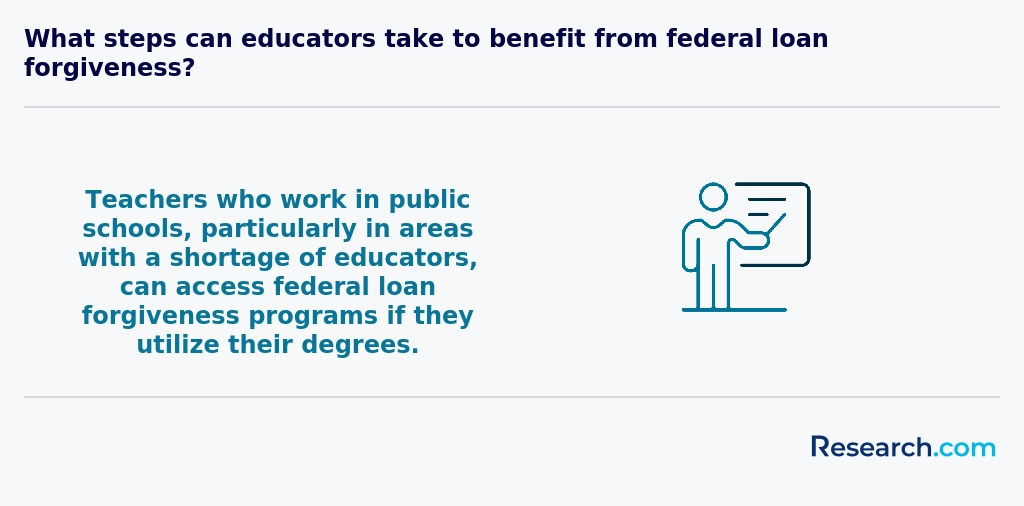
Besides salary, these educators often benefit from comprehensive health insurance, retirement contributions, and professional development stipends. For example, several graduates have noted how loan forgiveness programs helped ease their financial burden after completing their degrees online while balancing work and family commitments.
The flexibility of online study combined with competitive salary prospects makes Michigan a promising state for aspiring special education professionals.
- Tuition for online special education degrees in Michigan ranges from $10,000 to $25,000 annually at public institutions for in-state students.
- Entry-level salaries for special education teachers in Michigan average between $42,000 and $48,000 per year, increasing to $58,000 to $65,000 for mid-career professionals.
- Employment for special education teachers in Michigan is projected to grow by about 6% over the next decade, matching or exceeding the national average.
- Candidates must hold a bachelor's or master's degree, complete an approved educator preparation program, and pass state certification tests to become licensed.
- Accredited and state-approved online programs ensure quality education and eligibility for financial aid and teacher licensure in Michigan.
Completing an online special education degree in Michigan typically spans from one to four years, depending on your chosen degree level and whether you study full- or part-time. For example, a full-time bachelor's student at a university like Wayne State can expect about four years of study, aligning with national standards. Graduates often share how part-time enrollment at schools such as Western Michigan University helped them balance work and family, extending their timeline but making earning the degree manageable and rewarding.
If you already hold a bachelor's and pursue a master's in special education, schools like Oakland University offer accelerated programs that can be completed in as little as 12 to 18 months. Many students appreciate these flexible options because they allow continued employment while advancing their careers.
Don't forget to factor in Michigan's certification requirements, including a student teaching internship that takes up one semester. Prior coursework or transfer credits can shorten your journey, while balancing professional duties might extend it, as many graduates report.
Online special education degrees in Michigan offer flexibility that suits students juggling work or family, as seen in programs at Michigan State University and Western Michigan University. Graduates often describe the convenience of accessing coursework on their own schedule, which helps maintain balance amid busy lives. However, this format requires strong self-motivation to keep up with assignments without face-to-face reminders.
On the other hand, on-campus programs at the University of Michigan and Central Michigan University provide direct interaction with professors and peers. Many students appreciate the immediate feedback and hands-on activities like in-class exercises and practicums coordinated by the university, which enhance learning through collaboration and community support.
Both paths require supervised practicum hours. Online students typically complete this in local schools near their home, offering practical experience in familiar settings. On-campus students benefit from university-arranged placements, which can open doors to larger networks.
While tuition costs are similar-around $13,000 to $15,000 annually-the online route often reduces expenses related to commuting and housing, making it appealing for budget-conscious students who want flexibility without sacrificing quality.
The average cost of an online special education degree in Michigan typically centers around $27,060 in total tuition, offering a reasonable investment for in-state students aiming to enter this rewarding field. Graduates from well-regarded Michigan universities often share how managing these costs felt achievable through a combination of tuition savings at public institutions and strategic financial aid planning. Many students pursuing Michigan online special education degree tuition fees find that public universities provide more affordable programs, especially for in-state learners, balancing quality education with budget-conscious decisions.
Masters programs, which often calculate tuition by credit hour, usually range from $500 to $900 per credit. This means the total cost can vary between $15,000 and $32,000 depending on the credits required, with hybrid or accelerated formats offering flexibility without substantial cost increases. Online certification or endorsement programs stand out as cost-effective options, typically between $5,000 and $10,000, ideal for educators seeking to enhance their credentials without the time commitment of a full degree.
Students express relief in finding practical resources like the Michigan Department of Education and university financial aid offices to assist with managing expenses beyond tuition, such as textbooks and technology fees. For those wondering about career outcomes, graduates recommend exploring career paths related to a bachelor degree in special ed jobs frequently available after completing these programs.
Students pursuing an online special education degree in Michigan should start by completing the FAFSA to access federal aid like Pell Grants, which can provide up to $7,395 annually. Many graduates from universities such as Wayne State University and Western Michigan University share how this funding significantly eased their financial concerns, allowing them to focus fully on their studies.
Michigan offers state-specific options like the Michigan Competitive Scholarship and the Tuition Incentive Program, which reward residents attending approved colleges. These programs have helped numerous special education students reduce tuition costs while encouraging them to remain committed to the field amid Michigan's high demand for qualified teachers.
Institutional scholarships and tuition discounts are often available for online learners from universities popular in the state. Graduates frequently note that contacting their school's financial aid office directly revealed personalized funding opportunities they hadn't found elsewhere.
Employer tuition assistance is another valuable avenue, especially for those already working in education. Many have used these benefits to advance their credentials without financial stress. Additionally, organizations like the Council for Exceptional Children offer scholarships tailored to special education students, supporting both academic goals and career aspirations.
To enroll in an online special education degree in Michigan, you must first have a high school diploma or GED. Many programs at universities like Western Michigan University require this basic credential before admission into their undergraduate offerings. Graduates often share how meeting these initial standards gave them confidence to tackle college-level work.
Bachelor's degree seekers typically need to submit transcripts showing completed high school or prior college classes. Some programs set a minimum GPA around 2.5 to 3.0, which helps ensure readiness. For example, students at Central Michigan University have found that maintaining this GPA helped them stay motivated and succeed.
If you aim for a master's degree, you'll usually need a completed undergraduate degree, preferably in education or a related field. Some programs allow conditional admission if you take prerequisite courses first, making the path accessible even for those switching fields.
Many Michigan schools have relaxed standardized testing like the GRE, making entry smoother. You'll also likely need to pass a background check, ensuring the safety of students you'll eventually teach. Prior experience in special education or childcare-volunteering or working-often strengthens applications, bringing real-world knowledge and pride.
Finally, aligning with Michigan Department of Education certification criteria is vital for licensure after your degree. This alignment is a practical step graduates praise for setting a clear career path in local schools.

Online special education degrees in Michigan typically include core courses that directly prepare you for real-world teaching situations. Graduates from universities like Wayne State and Central Michigan share how courses such as Introduction to Special Education gave them a solid grasp of laws and diverse disabilities, helping them feel confident when they first entered classrooms.
Practical courses like Assessment and Evaluation teach you to use tools that identify student needs, which one graduate recalls using to successfully create tailored learning plans during her practicum. Another crucial course, Instructional Strategies for Diverse Learners, focuses on adapting lessons for varied learning styles-something graduates say made a big difference when working with students with different challenges.
Behavior management classes also prepare you to encourage positive student conduct, while Inclusive Education and Collaboration train you to integrate students into general classrooms effectively. Many programs include Assistive Technology training, equipping you with skills to use tools that enhance learning access.
Online special education degree specializations Michigan programs commonly include learning disabilities, focusing on strategies for students with dyslexia or processing disorders. Graduates from popular colleges in Michigan often share how this specialization empowered them to create effective individualized education programs (IEPs) that truly make a difference in classrooms.
Autism spectrum disorders (ASD) is another vital specialization, addressing the growing need for educators skilled in evidence-based autism support techniques. Students from renowned universities remark on how this training boosted their confidence to apply behavioral interventions and communication strategies successfully.
Emotional and behavioral disorders (EBD) specialization equips teachers with classroom management skills and collaboration methods with mental health professionals. Graduates frequently reflect on feeling more prepared to handle complex student needs, matching Michigan's certification standards.
Some students choose early childhood special education or assistive technology specializations, which are found in various online programs. These areas focus on early intervention and the use of technology to enhance student participation. Michigan learners appreciate how these options align with real-world demands and licensure requirements, detailed further in resources on how to get a special ed certification.
Considering special education certification options Michigan online helps prospective students select the best path aligned with their career goals and the state's teaching credentials.
To choose the best online special education degree in Michigan, start by confirming the program's accreditation and its alignment with Michigan state licensure requirements. Graduates from universities like Western Michigan University often highlight how seamless the transition was from coursework to certification because their programs prioritized state-specific standards and hands-on practicum placements within local schools. For those seeking affordable special education programs Michigan offers strong public university options with lower in-state tuition rates, easing financial burdens without sacrificing quality.
Consider programs that provide real-world student-teaching opportunities arranged close to where you live. Many successful alumni share how these placements deepened their understanding of local school environments and state regulations. Flexibility is key too-look for programs with asynchronous classes to balance work and study effectively. Finally, research each school's graduation rates and job placement statistics in Michigan, as these factors often reflect strong support systems. For a comprehensive look at careers related to special education, this resource can guide your next steps.
Graduates with an online special education degree in Michigan often find fulfilling job opportunities as special education teachers, working closely with students from kindergarten through high school. Many graduates from popular institutions such as Wayne State University or Grand Valley State University share how obtaining state certification through the Michigan Test for Teacher Certification enhances their confidence and opens doors to stable teaching positions. For those interested in behavioral intervention, roles as behavioral specialists or interventionists are common, allowing graduates to craft effective behavior plans tailored to individual student needs.
Career options also include becoming resource specialists or inclusion facilitators, where graduates collaborate with general education teachers to make classrooms more accessible. These roles, increasingly in demand within Michigan's inclusive education system, bring a deep sense of purpose and satisfaction. Other graduates pursue careers as educational diagnosticians or assessment coordinators, applying evaluation skills learned during their program to support student success.
For students seeking online special education teaching jobs Michigan offers a range of pathways. Many find that programs with practical components, like those at the University of Michigan-Flint, provide real-world experience that translates into rewarding jobs. Those aiming to advance quickly may explore an accelerated masters in special education online to enhance their credentials and salary potential.
The job market for graduates with an online special education degree in Michigan remains strong, especially for those seeking opportunities in public and private K-12 settings. Many graduates from well-known Michigan universities report securing roles within months, benefiting from the state's steady demand for skilled special education teachers. These professionals often work directly with diverse learners, supporting students with disabilities through tailored instruction, which is a priority in Michigan schools.
To enhance job prospects, candidates should focus on meeting state-specific certification requirements, including passing the Michigan Test for Teacher Certification (MTTC) in special education. Programs from Michigan colleges often integrate real-world teaching experiences and digital learning techniques, preparing graduates to adapt to hybrid and online classroom models. This hands-on approach is appreciated by employers facing an aging workforce and growing emphasis on inclusive education.
For prospective students balancing work and study, an online degree special education offers flexibility and cost savings, making it an attractive path to enter Michigan's rewarding special education career opportunities Michigan. Graduates frequently praise the supportive university environments and practical training that build confidence for their new roles.
2027 Fastest Online Special Education Degree Programs Ranking in Michigan
Investing in your education is a significant decision that can shape your future, and the Research.com team understands the importance of making informed choices. To assist prospective students in Michigan, we have meticulously crafted the "2027 Fastest Online Special Education Degree Programs Ranking." Our commitment to quality, credibility, and accuracy is reflected in the extensive research and analysis conducted to compile this ranking.
We utilized the following reputable data sources to ensure a comprehensive evaluation of special education programs:
By exploring this ranking, readers will gain valuable insights into the fastest online special education degree programs available in Michigan, helping them make well-informed decisions about their education. For more details on our methodology, please visit our Research.com methodology page.

# 2 position
Central Michigan University
Bachelor of Teaching Early Childhood, B-K and Early Childhood Special Education

Frequently Asked Questions About special education
Online special education degree students in Michigan can maximize their learning by actively engaging with course materials and participating in virtual discussions. Building strong communication with instructors and peers enhances understanding and networking opportunities.
Utilizing Michigan's extensive online libraries and educational resources, such as those provided by the Michigan Virtual University, supports deeper research and skill development. Additionally, students should seek local practicum or internship placements in Michigan schools to apply theoretical knowledge in real settings.
Staying informed about Michigan's special education laws and policies, including recent changes in IDEA requirements, helps students align their learning with current professional standards. According to the Michigan Department of Education, hands-on experience and continuous professional development are key to successful careers in this field.
The field of special education is evolving, with several emerging niches gaining attention. One notable area is the integration of technology to support students with disabilities, including the use of assistive devices and personalized learning software. Online special education degree students in Michigan can expect to encounter growing demand for expertise in this area.
Another niche is behavioral intervention, focusing on students with emotional and behavioral disorders. Michigan's public schools are increasingly hiring specialists skilled in evidence-based behavioral strategies. Additionally, there is a rising need for professionals familiar with autism spectrum disorder (ASD) interventions, reflecting national trends highlighted by the CDC.
Support for inclusive education environments is also expanding, preparing special educators to work collaboratively in diverse classrooms, which aligns with Michigan's commitment to inclusive policies under IDEA.
After completing an online special education degree in Michigan, it is important to actively prepare for the job market. Start by obtaining Michigan's teaching certification for special education, which typically requires passing the Michigan Test for Teacher Certification (MTTC) in special education.
Networking plays a significant role; connect with local school districts and join professional organizations such as the Michigan Association for Gifted Children or the Michigan Council for Exceptional Children.
Internships and student teaching experiences during the degree program can boost practical skills and employability.
The Bureau of Labor Statistics projects a 3% growth in special education jobs in Michigan from 2022 to 2032, highlighting steady demand in the field.
Employers in Michigan prioritize several key skills in graduates of online special education degree programs. First, strong knowledge of individualized education plans (IEPs) is essential, as these plans are mandated by the Individuals with Disabilities Education Act (IDEA) and widely implemented in Michigan schools. Communication skills rank highly, enabling teachers to collaborate with students, families, and multidisciplinary teams effectively.
Adaptability and patience are crucial, given the diverse needs of students with disabilities encountered in Michigan's classrooms. Familiarity with assistive technologies also enhances job prospects, as educators increasingly integrate digital tools to support learning. According to the Michigan Department of Education, expertise in behavior management and data-driven instruction remains vital for success and compliance.
Finding internships in Michigan relevant to a special education degree involves exploring several practical routes. Start by contacting local school districts, as many offer internship programs that provide hands-on experience with students requiring special education services. The Michigan Department of Education also lists approved programs and partnership opportunities valuable for gaining clinical practice. Additionally, universities with online special education programs often have established internship networks in Michigan, making their career services an important resource.
According to the Michigan Department of Education, approximately 13% of public school students receive special education services, highlighting the steady demand for trained professionals.
Professional organizations such as the Michigan Council for Exceptional Children can also connect students with internships and mentorships specific to special education.
An online special education degree in Michigan can significantly enhance career mobility and advancement opportunities. The state requires special education teachers to hold state certification, which an accredited online program can help fulfill. According to the Michigan Department of Education, the demand for qualified special education teachers is expected to grow by 6% through 2030, aligning with national trends.
Graduates often qualify for higher salaries and leadership roles. For example, completing an advanced degree can lead to positions such as special education coordinator or district consultant. The flexibility of online programs allows educators to balance work and study, speeding up career progress.
Additionally, many Michigan school districts prioritize candidates with specialized credentials, making online degrees a strategic choice for educators seeking advancement.
Studying for a special education degree in Michigan equips students with skills essential for interdisciplinary collaboration. Michigan's online programs emphasize teamwork among educators, therapists, and healthcare professionals to address diverse learner needs effectively.
Programs often include coursework in psychology, speech pathology, and educational technology, preparing graduates for roles that require coordination across multiple disciplines. According to the Michigan Department of Education, 14% of students receive special education services, highlighting the demand for well-rounded professionals.
The integration of state standards and evidence-based practices helps students understand different perspectives and communicate with specialists in various fields, crucial for developing individualized education plans (IEPs).
Choosing between a thesis and a non-thesis special education degree program in Michigan depends on your career goals and learning preferences. Thesis programs typically require original research, appealing to students who want to pursue doctoral studies or work in academic or research roles. Non-thesis options focus more on practical skills and coursework, suitable for professionals aiming to enhance their teaching or administrative capabilities.
According to the Michigan Department of Education, nearly 15% of special education teachers hold advanced degrees emphasizing applied knowledge rather than research. Consider your interest in research, time commitment, and post-graduate plans before deciding. Additionally, online programs may offer flexibility, but always verify accreditation and state licensure compatibility.
Students based in Michigan who wish to study special education abroad face limited direct options through US institutions. Most online special education degree programs in Michigan are offered by American universities with domestic accreditation, primarily focused on in-state or nationwide students. Currently, there are no widely recognized online special education degrees from foreign universities specifically tailored for Michigan residents.
Michigan students aiming for an international perspective often consider exchange programs or study abroad opportunities embedded within their US degree. However, due to licensing and certification requirements for special education teachers, most Michigan students ultimately pursue programs accredited by the Council for Exceptional Children or approved by the Michigan Department of Education.
According to the Michigan Department of Education, candidates must complete approved programs to qualify for teaching certification, which restricts options to primarily US-based institutions. Research from the National Center for Education Statistics shows over 2,500 special education teachers are certified annually in Michigan, reflecting the demand for accredited, state-compliant programs.
For students seeking global perspectives, enrolling in US-based online degrees with international coursework or virtual collaborations may be the most practical approach.
Part-time job opportunities in Michigan that complement an online special education degree often focus on hands-on experience with students requiring individualized support. Positions such as teacher aides or paraprofessionals in public schools allow individuals to assist special education teachers while gaining practical skills. According to the Michigan Department of Education, paraprofessional roles have been steadily expanding, reflecting the growing demand for special education services.
Another option includes working as a behavioral technician, supporting students with autism or developmental disabilities. These roles typically involve direct engagement using evidence-based interventions, which aligns well with special education training.
Additionally, tutoring services for students with learning disabilities can provide flexible schedules and relevant experience. Many Michigan districts seek skilled tutors to support remote or in-person learning pathways.
These part-time jobs serve as valuable foundations for future licensed special educators, promoting career growth while studying.
Online special education students in Michigan have various networking opportunities to support their professional growth. Many universities offering online programs encourage participation in virtual student groups and local chapters of national organizations such as the Council for Exceptional Children (CEC). In Michigan, CEC chapters provide events, workshops, and conferences tailored to special educators.
Students can also access networking through state education department initiatives, like the Michigan Department of Education's Special Education Advisory Committee, which connects educators and advocates. Additionally, job fairs and webinars hosted by Michigan's Intermediate School Districts offer online students chances to meet potential employers and collaborate with experienced professionals in the field.
Alumni networks offer essential support to students pursuing online special education degrees in Michigan. These networks connect current students with graduates who understand local demands and challenges in special education. Through mentorship and professional advice, alumni help students navigate Michigan's specific certification requirements and job market.
According to the Michigan Department of Education, special education professionals are in high demand, and alumni networks frequently share exclusive job openings and internship opportunities. This connection enhances career prospects for graduates entering public schools and specialized agencies across the state.
Moreover, alumni groups often organize webinars and workshops tailored to Michigan's policies and classroom settings, providing ongoing learning beyond online coursework. This engagement fosters a community that benefits student retention and professional growth within the state's evolving special education landscape.
Michigan offers various online special education degree programs that allow students to tailor their studies according to career goals. Many universities provide specializations such as autism spectrum disorders, learning disabilities, or behavioral interventions. Choosing electives or certificates in areas like early childhood intervention or assistive technology can further customize the curriculum.
Students can often balance coursework with practical experiences by selecting programs that include flexible student teaching placements in local districts. According to Michigan's Department of Education, focusing on high-demand areas like emotional impairment or cognitive impairment increases employment prospects.
Advisors at Michigan institutions typically assist in mapping out personalized degree plans that meet both state certification requirements and individual career interests, making customization feasible even in fully online formats.
Online special education students in Michigan face several challenges unique to their field and learning format. One major issue is the limited hands-on experience when working with students with disabilities, which is crucial for effective teaching. Many online programs try to address this through arranged local internships, but coordinating these can be difficult and time-consuming.
Additionally, students often encounter technology barriers, especially those in rural areas where internet access can be unreliable. According to the Michigan State Board of Education, about 15% of rural households struggle with high-speed internet, impacting online learning quality.
Another challenge is navigating Michigan's specific special education certification requirements, which include additional testing and training beyond the online coursework. Students must ensure their program prepares them for these state mandates.
With an online special education degree in Michigan, graduates can pursue professional certifications that qualify them to teach and support students with disabilities. The primary certification is the Michigan Teaching Certificate in Special Education, which allows educators to teach in public schools across the state.
This certification requires meeting coursework, testing, and supervised teaching experience standards governed by the Michigan Department of Education. According to state data, Michigan had over 14,000 special education teachers as of 2023, emphasizing the demand for certified professionals.
Additionally, graduates may pursue endorsements in areas such as Learning Disabilities or Emotional Impairment, which can broaden job opportunities. Some may also qualify for the nationally recognized Certified Special Education Teacher (CSET) credential, enhancing their professional value.
For those interested in advanced roles, certifications in behavior analysis or assistive technology are options depending on further education and training.
To write a winning application for an online special education program in Michigan, start by clearly demonstrating your commitment to supporting students with diverse learning needs. Highlight any relevant experience, including volunteer work or paid positions in educational settings. Michigan's Department of Education emphasizes practical skills and understanding of individualized education programs (IEPs), so mention your familiarity with these.
Strong academic records matter; most programs require a bachelor's degree and competitive GPA, typically above 3.0. Be sure to include solid letters of recommendation from educators or supervisors who can attest to your dedication and abilities.
Finally, tailor your personal statement to explain why Michigan's online program aligns with your career goals, citing local statistics if possible, such as Michigan's rising demand for special educators reported by the Bureau of Labor Statistics.
Special education careers in the United States, including Michigan, reflect a growing global recognition of the importance of inclusive education. Worldwide, educators seek trained specialists to support students with diverse learning needs, driven by international commitments such as the United Nations' Sustainable Development Goals. In Michigan, demand for special education teachers is rising, with the Bureau of Labor Statistics projecting a 10% job growth through 2031, faster than average for all occupations.
Globally, differences exist in resources and training, but U.S. programs are often seen as models for comprehensive certification and applied teaching methods.
Michigan's online special education degrees emphasize preparing educators to meet federal IDEA (Individuals with Disabilities Education Act) guidelines while fostering cultural competency, an increasingly valued skill worldwide.
Gaining practical experience while pursuing an online special education degree in Michigan often involves completing fieldwork or student teaching components required by licensure programs. Many universities coordinate partnerships with local schools, allowing students to engage in supervised classroom settings. This hands-on training is essential for understanding diverse learning needs and applying theory to real situations. According to Michigan's Department of Education, candidates need a minimum number of clinical hours-typically around 600-to qualify for special education certification. Additionally, some schools facilitate virtual simulations or internships to complement in-person experiences, ensuring students meet state requirements while studying remotely.
Choosing the right concentration within an online special education degree program in Michigan depends on your career goals and the needs of local schools. Michigan offers concentrations such as autism spectrum disorders, cognitive impairments, and emotional/behavioral disorders, reflecting the state's diverse student population. According to the Michigan Department of Education, over 15% of students receive special education services, highlighting a growing demand for specialized teachers.
Review state certification requirements before selecting a concentration, as Michigan mandates specific endorsements to teach certain disability categories. Also, consider programs with strong practicum placements to gain practical experience. Researching local employment trends and consulting Michigan's Special Education Advisory Committee reports can inform your decision.
- 2027 Fastest Online Special Education Degree Programs Ranking in Ohio
- 2027 Fastest Online Special Education Degree Programs Ranking in Minnesota
- 2027 Fastest Online Special Education Degree Programs Ranking in Pennsylvania
- 2027 Fastest Online Special Education Degree Programs Ranking in Kentucky
- 2027 Fastest Online Special Education Degree Programs Ranking in Missouri
- 2027 Fastest Online Special Education Degree Programs Ranking in Virginia
- 2027 Fastest Online Special Education Degree Programs Ranking in North Carolina
- 2027 Fastest Online Special Education Degree Programs Ranking in Massachusetts
- 2027 Fastest Online Special Education Degree Programs Ranking in Georgia
- 2027 Fastest Online Special Education Degree Programs Ranking in Kansas
- U.S. Department of Education makes a difference for ... https://mea.org/us-dept-ed-makes-difference-for-students/
- What can You Do with a Special Education Degree? - Graduate Programs for Educators https://www.graduateprogram.org/blog/what-can-you-do-with-a-special-education-degree/
- Teaching Job Roles | Teach For Life https://www.teachforlife.com/teachingjobs/global-perspectives-teacher
- Choose Your Path in Special Education Careers | OPTIMISE https://optimise.education/choose-your-special-education-path/
- Why Special Education Teachers Need a Big Support Network https://www.weareteachers.com/special-education-support-network/
- 2025 Best Online Degrees in Special Education https://www.onlineu.com/degrees/special-education
- Special Education Courses Online | Salary, Career & Certification. https://www.apteachertraininginstitute.com/blog/special-education-teacher-salary-career-paths-online-training-investement/
- Sample Letter: Request a Special Education Evaluation https://www.askresource.org/resources/sample-letter-requesting-an-evaluation
- How to Prepare for Careers in Special Education | Eastern CT State https://www.easternct.edu/graduate-division/online/articles/how-to-prepare-for-careers-in-special-education/
- How to strengthen your school’s network by integrating alumni | Edusign https://edusign.com/blog/how-to-strengthen-your-schools-network-by-integrating-alumni