2027 Fastest Online Special Education Degree Programs Ranking in Georgia

Co-Founder and Chief Data Scientist
Exploring special education degree options in Georgia can feel overwhelming, but finding the right program is an important step toward a rewarding career. This article introduces the 2027 Fastest Online Special Education Degree Programs Ranking in Georgia, created by the Research.com team of data scientists to guide you through the best choices.
By reading this ranking, you'll discover programs that combine quality and speed, helping you enter the field sooner. Pursuing a special education degree opens doors to meaningful work supporting students with diverse needs, making a positive impact in your community.
Key benefits of getting online special education degree in Georgia
- Special education teachers in Georgia typically earn around $55,000 annually, providing a stable and rewarding career path dedicated to making a positive impact.
- Graduates from the University of Georgia often find diverse opportunities, including roles in public schools, private institutions, and specialized therapy services, offering flexibility and growth.
- Completing a special education degree online at Kennesaw State University offers convenience and the ability to balance work and study, making it easier to advance your career without interrupting your life.
- 2027 Fastest Online Special Education Degree Programs Ranking in Georgia
- What can I expect from online special education degree in Georgia?
- Where can I work with online special education degree in Georgia?
What can I expect from online special education degree in Georgia?
The average cost of an online special education degree in Georgia typically ranges depending on the institution, but many public universities offer affordable tuition for in-state students, often between $5,000 and $15,000 per year. Graduates from programs at prominent Georgia colleges recall feeling relief and motivation knowing their investment supported hands-on practicum experiences in local schools, a crucial step for state certification. This real-world application, paired with flexible online coursework, helps students balance studies with work and family life, making the cost feel worthwhile.
Many graduates appreciate how financial aid and scholarships specifically geared toward education majors help ease expenses, allowing them to focus on their passion for teaching diverse learners. As demand for special education professionals grows, these affordable programs at respected institutions set up future educators to thrive both academically and emotionally. The cost is not just tuition-it's an investment in becoming a skilled teacher ready to support thousands of Georgia's students who depend on specialized education services.
Where can I work with online special education degree in Georgia?
Graduates with an online special education degree in Georgia find doors opening in the state's diverse educational landscape-from lively classrooms in Atlanta's public schools to resource rooms in suburban counties. Many alumni from well-known Georgia universities share how their training prepared them to create individualized education plans and connect deeply with students facing unique challenges, sparking rewarding moments of breakthrough and growth.
Looking ahead, employment is expanding beyond traditional K-12 settings. Early intervention programs supported by the Georgia Department of Early Care and Learning offer roles where specialists work directly with families, fostering development from infancy-a path that has inspired graduates eager to make a foundational impact.
Innovations in inclusive education also pave the way for positions in colleges and private institutions, where specialists adapt curricula and support academic success. Additionally, state agencies like the Georgia Vocational Rehabilitation Agency open avenues for advocacy and vocational coaching, roles that graduates describe as meaningful and transformative for individuals navigating employment.
With Georgia's certification requirements met through accredited online programs, degree holders feel confident stepping into these varied and evolving careers, often highlighting how practical, state-focused training helped build both expertise and passion for lifelong service.
Graduates from programs at popular institutions like Kennesaw State University or Georgia State University often start their careers in special education within Georgia public schools earning between $40,000 and $45,000 annually. For many, this initial salary matches their expectations and supports a comfortable lifestyle, especially given Georgia's generally lower cost of living. One graduate shared how their first teaching position in a suburban Atlanta district provided both financial stability and opportunities for professional growth.
With experience and advanced degrees, salaries can increase to $60,000 or more, reflecting the value of further education and certification through the Georgia Professional Standards Commission. Graduates pursuing leadership roles, such as special education coordinators or directors, may see salaries climbing between $65,000 and $90,000. These positions often come with increased responsibility but also greater job satisfaction and influence on educational outcomes.
Many alumni appreciate that even non-traditional paths-like working with nonprofits or as educational consultants-offer flexible options with salaries ranging generally from $35,000 to $65,000. As online education evolves, graduates increasingly find roles that match their unique skills, further enhancing their earning potential in Georgia's diverse educational landscape.
- Many accredited Georgia institutions offer fully online or hybrid special education degree programs that fulfill state certification requirements.
- Tuition for online special education degrees ranges from $300 to $500 per credit hour, with bachelor's degrees costing $15,000 to $25,000 and graduate programs $10,000 to $20,000.
- Employment for special education teachers in Georgia is projected to grow by about 7% over the next decade, reflecting steady demand in urban centers like Atlanta and Savannah.
- Starting salaries for special education teachers in Georgia are between $40,000 and $45,000, increasing to $55,000 to $60,000 with experience.
- Additional certifications, such as Applied Behavior Analysis (ABA), can improve job prospects and salary potential.
- Programs must be approved by the Georgia Professional Standards Commission (GaPSC) to meet certification standards and enable licensure.
Online special education degrees in Georgia typically take between two to four years to complete, depending on the level of study and the student's pace. Graduates from well-known programs at universities like Georgia State University or Kennesaw State often mention how flexible course schedules allowed them to balance work and family life, especially when enrolled part-time.
Many master's students find accelerated options appealing, completing their degrees in about 18 to 24 months by leveraging intensive course loads and prior credits. One graduate shared how an accelerated program's design helped meet tight certification deadlines while maintaining a full-time teaching job.
For those pursuing an Educational Specialist degree, the additional one to two years beyond a master's can feel demanding but rewarding, especially when practicum experiences connect students with Georgia's diverse school communities firsthand.
Looking forward, emerging trends in adaptive learning technologies and personalized pacing might further shorten these timelines, making specialized education degrees in Georgia even more accessible and student-friendly.
To practice as a special education teacher in Georgia, you must meet state certification standards set by the Georgia Professional Standards Commission (PSC):
- Completion of a PSC-approved special education teacher preparation program
- Passing scores on the GACE Special Education Content Assessment
- Verification of a bachelor’s or master’s degree from an accredited institution
After initial certification, you can advance your credentials by:
- Adding endorsements (e.g., Behavior Disorders, Early Childhood Special Education) through PSC-approved exams
- Maintaining your certification with a five-year Professional Learning Plan focused on best practices and ongoing skill development
For educators pursuing leadership roles-such as special education coordinators or directors-earning a doctorate in educational leadership can be essential. Many turn to the cheapest online doctorate in educational leadership to fulfill advanced licensure requirements and expand their impact across Georgia’s schools.
Graduates from University of Georgia's special education programs often highlight the distinct benefits of online versus on-campus studies. Online learners appreciate the freedom to complete assignments around work shifts or family time, creating a personalized schedule that relieves stress and fosters motivation. Imagine balancing a day job and caring for a child while accessing coursework late at night from home-this flexibility often sparks a feeling of empowerment.
On-campus students at Georgia State University describe the energizing atmosphere of face-to-face interaction with professors and peers. They cherish spontaneous study groups and hands-on practicum experiences in local classrooms, which build confidence and professional bonds. These real-time connections frequently lead to lasting mentorships that enrich their teaching journey.
Looking ahead, emerging hybrid models in Georgia's colleges may blend these strengths-combining online accessibility with periodic in-person sessions, creating dynamic learning communities. Such models promise even greater adaptability without sacrificing the supportive, immersive environments that on-campus programs offer, preparing future educators to thrive in diverse classrooms.
Programs must be approved by the Georgia Professional Standards Commission (GaPSC) and accredited by the Council for the Accreditation of Educator Preparation (CAEP) or NCATE to ensure state licensure eligibility.
- Complete a GaPSC-approved special education curriculum
- Pass the GACE Special Education assessment exams
- Fulfill a criminal background check and fingerprinting
- Submit official transcripts and apply through the GaPSC online portal
Once certified, you’re qualified to teach in K-12 settings across Georgia. For educators seeking leadership roles beyond the classroom, consider exploring the cheapest online doctorate in educational leadership.
The average cost of an online special education degree in Georgia is approximately $13,860, reflecting a balance between in-state tuition benefits and additional expenses. Many students pursuing their degrees at public universities like the University of Georgia or Georgia Southern University find this cost manageable, especially when considering the blend of tuition, technology fees, and course materials. Some graduates recall the challenge of funding their education but express satisfaction in how affordable options made it feasible to follow their passion for helping students with special needs.
When exploring Georgia special education degree tuition fees, private institutions such as Mercer University often present a higher sticker price, though they also offer various scholarships and financial aid options. This financial support often makes pursuing an advanced degree more approachable, with real-life testimonials highlighting the relief felt when aid reduced their financial burden. These students emphasize the value of investing in a program that equips them with skills to impact diverse classrooms positively.
Future candidates should consider how evolving online platforms might further reduce costs and expand accessibility, making it easier to engage with coursework around work and family obligations. Those interested in career possibilities can explore a comprehensive bachelor degree in special ed jobs, which often correlate with their educational investments. Such prospects inspire many to envision rewarding futures as specialized educators in Georgia's inclusive schools.
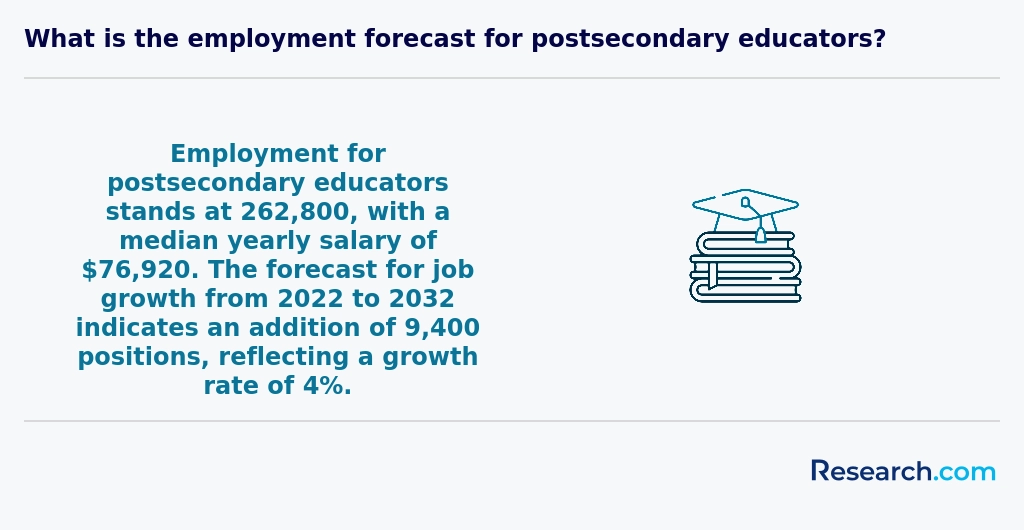
Students pursuing an online special education degree in Georgia often find financial aid to be a vital lifeline that transforms their educational journey. Graduates from universities like Georgia State and Kennesaw State frequently share how federal Pell Grants offered crucial support, relieving anxiety about upfront costs, as these grants do not require repayment. Many remember applying early for the FAFSA, unlocking not only Pell Grants but also federal Direct Subsidized Loans that eased their path with manageable repayment terms.
State aid programs, particularly the HOPE Scholarship and HOPE Grant funded by the Georgia Lottery, bring immense relief to in-state students by covering substantial tuition costs at public institutions. Special education graduates appreciate how these funds make online learning accessible without compromising quality.
Additionally, loan forgiveness programs available through Georgia's Department of Education motivate students to commit to in-demand districts, turning financial aid into a stepping stone for a meaningful career. Veterans and military members often highlight benefits like the GI Bill's contribution to their educational funding, enriching their academic pursuits.
As online programs evolve, future financial aid solutions may increasingly integrate personalized scholarships and partnerships with private foundations focused on special education, making it even easier to realize the dream of becoming an educator.
To teach special education in Georgia, you must meet state licensing standards:
- Complete an accredited online special education program approved by the Georgia Professional Standards Commission
- Fulfill required practicum and student-teaching hours under a certified mentor teacher
- Pass the GACE Special Education Content Assessment and the GACE Program Admission Assessment
- Undergo a criminal background check and fingerprinting per state law
- Apply for initial teaching certification through the Georgia Professional Standards Commission and complete induction
- Maintain certification with continuing education or through advanced credentials, such as pursuing the cheapest online doctorate in educational leadership
Enrolling in an online special education degree program in Georgia generally starts with having a solid academic foundation, such as a high school diploma for undergraduate pathways or a bachelor's degree for graduate studies, as expected by institutions like Kennesaw State University and Georgia Southern University. Graduates often recall the reassurance felt once they met the GPA benchmarks-usually around 2.5 to 3.0-which helped them feel confident enough to progress.
Many students share how completing background checks and fingerprint clearances, mandated by the Georgia Professional Standards Commission, reinforced the trust placed in them as future educators working closely with children. Imagine preparing assignments on virtual learning platforms, a skill emphasized by programs at Columbus State University, where students frequently use interactive tools to enhance collaboration.
Some programs may ask for GRE scores or recommendation letters, but many graduates found these requirements balanced by supportive faculty who encouraged passion over perfect test results. Applicants also appreciate programs that recognize practical experience, sometimes waiving coursework prerequisites, which resonates with adult learners eager to advance quickly in their careers.
Looking ahead, as Georgia's need for special education teachers grows, future applicants might see prerequisites evolve to include advanced technological proficiencies or even virtual classroom internships, much like recent graduates experienced firsthand at popular Georgia colleges.

Online special education degree programs in Georgia typically include courses that prepare students for the real challenges they will face in diverse classrooms. Graduates from well-known institutions like Georgia State University often share how foundational courses such as assessment and evaluation equipped them to create individualized education programs (IEPs) that truly make a difference for their students.
Behavioral management classes focus on positive strategies that help maintain supportive learning environments, an approach praised by recent alumni who recall handling difficult moments with empathy and confidence. Instructional methods tailored to disabilities like autism and emotional disturbances are common, reflecting a hands-on, practical style found at universities such as Kennesaw State.
Legal and ethical issues courses ensure future educators understand the evolving laws that protect students in Georgia. Electives in assistive technologies or transition planning create excitement among students, imagining how innovations will shape their teaching careers. These programs emphasize blending theory with real-world success, often integrating practicum experiences that make learning deeply engaging and hopeful.
Online special education degree programs Georgia offer evolving specializations tailored to real classroom challenges. Graduates from popular institutions in Georgia often highlight how focusing on Learning Disabilities helped them develop creative teaching methods for students with ADHD or dyslexia, transforming frustration into breakthroughs. Others who pursued Emotional and Behavioral Disorders specialization share rewarding experiences using behavior management plans that truly changed student lives. The Autism Spectrum Disorders (ASD) track remains a vital area, where educators train to boost communication and social skills, imagining new techniques that improve daily interactions for kids on the spectrum. Early Childhood Special Education has gained attention, preparing teachers to intervene early in promising ways that foster growth in preschool learners with developmental delays. Meanwhile, those focusing on Severe and Multiple Disabilities often emphasize their work with adaptive technologies that empower students facing complex needs, reflecting passion and dedication. Prospective students should consider how these options not only meet Georgia's certification demands but also fit their unique career goals and emotional connection to teaching. For guidance on certification pathways, see how to get a special ed certification.
Choosing the best online special education degree in Georgia means looking beyond basic accreditation and tuition. Graduates from well-known programs at Georgia colleges often share how important program flexibility was in balancing work and study, especially with part-time or accelerated paths that adapt to busy lives. Many found that schools offering strong practicum placements within Georgia's diverse school districts helped them gain real-world experience crucial for GaPSC certification. For those seeking the best affordable online special education degrees Georgia offers, considering not only cost but also financial aid and post-graduate support becomes essential.
Imagine immersing yourself in coursework covering behavioral interventions and legal frameworks while connecting with local schools for supervised fieldwork-this scenario is typical for students in top accredited special education programs Georgia online. Reliable programs also prepare students to meet state certification demands without sacrificing quality. Exploring graduate outcomes reveals that programs with deep connections to Georgia education systems boost job placement rates and confidence.
Forward-thinking candidates often consult resources on careers related to special education to visualize future opportunities and align their studies accordingly.
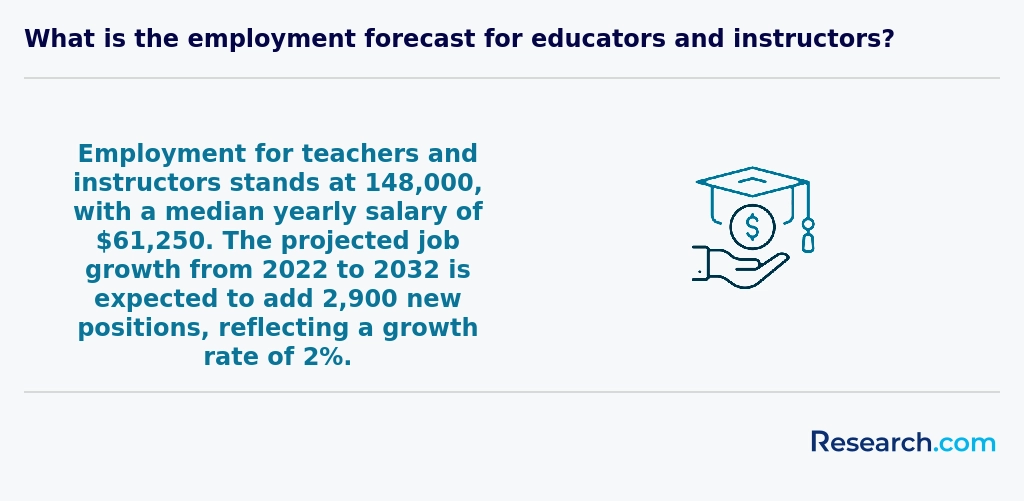
Graduates with an online special education degree in Georgia find themselves well-positioned for a range of rewarding career paths. Many become special education teachers in local schools, directly engaging with students who have unique learning needs. Others build on their skills to become educational diagnosticians or assessment specialists, roles that involve crafting personalized education plans. These options align closely with the expanding opportunities in the state, supported by institutions like the University of Georgia and Kennesaw State University, where graduates often share stories of their impactful classroom experiences.
Beyond teaching, some professionals pursue roles as behavior interventionists or paraprofessionals, providing hands-on support that fosters real progress. With the state's growing emphasis on inclusive education, the demand for such positions continues to rise. Additionally, those interested in future-forward roles can explore becoming transition specialists, guiding students through post-secondary readiness and independent living skills.
For those eager to accelerate their qualifications, programs like the accelerated masters in special education online offer streamlined paths. This flexibility enables graduates to meet changing workforce needs throughout Georgia, opening doors to program administration and special education coordination as advanced opportunities in this evolving field.
The job market for graduates with an online special education degree in Georgia is promising and growing. Those who have completed programs at well-known institutions like the University of Georgia or Georgia State University often share how the flexibility of online courses helped them balance work and family while earning certification recognized statewide. This adaptability is crucial for career changers and those pursuing the field part-time.
With Georgia's ongoing teacher shortage, especially in specialized areas like special education, opportunities abound across urban and rural districts. Graduates find joyful fulfillment working in diverse settings such as public schools or private academies, making a lasting impact on students with unique needs. Considering the availability of state-supported incentives and loan forgiveness, the field becomes even more attractive.
For those exploring online options, resources like online degree special education programs highlight career paths aligned with state requirements, enhancing employability in Georgia's competitive education landscape. The connection between training and job opportunities creates an encouraging outlook for new educators entering this vital profession.
2027 Fastest Online Special Education Degree Programs Ranking in Georgia
Investing in your education is a significant decision that can shape your future, and the Research.com team understands the importance of making informed choices. To assist prospective students interested in special education in Georgia, we have meticulously created the "2027 Fastest Online Special Education Degree Programs Ranking in Georgia." Our commitment to quality, credibility, and accuracy is reflected in the extensive research and thorough analysis conducted to compile this ranking.
We utilized the following reputable data sources to ensure a comprehensive evaluation of online special education degree programs:
By exploring this ranking, readers will gain valuable insights into the fastest online special education degree programs in Georgia, enabling them to make well-informed decisions about their educational journeys. For more details on our methodology, please visit our Research.com methodology page.


Frequently Asked Questions About special education
Online special education degree students in Georgia can maximize their learning experience by fully engaging with interactive course materials and participating in virtual discussions. Research from the Georgia Department of Education highlights that collaboration is key in special education success, making communication with peers and instructors vital. Students should also leverage local resources, such as Georgia's online libraries and professional networks focused on special education.
Scheduling consistent study times helps maintain progress, especially as online programs typically emphasize self-discipline. Many accredited Georgia institutions offer field experience options allowing students to apply theory in real classrooms, which greatly enhances learning. Staying informed about Georgia's special education laws and policies also supports practical understanding.
The field of special education is evolving rapidly, with emerging niches reflecting the growing needs of diverse student populations. One significant area is the integration of technology to support students with disabilities, such as using assistive devices and adaptive software. Educators skilled in these tools are increasingly in demand in Georgia, where the Department of Education highlights the importance of digital accessibility.
Another niche involves supporting students with autism spectrum disorder (ASD). With Georgia experiencing a rise in ASD diagnoses-estimated at 1 in 54 children by the CDC-specialists trained in applied behavior analysis and communication strategies are crucial.
Finally, there is a growing focus on inclusive education models that emphasize collaboration between general and special educators to foster equitable learning environments for all students.
After completing an online special education degree in Georgia, preparing for the job market involves several key steps. First, obtain Georgia's required teaching certification by passing the GACE Special Education exam. This credential is mandatory to work in public schools and increases employability.
Next, gaining practical experience through internships or substitute teaching can strengthen your resume. Georgia's Department of Education reports a growing demand for special education teachers, with a projected job growth of 10% over the next decade, signaling positive job prospects.
Networking with local school districts and joining professional organizations like the Georgia Council of Administrators of Special Education can also open doors. Additionally, staying updated on Individualized Education Program (IEP) laws in Georgia ensures readiness to meet state requirements.
Employers in Georgia value special education graduates who demonstrate strong communication and collaboration skills. These professionals must effectively work with students, families, and multidisciplinary teams to create individualized education plans (IEPs). According to the Georgia Department of Education, understanding state-specific laws and policies related to special education is essential.
Adaptive teaching methods and behavior management techniques are also highly sought after. Graduates should be skilled in using data-driven approaches to assess student progress and modify instruction accordingly. Familiarity with assistive technologies is increasingly important as well.
Additionally, employers look for cultural competence given Georgia's diverse student population. The ability to foster inclusive classroom environments aligns with district goals highlighted in recent state education reports.
Finding internships in Georgia relevant to a special education degree involves exploring partnerships between online programs and local school districts. Many Georgia universities offering online special education degrees have agreements with public schools to provide internship placements.
Internships typically require approval from your program advisor and must comply with Georgia's teacher preparation standards. The Georgia Department of Education website lists approved school districts that often participate in such programs.
In addition, organizations like the Georgia Council for Exceptional Children provide internship resources and networking opportunities designed specifically for special education students.
Since 1 in 10 students in Georgia receive special education services, local schools maintain a steady demand for qualified interns and practicum students (Georgia Department of Education, 2023).
Obtaining an online special education degree in Georgia significantly enhances career mobility and advancement opportunities. Georgia's demand for qualified special education teachers continues to grow, driven by a 5% projected increase in special education positions statewide through 2030, according to the Georgia Department of Education.
Online programs accredited by recognized bodies enable candidates to meet state licensure requirements efficiently. This flexibility helps working professionals transition into special education roles or advance to leadership positions like resource coordinator or behavior specialist.
Moreover, graduates often qualify for higher salaries; the average annual wage for special education teachers in Georgia is around $56,000, varying with certification and experience (Bureau of Labor Statistics, 2023). Earning an advanced degree online can open pathways to administrative roles, curriculum development, or specialized intervention careers within Georgia's educational institutions.
Studying for an online special education degree in Georgia equips students with skills to work across multiple disciplines, essential in modern education settings. Programs emphasize collaboration with general education teachers, therapists, counselors, and families. This interdisciplinary approach prepares graduates to design and implement inclusive learning strategies tailored to diverse student needs.
Georgia's special education workforce demands professionals who understand federal laws like IDEA while coordinating with healthcare and social services. According to the Georgia Department of Education, effective communication and teamwork are vital for improving outcomes for students with disabilities.
Online curricula often include practicum experiences promoting real-world interdisciplinary collaboration, making graduates valuable team members in schools and community agencies.
Choosing between a thesis and a non-thesis online special education degree program in Georgia depends on your career goals and academic interests. A thesis program typically requires original research and a detailed written project, ideal for students aiming for doctoral studies or roles in research and policy development.
Non-thesis programs focus on coursework and practical skills, often appealing to educators seeking classroom leadership or administrative positions. Both routes meet Georgia's certification standards for special educators, but the thesis option demands more time and critical analysis.
According to the Georgia Professional Standards Commission, nearly 13% of special education teachers hold advanced research degrees, reflecting the value of thesis work in some career paths.
Students based in Georgia who wish to study special education abroad typically face limited options for fully online international degrees recognized by U.S. accreditation standards. Most international programs require some on-campus presence, which can be challenging. However, some universities in Canada and the United Kingdom offer online special education courses that transfer credits to Georgia institutions. Georgia's Department of Education reports that over 15,000 students receive special education services statewide, increasing demand for qualified teachers with flexible learning options.
Accredited U.S. programs remain the primary path for licensure and certification in Georgia. Therefore, students often combine study abroad experiences with local online courses.
In Georgia, part-time job opportunities that complement an online special education degree often involve roles within educational or support settings. Many students work as teacher aides or paraprofessionals in public and private schools, assisting licensed special educators in delivering individualized instruction.
Additionally, tutoring positions focused on students with learning disabilities can provide practical experience. According to the Georgia Department of Education, paraprofessionals earned a median hourly wage of around $12-$15, making it a financially viable option.
Other roles include behavioral aides and instructional assistants, which also help build critical skills relevant to special education careers.
Online special education students in Georgia have growing networking opportunities, thanks to active state and national organizations. The Georgia Council of Administrators of Special Education (G-CASE) regularly hosts virtual events and conferences connecting educators statewide. These gatherings allow students to meet experienced professionals, stay updated on regional policies, and discuss best practices.
Additionally, many online programs in Georgia encourage participation in student chapters of organizations like the Council for Exceptional Children (CEC). CEC provides access to webinars and forums tailored to special education, helping students build relationships beyond campus.
Networking is further supported by partnerships between universities and local school districts, offering internships and practicum placements that connect students with Georgia's education community.
Alumni networks play a significant role in supporting students pursuing online special education degrees in Georgia. These networks connect current students with graduates who have practical experience in the state's educational system. Through such connections, students gain access to mentorship, job leads, and professional development opportunities.
Georgia reported a growing need for qualified special education teachers, with the Department of Education estimating a 12% increase in roles by 2028. Alumni services often provide exclusive job postings and internship opportunities aligned with these trends.
Moreover, alumni events and online forums foster community engagement, which can bolster a student's confidence and knowledge through shared insights about Georgia's unique educational policies and practices.
Students pursuing online special education degrees in Georgia can tailor their programs to suit specific career goals by selecting concentrations or elective courses aligned with their interests. Many Georgia universities offer options such as autism spectrum disorder, behavioral interventions, or early childhood special education. This customization enables learners to focus on practical skills needed for targeted roles in schools or therapy settings.
Additionally, students can pursue state licensure preparation embedded within their curriculum, enhancing job readiness. According to the Georgia Department of Education, specialized endorsements may improve employment prospects in local districts. Flexibility in practicum placements also allows for hands-on experience relevant to individual career paths.
Online special education students in Georgia commonly face challenges related to balancing coursework with personal and professional responsibilities. Many are working educators who must juggle teaching duties alongside their studies, impacting time management. Additionally, access to high-quality field experiences or student teaching placements can be limited, as special education requires hands-on practice with diverse learners.
Technical issues also arise, including inconsistent internet connectivity and limited interaction with instructors or peers, which can affect learning engagement. According to the Georgia Department of Education, remote engagement difficulties have increased during recent years.
Meeting state certification requirements virtually can be complex, as some practical components require in-person demonstration.
Graduates with an online special education degree in Georgia can pursue several professional certifications to enhance their teaching credentials. The most common credential is the Georgia Educator Certificate in Special Education, required to teach students with disabilities in K-12 public schools. This certification typically covers areas such as mild to moderate disabilities or moderate to severe disabilities.
Additionally, certified teachers may seek the National Board Certification in Exceptional Needs Specialist, a highly regarded voluntary certification that improves professional standing and potentially increases salary. According to the Georgia Professional Standards Commission, ongoing continuing education is essential to maintain these credentials.
Other certifications include Licensed Educational Diagnostician (LED), which allows professionals to evaluate learning difficulties. Pursuing these credentials improves opportunities within Georgia's robust special education job market, reported to grow by approximately 8% through 2030, according to the U.S. Bureau of Labor Statistics.
To write a winning application for an online special education program in Georgia, start by clearly expressing your passion for helping students with disabilities. Admissions committees value genuine commitment to the field.
Highlight any relevant experience, such as tutoring, volunteering, or working with special needs students. Georgia's Board of Education emphasizes practical experience combined with academic preparation for teacher certification.
Ensure your application materials, like your personal statement and resume, demonstrate knowledge of state standards and challenges in Georgia's special education system. Use recent data from the Georgia Department of Education, which reports approximately 175,000 students receiving special education services statewide.
Finally, maintain strong academic records and obtain compelling letters of recommendation that speak to your skills and dedication. This combination strengthens your chances of acceptance.
Special education careers are valued worldwide for their role in supporting diverse learners. In the United States, special educators work under laws like IDEA to ensure all students receive appropriate education. Georgia follows these federal guidelines and has about 37,000 K-12 students receiving special education services, according to the Georgia Department of Education (2023).
Globally, demand for special education professionals is rising due to increased awareness of disabilities and inclusive education goals. In the US, including Georgia, online degree programs expand access to training, allowing more educators to enter this vital field.
International perspectives emphasize cultural competence and interdisciplinary approaches, which are becoming integral to US programs as well. This shows the profession's growing complexity and importance in diverse educational settings.
Gaining practical experience is essential while pursuing an online special education degree in Georgia. Many programs require internships or field experiences in local schools as part of the certification process. Students can collaborate with school districts to complete supervised teaching hours, which are mandatory for state licensure.
Georgia's Department of Education typically requires around 600 hours of practicum or internship experience for special education certification. These practicum placements allow students to work directly with children with disabilities under the guidance of licensed educators.
Additionally, some universities offer virtual simulations and remote observation opportunities to supplement hands-on experiences, helping students build confidence and skills.
Choosing the right concentration within an online special education degree program in Georgia involves understanding your career goals and the specific needs of the local population. Georgia's public schools serve a diverse student base, with approximately 15% of students qualifying for special education services, according to the Georgia Department of Education.
Concentrations often focus on areas such as Autism Spectrum Disorders, Learning Disabilities, or Emotional and Behavioral Disorders. Researching labor market demands in Georgia can help; for example, specialists in autism support are increasingly sought after.
Consider programs that are fully accredited by organizations like CAEP and that prepare you for Georgia's Teacher Certification exams, as these align with state requirements and improve employability.
Finally, look for flexible online coursework that allows practical experience with Georgia's school systems or through virtual simulations to gain real-world skills effectively.
- 2027 Fastest Online Special Education Degree Programs Ranking in North Carolina
- 2027 Fastest Online Special Education Degree Programs Ranking in Kentucky
- 2027 Fastest Online Special Education Degree Programs Ranking in Virginia
- 2027 Fastest Online Special Education Degree Programs Ranking in Missouri
- 2027 Fastest Online Special Education Degree Programs Ranking in Ohio
- 2027 Fastest Online Special Education Degree Programs Ranking in Pennsylvania
- 2027 Fastest Online Special Education Degree Programs Ranking in Kansas
- 2027 Fastest Online Special Education Degree Programs Ranking in Michigan
- 2027 Fastest Online Special Education Degree Programs Ranking in Minnesota
- 2027 Fastest Online Special Education Degree Programs Ranking in Massachusetts
- 2025 Best Online Degrees in Special Education https://www.onlineu.com/degrees/special-education
- What can You Do with a Special Education Degree? - Graduate Programs for Educators https://www.graduateprogram.org/blog/what-can-you-do-with-a-special-education-degree/
- Teaching Job Roles | Teach For Life https://www.teachforlife.com/teachingjobs/global-perspectives-teacher
- Common Challenges in Special Education and How to Overcome Them | Susan Luger Associates https://slugerassociates.com/resources/common-challenges-in-special-education-and-how-to-overcome-them/
- Bachelor of Science inChildhood and Special Education https://www.albany.edu/education/programs/bs-childhood-and-special-education
- How Georgia is Tackling Special Education Teacher Shortages https://www.ecs.org/how-georgia-is-tackling-special-education-teacher-shortages/
- SEND Alumni Toolkit https://resources.careersandenterprise.co.uk/resources/send-alumni-toolkit
- Global Perspectives on inclusive and special Education: An analysis of International Policy Frameworks https://www.journalijdr.com/global-perspectives-inclusive-and-special-education-analysis-international-policy-frameworks
- Special Education Teacher | Inclusive Education Jobs | Jobs in Education https://jobsineducation.com/categories/special-education-teacher-jobs/
- Discover more about Special Education and where to study it abroad https://www.hotcoursesabroad.com/subject/special-education/