2027 Most Affordable Online Special Education Degree Programs Ranking in Georgia

Co-Founder and Chief Data Scientist
Are you considering a career in special education and looking for affordable online degree options in Georgia? This article presents the 2027 Most Affordable Online Special Education Degree Programs Ranking in Georgia, thoughtfully compiled by the Research.com team of data scientists. It's designed to help you identify quality programs that fit your budget and goals.
By exploring this ranking, you'll gain valuable insights that make your decision easier and more confident. Earning a special education degree opens rewarding opportunities to make a meaningful impact in many lives.
Key benefits of getting online special education degree in Georgia
- Special education graduates in Georgia can expect competitive salaries, with many professionals earning around $61,000 to $68,000 annually, reflecting national averages for similar roles.
- Graduates from institutions like the University of Georgia often pursue rewarding careers as special education teachers, educational consultants, or school psychologists, offering diverse pathways to make a positive impact.
- Getting a special education degree online, such as through Kennesaw State University, provides flexible learning schedules and access to valuable resources, making it easier to balance studies with personal or work commitments.
- 2027 Most Affordable Online Special Education Degree Programs Ranking in Georgia
- What can I expect from online special education degree in Georgia?
- Where can I work with online special education degree in Georgia?
What can I expect from online special education degree in Georgia?
The average tuition cost for an online special education degree in Georgia typically ranges from $8,000 to $20,000 per year, depending on the institution and program level. For example, graduates from well-regarded universities like Kennesaw State University or Georgia Southern University often report manageable tuition combined with financial aid options, making the investment both feasible and worthwhile.
These programs usually offer flexibility that supports working adults or those balancing family commitments, a feature frequently praised by graduates. Many appreciate that online coursework integrates seamlessly with their personal schedules while still providing opportunities for supervised practicum experiences within their local communities, a critical requirement established by Georgia's professional standards.
Graduates emphasize how this blend of affordability and hands-on training cultivates confidence and preparedness to serve students with diverse needs, such as autism or emotional impairments. The accessibility of accredited programs, aligned with Georgia's certification standards, reassures students that their education is respected by employers statewide. This real-world readiness often translates into strong job placement outcomes shortly after graduation.
Where can I work with online special education degree in Georgia?
Graduates holding an online special education degree from institutions like the University of Georgia or Kennesaw State University typically find employment as special education teachers within Georgia's public school systems. The Georgia Department of Education employs thousands to support K-12 students with disabilities, requiring state certification obtained through accredited programs and exams. Many graduates report feeling fulfilled by directly impacting students' lives in these classrooms.
Beyond public schools, career paths extend to private schools catering to children with diverse learning or emotional needs. Graduates often appreciate the smaller, specialized environments that foster close student-teacher relationships.
Community organizations and agencies also hire special education professionals for roles in early intervention, residential treatment, and advocacy. Working in these settings, graduates experience rewarding moments supporting individuals' growth outside traditional classrooms.
Some graduates continue into postsecondary education services, assisting colleges or vocational schools in accommodating disabled students. Others find positions in Georgia's Department of Behavioral Health and Developmental Disabilities, where they provide crucial case management or educational services.
Instructional coaching and curriculum design in school districts offer alternative career paths, allowing graduates to share expertise and innovate educational strategies statewide.
Graduates with an online special education degree in Georgia often enter roles as special education teachers, where average salaries typically start around $40,000 and can increase to $65,000 or more, depending on experience and district. Those pursuing advanced credentials after studying at schools like Valdosta State University or Clayton State University frequently report higher earnings due to specialized certifications or master's licensure. For example, a graduate working in Atlanta's public school system may earn a salary reflecting the city's higher cost of living, often exceeding state averages.
Other graduates find rewarding positions in administration or specialized instructional support, with salaries ranging from $45,000 to $75,000 in Georgia's educational services sector. These roles, highlighted by positive feedback from recent graduates, demonstrate opportunities beyond classroom teaching. Rural districts may offer additional incentives such as loan repayment programs, helping motivate graduates to serve high-need communities.
Overall, Georgia's vibrant educational landscape allows special education graduates to align their passion with competitive salaries, especially when choosing programs that support licensure and professional growth.
- Tuition for online special education degrees in Georgia ranges from $7,000 to $15,000 per year, with public universities generally offering more affordable options.
- Programs typically lead to a Bachelor's or Master's degree, with many students pursuing a Master's to meet state certification requirements.
- The median salary for special education teachers in Georgia is about $51,000 annually, starting around $40,000 for entry-level positions.
- There is a shortage of qualified special education teachers, especially in rural areas, creating steady job opportunities and incentives like signing bonuses and loan forgiveness.
- Online programs often offer flexible, asynchronous coursework and virtual resources to support students balancing other commitments.
Completing an online special education degree in Georgia typically ranges from two to four years, influenced by degree level and enrollment status. Graduates from prominent institutions like Kennesaw State University often share that a bachelor's degree takes about four years when attending full-time, which aligns with the traditional 15-credit semester schedule. Part-time students balancing work frequently extend their studies to six years or more, allowing them to manage responsibilities while progressing steadily.
Those pursuing a master's degree in special education through schools such as Georgia Southern University report completion within two to three years for full-time enrollment. Accelerated formats, common at some colleges, enable driven students to finish in as little as 18 months by intensifying coursework, a route many find rewarding despite the challenge. Transfer credits from regionally accredited colleges can shorten overall duration, with some schools offering competency-based paths that adjust to individual mastery levels.
Practical components mandated by the Georgia Professional Standards Commission also affect timing, as field experiences and student teaching require a semester's commitment, providing essential hands-on skills.
Online special education degrees in Georgia, such as those offered by Kennesaw State University and Georgia Southern University, provide students with flexibility to manage work and family life. Graduates often appreciate the ability to access recorded lectures and participate in discussions at their own pace, making it easier to balance studies without relocating to campus. This format suits students living in rural areas or those with busy schedules, thanks to asynchronous learning options.
Conversely, on-campus programs emphasize face-to-face interaction and hands-on experiences. Students benefit from direct access to campus resources like specialized labs and tutoring centers, which enhance practical skills such as behavioral interventions. Graduates from these programs report feeling well-prepared thanks to coordinated field placements available through their universities. However, the average in-state cost at Georgia public universities, around $10,290 annually, reflects higher expenses due to campus fees and housing.
- Scheduling: Online programs offer greater flexibility through asynchronous coursework.
- Field Experience: On-campus students often have easier access to supervised practicum placements.
- Cost: Online learners typically save on housing and transportation expenses.
The average cost of an online special education degree in Georgia typically centers around $13,860 for total tuition, making it a financially accessible option compared to many other states. Graduates of popular programs at institutions such as Georgia Southern University and Kennesaw State University often highlight how this moderate tuition enabled them to manage their education without excessive debt, especially when combined with federal financial aid. For those seeking affordable online special education programs Georgia's public universities remain the most economical route, as their in-state tuition rates per credit hour often range between $250 and $450.
Online learners pursuing bachelor's or master's degrees in special education benefit not just from competitive tuition but also from flexible scheduling and lower associated costs, such as commuting and housing. These savings, coupled with the reasonable tuition fees, contribute to a positive and empowering experience for many students. For example, a graduate from a well-regarded Georgia program noted how she could balance work, family life, and study thanks to the online format and manageable tuition expenses.
It's important to also consider that in some cases private colleges charge higher tuition, though scholarships and aid can offset the expense. Many prospective students investigate specialized financial packages aimed at special education careers, maximizing affordability. If you want to learn about specific career outcomes related to this field, you can explore details about bachelor degree in special ed jobs.
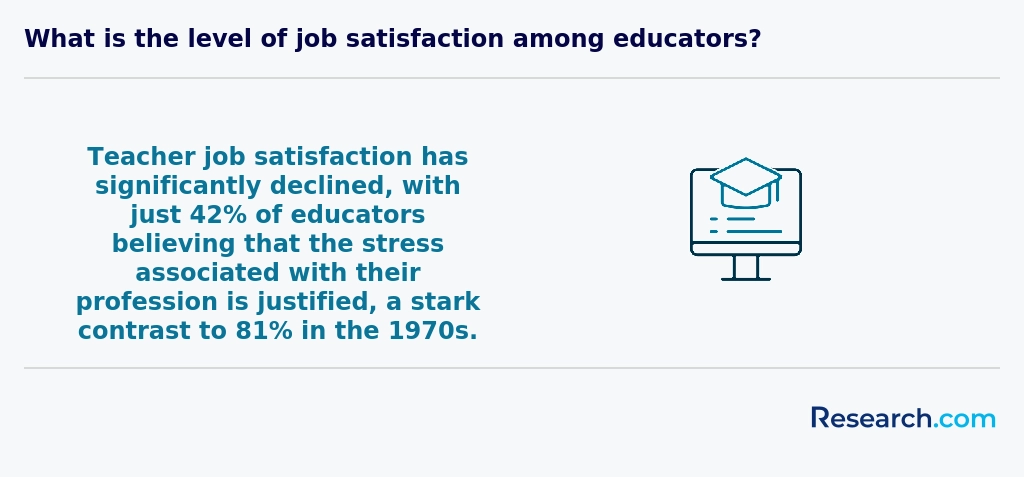
Students pursuing an online special education degree in Georgia often rely on a blend of federal and state financial aid to make their education affordable. For example, graduates from institutions like Kennesaw State University and Georgia State University have benefited from the Federal Pell Grant, which can provide up to $7,395 for the 2023-2024 academic year without requiring repayment. This aid is crucial given the average tuition costs between $7,000 and $20,000 annually.
State-specific aid plays a significant role as well. Many Georgia residents attending public schools utilize the HOPE Scholarship and HOPE Grant, which together help cover a portion of tuition for those maintaining at least a 3.0 GPA. Graduates report that these funds noticeably reduced their financial stress, allowing more focus on their coursework and practicum experiences.
Future special educators often access the Georgia Teachers Scholarship Program, which offers substantial tuition support in exchange for a service commitment in Georgia's public schools, commonly including special education roles. Many recipients describe this opportunity as both motivating and rewarding.
Additional aid can come from employer tuition reimbursement and private scholarships offered by nonprofit organizations such as the Council for Exceptional Children, frequently accessed by working professionals enhancing their credentials in Georgia's education sector.
To enroll in online special education degree programs in Georgia, applicants must meet specific academic and certification prerequisites. Most programs require a high school diploma or GED for bachelor's degree candidates. For advanced degrees like a Master of Education (M.Ed.), holding a bachelor's degree from an accredited institution is mandatory. Graduates from universities such as Kennesaw State or Georgia State report that foundational coursework in psychology or education helped them confidently tackle specialized classes.
Applicants often need a minimum GPA near 2.5 to 3.0 to satisfy admission standards, reflecting the programs' academic rigor. Many programs also request letters of recommendation and personal statements, enabling applicants to demonstrate their passion and suitability for working with students with disabilities. Some candidates, especially those who have volunteered or worked in educational settings, found that this experience strengthened their applications.
Meeting Georgia's teacher certification requirements is critical. Students must pass the Georgia Assessments for the Certification of Educators (GACE) in special education. Online programs typically integrate GACE preparation, easing the path to licensure. These clear prerequisites ensure that graduates are well-prepared to support diverse learners effectively across Georgia's schools.
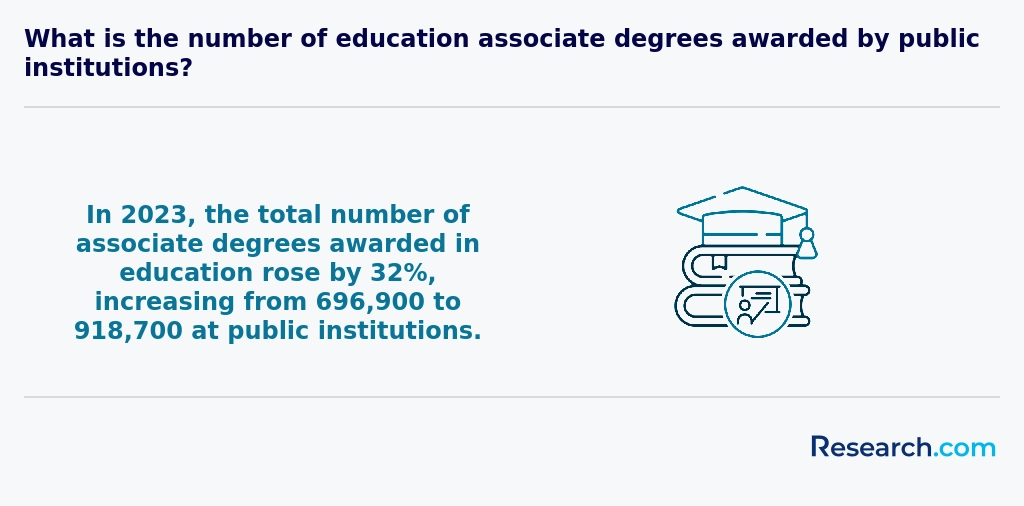
Online special education degree programs in Georgia commonly include courses that cover the essential knowledge and skills needed to succeed in diverse classroom environments. Graduates from well-regarded universities in the state frequently highlight courses such as Introduction to Special Education, which explores the historical background and core principles of the field, helping students develop a deep understanding of disability contexts.
Classes like Assessment and Evaluation teach future educators how to design and interpret Individualized Education Programs (IEPs), ensuring they can meet the specific needs of learners. Other important courses include Behavioral Interventions, focusing on managing challenging behaviors in a positive way, and Legal and Ethical Issues, which reviews Georgia-specific laws under the Individuals with Disabilities Education Act (IDEA).
Students also benefit from practical instruction in Instructional Strategies for Diverse Learners and Collaboration and Communication, both crucial for building effective partnerships with families and professionals. Incorporation of Technology in Special Education introduces assistive tools that enhance student engagement, a highlight often mentioned by graduates who felt more confident entering classrooms.
Online special education degree specializations Georgia programs typically offer focus areas that address various learner needs and disabilities, enhancing career readiness. Graduates from popular colleges such as Kennesaw State University and the University of Georgia often highlight specializations like Autism Spectrum Disorder (ASD), which targets communication and social skills interventions, and Emotional and Behavioral Disorders (EBD), which provides techniques for managing behavioral challenges effectively.
Other common specializations include Learning Disabilities (LD), targeting conditions such as dyslexia, and Early Childhood Special Education, emphasizing developmental support for children aged birth to eight. For students passionate about inclusive settings, the Inclusive Education specialization prepares educators to integrate special needs students into general classrooms successfully. Low Incidence Disabilities, addressing severe or rare disabilities like traumatic brain injury, is another critical track.
Prospective students focusing on special education certification options Georgia online must consider these targeted pathways carefully. Many graduates express satisfaction with how these programs prepare them for real-world classroom challenges through practical examples and state-aligned curricula. For detailed guidance on how to navigate certification, visit how to obtain a special education teaching certification.
Choosing the best online special education degree in Georgia involves prioritizing regional accreditation, as programs accredited by bodies like CAEP or SACSCOC ensure eligibility for state teacher certification. Graduates from well-known Georgia institutions often report a smoother path to licensure because their coursework aligns with state requirements, including training to teach students with disabilities ages 3-21. Affordable special education degrees Georgia options are abundant, with tuition typically ranging below the national average of $8,000 to $20,000 annually when factoring in in-state rates and scholarships.
Students appreciate programs offering asynchronous formats, allowing them to balance coursework with family and jobs. However, hands-on practicum within Georgia schools remains essential to meet certification standards. Several graduates from respected colleges describe how such experiences reinforce classroom theory and boost confidence.
When evaluating these programs, consider reviewing employment trends and graduation rates to gauge success. Reliable data, combined with accessible practical teaching and cost-effective tuition, guides informed decisions. For those exploring career paths, reviewing jobs for special education majors can also clarify long-term prospects within Georgia's education system.
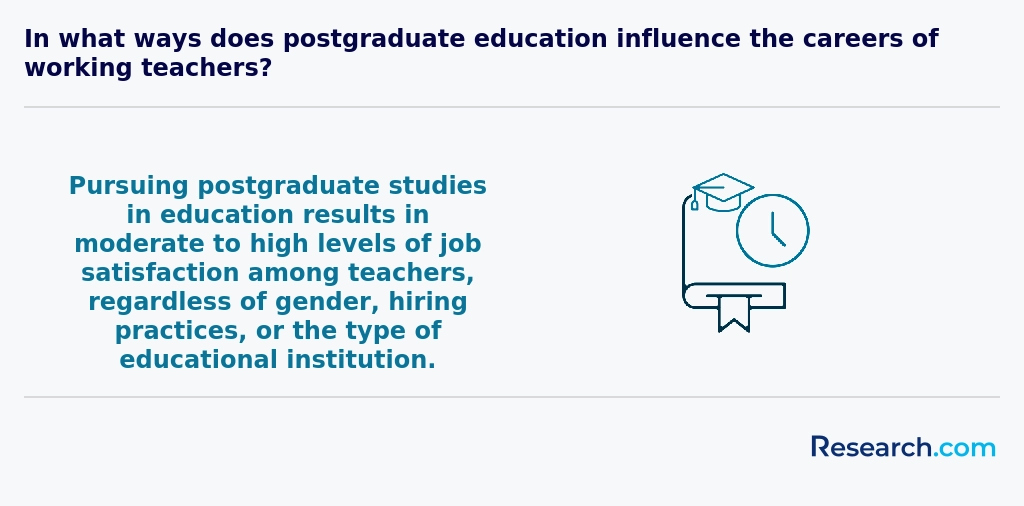
Graduates of online special education degree programs in Georgia commonly pursue careers as special education teachers, working in public and private schools to create individualized lesson plans and support students with disabilities. These roles require collaboration with families and staff, and the state projects a 7% job growth for special education teachers through 2030, indicating stable demand. Many graduates from institutions like the University of Georgia or Georgia State University find this path rewarding by seeing their positive impact on student progress.
Beyond teaching, some graduates choose careers as behavioral intervention specialists or instructional coordinators, roles that involve developing behavioral strategies or overseeing curriculum aligned with state and federal standards, including compliance with IDEA. These opportunities reflect the broader special education job opportunities Georgia offers, especially for those passionate about systemic improvements in schools.
Other graduates advance toward becoming education diagnosticians or school psychologists, requiring further certification but anchored by their special education foundation. To explore accelerated options, students may consider the fastest master in special education online, which supports quicker entry into these specialized roles.
The job market for graduates with an online special education degree in Georgia remains robust, driven by strong demand across public school systems and specialized private institutions. Notably, schools such as those in Atlanta Public Schools actively seek qualified teachers to support diverse student needs, reflecting the state's commitment to inclusive education. Many graduates from popular Georgia universities report feeling confident entering this field, thanks to degree programs that align closely with state licensure requirements.
Opportunities extend beyond classroom teaching, with roles as educational consultants or intervention specialists available, particularly for those advancing their credentials. The average salary in Georgia, around $52,000 annually, makes for a competitive career start compared to similar roles nationally, especially when weighed against Georgia's cost of living. Prospective students considering online options benefit from programs tailored locally, making it easier to find online special education teaching jobs Georgia-wide.
Students interested in affordability and quality might explore in-state rates at universities in Georgia, ensuring reasonable tuition costs. Many opt to pursue a special education bachelor degree online, which offers flexibility while meeting state standards and boosting career outlook Georgia-wise.
2027 Most Affordable Online Special Education Degree Programs Ranking in Georgia
Investing in your education is a significant decision that can impact your career and personal growth, and the Research.com team recognizes the importance of making well-informed choices. To support students seeking affordable and high-quality options, we have carefully developed the "2027 Most Affordable Online Special Education Degree Programs Ranking in Georgia." Our dedication to quality, credibility, and accuracy is evident through rigorous research and detailed analysis conducted to produce this reliable resource.
We utilized the following reputable data sources to ensure a thorough evaluation of online special education degree programs:
By exploring this ranking, readers will gain valuable insights into affordable, accredited programs tailored to special education, empowering them to make confident educational decisions. For more details on how this ranking was created, please visit our Research.com methodology page.


Frequently Asked Questions About special education
Online special education degree students in Georgia can maximize their learning experience by actively engaging with interactive course materials and participating in virtual discussions. Research shows that students who dedicate consistent weekly hours to their studies, ideally 15-20 hours, tend to perform better. Georgia's online programs often include fieldwork or practicum components, which are essential for gaining real-world experience and should be prioritized.
Utilizing available academic support services, such as tutoring and advising offered by Georgia universities, also enhances success. Staying informed about state certification requirements by consulting the Georgia Professional Standards Commission ensures alignment with career goals.
The field of special education is evolving rapidly, with several emerging niches gaining attention. One significant area is assistive technology, where educators specialize in using digital tools to support students with disabilities. This niche is vital in Georgia, where schools increasingly adopt technology for inclusive classrooms.
Another growing specialty is behavioral intervention, focusing on strategies for students with emotional and behavioral disorders. With Georgia reporting a rise in such cases, trained specialists are in demand to help improve student outcomes.
Additionally, early intervention services targeting young children with developmental delays are expanding. According to the Georgia Department of Education, early childhood special education programs have seen increased enrollment in recent years.
These niches reflect the broader trend toward personalized and technology-driven support in special education careers.
After completing an online special education degree in Georgia, graduates should focus on securing proper teacher certification to enter the workforce. The Georgia Professional Standards Commission requires candidates to pass the GACE Special Education assessments to obtain certification. Gaining classroom experience through student teaching or internships strengthens practical skills and enhances employability.
Networking with local school districts and joining organizations like the Georgia Council for Exceptional Children can provide valuable job leads and professional development. According to the Georgia Department of Education, demand for special education teachers is expected to grow by 10% through 2030, highlighting strong employment prospects.
Employers in Georgia seek several key skills in graduates with online special education degrees. Strong knowledge of individualized education programs (IEPs) is essential, as it enables teachers to tailor learning for diverse student needs. Effective communication skills are critical for working with students, parents, and multidisciplinary teams.
Additionally, employers value classroom management skills and the ability to adapt teaching strategies for various disabilities. According to the Georgia Department of Education, special education teachers must also demonstrate proficiency in behavior intervention and assessment techniques. Familiarity with state and federal regulations, including IDEA, is often required.
Finding internships in Georgia relevant to a special education degree often begins with contacting local school districts. The Georgia Department of Education supports partnerships between universities and public schools to provide practical experience for aspiring special educators.
Many Georgia universities offer online special education programs that include internship placements as part of the curriculum. Students should inquire about these opportunities early to secure positions consistent with state licensure requirements. According to the Georgia Department of Education, internships typically involve working directly with students with disabilities under certified special education teachers.
Additionally, organizations such as Georgia's Parent Mentor Partnership and local advocacy groups occasionally list internship openings or volunteer roles. Utilizing Georgia-based education job boards and statewide internship databases can also increase chances of finding suitable placements.
Obtaining an online special education degree in Georgia can significantly enhance career mobility and advancement opportunities in the education field. Georgia's demand for qualified special education teachers is projected to grow by nearly 7% over the next decade, according to the Georgia Professional Standards Commission. This growth results in increased job openings and competitive salaries for credentialed professionals.
Online programs accredited by recognized bodies, such as CAEP or NCATE, ensure that graduates meet state certification requirements. Holding such a degree not only qualifies candidates for teaching roles but also positions them for leadership, administrative, or specialist roles within schools.
Furthermore, many Georgia school districts prefer or require certified special education teachers for their ability to work with diverse student needs. Online degrees provide flexible access to training, accelerating career progress without relocating or interrupting current employment.
Studying for a special education degree in Georgia equips students with skills essential for interdisciplinary collaboration. Programs emphasize working alongside general educators, speech therapists, counselors, and healthcare professionals to support diverse learner needs effectively. Georgia's Department of Education highlights the importance of such teamwork in Individualized Education Program (IEP) development and implementation.
Online degrees also focus on communication strategies and legal knowledge, preparing graduates to navigate federal and state regulations collaboratively. According to the National Center for Education Statistics, Georgia employs over 15,000 special education teachers, many engaged in cross-disciplinary teams, underscoring the demand for these skills.
Choosing between a thesis and non-thesis special education degree program in Georgia depends on your career goals and interests. A thesis program typically involves conducting original research, which is suited for students aiming for academic or research-oriented roles. Non-thesis options focus more on practical skills and coursework, ideal for educators seeking direct classroom application.
Georgia's special education workforce growth is projected at 8% by 2030, according to the U.S. Bureau of Labor Statistics, emphasizing demand for skilled teachers. Universities like Georgia State and University of Georgia offer both paths aligned with state certification requirements. Consider your interest in research, time commitment, and intended career.
Students based in Georgia seeking to study special education abroad face limited direct options primarily because most U.S. institutions offer fully online programs domestically. Unlike many countries, Georgia benefits from several accredited online special education degrees accessible nationwide, including programs from universities recognized by the Council for Exceptional Children (CEC).
Those interested in international study may consider enrolling in study-abroad components affiliated with U.S. universities, but obtaining entire special education degrees abroad online is uncommon due to differing certification requirements and accreditation standards.
According to the Georgia Department of Education, approximately 17% of K-12 students receive special education services statewide, underscoring growing demand for qualified professionals educated within U.S. frameworks. This factor encourages many Georgian students to prefer U.S.-based online programs for assured licensure eligibility.
Prospective students can explore partnerships between U.S. universities and select international institutions, though these are exceptional and require direct consultation with academic advisors.
Part-time job opportunities in Georgia that complement an online special education degree often involve direct interaction with children and educational settings. Roles such as teacher's aides, paraprofessionals, or classroom assistants are common and valuable for gaining practical experience while studying. According to the Georgia Department of Education, paraprofessional positions support special education teachers and help implement individualized education programs (IEPs).
Additionally, working as a behavioral technician or ABA therapist assistant in clinics or home settings provides hands-on experience relevant to special education methodology. These roles also tend to offer flexible hours suitable for students. Georgia's growing focus on inclusive education increases demand for such support roles, offering a practical work-study synergy.
Online special education students in Georgia have access to several valuable networking opportunities that can enhance their educational and professional growth. Many universities offering these programs provide virtual student organizations and forums designed specifically for future special educators. Participation in groups like the Georgia Council for Exceptional Children connects students with peers and seasoned professionals statewide.
Additionally, Georgia's Department of Education hosts webinars and workshops on special education topics, providing online learners chances to meet educators and policymakers. According to the Georgia Department of Education, more than 200,000 students receive special education services in the state, making networking vital for understanding local needs.
Students can also engage with local school districts through practicum placements, fostering relationships that support employment after graduation.
Alumni networks provide valuable support for students pursuing online special education degrees in Georgia. These networks connect current students with graduates who have navigated similar educational and professional paths.
Members often share job leads, insights about certification processes, and advice on working with Georgia's diverse student populations, including those covered under IDEA (Individuals with Disabilities Education Act). According to the Georgia Department of Education, over 300,000 students receive special education services statewide, highlighting the need for well-prepared educators.
Through mentorship and local networking events, alumni can offer guidance on Georgia's unique licensure requirements and classroom challenges. This community also fosters professional growth, increasing graduates' chances of securing positions in public and private schools across the state.
Customizing an online special education degree program in Georgia involves selecting courses and specializations that align with your career goals. Many universities offer electives in areas such as autism spectrum disorders, behavioral intervention, or early childhood special education. This flexibility allows students to build expertise in high-demand fields.
Students can often choose between certification tracks or non-certification paths, depending on whether they aim to become licensed special education teachers in Georgia. According to the Georgia Professional Standards Commission, certification requires specific coursework and passing state exams.
Some programs also provide practicum or internship placements within Georgia schools, helping students gain relevant hands-on experience. Financial aid and scholarship opportunities tailored to Georgia residents may further support your educational journey.
Online special education students in Georgia often encounter difficulty balancing coursework with personal and professional responsibilities. Many students are working educators or caregivers, which can limit available study time. Access to reliable technology and high-speed internet can also be a barrier, especially in rural areas of Georgia where connectivity issues persist.
Another challenge is engaging deeply with hands-on, practical experiences required for special education certification. While online programs offer virtual simulations, students may find it harder to gain real-world classroom exposure compared to traditional formats.
According to the Georgia Department of Education, the state is seeing a growing demand for special education professionals, intensifying pressure on students to complete programs efficiently and effectively.
With an online special education degree in Georgia, graduates can pursue several professional certifications to enhance their teaching credentials. The most common certification is the Georgia Special Education Teaching Certificate, which qualifies educators to work with students with disabilities in K-12 settings. This certification requires passing the GACE Special Education content exam and completing approved educator preparation programs.
Beyond initial certification, professionals may seek endorsements such as Adapted Curriculum or Gifted Education to widen their expertise. Additionally, some may pursue Board Certified Behavior Analyst (BCBA) credentials to specialize in behavioral intervention, a growing field in Georgia schools.
According to Georgia's Professional Standards Commission, special education remains a high-demand field, offering strong job prospects and competitive salaries for certified teachers in this discipline.
To write a winning application for an online special education program in Georgia, start by thoroughly researching accredited institutions recognized by the Georgia Professional Standards Commission (GaPSC). Admissions committees value clear demonstration of your commitment to supporting students with disabilities. Highlight relevant experience, such as volunteering or work in special education settings.
Include specific goals aligned with Georgia's increasing demand for qualified special educators-projected to grow due to state initiatives and IDEA compliance requirements.
Showcase strong communication skills through a well-written personal statement, emphasizing how your background prepares you to meet diverse learner needs.
Submit all required documents, including transcripts and standardized test scores if requested. Lastly, request recommendation letters from educators familiar with your aptitude for working with children with disabilities.
The global perspective on a special education career reflects a growing recognition of inclusive education's importance. In the United States, including Georgia, special education professionals are key to supporting diverse learners, aligning with initiatives promoted by organizations such as UNESCO.
Special education teachers in Georgia benefit from a strong demand; the Bureau of Labor Statistics reports a projected growth of 8% nationwide for special education teaching jobs through 2031. This trend echoes global efforts to improve educational access for students with disabilities.
In Georgia, nearly 12% of public school students receive special education services, highlighting the crucial role these educators play locally. Online degree programs offer flexible pathways to enter this evolving field with credentials aligned to state licensure requirements.
Gaining practical experience is essential when studying for an online special education degree in Georgia. Many programs require fieldwork or practicum placements to develop hands-on skills with students who have diverse learning needs.
Georgia's online programs often partner with local schools or educational centers to help students complete these required hours. The Georgia Department of Education mandates at least 300 hours of supervised practicum for certification candidates in special education.
Additionally, some universities provide virtual simulation tools to enhance practical learning when in-person experience is limited. Students should contact their program advisors early to arrange suitable placements.
The Georgia Council for Exceptional Children also offers networking opportunities that can lead to internships and volunteer roles.
When choosing a concentration within an online special education degree program in Georgia, start by assessing your career goals and interests. Concentrations often focus on areas like autism spectrum disorders, behavioral intervention, or early childhood special education. According to Georgia Department of Education data, autism and emotional behavior disorders are among the most common special education categories in the state, which may influence your decision.
Consider the specific skills and certifications required for each concentration. For example, some pathways prepare you for state licensure aligned with Georgia's standards, which is essential for teaching roles.
Research faculty expertise and program curriculum for relevance and depth. Also, check if the program offers practicum opportunities within Georgia schools, enhancing local employment prospects.
- 2027 Most Affordable Online Special Education Degree Programs Ranking in North Carolina
- 2027 Most Affordable Online Special Education Degree Programs Ranking in Kentucky
- 2027 Most Affordable Online Special Education Degree Programs Ranking in Virginia
- 2027 Most Affordable Online Special Education Degree Programs Ranking in Missouri
- 2027 Most Affordable Online Special Education Degree Programs Ranking in Ohio
- 2027 Most Affordable Online Special Education Degree Programs Ranking in Pennsylvania
- 2027 Most Affordable Online Special Education Degree Programs Ranking in Kansas
- 2027 Most Affordable Online Special Education Degree Programs Ranking in Michigan
- 2027 Most Affordable Online Special Education Degree Programs Ranking in Minnesota
- 2027 Most Affordable Online Special Education Degree Programs Ranking in Massachusetts
- Know more about thesis vs non- thesis: what is the difference? https://studyfans.com/en/blogs/816
- Navigating the Top 5 Special Education Challenges - TeachTown https://web.teachtown.com/blog/special-education-challenges/
- Special Education Degree | Piedmont University https://www.piedmont.edu/program/special-education/
- Special Education Programs: Types, Areas of Focus, and Endorsements - Graduate Programs for Educators https://www.graduateprogram.org/blog/special-education-programs-types-areas-of-focus-and-endorsements/
- School for students with special needs internship - Internships Down Under https://www.internshipsdownunder.com/school-for-students-with-special-needs-internship/
- Reimagining Inclusion with Positive Niche Construction https://andrewgael.com/2016/03/07/reimagining-inclusion-with-positive-niche-construction/
- Special Education Teacher Jobs in Georgia - Sunbelt Staffing https://www.sunbeltstaffing.com/school-jobs/special-education-jobs/s-georgia/
- Remote Special Education Jobs - VocoVision https://www.vocovision.com/teletherapy-jobs/special-education-teacher-jobs/
- Special Education Teacher | Inclusive Education Jobs | Jobs in Education https://jobsineducation.com/categories/special-education-teacher-jobs/
- SEND Alumni Toolkit https://resources.careersandenterprise.co.uk/resources/send-alumni-toolkit