
2027 Most Affordable Online Special Education Degree Programs Ranking in Minnesota

Co-Founder and Chief Data Scientist
Are you considering pursuing a special education degree but want to find the most affordable options in Minnesota? This article introduces the 2027 Most Affordable Online Special Education Degree Programs Ranking in Minnesota, created by the Research.com team of data scientists to guide you in making an informed decision.
By exploring this ranking, you'll discover accessible programs that fit your budget while preparing you for a rewarding career. Earning a special education degree opens doors to meaningful work and personal growth. Let's explore the best paths to achieve your goals with confidence.
Key benefits of getting online special education degree in Minnesota
- The average salary for special education teachers in Minnesota is around $65,000 annually, offering a rewarding income for those passionate about making a difference.
- Graduates from programs like the University of Minnesota often pursue careers as special education teachers, teacher assistants, or behavioral specialists, providing diverse and fulfilling job opportunities.
- Online degrees from schools such as St. Cloud State University allow flexible schedules and the chance to balance work and study, making education more accessible and convenient.
- 2027 Most Affordable Online Special Education Degree Programs Ranking in Minnesota
- What can I expect from online special education degree in Minnesota?
- Where can I work with online special education degree in Minnesota?
What can I expect from online special education degree in Minnesota?
For students pursuing an online special education degree in Minnesota, tuition typically ranges between $400 and $800 per credit hour, making it an affordable and accessible path to a rewarding career. Many graduates from institutions like Bemidji State University and the University of Minnesota share how manageable tuition costs allowed them to focus on their passion for teaching diverse learners without overwhelming financial stress.
Coupled with the flexibility of online learning, this cost structure makes balancing studies with work or family commitments much easier. Graduates often recall late-night study sessions after putting their children to bed, knowing each credit brought them closer to making a meaningful difference in local classrooms.
These programs not only provide solid academic foundations but also prepare students for licensure that meets Minnesota's high standards. With affordable tuition and supportive learning environments, future educators feel inspired and confident to transform the educational experiences of students with special needs.
Where can I work with online special education degree in Minnesota?
With an online special education degree in Minnesota, graduates find fulfilling career paths waiting across the state. Many step into rewarding roles as special education teachers in public school districts, supporting students with diverse needs like learning disabilities and autism. Imagine collaborating with fellow teachers, parents, and specialists to design personalized education plans-this is the day-to-day reality for many alumni from renowned institutions such as the University of Minnesota and St. Cloud State University.
Beyond traditional schools, graduates embrace unique opportunities in private and charter schools, tailoring their approach to smaller classes or specialized student groups. Early intervention programs also attract passionate professionals eager to make a difference in children's earliest developmental stages.
Others advance to leadership positions like program coordinators or work with nonprofits, empowering families through advocacy and vocational training. The inspiring stories of Minnesota's special education graduates prove this degree truly opens doors to impactful, soul-enriching careers across a vibrant spectrum of settings.
Graduates with an online special education degree in Minnesota often begin their careers earning between $45,000 and $50,000 annually, reflecting the state's strong commitment to supporting educators. For example, graduates from well-regarded programs at institutions like the University of Minnesota or St. Cloud State University have shared how they quickly saw their salaries increase with experience and additional certifications.
With dedication and skill development, many educators move beyond the $70,000 mark, embracing leadership roles such as special education coordinators, which can pay $80,000 to $90,000 or more. These advancement opportunities in Minnesota's diverse urban and rural districts fuel inspiring career growth, helping educators feel valued and motivated every day.
One graduate described how the comprehensive benefits package, including health insurance and retirement plans, made their teaching career even more rewarding. The potential for signing bonuses or higher starting salaries in districts facing shortages is a welcoming boost that adds to financial stability.
Studying special education in Minnesota empowers graduates to build meaningful, well-compensated careers while making a real difference in students' lives.
- Tuition for special education degrees in Minnesota typically ranges from $10,000 to $20,000 per year at public institutions for residents; private schools may charge higher fees.
- Online programs often offer lower costs and scholarships specifically for distance learners.
- Minnesota projects steady demand for special education teachers through 2030, with strong local job opportunities in public school districts.
- Starting salaries for new special education teachers average around $45,000 annually, with mid-career teachers earning about $60,000.
- Online degrees must meet Minnesota's licensure requirements, including approved coursework, supervised teaching, and passing state exams.
- Programs focus on evidence-based teaching methods and behavior management to prepare teachers for diverse student needs, from mild to severe disabilities.
Completing an online special education degree in Minnesota is a journey tailored to fit your unique pace and lifestyle. For example, many graduates from the University of Minnesota report completing their bachelor's degree in about four years when studying full-time, embracing the rhythm of learning while balancing life's demands. If you're working or managing other commitments, schools like St. Cloud State University offer flexible part-time options that extend the timeline to five or six years, allowing you to grow steadily and confidently.
Graduate students often find inspiration in programs at Winona State University, where a master's degree in special education can be completed in as little as 12 months with accelerated courses or up to three years part-time. These adaptable programs recognize your dedication and empower you to succeed without rushing.
Many graduates share how integrating licensure practicum prepared them hands-on for the classroom, adding a valuable few months to their studies but also deepening their confidence and connection to their future careers. The Minnesota education community warmly supports every step, making this journey both achievable and rewarding.
To become a licensed special education teacher in Minnesota, graduates must:
- Hold a degree from a CAEP-accredited special education program.
- Complete a supervised practicum (typically 600+ hours) in a Minnesota K-12 setting.
- Pass the Praxis Special Education: Core Principles (test code 5543) and the Minnesota Foundations of Reading Test.
- Submit an online application and undergo a background check through the Minnesota Department of Education (MDE).
License renewal and advancement:
- Initial licenses are valid for five years and require 75 professional development points (PDPs) or a master’s degree for renewal.
- Educators aiming for leadership positions or doctoral credentials can explore fully funded edd programs online to deepen expertise and meet MDE’s advanced licensing criteria.
Choosing between online and on-campus special education degrees in Minnesota means embracing a learning style that fits your life and goals. Graduates from well-known Minnesota colleges often share how online programs gave them the freedom to balance family and work while accessing lectures anytime. This flexibility allowed them to engage deeply without sacrificing other commitments. Meanwhile, on-campus students talk about the vibrant energy of being in a classroom at places like the University of Minnesota or St. Cloud State, where face-to-face discussions spark connections and collaboration with peers and inspiring instructors.
Both paths require hands-on teaching experience in real classrooms, ensuring every student gains essential practical skills. Online learners benefit from innovative digital tools designed to meet diverse learning needs, reflecting the spirit of special education itself. Whether joining in-person study groups or dynamic online forums, Minnesota students find support and empowerment in their journey-proving that whichever route you choose, success in special education is within reach.
The average cost of an online special education degree in Minnesota is quite accessible, with in-state students typically paying around $12,240. This affordability makes pursuing a special education degree through respected public universities like the University of Minnesota an encouraging option. Graduates often share how gaining their degree online allowed them to balance work, family, and study, making the investment in their future more manageable and rewarding.
Out-of-state students might expect to pay slightly more, with total costs around $24,480, reflecting the higher tuition rates for non-residents. Still, many find the quality and flexibility of programs in colleges across Minnesota worthwhile, especially when considering the positive impact they will have in their communities as special education professionals.
Private institutions tend to have higher rates, but these programs often offer smaller class sizes and additional resources that can enhance the learning experience. A special education graduate from one of these schools recalls feeling fully supported while completing coursework designed to prepare them for meaningful careers helping children and adults with diverse learning needs.
For those seeking affordability, exploring bachelor degree in special ed jobs can provide insight into how education costs align with career opportunities, helping students confidently invest in their future. With options ranging from affordable online special education programs Minnesota offers to more comprehensive private universities, there is a path for every motivated learner seeking to make a difference.
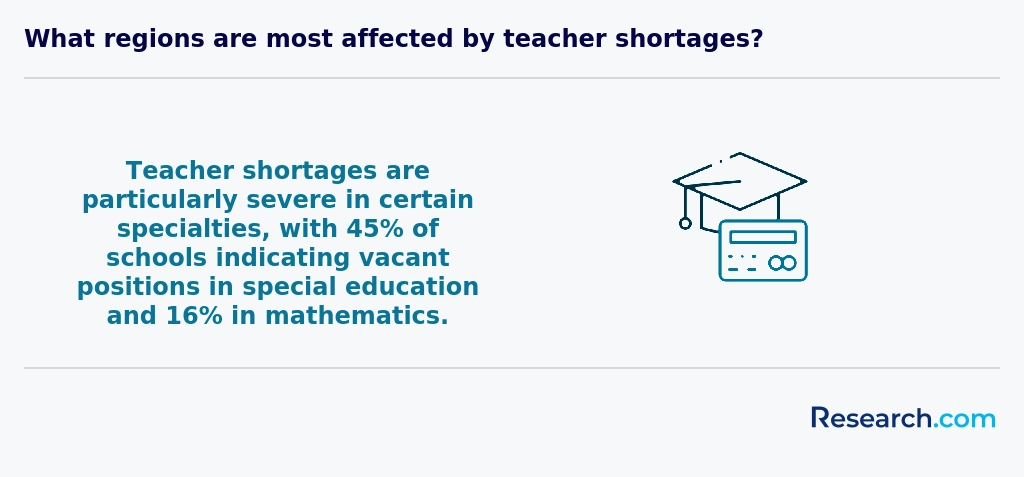
Students pursuing an online special education degree in Minnesota often find a wealth of financial support that makes their dreams achievable. Many graduates from well-known Minnesota institutions share how federal aid, especially through the FAFSA, unlocked vital Pell Grants that helped cover a large portion of their tuition-up to $7,395 per year. Imagine beginning your studies at a university like the University of Minnesota or St. Cloud State, knowing that these grants can lighten your financial load without needing repayment.
Beyond federal aid, Minnesota's state grants provide tailored assistance to students based on financial need, adding another layer of support that many find essential. Graduates recall that combining these scholarships with work-study roles related to special education not only helped pay bills but also boosted their confidence and practical skills.
Special education students also benefit from teacher-specific loan forgiveness programs. For example, those teaching in underserved Minnesota schools may qualify to have up to $17,500 of their loans forgiven, turning their passion into a rewarding career without heavy debt. Scholarships from organizations like the Council for Exceptional Children and university-assisted scholarships add further encouragement on this exciting journey.
To teach special education in Minnesota, you must secure a state-issued license:
- Earn a special education degree from a program approved by the Minnesota Professional Educator Licensing and Standards Board (PELSB).
- Pass the Minnesota Teacher Licensure Examinations (MTLE):
- Basic Skills (reading, writing, math)
- Pedagogy and Content Knowledge (special education)
- Minnesota Foundations of Reading Test (for K–12 applicants)
- Complete a supervised practicum or student teaching placement in a Minnesota school.
- Submit an application with official transcripts, MTLE scores, and a background check (including fingerprinting) to PELSB.
- Renew your license every five years by completing required continuing education units.
For educators aiming to advance into leadership or higher education roles, explore fully funded edd programs online.
Enrolling in an online special education degree in Minnesota is a rewarding journey, made accessible through clear prerequisites designed to support your success. Most students from the University of Minnesota or St. Cloud State University start with a solid foundation-a high school diploma or GED-and a GPA around 2.5; this ensures readiness for the challenges ahead.
Graduate programs invite those with a bachelor's degree, often in education or related fields, while providing options to fulfill any missing coursework. Many graduates recall how submitting letters of recommendation and sharing their personal commitment through statements helped them stand out during admissions.
You'll also meet practical requirements like proof of U.S. citizenship or legal residency, background checks, and access to reliable technology for seamless online learning. These steps reflect Minnesota's dedication to preparing compassionate educators ready to make a real difference in the lives of children with special needs.
Such prerequisites aren't barriers but stepping stones, building your confidence and ensuring you enter the profession fully equipped to inspire and uplift every student you support.

Minnesota special education programs must be approved by the Professional Educator Licensing and Standards Board (PELSB) and regionally accredited (CAEP or equivalent).
To earn your Tier 4 initial teaching license:
- Graduate from a PELSB-approved, regionally accredited online special education program.
- Pass MTLE exams in Basic Skills, Foundations of Reading and Special Education.
- Submit official transcripts and exam results through the PELSB eCredentials system.
License renewal (every five years) requires 125 professional development hours aligned to PELSB standards. For those aiming for advanced leadership roles, consider exploring fully funded edd programs online.
Online special education degree programs in Minnesota include courses that deeply engage and empower students to make a real difference. Graduates from institutions like the University of Minnesota or St. Cloud State University often describe how courses such as Introduction to Special Education open their eyes to the importance of inclusion and respect for diverse learning needs.
Courses in Behavioral Management and Intervention teach practical strategies that graduates say transformed their confidence in handling challenging classroom moments. Similarly, classes on Instructional Strategies for Diverse Learners provide adaptable methods that students apply directly when designing lesson plans tailored to each unique learner.
Students appreciate the focus on Legal and Ethical Issues in Special Education, gaining essential knowledge about Minnesota's laws like IDEA that protect students' rights. Collaboration courses encourage building strong partnerships with families and support teams, reflecting the real-life teamwork graduates experience in their schools.
These programs also emphasize assistive technology, inspiring students to discover innovative tools that unlock potential for learners with physical or cognitive challenges, ensuring no student is left behind.
Online special education degree specializations Minnesota offer inspiring paths tailored to empower educators in diverse settings. Graduates from notable colleges in the state often share how choosing Autism Spectrum Disorders (ASD) or Early Childhood Special Education has enabled them to make meaningful impacts, guiding children through pivotal developmental stages. Others passionate about Learning Disabilities or Emotional and Behavioral Disorders find joy crafting personalized learning experiences that foster confidence and growth in their students.
These programs, especially popular in universities known for special education certification programs Minnesota online, also include tracks like Deaf and Hard of Hearing and Visual Impairments. Such specializations prepare teachers to adapt classroom environments with innovative communication methods and assistive technology, enhancing inclusivity for all learners.
Moreover, some online degrees include endorsements for teaching English Language Learners, reflecting Minnesota's rich multicultural landscape. Many students appreciate how these focused courses, combined with real-world application, boost their confidence and readiness. For a comprehensive list of options, explore the fastest online graduate certificate in special education available today.
Choosing the best online special education degree in Minnesota means finding a program that truly supports your journey as a future educator. Many graduates from well-known Minnesota colleges highlight how important it was for them to select programs accredited by trusted bodies like CAEP or recognized by the Minnesota Board of Teaching. This ensures their degrees opened doors to licensure and respected teaching roles across the state. Embracing an affordable special education degree programs Minnesota offers allows you to achieve your goals without overwhelming financial stress, especially with in-state tuition benefits and scholarship options.
Successful alumni often share how practical licensure preparation, including local fieldwork coordinated by their programs, made all the difference in bridging theory with real classroom experience. Imagine learning through asynchronous courses that fit your busy life while having strong student support-this blend turns challenges into triumphs. For those eager to explore options, consider an online special education master's degree known for flexibility and quality, empowering you to transform your passion into impactful careers.
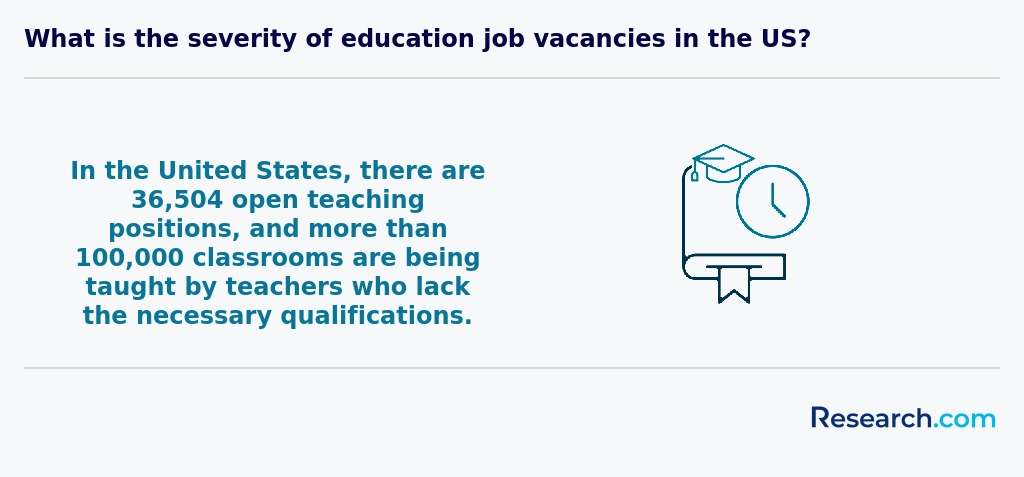
Graduates with an online special education degree in Minnesota find themselves stepping into a world filled with meaningful opportunities. Many become licensed special education teachers in public or private schools, supporting over 200,000 students with disabilities statewide. These roles offer a chance to make a real difference every day, just like graduates from popular institutions such as the University of Minnesota or St. Cloud State University, who share how rewarding it is to witness student growth and success.
Beyond teaching, there are diverse paths such as behavioral intervention specialists, early childhood special educators, or special education coordinators. These roles allow graduates to impact students' lives in varied and creative ways. Others become paraprofessionals or transition specialists, guiding youth toward adulthood and employment. For those exploring careers further, the special education teacher role responsibilities provide deep insight into the profession's rewarding nature, encouraging many to embrace these careers with passion. Minnesota's thriving demand makes online special education teaching jobs Minnesota a hopeful and exciting pursuit.
Graduates with an online special education degree in Minnesota find a job market full of exciting opportunities and rewarding careers. Schools across the state, including well-known institutions favored by many students, actively seek dedicated teachers to support the growing population of special education learners. This demand is especially pronounced in rural and underserved areas, where graduates often experience the personal satisfaction of making a real difference in communities that need skilled educators the most.
Many graduates from popular Minnesota colleges share stories of quickly securing roles thanks to the state's emphasis on inclusive education and the steady demand fueled by teacher retirements. The career outlook for those pursuing online special education teacher jobs Minnesota is encouraging, with salaries averaging around $63,000 annually and prospects expected to remain strong in the coming years.
For those looking to deepen their expertise, learning more about what is an eds degree in education can open even further career paths and leadership roles.
2027 Most Affordable Online Special Education Degree Programs Ranking in Minnesota
Investing in your education is a significant decision that can shape your future, and the Research.com team understands the importance of making informed choices. To assist prospective students, we have meticulously crafted the "2027 Most Affordable Online Special Education Degree Programs Ranking in Minnesota." Our commitment to quality, credibility, and accuracy is reflected in the extensive research and analysis conducted to compile this ranking.
We utilized the following reputable data sources to ensure a comprehensive evaluation of online special education programs:
By exploring this ranking, readers will gain valuable insights into the most affordable online special education degree programs in Minnesota, enabling them to make confident, well-informed decisions about their educational investments. For more information on how this ranking was created, please visit our Research.com methodology page.
# 2 position
Concordia University, St. Paul
Master of Special Education with Emotional/Behavioral Disorders (EBD) Endorsement

# 3 position
Bethel University, Minnesota
Master of Special Education
# 4 position
Bethel University, Minnesota
Bachelor of Special Education
Frequently Asked Questions About special education
Online special education degree students in Minnesota can enhance their learning by actively engaging with course materials and participating in virtual discussions. Research indicates that frequent interaction with instructors and peers improves comprehension and retention, especially in specialized subjects like special education.
Utilizing Minnesota-specific resources, such as the state's Department of Education guidelines and regional case studies, helps students connect theory with practice. Students should also seek internships or practicum experiences within local schools, as Minnesota requires hands-on training for licensure.
Consistent time management and establishing a dedicated study environment contribute to academic success in online programs. According to the Minnesota Department of Education, students who combine theory with practical experience are better prepared for diverse classroom needs.
The field of special education is evolving to address diverse student needs, and several emerging niches are gaining attention. One growing area is assistive technology integration, where educators help students use devices and software to improve learning outcomes. In Minnesota, recent studies by the Minnesota Department of Education highlight increased demand for professionals skilled in adaptive tech use.
Another niche involves supporting students with autism spectrum disorder (ASD). Educators with expertise in evidence-based interventions for ASD are increasingly sought after. Additionally, focus on trauma-informed education is rising, enabling teachers to better support students with adverse childhood experiences, a need emphasized by local school reports.
Lastly, co-teaching models promoting inclusion in general education classrooms require specialized training, creating new roles for special education teachers in Minnesota's schools.
After earning an online special education degree in Minnesota, preparing for the job market involves several key steps. First, obtaining Minnesota's teaching license in special education is essential, which typically requires passing the Minnesota Teacher Licensure Examinations (MTLE). According to the Minnesota Department of Education, this credential is mandatory for public school teaching jobs.
Next, gaining practical experience through student teaching or internships during your degree can significantly improve employment prospects. Networking with local school districts and attending job fairs can also provide valuable connections.
Lastly, staying informed about Minnesota's demand for special education teachers-which the Bureau of Labor Statistics estimates will grow by 7% through 2031-can help you target stable employment opportunities.
Employers in Minnesota's special education field prioritize several key skills in graduates holding online special education degrees. One crucial ability is strong individualized instruction planning, as educators must tailor lessons for diverse learning needs. According to the Minnesota Department of Education, collaboration skills are also highly valued, since working effectively with families, general educators, and specialists improves student outcomes. Understanding of state and federal special education laws, including IDEA compliance, is essential. Additionally, employers look for proficiency in behavior management techniques and data-driven decision making. These competencies align with Minnesota's goal to ensure equitable education access and support to students with disabilities.
Finding internships in Minnesota for special education students requires strategic planning and networking. Start by contacting local school districts, as many offer placement opportunities for those pursuing special education degrees. The Minnesota Department of Education supports internship programs aimed at preparing teachers with hands-on experience in diverse classrooms.
Additionally, universities with accredited online special education programs often partner with Minnesota schools to arrange internships. Utilize resources like the Minnesota Association of Colleges for Teacher Education to explore openings.
Consider also nonprofit organizations focused on disability services, which frequently provide internships that enhance practical skills relevant to special education careers.
Obtaining an online special education degree in Minnesota significantly enhances career mobility within the state's education sector. Minnesota requires licensed special education teachers to hold specific credentials, which online programs accredited by the Council for Exceptional Children can provide. According to the Minnesota Department of Education, demand for qualified special educators is projected to grow by 5% through 2028, reflecting expanding services for students with disabilities.
Online degrees offer flexibility for working professionals aiming to advance from paraprofessional roles to licensed teachers or administrators. This flexibility helps candidates meet licensure requirements while maintaining employment.
Additionally, earning a degree online may increase eligibility for higher salaries and leadership positions in Minnesota's public and private schools.
Studying for a special education degree in Minnesota equips students with skills essential for interdisciplinary roles by emphasizing collaboration with professionals from various fields. Programs often include coursework on communication strategies, behavioral interventions, and inclusive educational practices. This prepares graduates to work alongside speech therapists, psychologists, and general education teachers effectively.
Minnesota's education system values interdisciplinary teamwork, reflected in its licensure requirements and clinical experiences embedded in many online degrees. According to the Minnesota Department of Education, approximately 15% of students receive special education services, highlighting the need for collaborative approaches in schools.
The curriculum promotes understanding diverse student needs and adapting teaching methods accordingly, supporting a team-based approach vital for student success.
When choosing between a thesis and a non-thesis special education degree program in Minnesota, consider your career goals and learning preferences. A thesis program typically requires conducting original research and writing a detailed paper, which is beneficial for students aiming at doctoral studies or research roles. In contrast, non-thesis programs often emphasize coursework and practical skills, ideal for those targeting classroom teaching or administrative positions.
According to the Minnesota Department of Education, demand for licensed special educators is growing, with over 1,500 openings projected over the next decade. This trend favors practical experience, which many non-thesis programs provide through internships or fieldwork.
Finally, thesis programs usually take longer to complete and may require more significant faculty interaction, so students should assess their availability and commitment before deciding.
Students based in Minnesota who wish to study special education abroad through online programs face limited direct options accredited by U.S. standards. Most internationally offered degrees may not align easily with Minnesota's licensure requirements, regulated by the Minnesota Professional Educator Licensing and Standards Board (PELSB). However, Minnesota students can explore partnerships between U.S. universities and foreign institutions offering joint online special education degrees that meet PELSB criteria.
Research from the Minnesota Department of Education indicates over 15% of students receive special education services statewide, emphasizing demand for qualified educators. Consequently, many Minnesota students prefer enrolling in U.S.-based online programs recognized for licensure reciprocity and state compliance.
International study options often require additional credential evaluation by bodies such as the National Association of State Directors of Teacher Education and Certification (NASDTEC). These factors make it essential for Minnesota students to verify program accreditation and licensure compatibility before committing to an online degree from abroad.
Part-time job opportunities in Minnesota can effectively complement online special education degree studies by providing practical experience. Many students work as teacher assistants or paraprofessionals, supporting licensed special educators in classrooms. According to the Minnesota Department of Education, about 20% of school support staff hold paraprofessional roles, giving valuable hands-on skills.
Other positions include tutoring students with learning differences outside regular school hours or working with nonprofit organizations focused on disabilities. These roles help reinforce theory learned in coursework and improve communication with diverse learners.
Additionally, some students assist in community-based programs that serve children with developmental disabilities, aligning with fieldwork requirements. Such part-time jobs can strengthen resumes and increase future employment prospects.
Online special education students in Minnesota have several networking opportunities despite the remote format. Many universities offering accredited programs connect students with local and statewide professional groups, such as the Minnesota Council for Exceptional Children (MN-CEC), which hosts events and workshops. These connections support collaboration and career growth in special education fields.
Students also benefit from virtual conferences and webinars organized by Minnesota education departments and nonprofits focused on special education. Such events present valuable chances to meet experienced educators and policymakers.
Furthermore, many programs encourage internships and practicum placements in Minnesota schools, enabling hands-on experience and professional networking in the local community.
Alumni networks offer significant advantages to online special education degree students in Minnesota. These networks connect current students with graduates who have experience navigating the unique challenges of Minnesota's education system. This connection fosters mentorship opportunities, career guidance, and professional growth. According to the Minnesota Department of Education, nearly 14% of students receive special education services, underscoring the growing need for qualified educators in this field.
Membership in an alumni network also provides access to exclusive job postings and internships tailored to Minnesota's school districts. Many alumni actively share local insights on licensure and funding changes that impact special education roles.
Customizing an online special education degree program in Minnesota begins with selecting schools offering flexible curricula aligned with your career goals. Many programs allow students to choose specialization areas such as Autism Spectrum Disorders, behavioral intervention, or early childhood special education, which can tailor your expertise.
Additionally, Minnesota's teacher licensure requirements encourage integrating practicum experiences and student teaching in local schools, helping you gain practical skills while meeting state standards. Online students can often arrange these experiences near their residence.
Some programs also offer elective courses focused on assistive technology or inclusive classroom strategies, enabling further customization. According to the Minnesota Department of Education, over 7,000 students receive special education services annually, highlighting the demand for diverse skill sets in the field.
Online special education students in Minnesota often face challenges related to balancing coursework with personal and professional responsibilities. Many students are working educators or caregivers, making it difficult to allocate consistent study time. Additionally, limited access to in-person practicum opportunities can hinder skill development essential for special education professionals.
Another significant challenge involves navigating state-specific certification requirements. Minnesota mandates particular field experiences and assessments, which can be complex to fulfill remotely. Technical issues, such as unreliable internet or unfamiliarity with online platforms, also affect student success.
According to the Minnesota Department of Education, student retention in online special education programs tends to be lower compared to traditional settings, partly due to these factors.
With an online special education degree in Minnesota, graduates can pursue several professional certifications that enhance employment opportunities and expertise. The most common certification is the Minnesota K-12 Special Education Teaching license, which qualifies educators to work with students with disabilities in public schools. This license requires passing the Minnesota Teacher Licensure Examinations, including the special education content test.
Beyond teaching licenses, professionals may also earn the National Board Certification in Special Education, demonstrating advanced knowledge and skills, recognized nationwide. Additionally, endorsements such as Behavior Specialist or Cross-Categorical Special Education can be added to expand specialized roles.
According to the Minnesota Department of Education, demand for certified special education teachers is expected to grow, making timely certification a critical step for graduates.
When applying to an online special education program in Minnesota, it is crucial to highlight your passion for supporting diverse learners. According to Minnesota's Department of Education, demand for special education teachers is expected to grow by 7% through 2030, reflecting the importance of skilled educators.
Start with a clear personal statement that explains your motivation and relevant experience, such as prior work with students with disabilities or volunteer activities. Be sure to include your academic background and certifications that connect directly to special education.
Minnesota programs often value evidence of strong communication skills and adaptability, so provide examples demonstrating these qualities. Finally, follow each school's specific application instructions carefully, as completeness and attention to detail can distinguish a winning application.
Special education careers are increasingly valued worldwide for promoting inclusive learning environments. Within the United States, including Minnesota, the demand for qualified special educators grows due to federal laws like IDEA, which supports students with disabilities. Globally, perspectives vary: some countries focus on integration, while others emphasize specialized institutions.
In Minnesota, over 14,000 students receive special education services, underscoring local demand. According to the Minnesota Department of Education, specialized training through online degrees helps meet diverse student needs effectively.
Understanding international approaches can enrich US educators' strategies by adopting best practices. This global outlook highlights the importance of adaptable skills and cultural competence in special education careers.
Gaining practical experience is essential when pursuing an online special education degree in Minnesota. Most programs require clinical placements, allowing students to work directly with students who have disabilities under the supervision of licensed teachers. These internships typically occur in local schools, fulfilling Minnesota's licensure mandates.
Additionally, partnerships between universities and Minnesota school districts often facilitate these placements. According to the Minnesota Department of Education, hands-on experience is crucial to understanding diverse learning needs and effective teaching strategies.
Students should also consider volunteer or assistant roles in special education settings to further enhance their skills and local professional networks.
Choosing the right concentration within an online special education degree program in Minnesota depends on your career goals and the student populations you want to serve. Minnesota offers various concentrations, such as mild/moderate disabilities, early childhood special education, and emotional behavioral disorders.
Consider Minnesota's demand for special educators in specific areas. The Minnesota Department of Employment and Economic Development reports ongoing growth in positions for teachers specializing in autism spectrum disorders and behavioral support. Aligning your concentration with these needs can improve employment prospects.
Review program accreditation and licensure requirements. Minnesota requires specific teaching licenses depending on the concentration, so selecting a program that prepares you for state licensure is crucial.
Research each concentration's curriculum to ensure it matches your interests and strengths. Some focus more on teaching strategies, while others emphasize assessment or therapy techniques.
- 2027 Most Affordable Online Special Education Degree Programs Ranking in Missouri
- 2027 Most Affordable Online Special Education Degree Programs Ranking in Michigan
- 2027 Most Affordable Online Special Education Degree Programs Ranking in Kansas
- 2027 Most Affordable Online Special Education Degree Programs Ranking in Ohio
- 2027 Most Affordable Online Special Education Degree Programs Ranking in Colorado
- 2027 Most Affordable Online Special Education Degree Programs Ranking in Kentucky
- 2027 Most Affordable Online Special Education Degree Programs Ranking in Georgia
- 2027 Most Affordable Online Special Education Degree Programs Ranking in Virginia
- 2027 Most Affordable Online Special Education Degree Programs Ranking in North Carolina
- 2027 Most Affordable Online Special Education Degree Programs Ranking in Pennsylvania
- Special Education Teacher | Inclusive Education Jobs | Jobs in Education https://jobsineducation.com/categories/special-education-teacher-jobs/
- Why LDA | Learning Disabilities Association of Minnesota https://www.ldaminnesota.org/why-lda/
- Online Education Major for Paraprofessionals https://www.hamline.edu/academics/online-bachelors-education-major
- Global Perspectives on inclusive and special Education: An analysis of International Policy Frameworks https://www.journalijdr.com/global-perspectives-inclusive-and-special-education-analysis-international-policy-frameworks
- School for students with special needs internship - Internships Down Under https://www.internshipsdownunder.com/school-for-students-with-special-needs-internship/
- Reimagining Inclusion with Positive Niche Construction https://andrewgael.com/2016/03/07/reimagining-inclusion-with-positive-niche-construction/
- Organizations for Special Education Teachers https://teach.com/resources/special-education-organizations/
- Know more about thesis vs non- thesis: what is the difference? https://studyfans.com/en/blogs/816
- Home New - NASET https://www.naset.com/
- Remote Special Education Jobs - VocoVision https://www.vocovision.com/teletherapy-jobs/special-education-teacher-jobs/





