2027 Easiest Online Special Education Degree Programs Ranking in the West

Co-Founder and Chief Data Scientist
Choosing the right path for your special education degree can feel overwhelming, especially when exploring online options in the West. This article introduces the 2027 Easiest Online Special Education Degree Programs Ranking in the West, developed by the Research.com team of data scientists. Their comprehensive research helps you make informed decisions about programs that fit your needs and goals.
Discovering the right program can open doors to rewarding careers supporting diverse learners. Reading this ranking will empower you with clarity and confidence on your educational journey toward making a positive impact.
Key benefits of getting online special education degree in the West
- Special education graduates in the West can expect competitive salaries, with many roles in the US offering wages around $60,000 to $70,000 annually, reflecting rewarding financial stability in this meaningful field.
- Graduates from universities like the University of California often pursue diverse careers, including special education teaching, counseling, and administrative roles, providing a variety of fulfilling pathways.
- Completing a special education degree online offers flexibility and convenience, allowing graduates from institutions such as Arizona State University to balance work and study while gaining practical experience, making it an empowering choice.
- 2027 Easiest Online Special Education Degree Programs Ranking in the West
- What can I expect from online special education degree in the West?
- Where can I work with online special education degree in the West?
What can I expect from online special education degree in the West?
The average cost of an online special education degree in the Western United States varies significantly depending on the institution and your residency status. Public universities like the University of Arizona and California State University, Northridge tend to offer more affordable options, especially if you qualify for in-state tuition. Graduates often recall balancing tuition costs with financial aid packages, scholarships, and employer tuition reimbursement programs to manage expenses effectively.
For example, one graduate from a well-known California university shared how the competitive pricing for online learners made it feasible to complete their master's without relocating or pausing their career. Another reflected on how local practicum placements allowed them to gain hands-on experience without additional commuting costs, further easing the financial burden.
When budgeting, expect tuition to fluctuate but keep in mind that many Western institutions maintain rates that recognize the needs of remote students. Taking advantage of available funding resources and carefully selecting schools renowned for flexible payment plans can create an affordable path to certification and a fulfilling career in special education.
Where can I work with online special education degree in the West?
Graduates with an online special education degree in the Western United States often find rewarding careers as special education teachers in public and private schools. For example, many from universities like the University of Washington or Arizona State University start working in school districts that value their state teaching credentials, which their programs prepare them to earn. This path offers a stable, community-focused environment where they make a real difference daily.
Beyond classrooms, some graduates take roles as educational specialists or psychologists within school districts, helping develop individualized education programs (IEPs). This is especially true in states like California and Oregon, where demand for special education expertise is notably higher than the national average.
Others pursue meaningful work in nonprofits or early intervention programs, coordinating services for children with developmental delays. This role suits those wanting direct community impact outside traditional school settings.
Finally, graduates sometimes transition into higher education roles, becoming program coordinators or instructors at institutions well-regarded for teacher training in the West, such as California State University campuses. This option is ideal for those interested in advancing special education through teaching future educators.
Graduates with an online special education degree in the Western United States can expect starting salaries typically between $45,000 and $55,000 annually, especially in smaller or rural districts. For example, those who completed programs at institutions like University of Washington or University of Southern California often begin their careers within this range while gaining valuable classroom experience.
As you gain experience and additional certifications, especially master's degrees, your earning potential can rise to $70,000 or even surpass $80,000 per year. In California, where demand and funding are strong, special education teachers commonly earn around $75,000 annually. Graduates working within large urban districts, such as Los Angeles Unified, frequently benefit from enhanced pay scales and union-negotiated salaries, alongside valuable benefits.
For graduates eager to maximize earnings, pursuing advanced roles or administrative responsibilities in districts across Washington or Oregon can result in salaries from $60,000 to $70,000. This progression not only reflects growing expertise but also the dynamic funding landscape typical of the West's education system.
- Online special education degree programs in the Western US often offer fully online or hybrid options to fit busy schedules and state licensure requirements.
- Tuition ranges from $12,000 to $30,000 for bachelor's or master's degrees, with public universities generally offering lower costs for in-state students.
- The demand for special education teachers in Western states is projected to grow by about 8% through 2030, higher than the national average.
- Starting salaries for special education teachers range from $50,000 to $60,000 annually and can rise to $70,000 to $85,000 with experience and certifications.
- Licensure typically requires completing an approved program, passing exams, and supervised teaching hours; accredited online programs support certification eligibility in most Western states.
Completing an online special education degree in the Western US generally takes between two to four years, depending on the level of the degree and the program's format. Most students pursuing a bachelor's degree spend about four years, following the traditional full-time path. However, graduates from universities in California and Washington have shared how accelerated programs, leveraging summer terms and intensive sessions, helped them finish in approximately three years, saving time and tuition costs.
For those aiming higher, a master's degree typically requires 1.5 to 3 years. Many working professionals enrolled part-time at institutions in Oregon or Arizona appreciate the flexibility these programs offer, allowing them to balance study with employment.
Keep in mind, some programs demand practicum or student-teaching done locally, which might add a semester. Graduates often find their schools help place them nearby, making the experience manageable alongside their daily routines.
When choosing between online and on-campus special education degrees in the West, consider how each fits your daily life. Online programs from schools like Portland State University or Arizona State University let you study anytime, perfect if you juggle work or family. One graduate shared how balancing evening classes online helped them stay motivated without sacrificing their job.
On-campus programs at places such as the University of Washington provide direct access to professors and hands-on practice in campus labs or schools. This face-to-face interaction often builds confidence quickly, especially for those who thrive in structured environments. Another alum recalled how on-campus collaboration sparked new ideas and nearly immediate feedback, invaluable for mastering complex teaching techniques.
Field placements pose a shared challenge: online students must proactively find local teaching sites, while on-campus students usually get school-arranged placements. Costs also differ-online degrees typically range from $10,000 to $20,000, offering significant savings compared to the roughly $25,000 annual expense when living on campus, according to NCES data for Western states.
The average cost of an online special education degree in the West typically centers around $33,550 total tuition. This figure reflects a balanced median that many graduates from public universities in states like California and Washington have experienced, making it a practical benchmark for planning your education budget. While some costs fluctuate based on residency and program specifics, expecting around this amount helps set realistic financial goals as you explore your options.
Many students pursuing an online special education degree in the Western US find that public universities offer the most affordable routes, particularly when qualifying for in-state tuition. For instance, graduates from well-known institutions like the University of Oregon have noted that the combination of moderate tuition rates and additional support through scholarships or regional tuition incentives keeps education costs manageable. This consideration is essential given the varied online special education degree tuition and fees Western US institutions may charge.
Planning for extra expenses beyond tuition, such as textbooks or practicum fees, adds to the overall investment but often remains modest compared to initial expectations. Additionally, some successful graduates recommend exploring financial aid options or employer tuition reimbursement programs, which can significantly reduce out-of-pocket costs.
If you're assessing career prospects alongside cost, it's worth noting that the growing demand for special education teachers supports a solid return on investment. Many alumni from Western programs feel confident about both their education and future earnings. For more information on career paths related to your investment, consider reviewing the bachelor degree in special ed jobs which help clarify practical outcomes tied to your studies.
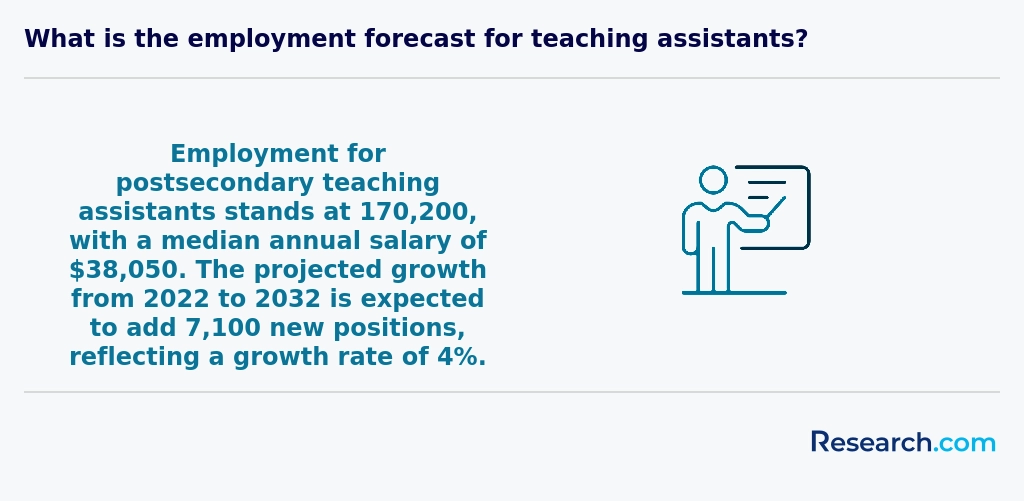
To manage tuition costs for an online special education degree in the West, start by completing the FAFSA to access federal aid like Pell Grants and low-interest loans. Graduates from universities such as California State University and the University of Washington often rely on these federal programs as a dependable foundation for funding their education.
Next, explore state-level aids. For instance, California students benefit from the Cal Grant, which can cover $1,500 up to full tuition. Similarly, the Washington College Bound Scholarship supports low-income residents with tuition and fees. These programs have helped many graduates reduce their financial burden significantly while studying online.
Scholarships specifically for special education students are another practical resource. Groups like the Council for Exceptional Children award thousands in scholarships, while many universities in the West offer merit- or need-based awards tailored to this field. Graduates frequently credit these scholarships for making their degrees affordable.
Lastly, ask your employer about tuition reimbursement programs. Many working educators in public schools find these invaluable in covering costs partially or fully. Combining these options creates a realistic, manageable financial plan for your online special education pathway.
To enroll in an online special education degree in the Western U.S., start by securing a high school diploma or GED as a minimum. Graduates from well-known Western institutions like California State University or the University of Washington often share how submitting official transcripts early helped streamline their application process.
If aiming for a master's, you'll need a bachelor's degree-preferably in education, psychology, or a related field-though some schools welcome diverse backgrounds if you demonstrate commitment through relevant experience or extra coursework.
Expect to meet GPA standards around 2.5 to 3.0, supply letters of recommendation from people familiar with your teaching potential, and write a personal statement that highlights your passion for special education. Some programs may request GRE scores, but many Western universities offer test-optional paths.
Be prepared for background checks since hands-on practicum is essential. Graduates recall arranging local placements early, often coordinating with community schools to fulfill clinical hour requirements without stress.
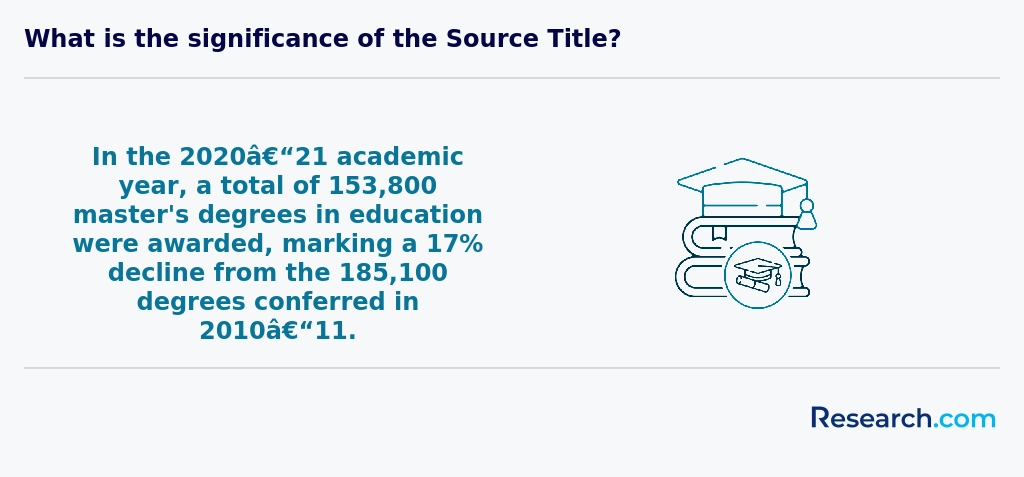
Online special education degree programs in the Western US typically include foundational courses like Foundations of Special Education and Exceptional Learners, which help students understand the unique challenges faced by children with disabilities. Graduates from universities such as those in California often mention how learning about developmental psychology and behavior management prepared them for real classrooms, making their transition smoother.
Programs also include specialized courses covering instructional strategies tailored to conditions like autism and learning disabilities. For instance, students at Washington-based colleges appreciate how the curriculum teaches collaboration with families and interdisciplinary teams-a crucial skill when supporting diverse learners.
Legal courses focusing on laws like IDEA and Section 504 provide essential knowledge for compliance and advocacy. Many graduates recall how these classes empowered them to confidently navigate district policies.
Finally, practicum or field experiences arranged locally allow hands-on learning, which many Western students find invaluable. Using assistive technology and positive behavioral interventions in these settings helps students feel ready and enthusiastic about their careers.
Online special education degree specializations West programs typically include focused tracks such as Autism Spectrum Disorder (ASD), Learning Disabilities, Emotional and Behavioral Disorders, Early Childhood Special Education, Deaf and Hard of Hearing, and Physical and Health Disabilities. Graduates from well-known Western universities often share how ASD specialization prepared them with practical strategies to support communication and social skills in real classrooms, while others appreciate the broad applications of learning disabilities coursework.
When exploring special education career paths West region options, many students find that programs at institutions in California, Oregon, and Washington offer flexible online courses paired with real-world practicum experiences. These specializations are designed to help you tailor your education to the needs of your future students and meet regional licensure requirements.
Graduates emphasize the importance of understanding your state's prerequisites; many programs align their curriculum with the requirements to be certified as a special education teacher. This alignment ensures a smooth transition into teaching roles and boosts confidence in delivering specialized instruction.
When selecting the best online special education degree programs West of the Rockies, start by verifying accreditation from bodies like CAEP or WASC to ensure your degree holds value in certification and hiring processes. Graduates from recognized public universities in California praise the balance between affordability and strong curriculum coverage in critical areas such as disability law and behavior management.
Next, evaluate cost carefully. Many students who chose affordable special education degrees online Western US found community colleges and public institutions in Oregon and Washington offered competitive tuition rates around $8,000 to $15,000 annually while still providing comprehensive training. Factor in additional expenses like textbooks and technology to avoid surprises.
Also, consider program flexibility. Graduates juggling work and family favor asynchronous coursework that allows self-paced learning. Look into specialized tracks or local practicum arrangements, common in programs offered by Nevada colleges, which prepare you well for real classroom challenges. Checking graduation and licensure exam pass rates can also guide you toward successful programs.
Finally, explore strong partnerships with state education departments. This connection simplifies teacher licensure and improves job prospects. Many graduates mention feeling confident stepping into teaching roles with support aligned to regional certification standards. For current market insight on careers, review jobs special education to match your education with local demand and salary expectations.
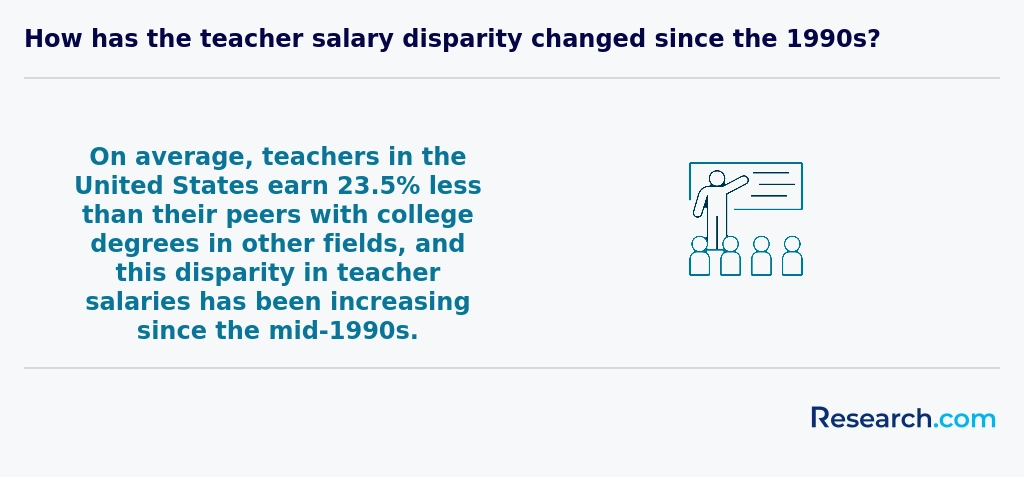
Graduates with an online special education degree in the West often find rewarding roles such as special education teachers, intervention specialists, and behavioral therapists. These careers allow you to make a direct impact by working in public or private K-12 schools, customizing learning for students with diverse needs. Many students from universities well-known in the Western states share how their programs equipped them with practical skills to navigate real classroom challenges. For example, graduates from California-based programs often highlight the advantage of integrated licensure preparation, crucial for securing special education teacher jobs in the West.
Other practical career options include transition coordinators who assist students in moving toward post-secondary life and educational consultants providing guidance on legal compliance and best practices. Many find their online degree opens doors to roles beyond teaching, such as program coordinators or policy advocates working to improve special education systems regionally.
If you're exploring online special education careers Western states offer, consider programs recognized for blending theory with hands-on experience. To compare options, check out comprehensive rankings of online masters in special education to find one aligned with your career goals.
The job market for graduates with an online special education degree in the West is encouraging, particularly for those pursuing careers in states like California and Oregon. Many graduates from popular Western universities report finding roles quickly due to an 8% projected employment growth rate through 2032, fueled by ongoing teacher shortages in rural and underserved areas. For example, graduates working in school districts around Seattle have shared how their credentials helped them secure positions that match their schedules and family commitments.
Funding increases and legislative mandates create steady demand for educators skilled in special education, especially in specialized areas like Autism Spectrum Disorder or Emotional Disturbance. Candidates with advanced degrees often move into leadership roles, improving both salary potential and job security. When considering these online special education jobs in the West, flexibility is key; many appreciate how programs at regional institutions allow them to study while working locally.
Understanding special education teacher responsibilities early helps graduates navigate expectations and improve career planning. This practical insight helps candidates stay competitive and feel confident entering the workforce.
2027 Easiest Online Special Education Degree Programs Ranking in the West
Investing in your education is a significant decision that requires careful consideration, and the Research.com team recognizes the weight of this choice. To support those pursuing a special education degree in the West, we have thoughtfully developed the "2027 Easiest Online Special Education Degree Programs Ranking." Our dedication to quality, credibility, and accuracy is demonstrated through rigorous research and thorough analysis. We relied on multiple authoritative data sources to create this reliable ranking:
By exploring this ranking, readers will access clear, data-driven insights into online programs that offer accessible pathways to a special education degree, empowering them to make informed educational choices. For further information about how the ranking was created, please visit our Research.com methodology page.


# 5 position
Western Governors University
Master of Teaching Special Education

# 6 position
Colorado Christian University
Master of Special Education: Special Education Alternative Licensing


# 9 position
Western Governors University
Bachelor of Special Education (Mild to Moderate)

Frequently Asked Questions About special education
Online special education degree students in the West can maximize their learning by engaging actively with their course materials and instructors. Research from the Western Interstate Commission for Higher Education highlights that students who participate in online discussion forums and virtual office hours tend to perform better. It is also beneficial to arrange practical experiences locally, as hands-on training is crucial in special education. Students should leverage regional resources like California's Special Education Local Plan Areas (SELPAs) to gain real-world insights. Time management and setting a dedicated study schedule are vital, as online programs require high self-discipline to succeed.
The special education field is evolving, with several emerging niches gaining attention across the Western United States. One key area is autism spectrum disorder (ASD) intervention, which remains a high-demand specialization due to rising prevalence rates. According to the Centers for Disease Control and Prevention, about 1 in 44 children is diagnosed with ASD, greatly influencing training priorities.
Another growing focus is inclusive technology integration, where educators specialize in adaptive tools that support diverse learners. Additionally, early childhood special education is expanding, responding to research showing early intervention significantly improves outcomes. Behavioral and mental health support within schools is also becoming a critical niche to address complex student needs.
After completing an online special education degree in the West, graduates should focus on gaining practical experience and understanding regional certification requirements. Many states, such as California and Washington, mandate specific credentials beyond the degree for teacher licensure.
Networking through local education associations and attending job fairs focused on special education can improve employment prospects. According to the U.S. Bureau of Labor Statistics, employment for special education teachers in the Western U.S. is expected to grow by 8% through 2031, reflecting steady demand.
Internships, substitute teaching, or volunteering in schools can provide valuable classroom experience. Additionally, continuing professional development and staying updated on Individualized Education Program (IEP) regulations are crucial.
Employers in the Western United States prioritize several key skills in graduates with online special education degrees. Effective communication is essential, enabling teachers to work closely with students, families, and multidisciplinary teams. Adaptability stands out as well, as educators must tailor learning strategies to diverse student needs.
Strong knowledge of Individualized Education Programs (IEPs) and legal compliance with IDEA (Individuals with Disabilities Education Act) is crucial. According to the California Commission on Teacher Credentialing, nearly 40% of special education roles require expertise in IEP development and monitoring.
Data-driven instruction and behavior management skills also rank highly, improving student outcomes significantly. The U.S. Bureau of Labor Statistics highlights that Western states forecast a 10% growth rate in special education jobs, emphasizing demand for skilled professionals.
Finding internships in the Western US for special education degree students involves several strategic steps. Begin by exploring partnerships between your online program and local school districts, as many universities coordinate placements for their students. The California Department of Education and Oregon Department of Education websites often post internship opportunities and application guidelines.
Networking with regional special education associations, such as the Council for Exceptional Children's California chapter, can connect you with mentors and openings. Additionally, check publicly-funded programs in states like Washington and Arizona, which emphasize inclusive education and often offer paid internships.
Online job boards like Handshake and state-specific education portals frequently list relevant internships tailored to special education candidates in the West.
An online special education degree improves career mobility for professionals in the Western US by offering flexible access to accredited programs. Many states in this region recognize online credentials, which allow graduates to meet licensure requirements without relocating. According to the California Commission on Teacher Credentialing, teachers with special education certification have a higher likelihood of promotion and salary increases.
Employers in states like Washington and Oregon often prioritize candidates with specialized degrees because of statewide shortages of qualified special educators. Additionally, advanced degrees improve eligibility for roles such as program coordinators or intervention specialists.
Nationally, the Bureau of Labor Statistics projects a 10% growth in special education jobs through 2032, with strong market demand especially in Western states. Online degrees enable ongoing professional development while maintaining employment, which is crucial for career advancement in this sector.
Studying for a special education degree online in the Western US equips students with skills to work across disciplines, essential for addressing diverse learner needs. Programs emphasize collaboration with general educators, speech therapists, counselors, and psychologists, reflecting requirements from the Individuals with Disabilities Education Act (IDEA).
Many Western universities incorporate interdisciplinary coursework, blending education theory with psychology, communication sciences, and social work. This approach aligns with regional labor market demands, where about 25% of special education professionals engage in multidisciplinary teams (National Center for Education Statistics, 2023).
Online formats often include case studies and practicum experiences that develop coordination and communication skills. These prepare graduates to contribute effectively in varied educational and therapeutic settings, enhancing outcomes for students with disabilities.
When choosing between a thesis and a non-thesis online special education degree program in the West, consider your career goals first. Thesis programs emphasize research skills and can benefit students aiming for doctoral studies or educational policy roles. Non-thesis options focus more on practical teaching strategies and field experience, ideal for those seeking classroom positions.
In Western states like California and Washington, 60% of special education master's students opt for non-thesis tracks due to quicker completion times, as reported by the Western Interstate Commission for Higher Education (WICHE).
Thesis programs often require 6 to 12 months of research, while non-thesis degrees may offer additional practicum hours.
Financial aid and program flexibility also play roles; non-thesis programs sometimes allow part-time study suited for working professionals.
Students based in the Western United States interested in studying special education abroad face limited direct options because most U.S. special education programs are offered domestically. However, many Western schools provide fully online degrees recognized nationally, allowing students to access quality education without relocating. According to the Western Interstate Commission for Higher Education (WICHE), about 35% of Western students pursue online special education credentials, reflecting growing acceptance of virtual learning.
For those seeking international perspectives, partnerships between Western institutions and global universities occasionally offer exchange or joint degree options. Yet, students must verify accreditation and state licensure recognition before enrolling abroad.
Part-time job opportunities in the Western US can effectively complement online special education degrees by providing practical experience. Roles such as teacher aides, paraprofessionals, and behavior intervention assistants allow students to apply theoretical knowledge in real classroom settings. According to the California Department of Education, these positions often require less than full-time hours and offer valuable exposure to special education strategies.
Additionally, tutoring students with learning disabilities or working with nonprofit organizations focused on disability advocacy are common options in states like Washington and Oregon. These roles build relevant skills while accommodating flexible schedules important for online learners. The Bureau of Labor Statistics highlights continued growth in education support roles across the West, reaching an estimated 8% increase through 2030.
Online special education students in the Western U.S. benefit from growing networking opportunities tailored to their unique field. Many universities in the region offer virtual meetups, discussion boards, and collaborative projects designed to connect students statewide and beyond. For example, California and Washington have state education associations that frequently host webinars and online conferences specifically for special education professionals. According to the California Department of Education, these events help students build vital professional relationships and stay current on regional policy changes.
Additionally, online students often join national organizations like the Council for Exceptional Children, which has local Western chapters. These groups provide mentorship, job leads, and forums for sharing best practices. Networking through these platforms is essential since special education demands frequent collaboration and advocacy within diverse communities. This evolving connectivity helps online learners feel less isolated and more professionally supported.
Alumni networks offer significant benefits to students pursuing online special education degrees in the Western United States. These networks provide access to experienced professionals who can offer career advice, mentoring, and job leads. According to the Western Interstate Commission for Higher Education (WICHE), strong alumni connections increase employment rates for graduates by up to 15% in the region.
For online students, alumni groups reduce feelings of isolation by fostering a sense of community and support. Many networks host regional events, webinars, and workshops focused on current special education trends and legislation in Western states.
Moreover, alumni networks often collaborate with school districts to facilitate internships and job placements, helping students transition smoothly into education careers.
Many online special education degree programs in the Western US offer customizable tracks to align with your career goals. You can often choose concentrations like autism spectrum disorders, behavioral intervention, or early childhood special education. This flexibility allows you to specialize in areas with growing demand, according to the Western Educational Laboratory's 2023 report.
Additionally, some programs provide elective courses, internships, or practicum placements tailored to regional needs or your desired work setting. Licensing requirements also vary across Western states, so picking a program that prepares you for your specific state's certification exam is essential.
Advisors can guide you in selecting coursework, helping you build skills aligned with local school district priorities and workforce trends.
Online special education students in the Western US face several challenges unique to their region and field. Many struggle with accessing adequate practicum opportunities, as in-person classroom experiences are essential but limited. According to the California Commission on Teacher Credentialing, over 30% of candidates report difficulty finding quality placements.
Another challenge is balancing coursework with demanding work or family commitments. Western states like Oregon and Washington report that over 40% of special education students enroll part-time, extending program completion times.
Additionally, technological barriers persist, especially in rural areas where broadband access is uneven, affecting students' ability to participate fully in synchronous learning.
With an online special education degree, graduates in the Western US can pursue several key professional certifications to enhance their careers. One of the most common is the Special Education Teaching Credential, which varies by state but often requires passing exams like the California Subject Examinations for Teachers (CSET).
The National Board Certified Teacher (NBCT) certification is a prestigious option that demonstrates advanced knowledge and skills in special education. According to the Western Regional Advocacy Project, states like California and Washington have seen a 10% increase in special education certification applicants in recent years.
Additionally, professionals may seek endorsements in areas such as Autism Spectrum Disorders or Emotional and Behavioral Disorders to meet specific student needs. These certifications improve job prospects and align with regional demands.
Applying to an online special education degree program in the Western US requires a clear, well-organized application. Begin by carefully reviewing admission criteria on official university websites, as each school may emphasize different qualifications. Highlight any relevant teaching experience or volunteer work with students with disabilities, as practical exposure is highly valued.
Craft a compelling personal statement that explains your passion for special education, backed by specific examples. According to the Western Interstate Commission for Higher Education, special education needs are rising, increasing demand for qualified teachers in the region.
Ensure your letters of recommendation come from supervisors or educators who can attest to your skills and dedication. Lastly, verify that all transcripts and documents meet the technical submission requirements to avoid delays.
Special education careers in the West, particularly in the United States, reflect a growing global commitment to inclusivity and equitable learning opportunities. According to the U.S. Bureau of Labor Statistics, employment for special education teachers is projected to grow 8% from 2022 to 2032, faster than the average for all occupations. This growth signifies ongoing demand for qualified professionals who can address diverse student needs.
Globally, Western standards in special education often influence international approaches, emphasizing individualized education programs and legal protections under laws such as the Individuals with Disabilities Education Act (IDEA). This framework sets a benchmark, encouraging many countries to adopt similar inclusive education policies.
For Western students pursuing online special education degrees, understanding this international perspective can enhance their effectiveness in diverse educational settings. It also prepares them to engage with a worldwide dialogue on best practices and policy development in special education.
Gaining practical experience is essential when studying for an online special education degree in the West. Many programs incorporate fieldwork or practicum components, requiring students to complete a set number of hours in real classroom settings. These opportunities are often arranged locally, allowing students to partner with nearby schools or special education centers.
Additionally, some universities in the Western US have partnerships with school districts to facilitate supervised internships. According to the California Commission on Teacher Credentialing, candidates typically complete 600 hours of practical experience during their programs.
Online learners can also seek volunteer work or assistant roles in special education settings to complement their studies and meet licensing requirements.
Choosing the right concentration within an online special education degree in the West requires careful consideration of your career goals and local demand. Many programs offer focuses such as Autism Spectrum Disorders, Behavioral Intervention, or Early Childhood Special Education. According to the Western Interstate Commission for Higher Education, areas like California and Washington see high demand for autism specialists, making that an attractive option.
Check if the concentration aligns with state certification requirements since licensure varies across Western states. Also, review program faculty expertise and available fieldwork opportunities, which are vital for practical experience. Finally, explore job placement rates reported by the university to gauge market readiness.
- Careers With a Special Education Degree | University of Phoenix https://www.phoenix.edu/articles/education/careers-with-a-special-education-degree.html
- 10 Tips for Special Education Careers https://newstoryschools.com/blog/10-tips-special-education-careers
- Making a Difference: Service Learning in Special Education https://www.hetl.org/making-a-difference-service-learning-in-special-education/
- Home New - NASET https://www.naset.com/
- Special Education Internships in Peru | Intern Abroad HQ https://www.internhq.com/destinations/peru/special-education-in-cusco/
- Reimagining Inclusion with Positive Niche Construction https://andrewgael.com/2016/03/07/reimagining-inclusion-with-positive-niche-construction/
- 10 Best Ed.D. in Special Education Programs of 2025 https://www.eddprograms.org/schools/special-education/
- Special Education Policy and Practice https://www.wested.org/focus-area/special-education-policy-and-practice/
- 10 Best Practices for Improving Special Education https://www.dmgroupk12.com/blog/10-best-practices-for-improving-special-education
- Sample Letter: Request a Special Education Evaluation https://www.askresource.org/resources/sample-letter-requesting-an-evaluation