
2027 Fastest Online Special Education Degree Programs Ranking in Arizona

Co-Founder and Chief Data Scientist
If you're considering a special education degree in Arizona, this article offers valuable insights to guide your decision. The 2027 Fastest Online Special Education Degree Programs Ranking in Arizona was created by the Research.com team of data scientists, providing a reliable resource to explore programs that match your goals.
Discovering the right online program can open doors to meaningful careers supporting diverse learners. Reading this guide will help you find flexible and efficient options to advance your education and impact lives positively.
Key benefits of getting online special education degree in Arizona
- Special education graduates in Arizona often pursue roles as teachers or aides, with US average salaries for special education teachers around $61,000 per year, offering a rewarding career with stable income.
- Graduates from Arizona State University's special education program typically find diverse career paths including working in public schools, private agencies, or specialized support services, providing flexibility and meaningful impact.
- Completing a special education degree online through a university like Northern Arizona University allows for a flexible schedule and the ability to balance work and study, making education more accessible without sacrificing quality.
- 2027 Fastest Online Special Education Degree Programs Ranking in Arizona
- What can I expect from online special education degree in Arizona?
- Where can I work with online special education degree in Arizona?
What can I expect from online special education degree in Arizona?
Students diving into an online special education degree in Arizona often find the journey both manageable and rewarding when considering the cost. On average, the total tuition can range between $15,000 and $30,000, depending on the university and program length. For instance, graduates from popular institutions like Arizona State University discover that these expenses unlock a flexible learning experience that fits around busy lives, whether juggling work or family.
One graduate recalls how the combination of asynchronous coursework and occasional live sessions made it possible to study late at night or early mornings, balancing real-life responsibilities while investing in a future career.
Others appreciate that these programs, common at well-known colleges in Arizona, blend affordability with quality, aligning with state certification requirements and including practical components like virtual internships. This hands-on practice not only enhances learning but also makes every dollar spent feel truly worthwhile in preparation for rewarding statewide job opportunities.
Where can I work with online special education degree in Arizona?
Graduates with an online special education degree in Arizona step into a world rich with rewarding career paths. Many find themselves inspiring students in K-12 classrooms, tailoring Individualized Education Programs (IEPs) to fit each child's unique needs. Imagine working in bustling schools like those in the Phoenix Union High School District, where your expertise truly makes a difference.
Others dive into community agencies or nonprofits, becoming behavior specialists or inclusion facilitators who help students thrive beyond the traditional classroom. At universities such as Arizona State or Northern Arizona University, alumni share how their education opened doors to early intervention roles, supporting young children's crucial developmental stages.
Charter schools across Arizona eagerly seek passionate specialists to foster inclusive learning environments. Graduates often recount the excitement of these diverse settings, alongside opportunities to grow into administrative or consulting roles as their careers advance. In Arizona, an online special education degree becomes a passport to dynamic, impactful work that changes lives every day.
Graduates from Arizona State University or Northern Arizona University who earn their special education degree online often find themselves stepping into a rewarding career with salaries typically starting around $40,000 to $45,000 annually. Imagine beginning in a vibrant classroom in Phoenix, where the cost-of-living bump can push your paycheck closer to $65,000 as you gain experience and build your expertise.
Those graduates who pursue advanced certifications or master's degrees quickly discover opportunities for higher earnings. For example, special education coordinators or program directors in larger districts might enjoy salaries exceeding $70,000 to $75,000, reflecting the value schools place on advanced skills and leadership.
With the Arizona Department of Education's clear salary schedules, teachers see their progress rewarded year after year-a comforting reality for those passionate about making a difference. The added benefits of state retirement plans and health insurance craft a career path that's not only financially sustainable but personally fulfilling.
- Arizona offers fully or partially online special education degrees through public and accredited private universities, allowing flexible study options.
- Bachelor's degree tuition ranges from about $8,000 to $25,000 per year for in-state students, while master's programs typically cost between $10,000 and $30,000 total.
- Special education teacher employment in Arizona is projected to grow by 8% through 2030, matching the national growth rate.
- Starting salaries for special education teachers range from $40,000 to $48,000 annually, with experienced teachers earning between $54,000 and $62,000.
- Licensure requires completing an approved program and passing the Arizona Educator Proficiency Assessments, with online degrees accepted for certification.
Embarking on an online special education degree in Arizona opens up a world of flexible timelines tailored to your unique journey. For example, many students at Arizona State University experience a typical Bachelor's degree timeline of about four years, but with part-time options, that can comfortably extend or shorten depending on life's demands.
Graduate students diving into a Master's program at the University of Arizona often wrap up their studies in two to three years, and some adventurous learners have sped through accelerated tracks in just 18 months, balancing a heavier course load with personal commitments. Imagine managing work, family, and studies seamlessly thanks to the program's flexibility.
Doctorate seekers, whether at Northern Arizona University or other institutions, enjoy the freedom to complete their degrees within three to six years, factoring in dissertation progress. Graduates treasure this adaptable pacing, which turns the challenge of rigorous coursework into an achievable adventure fit for busy professionals.
Choosing between an online and an on-campus special education degree in Arizona feels like stepping into two distinct worlds of learning adventure. Imagine a graduate of Arizona State University who thrives in online classes, juggling family life while absorbing coursework asynchronously-studying at their own rhythm but still embracing the challenge of in-person fieldwork to earn certification. This flexible path empowers self-discipline and opens doors for those balancing work and home.
On the other hand, picture a student at the University of Arizona, energized by face-to-face interactions in vibrant lecture halls and hands-on labs that bring special education methods to life. The camaraderie with peers and instant access to faculty spark lively discussions and deepen understanding, especially for complex topics.
Both paths require essential practicum experiences, anchoring you in real classrooms across Arizona, ensuring you're ready to support students with diverse needs. Online degrees trim costs on housing and commuting, while on-campus immerses you fully in the academic community. The choice invites you to embrace your unique learning style and lifestyle.
Exploring the average cost online special education degree Arizona reveals a median total tuition around $23,508, a figure that sparks excitement for many aspiring educators. Graduates from popular universities in Arizona often share stories of balancing their studies with work and family, embracing online programs that deliver quality education without the hefty price tag of some private institutions. These learners appreciate how the tuition aligns with their budgets, especially when combined with scholarships or financial aid that reduce the final expenses.
Tuition fees books special education degree Arizona students often mention as an added cost factor paint a fuller picture of expenses beyond just tuition. From required textbooks to technology fees, these costs create an adventure of preparation-one former student talked about hunting down affordable versions of textbooks or sharing resources with classmates, turning the challenge into a community effort. The exciting part? Many online programs eliminate commuting and housing fees, making it an even more attractive path to earning a degree.
Students attending well-known Arizona institutions find themselves navigating these costs with optimism, inspired by success stories of educators who thrived in their careers after completing their degree. For those curious about career outcomes after completing their coursework, an interesting resource highlights the possibilities with a bachelor degree in special ed jobs, encouraging prospective students to imagine the rewarding futures awaiting them.
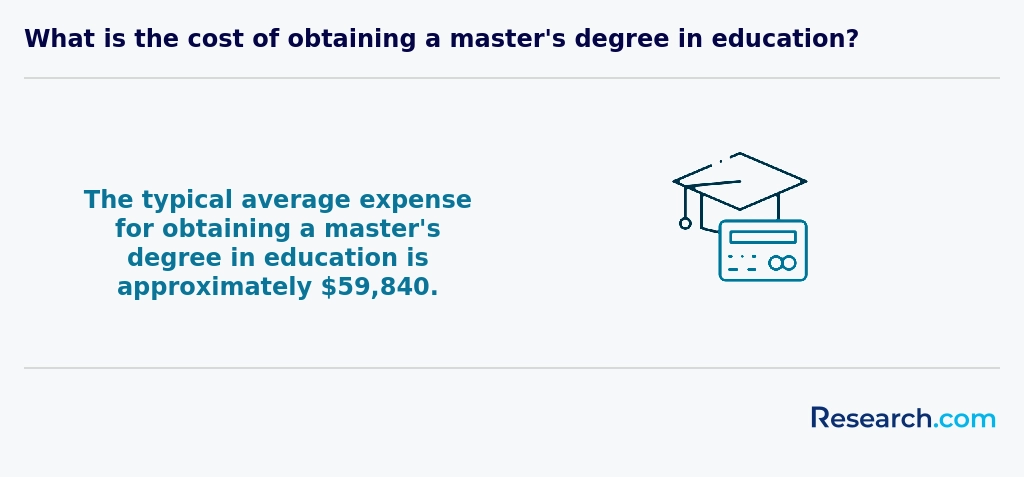
Imagine starting an online special education degree at Arizona State University, feeling the excitement of knowing that federal financial aid is ready to support your journey. Many students discover that applying for FAFSA opens doors to Pell Grants, providing up to $7,395 to ease tuition costs. This relief brings a sense of accomplishment and possibility, especially when juggling studies and daily life.
Graduates from the University of Arizona often share how state programs like the Arizona Teacher Student Loan Program lifted financial weight by offering loans that fade away when committing to teach in Arizona schools. It's like unlocking a secret pathway that rewards your dedication to shaping young minds.
Across campuses, institutional scholarships fuel dreams, rewarding academic effort and passion for special education. Professional associations and employers also pitch in, with scholarships and tuition assistance that transform ambitions into achievements.
Aspiring teachers frequently tap into TEACH Grants, gaining up to $4,000 annually-but with the inspiring twist of giving back to underserved Arizona communities. Together, these options create a vibrant safety net for students ready to make a difference.
Ready to dive into Arizona's online special education programs? Start by making sure you have your high school diploma or its equivalent-this is your launching pad. For undergraduates eyeing a special education degree, official transcripts showcasing your foundation in English, math, and science open the door. Imagine a graduate from Arizona State University recalling how this grounding made advanced coursework feel like a manageable adventure rather than a hurdle.
If you're aiming for a master's degree, think bigger: a bachelor's degree from an accredited university is essential. Many programs, including popular ones at the University of Arizona, prefer backgrounds in education or related fields. But don't fret if your path is different-some programs offer bridge options to welcome diverse experiences.
Some graduates remember taking standardized tests like the GRE or Praxis, though this is becoming less common. Still, be ready for background checks and fingerprinting, vital steps ensuring safe, trusted educators for Arizona's students with special needs. This is all part of the exciting journey toward making a real impact.
Diving into an online special education degree in Arizona feels like opening a treasure chest of knowledge-graduates from well-known universities in the state often describe their courses as eye-opening and empowering. You'll explore foundational classes like Introduction to Special Education, where you learn about the history and laws shaping this vital field, making every lesson feel connected to real stories of students overcoming challenges.
Imagine mastering Behavior Management and Intervention; here, you develop practical strategies to support positive student behavior, the kind that real Arizona educators use in classrooms every day to create safe, welcoming environments.
Assessment classes dive deeply into understanding individual needs, while Instructional Strategies for Diverse Learners sparks creativity, enabling you to tailor lessons for each unique child.
Hands-on courses like Assistive Technology bring excitement-where you discover tools that transform how students with disabilities engage with learning, a truly rewarding experience echoed by many who have walked this path at Arizona's top schools.
When diving into an online special education degree in Arizona, you'll discover vibrant specialization options that truly shape your teaching journey. Graduates from top programs like Arizona State University often share how focusing on Learning Disabilities opened their eyes to creative ways of helping students with ADHD and dyslexia thrive. Others gravitate toward Emotional and Behavioral Disorders, finding joy in developing compassionate strategies for students facing social and behavioral challenges.
The Arizona special education program concentration options also include Autism Spectrum Disorders, where educators craft personalized IEPs to support communication and social skills, inspired by real classroom breakthroughs reported by University of Arizona alumni. Early Childhood Special Education invites you to embark on a rewarding path, nurturing developmental milestones for the littlest learners. Some choose to specialize in Severe or Multiple Disabilities, embracing the challenge of tailoring complex teaching methods for profound needs-a journey many graduates describe as deeply fulfilling.
For those wondering how to get a special ed certification, understanding these options helps you align with careers that reflect your passion for Arizona's diverse learners. Exploring online special education degree specializations Arizona offers can lead to adventure and impact in classrooms across the state.
Choosing the best online special education degree Arizona has to offer means diving into programs that not only meet state standards but also ignite your passion for making a difference. Graduates from popular Arizona universities often share how real-world practicums in local schools transformed their learning, blending theory with hands-on experience tailored to the Essential Standards and IDEA requirements. These immersive opportunities helped them feel confident stepping into classrooms.
Many students seek affordable special education programs Arizona online, balancing cost with quality. Imagine completing your degree without the stress of overwhelming tuition, thanks to financial aid and scholarships designed for special education learners. Students often praise schools that offer flexible pacing-some accelerated, others part-time-perfect for working professionals eager to advance their careers smoothly.
Faculty expertise and student support make a huge impact; graduates often highlight dedicated advisors and collaborative networks as game changers. Plus, programs partnering with Arizona districts open doors for future jobs. If you're curious about what career paths await, explore careers related to special education to fuel your adventurous journey.
Graduates with an online special education degree in Arizona often step into dynamic roles that blend passion with impact. Many become special education teachers across public and private schools, crafting individualized education programs that make a tangible difference in students' lives. Those embracing special education teacher jobs in Arizona find joy in adapting lessons for kids with autism or speech impairments, turning classrooms into supportive communities. Some graduates from Arizona State or Northern Arizona University share how their training opened doors to become Board Certified Behavior Analysts, using specialized skills to help students with behavioral challenges thrive.
Exploring Arizona online special education degree careers, others discover paths as educational diagnosticians or program coordinators, roles that lean into leadership and collaboration within schools and nonprofits. The vibrant community at these universities encourages students to consider advanced certifications or even pursue an accelerated masters in special education online-a thrilling step toward deeper expertise and even broader opportunities.
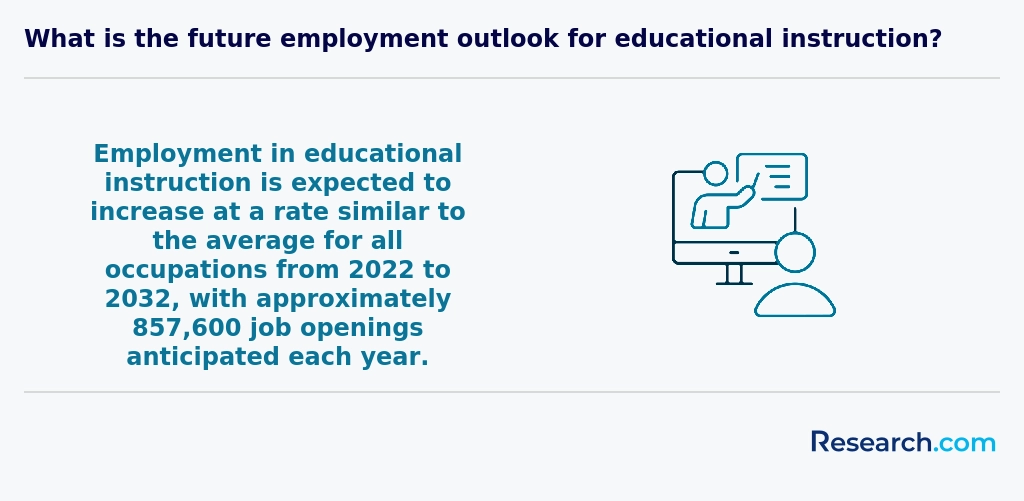
Arizona's special education job market is a vibrant landscape for graduates holding an online special education degree. Graduates from popular schools such as Arizona State University and Northern Arizona University often share how the state's growing demand for special education teachers opens doors in both urban and rural districts. Immersed in real classrooms through supervised student teaching, they quickly discover the joy of crafting inclusive learning environments, often collaborating closely with general education teachers.
With about 13% of K-12 students needing special education services, the need for qualified professionals is strong and steady. Many Arizona districts actively recruit by offering loan forgiveness or signing bonuses, creating enticing opportunities. The median annual wage hovering around $52,000 adds to the appeal. Whether working in public schools or specialized therapeutic programs, online special education jobs Arizona graduates pursue blend flexibility with meaningful impact. Curious students can explore competitive programs and benefits, including how earning an online degree special education meets both career and lifestyle goals.
2027 Fastest Online Special Education Degree Programs Ranking in Arizona
Investing in your education is a significant decision that can shape your future, and the Research.com team understands the importance of making informed choices. To assist prospective students in Arizona, we have carefully developed the "2027 Fastest Online Special Education Degree Programs Ranking in Arizona." Our dedication to quality, credibility, and accuracy is demonstrated by the thorough research and analysis undertaken to create this ranking.
We utilized the following reputable data sources to ensure a comprehensive evaluation of special education degree programs:
By exploring this ranking, readers will gain valuable insights into the fastest online special education degree programs available in Arizona, enabling them to make well-informed decisions about their education. For more information on how this ranking was created, please visit our Research.com methodology page.


# 3 position
Arizona State University Campus Immersion
Master of Curriculum and Instruction - Gifted Education

Frequently Asked Questions About special education
Students pursuing online special education degrees in Arizona can maximize their learning by actively engaging with both digital content and live interactions. The Arizona Department of Education reports that nearly 15% of public school students receive special education services, highlighting a growing need for skilled educators in this field.
Effective time management and consistent communication with professors and peers are essential strategies. Joining online forums or study groups can also enhance understanding of complex topics like Individualized Education Programs (IEPs).
Furthermore, students should seek practical experience through internships or virtual simulations, which many Arizona programs incorporate to meet state licensure requirements. These methods ensure graduates are well-prepared to address diverse learner needs in real classrooms.
The field of special education in Arizona is expanding into several emerging niches that reflect evolving student needs and technological advances. One notable area is the integration of assistive technology, which supports students with disabilities through devices and software that enhance communication and learning. According to the Arizona Department of Education, schools increasingly seek specialists trained in these tools.
Another growing niche is early intervention services, focusing on preschool-aged children with developmental delays. Arizona's rising emphasis on inclusive practices in early education creates demand for experts in individualized family service plans (IFSP).
Additionally, behavior intervention specialists are in demand to address complex behavioral challenges, aligning with Arizona's efforts to reduce disciplinary actions among students with disabilities (ADE 2023 report).
These emerging areas guide online special education degree seekers toward promising career paths within Arizona's education system.
Preparing for the job market after completing an online special education degree in Arizona involves several key steps. First, ensure you have obtained appropriate state certification, as Arizona requires a Special Education K-12 teaching certificate issued by the Arizona Department of Education.
Networking with local schools and participating in Arizona-specific job fairs can increase your chances of employment. According to the Arizona Department of Education, the demand for special education teachers is expected to grow by 7% through 2028, highlighting steady opportunities in the state.
It is also beneficial to gain experience through internships or substitute teaching while completing your degree. Familiarity with Individualized Education Programs (IEPs) in Arizona public schools strengthens your resume and readiness for the classroom.
Finally, consider joining professional organizations like the Arizona Council for Exceptional Children to access resources and job leads tailored to Arizona's special education community.
Employers in Arizona seek special education graduates who demonstrate strong communication skills. These professionals must effectively collaborate with students, families, and multidisciplinary teams to develop individualized education programs (IEPs).
Another important skill is adaptability, as educators often tailor lessons to diverse learning needs and behavioral challenges. Arizona's increasing emphasis on inclusive classrooms means graduates must be proficient in differentiating instruction.
Data from the Arizona Department of Education highlights that knowledge of state and federal special education laws, such as the Individuals with Disabilities Education Act (IDEA), is essential. Graduates who master assessment techniques and progress monitoring are highly valued.
Finally, technological proficiency is gaining importance, especially as online and hybrid learning models expand across the state.
Finding internships in Arizona relevant to a special education degree involves targeted research and networking within the state's education community. Start by connecting with school districts such as the Phoenix Union High School District or Tucson Unified School District, which often offer internship opportunities for special education students.
The Arizona Department of Education website provides valuable resources on approved internship programs and partnerships with local universities. Additionally, many online programs partner with Arizona schools to facilitate field placements.
Professional organizations like the Arizona Association for Behavior Analysis and the Council for Exceptional Children-Arizona chapter may also list internships or volunteer roles that enhance practical experience.
According to the U.S. Bureau of Labor Statistics, Arizona's demand for special education teachers is expected to grow by 7% between 2021 and 2031, increasing internship opportunities. Early engagement through career services at your online college can be crucial for securing a position.
An online special education degree in Arizona can significantly enhance career mobility and advancement opportunities for educators. Many districts across Arizona report a growing demand for qualified special education professionals due to increasing student populations requiring specialized support, as noted by the Arizona Department of Education. Holding a degree, especially from accredited online programs, often fulfills state certification requirements, allowing graduates to pursue roles such as special education teachers, program coordinators, or instructional specialists.
Arizona's teacher shortage in special education, highlighted in recent state labor reports, creates upward mobility options and salary incentives. Additionally, an advanced degree can qualify educators for leadership positions and higher pay scales within school districts.
Studying for a special education degree in Arizona equips students with skills to work across multiple disciplines, including teaching, counseling, and therapy. Programs emphasize collaboration with professionals such as speech therapists, occupational therapists, and psychologists to support students with diverse needs. According to the Arizona Department of Education, integrated training ensures graduates understand how to develop individualized education plans (IEPs) that reflect a team approach.
Arizona's online degrees often include courses in behavior management, inclusive education strategies, and legal frameworks, preparing students for cooperative roles in schools and community settings. This interdisciplinary focus helps educators adapt to complex classroom environments and meet varied student requirements effectively.
When choosing between a thesis and a non-thesis online special education degree in Arizona, students should consider their career goals and learning preferences. Thesis programs typically require conducting original research and writing a comprehensive paper. This path suits those interested in academic or research roles, or who plan to pursue a doctoral degree.
Non-thesis programs focus more on coursework and practical skills, ideal for professionals aiming to enter or advance in K-12 special education positions quickly. According to the Arizona Department of Education, about 14,000 students receive special education services statewide, increasing demand for qualified educators.
Cost, time commitment, and faculty support may also differ between options. Reviewing program details and consulting academic advisors can help align choices with professional ambitions.
Students based in Arizona who want to study special education abroad have a few pathways to consider. Many U.S. universities offer online special education degrees recognized across states, including Arizona, allowing students to access international perspectives without relocating. However, direct enrollment in foreign universities for special education degrees often requires careful evaluation of credit transfers and state licensure requirements.
Arizona's Department of Education mandates that special education teachers meet specific licensing standards, which may limit acceptance of some foreign credentials. Therefore, students should verify that any international program meets Arizona's certification criteria before enrolling.
Additionally, Arizona has partnerships with some institutions abroad that provide collaborative online courses, enhancing global educational exposure. Resources like the National Center for Education Statistics report that nearly 12% of Arizona's educators specialize in special education, emphasizing demand for qualified teachers with flexible learning options.
Part-time job opportunities in Arizona that complement a special education degree are often found within educational and support roles. Many students work as teacher aides or paraprofessionals, assisting certified teachers in classrooms that serve students with disabilities. According to the Arizona Department of Education, these roles provide practical experience with Individualized Education Programs (IEPs) and inclusive teaching strategies.
Other common options include behavior technician positions, where individuals support children with developmental and behavioral challenges, often under supervision. These positions can offer hands-on skills useful for special education careers.
Additionally, tutoring services focusing on students with learning disabilities are in demand, helping strengthen educational foundations while providing flexible schedules for degree candidates. Employment in local nonprofit organizations centered on disability services also broadens understanding of community resources and advocacy efforts.
Online special education degree students in Arizona have access to various networking opportunities despite their remote status. Many Arizona universities and colleges offer virtual events, discussion forums, and collaborative projects designed to connect students with peers and faculty.
Additionally, professional organizations like the Arizona Council for Exceptional Children provide memberships, workshops, and conferences that encourage student involvement. These organizations promote statewide networking with special education professionals and policymakers.
Students also benefit from field placement and practicum experiences arranged through their programs, often partnering with local schools and agencies. This hands-on experience fosters valuable regional connections.
According to the Arizona Department of Education, over 90% of special education teachers in the state are members of professional groups, highlighting the importance of such networks for career growth.
Alumni networks play a crucial role for online special education degree students in Arizona by providing valuable professional connections. Graduates often join state-specific groups that facilitate mentorship, job referrals, and continuing education opportunities tailored to Arizona's educational landscape.
Such networks help students navigate certification requirements set by the Arizona Department of Education, which are vital for careers in special education. Additionally, Arizona's demand for special education teachers is expected to grow by 8% through 2028, according to the U.S. Bureau of Labor Statistics. Alumni connections can be key in securing positions within this competitive market.
Moreover, alumni often share insights about local school districts, enhancing job placement chances for new graduates. These networks also support professional development by promoting workshops and webinars focused on Arizona's latest special education laws and practices.
Customizing an online special education degree program in Arizona largely depends on selecting courses and concentrations aligned with your career goals. Many Arizona universities offer flexible curricula allowing students to focus on areas such as early childhood special education, autism spectrum disorders, or behavioral interventions.
Arizona's special education workforce demand is high; the state reported over 7,000 special education teachers needed by 2025 (Arizona Dept. of Education). Choosing relevant electives can improve your marketability in these areas.
Additionally, some programs provide options for practicum placements across diverse school settings, enabling experiential learning tailored to preferred age groups or disabilities.
Careful review of program accreditation and licensure pathways ensures the degree supports Arizona teaching certification requirements.
Online special education students in Arizona often face challenges related to practical training requirements. Many programs require fieldwork or student-teaching hours, which can be difficult to coordinate remotely. According to the Arizona Department of Education, securing adequate placements for hands-on experience remains a significant hurdle for distance learners.
Another common issue is maintaining consistent access to reliable internet and technology. Rural areas in Arizona may have limited broadband availability, impacting students' ability to join live sessions or submit assignments on time. This digital divide can hinder progress and engagement.
Students also report difficulty balancing coursework with employment or family responsibilities. Special education programs typically include complex topics that demand concentrated study and reflection, making time management crucial.
Finally, limited opportunities for peer interaction and networking can reduce collaborative learning experiences, which are important in special education training and professional development.
With an online special education degree in Arizona, graduates can pursue several professional certifications to enhance their career opportunities. One prominent certification is the Arizona Department of Education (ADE) Special Education Teaching Certificate, which qualifies individuals to teach students with disabilities across various age groups.
Additionally, educators may seek the Board Certified Behavior Analyst (BCBA) credential, particularly relevant for those focusing on behavioral interventions.
Arizona also offers endorsements in areas like Early Childhood Special Education and Moderate to Severe Disabilities, which require specific coursework and clinical experience.
According to ADE data, teachers holding specialized certifications often see improved job placement and salary prospects within Arizona's public schools.
Writing a winning application for an online special education program in Arizona requires clear focus and preparation. Start by highlighting relevant experience with children who have disabilities, as Arizona's special education workforce is growing to meet an 11% projected increase by 2029 (Arizona Department of Education).
Emphasize your commitment to inclusivity and understanding of state-specific laws like the Arizona Revised Statutes governing special education services.
Include strong letters of recommendation from educators or supervisors familiar with your work in special education or related fields.
Finally, tailor your personal statement to demonstrate how an online degree will help meet Arizona's diverse educational needs effectively.
Special education careers are valued worldwide for promoting inclusive education and supporting diverse learning needs. In the U.S., including Arizona, the demand for qualified special education teachers continues to grow due to increased awareness and legal requirements under the Individuals with Disabilities Education Act (IDEA).
Globally, approaches to special education vary, but the U.S. model is often regarded as advanced because of its emphasis on individualized education programs and federal funding.
In Arizona, the Arizona Department of Education reports that over 60,000 students receive special education services, highlighting the critical need for trained professionals.
Online special education degrees help meet this demand by offering accessible training to aspiring educators across the state.
While studying for an online special education degree in Arizona, gaining practical experience is essential for licensure and career readiness. Most programs require students to complete supervised fieldwork or student teaching in local schools. These placements allow candidates to work directly with students who have diverse learning needs under the guidance of experienced educators. Arizona's Department of Education collaborates with universities to facilitate these field experiences.
The state also supports internships and practicum options through partnerships with public and private special education programs. According to the Arizona Department of Education, about 15% of Arizona's public school students receive special education services, highlighting strong demand for hands-on training.
Choosing the right concentration within an online special education degree program in Arizona begins with understanding your career goals and the needs of the local community. Arizona employs over 9,000 special education teachers, many requiring expertise in areas such as autism spectrum disorders or learning disabilities. Research from the Arizona Department of Education highlights growing demand for educators skilled in behavioral interventions and inclusive classroom strategies.
Prospective students should consider concentrations aligned with Arizona's highest needs to improve job prospects. Additionally, reviewing program accreditation and state licensure alignment is critical, as Arizona requires specific certifications for special education teachers. Exploring programs that offer practicum or fieldwork components connected to Arizona schools can also enhance practical experience and employment potential.
- 2027 Fastest Online Special Education Degree Programs Ranking in Colorado
- 2027 Fastest Online Special Education Degree Programs Ranking in Kansas
- 2027 Fastest Online Special Education Degree Programs Ranking in Missouri
- 2027 Fastest Online Special Education Degree Programs Ranking in Minnesota
- 2027 Fastest Online Special Education Degree Programs Ranking in Michigan
- 2027 Fastest Online Special Education Degree Programs Ranking in Kentucky
- 2027 Fastest Online Special Education Degree Programs Ranking in Georgia
- 2027 Fastest Online Special Education Degree Programs Ranking in North Carolina
- 2027 Fastest Online Special Education Degree Programs Ranking in Ohio
- 2027 Fastest Online Special Education Degree Programs Ranking in Virginia
- Special Education Certification: The Path to Empowering Educators and Students - London College of Teachers and Trainers https://www.londoncollegeofteachers.com/blog/
- SEND Alumni Toolkit https://resources.careersandenterprise.co.uk/resources/send-alumni-toolkit
- Special Education Teacher Skills | University of Phoenix https://www.phoenix.edu/articles/education/essential-special-education-teacher-skills.html
- Special Education Internships in Peru | Intern Abroad HQ https://www.internhq.com/destinations/peru/special-education-in-cusco/
- School for students with special needs internship - Internships Down Under https://www.internshipsdownunder.com/school-for-students-with-special-needs-internship/
- How to Prepare for Careers in Special Education | Eastern CT State https://www.easternct.edu/graduate-division/online/articles/how-to-prepare-for-careers-in-special-education/
- Why Special Education Teachers Need a Big Support Network https://www.weareteachers.com/special-education-support-network/
- What can You Do with a Special Education Degree? - Graduate Programs for Educators https://www.graduateprogram.org/blog/what-can-you-do-with-a-special-education-degree/
- Special Education Teacher Salary & Requirements by State - NASET https://www.naset.com/professional-resources/special-education-teacher-requirements-salaries-and-resources-complete-state-by-state-guide/
- 10 Tips for Special Education Careers https://newstoryschools.com/blog/10-tips-special-education-careers


