
2027 Easiest Online Master's in Special Education Degree Programs Ranking in Massachusetts

Co-Founder and Chief Data Scientist
Choosing the right online master's program in special education can be overwhelming, especially in Massachusetts where options vary widely. Our article offers a 2027 Easiest Online Master's in Special Education Degree Programs Ranking in Massachusetts created by the Research.com team of data scientists. This ranking helps you identify programs that balance quality and accessibility, making your journey smoother.
Reading this guide empowers you to make confident decisions about your education. Earning a degree in special education opens doors to rewarding careers and the chance to make a real difference in students' lives.
Key benefits of getting online special education degree in Massachusetts
- Special education graduates in Massachusetts often earn competitive salaries, with national averages for related roles typically ranging from $45,000 to $65,000 annually, reflecting rewarding financial opportunities in this field.
- Career paths include roles such as special education teachers, instructional coordinators, and school counselors, with programs at universities like Boston College providing strong networks to launch diverse careers.
- Completing a special education degree online, for example through the University of Massachusetts Amherst, offers flexible scheduling and the chance to balance work and study, making education more accessible and convenient.
- 2027 Easiest Online Master's in Special Education Degree Programs Ranking in Massachusetts
- What can I expect from online special education degree in Massachusetts?
- Where can I work with online special education degree in Massachusetts?
What can I expect from online special education degree in Massachusetts?
The average cost of an online special education degree in Massachusetts can vary widely depending on the institution, but many programs at well-known universities like Boston University or University of Massachusetts Amherst typically range between $20,000 and $40,000 for the entire degree. Graduates often reflect on these investments as reasonable given the program's alignment with Massachusetts Department of Elementary and Secondary Education (DESE) standards and the practical experience gained through required field placements.
One graduate shared how balancing coursework with a full-time job was made feasible through flexible online scheduling, making the tuition cost feel justified by the accessibility. Another noted the value of strong support systems at these schools, including assistive technology training, which enhanced their confidence in real classrooms.
While some may question whether the financial commitment matches actual job market returns, the persistent shortage of qualified special educators in Massachusetts suggests solid career prospects. Still, prospective students should weigh tuition against program quality and licensing outcomes carefully before deciding.
Where can I work with online special education degree in Massachusetts?
Graduates of online special education degree programs in Massachusetts often find rewarding careers in public and private K-12 schools, supported by state licensure through the Department of Elementary and Secondary Education. For example, many alumni from well-regarded institutions like UMass Amherst or Bridgewater State University share how they started as special education teachers in resource rooms or inclusive classrooms, feeling fulfilled by supporting students' unique learning needs.
Beyond traditional classrooms, some graduates report working in early intervention programs that serve infants and toddlers, which are often affiliated with community agencies. This diversity of settings highlights how a degree opens doors beyond what some might expect.
Some graduates also pursue roles in administration, coordinating programs or leading initiatives within school districts. Others find meaningful employment in nonprofits or residential care facilities, focusing on advocacy or behavioral support, indicating that career paths can flex to align with personal passions and skills.
While the average salary of about $70,000 is encouraging, it's important to recognize that opportunities vary widely across districts and roles, and graduates emphasize the value of hands-on experience alongside their online studies to navigate this landscape successfully.
Graduates with an online special education degree in Massachusetts often see starting salaries between $45,000 and $55,000 annually, especially within public school settings. Many who studied at well-regarded institutions like Worcester State University or Bridgewater State University report these figures as a realistic entry point. With growing experience and further certification-such as National Board Certification-these salaries can surpass $90,000 in districts with higher funding, including urban areas like Boston.
It's important to note these salary ranges reflect the state's strong education funding and higher cost of living, which some graduates appreciate as a reward for their dedication and service. However, those pursuing roles in private schools or as educational consultants may encounter more variability in compensation, sometimes aligning closer to average state educator wages but offering different work environments.
Graduates often share how advanced degrees and licenses significantly impact their earning potential, making Massachusetts an encouraging place to build a rewarding career in special education, both financially and professionally.
- Tuition for an online master's in special education in Massachusetts ranges from $20,000 to $40,000, with public universities generally offering lower rates than private schools.
- Starting salaries for special education teachers in Massachusetts average between $50,000 and $55,000 per year, with mid-career salaries exceeding $70,000.
- The demand for special education teachers in Massachusetts is strong and expected to grow due to increasing student populations with disabilities.
- Online programs typically align with Massachusetts licensure requirements, including coursework on teaching methods and laws for students with disabilities.
- Many programs provide practicum or student teaching experiences within Massachusetts to help fulfill certification and employment requirements.
Completing an online special education degree in Massachusetts generally takes between one and three years, but this timeline varies significantly depending on the program and student circumstances. For example, graduates from well-regarded institutions like Wheelock College or Framingham State University often share that full-time enrollment allows them to finish a master's degree in about two years, which feels both manageable and rewarding.
Part-time students, many balancing work or family, often find their programs extending closer to three years. This flexible pacing enables them to maintain their daily responsibilities while progressing steadily toward licensure requirements unique to Massachusetts.
Some undergraduates describe accelerated online bachelor's programs as intense but exciting. Finishing in roughly three years instead of four offers a satisfying sense of accomplishment, though it demands careful time management and strong motivation. These real-life experiences highlight how program structure and personal commitments crucially shape completion time.
Additionally, mandatory practicum or fieldwork adds months but offers meaningful, hands-on learning that graduates value deeply in preparing for their careers.
Choosing between online and on-campus special education degree programs in Massachusetts often comes down to balancing flexibility and direct engagement. Graduates from traditional programs at institutions like Boston University frequently mention the value of face-to-face discussions and immediate feedback from professors, which enhance their understanding of complex topics such as behavior management and Individualized Education Plans (IEPs).
Conversely, online learners from places such as Worcester State University appreciate the flexibility to study asynchronously, making it easier to juggle work or family responsibilities without sacrificing the rigorous content required for Massachusetts licensure. These students often describe satisfaction with completing their clinical placements at convenient local sites, which bridge the gap between virtual coursework and real-life practice.
However, some graduates note that online programs demand strong self-discipline to stay on track, a challenge for those missing the structured routine and social interaction found on campus. Meanwhile, on-campus students value access to campus resources like libraries and tutoring, which can provide additional support.
Ultimately, both formats fulfill state requirements, but weighing personal circumstances and learning preferences is crucial when deciding which path suits you best.
The average cost of an online special education degree in Massachusetts is notably high compared to many states, with median in-state and out-of-state total costs both recorded at $46,200. This reflects Massachusetts' reputation for higher tuition fees, particularly for specialized graduate programs. Those enrolled in public universities across the state often encounter tuition expenses ranging between $500 and $700 per credit hour, which aligns with the figure reported from graduates of well-known institutions popular for special education degrees in Massachusetts. Private universities typically demand even steeper rates, sometimes charging from $800 to $1,200 per credit hour, bringing the total investment well over $30,000.
For students considering the Massachusetts online special education master's program tuition, it's valuable to weigh not only tuition but also additional costs such as technology fees and registration charges. Graduates frequently reflect on the balance between the financial commitment and the rewarding career opportunities. Many report that despite the upfront cost, the specialized training and state-recognized certification pathways provide deep personal satisfaction and enhance job prospects.
Additionally, some students take advantage of accelerated or part-time course options, which can impact total costs by allowing tuition to be spread over time or reduce credits per term. It's worth noting that prospective students should explore financial aid, scholarships, or employer tuition assistance programs available in Massachusetts. Resources from institutions like the Massachusetts Department of Elementary and Secondary Education can be pivotal. For those curious about career outcomes, a bachelor degree in special ed jobs often opens doors to fulfilling roles that graduates from Massachusetts online programs cherish.
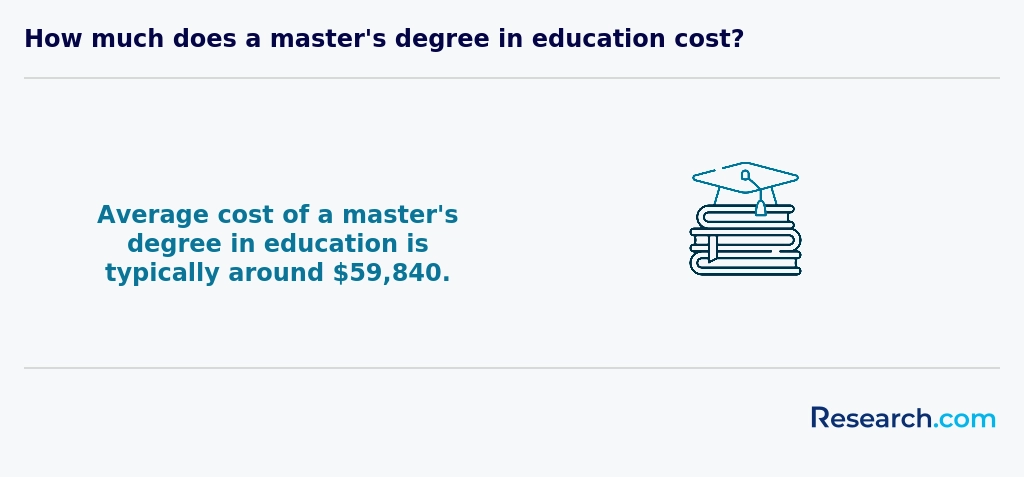
Students pursuing an online special education degree in Massachusetts find federal financial aid as a fundamental resource, primarily through loans like Direct Subsidized and Unsubsidized Loans. Although Pell Grants rarely apply to graduate studies common in special education, the Graduate PLUS Loan provides vital support for many. Graduates from programs at institutions such as the University of Massachusetts Amherst note how these federal options helped them manage costs without overwhelming debt initially.
State-specific aid also plays a distinct role. Programs like the Workforce Competitiveness Trust Fund offer scholarships for residents, though availability can vary, which some students at Boston University's online special education program found required timely application and proactive inquiry to secure. The TEACH Grant, providing up to $4,000 annually, is particularly relevant due to Massachusetts' designation of special education shortage areas, motivating many to commit to teaching in high-need schools.
Institutional scholarships and assistantships further ease financial pressure. For example, graduates from Framingham State University recall how merit-based awards improved their learning experiences by reducing financial stress. Additionally, employer tuition assistance and loan forgiveness for teachers in Massachusetts create practical pathways for financial relief, especially when balanced with personal dedication and careful planning.
Enrolling in an online special education degree program in Massachusetts typically requires a bachelor's degree from an accredited institution, often in education or a related field. Graduates from schools like UMass Amherst or Bridgewater State University frequently share how this foundational degree helped them navigate the demanding coursework ahead. However, some programs recognize that passion and experience in special education can compensate for a less traditional academic background, offering hope to those shifting careers.
A minimum GPA around 3.0 is common, though some institutions show flexibility if applicants have strong personal statements or relevant work experience. For example, one graduate recalled how her professional background working with children with disabilities smoothed her acceptance, despite a GPA slightly below the threshold.
Supporting documents are essential: official transcripts, recommendation letters from educators or employers, a clear statement of purpose, and a resume outlining relevant experience. These materials help admissions better understand applicants' motivations and readiness.
Testing requirements, such as the GRE, are fading but may still appear in some programs, emphasizing evolving admissions landscapes. Massachusetts also insists on licensure prerequisites, including passing the Massachusetts Tests for Educator Licensure (MTEL), which alumni highlight as challenging but rewarding milestones that confirm their commitment to teaching special education.
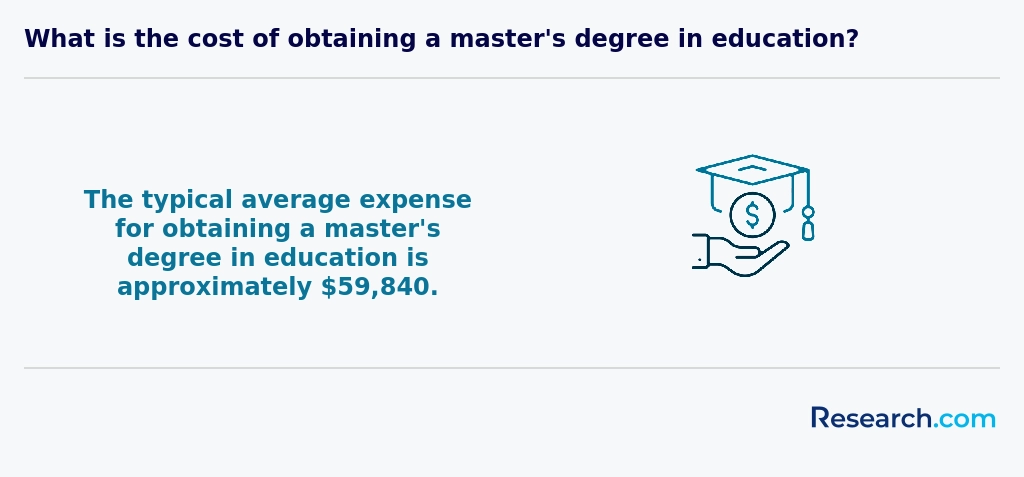
Online special education degree programs in Massachusetts often feature courses designed to build both theoretical knowledge and practical skills essential for teaching diverse learners. Graduates from well-regarded institutions such as Boston University or UMass Amherst typically highlight how foundational classes on the history and legal framework of special education, like the Individuals with Disabilities Education Act (IDEA), helped them understand their professional responsibilities clearly.
Many students appreciate coursework in assessment and evaluation, where they learn to identify individual needs and develop tailored IEPs-skills they describe as directly applicable during their practicum placements in local schools. Instructional strategies and behavior management courses often receive praise for introducing evidence-based methods that graduates successfully use to support students with varied disabilities.
Beyond classroom learning, collaboration courses emphasize real teamwork with families and educators, which graduates often recall as crucial for fostering inclusive environments. Although the programs are online, the required field experience connects theory to practice, creating confidence in handling complex classroom challenges, a point frequently underscored by recent alumni.
Online special education degree specializations Massachusetts typically include Autism Spectrum Disorder (ASD), Learning Disabilities, Emotional and Behavioral Disorders, Early Childhood Special Education, and Multiple Disabilities. Graduates from well-known Massachusetts colleges often reflect positively on their ability to select a specialization aligning with their passion and career goals, enhancing their classroom impact. For instance, focusing on ASD enables educators to develop practical strategies for communication and behavior management that resonate deeply with local school environments.
However, some students question whether these specializations fully capture the diverse needs of all learners in Massachusetts, noting that real-world classrooms can present blended challenges. Those pursuing a massachusetts special education program concentrations online appreciate how programs integrate state licensure requirements, helping smooth the transition from theory to practice.
Many graduates value the flexibility and depth available, often citing how a specialization like Emotional and Behavioral Disorders prepared them for crisis intervention in urban and suburban schools. For those seeking focused, efficient pathways, programs like the fastest graduate certificate in special education can offer targeted specialization without extended time commitments, a key benefit amidst busy schedules.
Choosing the best online special education degree in Massachusetts requires careful attention to accreditation and alignment with state licensure standards. Graduates from well-known Massachusetts universities often share how programs accredited by bodies like the Council for the Accreditation of Educator Preparation (CAEP) helped them confidently navigate licensing, especially endorsements in severe or moderate disabilities. Observing the practical components in these programs, such as student teaching placements within Massachusetts schools, can anchor theoretical learning in real classroom challenges.
Cost plays a crucial role when considering affordable special education master's programs Massachusetts offers. Several students highlight the relief they felt accessing flexible online options that balance job responsibilities without incurring overwhelming debt. Another aspect to consider is faculty expertise, as programs focusing on behavioral disorders or autism spectrum disorders reflect the priorities of the Massachusetts Department of Elementary and Secondary Education. A good example is how graduates appreciate curriculum tailored to these needs, helping them feel prepared for local employment realities.
Prospective students should explore the full range of options, comparing online degrees carefully. For a comprehensive overview, those interested might find this online master's degree in special education resource insightful for weighing program flexibility, costs, and certification outcomes.

Graduates with an online special education degree in Massachusetts often pursue special education teaching jobs Massachusetts, working in elementary and secondary schools to support students with diverse learning needs. For instance, those from well-known institutions like Boston University or Worcester State University frequently share how their training prepared them to create inclusive classrooms that adapt to individualized learning styles. Beyond teaching, some graduates find fulfilling careers as educational consultants, advising schools on Individualized Education Programs (IEPs) while navigating complex regulations such as the Individuals with Disabilities Education Act (IDEA). This role demands a blend of pedagogical skill and legal insight, adding dynamic challenges to the profession.
Others expand their careers into behavioral therapy or specialized instructional support fields, which may require extra certification but use the core skills developed during their special education studies. Graduates often recount rewarding experiences collaborating with multidisciplinary teams, including speech pathologists and school psychologists, emphasizing the practical value of Massachusetts' robust programs. The varying career trajectories reflect the diversity of online special education careers Massachusetts offers.
For those interested in understanding detailed responsibilities, the special education teacher job description provides an insightful overview, helping prospective students align their expectations realistically with career outcomes.
The online special education job market Massachusetts offers shows promising stability and growth, particularly for graduates from well-known institutions such as Boston College and the University of Massachusetts. Many graduates share positive experiences balancing rigorous coursework with practical fieldwork, enabled by flexible online schedules. Employment prospects often include roles in public schools, where the state's commitment to inclusive education drives demand for licensed professionals. However, the need for licensure means candidates must remain vigilant about meeting state requirements while studying. This pathway, while challenging, can lead to rewarding careers supporting diverse learners.
Graduates report that special education degree employment prospects Massachusetts are buoyed by competitive salaries and steady demand, reflecting the state's 18% special education service rate among students. Yet, those entering the field should be mindful that geographic location within Massachusetts and type of school affect job availability and wages. Some alumni suggest maintaining connections with education communities during study enhances job search success. For a deeper understanding of professional credentials, exploring what does eds degree stand for can also clarify future career paths.
2027 Easiest Online Master's in Special Education Degree Programs Ranking in Massachusetts
Investing in your education is a significant decision that can shape your future, and the Research.com team understands the importance of making informed choices. To assist prospective students in Massachusetts, we have meticulously crafted the "2027 Easiest Online Master's in Special Education Degree Programs Ranking in Massachusetts." Our commitment to quality, credibility, and accuracy is reflected in the extensive research and analysis conducted to compile this ranking.
We utilized the following reputable data sources to ensure a comprehensive evaluation of special education programs:
By exploring this ranking, readers will gain valuable insights into the easiest online master's programs in special education available in Massachusetts, empowering them to make informed decisions about their educational journeys. For more details on our methodology, please visit our Research.com methodology page.


# 4 position
University of Massachusetts-Boston
Master of Vision Rehabilitation Therapy specialization

Frequently Asked Questions About special education
Students pursuing online special education degrees in Massachusetts can maximize their learning by actively engaging with their course materials and instructors. Utilizing the state's robust online academic support services, such as tutoring and advising, helps improve understanding and retention. Participating in virtual study groups encourages collaboration and diverse perspectives, which is crucial for special education professionals.
In addition, Massachusetts offers extensive fieldwork opportunities required for licensure. Students should seek placements in local schools or agencies to gain hands-on experience aligned with Massachusetts Department of Elementary and Secondary Education (DESE) standards. According to DESE, students who complete practical training are better prepared to meet the needs of diverse learners.
Finally, staying informed on state-specific laws and educational policies ensures that prospective educators are equipped to advocate effectively for students with disabilities in Massachusetts' public schools.
Emerging niches within the special education field reflect growing awareness of diverse student needs. One key area is assistive technology integration, helping students with disabilities access learning through innovative tools. Massachusetts schools increasingly seek specialists skilled in this domain, supported by state initiatives to improve digital inclusion.
Another developing niche is mental health support, where educators address emotional and behavioral challenges alongside academic needs. The Massachusetts Department of Elementary and Secondary Education reports rising demand for professionals trained in trauma-informed practices.
Additionally, early intervention services for children with developmental delays are expanding. Online special education degrees often include training for working with preschool-aged children, reflecting the state's emphasis on early support.
After completing an online special education degree in Massachusetts, it is important to focus on obtaining state licensure. The Massachusetts Department of Elementary and Secondary Education requires candidates to pass specific licensure exams, such as the Massachusetts Tests for Educator Licensure (MTEL), to become certified teachers.
Gaining practical experience through student teaching or internships enhances job prospects significantly. Networking with local school districts can also provide valuable connections in a competitive market.
Massachusetts reports a growing demand for special education teachers, with the U.S. Bureau of Labor Statistics projecting a 6% growth rate in this field nationwide through 2031.
Continuing education and professional development are highly recommended to stay current with teaching methods and state regulations.
Employers in Massachusetts highly value special education graduates who demonstrate strong communication and collaboration skills. These professionals must effectively engage with students, families, and multidisciplinary teams to create tailored support plans. Additionally, knowledge of Individualized Education Programs (IEPs) is crucial, as Massachusetts public schools require special educators to develop and implement compliant IEPs under federal IDEA guidelines.
Data from the Massachusetts Department of Elementary and Secondary Education highlights a growing need for educators proficient in adaptive instructional strategies to meet diverse student needs. Moreover, employers look for graduates skilled in data analysis for monitoring student progress and adjusting teaching methods accordingly.
Competency in culturally responsive teaching is increasingly important, reflecting the state's diverse student population. These skills ensure graduates can support inclusive learning environments effectively.
Finding internships in Massachusetts related to special education involves targeting school districts, nonprofits, and educational organizations that focus on students with disabilities. The Massachusetts Department of Elementary and Secondary Education (DESE) often collaborates with universities to provide internship opportunities aligned with state licensure requirements for special educators.
Many online special education programs require practical experience, so students should reach out to local school districts like Boston Public Schools or the Massachusetts Association of Special Education Administrators (MASEA) for placement options. Networking with faculty and using university career centers can also help locate relevant internships.
According to DESE, Massachusetts employs over 14,000 special education teachers, creating a steady demand for practical training and internship roles.
Obtaining an online special education degree in Massachusetts significantly enhances career mobility and advancement opportunities. The state requires licensed special education teachers to meet rigorous standards, and earning a master's degree online can fulfill these requirements efficiently. According to the Massachusetts Department of Elementary and Secondary Education, individuals with advanced degrees in special education often qualify for higher salary tiers and leadership roles.
Additionally, demand for special education professionals is expected to grow by 7% through 2030 in Massachusetts, creating more openings for certified teachers. Online programs provide flexible learning options, allowing educators to continue working while advancing their qualifications. This flexibility supports career transitions from teaching roles to administrative or specialist positions.
Studying for a special education degree in Massachusetts equips students with skills to work in interdisciplinary roles by emphasizing collaboration across educational, therapeutic, and healthcare fields. Programs often include coursework on teamwork and communication, essential for partnering with speech therapists, counselors, and general educators.
Massachusetts' Department of Elementary and Secondary Education highlights that inclusive classrooms require special educators to adapt strategies jointly with diverse professionals. This practical approach prepares graduates to support individualized education programs (IEPs) effectively.
Online degrees also incorporate case studies and virtual simulations reflecting real-world interdisciplinary teamwork, providing flexible yet comprehensive training for Massachusetts' evolving educational demands.
Choosing between a thesis and a non-thesis special education degree program in Massachusetts depends on your career goals and academic interests. Thesis programs require original research and are ideal if you plan to pursue a doctoral degree or work in research-focused roles. Non-thesis options often emphasize practical training and may include capstone projects or comprehensive exams.
Many Massachusetts institutions offering online special education degrees align their programs with state licensure requirements, which generally allow both options. According to the Massachusetts Department of Elementary and Secondary Education, completion of either pathway can fulfill qualifications for initial or professional licensure in special education.
Consider your schedule as well-thesis tracks typically take longer due to research demands. Reviewing faculty expertise and program flexibility can also guide your choice.
Students based in Massachusetts interested in studying special education abroad have limited direct options for fully online degrees from international institutions recognized in the US. Most online special education master's programs accepted in Massachusetts are offered by accredited US universities. However, students may choose to enroll in programs abroad that meet state licensure requirements through credential evaluation services.
Massachusetts requires candidates for special education licensure to hold degrees from regionally accredited institutions, which often excludes many international schools. According to the Massachusetts Department of Elementary and Secondary Education, alternative licensure routes exist but emphasize US-based coursework.
Those considering international online programs should verify alignment with Massachusetts licensure standards and the Council for Exceptional Children's guidelines to ensure credit transfer and licensure eligibility.
Part-time job opportunities in Massachusetts that complement special education degree studies often involve direct interaction with children with disabilities. Positions such as teacher's aide or paraprofessional in public schools help students gain practical experience while supporting licensed educators. According to the Massachusetts Department of Elementary and Secondary Education, paraprofessionals are crucial in implementing Individualized Education Programs (IEPs), providing hands-on learning aligned with coursework.
Other roles include tutoring students with special needs and assisting in after-school programs focused on developmental skills. These jobs enhance communication and behavioral management skills essential for a special education career.
Additionally, some nonprofits in Massachusetts offer part-time roles that involve community outreach and support services, broadening professional exposure for students.
Online special education students in Massachusetts benefit from diverse networking opportunities designed to connect them with professionals, educators, and policymakers. Many programs encourage participation in virtual events hosted by organizations like the Massachusetts Department of Elementary and Secondary Education (DESE), which regulates teacher certification and offers resources for educators.
Students also gain access to statewide professional groups such as the Massachusetts Association of Special Education Administrators (MASEA). These platforms provide webinars, discussion forums, and conferences, helping students engage with local experts and current practitioners.
Additionally, online learners may connect through university-affiliated alumni networks and local school districts, facilitating mentorships and job placements. According to DESE data, Massachusetts employs over 11,000 special education teachers, highlighting a robust community for networking and career growth.
Alumni networks offer valuable benefits to online special education degree students in Massachusetts. These networks connect current students with graduates who have practical experience in the state's schools, which strengthens professional relationships. According to the Massachusetts Department of Elementary and Secondary Education, over 22,000 students receive special education services statewide, highlighting the ongoing demand for skilled educators.
Alumni can provide mentorship, career advice, and job referrals, which are especially helpful in competitive districts like Boston and Worcester. Access to these connections enhances graduate employability and supports ongoing professional development in a specialized field.
Networking through alumni groups also fosters a sense of community despite the distance of online study.
Customizing an online special education degree in Massachusetts allows students to align their studies with specific career goals. Many programs offer elective courses focused on topics such as autism spectrum disorders, behavioral interventions, or assistive technology, enabling learners to specialize in areas of interest. Students can often choose between thesis and non-thesis tracks, depending on whether they aim for research or practical application roles.
The Massachusetts Department of Elementary and Secondary Education highlights the importance of tailored teacher preparation, ensuring programs meet state licensure requirements. Additionally, partnerships with local school districts sometimes provide opportunities for specialized practicum experiences that reflect individual career paths. This flexibility is valuable for professionals targeting roles in diverse educational settings.
Students pursuing online special education degrees in Massachusetts often face challenges related to balancing coursework with professional responsibilities. Many are also working educators, which can make time management difficult. Additionally, limited in-person interactions can affect the development of practical skills necessary for special education roles, where hands-on experience is crucial.
Access to reliable technology and high-speed internet remains a barrier for some students. According to the Massachusetts Department of Elementary and Secondary Education, about 10% of students in remote areas may face connectivity issues, which can impede participation in synchronous sessions.
Another challenge is meeting state-specific certification requirements, which often include supervised clinical hours that can be hard to arrange remotely. This can prolong program completion and complicate licensing processes.
With an online special education degree in Massachusetts, graduates can pursue several key professional certifications that enhance their career prospects. The most common certification is the Massachusetts Initial or Professional Teacher License in Special Education. This credential allows individuals to teach students with disabilities in public schools across the state.
Additionally, many seek certification as a Board Certified Behavior Analyst (BCBA), a credential that supports specialized work with behavioral interventions. According to the Massachusetts Department of Elementary and Secondary Education, candidates must complete approved coursework and pass relevant exams.
Other certifications include endorsements in specific disability areas, such as Autism or Moderate Disabilities, allowing educators to focus on particular student needs. These certifications often require state-approved programs and practicum experiences.
Writing a winning application for an online special education program in Massachusetts requires clear focus and preparation. Start by showcasing your commitment to helping students with disabilities, reflecting Massachusetts' strong emphasis on inclusive education.
Highlight any relevant experience, such as working with children who have special needs or volunteering in related settings. Programs often look for candidates with practical understanding and empathy.
Include your academic background, emphasizing coursework in education, psychology, or child development. Online programs may ask for GRE scores or letters of recommendation, so plan accordingly.
Massachusetts has a 95% special education teacher retention rate, according to the Massachusetts Department of Elementary and Secondary Education, so stressing your long-term dedication can strengthen your application.
Finally, tailor your personal statement to connect your goals with the specific program's values and offerings to stand out.
The field of special education is increasingly valued worldwide, reflecting a growing commitment to inclusive education. In the United States, and particularly in states like Massachusetts, there is strong demand for special education professionals who can support diverse learners.
Globally, many countries align with principles similar to those in the US, emphasizing individualized education plans and legal protections for students with disabilities. The Individuals with Disabilities Education Act (IDEA) in the US sets a high standard that influences international practices.
Massachusetts reported over 75,000 students receiving special education services in the 2022-2023 school year, underscoring the need for skilled educators. Online special education degrees offer flexible pathways for Massachusetts residents to join this essential workforce.
Gaining practical experience is essential when pursuing an online special education degree in Massachusetts. Many programs require fieldwork placements or internships in local schools, enabling students to apply theory in real classroom settings. The Massachusetts Department of Elementary and Secondary Education (DESE) mandates supervised practicum hours for teacher licensure in special education, typically around 100-150 hours.
Students enrolled in accredited programs often collaborate with public and private schools throughout the state. These partnerships help ensure exposure to diverse learning environments and student needs. Online programs frequently offer flexible options to fit practical training alongside remote coursework. This hands-on experience is crucial for developing skills in behavior management and individualized education plans (IEPs).
Choosing the right concentration within an online special education degree program in Massachusetts begins with understanding your career goals. The state offers various concentrations like autism spectrum disorders, behavioral disorders, or early childhood special education. Each area targets specific student needs, shaping your classroom strategies and certification options.
Review Massachusetts Department of Elementary and Secondary Education requirements, as different concentrations may lead to different licensure pathways. For example, autism spectrum disorder specialization often aligns with sought-after endorsements that improve employment prospects.
Consider program flexibility, faculty expertise, and alignment with current Massachusetts public school demands. According to the U.S. Bureau of Labor Statistics, Massachusetts expects a 12% increase in special education jobs by 2030, especially for those with targeted skills.
- 2027 Easiest Online Master's in Special Education Degree Programs Ranking in New York
- 2027 Easiest Online Master's in Special Education Degree Programs Ranking in Maine
- 2027 Easiest Online Master's in Special Education Degree Programs Ranking in Pennsylvania
- 2027 Easiest Online Master's in Special Education Degree Programs Ranking in Virginia
- 2027 Easiest Online Master's in Special Education Degree Programs Ranking in Ohio
- 2027 Easiest Online Master's in Special Education Degree Programs Ranking in Kentucky
- 2027 Easiest Online Master's in Special Education Degree Programs Ranking in Georgia
- 2027 Easiest Online Master's in Special Education Degree Programs Ranking in Missouri
- 2027 Easiest Online Master's in Special Education Degree Programs Ranking in Minnesota
- 2027 Easiest Online Master's in Special Education Degree Programs Ranking in Kansas
- SEND Alumni Toolkit https://resources.careersandenterprise.co.uk/resources/send-alumni-toolkit
- What New Special Education Teachers Need to Succeed https://www.ascd.org/el/articles/what-new-special-education-teachers-need-to-succeed
- Special Educational Needs: Courses, & Online Certification Guide. https://www.apteachertraininginstitute.com/blog/special-educational-needs-courses-online-certification-guide/
- Discover more about Special Education and where to study it abroad https://www.hotcoursesabroad.com/subject/special-education/
- Special Education https://www.gordon.edu/herschend/programs/special-education
- How the Special Education Teacher Shortage Affects Students with LD, and What to Do About it https://ldaamerica.org/how-the-special-education-teacher-shortage-affects-students-with-ld-and-what-to-do-about-it/
- Remote Special Education Jobs - VocoVision https://www.vocovision.com/teletherapy-jobs/special-education-teacher-jobs/
- Bachelor of Science inChildhood and Special Education https://www.albany.edu/education/programs/bs-childhood-and-special-education
- How to Pick Your Concentration for Your M.Ed. Degree | ACE Blog https://ace.edu/blog/how-to-pick-your-med-concentration/
- 9 Careers You Can Pursue with a Master’s in Special Education https://www.pointloma.edu/resources/education/9-careers-you-can-pursue-masters-special-education


