2027 Most Affordable Online Special Education Degree Programs Ranking in Maine

Co-Founder and Chief Data Scientist
If you're considering a career in special education, finding an affordable and quality online degree program is essential. This article presents the 2027 Most Affordable Online Special Education Degree Programs Ranking in Maine, created by the Research.com team of data scientists to help you make an informed choice.
Explore programs that fit your budget without sacrificing quality. Earning a special education degree opens doors to rewarding opportunities, empowering you to support students who truly need it.
Take the next step toward making a meaningful impact in your community and career.
Key benefits of getting online special education degree in Maine
- Special education degree graduates in Maine can expect average annual salaries around $60,000 to $65,000, reflecting rewarding careers where their skills directly impact student success.
- Graduates often pursue roles such as special education teachers, instructional coordinators, or therapist assistants, with University of Southern Maine alumni reporting diverse opportunities in schools and support services.
- Completing a special education degree online from a school like the University of Maine offers flexibility to balance work and study, making it easier to earn credentials without disrupting your current lifestyle.
- 2027 Most Affordable Online Special Education Degree Programs Ranking in Maine
- What can I expect from online special education degree in Maine?
- Where can I work with online special education degree in Maine?
What can I expect from online special education degree in Maine?
Students pursuing an online special education degree in Maine often find that the average cost is quite reasonable, especially compared to many other states. Graduates from well-regarded institutions such as the University of Maine and Maine College of Education recall paying tuition rates that are manageable for in-state learners, usually ranging from moderate to affordable levels. These programs tend to offer flexible payment plans and financial aid options tailored to special education candidates, making it easier to balance expenses with daily life.
For many, the ability to study remotely while continuing work or family responsibilities adds tremendous value, turning tuition into a worthwhile investment rather than a burden. Graduates frequently highlight the supportive nature of faculty and the practical experience gained through local school practicums as key benefits that enhance the overall cost-effectiveness of their education.
While tuition varies, the combination of affordability and quality instruction in Maine's online programs helps students feel confident their financial commitment will directly translate into meaningful career opportunities.
Where can I work with online special education degree in Maine?
Graduates with an online special education degree in Maine often find rewarding careers as special education teachers in K-12 public and private schools, such as those within Portland Public Schools or various Maine School Administrative Districts. These roles allow you to make a meaningful difference by supporting students with learning disabilities, developmental delays, and physical impairments every day.
Many graduates from colleges like the University of Maine or Maine College of Education share how their training helped them confidently meet certification requirements and adapt to both urban and rural settings. This foundation also opens doors to work in early intervention programs serving infants and toddlers, often supported by Maine's Office of Child and Family Services.
Beyond schools, career paths extend to specialized residential centers and therapeutic programs, where professionals provide critical developmental support. Additionally, some graduates pursue advocacy or consulting roles, helping families and schools navigate complex special education laws within nonprofit organizations focused on disability rights. These diverse opportunities create fulfilling careers rooted in compassion and expertise.
Graduates who earn an online special education degree from institutions like the University of Southern Maine often find steady employment as special education teachers throughout the state. While precise salary data from the U.S. Bureau of Labor Statistics is unavailable, local experience suggests that starting salaries typically range from about $48,000 to $65,000 annually. Entry-level teachers in places like Portland may begin near the lower end, gaining valuable experience and certifications that open doors to higher earnings.
Many graduates share how additional certifications and experience elevate their compensation, especially in districts with higher living costs or federally supported programs. Advancing to administrative roles-such as special education coordinators or program directors-can also push salaries beyond $70,000, reflecting a rewarding career path beyond classroom teaching.
Those pursuing positions in postsecondary education note broader salary variability, with mean earnings around $55,000 to $80,000 depending on institution and experience. These figures align well with career aspirations nurtured during studies in Maine's strong academic community, encouraging graduates to envision long-term professional growth and financial stability.
- Many special education programs in Maine can be completed entirely online through accredited institutions, offering flexibility for working adults and rural residents.
- Tuition for online degrees ranges from about $10,000 to $25,000 per year, with public universities generally charging lower rates for in-state students.
- Entry-level special education teachers in Maine earn around $42,000 annually, while experienced teachers can make over $57,000.
- The demand for special education teachers in Maine is expected to grow moderately in the next decade, especially in rural and underserved areas.
- Programs must include supervised fieldwork or internships and align with Maine's certification standards for eligibility.
Completing an online special education degree in Maine often reflects a balance between ambition and reality. Graduates from institutions like the University of Southern Maine commonly find that a bachelor's degree takes about four years of steady online study. This timeline feels manageable when you imagine juggling coursework alongside family and work commitments, especially when programs offer the flexibility to take summer classes to quicken progress.
For those returning with a bachelor's degree and aiming for a master's, the journey typically spans around 1.5 to 2 years. Graduates appreciate how colleges such as the University of Maine at Farmington design these programs with working professionals in mind, allowing part-time study that respects busy schedules without sacrificing depth of learning.
Advanced credentials, like the Educational Specialist degree, may stretch from one to three years, blending online modules with practical experiences. Many former students recall how the flexibility helped them tailor education around their careers while still meeting Maine's licensure requirements.
Choosing between online and on-campus special education degrees in Maine often comes down to balancing flexibility with direct engagement. Graduates from the University of Southern Maine frequently share how the online program's adaptable schedule allowed them to work while managing family commitments, especially those living in rural areas where campus access is limited. This flexibility can be a lifeline, offering real hope to learners determined to advance without uprooting their lives.
Conversely, graduates from the University of Maine at Orono highlight the value of face-to-face interactions, on-campus practicum placements, and immediate feedback from professors. The tangible community and supportive campus environment can nurture confidence and collaboration, vital for those growing into effective special education teachers.
Both paths demand supervised student teaching aligned with Maine's certification requirements, yet the mode of delivery shapes the overall experience. Online learners appreciate local practicum arrangements, while on-campus students benefit from more structured campus resources. The choice ultimately depends on your learning style, lifestyle, and where you find the strongest connection to your training journey.
When considering the average cost of online special education degrees in Maine, students often find that the median total tuition sits around $18,900, with in-state students typically paying closer to $15,300. Graduates from popular universities such as the University of Maine recall how this cost balanced well with the flexible learning environment that allowed them to manage work and family commitments while advancing their careers. Many appreciated that while tuition might seem steep initially, the investment was worthwhile, especially when combined with financial aid or employer tuition reimbursement programs.
One graduate shared how choosing an affordable special education degree program in Maine gave her the confidence to pursue her passion without overwhelming debt. She noted that public institutions provide a cost-effective pathway compared to private schools, whose tuition often exceeds that range but can sometimes be mitigated by scholarships. Those pursuing a bachelor's degree in special education online may find their expenses more manageable, especially when factoring in additional costs like textbooks and technology fees, which are generally modest in comparison.
Understanding these costs is essential for planning, and it's helpful to look at concrete examples of degree options. For instance, universities known for strong online special education offerings often structure credits and fees to support in-state students affordably. Reflecting on the journey of successful graduates underscores the value and potential return on investment in this field, both financially and personally. Exploring career options after graduation can be enlightening, and students may benefit from resources like information on bachelor degree in special ed jobs to anchor their educational goals.
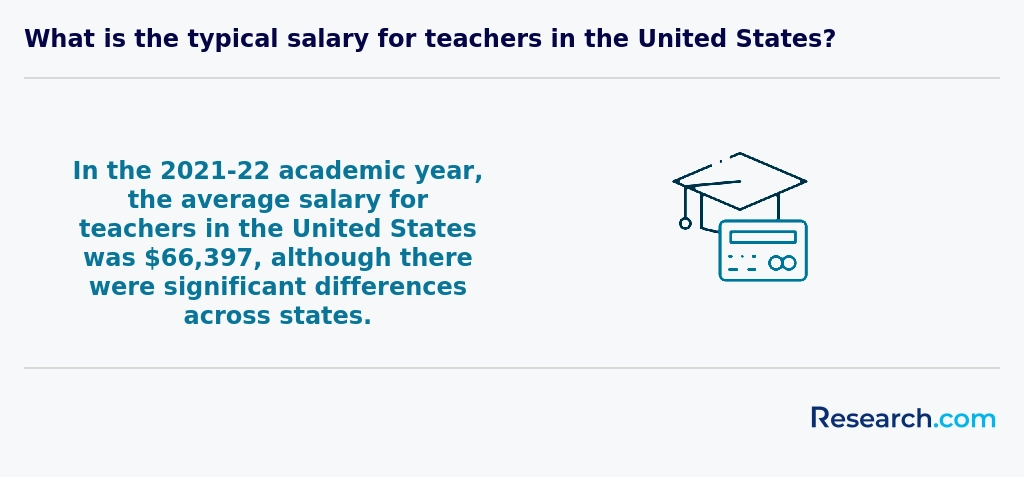
Financial aid for online special education degrees in Maine often becomes a lifeline for many students navigating the costs of their education. Graduates from institutions like the University of Southern Maine frequently share how Pell Grants, averaging about $4,000 annually, provided crucial support early in their studies. This federal assistance, combined with Maine's State Grant Program-which can offer up to $3,500 based on need-creates a foundation that eases financial pressure while pursuing an in-demand path.
Beyond grants, federal student loans with low interest and flexible repayment plans enable learners to focus on their studies without immediate financial strain. Many graduates recall how institutional scholarships and scholarships from organizations dedicated to special education added unexpected relief and motivation during challenging semesters.
Practical financial aid also comes through employment-based programs. Several Maine school districts encourage graduates to teach special education by offering tuition reimbursement or loan forgiveness, transforming their commitment into tangible savings. Such programs highlight how investing in your education here often intertwines with meaningful, supported career opportunities.
For those already in education or childcare roles, employer tuition assistance can be a powerful supplement, making the goal of earning a special education degree online feel truly achievable in Maine's supportive environment.
To enroll in an online special education degree in Maine, you must first meet clear educational milestones. Graduates from universities like the University of Southern Maine often share how having a high school diploma or GED laid the groundwork for their undergraduate studies. Those aiming for graduate programs find that holding a bachelor's degree, preferably related to education, is crucial, though some schools welcome diverse academic backgrounds if prerequisite courses are completed.
Standardized tests remain a common hurdle-some applicants recall submitting SAT or ACT scores, while others benefited from recent test-optional policies that eased admission during challenging times. For graduate pathways, GRE requirements vary and can feel intimidating, but thoughtful preparation can turn this into a manageable step.
Alongside academics, practical documents like recommendation letters and personal essays reveal your passion and potential. Graduates often remember how sharing heartfelt experiences with children or special populations strengthened their applications and resonated with admissions committees.
A key part of enrolling in Maine is passing thorough background checks, vital for ensuring safety in school placements. Knowing these steps in advance empowers you to approach your dream of teaching special education with confidence and purpose.

Graduates from well-regarded Maine institutions often recall how foundational courses like Foundations of Special Education and Developmental Psychology and Child Growth helped them understand the unique challenges that children with disabilities face. These classes bring theory to life, making it easier to empathize with students' diverse learning needs.
Many appreciate how courses such as Designing Individualized Education Programs (IEPs) provide practical tools for tailoring instruction. For example, creating an IEP for a child with both physical and emotional disabilities becomes much clearer after hands-on assignments and case studies offered through popular Maine universities.
Legal and ethical knowledge is another cornerstone. Graduates often mention that understanding federal laws like IDEA, emphasized throughout Maine's programs, gave them confidence to navigate classroom complexities with integrity.
Behavioral Interventions and classroom management courses stand out for their real-world applicability. Hearing stories from alumni who successfully implement these strategies in inclusive classrooms underlines the positive impact of such training in Maine's special education landscape.
Online special education degree specializations Maine offers often reflect the real challenges educators face in diverse school settings. Graduates from well-regarded institutions in Maine typically highlight specializations like Autism Spectrum Disorders (ASD), where they develop practical strategies to support autistic students through tailored interventions.
Others have found early childhood special education especially rewarding, working with young children who have developmental delays. This specialization emphasizes early intervention-a critical factor in shaping long-term educational outcomes. Behavioral disorders also feature prominently, preparing educators to craft individualized behavior plans that promote positive learning environments.
Many graduates share meaningful experiences from focusing on learning disabilities, where they help students navigate challenges like dyslexia and dyscalculia. Colleges in Maine support students pursuing special education certification options Maine online, providing flexible learning suited to working professionals.
Programs often include specializations in sensory impairments, such as Deaf and Hard of Hearing Education or Visual Impairments, integrating adaptive technologies into teaching. For those comparing options, exploring an affordable special education masters degree online can reveal valuable pathways to meet certification requirements while balancing life in Maine.
Choosing the best online special education degree in Maine means looking beyond just the curriculum; graduates often reflect on how programs like those at the University of Maine or other local colleges aligned with Maine's certification standards. Accreditation by bodies such as CAEP not only assures quality but also smooths the path to state licensure, a crucial step emphasized by those who have successfully transitioned into teaching roles within Maine's school systems.
Many who pursued affordable special education degrees Maine online found that in-state public universities offered practical tuition without sacrificing quality. For example, graduates appreciate programs that balance cost with meaningful practicum opportunities, providing local school partnerships to complete essential fieldwork without uprooting their lives. This hands-on experience is often cited as a highlight that deepened their confidence and skills.
Flexibility is another key factor. Students juggling work or family commitments value asynchronous courses and part-time options, which Maine institutions commonly provide. Before enrolling, it's wise to explore faculty expertise and tech support to ensure a seamless experience. For a deeper dive into options tailored for Maine residents, consider exploring this online bachelors degree in special education, which lists the best online special education degree programs in Maine.
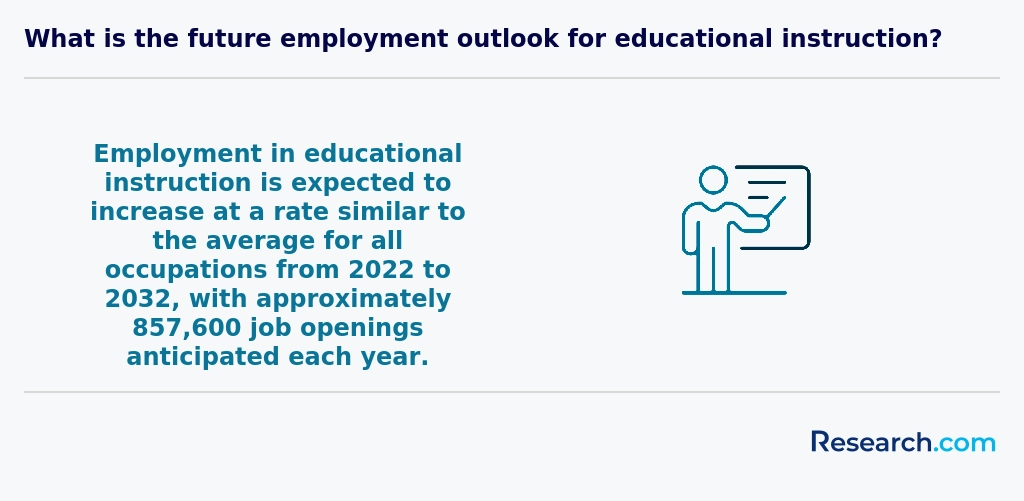
Graduates with an online special education degree in Maine often find themselves drawn to special education teaching jobs in Maine, where their skills directly impact the lives of children with diverse learning needs. Many alumni from local institutions describe the rewarding challenge of creating individualized education plans that truly make a difference in the classroom. Others have expanded their roles beyond teaching, stepping into positions such as educational diagnosticians or behavioral specialists, roles that demand a deep understanding of students' unique challenges and the ability to foster positive development.
Programs from well-regarded Maine colleges emphasize practical skills that prepare graduates for a variety of career paths, including speech-language pathology or special education coordination. Those pursuing additional certifications often share how these roles bring a profound sense of fulfillment through collaboration with families and educators alike. If you're seeking to enhance your qualifications more quickly, consider exploring an accelerated special education masters degree online to broaden your opportunities and impact.
The job market for online special education degree holders in Maine is notably promising, particularly for those who are committed to earning their Maine teaching certification. Graduates from popular colleges in the state often share how their training prepared them for diverse classroom challenges, whether in small rural schools or larger urban districts. Public schools remain the largest employers, consistently seeking educators with specialized knowledge to support students with disabilities, which creates a meaningful and stable career path. This ongoing demand clearly reflects the broader online special education job demand in Maine.
Many graduates find that completing an online program offered by trusted institutions allows them to balance work and study while preparing for certification. Some districts even incentivize this pathway through tuition reimbursement, making it accessible and rewarding. Salaries might be moderate compared to bigger states but remain competitive considering the cost of living. Those exploring their options can gain valuable insights by researching online special education programs that align with Maine's educational standards and career outlook.
Education professionals widely recognize that Maine's special education teaching employment outlook remains strong due to ongoing prioritization of inclusive education and specialized student needs.
2027 Most Affordable Online Special Education Degree Programs Ranking in Maine
Investing in your education is a significant decision that can shape your future, and the Research.com team understands the importance of making informed choices. To assist prospective students in Maine, we have meticulously crafted the 2027 Most Affordable Online Special Education Degree Programs Ranking in Maine. Our commitment to quality, credibility, and accuracy is reflected in the extensive research and analysis conducted to compile this ranking.
We utilized the following reputable data sources to ensure a comprehensive evaluation of special education programs:
By exploring this ranking, readers will gain valuable insights into affordable and quality online special education degree programs in Maine, empowering them to make well-informed decisions about their educational journey. For more details on our methodology, please visit our Research.com methodology page.

# 2 position
University of Southern Maine
Master of Educational Psychology - Applied Behavior Analysis

Frequently Asked Questions About special education
Online special education degree students in Maine can maximize their learning by actively engaging with course materials and participating in virtual discussions. Maine's education system emphasizes inclusive practices, so students benefit from collaborating with peers who share diverse experiences. Utilizing available resources, such as digital libraries and academic advising, supports deeper understanding of special education laws and strategies.
Students should also seek internships or practicum placements within Maine's school districts, which often partner with universities to provide hands-on experience meeting the state's Maine Learning Results standards. According to the Maine Department of Education, practical experience improves teacher effectiveness in working with students with disabilities.
Time management and consistent communication with instructors help ensure success in online learning environments. Additionally, staying informed about Maine's special education policies, including IDEA compliance, enhances academic and professional development.
The field of special education is expanding to meet diverse student needs, creating several emerging niches. One growing area is assistive technology integration, where specialists help implement tools to support students with disabilities. This niche responds to increasing digital accessibility requirements in classrooms across Maine.
Another niche is emotional and behavioral disorders support, addressing the rise in mental health concerns among students. Educators trained in this specialization focus on tailored interventions to improve learning outcomes.
Additionally, early intervention for young children with developmental delays is gaining prominence. According to the Maine Department of Education, early childhood special education enrollment has increased steadily over recent years, highlighting demand.
Graduates with an online special education degree in Maine should start preparing for the job market by understanding state certification requirements. Maine requires special education teachers to be licensed, typically by completing a teacher preparation program and passing relevant exams overseen by the Maine Department of Education.
Networking is essential. Joining local organizations like the Maine Association of Special Education (MASE) can provide job leads and professional development. According to the U.S. Bureau of Labor Statistics, demand for special education teachers in Maine is expected to grow moderately over the next decade.
Additionally, gaining practical experience through internships or substitute teaching roles can improve job prospects. Maine schools often look for candidates with hands-on classroom skills and effective communication abilities.
Employers in Maine seek several key skills in graduates with online special education degrees. Strong communication abilities are essential to effectively collaborate with students, families, and multidisciplinary teams. Proficiency in developing individualized education programs (IEPs) remains a critical skill, aligning with Maine's emphasis on tailored learning plans as outlined by the Maine Department of Education. Additionally, practical knowledge of behavioral intervention strategies is highly valued to support diverse student needs.
Data from Maine's Bureau of Labor Statistics indicates a growing demand for adaptive teaching skills amid increasing special education enrollments. Understanding legal and ethical standards related to special education also ranks highly among employers.
Finding internships in Maine relevant to a special education degree involves connecting with local schools and educational organizations. Many internships are offered through public school districts, particularly in Portland, Bangor, and Lewiston, where special education programs are active. The Maine Department of Education often lists opportunities for student teachers and interns working with children with disabilities.
Universities offering online special education degrees usually have partnerships with Maine schools to facilitate practicum placements. Prospective interns should also explore nonprofits like the Maine Developmental Disabilities Council, which may provide hands-on experience.
Networking through Maine's Education Association and attending local job fairs can increase chances of finding an internship.
Obtaining an online special education degree can significantly enhance career mobility and advancement for educators in Maine. The state values qualified special education teachers, with demand expected to grow by 7% through 2030 according to the U.S. Bureau of Labor Statistics.
Having a degree specifically focused on special education improves eligibility for state certification and can lead to higher salary tiers within school districts. Maine's Department of Education requires specific credentials for special education roles, which online programs often align with efficiently.
Moreover, advanced degrees open pathways to leadership positions such as special education coordinators or administrators. National data show that educators with specialized degrees have 20% higher chances of promotion compared to those with general teaching qualifications.
Studying for a special education degree in Maine equips students with skills crucial for interdisciplinary collaboration. Programs emphasize teamwork among educators, therapists, counselors, and families to support students with diverse needs.
The Maine Department of Education highlights that effective special education requires coordination with general education teachers, speech pathologists, and behavioral specialists. Online degrees offer coursework in communication strategies and co-teaching models to prepare graduates for these settings.
Additionally, Maine's focus on Individualized Education Programs (IEPs) trains candidates to work closely with multiple professionals to design tailored learning plans. Such interdisciplinary preparation aligns with state standards and improves student outcomes.
Choosing between a thesis and a non-thesis special education degree program in Maine depends on your career goals and learning preferences. A thesis option often suits students aiming for research roles or doctoral studies, requiring a significant research project under faculty guidance. According to the National Center for Education Statistics, programs with thesis tracks typically involve deeper academic inquiry.
The non-thesis track usually emphasizes practical skills and coursework, appealing to professionals focused on immediate application in classrooms or school administration. Maine's Department of Education highlights the growing demand for special education teachers trained in evidence-based practices, which non-thesis programs often prioritize.
Consider your time availability as thesis programs may require more months of study. Also, research faculty expertise at online Maine institutions to ensure alignment with your interests.
Students in Maine interested in pursuing special education degrees abroad face limited direct options through U.S.-accredited programs outside the country. Most online special education degrees available to Maine residents come from domestic institutions due to state certification and licensure regulations. According to the Maine Department of Education, special education teachers must hold state-approved credentials to work locally, which may restrict the acceptance of foreign-accredited degrees.
However, some Maine students explore joint programs or partnerships between U.S. universities and international institutions, benefiting from global perspectives while earning a U.S.-recognized degree. Additionally, fully online programs from U.S. universities offer specialized tracks accessible anywhere, including Maine, maintaining compliance with local certification standards.
Students pursuing online special education degrees in Maine often seek part-time jobs that enhance their professional skills while supporting their studies. Popular opportunities include paraprofessional roles in public schools, where aides assist students with disabilities under the supervision of certified teachers. According to the Maine Department of Education, these positions provide valuable hands-on experience with individualized education programs (IEPs).
Additionally, working as a behavioral therapist or aide for local agencies serving children with autism spectrum disorder is a common part-time option. This work helps develop practical skills in behavior management and communication.
Substitute teaching positions also offer flexible schedules and deeper classroom exposure, beneficial for future educators.
Online special education students in Maine have several networking opportunities despite studying remotely. Many Maine universities offering online programs encourage students to join relevant professional groups, such as the Maine Association of Special Education Teachers (MASET), which hosts conferences and workshops annually. These events provide valuable chances to connect with educators and administrators across the state.
Additionally, online programs often include virtual cohort groups, discussion forums, and internship placements in local Maine schools. According to the Maine Department of Education, over 15% of public school students receive special education services, increasing demand for skilled professionals and making these connections vital for career placement and growth.
Alumni networks provide valuable support for students pursuing online special education degrees in Maine. These networks connect graduates with current students, offering mentorship and career guidance. According to the Maine Department of Education, collaborative ties and professional connections significantly enhance job placement rates in special education fields.
Many Maine institutions encourage graduates to stay engaged through local events and online forums. This access helps students learn about regional job openings, licensure advice, and classroom management strategies specific to Maine's diverse school districts.
Additionally, alumni connections can foster continuing education opportunities and professional development tailored to Maine's special education requirements. These relationships often lead to internships and employment, benefiting both students and the wider special education community.
Customizing an online special education degree program in Maine allows students to align their studies with specific career goals. Many Maine institutions offer flexible electives focusing on areas such as autism spectrum disorders, behavioral intervention, or early childhood special education. This flexibility helps students prepare for diverse roles in public schools or specialized agencies.
Students can often choose practicum placements within Maine to gain relevant local experience, which is valuable given the state's unique special education policies. According to the Maine Department of Education, tailoring coursework and fieldwork enhances readiness for certification and employment in the state's growing special education workforce.
Additionally, some programs provide options to earn endorsements, expanding career opportunities. For example, adding a teaching endorsement in Maine can qualify graduates to work with various student populations.
Students pursuing online special education degrees in Maine often face unique challenges related to both the subject matter and the online format. Many report difficulties in gaining hands-on experience, which is critical for understanding practical strategies in special education.
In addition, staying engaged in coursework without regular in-person interaction can be challenging. According to the Maine Department of Education, maintaining motivation is a common concern among online learners.
Another challenge is access to specialized resources and support services that are usually more available on campus. This lack may impact how effectively students can apply evidence-based practices.
Balancing coursework with work and family responsibilities is also a reported issue, especially since many online students are working professionals or parents.
With an online special education degree in Maine, you can pursue several professional certifications to advance your career. The primary certification is the Maine Special Education Teaching Certificate, which qualifies you to work with students with disabilities in public schools. This certification requires passing the Praxis Special Education exam and completing a state-approved program.
Additionally, many teachers pursue the Board Certified Behavior Analyst (BCBA) certification to specialize in behavioral interventions. Another option is earning endorsements in areas such as Autism Spectrum Disorders or Early Childhood Special Education, which are recognized by Maine's Department of Education.
According to the Maine Department of Education, demand for certified special educators is projected to grow by over 10% through 2026, highlighting strong job prospects for certified professionals in this field.
Applying for an online special education degree program in Maine requires careful preparation to stand out. Begin by researching accredited institutions recognized by the Maine Department of Education, as program quality and state approval matter for licensure.
When writing your application essay, clearly articulate your passion for special education and commitment to supporting students with disabilities. Use specific examples from your experiences or volunteer work to demonstrate relevant skills.
Highlight academic achievements, especially in education or psychology, and include any teaching certifications you already hold. Maine values candidates who understand local special education laws and practices.
Lastly, secure strong recommendation letters from educators or supervisors familiar with your work ethic and dedication. This can significantly boost your application's credibility.
The career of special education is growing in importance worldwide as societies recognize the need to support diverse learners. In the United States, including Maine, special education professionals are vital for creating inclusive classrooms. According to the Maine Department of Education, special education enrollment has steadily increased, reflecting a broader global trend toward inclusive education. Globally, there is a push to align with standards set by organizations such as UNESCO, which promotes accessibility and equity for students with disabilities.
U.S. institutions often lead in training educators with advanced methods and technology for special needs. For Maine residents, pursuing an online special education degree offers access to these cutting-edge practices while addressing local demand, where about 15% of public school students receive specialized support. This combination of global best practices and local relevance prepares graduates to contribute meaningfully across educational settings.
Gaining practical experience while studying for an online special education degree in Maine is essential for success as a special education teacher. Students typically complete practicum or student teaching placements, which are required by Maine's Department of Education for teacher certification. These placements often occur in local public schools, allowing online learners to work directly with students with disabilities under supervision.
Many online programs partner with Maine's schools to facilitate these experiences, ensuring students meet state standards. The Maine Department of Education also emphasizes hands-on experience in settings like inclusive classrooms or resource rooms.
Additionally, students can volunteer with organizations supporting individuals with disabilities to enhance their skills.
Choosing the right concentration within an online special education degree program in Maine involves understanding your career goals and the needs of the local education community. Maine's Department of Education highlights a growing demand for professionals skilled in areas like autism spectrum disorders, behavioral intervention, and early childhood special education.
Consider concentrations that align with certifications required in Maine, such as K-12 special education licensure or endorsements in speech-language pathology. Research programs' course offerings to ensure they cover evidence-based practices relevant to Maine's schools.
Additionally, review graduation outcomes and teacher shortages reported by the Maine DOE to target concentrations with strong job prospects. This data-driven approach ensures your specialization matches both your interests and Maine's educational workforce needs.
- 2027 Most Affordable Online Special Education Degree Programs Ranking in Massachusetts
- 2027 Most Affordable Online Special Education Degree Programs Ranking in Pennsylvania
- 2027 Most Affordable Online Special Education Degree Programs Ranking in Virginia
- 2027 Most Affordable Online Special Education Degree Programs Ranking in Ohio
- 2027 Most Affordable Online Special Education Degree Programs Ranking in Kentucky
- 2027 Most Affordable Online Special Education Degree Programs Ranking in North Carolina
- 2027 Most Affordable Online Special Education Degree Programs Ranking in Michigan
- 2027 Most Affordable Online Special Education Degree Programs Ranking in Georgia
- 2027 Most Affordable Online Special Education Degree Programs Ranking in Missouri
- 2027 Most Affordable Online Special Education Degree Programs Ranking in Minnesota
- Discover more about Special Education and where to study it abroad https://www.hotcoursesabroad.com/subject/special-education/
- How to Survive Your First Year of Teaching Special ... https://www.specialeducationguide.com/blog/how-to-survive-your-first-year-of-teaching-special-education/
- Special Education Email/Letter Templates https://www.calldac.com/post/special-education-email-letter-templates
- Choose Your Path in Special Education Careers | OPTIMISE https://optimise.education/choose-your-special-education-path/
- Teaching Job Roles | Teach For Life https://www.teachforlife.com/teachingjobs/global-perspectives-teacher
- 10 Tips for Special Education Careers https://newstoryschools.com/blog/10-tips-special-education-careers
- Program Details https://www.eastern.edu/academics/undergraduate-programs/special-education-pk-12-certification-online
- Home New - NASET https://www.naset.com/
- How to strengthen your school’s network by integrating alumni | Edusign https://edusign.com/blog/how-to-strengthen-your-schools-network-by-integrating-alumni
- Special Education Degree Programs https://www.teachercertificationdegrees.com/degrees/special-education-degree/