
2027 Easiest Online Special Education Degree Programs Ranking in Arizona

Co-Founder and Chief Data Scientist
Exploring a career in special education is a rewarding choice, especially for those passionate about making a difference. If you're in Arizona and considering this path, finding the right program can feel overwhelming. Our article featuring the 2027 easiest online special education degree programs ranking in Arizona is here to help.
This ranking, created by the Research.com team of data scientists, offers clear insights into programs worth considering. Reading it will empower you to make informed decisions and take confident steps toward a fulfilling career in special education.
Key benefits of getting online special education degree in Arizona
- Special education graduates in Arizona can expect competitive salaries, with the national average for related teaching positions typically ranging from $45,000 to $60,000 per year, offering financial stability and rewarding work.
- Graduates from Arizona State University often pursue roles such as special education teachers, instructional coordinators, or support specialists, providing diverse and meaningful career paths that make a real difference in students' lives.
- Online degrees from institutions like the University of Arizona offer flexibility, allowing students to balance studies with personal commitments, making it easier to earn a respected credential without sacrificing income or family time.
- 2027 Easiest Online Special Education Degree Programs Ranking in Arizona
- What can I expect from online special education degree in Arizona?
- Where can I work with online special education degree in Arizona?
What can I expect from online special education degree in Arizona?
The average cost of an online special education degree in Arizona generally ranges from $15,000 to $30,000 for a bachelor's program, with master's degrees often costing between $12,000 and $25,000. Graduates from prominent institutions like Arizona State University or Northern Arizona University often recall balancing their coursework with real-life challenges, valuing the flexibility that online programs provide as they worked or cared for family. This financial range reflects tuition fees that accommodate a mix of in-state and out-of-state students, with many programs offering payment plans or scholarships to ease the burden.
Students describe the investment as more than just monetary-it's an opportunity to gain practical experience through required field placements in local schools, which many say deepens their passion and readiness to support children with diverse needs. The cost translates into more than credits; it funds vital training in areas such as behavior management and legal issues under IDEA, all tailored to Arizona's education system.
The sense of accomplishment after earning certification-from institutions well-respected across the state-often outweighs the expense, especially when graduates witness firsthand the positive impact they have on students with disabilities.
Where can I work with online special education degree in Arizona?
Graduates with an online special education degree in Arizona find themselves stepping into a landscape rich with opportunity, especially within the state's public K-12 schools. Imagine a graduate from a popular Arizona university joining a bustling Phoenix elementary school, crafting individualized education plans for students with autism or learning disabilities. The demand is real-over 10,000 special education teachers are employed statewide, and this need grows as awareness of diverse learning challenges rises.
Many graduates discover roles beyond traditional classrooms, working in resource rooms or inclusion settings that foster collaboration and innovation. A recent alumni at a Tucson charter school shares how their specialized skills open doors in both urban hubs and rural districts, where teacher shortages create urgent openings.
Others transition to private schools or nonprofit organizations, championing advocacy and support for individuals with disabilities. The blend of rigorous online training from respected Arizona colleges and state certification empowers graduates to impact lives in unexpected ways-whether as coordinators, diagnosticians, or consultants-highlighting how versatile and rewarding this career path truly is.
Graduates with an online special education degree in Arizona can anticipate starting salaries around $40,000, especially when beginning teaching roles in public schools. This aligns with real experiences from recent alumni of Arizona State University and Grand Canyon University, where early-career educators often share excitement about entering the workforce with salaries that, while modest, provide a stable foundation for professional growth.
With dedication and additional certifications, these graduates see their salaries rise toward $75,000, particularly in districts offering strong funding and benefits. For example, special education teachers in more affluent Phoenix-area districts report increased earnings and enhanced job satisfaction tied to local support and resources.
Beyond teaching, graduates pursuing administrative roles such as program coordinators benefit from even higher pay, sometimes ranging from $65,000 to $85,000 annually. These figures encourage many to envision leadership pathways that reward both expertise and passion for special education.
While Arizona's pay is slightly below the national average, the relatively lower cost of living balances this gap, allowing graduates to thrive personally and professionally. Their stories reflect a journey motivated not just by income but by the meaningful impact on students' lives, reinforcing why an online special education degree in Arizona can be both fulfilling and financially viable.
- In-state tuition for online bachelor's degrees in special education in Arizona ranges from $8,000 to $15,000 per year.
- Online graduate programs cost between $10,000 and $20,000 for the entire special education degree.
- Early-career special education teachers in Arizona earn around $45,000 annually, with experienced teachers making $55,000 to $60,000.
- Arizona has over 5,000 special education teaching positions with an expected annual job growth of 6-8%.
- State certification requires completing an accredited program, passing the Arizona Educator Proficiency Assessments, and meeting continuing education standards.
Many students embarking on an online special education degree in Arizona find the journey's length to be surprisingly flexible. For instance, graduates from Northern Arizona University often share how a bachelor's degree typically spans four to five years when pursued full-time, but some of their peers accelerated this timeline to three years by taking extra credits during summer sessions. This adaptability offers motivation for those balancing work and family life.
At Arizona State University, master's degree candidates recount how a full-time commitment generally means two years, yet part-time options stretch comfortable learning across three to four years, allowing them to manage careers alongside studies without overwhelming stress. Graduate certificates are even more appealing, wrapping up in under a year, perfectly tailored for licensed teachers seeking quick specialization.
These real experiences reflect how state requirements, such as mandatory student teaching, seamlessly integrate into timelines without dragging progress. The ability to tailor pace in respected Arizona institutions transforms what seems like a rigid timeframe into an empowering, personalized journey.
Graduates from Arizona State University recall how their online special education degree allowed them to juggle family life and part-time jobs with coursework, thanks to flexible schedules and recorded lectures. This freedom contrasts sharply with peers at Northern Arizona University, where on-campus students thrive on the energy of real-time classroom discussions and immediate professor feedback.
While tuition costs hover around $10,000 annually for both formats, online learners appreciate savings on commuting and housing-yet some felt the sting of unexpected tech fees. Regardless of setting, all Arizona students must complete in-person fieldwork: an undeniable rite of passage that grounds theory in the messy, beautiful reality of local classrooms.
The online pathway invites self-discipline and independence, sparking confidence in managing one's own time. On-campus programs foster social bonds that can feel like a lifeline during challenging semesters. Both forge capable educators, but the choice challenges you to reflect on how you thrive best.
An online special education degree in Arizona generally demands a median total cost around $23,508, aligning with many students' expectations yet challenging assumptions about affordability in higher education. Graduates from well-known institutions like Arizona State University often share how managing tuition costs with part-time work and scholarships made their pursuit of a special education degree feel attainable despite concerns over expenses.
Considering Arizona online special education degree tuition and fees involves recognizing factors such as residency status and credit hour requirements. For instance, in-state students at public universities can benefit from lower per-credit tuition-roughly $530 at ASU-translating to total tuition between $16,000 and $19,000 for master's programs. This range can be seen as an opportunity rather than a barrier, especially when weighed against the long-term fulfillment graduates find in their careers.
Personal stories reveal that online learners appreciate how flexible scheduling and reduced ancillary costs like commuting and housing enable them to focus on their studies and families simultaneously. The reality of financing their education becomes a dynamic experience, where accessing state grants, scholarships, or payment plans transforms daunting tuition into manageable investments.
When evaluating your path, reflect on practical outcomes and emotions tied to this journey. Many alumni express pride and resilience, feeling that despite the financial effort, their degree opens doors to rewarding roles. To explore career possibilities, consider resources addressing bachelor degree in special ed jobs, which illuminate how your investment pays off in real-world impact.
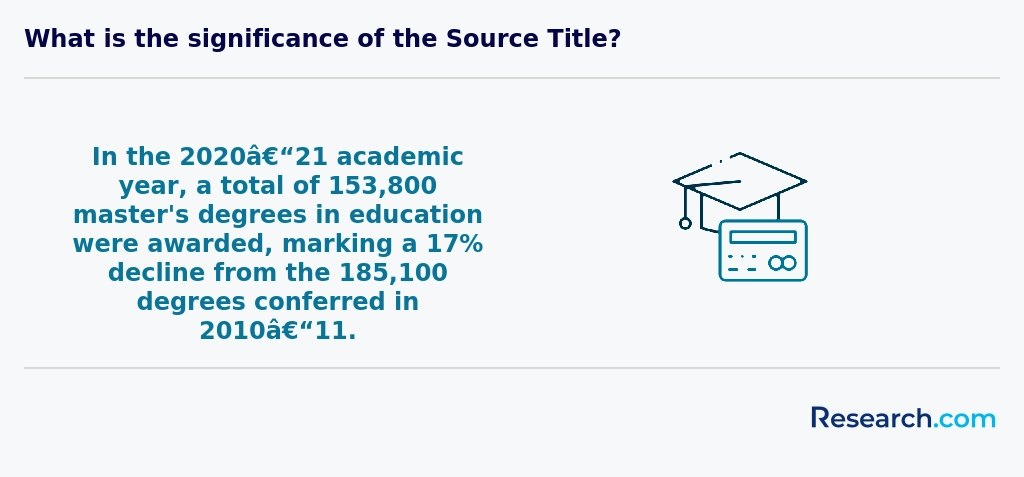
Financial aid for online special education degrees in Arizona often feels like a complex maze but can be surprisingly accessible when navigated with the right knowledge. Graduates from institutions such as Arizona State University and Northern Arizona University recall how completing the FAFSA unlocked crucial federal Pell Grants, which covered a significant portion of their tuition, allowing them to focus on their studies without overwhelming debt.
State-specific programs like AzLEAP further lighten the financial burden for Arizona residents by offering grants that directly target in-state students committed to pursuing education careers locally. These grants, combined with scholarships from bodies like the Council for Exceptional Children, create a lifeline that makes advanced learning feasible.
Many graduates also emphasize how employer tuition reimbursement plans and school district support can transform their educational journey-turning the pursuit of a special education degree into an investment shared by their communities. This financial support network fosters not just relief but genuine hope and motivation for future educators dedicated to making a difference in Arizona's classrooms.
- Federal Pell Grants and student loans identified via FAFSA
- Arizona state grants like AzLEAP for in-state students
- Scholarships from special education organizations such as the CEC
- Tuition reimbursement programs from Arizona school districts and employers
Meeting prerequisites for enrolling in an online special education degree in Arizona is far more than a checklist; it's a gateway to a deeply rewarding journey. Graduates from Arizona State University and Northern Arizona University often reflect on the foundational step of holding at least a high school diploma or GED, crucial for building the educational ladder upward. For those pursuing graduate studies, a bachelor's degree is non-negotiable, setting the stage for advanced specialization.
Beyond academic records, many felt reassurance in completing standardized tests like the ACT or SAT, though some welcomed test-optional policies that aligned better with their unique strengths. The mandatory fingerprint clearance and background check, initially intimidating for some, transformed into a meaningful commitment to protect future students-an emotional and ethical milestone that resonated deeply.
These learners also highlight submitting transcripts, recommendation letters, and personal essays as opportunities to express passion for special education, connecting personal purpose to professional goals. For many at the University of Arizona, prerequisite psychology or child development courses became eye-opening experiences, making abstract concepts tangible and igniting enthusiasm for helping diverse learners thrive.
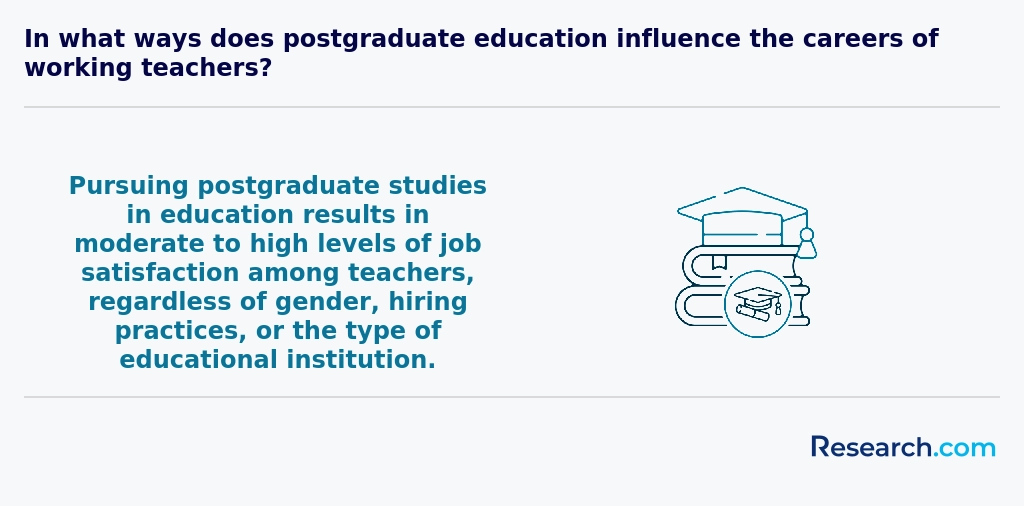
Online special education degree programs in Arizona typically immerse students in courses that go far beyond theory, focusing on real challenges faced in diverse classrooms. Graduates from prominent institutions like Arizona State University often describe how foundational courses-such as the history and philosophy of special education or laws like the Individuals with Disabilities Education Act (IDEA)-reshape their understanding of equity and inclusion.
Instructional strategies tailored to conditions like learning or intellectual disabilities are not abstract concepts here; they become tools for genuine impact. Consider students from Northern Arizona University who share how studying assistive technology and behavior management helped them connect deeply with learners who were once unreachable.
Courses involve collaboration-not just academically but emotionally-with families and service providers, reflecting the often complex ecosystem surrounding special education in Arizona. Electives on autism spectrum disorders or transition planning further personalize this journey, preparing students to design meaningful Individualized Education Programs (IEPs) rooted in state and federal standards.
The practicum experience anchors theory in vibrant reality, building confidence for those stepping into classrooms statewide. This hands-on approach fosters not only skills but also an inspiring commitment to transform lives through education.
Online special education degree specializations in Arizona often defy the one-size-fits-all expectation, allowing educators to hone skills tailored to profoundly different learner needs. Graduates from well-known Arizona institutions describe immersing themselves in areas like behavioral disorders, where they develop nuanced strategies for students facing emotional and ADHD challenges. Others focus on intellectual disabilities, adopting innovative curriculum adaptations that empower cognitive growth. These specializations don't just signal expertise; they embody a commitment to meaningful impact, whether supporting toddlers with developmental delays in early childhood special education or addressing speech and language difficulties that reshape communication pathways.
Students frequently report that Arizona accredited special education programs online offer the flexibility to explore these critical fields without compromising professional or personal obligations. This approach fosters a sense of purpose deeply connected to community needs, especially as the state mandates certification aligned with local education standards. For many, pursuing options like a cheapest master's degree special education online has been transformative, combining affordability with specialized rigor to prepare them for fulfilling careers.
Choosing the best online special education degree in Arizona demands looking past surface factors like tuition or convenience. Graduates from popular universities here often emphasize accreditation and curriculum relevance as the real game-changers. Arizona's schools require special education teachers to be certified through regionally accredited programs, making the credential's origin vital. Imagine a graduate who selected a program focused on behavior intervention, perfectly aligning with their passion and career path, ultimately landing a rewarding role in a district known for inclusive education.
Consider how program flexibility intersects with your life too-many students juggling family or work thrive in asynchronous formats, yet they still face the reality of in-person practicum demands for licensure. Those who balance these commitments successfully point to strong student support services and partnerships with local school districts as key.
For those prioritizing financial investment, finding the best affordable online special education degrees Arizona offers means weighing tuition against long-term outcomes like licensure pass rates and job placement. Exploring online special education bachelor degree programs reveals options with competitive pricing and support that transform challenges into opportunity.

Graduates with an online special education degree in Arizona find themselves stepping into roles that go far beyond traditional teaching. Many alumni from well-known institutions like Arizona State University or the University of Arizona share how their careers evolved into specialized fields such as behavior intervention specialists or educational diagnosticians. These roles demand not just knowledge but a real passion for creating change in students' lives, demonstrating how Arizona's educational landscape embraces diverse career pathways.
Reflecting on online special education careers Arizona reveals a mosaic of opportunities where graduates become speech-language pathologists or school counselors, often merging clinical skills with educational expertise. These professionals, shaped by flexible online programs, adapt quickly to students' needs, illustrating real-world impact that defies classroom boundaries. The emphasis on certification, including the state's Special Education K-12 credential, ensures that graduates are equipped to take on these challenges with confidence.
Those pursuing further advancement commonly supplement their credentials, sometimes through an online master's of special education, which unlocks roles such as program coordinators or administrators. Arizona's unique combination of in-state tuition affordability and comprehensive licensure pathways encourages students to envision dynamic career trajectories that respond to evolving educational demands.
Graduates with an online special education degree in Arizona find themselves entering a marketplace characterized by sustained demand and meaningful impact. For example, many from well-regarded programs at Arizona State University and Northern Arizona University report seamless transitions into roles within both urban and rural school districts. This reflects the broader Arizona special education teacher employment outlook, where a steady increase in students with disabilities is fueling job growth beyond the typical teaching profession averages.
With a mean annual salary around $60,000, graduates often experience financial stability reflective of their dedication and expertise. This is particularly encouraging given the affordable pathways these institutions offer to certification. Many alumni express how the practical training embedded in their coursework, coupled with incentives like loan forgiveness, has positioned them to thrive professionally and personally.
Moreover, understanding the special education teacher job responsibilities firsthand confirms that Arizona's landscape offers not just jobs, but rewarding careers where educators shape futures daily. The appeal of online degrees continues to grow as more individuals seek flexible, cost-effective routes into this vital field.
2027 Easiest Online Special Education Degree Programs Ranking in Arizona
Investing in your education is a significant decision that can shape your future, and the Research.com team recognizes the importance of making informed choices. To support prospective students pursuing special education degrees in Arizona, we have carefully developed the "2027 Easiest Online Special Education Degree Programs Ranking in Arizona." Our dedication to quality, credibility, and accuracy is demonstrated through thorough research and detailed analysis.
We utilized the following reputable data sources to ensure a comprehensive evaluation of online special education programs:
By examining this ranking, readers will receive valuable insights to identify programs that best fit their needs and make well-informed decisions about their educational journeys. For a deeper understanding of how this ranking was created, please visit our Research.com methodology page.


# 3 position
Arizona State University Campus Immersion
Master of Curriculum and Instruction - Gifted Education

Frequently Asked Questions About special education
Students pursuing an online special education degree in Arizona can enhance their learning by actively engaging with coursework and faculty. Arizona's commitment to inclusive education creates a practical context for coursework, supported by initiatives from the Arizona Department of Education. Accessing supplemental resources, such as webinars and virtual workshops offered by state education agencies, can deepen understanding of local special education laws and practices.
Participating in online forums and study groups helps build connections and share diverse experiences, which is crucial for special education professionals. Additionally, taking advantage of Arizona's clinical placement opportunities can provide essential hands-on experience required for teacher certification.
Effective time management and setting clear goals support steady progress in these rigorous programs. According to the National Center for Education Statistics, Arizona awarded over 500 special education degrees in recent years, reflecting growing demand and robust program availability.
Emerging niches within the special education field reflect the growing diversity of student needs and technological advancements. One significant area is assistive technology integration, where educators specialize in using devices and software to support students with disabilities. This niche is becoming increasingly important as schools embrace digital learning tools.
Another developing area is early intervention specialists who focus on diagnosing and supporting young children with developmental delays before they enter kindergarten. Arizona's Department of Education highlights the rising demand for professionals trained in this specialized approach.
Additionally, behavior analysts are in high demand, especially for students with autism spectrum disorder (ASD), with Arizona reporting steady growth in these roles according to recent state employment data.
After completing an online special education degree in Arizona, graduates should focus on obtaining Arizona Department of Education (ADE) certification, which is essential for teaching in public schools. This process typically requires passing the appropriate Praxis exams and fulfilling background checks.
Networking is key to entering the job market; joining Arizona-based education organizations like the Arizona Council for Exceptional Children can provide valuable connections and resources. Additionally, volunteering or interning in local schools helps build practical experience.
According to ADE, Arizona projected a 5% growth in special education jobs by 2028, indicating a steady demand for qualified educators.
Staying informed about Individualized Education Program (IEP) requirements and state-specific laws will also improve job readiness.
Employers in Arizona seek special education degree graduates who possess strong communication skills. These skills are essential for effectively collaborating with students, families, and multidisciplinary teams.
Adaptability is also highly valued, as educators often work with students who have diverse learning needs and behavioral challenges. According to the Arizona Department of Education, professionals who demonstrate flexibility in instructional methods see greater student success.
In addition, employers look for proficiency in Individualized Education Program (IEP) development. Understanding federal and state regulations surrounding IEPs is critical for compliance and student advocacy.
Finally, Arizona schools prioritize candidates skilled in using assistive technology to support students with disabilities, reflecting a growing trend in special education practice nationwide.
Finding internships in Arizona related to special education often starts with connecting to local school districts, as they partner with universities to provide hands-on student teaching experiences. The Arizona Department of Education offers resources and listings for internship opportunities in public schools statewide.
Many online special education degree programs in Arizona have established networks with nearby districts, which helps students secure internships required for teacher certification. Students should contact their program advisors early to explore these connections.
Additionally, organizations like the Arizona Council for Exceptional Children support aspiring special educators by sharing internship and job market information. According to recent state data, Arizona had over 11,000 special education teachers in 2023, reflecting solid demand for qualified interns.
An online special education degree in Arizona can significantly enhance career mobility for educators and professionals within the state. Arizona requires special education teachers to hold state certification, which is attainable through accredited online degree programs that meet Arizona Department of Education standards.
Graduates with an online special education degree often access higher-paying positions and leadership roles in schools or districts. According to the National Center for Education Statistics, Arizona employed over 11,000 special education teachers in 2022, reflecting a steady demand.
Online programs also offer flexibility to working professionals aiming to gain advanced qualifications, such as a master's degree or endorsements, which can lead to salary increases and promotions. This accessibility supports career advancement and stability in Arizona's education sector.
Studying for a special education degree in Arizona equips students with skills essential for interdisciplinary collaboration. Programs emphasize understanding diverse student needs while working alongside general educators, therapists, and counselors. This approach aligns with Arizona Department of Education guidelines that encourage integrated support services in schools.
Coursework commonly includes training in communication strategies, behavioral interventions, and inclusive classroom practices. These areas prepare graduates to participate effectively in multidisciplinary teams. According to the National Center for Education Statistics, Arizona's focus on collaborative education models contributes to improved outcomes for students with disabilities.
Additionally, many Arizona online programs include practical experiences requiring coordination with professionals from other disciplines, enhancing real-world teamwork skills.
When choosing between a thesis and a non-thesis special education degree program in Arizona, consider your career goals and time commitment. Thesis programs typically require original research, which suits those aiming for doctoral study or research-focused roles. Non-thesis programs often focus on practical skills and can be completed more quickly, appealing to working professionals seeking immediate application in classrooms.
Arizona's education system emphasizes evidence-based practices, so a thesis can help deepen research skills. However, non-thesis programs remain popular among educators prioritizing licensure and direct teaching impact. Recent data from the Arizona Department of Education highlights a growing need for qualified special education teachers, spreading across both degree types.
Students in Arizona interested in studying special education abroad have limited direct online degree options from foreign universities recognized in the U.S. Instead, many pursue accredited U.S.-based online programs offered by universities located internationally but authorized to grant degrees recognized by U.S. education authorities. These programs often follow standards aligned with the Council for Exceptional Children, ensuring quality in special education training.
Arizona students should verify teacher certification reciprocity when considering international programs online. The Arizona Department of Education has specific requirements for special education certification, often requiring coursework completed through regionally accredited U.S. institutions.
Currently, no Arizona-specific data tracks students earning special education degrees exclusively from international online programs, but national trends show growing interest in flexible, fully online formats. According to the National Center for Education Statistics, online degrees are increasingly popular among educators seeking advanced credentials, including special education.
Part-time job opportunities in Arizona that complement a special education degree primarily involve roles that provide practical experience working with children or individuals with disabilities. Positions such as teacher's aides, paraprofessionals, or classroom assistants are common and valuable. According to the Arizona Department of Education, these roles help build essential skills in behavior management and individualized instruction methods.
Additionally, working as a tutor for students with learning differences can strengthen understanding of tailored educational strategies. Many organizations in Arizona, including local special needs centers, also offer part-time roles supporting therapy or social skills groups, enhancing practical knowledge.
These jobs not only support income but also build career-relevant experience while pursuing an online degree.
Online special education students in Arizona have several networking opportunities to enhance their academic and professional experiences. Many universities offer virtual events, discussion forums, and group projects that connect students with peers and faculty in education fields. The Arizona Department of Education also facilitates statewide workshops and special education conferences, which often welcome online learners.
Students can join professional organizations such as the Arizona Council for Exceptional Children. This group provides access to local resources, mentorship programs, and annual meetings focused on special education.
Additionally, internships and practicum placements in Arizona schools enable students to build connections with educators and administrators, supporting career development in special education. The Arizona Department of Education reports approximately 12% growth in special education roles through 2028, increasing the value of such networking opportunities.
Alumni networks play a significant role in supporting students pursuing online special education degrees in Arizona. These networks provide valuable connections with graduates who understand the unique challenges of special education teaching in the state. Through alumni platforms, students gain access to job leads and mentorship opportunities, which are crucial given Arizona's ongoing demand for qualified special education teachers, as highlighted by the Arizona Department of Education.
Engagement with alumni also helps students stay informed about state-specific certification changes and best classroom practices. Since Arizona reports over 10,000 students receiving special education services statewide, strong networks contribute to filling important roles efficiently. This community offers both professional and emotional support during and after the degree program.
Customizing an online special education degree program in Arizona allows students to align their studies with specific career goals. Many universities offer specialized tracks or elective courses focused on areas like autism spectrum disorders, behavioral interventions, or early childhood special education.
Arizona's state-approved programs often include options to earn dual endorsements, such as special education combined with general education licensure, enhancing career flexibility. Students can also select practicum placements that emphasize their preferred student populations or settings. According to the Arizona Department of Education, customizing practicum experiences boosts relevant skills and employability.
Additionally, online formats frequently provide flexible pacing and modular course selections, helping working professionals tailor their progress without sacrificing job commitments.
Online special education students in Arizona often face unique challenges related to balancing coursework with practical experience requirements. Many programs require fieldwork or in-person internships, which can be difficult to coordinate remotely. Connectivity issues also impact student engagement, especially in rural areas where internet access remains limited. According to Arizona Department of Education, about 12% of students in the state receive special education services, increasing demand for qualified teachers and adding pressure on students to perform well.
Another challenge includes adapting to evolving special education laws and regulations specific to Arizona, requiring students to stay current independently. Additionally, limited peer interaction in online formats can hinder collaborative learning, which is vital for special education training.
With an online special education degree in Arizona, you can pursue professional certifications that enhance your teaching credentials. The most common certification is the Arizona Special Education Endorsement, which qualifies you to teach students with disabilities in public schools across the state.
Additionally, you may seek the Board Certified Behavior Analyst (BCBA) credential, especially valuable for those focusing on behavioral interventions. This certification requires passing an exam and completing supervised experience.
Another option is the Licensed Specialist in School Psychology (LSSP), suitable if your degree includes relevant coursework in psychology and assessment.
These certifications are recognized by the Arizona Department of Education, ensuring your qualification aligns with state requirements for special education professionals.
When applying for an online special education degree in Arizona, focus on demonstrating your genuine commitment to supporting students with diverse learning needs. Clearly articulate your professional goals and how the program aligns with Arizona's educational standards and the Individuals with Disabilities Education Act (IDEA).
Highlight any prior experience working with special needs populations, either through volunteer work or employment, as Arizona values practical knowledge in this field. Strong letters of recommendation from educational professionals add credibility to your application.
Additionally, meet all application deadlines and submit required documents, such as transcripts and test scores, promptly. According to the Arizona Department of Education, nearly 14% of K-12 students receive special education services, emphasizing the growing need for qualified teachers in this area.
Make sure your personal statement reflects an understanding of the unique challenges faced by Arizona's diverse student population and showcases your readiness for online learning.
Special education careers are increasingly recognized worldwide for their critical role in supporting diverse learners. In the United States, including Arizona, the demand for qualified special education teachers is expected to grow by 6% through 2031, according to the U.S. Bureau of Labor Statistics. Globally, emphasis is placed on inclusive education practices, influenced by the United Nations' Sustainable Development Goals, which promote education for all students regardless of their abilities.
Arizona reflects these trends with over 20,000 students receiving special education services annually, according to the Arizona Department of Education. This creates substantial opportunities for educators trained in evidence-based strategies.
The global conversation also stresses cultural competence and collaboration across disciplines, enhancing the quality and reach of special education services. Online degree programs enable Arizona students to access this global knowledge while addressing local needs.
Gaining practical experience during an online special education degree in Arizona typically involves completing fieldwork or student teaching placements. These hands-on opportunities are often arranged by the university in partnership with local schools, allowing students to apply theoretical knowledge in real classroom settings.
Arizona requires aspiring special education teachers to fulfill specific practicum hours. For example, the Arizona Department of Education mandates supervised clinical practice to ensure readiness for certification. Many programs guide students in fulfilling these requirements at public schools near their residence.
Additionally, joining professional organizations such as the Council for Exceptional Children (CEC) Arizona chapter can provide networking and volunteer opportunities. According to ADE data, practical experience significantly enhances job placement rates in Arizona's special education field.
Choosing the right concentration within an online special education degree program in Arizona depends on your career goals and the student populations you wish to serve. Arizona offers various special education concentrations, such as mild/moderate disabilities, severe disabilities, and early childhood special education. Each focus prepares you for different classroom settings and age groups.
Consider Arizona's demand trends: the state's Department of Education reports a growing need for teachers skilled in mild/moderate disabilities, reflecting nearly 40% of special education referrals. Accredited programs in Arizona align with state certification requirements, which vary by concentration.
Research each concentration's curriculum and practicum opportunities to ensure hands-on experience. Also, check if the concentration supports meeting Arizona's educator certification standards for special education.
- 2027 Easiest Online Special Education Degree Programs Ranking in Colorado
- 2027 Easiest Online Special Education Degree Programs Ranking in Kansas
- 2027 Easiest Online Special Education Degree Programs Ranking in Missouri
- 2027 Easiest Online Special Education Degree Programs Ranking in Minnesota
- 2027 Easiest Online Special Education Degree Programs Ranking in Michigan
- 2027 Easiest Online Special Education Degree Programs Ranking in Kentucky
- 2027 Easiest Online Special Education Degree Programs Ranking in Georgia
- 2027 Easiest Online Special Education Degree Programs Ranking in North Carolina
- 2027 Easiest Online Special Education Degree Programs Ranking in Ohio
- 2027 Easiest Online Special Education Degree Programs Ranking in Virginia
- Online Special Education Degree | Teaching Careers https://www.onlinecolleges.net/degrees/special-education/
- Reimagining Inclusion with Positive Niche Construction https://andrewgael.com/2016/03/07/reimagining-inclusion-with-positive-niche-construction/
- SEND Alumni Toolkit https://resources.careersandenterprise.co.uk/resources/send-alumni-toolkit
- What New Special Education Teachers Need to Succeed https://www.ascd.org/el/articles/what-new-special-education-teachers-need-to-succeed
- How to Become a Special Education Teacher in Arizona | Steps & Requirements - Moreland University https://moreland.edu/resources/blog-insights/how-to-become-a-special-education-teacher-in-arizona-steps-requirements
- How to Prepare for Careers in Special Education | Eastern CT State https://www.easternct.edu/graduate-division/online/articles/how-to-prepare-for-careers-in-special-education/
- Special Education Certification: The Path to Empowering Educators and Students - London College of Teachers and Trainers https://www.londoncollegeofteachers.com/blog/
- Choose Your Path in Special Education Careers | OPTIMISE https://optimise.education/choose-your-special-education-path/
- Thesis vs. Non-Thesis Master’s Programs: Which One Is Right for You? | UT Permian Basin Online https://online.utpb.edu/about-us/articles/humanities/thesis-or-no-thesis-which-one-is-right-for-you
- Careers With a Special Education Degree | University of Phoenix https://www.phoenix.edu/articles/education/careers-with-a-special-education-degree.html


