2027 Easiest Online Special Education Degree Programs Ranking in Minnesota

Co-Founder and Chief Data Scientist
Choosing the right special education degree program can feel overwhelming, especially when balancing work and life commitments. Our article presents the 2027 Easiest Online Special Education Degree Programs Ranking in Minnesota, developed by the Research.com team of data scientists to guide you toward the best options available.
By exploring this ranking, you'll discover programs that fit your needs and lifestyle, making the path to a rewarding career more accessible. Pursuing a special education degree opens doors to meaningful work helping others while growing professionally and personally.
Key benefits of getting online special education degree in Minnesota
- Special education graduates in Minnesota can expect starting salaries around $41,000 to $65,000 annually, reflecting national median wages for similar roles and offering a rewarding financial outlook.
- Graduates from Minnesota State University, Mankato often pursue careers as special education teachers, instructional coordinators, or counselors, showcasing diverse opportunities in supporting students with unique learning needs.
- Online degrees from institutions like the University of Minnesota allow students to balance work and family while earning their credentials, providing flexibility that traditional programs may not offer without sacrificing quality education.
- 2027 Easiest Online Special Education Degree Programs Ranking in Minnesota
- What can I expect from online special education degree in Minnesota?
- Where can I work with online special education degree in Minnesota?
What can I expect from online special education degree in Minnesota?
The average cost of an online special education degree in Minnesota typically ranges from $12,000 to $25,000 for a bachelor's program, depending on the institution and residency status. For example, graduates from well-known Minnesota colleges offering online special education degrees often share how manageable tuition combined with financial aid, such as state scholarships and federal grants, made pursuing their goals possible without overwhelming debt.
Many students appreciate flexible payment options and installment plans offered by schools like Saint Cloud State University or Minnesota State University, Moorhead, which allow them to balance work, family, and studies. Additionally, some programs include fees for in-person student teaching or field placements, critical for licensing requirements but often supported by the school's network of local schools. This blend of cost and practical experience makes the investment worthwhile and encourages a positive, confident outlook among students preparing for real-world special education roles.
Where can I work with online special education degree in Minnesota?
Graduates with an online special education degree in Minnesota often find rewarding roles as special education teachers in K-12 public schools, especially within districts like Minneapolis, Saint Paul, and Rochester. These roles involve creating individualized education plans (IEPs) and working closely with families and professionals to tailor teaching strategies. Students from popular programs at colleges such as the University of Minnesota or St. Cloud State University report feeling prepared to handle diverse classroom challenges and make meaningful impacts daily.
Beyond traditional schools, graduates frequently work in residential treatment centers, alternative learning programs, and therapeutic schools. For example, some alumni contribute to organizations like the Minnesota Autism Center, where they develop programs supporting children with developmental disabilities.
Early intervention programs for children birth to age three also offer fulfilling career paths. Graduates share how supporting families during critical developmental stages brings a deep sense of purpose and progress.
Additionally, advanced careers in educational administration, advocacy, and consulting are reachable, with positions such as special education coordinators requiring further experience or degrees. Overall, Minnesota's demand for skilled special educators creates diverse opportunities to build a fulfilling and stable career.
Graduates with an online special education degree in Minnesota can expect starting salaries around $45,000 to $50,000 annually, especially those entering classrooms fresh out of programs at institutions like the University of Minnesota or Hamline University. As experience grows, many report salary increases to between $70,000 and $80,000, particularly in cities like Minneapolis and St. Paul where school districts offer higher pay to reflect living costs and demand.
Many graduates also share how benefits such as health insurance and retirement plans significantly boost their overall compensation, making these positions more rewarding beyond just the paycheck. Those who pursue advanced degrees or certifications often move into coordinator or consultant roles within special education, seeing salaries upwards of $75,000 to $100,000.
Focusing on accredited online programs that align with Minnesota's licensing ensures eligibility for these competitive salaries. Graduates consistently emphasize how this credential opens doors to stable, fulfilling careers with meaningful impacts on students' lives while achieving financial stability.
- Tuition for online special education degrees in Minnesota typically ranges from $15,000 to $30,000, with public universities offering lower rates for residents.
- Special education teachers in Minnesota start with an average salary of about $44,000 per year, which can grow to around $60,000 with experience.
- The demand for special education teachers in Minnesota is steady, supported by growing identification of students with disabilities and inclusive education policies.
- Many online programs meet Minnesota's licensure requirements, including passing the Minnesota Teacher Licensure Examinations (MTLE).
- The Minnesota Department of Employment and Economic Development expects job growth in special education teaching through 2030.
Completing an online special education degree in Minnesota typically takes about four years for a bachelor's degree when studying full-time. Many students at institutions like St. Cloud State University appreciate the flexible pacing options, which allow part-time enrollment and extend completion up to six years-perfect for those balancing work or family. Graduates often describe this flexibility as a major relief, letting them progress at their own pace without sacrificing quality.
For those pursuing a master's degree, the timeline usually spans two years full-time. At the University of Minnesota's online program, some students benefit from accelerated tracks that shorten this to 12 to 18 months. Part-time students might take three to four years, combining study with a career, creating a manageable, stress-reduced pathway to advancement.
Doctoral candidates should expect three to six years, depending on dissertation progress. It's important to factor in additional practicum and clinical hours mandated by the Minnesota Department of Education, which graduates highlight as valuable for real-world readiness but requiring solid time management strategies.
Online and on-campus special education degrees in Minnesota differ mainly in delivery and interaction. For example, graduates from University of Minnesota's on-campus program often emphasize the energy of face-to-face discussions, hands-on group projects, and immediate support from professors. This dynamic helps build strong local networks and boosts confidence in practical skills.
By contrast, graduates of online programs like those at Minnesota State University share how flexibility transformed their lives. They could balance coursework with jobs or family, accessing lectures on their own schedules without traveling to campus. Online students complete required practicum hours in their communities, making valuable local connections and gaining real classroom experience close to home.
Both options fulfill Minnesota's Professional Educator Licensing and Standards Board requirements, but online learners must proactively arrange local placements. Consider your lifestyle: if you thrive on direct interaction and campus resources, on-campus fits well. If flexibility and convenience drive your goals, online programs provide a practical, equally rigorous path to your special education career.
The average cost of an online special education degree in Minnesota varies based on residency and institution type but generally centers around a total of approximately $12,240 for in-state students and $24,480 for out-of-state students. Many graduates from institutions such as Minnesota State University, Mankato, report feeling satisfied that their investment was balanced against flexible scheduling and comprehensive coursework. This balance makes pursuing a degree online both feasible and rewarding, especially for working professionals. These costs reflect a typical 30- to 36-credit master's program, which aligns well with Minnesota online special education degree tuition fees in the public university system.
Private colleges in Minnesota tend to charge higher tuition, often pushing total program costs close to or above $30,000. However, students who choose private options often highlight the enriched networking opportunities and smaller class sizes as key benefits that justify the expenses. Many online programs also reduce additional costs by including digital textbooks and offering virtual materials. To further ease financial burdens, various scholarships, employer tuition reimbursement plans, and financial aid packages are commonly available in Minnesota.
For candidates looking for less comprehensive but still valuable credentials, online certification programs typically cost under $10,000, presenting an affordable pathway to start or advance a career in special education. Those exploring career options with foundational education can also find helpful resources about a bachelor degree in special ed jobs. Understanding these options can help you plan a path that fits your goals and budget when considering the average cost online special education degree Minnesota.
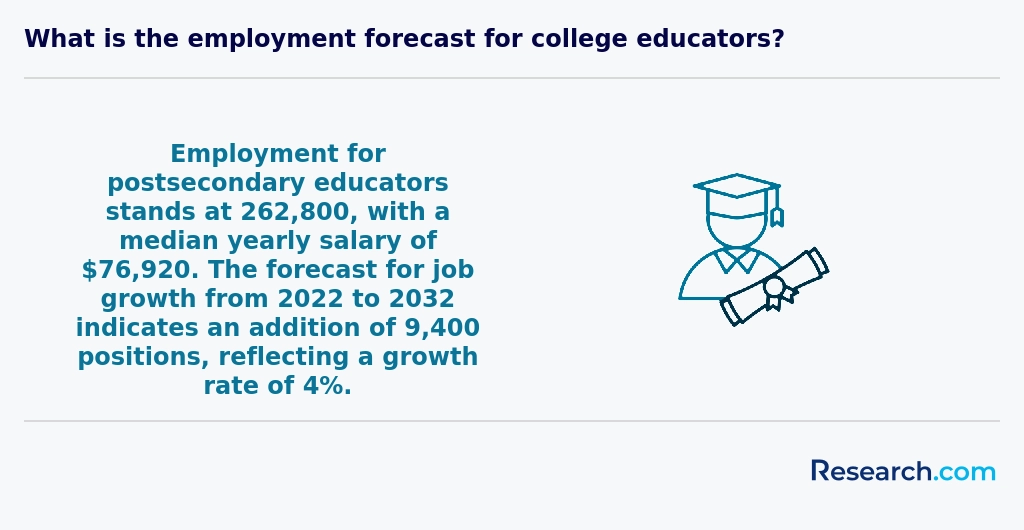
Students pursuing an online special education degree in Minnesota often tap into a range of financial aid options to make tuition manageable. For example, those attending schools like the University of Minnesota or St. Cloud State University frequently benefit from federal Pell Grants, which can cover up to $7,395 annually without needing repayment.
Many graduates recall using Federal Direct Loans that offer low-interest rates and flexible repayment, easing financial pressure during their studies. Additionally, Federal Work-Study programs provide part-time job opportunities which help with everyday expenses while gaining relevant work experience.
Minnesota residents also access state-specific aid like the Minnesota State Grant Program, which supports enrolled students based on financial need and credits. Special education students balancing school and work often find relief with the Minnesota Low-Income Child Care Grant to assist with childcare costs.
Teacher loan forgiveness programs, especially the Teacher Loan Forgiveness initiative offering up to $17,500 forgiveness after five years of special education teaching, motivate graduates to serve in high-need districts. Scholarships from groups like the Council for Exceptional Children complete the financial picture, helping students feel supported throughout their education journey.
To enroll in an online special education degree program in Minnesota, you typically need a bachelor's degree from an accredited institution. For example, graduates from well-known state universities often share how their foundational education courses helped them confidently transition into specialized training.
Maintaining a minimum GPA, usually between 2.5 and 3.0, is essential. Many successful students recall how staying focused on their transcripts opened doors to competitive programs at universities like the University of Minnesota or St. Cloud State University.
Submitting official transcripts is a must, ensuring your academic history is transparent. Additionally, candidates should prepare to pass Minnesota's licensure exams, such as the Foundations of Reading test, which many graduates describe as a manageable but crucial step toward certification.
Experience working with children with disabilities-whether through volunteering or internships-is highly recommended. Former students often highlight how hands-on experience at local schools or community centers made the coursework more meaningful and helped build self-confidence for their future careers.

Online special education degree programs in Minnesota typically include courses that build a strong foundation for working with diverse learners. Graduates from well-known institutions like the University of Minnesota often highlight how courses on Foundations of Special Education provide critical insights into laws and ethics, helping future teachers confidently navigate the complex educational landscape.
Courses such as Assessment and Evaluation Techniques teach practical skills to assess students' unique needs and develop tailored IEPs, an essential step that graduates describe as empowering when they first applied it in local classrooms.
Instructional Strategies for Diverse Learners and Behavioral Interventions and Management offer hands-on methods for adapting lessons and managing behaviors-skills that alumni find immediately relevant during their practicum at schools like St. Cloud State University.
Additionally, collaboration-focused courses equip students to work effectively with families and professionals, an aspect Minnesota graduates frequently cite as a rewarding part of their training. Assistive Technology classes demonstrate tools that make learning accessible, and Legal Issues in Special Education clarify state-specific regulations, which helps graduates feel fully prepared to meet Minnesota's licensure requirements.
Online special education degree specializations Minnesota commonly include Autism Spectrum Disorder (ASD), which trains educators to use evidence-based strategies for students on the autism spectrum, a focus increasing in demand as reported by Minnesota's Department of Education. Graduates from programs at popular Minnesota colleges often share how this specialization empowered them to create engaging, supportive environments tailored to these students' unique needs.
Minnesota special education program focus areas also emphasize Emotional and Behavioral Disorders (EBD), offering teachers practical skills to manage challenging behaviors and promote positive classroom dynamics. Teachers pursuing this track highlight the confidence gained in applying behavior intervention plans and de-escalation techniques effectively.
Specific Learning Disabilities (SLD) remains a vital specialization where educators learn to support students facing difficulties in reading, writing, or math despite average intelligence. Many graduates appreciate how the focus helped them identify and address learning gaps early, boosting student success.
Early Childhood Special Education is another valuable option, preparing educators to foster growth for children from birth to age eight, reflecting Minnesota's policies on inclusive early childhood programs. Some programs even offer dual licensure options, expanding career flexibility.
For those researching program options, it's beneficial to explore the fastest graduate certificate program in special education that fits your timeline and goals while aligning with Minnesota's state licensure requirements.
Start by confirming the program's regional accreditation, such as from the Higher Learning Commission, to ensure quality education recognized across Minnesota. Graduates from well-known universities often highlight how a curriculum aligned with Minnesota's adoption of the Individuals with Disabilities Education Act (IDEA) made navigating classroom challenges more manageable and rewarding. Look for programs that explicitly prepare you for licensure through the Minnesota Professional Educator Licensing and Standards Board (PELSB), including support for clinical experiences or student teaching placements within the state. Many who chose affordable special education programs Minnesota found public institutions offered strong tuition savings without compromising on practical training.
Flexibility matters when balancing family or work, so seek programs with asynchronous schedules and reasonable completion times. Students appreciate when their program adapts to real-life pressures, making studies achievable. Finally, consider program outcomes like job placement rates, especially because demand for special education teachers in Minnesota is growing.
For those aiming to advance quickly, exploring the fastest master's in special education online can provide valuable options tailored to your goals.
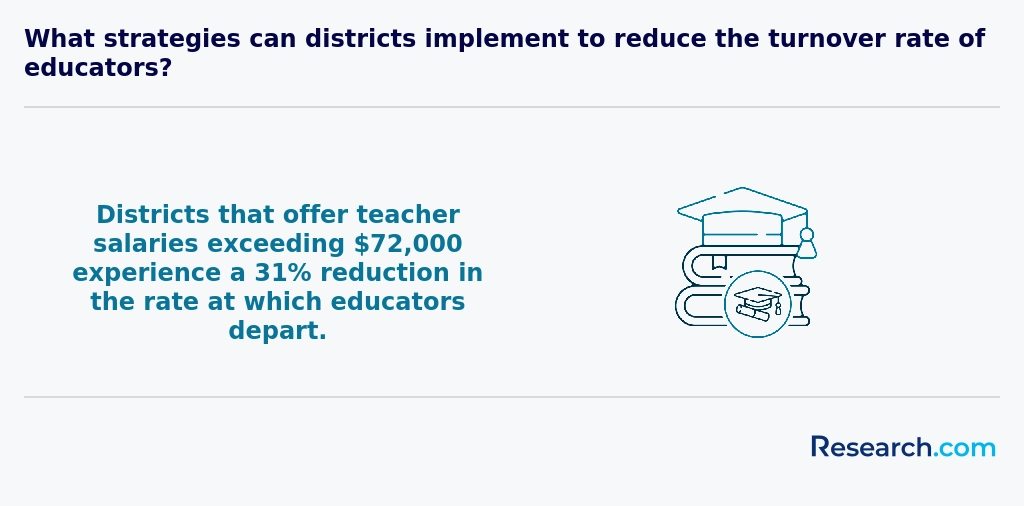
Graduates holding an online special education degree from institutions like the University of Minnesota or St. Cloud State University often find fulfilling roles as special education teachers. These educators design individualized lesson plans that empower students with disabilities across all grade levels. Many who pursue online special education teaching jobs Minnesota report meaningful experiences, particularly in urban and rural school districts where tailored support makes a tangible difference.
Beyond teaching, career opportunities include positions as special education coordinators or program administrators, overseeing compliance with laws such as IDEA while shaping district-wide programs. Some graduates advance to roles as educational diagnosticians, conducting assessments and collaborating to create effective intervention plans. Intervention specialists are another viable path, working closely with students facing behavioral or learning challenges to foster academic success.
Prospective students should explore options carefully; programs that emphasize licensure preparation in Minnesota give graduates a competitive edge. For practical guidance and choices, consider researching special education degree online offerings. This strategy helps align education with career goals in this rewarding field.
The job market for online special education degree graduates in Minnesota remains strong, driven by a steady demand across public schools supported by state and federal funding. Graduates from well-known Minnesota institutions often find rewarding roles by joining districts eager to fill positions left by retiring teachers. These roles provide the chance to make a meaningful impact on students requiring tailored educational approaches.
Many graduates pursuing online special education teacher jobs Minnesota appreciate the flexibility of online programs offered by universities like the University of Minnesota or St. Cloud State University. These programs prepare students to meet licensure requirements while balancing work and life.
Job opportunities also extend beyond classrooms; graduates are frequently hired as behavioral specialists or instructional coordinators, benefiting from Minnesota's focus on inclusive education. By engaging in ongoing professional development, teachers enhance their skills and career prospects in this growing field.
Prospective students can explore a variety of educational degree examples to find a program that fits their goals, ensuring they enter a promising career path dedicated to improving futures.
2027 Easiest Online Special Education Degree Programs Ranking in Minnesota
Investing in your education is a significant decision that can shape your future, and the Research.com team fully recognizes the importance of making informed choices. To assist prospective students interested in special education in Minnesota, we have carefully developed the "2027 Easiest Online Special Education Degree Programs Ranking in Minnesota." Our dedication to quality, credibility, and accuracy is demonstrated through rigorous research and thorough analysis conducted to create this ranking.
We utilized the following reputable data sources to ensure a comprehensive evaluation of programs:
By reviewing this ranking, readers will gain valuable insights into accessible, credible online special education degree programs, empowering them to make confident decisions about their educational journey. For a detailed explanation of how this ranking was created, please visit our Research.com methodology page.
# 1 position
Concordia University, St. Paul
Master of Special Education with Emotional/Behavioral Disorders (EBD) Endorsement

# 2 position
Bethel University, Minnesota
Master of Special Education
# 3 position
Bethel University, Minnesota
Bachelor of Special Education
Frequently Asked Questions About special education
Online special education degree students in Minnesota can enhance their learning by actively engaging with both coursework and virtual collaboration tools. Minnesota's online programs often incorporate practicum or student teaching components, which provide crucial hands-on experience within local schools. Students should seek opportunities to connect with local educators and special education communities to deepen their understanding.
Utilizing resources from organizations like the Minnesota Department of Education (MDE), which oversees over 10,000 special education students statewide, helps align learning with state standards. Regular communication with instructors and participation in online discussion forums also supports academic success. Effective time management and seeking mentorship further maximize the online learning experience.
Emerging niches in special education reflect the evolving needs of students and advancements in teaching methods. One key area is technology integration, where educators use assistive technologies to support learners with autism spectrum disorder and other developmental disabilities. Minnesota schools increasingly adopt these tools, backed by state initiatives promoting digital accessibility.
Another growing niche is early intervention for infants and toddlers, supported by federal IDEA Part C funding and state programs. Early diagnosis and tailored educational plans improve long-term outcomes significantly.
Additionally, cultural competency in special education is gaining attention. With Minnesota's growing diverse population, educators skilled in addressing linguistic and cultural differences help bridge achievement gaps, as detailed in recent Minnesota Department of Education reports.
After earning an online special education degree in Minnesota, preparing for the job market involves several key steps. First, obtaining Minnesota licensure is essential; the state requires passing the Minnesota Teacher Licensure Examinations (MTLE) specific to special education. Prospective teachers should also complete required supervised teaching experiences, which many online programs integrate.
Networking is crucial. Joining organizations such as the Minnesota Council for Exceptional Children provides valuable contacts and professional development. According to the Minnesota Department of Education, demand for special education teachers is projected to grow by 7% through 2030, indicating steady job opportunities.
Additionally, gaining practical experience through internships or volunteering can strengthen resumes. Staying current with state and federal education policies also prepares graduates for effective classroom work. Finally, creating a strong portfolio highlighting skills and certifications boosts employment prospects in Minnesota's competitive teaching environment.
Employers in Minnesota highly value special education graduates who demonstrate strong communication skills. These skills are essential for collaborating with students, families, and multidisciplinary teams. According to the Minnesota Department of Education, 87% of school districts emphasize effective communication as a key hiring criterion.
Problem-solving abilities are also crucial. Special education teachers must adapt teaching methods to meet diverse student needs, often requiring creativity and flexibility. Data from the Bureau of Labor Statistics shows that Minnesota special educators spend significant time tailoring individualized education programs (IEPs).
Additionally, knowledge of behavioral management and assessment techniques is important for success in this field. Employers prefer candidates familiar with legal requirements and inclusive practices, ensuring compliance and equity in education.
Finding internships in Minnesota related to special education requires strategic research and networking. Start by exploring opportunities through Minnesota school districts, many of which collaborate with local universities to offer placements for students in special education programs.
The Minnesota Department of Education website provides resources and contacts for district partnerships, which can be essential for securing internships that comply with state licensure requirements.
Additionally, organizations such as the Council for Exceptional Children's Minnesota branch offer valuable connections and internship listings focused on special education.
Universities offering online special education degrees often have career services that can help locate Minnesota-based internships relevant to your coursework and professional goals.
According to the National Center for Education Statistics, Minnesota employs over 10,000 special education teachers, indicating a broad range of potential internship placements statewide.
Obtaining an online special education degree in Minnesota can significantly enhance career mobility and advancement opportunities. The state recognizes licensed special education teachers, who earn a median salary of about $66,000 annually, according to the Bureau of Labor Statistics. Completing a state-approved online program fulfills licensure requirements, enabling graduates to teach across various public and private settings.
Such degrees often include coursework aligned with the Minnesota Teacher Licensure Standards, equipping candidates to work with diverse student populations. With growing demand-Minnesota expects a steady increase in special education roles through 2030-holding a degree can lead to roles in leadership, curriculum design, or intervention coordination.
Additionally, many school districts prioritize candidates with advanced certifications, improving prospects for promotions and specialized positions.
Studying for a special education degree in Minnesota equips students with essential skills to work across multiple disciplines. Programs emphasize collaboration with general educators, speech therapists, psychologists, and families to support diverse student needs. Minnesota's online degrees often include coursework on behavior management, learning disabilities, and inclusive teaching methods, promoting a holistic understanding of students' challenges.
According to the Minnesota Department of Education, over 13% of K-12 students receive special education services, highlighting the need for professionals who can navigate varied roles.
Additionally, clinical experiences embedded in these programs foster teamwork in real school settings, preparing graduates for interdisciplinary cooperation crucial to effective special education.
When choosing between a thesis and a non-thesis special education degree program in Minnesota, students should consider their career goals. Thesis programs generally focus on research and prepare students for doctoral studies or roles in academic settings. Non-thesis options often emphasize practical skills, suitable for immediate careers in teaching or administration.
The Minnesota Department of Education reports a steady need for skilled special education professionals, with many roles prioritizing hands-on experience over research.
Thesis programs may require 6-12 credits of research work, while non-thesis tracks focus more on coursework and field practice.
Prospective students should evaluate program structure, time commitment, and long-term objectives before deciding.
Students based in Minnesota who wish to study special education abroad generally face limited direct options for fully online international degrees recognized in the U.S. Most accredited online special education programs come from U.S. institutions due to state licensing requirements and federal education standards.
However, Minnesota students can explore international collaborations or study abroad programs offered by U.S. universities with global partnerships. These options may combine online coursework with short-term residencies overseas. According to the Minnesota Department of Education, obtaining licensure in the state usually requires completion of an approved program aligned with the Council for Exceptional Children standards, often available only through U.S.-accredited schools.
While some international universities offer special education training, credit transfer and licensure recognition remain significant barriers for Minnesota residents wanting to qualify for teaching roles locally. Students should prioritize programs accredited by recognized U.S. bodies to ensure career mobility.
Part-time job opportunities in Minnesota that complement online special education degree studies often focus on hands-on experience with diverse learner needs. Roles such as paraprofessionals or teacher aides in public and private schools provide direct support to children with disabilities, aligning with state standards outlined by the Minnesota Department of Education (MDE).
Additionally, positions in after-school programs or community centers can help build skills in behavior management and individualized instruction. According to MDE reports, Minnesota employs over 7,000 special education assistants, highlighting job availability in this sector.
Nonprofit organizations focused on disability advocacy also offer relevant part-time roles, which enhance understanding of inclusive education practices.
Online special education students in Minnesota have several valuable networking opportunities despite the virtual format. Many universities offering these programs encourage participation in virtual student organizations and forums specifically for special education professionals. These platforms allow students to connect with peers, faculty, and practicing educators across the state.
Additionally, Minnesota's regional chapters of professional associations, such as the Council for Exceptional Children (CEC), provide online events and workshops. Engaging with these groups helps students build relationships with established educators and stay updated on state-specific policies and practices.
Field placements and internships within Minnesota schools also create in-person networking prospects. According to the Minnesota Department of Education, many programs facilitate partnerships with local districts to support these experiences, linking students directly to potential employers.
Alumni networks provide valuable support for online special education degree students in Minnesota by connecting them with experienced professionals in the field. These networks often offer mentorship opportunities, helping students navigate career challenges and certification processes. According to the Minnesota Department of Education, strong professional connections improve job placement rates among special education graduates.
In Minnesota, where special education services are in high demand due to increasing student needs, alumni networks can share region-specific insights on school districts and hiring trends. Many programs encourage participation in alumni groups, which can enhance access to workshops and continuing education.
Such connections contribute to long-term professional growth, making alumni networks a critical resource for online learners.
Students pursuing an online special education degree in Minnesota can often tailor their programs to align with their career goals through elective courses and specialization options. Many universities allow learners to focus on areas such as early childhood special education, autism spectrum disorders, or behavioral intervention strategies.
Additionally, some programs provide flexible practicum or internship placements across Minnesota, enabling hands-on experience in specific school settings. This customization helps develop critical skills relevant to regional demands.
According to the Minnesota Department of Education, demand for special education teachers is expected to grow by 5% from 2021 to 2031, emphasizing the value of targeted training.
Understanding state licensure requirements also guides customization, as programs often integrate Minnesota's educator licensure standards for special education professionals.
Online special education students in Minnesota often face unique challenges related to the hands-on nature of their field. A significant obstacle is gaining sufficient practical experience, such as completing required fieldwork placements, which can be harder to arrange remotely. The Minnesota Department of Education emphasizes the importance of in-person student teaching for teacher licensure, posing scheduling difficulties for online learners.
Additionally, students may struggle with maintaining strong communication with instructors and peers, which is critical for understanding complex special education strategies. According to a 2023 report from the Minnesota Office of Higher Education, nearly 30% of online education students reported feelings of isolation.
Technology access and digital literacy remain concerns, especially in rural areas where broadband internet is less reliable. These combined factors can affect retention and timely program completion for online special education candidates in Minnesota.
With an online special education degree in Minnesota, graduates can pursue professional certification as a Licensed Special Education Teacher. The Minnesota Department of Education requires candidates to complete an approved teacher preparation program and pass the Minnesota Teacher Licensure Examinations (MTLE) for special education.
Additionally, candidates may seek the Board Certified Behavior Analyst (BCBA) credential, which is valuable for working with students with behavioral challenges. While the BCBA certification requires a graduate-level degree and supervised experience, an online special education degree can fulfill some academic requirements.
Special education teachers in Minnesota must renew their license every five years, often by earning continuing education credits related to disability instruction strategies and student assessment methods.
When applying to an online special education program in Minnesota, start by carefully reviewing the admission requirements of each institution. Most programs require a bachelor's degree, transcripts, and a clear statement of purpose explaining your passion for special education.
Highlight any relevant experience working with individuals with disabilities, as Minnesota values practical knowledge in this field. According to the Minnesota Department of Education, the state has seen a steady demand for qualified special education teachers, increasing the importance of a strong application.
Additionally, prepare for letters of recommendation from supervisors or professors familiar with your skills. Emphasize your commitment to supporting diverse learners, and clearly explain how the program aligns with your career goals in the statement.
Special education careers are increasingly recognized worldwide for their importance in promoting inclusive education. In the United States, including Minnesota, teachers with special education degrees play a critical role in supporting students with disabilities. According to the Minnesota Department of Education, over 14% of students receive special education services, highlighting steady demand for qualified professionals.
Globally, countries vary in resources and policies for special education, but there is universal emphasis on trained educators. In the US, online special education degrees offer flexible paths to certification and advanced skills, aligning with inclusive classroom trends.
International frameworks like the UN's Convention on the Rights of Persons with Disabilities influence US education policies, ensuring educators are prepared to meet diverse student needs.
Gaining practical experience while studying for an online special education degree in Minnesota is essential for meeting licensure requirements and preparing for a teaching career. Most accredited programs include supervised fieldwork or student teaching components, which must be completed in person at a local school or approved placement site. Minnesota state regulations require aspiring special educators to complete a supervised internship of typically 12 to 16 weeks in a K-12 setting.
Online students can collaborate with program advisors to secure placements in Minnesota schools near their homes. The Minnesota Department of Education also offers resources and guidelines to ensure field experiences align with state standards. According to MDE data, over 15% of Minnesota's K-12 students receive special education services, underscoring the importance of hands-on experience throughout training. This combination of online coursework and local practicum helps prepare candidates for successful careers in special education.
When choosing a concentration within an online special education degree program in Minnesota, start by considering the populations you want to support. Common focuses include learning disabilities, emotional and behavioral disorders, or autism spectrum disorders. Minnesota's Department of Education highlights a growing need for educators trained in autism support, reflecting state trends.
Next, review the program's curriculum to ensure it aligns with Minnesota's licensure requirements. For example, programs should prepare you for licensure areas such as mild/moderate or moderate/severe disabilities.
Consider also how your concentration fits your career goals in Minnesota's school districts, where special education needs vary widely. Consulting local job market data or speaking with school administrators can provide insight into demand for certain specialties.
- 2027 Easiest Online Special Education Degree Programs Ranking in Missouri
- 2027 Easiest Online Special Education Degree Programs Ranking in Michigan
- 2027 Easiest Online Special Education Degree Programs Ranking in Kansas
- 2027 Easiest Online Special Education Degree Programs Ranking in Ohio
- 2027 Easiest Online Special Education Degree Programs Ranking in Colorado
- 2027 Easiest Online Special Education Degree Programs Ranking in Kentucky
- 2027 Easiest Online Special Education Degree Programs Ranking in Georgia
- 2027 Easiest Online Special Education Degree Programs Ranking in Virginia
- 2027 Easiest Online Special Education Degree Programs Ranking in North Carolina
- 2027 Easiest Online Special Education Degree Programs Ranking in Pennsylvania
- Special Education Teacher | Inclusive Education Jobs | Jobs in Education https://jobsineducation.com/categories/special-education-teacher-jobs/
- Requesting an initial evaluation to determine if your child is eligible for special education services https://www.disabilityrightsohio.org/letter-writing-requesting-initial-eval
- Factors Influencing Special Education Career Choices: Interplay of Personality Traits and Identity Statuses https://www.eu-jer.com/factors-influencing-special-education-career-choices-interplay-of-personality-traits-and-identity-statuses
- Teaching Job Roles | Teach For Life https://www.teachforlife.com/teachingjobs/global-perspectives-teacher
- School for students with special needs internship - Internships Down Under https://www.internshipsdownunder.com/school-for-students-with-special-needs-internship/
- Reimagining Inclusion with Positive Niche Construction https://andrewgael.com/2016/03/07/reimagining-inclusion-with-positive-niche-construction/
- Common Challenges in Special Education and How to Overcome Them | Susan Luger Associates https://slugerassociates.com/resources/common-challenges-in-special-education-and-how-to-overcome-them/
- Special Education Internships in Peru | Intern Abroad HQ https://www.internhq.com/destinations/peru/special-education-in-cusco/
- How the Special Education Teacher Shortage Affects Students with LD, and What to Do About it https://ldaamerica.org/how-the-special-education-teacher-shortage-affects-students-with-ld-and-what-to-do-about-it/
- Discover more about Special Education and where to study it abroad https://www.hotcoursesabroad.com/subject/special-education/