2027 Easiest Online Special Education Degree Programs Ranking in Kansas

Co-Founder and Chief Data Scientist
Are you considering a special education degree in Kansas? This article introduces the 2027 Easiest Online Special Education Degree Programs Ranking in Kansas, created by the Research.com team of data scientists. It is designed to help you make an informed decision about the best programs to fit your needs and goals.
Getting a special education degree opens doors to meaningful careers supporting students who need extra help. Reading this ranking will give you clarity and confidence in choosing a program that suits your lifestyle and ambitions.
Key benefits of getting online special education degree in Kansas
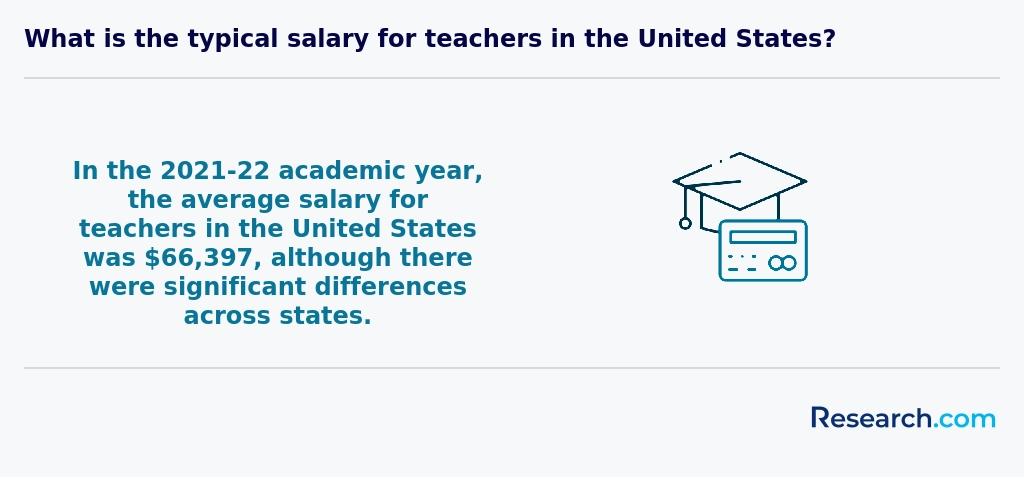
- Special education degree graduates in Kansas can expect competitive salaries, with related positions in the US typically earning around $60,000 to $65,000 annually, reflecting rewarding financial stability.
- Graduates from popular Kansas universities often find diverse career paths such as special education teacher, behavior specialist, or educational consultant, all enabling impactful work with children and families.
- Online special education degrees from Kansas institutions offer flexible schedules and allow students to balance work or family life, making the learning experience more accessible and enjoyable compared to traditional programs.
- 2027 Easiest Online Special Education Degree Programs Ranking in Kansas
- What can I expect from online special education degree in Kansas?
- Where can I work with online special education degree in Kansas?
What can I expect from online special education degree in Kansas?
When Kansas students dive into an online special education degree, they often wonder about the price tag attached to their dreams. On average, tuition for these programs at popular institutions like the University of Kansas or Kansas State University hovers around $12,000 to $18,000 for a bachelor's degree, while master's degrees can climb to about $15,000 to $22,000. Graduates recall balancing budgets carefully, appreciating that these costs are often offset by financial aid, scholarships, or employer tuition assistance, making the investment feel like a stepping stone rather than a barrier.
One graduate vividly remembered budgeting late-night coffee and study sessions while navigating state-specific requirements like passing the Praxis exams and securing practicum placements. Their experience was shaped not only by the cost but by the invaluable practical fieldwork connected to Kansas classrooms, bringing theory into vivid life. These programs, delivered flexibly online, allowed them to nurture their passion without uprooting family or job commitments, turning the cost into a worthwhile seed sown for a fulfilling career.
Where can I work with online special education degree in Kansas?
Graduates from online special education programs at Kansas universities often find themselves shaping futures in vibrant classrooms across the state. Imagine stepping into Wichita USD 259, where a graduate tailors lessons for a bustling group of diverse learners, or joining a cozy rural school district, bringing specialized instruction where it's needed most. These educators craft individualized education programs (IEPs) that feel less like paperwork and more like blueprints for possibility.
Some alumni dive into early childhood intervention, supporting tiny explorers in Birth to Kindergarten initiatives, where the magic of developmental milestones unfolds daily. Others wear many hats in state agencies or private centers, collaborating as behavioral specialists or therapy consultants, blending expertise with empathy. Their work echoes beyond classrooms, reaching families and communities.
These paths reflect Kansas's rich mosaic of opportunity, fueled by programs from trusted colleges and universities. Graduates thrive not just on steady demand but on the joy found in unlocking each student's unique potential, proving an online degree here is a gateway to a meaningful, spirited career in special education.
Picture this: a recent graduate from an online special education program at a top Kansas university stepping into a Wichita classroom and earning around $57,000 a year. That's roughly the state average and aligns nearly with the national scene-right in the sweet spot for fresh educators ready to change lives. The payoff grows with experience; after five years or so, salaries can creep up to $65,000 or more, especially for those who chase extra certifications or a master's degree.
Graduates from programs at places like the University of Kansas or Fort Hays State find this path not just rewarding emotionally, but financially promising, too. Working in vibrant urban districts or shaded rural communities makes a difference-the hustle in Overland Park might give you over $60,000 annually, while smaller towns offer closeness and impact with slightly lower salaries.
And if heading towards leadership fits your vibe, imagine becoming a special education coordinator or program director with a paycheck spanning $70,000 to $85,000. With Kansas demanding certification alongside your degree, every completed certification often feels like a step higher on a well-lit ladder to rewarding earnings.
- Annual tuition for online special education degrees in Kansas ranges from $7,000 to $15,000, with public universities being more affordable for in-state students.
- Starting salaries for graduates typically fall between $45,000 and $50,000 per year, increasing to around $60,000 or more with experience.
- Kansas requires special education teachers to have proper certification, including passing Praxis exams, which many online programs prepare students for.
- Online programs often include practical training like student teaching to meet state licensure standards and provide hands-on experience.
- The job market remains strong with consistent vacancies, driven by ongoing demand across school districts in Kansas.
For many Kansan students diving into online special education degrees, time feels like a flexible friend rather than a strict ruler. At universities like Wichita State or Emporia State, a full-time bachelor's journey typically spans four years-like planting seeds and watching them bloom through steady seasons. Yet, part-time paths stretch this timeline, letting busy professionals weave study into their daily tapestry over five or six years, transforming education into an achievable, balanced adventure.
Graduate online learners often find themselves in time's sweet spot between 18 months and three years. These programs at popular Kansas colleges embrace asynchronous lessons, letting students craft their own rhythm-like a musician composing a personal symphony. Some enter with prior credentials, accelerating progress to about a year, reminiscent of a sprinter gaining momentum and crossing finish lines ahead of schedule.
Licensed seekers embrace practicum and student teaching hours locally, stretching timelines but enriching experiences. One graduate recalls juggling virtual classes with classroom hours, feeling the pride of turning knowledge into real-world impact within their hometown communities. Many find that pacing their education this way brings not just credentials, but confidence and connection along the journey.
Imagine juggling a day job and family life in rural Kansas while chasing your special education degree-online programs become your best ally. Graduates from Wichita State University's online track often share how the freedom to study anytime, anywhere, transformed their busy schedules into manageable steps toward certification. The local practicum partnerships mean hands-on experience is never out of reach, even without stepping onto campus.
On the flip side, the in-person buzz at the University of Kansas offers an energizing atmosphere where face-to-face discussions spark ideas instantly. Those graduates recall the thrill of live classroom dynamics and in-school observations, where theoretical concepts come alive through real-time feedback and peer support. It's a vibrant hive of collaboration, perfect for learners craving direct connection.
Both routes meet Kansas licensure standards and boast similar quality, but online students treasure flexibility and cost savings, while on-campus learners thrive on immediate community energy. Your choice hinges on whether you prefer a self-paced, internet-driven journey or the tactile rhythm of campus life.
In Kansas, the average cost of an online special education degree hovers around $13,356, a figure that many graduates from state universities recall with a sense of practical investment rather than burden. For those enrolled at public institutions well-known in Kansas, the tuition rates often feel like an inviting gateway rather than a barrier, especially for in-state learners who benefit from significantly lower fees compared to their out-of-state peers. Imagine logging in each day from home, attending classes tailored to special education, all while keeping costs manageable enough to stay motivated toward a meaningful career.
Graduates from popular Kansas colleges often reflect on how the balance between cost and education quality fueled their passion, enabling them to pursue advanced knowledge without overwhelming debt. Some remember juggling technology fees, books, and certification exam costs but still finding ways to trim expenses through scholarships and financial aid. It's a journey that resonates especially for those curious about Kansas online special education degree tuition fees and how they fit into personal budgets.
One inspiring example comes from students who discovered opportunities to offset some tuition by exploring career options after earning their degree, as described in bachelor degree in special ed jobs. Their stories illustrate how understanding the financial commitments up front can empower you to make well-informed decisions while pursuing a career that truly matters.
Imagine starting your journey at a popular Kansas university known for its online special education degree, feeling the weight of tuition lifted by a powerful ally: the Pell Grant. This federal treasure chest, offering up to $7,395 annually, has helped many graduates transform their futures without drowning in debt.
State-specific grants like the Kansas Comprehensive Grant act like a secret handshake, rewarding those who balance academic excellence with financial need. Picture a student juggling work and study, bright-eyed and hopeful, receiving this support to keep their dreams alive.
The TEACH Grant is another beacon for those with a heart set on Kansas classrooms. By promising four years in high-need schools, students unlock up to $4,000 a year, turning dedication into dollars. Graduates recall how this grant turned their passion for special education into a tangible path.
On top of this, institutional scholarships and flexible payment plans at Kansas colleges often feel like personalized encouragement, designed for busy adults balancing life and learning.
And let's not forget loan forgiveness-offered through programs like PSLF-rewarding those who commit to serving Kansas communities, easing financial stress so new educators can focus on making a meaningful impact.
To step into an online special education degree program in Kansas, you first need a solid educational foundation-typically a high school diploma or GED. Imagine a graduate from a well-known Kansas university who fondly recalls submitting clear, official high school transcripts before unlocking the door to their educational journey. Many programs ask for a GPA hovering around 2.5 to 3.0, a checkpoint ensuring students are ready for the academic adventure ahead.
For master's hopefuls at popular Kansas institutions, a bachelor's degree often stands as the gateway, ideally in education or related fields. Graduates speak warmly of the personal statements and recommendation letters that allowed their passion for special education to shine through, opening doors to further learning.
Additionally, the path twists through state requirements like background checks and fingerprinting, which graduates appreciate as vital safety measures connecting them to the communities they'll serve.
Many recount hands-on experiences, like local classroom observations, that transformed theory into heartfelt practice, making every prerequisite a step toward meaningful impact.
Diving into an online special education degree in Kansas feels like unlocking a treasure chest of knowledge tailored for meaningful impact. Graduates from popular Kansas universities often recall their first course-Introduction to Special Education-as the moment they truly saw the world through the eyes of diverse learners, understanding vital laws like IDEA that safeguard students' rights. Imagine learning to craft Individualized Education Plans in Assessment and Evaluation, where you become the architect of personalized success stories for children with unique needs.
Courses like Instructional Methods for Diverse Learners transform theory into vibrant strategies, equipping you to engage students with cognitive or emotional disabilities in ways that spark genuine connection and growth. Meanwhile, Behavior Management and Positive Intervention feels like wielding both science and heart-supporting classrooms filled with challenges turned triumphs.
Graduates cherish how collaboration classes prepare them to become team players with families and educators in Kansas communities, forging bonds that amplify student achievement. This isn't just coursework; it's a journey into the real classrooms where Kansas schools welcome you as a vital change-maker.
Imagine stepping into the shoes of educators in Kansas who shape futures through specialized care-online special education degree specializations Kansas unleash possibilities like guiding students with learning disabilities who battle dyslexia or dyscalculia, transforming challenge into triumph. Graduates from Fort Hays State University often share how diving into emotional and behavioral disorders opened their eyes to handling anxiety and social-emotional hurdles that many Kansas children face daily, making teaching feel like a true calling.
Another path leads to autism spectrum disorders, where Wichita State University alumni tell stories of connecting with students through patient, evidence-based techniques that brighten classrooms. Early Childhood Special Education is a journey into the magic of the first eight years of life, a stage beloved by those who see potential bloom effortlessly through intervention. Kansas online special education program options also include severe or multiple disabilities, empowering teachers to wield adaptive technologies and individualized strategies, crafting learning spaces that radiate hope.
For Kansans pursuing this passion, understanding how to get a special ed certification fits naturally alongside their chosen specialization, making their path clearly navigable and deeply purposeful.
Imagine stepping into the role of a special education teacher in Kansas, armed not just with passion but a degree that fits like a glove. Choosing the best online special education degree in Kansas means hunting for programs accredited by CAEP or the Higher Learning Commission, ensuring your diploma opens doors statewide. Graduates from well-known Kansas universities often share stories of juggling work and family, praising asynchronous courses that bend around their lives rather than the other way around. These flexible schedules transform the daunting into the doable.
Cost weighs heavily on many minds. Affordable online special education degrees Kansas residents discover through in-state options give peace of mind along with quality education, often bolstered by scholarships tailored for aspiring educators. One graduate, thriving after earning a degree this way, highlights how the program's embedded Kansas licensure prep was a game-changer-it smoothed the path to passing those tough state exams.
Finally, consider the vibrant faculty expertise and real student support-a community helping you cross the finish line. When in doubt, peek into the licensure pass rates. Programs boasting more than 90% success nationally, and especially in Kansas, signal a curriculum tuned perfectly for your teaching journey. For inspiration and details on careers related to special education, dig into the stories behind the numbers.
Graduates of online special education degree programs in Kansas often find themselves stepping into roles that ripple with meaningful impact. Imagine working alongside vibrant minds at institutions like Fort Hays State University, where alumni become special education teachers skilled in crafting personalized learning journeys for students facing diverse challenges. These are not just jobs; they are lifelines for children navigating complex educational landscapes.
The paths are as varied as the students served: behavioral specialists sculpt environments where social-emotional growth flourishes, educational diagnosticians turn assessment data into hopeful strategies, and transition coordinators become trusted guides from classrooms to careers. Kansas' vibrant demand supports these choices, fueling a steady stream of online special education teaching jobs Kansas graduates pursue with passion.
Many graduates further their journey through certifications, including the Special Education Teaching Licensure, or explore opportunities by enrolling in an accelerated masters in special education online, expanding horizons into roles like school psychologists or consultants. The career canvas here invites creativity, dedication, and a profound connection to community and student growth.
In Kansas, the job market for graduates with an online special education degree pulses with opportunity and growing demand. Schools across both sprawling rural plains and vibrant urban centers actively seek passionate special education teachers, sometimes sweetening the offer with signing bonuses or loan forgiveness. Graduates from popular Kansas institutions often share stories of landing roles where their advanced skills-particularly those gained through online programs-make a real difference for students with disabilities.
Imagine a special education teacher working in a mid-sized district near a Kansas university, applying strategies learned in graduate courses to nurture children with autism spectrum disorders. These teachers report not just job security, but a fulfilling career path. The dynamics of the Kansas special education degree employment landscape reward those with master's credentials and state certification, offering salaries averaging around $62,000.
The demand creates a hopeful horizon for anyone pursuing an online degree special education. Many find that programs tailored for Kansans combine affordable tuition with flexible online formats-opening doors for professionals eager to serve their communities. Exploring options at well-known schools, graduates confidently step into roles where their impact resonates far beyond the classroom.
2027 Easiest Online Special Education Degree Programs Ranking in Kansas
Investing in your education is a significant decision that can shape your future, and the Research.com team understands the importance of making informed choices. To assist prospective students in Kansas, we have meticulously crafted the "2027 Easiest Online Special Education Degree Programs Ranking in Kansas." Our commitment to quality, credibility, and accuracy is reflected in the extensive research and analysis conducted to compile this ranking.
We utilized the following reputable data sources to ensure a comprehensive evaluation of special education degree programs:
By exploring this ranking, readers will gain valuable insights into user-friendly online special education programs in Kansas, helping them make informed decisions about their educational paths. For more details on our methodology, please visit our Research.com methodology page.


# 3 position
Pittsburg State University
Master of Special Education Teaching (K-12 High/Low Incidence)

# 4 position
Southwestern College
Master of Special Education — High Incidence


Frequently Asked Questions About special education
Students pursuing online special education degrees in Kansas can enhance their learning by actively engaging with course materials and participating in virtual discussions. According to the Kansas State Department of Education, practical experience with diverse student needs is essential, so seeking local internships or practicum opportunities is highly recommended.
Using state resources, such as the Kansas Special Education Services website, can help students stay informed about current regulations and best practices. Additionally, joining professional organizations like the Council for Exceptional Children provides networking and mentorship benefits.
Time management and regular communication with instructors also improve understanding and success in the program.
Emerging niches within the special education field reflect increasing demands for specialized skills. One growing area is assistive technology, where educators learn to integrate devices and software that aid students with disabilities. Kansas schools are investing in such technologies to improve learning outcomes, making this skill valuable. Another niche is autism spectrum disorder (ASD) support, as ASD diagnoses have risen nationally and locally. Specialized training helps teachers address unique challenges faced by these students. Additionally, transition planning for students moving from school to adulthood is expanding, aligning with Kansas' commitment to post-school success. These areas highlight where online degrees may focus to equip future educators.
After completing an online special education degree in Kansas, preparing for the job market involves several key steps. First, ensure you have obtained the required Kansas teaching license for special education, which typically involves passing the Kansas Educator License Assessment (KELA) and completing the state's approved program.
Next, create a strong resume highlighting your online coursework, practicum experiences, and any student teaching completed. Networking through local school districts and Kansas' Department of Education can increase job opportunities.
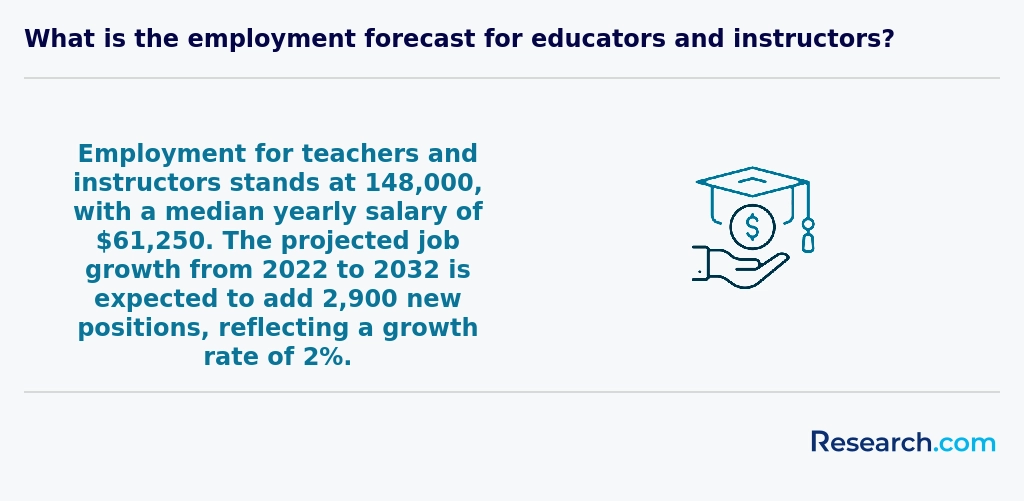
According to the Kansas State Department of Education, demand for special education teachers remains steady, with an estimated 10% growth in employment through 2030.
Joining professional organizations such as the Kansas Council for Exceptional Children can also provide valuable resources and job leads.
Employers in Kansas prioritize several key skills when hiring graduates with online special education degrees. Strong communication abilities are essential, enabling educators to work effectively with students, parents, and multidisciplinary teams. Knowledge of individualized education programs (IEPs) and behavior management strategies is highly valued. According to the Kansas State Department of Education, graduates must also demonstrate adaptability to diverse learning needs and familiarity with assistive technologies.
Data shows that employers seek professionals skilled in collaboration and culturally responsive teaching to meet the state's increasingly diverse student population. Mastery of state-specific laws regarding special education compliance is another critical requirement. These competencies help graduates succeed in Kansas classrooms and support inclusive learning environments.
Finding internships in Kansas related to special education involves connecting with local school districts and educational agencies. Many districts offer practicum and internship placements as part of special education degree requirements. The Kansas State Department of Education (KSDE) website lists district contacts that can be useful for inquiries.
University career centers affiliated with online special education programs often provide resources and partnerships with Kansas schools. Networking through professional organizations such as the Kansas Council for Exceptional Children also helps locate opportunities.
Since Kansas mandates specific practicum hours for special education licensure, securing internships early is advisable. These internships often involve assisting with Individualized Education Programs (IEPs) and supporting students with disabilities in inclusive settings.
An online special education degree in Kansas can significantly improve career mobility and advancement opportunities. According to the Kansas State Department of Education, there is a steady demand for qualified special education teachers, driven by growing awareness and legislative support for inclusive education. Earning an online degree can lead to certification or licensure, which is essential for employment in public schools across the state.
Professionals with this degree often qualify for higher salaries and leadership roles, such as special education coordinators or consultants. The flexibility of online programs also allows working educators to upskill without interrupting their careers.
Data from the Bureau of Labor Statistics shows that special education teachers in Kansas earn a median annual wage near the national average, emphasizing local job viability and advancement potential.
Online special education degree programs in Kansas emphasize interdisciplinary collaboration to prepare graduates for diverse educational settings. Students learn to work closely with professionals such as speech therapists, psychologists, and general education teachers, aligning with Kansas State Department of Education guidelines. This teamwork approach enhances skills in developing individualized education programs (IEPs) tailored to various student needs.
Programs often incorporate coursework on behavior management, communication strategies, and assistive technologies, reflecting the state's focus on inclusive education. According to the Kansas Special Education Services 2023 report, such coordinated efforts contribute to improving outcomes for nearly 45,000 students served statewide.
These degrees equip future educators to navigate multiple disciplines effectively, addressing academic and social challenges faced by students with disabilities in Kansas schools.
When choosing between a thesis and a non-thesis special education degree program in Kansas, consider your career goals and learning preferences. Thesis programs focus on research and require students to complete an original study, which is ideal for those aiming for doctoral studies or research roles. Non-thesis programs emphasize practical skills and coursework, preparing students for direct teaching or administrative positions in special education.
According to the Kansas State Department of Education, demand for special education teachers is expected to grow by 7% through 2029, highlighting the need for qualified professionals with practical experience. Thus, if you prioritize applied knowledge, a non-thesis option may suit you better. However, for a deep dive into educational research or policy work, the thesis path offers valuable analytical skills and scholarly preparation.
Students based in Kansas seeking to study special education abroad through online programs have several options, primarily from U.S. institutions offering international access. Due to licensure requirements, Kansas educators typically choose programs accredited regionally and nationally, such as those approved by the Council for Exceptional Children (CEC) and the Council for the Accreditation of Educator Preparation (CAEP).
Many universities offer fully online special education degrees accessible nationwide, which international students can also join. While physical study abroad is limited by Kansas licensure rules, online programs facilitate global learning experiences without relocation.
The Kansas State Department of Education reports that 13.6% of K-12 students receive special education services. This demand encourages institutions to provide flexible online options, meeting diverse student needs.
In Kansas, part-time job opportunities that align well with a special education degree include teacher assistant roles, paraprofessional support, and tutoring positions. According to the Kansas State Department of Education, paraprofessionals often work directly with students requiring individualized support, complementing the skills learned in special education programs.
Another valuable part-time role is working with nonprofit organizations focused on disability services. These positions provide hands-on experience with diverse learners and strengthen classroom strategies. Additionally, tutoring students with special needs can refine instructional methods and communication skills crucial for special educators.
Such jobs offer practical exposure while studying and enhance employability after graduation.
Online special education students in Kansas have several valuable networking opportunities despite remote learning. Many universities offering these degrees connect students with local schools and districts for practicum experiences, fostering real-world professional relationships.
The Kansas State Department of Education supports special education professionals through events and workshops, which online students can often attend virtually. Joining state-specific organizations like the Kansas Council for Exceptional Children provides access to conferences, seminars, and peer networking.
Additionally, national organizations, such as the Council for Exceptional Children, have Kansas chapters that help online students engage with local practitioners and experts. This multi-level networking supports career growth and collaboration in the field.
Alumni networks provide important benefits for students pursuing online special education degrees in Kansas. They offer access to experienced professionals who understand the local education landscape, which helps current students navigate job markets and licensing requirements specific to Kansas.
Through alumni connections, students can find mentorship and career guidance, which is particularly valuable given Kansas's growing demand for qualified special education teachers. According to the Kansas State Department of Education, the state expects a steady increase in special education needs over the next decade.
Additionally, alumni networks often share job openings in Kansas schools, helping students secure positions after graduation. They also facilitate professional development opportunities, which supports continuous learning and compliance with state education standards.
In Kansas, customizing an online special education degree allows you to align coursework with your career goals. Many programs offer elective courses focusing on specific disabilities, intervention strategies, or inclusive classroom techniques. This flexibility helps tailor learning to roles such as classroom teacher, behavioral specialist, or educational diagnostician.
Additionally, Kansas universities often provide practicum placements within local school districts. These experiences can be chosen based on your interests, fostering practical skills in your preferred area of special education. The Kansas State Department of Education reports over 11,000 students receiving special education services annually, highlighting demand for diverse expertise.
Accredited programs typically support credentialing paths, including the Kansas Initial Teaching License in Special Education.
Online special education students in Kansas face several common challenges. One major issue is limited hands-on experience. Special education requires practical skills in assessing and supporting diverse learners, which can be difficult to gain fully through virtual platforms.
Another challenge relates to technology access and reliability. Rural areas of Kansas often experience lower internet speeds, which may disrupt live classes and online interactions essential for effective learning.
Students also report difficulties in forming meaningful connections with instructors and peers. This can impact mentorship and collaboration opportunities crucial in special education training.
Finally, balancing coursework with work or family obligations is a frequent concern, as many students enroll in online programs while maintaining other responsibilities. According to the Kansas State Department of Education, nearly 15% of students receive special education services, highlighting the demand for well-prepared educators despite these barriers.
With an online special education degree in Kansas, graduates can pursue several professional certifications that enhance their teaching credentials. Most notably, Kansas offers the Special Education Teaching License, which allows educators to work with students who have disabilities from ages 3 through 21.
Additionally, teachers may seek the English as a Second Language (ESL) endorsement to better support diverse learners. The Kansas State Department of Education outlines requirements, including passing specific exams such as the Praxis Special Education test.
National certifications, like the Certified Special Education Teacher (CSET) from the Council for Exceptional Children, are also valued in Kansas. These certifications can improve job prospects and demonstrate expertise in special education.
To write a winning application for an online special education program in Kansas, start by thoroughly researching program requirements and tailoring your materials accordingly. Emphasize your commitment to supporting students with disabilities, highlighting any relevant experience or volunteer work. Kansas values demonstrated understanding of state-specific special education laws under the Kansas State Department of Education.
Include clear, concise personal statements explaining your motivation and goals in special education. Strong letters of recommendation from educators or supervisors familiar with your skills greatly enhance your application. Additionally, maintain updated transcripts, as competitive programs often require a minimum GPA of 3.0 or higher.
Lastly, prepare to meet any standardized testing requirements promptly, and submit all materials before deadlines to increase your chances of admission.
Special education careers in the United States, including Kansas, reflect a growing global emphasis on inclusive education. Worldwide, educators focus on adapting teaching methods to diverse learner needs, a priority echoed in US policies and degree programs.
In Kansas, about 14% of public school students receive special education services, according to the Kansas State Department of Education (KSDE). This reflects a national trend stressing individualized support.
Globally, special education professionals are valued for their role in promoting equity and access. US degrees often incorporate these international perspectives, preparing graduates to meet evolving educational challenges both locally and abroad.
Gaining practical experience is essential when pursuing an online special education degree in Kansas. Most accredited programs require fieldwork or student teaching in local schools. Kansas universities often collaborate with nearby districts to arrange these placements, allowing students to apply theories in real classrooms.
Additionally, students can participate in internships or volunteer opportunities with organizations serving individuals with disabilities. These experiences help build essential skills and professional networks.
The Kansas State Department of Education mandates practical training hours for special education certification, typically around 12 to 15 weeks of supervised practice. This ensures graduates are well-prepared for diverse classroom environments.
Choosing the right concentration within an online special education degree program in Kansas involves understanding your career goals and the specific needs of the state's student population. Kansas serves approximately 13% of its public school students under special education services, according to the Kansas State Department of Education (KSDE).
Popular concentrations include autism spectrum disorders, learning disabilities, and emotional or behavioral disorders. Selecting a focus aligned with current demand can improve job prospects, as areas like autism support show rising need nationwide.
Additionally, verify that the program's curriculum aligns with Kansas licensure requirements. The KSDE mandates targeted training in certain disabilities to qualify for special education teaching licenses.
Review each program's opportunities for practical experience and whether they offer specialization certificates recognized by Kansas schools.
- 2027 Easiest Online Special Education Degree Programs Ranking in Missouri
- 2027 Easiest Online Special Education Degree Programs Ranking in Colorado
- 2027 Easiest Online Special Education Degree Programs Ranking in Minnesota
- 2027 Easiest Online Special Education Degree Programs Ranking in Kentucky
- 2027 Easiest Online Special Education Degree Programs Ranking in Michigan
- 2027 Easiest Online Special Education Degree Programs Ranking in Georgia
- 2027 Easiest Online Special Education Degree Programs Ranking in Ohio
- 2027 Easiest Online Special Education Degree Programs Ranking in North Carolina
- 2027 Easiest Online Special Education Degree Programs Ranking in Virginia
- 2027 Easiest Online Special Education Degree Programs Ranking in Arizona
- Why Special Education Teachers Need a Big Support Network https://www.weareteachers.com/special-education-support-network/
- Reimagining Inclusion with Positive Niche Construction https://andrewgael.com/2016/03/07/reimagining-inclusion-with-positive-niche-construction/
- Teaching Job Roles | Teach For Life https://www.teachforlife.com/teachingjobs/global-perspectives-teacher
- Organizations for Special Education Teachers https://teach.com/resources/special-education-organizations/
- How to strengthen your school’s network by integrating alumni | Edusign https://edusign.com/blog/how-to-strengthen-your-schools-network-by-integrating-alumni
- Education & Training - Kansas.gov https://portal.kansas.gov/services/education-and-training/
- Educate Kansas Teacher stories https://educatekansas.org/become-a-teacher/paths-to-certifications/
- Inclusive, Thriving Learning for Students with Special Education Needs https://www.nextgenlearning.org/articles/inclusive-thriving-learning-environments-for-students-with-special-education-needs
- Access and Success for All Students https://familiestogetherinc.org/access-and-success-for-all-students/
- What can You Do with a Special Education Degree? - Graduate Programs for Educators https://www.graduateprogram.org/blog/what-can-you-do-with-a-special-education-degree/