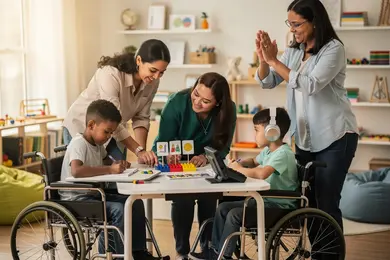
2027 Best Online Special Education Degree Programs Ranking in St. Paul, MN

Co-Founder and Chief Data Scientist
For students in St. Paul seeking to advance their careers in special education, choosing the right online degree program is an important step. This article introduces the 2027 Best Online Special Education Degree Programs Ranking in St. Paul, MN, developed by the Research.com team of data scientists.
The ranking helps you easily identify programs that combine quality education and flexibility, making your decision more informed and confident.
By exploring top programs, you can find opportunities to grow professionally and make a meaningful impact in special education.
Key benefits of getting online special education degree in St. Paul
- Special education graduates in the US typically earn an average salary around $61,000 annually, reflecting rewarding pay for those dedicated to making a difference in students' lives.
- A graduate from St. Paul's University of St. Thomas might pursue careers as special education teachers, instructional coordinators, or education consultants, offering diverse paths to impact local communities.
- Online special education degrees from institutions like St. Catherine University allow flexibility to balance work and studies, making education more accessible without sacrificing quality or connection.
- 2027 Best Online Special Education Degree Programs Ranking in St. Paul, MN
- What can I expect from online special education degree in St. Paul?
- Where can I work with online special education degree in St. Paul?
What can I expect from online special education degree in St. Paul?
The average cost of pursuing an online special education degree in St. Paul typically ranges between $15,000 and $30,000, depending on the institution and program length. For many students at popular universities such as Hamline University or St. Catherine University, this investment leads to invaluable hands-on experiences through local student-teaching placements in St. Paul public schools. Graduates often speak about the confidence they gained working directly in diverse classrooms, applying inclusive strategies to support students with disabilities.
These programs expertly balance affordability with high-quality instruction, offering flexible online coursework that fits around busy schedules. Students appreciate being able to study after work or family time, keeping momentum while managing life's demands. Financial aid and state grants further ease the cost burden, empowering candidates to pursue their teaching dreams without overwhelming debt.
Many graduates celebrate not just the skills and certification they earn but also the joy of contributing to Minnesota's vibrant, inclusive educational community. This path opens doors to a rewarding career where every lesson is a step toward meaningful change.
Where can I work with online special education degree in St. Paul?
Graduates from online special education programs at top St. Paul institutions often find rewarding careers within public school districts like Saint Paul Public Schools, where they support diverse learners, including those with autism and emotional challenges. Many describe the joy of helping students reach milestones and thrive in inclusive classrooms.
Private and charter schools in St. Paul also welcome special education teachers, offering more intimate classroom settings where educators can apply the evidence-based techniques they mastered during their studies. Alumni frequently share how these environments foster meaningful connections and innovative teaching moments.
Early childhood programs and preschools in St. Paul present exciting opportunities as well, with graduates supporting young children's development alongside families and local agencies. This nurturing work brings personal fulfillment through witnessing children's growth firsthand.
Others pursue roles in nonprofits or state vocational services, championing individual empowerment and independence. Many grads express pride in guiding youth through transition phases to adulthood, knowing their expertise makes a profound difference every day.
Graduates with an online special education degree in St. Paul can look forward to rewarding career opportunities with competitive salaries. Many alumni from well-regarded institutions like the University of St. Thomas or Hamline University share how starting salaries typically range from $45,000 to $55,000, providing a strong foundation for financial stability while making a meaningful impact in classrooms and communities.
As you gain experience and take on leadership roles, such as becoming an educational coordinator or specialist, your earnings can grow to $75,000 or more annually. This progression reflects not just increased income but also the respect and influence you earn in your profession, shaping the future for students with special needs in the Minneapolis-St. Paul area.
Studying special education locally also means access to valuable networks and resources that help graduates advance their careers. Many find joy in knowing their work supports inclusive education, and their salaries match the dedication and skill they invest every day.
- Online special education degrees in St. Paul can be completed fully online and include coursework in educational psychology, instructional strategies, and special education law.
- Bachelor's programs cost between $20,000 and $40,000, while graduate programs range from $10,000 to $30,000, covering tuition and fees but possibly excluding materials or practicum expenses.
- Employment for special education teachers in St. Paul is projected to grow by about 6% over the next decade, matching the national average.
- Starting salaries for new graduates are typically $45,000 to $50,000 annually, with experienced teachers earning $60,000 to $75,000 or more.
- Minnesota licensure requires completion of teacher preparation programs and passing exams, and many online degrees include supervised teaching experiences aligned with state standards.
Completing an online special education degree in St. Paul is an exciting journey that fits your busy life. Many graduates from popular schools like the University of St. Thomas or Hamline University share how they finished their bachelor's degree in about four years of full-time study, while others accelerated their path by transferring credits or taking summer classes, finishing in as little as three years.
For those pursuing a master's degree, the typical timeline ranges between 1.5 and 3 years. Local programs understand your commitments and offer flexible part-time or evening options to help balance work and study. Graduates often express how the tailored online courses made advancing their skills manageable and rewarding.
Accelerated programs also provide a wonderful option, allowing licensed teachers to complete degrees in roughly one year. Hands-on experiences like student teaching are conveniently arranged in your local schools, making the process practical and deeply fulfilling for future special educators in St. Paul.
Choosing between online and on-campus special education degrees in St. Paul means embracing a path that truly fits your lifestyle and dreams. Many graduates from local universities find online programs empowering because they offer unmatched flexibility-perfect for balancing family, work, or other commitments. Imagine completing coursework on your own schedule, engaging through interactive video lectures, and joining lively discussion boards that spark creativity and connection from home.
On the other hand, those who cherish face-to-face interaction thrive in on-campus programs offered by St. Paul's well-known colleges. These graduates often share how direct access to expert faculty and vibrant campus resources enriches their learning and builds lifelong networks. Picture yourself working hands-on in state-of-the-art labs or tutoring centers alongside passionate peers who inspire and challenge you.
No matter the path, both formats include vital local student teaching placements, ensuring you gain valuable real-world experience with children who have disabilities. This hands-on practice, required for licensure by Minnesota's PELSB, shapes confident, compassionate educators ready to make a difference.
The average cost of an online special education degree in St. Paul typically centers around $23,370, making this an accessible path for those passionate about making a difference in the lives of students with special needs. Many graduates from the University of Minnesota - Twin Cities and other local institutions share how affordable tuition combined with flexible online formats empowered them to advance their careers while balancing work and family life. This median figure reflects a practical investment that can lead to a fulfilling profession in special education.
When considering tuition and fees for special education degree online Minnesota residents often enjoy additional savings through in-state tuition rates, helping them minimize debt while studying at prestigious public universities. Bachelor's degree programs, with their extensive credit hours, generally range between $25,000 and $50,000 but remain a robust foundation for career growth. Master's programs, typically requiring fewer credits, offer focused training at a cost often between $10,000 and $25,000, which past students highlight as a worthy investment in their future.
Financial aid opportunities and scholarships available at local universities make these programs even more attainable. Many graduates emphasize how such support turned their dreams of becoming educators into reality, inspiring them to impact students' lives. For those curious about career possibilities after earning their degree, exploring options through resources like bachelor degree in special ed jobs can illuminate exciting pathways forward.
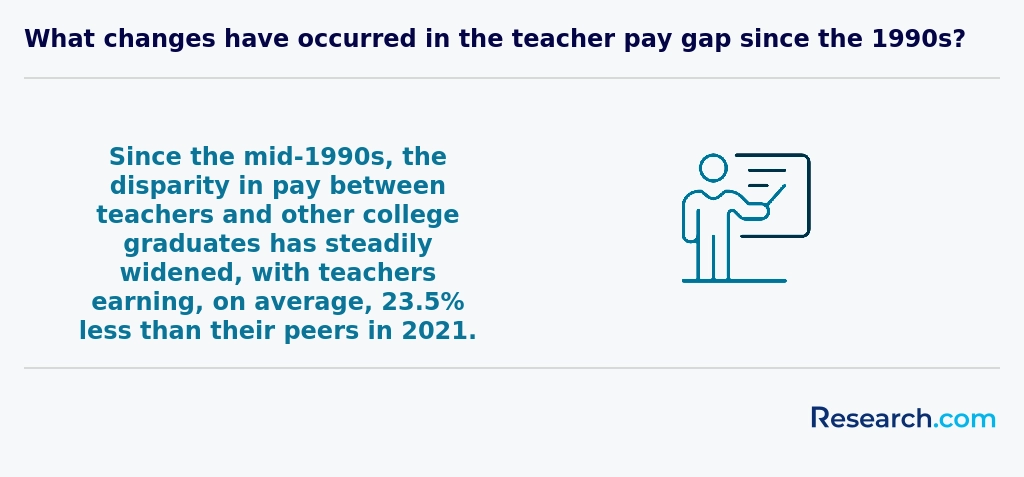
Students pursuing an online special education degree in St. Paul are often thrilled to discover a variety of financial aid options that make their dreams more attainable. Graduates from well-known institutions like Hamline University and the University of St. Thomas recall how federal aid through FAFSA opened doors to essential grants and low-interest loans, easing the financial pressure.
State aid in Minnesota is another powerful support, with programs like the Minnesota State Grant providing need-based awards that many students have found to be a game-changer. St. Paul learners have shared how this funding helped them focus on their studies instead of worrying about tuition costs.
Institutional scholarships from these universities add another layer of encouragement, with awards tailored for education majors passionate about impacting Minnesota's schools. Some recipients even speak of specialized scholarships from professional groups such as the Council for Exceptional Children that further fueled their journey.
Together, these financial resources inspire many aspiring teachers to confidently pursue their calling in special education right from the heart of St. Paul.
To embark on a rewarding journey in special education through online programs in St. Paul, candidates often start with a high school diploma or equivalent, laying a strong foundation for future success. Graduates from local universities recall how completing general education courses prepared them well for specialized classes, building confidence with each step.
For those pursuing advanced degrees, having a bachelor's degree from an accredited institution is key. Many have found that holding a teaching license or hands-on experience in classrooms makes the transition smoother and enriches their learning, creating a deeper connection with their future students.
Standardized tests like the GRE may be requested by some Minnesota programs, yet many graduates appreciate the increasingly flexible admissions, which emphasize passion and dedication over just scores. Letters of recommendation and personal statements showcase the real stories behind each applicant's motivation, bringing hope and warmth to their application process.
Background checks affirm a commitment to safety and trust-an essential step embraced by those eager to make a meaningful impact in St. Paul's inclusive education community.
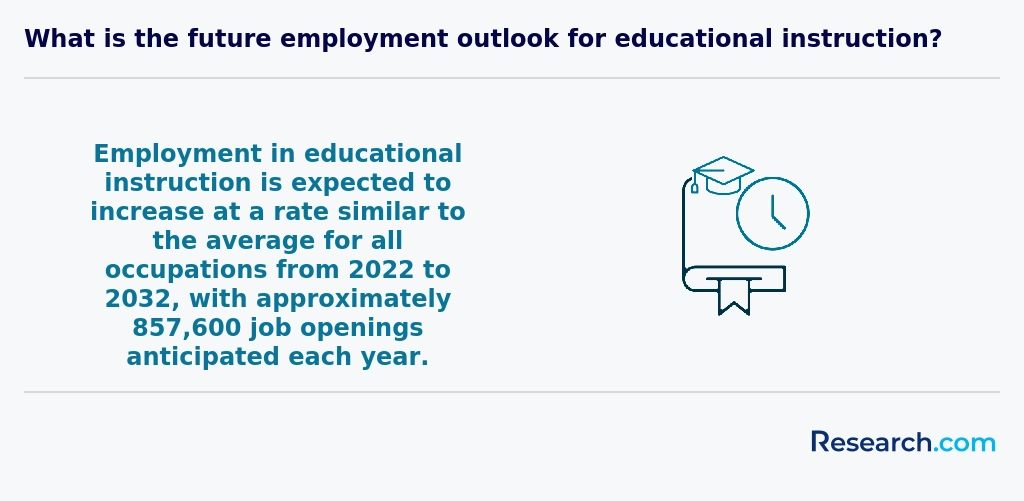
Online special education degree programs in St. Paul offer courses that truly empower future educators to make a meaningful difference. Graduates from local universities speak warmly of classes like Foundations of Special Education, which open eyes to the rich history and essential theories behind supporting diverse learners. They recall how learning Assessment and Evaluation Techniques gave them confidence to craft effective Individualized Education Programs (IEPs) tailored to real student needs.
Courses on Behavior Management Strategies prepare students to nurture positive classroom environments, while Instructional Methods teach creative ways to engage learners with cognitive, physical, or emotional challenges. Many students find Collaborative Partnership Skills especially inspiring, as they learn to foster strong relationships with families and fellow educators, creating a supportive network around each child.
In addition, programs in places like St. Paul integrate practical experiences through virtual practicums, letting students develop hands-on expertise. This blend of legal knowledge, technology use, and compassionate teaching equips graduates to thrive in Minnesota's inclusive school systems and champion every student's success.
Online special education degree programs in St. Paul offer a variety of inspiring specializations designed to empower future educators. Popular colleges in the area provide focused tracks such as Autism Spectrum Disorder, where graduates share how tailored strategies have made a real difference in students' lives. Another vital specialization is Early Childhood Special Education, which prepares teachers to support young learners' critical developmental milestones with compassion and creativity.
Many students pursuing online special education degree specializations St. Paul MN highlight training in Learning Disabilities and Behavioral Disorders, equipping them with effective tools to nurture students facing these challenges. Intellectual Disabilities and Inclusive Education are also key areas, encouraging educators to create welcoming classrooms where every child can thrive alongside their peers. Graduates from St. Paul's programs often report feeling ready and motivated to impact their communities positively.
For those inspired to deepen their career focus with flexible options, programs like the fastest special education graduate certification online offer swift pathways to advance skills while staying rooted in St. Paul's vibrant education landscape.
Choosing the best online special education degree in St. Paul means focusing on programs that offer both quality and relevance. Graduates from well-known colleges in the area often share how accredited programs, especially those aligned with Minnesota's licensure requirements, gave them confidence to succeed in their teaching careers. Imagine yourself learning from faculty who bring real classroom experiences and tailored support, enhancing your ability to serve diverse learners.
Many students appreciate the flexibility that online options provide, especially when programs offer a mix of asynchronous learning and local hands-on experiences, perfect for balancing work and study in St. Paul. Affordable special education programs St. Paul Minnesota residents trust usually range between $7,000 and $15,000 annually, making it possible to pursue your passion without overwhelming costs. Exploring financial aid opportunities can lighten the journey even more.
For those seeking inspiration and detailed program comparisons, visiting a resource like top rated online special education master's options can open doors to programs that truly fit your goals and lifestyle.
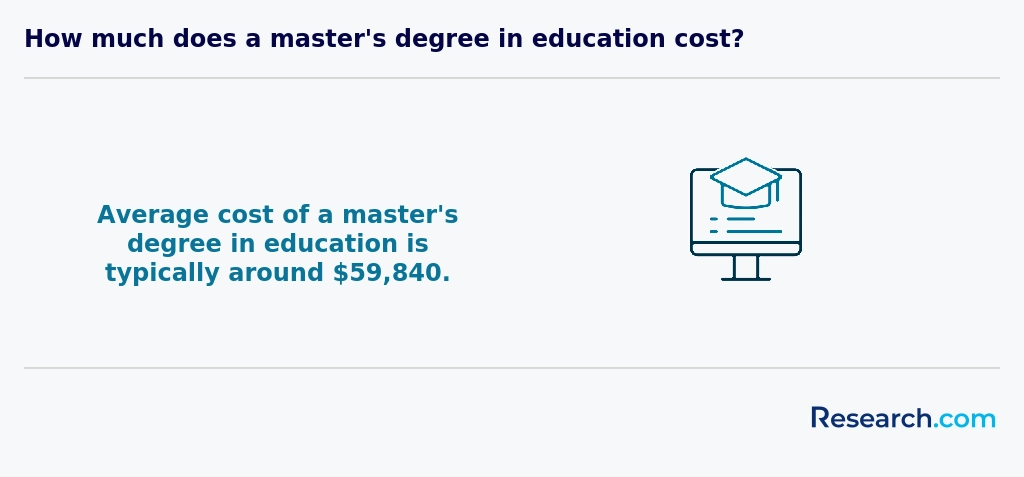
An online special education degree in St. Paul opens doors to fulfilling careers that make a real difference. Graduates from popular colleges in the area often find rewarding roles as Special Education Teachers, where they support students with diverse learning challenges. Many have shared how working closely with children to help them thrive brings deep satisfaction and personal growth.
Beyond teaching, exciting options include becoming Behavioral Specialists, Educational Diagnosticians, or Speech and Language Assistants-each playing a crucial role in shaping a student's educational journey. Instructional Coordinators and Advocates also provide essential support, ensuring that schools and families comply with laws like IDEA. For those wondering what are the responsibilities of a special education teacher, these careers offer a wide variety of impactful tasks that enrich both the student and community experience.
With special education careers in St. Paul MN growing, online special education jobs St. Paul graduates pursue truly reflect a commitment to inclusivity and tailored learning. Many alumni from well-known St. Paul universities speak proudly of the positive changes they've helped create in classrooms and beyond.
The job market for online special education degree holders in St. Paul is vibrant and expanding, offering strong career potential for graduates from well-regarded local institutions. Those who have earned their degrees from popular colleges in St. Paul often share how rewarding it is to find fulfilling special education jobs in St. Paul MN, especially in public schools where the need for skilled teachers continues to grow. Schools actively seek professionals ready to support students with disabilities, creating an environment ripe with opportunity.
Graduates frequently speak about their smooth transitions into roles within early intervention programs or nonprofit organizations, emphasizing the meaningful impact they have on their communities. The supportive framework in St. Paul allows new teachers to apply their expertise confidently, whether working directly with students or through educational consulting. Those exploring career options can benefit from understanding what is eds degree and how it broadens their qualifications.
With the growing demand and competitive salaries in the region, pursuing an online degree here is a smart choice for anyone dedicated to making a difference through special education career opportunities St. Paul MN. The positive experiences of local graduates highlight the exciting prospects awaiting new professionals eager to inspire and support students with special needs.
2027 Best Online Special Education Degree Programs Ranking in St. Paul, MN
Investing in your education is a significant decision that can shape your future, and the Research.com team understands the importance of making informed choices. To assist prospective students in St. Paul, MN, we have meticulously crafted the "2027 Best Online Special Education Degree Programs Ranking in St. Paul, MN." Our commitment to quality, credibility, and accuracy is reflected in the extensive research and analysis conducted to compile this ranking.
We utilized the following reputable data sources to ensure a comprehensive evaluation of special education programs:
By exploring this ranking, readers will gain valuable insights into the best online special education degree programs available in St. Paul, MN, empowering them to make well-informed decisions about their educational journey. For more details on our methodology, please visit our Research.com methodology page.
# 1 position
Bethel University, Minnesota
Master of Special Education
# 2 position
Bethel University, Minnesota
Bachelor of Special Education
# 3 position
Concordia University, St. Paul
Master of Special Education with Emotional/Behavioral Disorders (EBD) Endorsement

Frequently Asked Questions About special education
Students pursuing online special education degrees in St. Paul can enhance their learning by actively engaging with course materials and participating in virtual discussions. Research shows that the Minnesota Department of Education supports accessible resources tailored to local educational standards.
Utilizing local practicum opportunities in St. Paul schools can provide invaluable hands-on experience. These real-world settings allow students to apply theory to practice under supervision.
Additionally, leveraging online platforms that offer collaboration tools helps build networks with peers and instructors, fostering a sense of community despite remote study.
Finally, staying informed about statewide regulations and special education policies in Minnesota ensures students remain current with professional expectations.
Emerging niches within the special education field reflect growing needs and technological advances. One key area is the integration of assistive technology to support students with disabilities. This includes devices and software tailored to enhance learning and communication.
Another niche gaining importance is trauma-informed special education, focusing on students affected by adverse experiences. Educators trained in this approach create safer, more supportive learning environments.
Behavioral intervention specialists are also in demand, particularly in St. Paul, where school districts report an increased need for experts who develop strategies addressing challenging behaviors. According to the Minnesota Department of Education, demand for specialized services has increased by 7% in recent years.
After completing an online special education degree in St. Paul, prepare for the job market by obtaining proper licensure through the Minnesota Professional Educator Licensing and Standards Board. Passing required exams, such as the Minnesota Teacher Licensure Exams (MTLE), is essential. Networking with local school districts in the St. Paul area can increase employment opportunities, as the demand for special education teachers is expected to grow by 7% nationwide through 2031 (U.S. Bureau of Labor Statistics).
Gaining classroom experience via student teaching placements or internships in St. Paul schools helps build practical skills valued by employers. Additionally, joining professional organizations like the Minnesota Council for Exceptional Children supports career development.
Employers in St. Paul seeking graduates with online special education degrees prioritize several key skills essential for effective teaching and student support. Strong communication is critical, as educators must collaborate with students, families, and multidisciplinary teams. Employers also value proficiency in Individualized Education Program (IEP) development and implementation, ensuring tailored learning strategies. Classroom management skills are important for maintaining a productive environment for diverse learners. Additionally, adaptability and cultural competence are emphasized, reflecting St. Paul's growing diversity. According to the Minnesota Department of Education, these skills directly impact student success and employment opportunities in local school districts.
Finding internships in St. Paul relevant to a special education degree involves several strategic steps. Start by contacting local school districts such as Saint Paul Public Schools, which often offer placements for special education students. These internships provide practical experience working with diverse student populations.
Additionally, explore partnerships between universities and community organizations focused on special education. Programs like PACER Center can also connect students with internship opportunities that focus on advocacy and support for children with disabilities.
National databases such as Handshake are valuable for finding paid internships in education. Networking at local education conferences or job fairs in St. Paul can increase exposure to available positions.
An online special education degree in St. Paul significantly enhances career mobility and advancement within the local education sector. According to the Minnesota Department of Education, special education teachers with advanced credentials tend to access higher-paying positions and leadership roles more rapidly. Online programs often provide flexible pacing, allowing working professionals in St. Paul to upskill without leaving their jobs.
Many St. Paul school districts prioritize candidates with specialized training, increasing job prospects for those holding an online degree in special education. Data also suggests that educators who pursue continuous professional development, such as online graduate degrees, experience a wage increase of up to 15% over five years. This trend underscores the value of accredited online education in achieving long-term career growth.
Studying for a special education degree in St. Paul equips students with skills essential for interdisciplinary collaboration. Programs emphasize working alongside general educators, therapists, and counselors to support students with diverse needs. According to the Minnesota Department of Education, schools increasingly require special educators to coordinate with professionals across multiple disciplines to design effective learning plans.
Many online programs in St. Paul integrate coursework on communication, assessment, and individualized instruction strategies, preparing graduates to engage in team-based problem-solving. This approach reflects national best practices endorsed by the Council for Exceptional Children, emphasizing cross-disciplinary knowledge to improve student outcomes.
Students also gain familiarity with legal frameworks, such as IDEA, which mandate cooperative educational planning. This foundation enables special educators in St. Paul to fluidly participate in teams addressing behavioral, medical, and academic challenges faced by students.
Choosing between a thesis and a non-thesis special education degree program in St. Paul depends on your career goals and learning preferences. Thesis programs typically require original research, appealing to students interested in academic careers or doctoral studies. These programs can develop strong analytical and writing skills.
Non-thesis options focus more on coursework and practical experience, suitable for professionals aiming to work directly in schools or agencies. According to the Minnesota Department of Education, special education roles in St. Paul often prioritize hands-on skills and certifications over research experience.
Consider your time commitment; thesis programs usually take longer due to the research component. Evaluate your interest in research versus applied practice to decide which path aligns best with your professional aspirations.
Students based in St. Paul interested in studying special education abroad face limited direct options due to the U.S. higher education system's structure and accreditation requirements. Most universities offering online special education degrees, including those recognized by Minnesota education boards, are U.S.-based. Currently, few foreign institutions provide accredited online special education programs accessible to St. Paul residents that meet local licensure standards.
To pursue international special education studies, students often enroll in U.S. universities with global partnerships or study abroad programs that include relevant coursework. Minnesota's Department of Education emphasizes accreditation by bodies such as CAEP, which is rare among international providers.
Therefore, St. Paul students typically focus on reputable U.S. programs with strong online delivery when seeking quality special education degrees, ensuring compliance with state certification regulations.
Students pursuing online special education degrees in St. Paul can enhance their learning by engaging in part-time jobs related to their field. Positions such as teacher assistants or paraprofessionals in local public schools provide practical experience working with students with disabilities. According to the Minnesota Department of Education, St. Paul schools employ numerous paraprofessionals, reflecting strong demand.
Another option includes roles in after-school programs or community centers, where students can support social and educational development. Many organizations seek individuals trained in special education principles to assist with tailored activities.
Additionally, tutoring services for children with learning differences offer flexible opportunities, aligned with coursework. These jobs help students apply theoretical knowledge practically, strengthening skills in communication and individualized instruction.
Online special education students in St. Paul benefit from a variety of networking opportunities despite the virtual format. Local universities and colleges often organize virtual workshops, webinars, and alumni events tailored to special education professionals. These events facilitate connections with peers and experienced educators across Minnesota.
The Minnesota Council for Exceptional Children (CEC) offers memberships and regular meetings that provide critical networking for special education students and professionals alike. Participation in such organizations helps students engage with local policy updates and best practices.
Additionally, St. Paul's public school districts frequently partner with online programs to offer field placements and mentoring opportunities, fostering direct professional relationships within the community.
Alumni networks provide valuable support for online special education degree students in St. Paul by fostering connections with experienced professionals. These networks offer mentorship opportunities, helping current students navigate career paths in special education, a field requiring both knowledge and practical skills.
According to the Minnesota Department of Education, collaboration and professional guidance significantly impact job placement and retention rates in special education roles statewide.
Through networking events and online platforms, students access resources such as job openings, workshops, and continuing education. Engaging with alumni also helps students stay informed about local policies and trends affecting special education in St. Paul.
This ongoing professional community enhances both learning and career success.
Customizing your online special education degree program in St. Paul allows you to align your studies with specific career goals. Many programs offer flexible course selections, enabling you to focus on areas such as autism spectrum disorders, behavioral intervention, or learning disabilities. Additionally, some institutions provide opportunities for specialized certifications, which can enhance your qualifications for roles in school districts across Minnesota.
Local licensure requirements also shape customization. The Minnesota Department of Education requires educators to complete distinct licensure areas depending on their intended specialization within special education. Online programs often incorporate these requirements, helping you prepare directly for state certification exams.
Furthermore, St. Paul's educational landscape includes partnerships between colleges and local schools, offering practicum placements that fit your interests. These real-world experiences are crucial for applying theory to practice and enhancing your resume.
Online special education students in St. Paul face unique challenges related to practical experience requirements. Special education programs often mandate hands-on fieldwork or student teaching, which can be difficult to arrange remotely. Additionally, students must adapt to technology-based learning, which can interfere with engagement and communication, especially when supporting students with diverse disabilities.
Access to local resources is another issue; students may struggle to find appropriate placements or mentors within St. Paul's school districts due to competition or limited availability. According to the Minnesota Department of Education, special education teacher vacancies remain high, indicating both opportunity and challenges in gaining local experience.
Time management and self-motivation are critical, as balancing coursework with personal and professional responsibilities can be taxing in an asynchronous format common to online degrees.
Graduates with an online special education degree in St. Paul can pursue several professional certifications to enhance their careers. One of the most common is the Minnesota teaching license with a special education endorsement, required for public school teachers in the state. This credential enables specialists to work with students who have disabilities across various educational settings.
The Council for Exceptional Children (CEC) offers national certifications such as the Certified Special Education Teacher (CSET), which many St. Paul educators pursue for advanced recognition.
Additional certifications include Board Certified Behavior Analyst (BCBA) for those focusing on behavioral interventions, which aligns with growing regional demand for applied behavior analysis professionals, as noted by the Minnesota Department of Education.
To write a winning application for an online special education program in St. Paul, start by thoroughly researching the programs available in Minnesota. Highlight your motivation for choosing special education, connecting personal experiences or professional goals with the need for skilled educators in the region. According to the Minnesota Department of Education, demand for special educators in St. Paul has grown by 8% in recent years, reflecting local job opportunities.
Ensure your application includes clear evidence of your academic readiness, such as transcripts and relevant certifications. Emphasize any experience working with students with disabilities or involvement in community services.
Personalize your statement of purpose to explain how the program's online format aligns with your schedule and learning style, demonstrating your ability to succeed in remote education. Finally, provide strong letters of recommendation from supervisors or educators familiar with your passion and skills in special education.
Special education careers are increasingly valued worldwide due to a growing awareness of diverse learning needs. In the United States, including St. Paul, Minnesota, there is a strong focus on inclusive education supported by federal laws like IDEA (Individuals with Disabilities Education Act). This legislation promotes access to tailored educational resources for children with disabilities.
Globally, approaches vary, yet many countries look to US practices as benchmarks for special education standards. In St. Paul, the demand for qualified special education professionals is reflectively rising, with the Minnesota Department of Education reporting a 7% increase in special education teaching roles over the past five years.
The integration of technology and online degrees expands opportunities for St. Paul students to engage with global pedagogical trends and best practices, enhancing career prospects in this field.
Gaining practical experience while studying online for a special education degree in St. Paul is essential for career readiness. Many accredited programs in Minnesota require field placements or internships aligned with state licensure standards. These are often coordinated with local schools and special education centers.
Students can secure supervised practicum opportunities through partnerships between online programs and St. Paul Public Schools, which serves over 40,000 students including many with special needs, according to the district's annual report. This hands-on experience allows learners to apply theoretical knowledge in real classrooms.
Additionally, volunteer work or part-time roles in St. Paul's numerous disability support organizations can supplement formal placements. Such experience is beneficial when seeking Minnesota teaching licensure and meeting the Minnesota Board of Teaching requirements for special education certification.
Choosing the right concentration within an online special education degree program in St. Paul depends on your career goals and interests. Special education covers diverse needs, including autism spectrum disorders, learning disabilities, and emotional and behavioral disorders. Understanding these subfields can help guide your decision.
Research from the Minnesota Department of Education shows a high demand in St. Paul for educators skilled in autism interventions and behavioral support. Selecting a concentration aligned with these needs may increase employment opportunities.
Consider also how the concentration aligns with state licensure requirements. St. Paul schools often require specific endorsements, so check if the program offers pathways to meet these criteria.
Finally, evaluate your own strengths and passions. A concentration that matches your interests will support long-term success in special education.
- 10 Tips for Special Education Careers https://newstoryschools.com/blog/10-tips-special-education-careers
- Making sure you're not a bot! https://katalog.ignatianum.edu.pl/bib/702746
- Special Education Courses Online | SEN Online Courses https://www.senteachertraining.com/special-education-course.php
- Organizations for Special Education Teachers https://teach.com/resources/special-education-organizations/
- How to strengthen your school’s network by integrating alumni | Edusign https://edusign.com/blog/how-to-strengthen-your-schools-network-by-integrating-alumni
- Special Education Teacher (Specific Learning Disability) - Saint Paul Public Schools https://bebee.com/us/jobs/special-education-teacher-specific-learning-disability-saint-paul-public-schools-st-paul--lensa-7428_c94ca36c2c595673cbd59f49841151faee6611fa3fa558c578da8e1cf2df7751
- Requesting an initial evaluation to determine if your child is eligible for special education services https://www.disabilityrightsohio.org/letter-writing-requesting-initial-eval
- Global Perspectives on inclusive and special Education: An analysis of International Policy Frameworks https://www.journalijdr.com/global-perspectives-inclusive-and-special-education-analysis-international-policy-frameworks
- What can You Do with a Special Education Degree? - Graduate Programs for Educators https://www.graduateprogram.org/blog/what-can-you-do-with-a-special-education-degree/
- St. Paul Public Schools Undergraduate Pathway to Teaching - Saint Paul Public Schools https://www.spps.org/about/departments/human-resources/educator-development/rap