
2027 Best Online Master's in Special Education Degree Programs Ranking in Missouri

Co-Founder and Chief Data Scientist
Choosing the right online master's in special education can feel overwhelming, especially for students in Missouri looking to make a meaningful impact. This article presents the 2027 Best Online Master's in Special Education Degree Programs Ranking in Missouri, developed by the Research.com team of data scientists.
Our goal is to help you make an informed decision by showcasing quality programs that fit your needs. Earning a special education degree opens rewarding career opportunities and allows you to support diverse learners in powerful ways.
Explore this ranking and take a confident step toward your future in special education.
Key benefits of getting online special education degree in Missouri
- Special education graduates in Missouri can expect competitive salaries, with national averages for related roles often ranging from $45,000 to $60,000 annually, offering a rewarding financial outlook.
- Graduates from universities like the University of Missouri frequently pursue rewarding careers in teaching, counseling, or administration, helping students with diverse learning needs thrive.
- Completing a special education degree online, such as through Lindenwood University's program, provides flexibility and convenience, allowing students to balance work and family while earning their credential.
- 2027 Best Online Master's in Special Education Degree Programs Ranking in Missouri
- What can I expect from online special education degree in Missouri?
- Where can I work with online special education degree in Missouri?
What can I expect from online special education degree in Missouri?
The average cost of an online special education degree in Missouri typically ranges between $15,000 and $30,000, offering an accessible pathway for passionate educators ready to make a difference. Many students at well-known institutions like the University of Missouri or Missouri State University find themselves pleasantly surprised by the competitive tuition, especially when paired with financial aid or scholarships designed for Missouri residents.
Graduates often describe their experience as an exciting blend of theory and real-world application. Imagine juggling virtual classes while completing practicum hours at a nearby school, where you witness firsthand the impact of your growing expertise on students with diverse needs. These hands-on moments, combined with interactive online discussions, make the investment feel truly worthwhile.
This cost allows future teachers to embrace flexible learning without sacrificing quality or licensure goals-a valuable trade-off that prepares them to enter Missouri's expanding special education field with confidence and enthusiasm.
Where can I work with online special education degree in Missouri?
With an online special education degree in Missouri, graduates often find themselves excited to step into diverse career paths across the state's vibrant educational landscape. Many start their journey in public schools-imagine making a real difference in classrooms from Kansas City to St. Louis, working with students who have learning disabilities or autism. Missouri's approved teacher preparation programs at universities like the University of Missouri and Southeast Missouri State University equip graduates to become licensed educators ready to embrace these challenges.
Others explore rewarding roles in early intervention programs, supporting little ones and their families right from birth to age five, often coordinated by local health departments. Picture the joy of helping a toddler take their first steps in communication or mobility!
Some graduates venture beyond K-12, joining private schools or therapy centers, or even shining in charter schools where they tailor individual education plans. Schools like Missouri State University foster this adventurous spirit, encouraging graduates to navigate various settings confidently.
And for those ready to advocate or consult, Missouri offers paths in educational policy and administration, opening doors to influence statewide disability services. The possibilities feel endless when you're equipped with a solid special education degree here.
If you're stepping into the world of special education with an online degree from Missouri, imagine starting your career earning about $37,000 to $42,000 annually as a fresh graduate. Many graduates from popular Missouri universities, like the University of Missouri or Missouri State University, share stories of landing teaching roles in vibrant districts where their passion meets real impact-and their salaries typically align with these figures.
With experience, and especially if you return for a master's degree online, you could see your earnings rise to the $60,000 to $70,000 range. Picture yourself working in bustling districts like St. Louis; the pay might be a bit higher there, reflecting the urban setting's cost of living. These graduates often describe the thrill of knowing their growing qualifications open doors to roles beyond teaching, such as program coordination, where salaries can exceed $75,000.
Missouri's education system even encourages dedication with grant programs and loan forgiveness, adding extra value to your evolving career. For many graduates, this financial journey combines a sense of purpose with promising rewards.
- Missouri requires special education teachers to hold state certification, often included in online degree programs.
- Tuition for online master's programs in special education ranges from $12,000 to $25,000, which is typically below the national average.
- The demand for special education teachers in Missouri is expected to grow by about 6% over the next decade.
- Starting salaries are usually between $40,000 and $45,000, with experienced teachers earning $55,000 to $65,000 annually.
- Programs must be approved by the Missouri Department of Elementary and Secondary Education (DESE) to qualify for certification eligibility.
For those who need a slower pace, part-time study spreads the adventure out over 3 to 4 years, taking only 6 to 9 credit hours a year. One graduate shared how this allowed her to handle both her job and coursework without stress. Others embracing accelerated paths have celebrated finishing in as little as 12 to 18 months, riding the momentum of condensed year-round courses.
Adding a practicum, required by Missouri licensure, gives students hands-on experience that deepens their connection to teaching-sometimes extending the timeline but making the journey even more rewarding and real.
- Flexible scheduling lets you balance work, family and study without relocating
- Curriculum aligned with Missouri DESE licensure standards for seamless certification
- Competitive in-state tuition rates and targeted financial aid options
- Practical field placements in local schools build real-world experience
- Specialized tracks (ASD, early intervention, learning disabilities) to match career goals
- Online peer and faculty networks support collaboration and professional growth
- Pathway to funded doctoral study through fully funded edd programs online
Online learners enjoy incredible flexibility, accessing lectures whenever they want and saving money on housing and commuting. However, they still dive into hands-on practicum experiences locally, so their real-world training is just as rich. On the other hand, on-campus students thrive on direct interaction with peers and professors, building a network that feels immediate and supportive.
Both paths meet Missouri's licensure standards, making sure every graduate is ready to champion students with special needs. The choice boils down to your lifestyle and how you learn best-whether it's the cozy nook of your home or the buzzing atmosphere of campus life.
Curious about the average cost online special education degree Missouri? For many students pursuing this path, the investment can be quite manageable, especially when opting for public universities. Graduates from popular institutions in Missouri often share how in-state tuition, with a median cost around $14,781, made their educational journey possible without overwhelming debt. These programs, typically requiring 30 to 36 credit hours, blend flexibility with affordability, letting students balance studies alongside life's demands.
Out-of-state students might feel a bit more of the financial stretch, with median total costs near $29,484, but even then, the experience many Missouri alumni describe is well worth it-thanks to valuable support services and enriching online coursework. Private college programs, meanwhile, tend to lean toward the higher end of the spectrum, but they still draw eager learners who appreciate the personalized attention and specialized resources they offer for special education careers.
Adding to this, students often mention how Missouri's online platforms help them connect with local communities and schools, making their degrees not only about theory but practical impact. Residents benefit from programs that sometimes offer discounts or scholarships geared toward current educators pursuing endorsements.
For those navigating tuition fees and financial options, hearing from fellow graduates at Missouri colleges can be inspiring. To explore career paths post-degree, check out insights into bachelor degree in special ed jobs, a great complement to understanding program costs and outcomes.
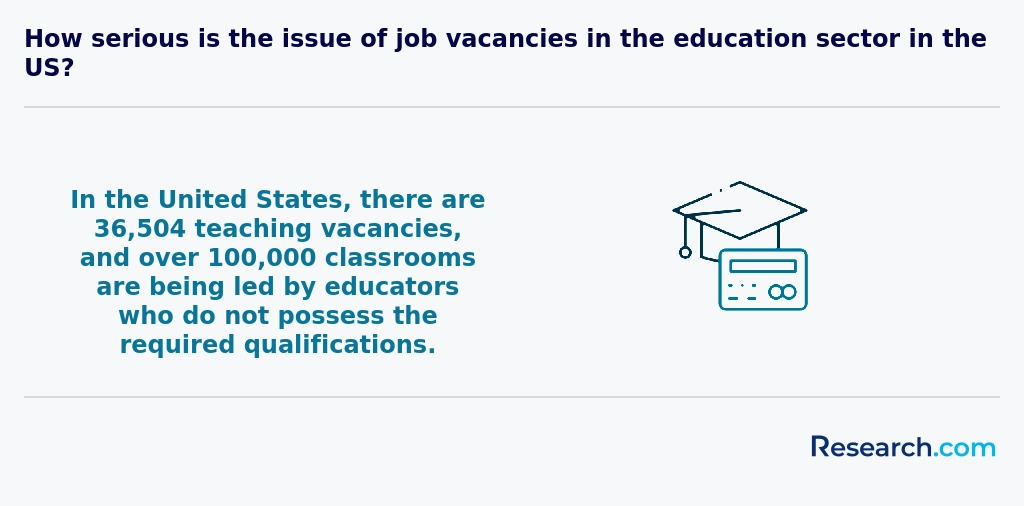
Accreditation ensures your degree meets rigorous standards and qualifies you for Missouri’s special education certification. Look for programs approved by the Missouri Department of Elementary and Secondary Education (DESE) and accredited by bodies such as CAEP or the Council for Exceptional Children.
- Enroll in a DESE-approved online master’s program with CAEP or NCATE accreditation.
- Complete all required coursework, including legal/ethical issues and practicum hours.
- Pass the Missouri Content Assessment or relevant PRAXIS exam for special educators.
- Submit your application and official transcripts to DESE for initial certification.
- Fulfill supervised field experience requirements through local school placements.
- Renew your certification every five years by completing DESE-mandated professional development.
For educators aiming to advance into district leadership or research roles after certification, explore fully funded edd programs online.
Diving into an online special education degree in Missouri unlocks a treasure trove of financial aid opportunities that make the journey not only possible but inspiring. Imagine a graduate from the University of Missouri who accessed federal Direct Unsubsidized Loans-these loans offered fixed interest rates and manageable repayment plans, easing financial stress while focusing on coursework. Alongside loans, the Federal Graduate PLUS Loans help bridge gaps where tuition or fees soar, a relief for those enrolled at Missouri State University balancing studies and family.
Missouri's unique Teacher Corps program acts like a secret passage, granting scholarships and loan forgiveness for those brave enough to teach in high-need areas such as special education. Graduates recall how this aid transformed their ability to commit passionately to classrooms that need them most. The TEACH Grant also stands out-offering up to $4,000 a year for teaching in underserved districts, making a meaningful difference for those stepping into St. Louis Public Schools.
Then there's the magic of Public Service Loan Forgiveness, wiping away remaining debt after 10 years of dedicated service in Missouri's public education system. This powerful incentive encourages many to stay the course, turning their dreams into reality with a lighter burden. Local school districts sometimes throw in tuition reimbursements or bonuses as well, adding extra spark to the pursuit of an impactful career in special education.
Diving into an online special education degree in Missouri means first meeting some key prerequisites that set you on the right path. Imagine a graduate from a well-known Missouri university sharing how completing a bachelor's degree was their launchpad-most programs expect this foundation, ideally with a GPA near 3.0. This ensures you're academically ready to tackle advanced coursework and truly thrive in your studies.
Many students find that having an education background helps, but it's not mandatory. What truly stands out is Missouri's emphasis on practical preparation-graduates often recall their programs requiring supervised internships or clinical experiences that brought classroom theories to life, making learning vibrant and impactful.
Additionally, prospective students embrace the state's requirements like background checks and sometimes standardized tests, although many schools now waive the latter. These steps, although a careful checklist, spark a sense of responsibility and readiness, fueling excitement for the rewarding career ahead in Missouri's growing special education landscape.
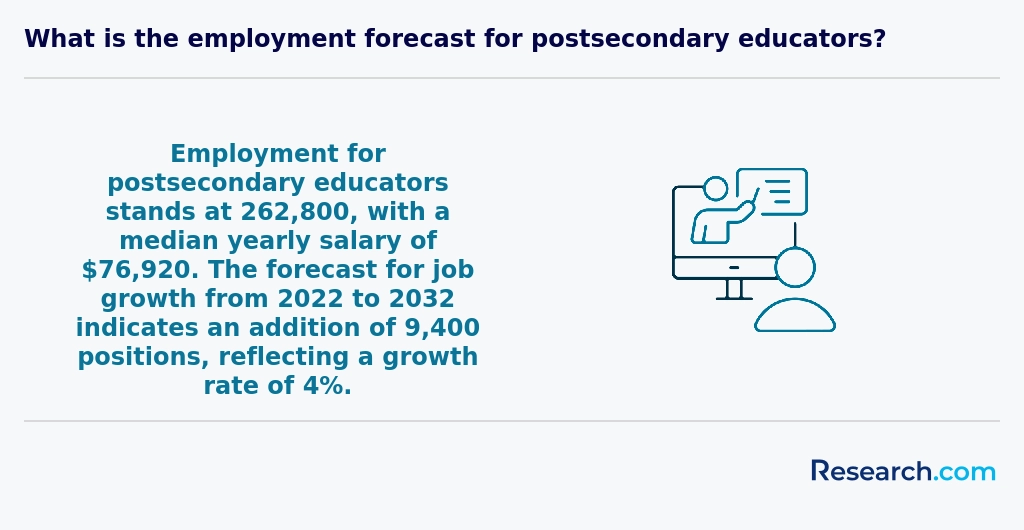
To teach special education in Missouri K–12 public schools, candidates must obtain certification through the Missouri Department of Elementary and Secondary Education (DESE). Key steps include:
- Complete a DESE-approved online master’s or bachelor’s program with required practicum experiences
- Accumulate at least 600 hours of supervised fieldwork in diverse special education settings
- Maintain a minimum GPA (typically 3.0) and submit official transcripts to DESE
- Pass the Praxis Core Academic Skills and Praxis Special Education examinations
- Apply online with DESE, pay the certification fee, and clear a criminal background check
Graduates aiming for leadership or policy roles can further boost their credentials by exploring fully funded edd programs online.
Diving into an online special education degree in Missouri means exploring a rich variety of courses that truly prepare you to make a difference. Graduates from popular institutions like the University of Missouri rave about foundational classes such as Foundations of Special Education, where you unravel the history and legal framework shaping how we support diverse learners. Imagine gaining skills that let you confidently navigate the ethical challenges and rights of students with disabilities.
Courses like Assessment and Evaluation in Special Education equip you with practical tools to identify individual needs, much like graduates who share how this knowledge transformed their ability to tailor lessons. Then there's Instructional Strategies for Diverse Learners, where you discover dynamic, inclusive teaching methods perfect for a Missouri classroom buzzing with variety.
- Behavioral Interventions and Supports teaches ways to calmly manage challenging behavior, a lifeline frequently mentioned by recent alumni
- Collaboration and Consultation helps you connect with families and educators, creating a circle of support around each child's success
Specialized courses delve into disabilities like autism and intellectual delays, offering you hands-on approaches. Online students also engage in research and data analysis, which graduates appreciate for sharpening evidence-based decision-making skills crucial in Missouri's evolving education landscape.
Many share how real-world practicum experiences, required by Missouri programs, solidify classroom learning into genuine confidence-readying you to step into your role knowing you're backed by expertise and heart.
Diving into online special education degree specializations Missouri students discover a variety of focused paths that truly shape their teaching approach. Graduates from universities like the University of Missouri rave about how specializing in Autism Spectrum Disorder (ASD) transformed their ability to create meaningful connections with students, using communication and behavioral strategies tailored to real classroom situations.
Others share fulfilling experiences in Early Childhood Special Education, working with children aged birth to five. These educators celebrate how the hands-on methods taught online empower them to support developmental milestones effectively, reflecting Missouri's growing emphasis on early intervention.
Missouri special education certification options online often highlight Learning Disabilities specialization, where graduates feel equipped to tackle daily challenges faced by students struggling with reading or math. Schools like Missouri State University offer programs that enhance this practical expertise, allowing teachers to adapt creatively.
Emotional and Behavioral Disorders and Multiple Disabilities specializations also excite students eager to meet diverse needs. Exploring further to find the fastest graduate certificate in special education can unlock even quicker routes to expert knowledge and impactful careers.
Choosing the best online special education degree in Missouri feels like embarking on a meaningful journey where your future impact starts to take shape. Graduates who studied at popular Missouri universities often share how accreditation was their compass, ensuring the degree met Missouri's Department of Elementary and Secondary Education standards. Imagine diving into coursework tailored to state licensure requirements, feeling confident that every lesson aligns perfectly with the realities of Missouri classrooms.
Many now recommend searching for affordable special education master's programs Missouri offers, like those from well-known public institutions with competitive tuition. One graduate fondly recalls balancing work and studies through flexible, asynchronous classes that allowed real connections during virtual internships with local schools. This hands-on experience helped transform theory into rewarding real-life strategies.
For an adventurous student eager to explore options, checking out an online master's degree in special education can open doors to detailed program reviews and graduation success stories-perfect for narrowing down the ideal path tailored to your unique goals.
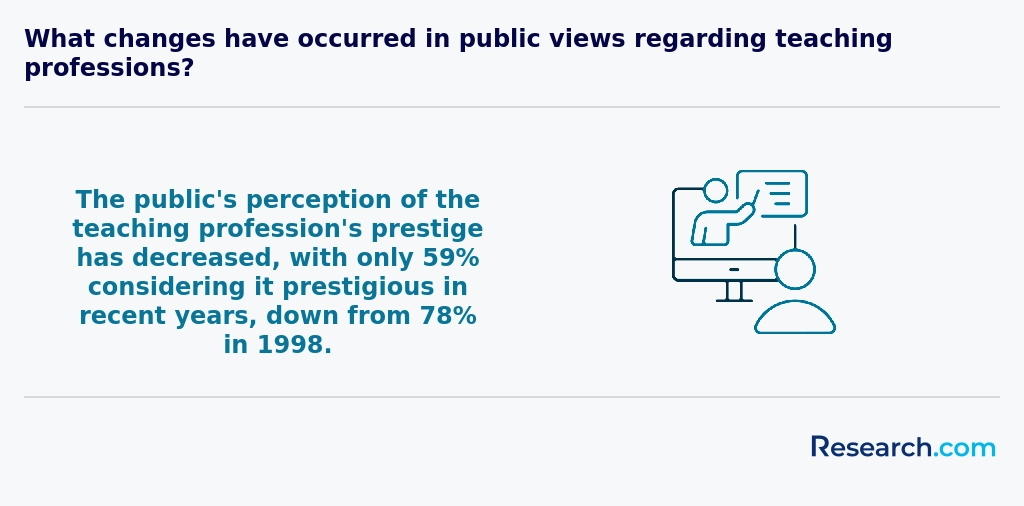
Graduates exploring special education teaching jobs in Missouri often find themselves stepping into rewarding roles such as special education teachers, where they work closely with diverse learners in urban schools or rural districts. Imagine a recent graduate from the University of Missouri excitedly supporting a classroom full of students, crafting lessons tailored to unique needs and fostering inclusion every day.
Others discover paths as behavior intervention specialists or educational diagnosticians, roles that bring the challenge of assessing individual student needs and designing customized education programs. Graduates tell stories of meaningful impacts, especially those from Missouri State University, who navigate complex scenarios to help students thrive.
Many also venture into positions as school counselors or social workers specializing in disabilities, blending empathy and expertise gained through their online special education degree career options Missouri students pursue eagerly. The flexible nature of online learning at institutions like Southeast Missouri State University makes these journeys accessible and adventurous.
For those curious about what it truly means day-to-day, the special education teacher job description reveals a mix of creativity, patience, and dedication-qualities graduates from Missouri colleges embrace with passion.
The online special education job outlook Missouri reveals an exciting horizon for graduates who pursue this path through flexible online programs, such as those offered by popular institutions like the University of Missouri or Missouri State University. Graduates frequently share stories of transitioning smoothly into roles across both urban centers like Kansas City and rural communities craving skilled educators. These stories shine with enthusiasm, as they often describe dynamic classrooms and fulfilling moments supporting students with diverse needs.
Special education careers in Missouri often flourish due to persistent demand amid staffing shortages in underserved areas. Many Missouri graduates appreciate how their online degree prepares them effectively while balancing work and life commitments. The competitive salaries, roughly averaging $57,000 annually, boost motivation and lifestyle improvements significantly.
Exploring what does eds degree stand for reveals even broader opportunities-those with this advanced qualification enhance their expertise and leadership potential, expanding their impact. Considering local schooling requirements and the state's focus on continuing education adds energy for those envisioning a rewarding future in special education.
2027 Best Online Master's in Special Education Degree Programs Ranking in Missouri
Investing in your education is a significant decision that can shape your future, and the Research.com team understands the importance of making informed choices. To assist prospective students, we have meticulously crafted the "2027 Best Online Master's in Special Education Degree Programs Ranking in Missouri." Our commitment to quality, credibility, and accuracy is demonstrated through the extensive research and careful analysis underpinning this ranking.
We utilized the following reputable data sources to ensure a comprehensive evaluation of special education programs:
By exploring this ranking, readers will gain valuable insights into the top online master's programs in special education available in Missouri, enabling informed decisions about their educational journey. For a detailed explanation of our ranking process, please visit our Research.com methodology page.


Frequently Asked Questions About special education
Online special education degree students in Missouri can maximize their learning by actively engaging with course materials and instructors. Missouri requires 24 credit hours for special education licensure, so students should prioritize programs aligned with state standards to ease certification.
Participation in virtual discussions and group projects helps deepen understanding of diverse learning needs and teaching strategies. Missouri's Department of Elementary and Secondary Education highlights the value of practical experience, so seeking local field placements or internships complements online coursework.
Utilizing resources like state education websites and special education organizations supports staying current with Missouri-specific laws and inclusion policies. Time management and consistent study routines also play crucial roles in success for these often working professionals.
The field of special education is rapidly evolving, with several emerging niches gaining importance. One key area is assistive technology integration, which focuses on helping students with disabilities access curriculum through specialized devices and software. This is increasingly relevant in Missouri, where schools are investing in digital tools to support inclusive classrooms, according to the Missouri Department of Elementary and Secondary Education (DESE).
Another emerging niche is behavioral intervention strategies, targeting students with autism spectrum disorder and emotional disturbances. Missouri's rising autism diagnosis rates make this area crucial for educators seeking specialized skills.
Transition planning for students moving from school to adult life is also gaining attention, requiring educators trained in vocational and life skills instruction.
Graduates with an online special education degree in Missouri should start preparing for the job market by obtaining proper state certification. Missouri requires special educators to have a valid teaching certificate, typically earned through completion of an approved program and passing state exams.
Networking is essential; join professional organizations like the Missouri Council for Exceptional Children to connect with employers and stay updated on job openings.
Missouri's Department of Elementary and Secondary Education reports strong demand for special education teachers, with employment projected to grow steadily due to federal mandates and increased student needs.
Internships and substitute teaching can provide valuable classroom experience while applying for full-time roles.
Employers in Missouri highly value special education graduates who demonstrate strong communication skills, both with students and collaborating educators. The ability to develop individualized education plans (IEPs) tailored to diverse learning needs is essential. According to the Missouri Department of Elementary and Secondary Education, proficiency in behavioral intervention strategies is increasingly important due to rising enrollment of students with behavioral challenges.
Further, employers seek candidates skilled in using assistive technology to support student learning. Understanding state and federal special education laws, such as IDEA compliance, is also critical. Missouri schools emphasize teamwork and adaptability, reflecting the collaborative nature of special education roles in the region.
Finding internships in Missouri relevant to a special education degree involves strategic research and networking. Many universities with online special education programs partner directly with local school districts for internship placements. For instance, the Missouri Department of Elementary and Secondary Education (DESE) often supports internship opportunities to meet educator licensing requirements.
Students should also explore internships within public schools across Missouri, as these settings provide practical experience working with diverse student needs. Organizations like the Missouri Council for Exceptional Children offer resources and job boards that may include internship listings.
Networking with faculty advisors and attending virtual education fairs can increase internship prospects. In addition, candidates can check the Missouri Work-Based Learning Coordinators' network for available programs. Some internships offer stipends or fulfill licensure practicum hours, which are essential for certification as a special education teacher in Missouri.
An online special education degree in Missouri can significantly enhance career mobility and advancement for educators. Missouri's Department of Elementary and Secondary Education (DESE) requires certification for special education teachers, often necessitating a master's degree. Obtaining this degree online offers flexibility for working professionals seeking to meet these standards without pausing their careers.
Higher education levels correlate with increased salary potential. According to the Missouri Economic Research and Information Center (MERIC), special education teachers with a master's degree earn on average 15% more than those with only a bachelor's degree.
Moreover, an online degree can open pathways to specialized roles such as behavior specialists or program coordinators that require advanced credentials. The accessibility of accredited online programs also broadens opportunities for educators outside urban areas to pursue credentials recognized statewide.
Online special education degree programs in Missouri equip students with knowledge crucial for interdisciplinary collaboration. These programs emphasize understanding diverse learner needs, fostering teamwork with professionals such as speech therapists, counselors, and general education teachers.
Missouri Department of Elementary and Secondary Education highlights the importance of collaborative strategies in Individualized Education Programs (IEPs), requiring educators to work closely with families and specialists. Through coursework and practical experiences, students develop skills in communication, assessment, and intervention planning.
Graduates are prepared to take on roles that blend educational, psychological, and therapeutic approaches, addressing complex challenges faced by students with disabilities. This interdisciplinary training enhances their effectiveness in Missouri's diverse educational settings.
When choosing between a thesis and a non-thesis special education degree program in Missouri, consider your career goals and learning preferences. A thesis option often emphasizes research skills, suitable if you plan to pursue a doctoral degree or a role involving academic research. In contrast, the non-thesis track typically focuses on applied knowledge and practical experience, fitting for those seeking direct work in schools or administrative positions.
Missouri reports a growing need for special education teachers, with over 9,000 students receiving services statewide as per the Missouri Department of Elementary and Secondary Education (DESE). A thesis may provide deeper insight into specific challenges these students face. However, a non-thesis option can deliver timely, hands-on strategies valuable for classroom settings.
Accreditation and faculty expertise should also guide your decision, ensuring quality education tailored to Missouri's standards. Lastly, consider the time commitment; thesis programs usually take longer due to research requirements.
Students based in Missouri seeking to study special education abroad face several considerations. Most U.S. institutions offering online special education degrees are regionally accredited, ensuring transferability and recognition, which is crucial for licensing in Missouri. While entirely foreign programs specializing in special education exist, they may not align with Missouri's state licensure requirements, which follow standards set by the Missouri Department of Elementary and Secondary Education (DESE).
Missouri has over 40,000 students receiving special education services, emphasizing the importance of accredited programs that meet local needs. Students should prioritize programs recognized by the Council for Exceptional Children (CEC) and those that align with Missouri's teaching certification standards to ensure eligibility for employment within the state.
Currently, Missouri does not have formal agreements facilitating direct credit transfer from international universities in special education, so students should carefully verify program accreditation and state approval before enrolling in foreign online degrees.
Part-time job opportunities in Missouri that complement online special education degrees often involve roles supporting students with disabilities. Many students find work as teacher aides or paraprofessionals in public schools, assisting licensed special education teachers. According to the Missouri Department of Elementary and Secondary Education, paraprofessionals contribute significantly to individualized education programs (IEPs) compliance and student engagement.
Additionally, working as behavioral therapists or ABA (Applied Behavior Analysis) technicians is common, given Missouri's growing focus on autism support services. These jobs provide practical experience with intervention strategies. Some also find roles in after-school programs or community centers, helping children with developmental challenges.
Online special education students in Missouri have access to various networking opportunities that support their academic and professional growth. Many Missouri universities offering online programs encourage participation in virtual student organizations related to special education. These groups provide forums for collaboration, resource sharing, and peer support.
Additionally, students can connect through state professional associations such as the Missouri State Council for Administrators of Special Education (MOSCASE) and the Missouri Council for Exceptional Children (MOCEC). These organizations often host conferences, webinars, and workshops tailored to special educators in Missouri.
Local school districts and education agencies may offer internships or practicum placements, facilitating real-world connections. Access to these resources is vital, given Missouri's consistent demand for qualified special education professionals, as reported by the Missouri Department of Elementary and Secondary Education.
Alumni networks offer valuable benefits for online special education degree students in Missouri by connecting them with experienced professionals across the state. These networks provide access to mentorship, career advice, and job opportunities within Missouri's special education community, which is vital given the state's increasing demand for qualified educators-as reported by the Missouri Department of Elementary and Secondary Education.
Engaging with alumni can help students navigate licensure requirements and stay informed about Missouri-specific special education laws and practices. Additionally, strong alumni connections often facilitate collaboration on best teaching strategies and resources, enhancing a graduate's professional development and integration into the Missouri education system.
Customizing an online special education degree program in Missouri involves selecting courses and specializations that align closely with your career ambitions. Many Missouri institutions offer flexible curricula, allowing students to focus on areas such as autism spectrum disorders, behavior intervention, or early childhood special education.
Advisors often help tailor programs to meet Missouri Department of Elementary and Secondary Education (DESE) certification requirements. This ensures graduates are well-prepared for state licensure, which is essential for teaching special education in public schools.
Some programs also provide options for practicum placements or internships within Missouri school districts, enabling hands-on experience relevant to your desired career path.
According to DESE data, Missouri employs over 10,000 special education teachers, indicating diverse opportunities for specialization and growth.
Online special education students in Missouri often face unique challenges related to both the demands of their program and their specific state requirements. One major hurdle is balancing the rigorous coursework with practicum or fieldwork hours, which must be completed in-person despite most classes being online. Missouri mandates supervised student teaching, which can complicate scheduling for remote learners.
Another challenge is access to reliable technology and internet, especially for students in rural areas where broadband coverage remains limited. According to the Missouri Office of Broadband Development, about 16% of rural Missouri residents lack high-speed internet.
The state's evolving special education policies also require students to stay updated on Missouri's specific teaching standards and laws, such as those enforced by the Missouri Department of Elementary and Secondary Education (DESE). This adds complexity compared to more general online teaching programs.
Finally, building community and networking opportunities can be difficult in an online environment, which is crucial for support and professional growth in special education careers.
With an online special education degree in Missouri, you can pursue several professional certifications that qualify you to work as a special education teacher. The most common certification is the Missouri Initial Special Education Certification, which allows you to teach students with disabilities from kindergarten through high school. This certification requires passing the Missouri Content Assessment for Special Education.
Additionally, Missouri offers endorsements in areas such as behavior analyst and early childhood special education, which can further advance your career. Many graduates also seek certification as a Board Certified Behavior Analyst (BCBA), especially if their coursework aligns with Applied Behavior Analysis.
According to the Missouri Department of Elementary and Secondary Education, demand for qualified special education teachers is growing, with a 7% projected increase in special education job openings through 2028.
To write a winning application for an online special education program in Missouri, start by showcasing your commitment to supporting students with disabilities. Highlight any relevant experience, such as volunteering or working in educational settings. Missouri requires special education teachers to hold a teaching license, so emphasizing your current credentials or plans for certification strengthens your application.
Clearly articulate your career goals and how the program aligns with Missouri's demand for qualified special education professionals. According to the Missouri Department of Elementary and Secondary Education, there is a consistent need for special education teachers statewide.
Be sure to submit well-written essays and strong letters of recommendation from educators or supervisors who can attest to your dedication and skills. Lastly, demonstrate your ability to succeed in an online learning environment by mentioning your time management and technology skills.
Special education careers in the United States, including Missouri, increasingly reflect global awareness about inclusivity and diversity. Internationally, educators emphasize adapting teaching methods to support diverse learners, which aligns with U.S. laws like the Individuals with Disabilities Education Act (IDEA) that mandate individualized support.
Missouri follows federal guidelines but also tailors services to its student population, with about 13% of its K-12 students receiving special education services as reported by the Missouri Department of Elementary and Secondary Education (DESE). This mirrors trends in many developed countries focusing on equitable access to education.
Globally, special education professionals often collaborate through research and policy efforts, influencing best practices. Obtaining an online degree in Missouri can prepare candidates to engage in this evolving, internationally informed field while addressing local needs.
Gaining practical experience while pursuing an online special education degree in Missouri is essential for developing effective teaching skills. Many programs require students to complete fieldwork or practicum hours in local schools. These placements provide hands-on experience working with students who have diverse learning needs.
Missouri's Department of Elementary and Secondary Education (DESE) sets specific guidelines for student teaching hours, which typically range from 12 to 16 weeks. Online students often coordinate with nearby schools to fulfill these requirements.
In addition, some universities partner with Missouri school districts to offer supervised internships, allowing students to apply theory in real classroom settings. This practical approach supports licensure and better prepares candidates for certification exams.
Choosing the right concentration in an online special education degree program in Missouri requires understanding state needs and personal career goals. Missouri schools serve nearly 120,000 students with disabilities, emphasizing demand for teachers trained in areas like Autism Spectrum Disorders, Emotional and Behavioral Disorders, and Intellectual Disabilities (Missouri Department of Elementary and Secondary Education, 2023).
Consider which population you feel most passionate about supporting, as special education licenses in Missouri often specify age ranges or disability categories. Review if program concentrations align with Missouri's licensure requirements, available through the Missouri DESE website.
Look for programs that combine theoretical knowledge with practical skills through field experiences close to you. Also, evaluate graduate outcomes, such as job placement rates in Missouri's school districts, to ensure the concentration meets workforce demands.
- 2027 Best Online Master's in Special Education Degree Programs Ranking in Kansas
- 2027 Best Online Master's in Special Education Degree Programs Ranking in Kentucky
- 2027 Best Online Master's in Special Education Degree Programs Ranking in Minnesota
- 2027 Best Online Master's in Special Education Degree Programs Ranking in Colorado
- 2027 Best Online Master's in Special Education Degree Programs Ranking in Ohio
- 2027 Best Online Master's in Special Education Degree Programs Ranking in Georgia
- 2027 Best Online Master's in Special Education Degree Programs Ranking in Texas
- 2027 Best Online Master's in Special Education Degree Programs Ranking in Virginia
- 2027 Best Online Master's in Special Education Degree Programs Ranking in Pennsylvania
- 2027 Best Online Master's in Special Education Degree Programs Ranking in New York
- MO TEACHING JOBS: Search For Missouri Teaching Jobs https://www.moteachingjobs.com/search.php
- 22 Great Special Needs Groups on LinkedIn https://www.friendshipcircle.org/blog/2014/02/19/22-linkedin-groups-dedicated-to-special-needs
- How to Become a Special Education Teacher in Missouri https://moreland.edu/resources/blog-insights/how-to-become-a-special-education-teacher-in-missouri
- Special Education Courses Online | Salary, Career & ... https://www.apteachertraininginstitute.com/blog/special-education-teacher-salary-career-paths-online-training-investement/
- Classroom Teacher jobs for Special Education subject area https://www.moreap.net/teaching_jobs/classroom_teacher_special_education.php
- Special Education Teacher Salary & Requirements by State - https://www.naset.com/professional-resources/special-education-teacher-requirements-salaries-and-resources-complete-state-by-state-guide/
- Networking Events for Professionals with Disabilities https://www.specialneeds.com/articles/career/finding-jobs/networking-events-for-professionals-with-disabilities-finding-accessible-opportunities/
- Bachelor in Special Education - University of Central Missouri https://www.ucmo.edu/academics/programs/majors/special-education-41-784-area-1-cross-categorical-disabilities-bse/_nav.inc
- Special Education Teacher Certification in Missouri Guide https://educator-academy.org/special-education-teacher-certification/
- Special Education Professional Development Guide for 2025 https://www.simplek12.com/blog/special-education-professional-development


