2027 Fastest Online Special Education Degree Programs Ranking in the Northeast

Co-Founder and Chief Data Scientist
Choosing the right special education degree program can feel overwhelming, especially when you want the fastest path to your goals. This article introduces the 2027 Fastest Online Special Education Degree Programs Ranking in the Northeast, thoughtfully created by the Research.com team of data scientists to guide your decision-making process.
By exploring this ranking, you'll discover programs that offer quality, flexibility, and speed, so you can start making a difference sooner. Earning a special education degree opens doors to rewarding careers that truly impact lives.
Take a confident step toward your future today.
Key benefits of getting online special education degree in the Northeast
- Special education graduates in the Northeast can expect competitive salaries, with general roles in the field offering around $60,000 to $65,000 annually, providing financial stability and rewarding career growth.
- A graduate from a well-known Northeastern university often pursues diverse career paths such as special education teacher, education coordinator, or behavioral specialist, opening doors to meaningful work with children and adults in need.
- Completing a special education degree online from a respected Northeastern school allows for flexible scheduling and often lower costs, making it easier to balance studies with personal and professional life while gaining valuable credentials.
- 2027 Fastest Online Special Education Degree Programs Ranking in the Northeast
- What can I expect from online special education degree in the Northeast?
- Where can I work with online special education degree in the Northeast?
What can I expect from online special education degree in the Northeast?
The average cost of an online special education degree in the Northeast typically ranges from $500 to $1,200 per credit hour, depending on the institution and your residency status. Graduates from well-known universities and colleges in this region often share how they balanced coursework and professional commitments, appreciating the flexible pacing the online format offers. For example, a graduate from a popular state university mentioned that the in-state tuition discount made the program more affordable while maintaining high academic standards, which strongly contributed to their confidence in pursuing licensure.
Many students find value in the program's careful alignment with state licensure requirements, which adds practical significance to each credit hour invested. One graduate described how applying knowledge gained through interactive screenings and virtual fieldwork deepened their understanding without the added cost of traditional commuting or housing. The range in tuition reflects diverse institutional missions, but the shared focus remains on quality education and accessibility for Northeast residents.
Where can I work with online special education degree in the Northeast?
Graduates holding an online special education degree from well-regarded institutions like Boston University or the University of Pennsylvania often find rewarding careers as special education teachers in K-12 public schools across the Northeast. In states such as New York and Massachusetts, the strong demand for professionals who can design and implement individualized education programs (IEPs) creates abundant opportunities. Many graduates express fulfillment in helping students overcome unique challenges within bustling urban districts.
Beyond classroom teaching, others leverage their expertise into roles as program coordinators or specialists. For example, graduates from schools like Syracuse University have shared experiences managing district-wide special education services, guiding educators, and ensuring compliance with IDEA regulations. This managerial track often brings a sense of leadership and impact that extends beyond a single classroom.
Positions in early intervention programs and specialized private schools offer additional pathways. Graduates often describe the deep satisfaction found working one-on-one with children or collaborating in therapeutic settings, such as clinics dedicated to developmental disabilities. The Northeast's diverse educational landscape ensures that professionals with online credentials can build meaningful careers wherever their passions lie.
Graduates with an online special education degree in the Northeast often find promising salary opportunities that reflect their dedication and expertise. Alumni from well-regarded institutions such as the University of Massachusetts or SUNY frequently report starting salaries ranging from $65,000 to $80,000 annually. In states like Massachusetts and New York, these figures align with regional averages, with Massachusetts offering closer to $78,000 and New York around $75,000.
Many graduates share that advancing their education-such as earning a master's degree or obtaining specialized certifications-can boost earnings by $10,000 or more, especially in urban areas with higher living costs like Boston or New York City. This progression often parallels real-world experiences of peers who took on roles in both public and private education settings, each presenting unique opportunities for growth and compensation.
The prospect of moving into coordinator or administrative positions is another encouraging path, with salaries often reaching between $85,000 and $100,000. This reflects the increased responsibility and impact that experienced special educators bring to their communities.
Overall, the Northeast remains a region where skilled special education professionals are valued, and competitive salaries underscore the meaningful work of supporting diverse learners.
- Tuition for online special education degrees in the Northeast ranges from about $20,000 to $40,000, with public universities generally offering lower costs than private ones.
- Entry-level salaries for graduates typically range from $45,000 to $55,000 annually, with higher pay in states like New York and Massachusetts.
- Experienced special education teachers can earn between $65,000 and $75,000 after 5 to 10 years, especially with additional certifications or advanced degrees.
- Employment in special education teaching roles in the Northeast is projected to grow by 5% to 8% through 2030, reflecting steady demand in the field.
- Online programs usually require clinical or in-person practicum components to meet state certification rules and many have accreditation from the Council for Exceptional Children.
Completing an online special education degree in the Northeast typically spans from one to four years, shaped largely by your chosen degree level and study pace. Many graduates reflect on how full-time bachelor's programs usually align with the traditional four-year trajectory, while part-time and accelerated options allow flexibility, fitting busy lives without losing momentum.
For instance, students at Boston University often appreciate the chance to progress through their master's degree in roughly two years part-time, balancing work and family. Others at Worcester State University celebrate finishing accelerated pathways in as little as 18 months, finding motivation in the program's focused intensity.
Certification seekers marvel at completing targeted programs within six months to a year, unlocking teaching licenses with a sense of achievement and readiness.
Real-life stories emphasize that factors such as previous coursework, program format, and personal commitments significantly influence timing. This flexibility empowers many to advance confidently, knowing their educational journey fits their unique circumstances in the Northeast.
Choosing between online and on-campus special education degrees in the Northeast often comes down to how you prefer to learn and interact. Graduates from well-known institutions like Boston University appreciate the accessibility of online programs, which let them balance coursework with jobs or family, accessing lectures and discussions at 2 a.m. if needed. This flexibility is a lifeline for many managing busy lives.
On the other hand, those who studied on-campus at places like the University of Massachusetts often recall the value of in-person connections. Immediate feedback during hands-on fieldwork at nearby schools and spontaneous conversations with professors created a supportive learning environment that many still cherish.
Both paths require clinical experience, often facilitated locally, ensuring real-world practice. Graduates from either format recognize that while online programs open doors for those in rural areas or with tight schedules, on-campus study fosters direct mentorship and campus camaraderie that can ease job placement.
The average cost of an online special education degree in the Northeast typically hovers around $29,000, reflecting a balance between public and private tuition expenses. Graduates from well-known universities and colleges in this region often recall how their investment felt worthwhile, especially when considering the strong community support and comprehensive resources these programs provided. Many of these programs incorporate between 30 to 40 credits, aligning with the region's reputation for rigorous yet accessible special education offerings.
For students concerned about affordability, understanding the average cost of online special education degree Northeast programs is crucial before committing. In-state students attending public institutions generally benefit from lower tuition, often closer to $25,000, while out-of-state and private school students may expect costs nearing or above $27,000, which still remains competitive given the quality of education. Alumni frequently mention how the flexibility of online coursework accommodated their busy schedules, allowing them to maintain employment while advancing their careers.
Many students pursuing a special education path explore various funding options to ease the financial burden, as additional expenses like technology and certification fees can add up. Those who have graduated from top-tier colleges in the Northeast often suggest exploring specific scholarships aimed at educators. Candidates can also review programs with per-credit pricing models to tailor their studies to fit personal budgets. For those interested in career outcomes, consulting resources on bachelor degree in special ed jobs can provide insight into returns on this academic investment.
Choosing an affordable online special education program Northeast residents value means balancing cost, quality, and career prospects. Many graduates emphasize the lasting professional and personal growth that comes with pursuing this meaningful field despite the financial considerations, making the journey deeply rewarding.
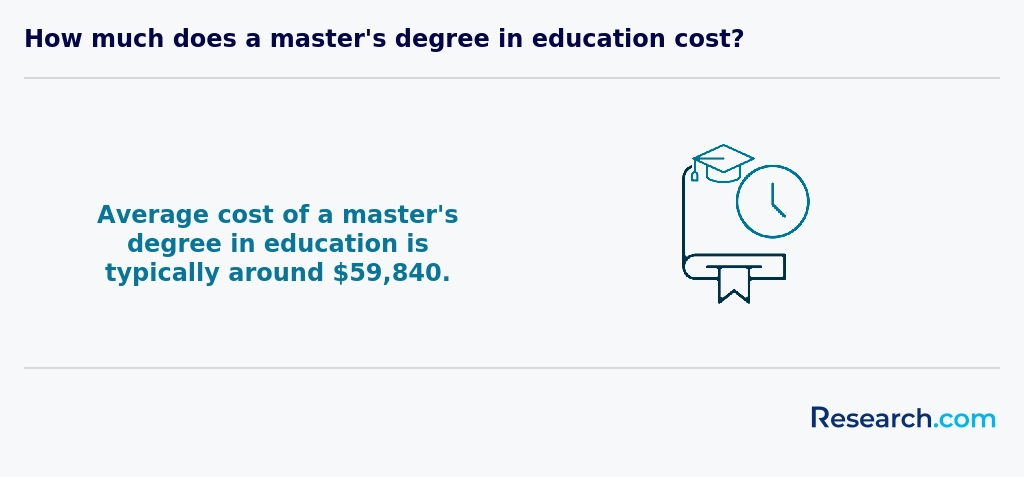
Students pursuing an online special education degree in the Northeast often find federal aid indispensable. Many graduates from well-known institutions like Boston University and the University of Pennsylvania recall how the Free Application for Federal Student Aid (FAFSA) opened doors to Pell Grants and Direct Loans, easing financial pressure. Pell Grants, in particular, offer up to $7,395 without the burden of repayment, allowing them to focus more on studies and less on debt.
State grants also play a crucial role. Graduates attending universities in New York frequently benefit from the Tuition Assistance Program (TAP), receiving up to $6,165 annually. Likewise, students from Massachusetts and New Jersey shared how local grants helped bridge the gap between tuition costs and their personal budgets, making the dream of a special education degree achievable even while working full-time.
Scholarships from organizations like the Council for Exceptional Children provide targeted help, rewarding dedication and passion for this vital field. Many working professionals mentioned employer tuition reimbursement programs as a meaningful boost, making advancement through flexible online programs feel both practical and rewarding.
Enrolling in an online special education degree program in the Northeast demands more than simply meeting academic benchmarks; it calls for a genuine commitment rooted in preparation and experience. Graduates from notable institutions like Boston University or the University of Pennsylvania share that having a high school diploma or bachelor's degree is just the start. Many found that relevant coursework or a varied academic background helped them adapt quickly to complex topics, even when their undergraduate degrees were outside education.
Practical experience, such as volunteering with children or adults with disabilities, was invaluable for them. These real-life connections brought classroom theories to life and fostered confidence. For instance, one graduate's time spent as a classroom aide made later coursework feel manageable and meaningful.
While standardized tests like the GRE might be optional in many programs, demonstrating readiness through background checks and up-to-date immunizations is always essential, especially where in-person practicum is involved. Letters of recommendation and personal statements allow each applicant's true passion and dedication to shine through - qualities highly respected by admissions committees across the Northeast.
Online special education degree programs in the Northeast often include a thoughtfully designed set of courses that truly prepare students for real classroom challenges. Graduates from well-regarded institutions in the region frequently share how courses like Foundations of Special Education provided them with a deep appreciation for the history and legal backbone of the field, including key legislation such as IDEA. This grounding helped them feel confident when navigating complex educational policies.
Courses focusing on Assessment and Evaluation in Special Education give students hands-on experience with tools that measure student progress, which proves invaluable when tailoring instruction to individual needs. In programs at universities known for their special education, learners also speak warmly of classes in Behavioral Interventions and Classroom Management, where they practiced strategies that promote positive behavior in diverse learning environments.
The emphasis on Instructional Strategies for Diverse Learners, alongside training in Assistive Technology, often sparks excitement among students as they explore innovative ways to support students with disabilities. Lastly, courses on Collaboration and Family Engagement underscore the essential relationships that enrich inclusive education, fostering empathy and teamwork. These experiences from Northeastern schools resonate deeply, equipping students to thrive as compassionate special educators.
Online special education degree specializations Northeast often include areas like Learning Disabilities, Autism Spectrum Disorders, and Early Childhood Special Education. Graduates from well-known institutions in the region frequently share how focusing on Emotional and Behavioral Disorders helped them develop patience and tailored strategies to support challenging students. Others praise programs addressing Deaf and Hard of Hearing education, where they acquired practical skills in sign language and assistive technologies, making their journey deeply fulfilling. These specializations not only equip educators with targeted knowledge but also reflect the unique demands of the Northeast, where schools emphasize early intervention and compliance with state certification standards.
Choosing a specialization aligns closely with personal passion and career goals, fostering confidence as graduates enter diverse classrooms. Many find the combination of theoretical study and real-world practicum especially rewarding, supported by Northeastern colleges that integrate these elements seamlessly. For those considering options, reviewing special education teaching certification requirements further clarifies pathways and enhances preparedness.
Special education career options in Northeast online programs expand continuously, meeting the rising demand for skilled educators and allowing students to find their unique place within this vital field.
Choosing the best online special education degree Northeast students appreciate means balancing accreditation, curriculum alignment, and cost. Graduates from recognized institutions in the region often cite the importance of programs accredited by bodies like the CAEP; this accreditation not only ensures quality but also smooths the path to state licensure, a critical step given the varied requirements across New York, Pennsylvania, and Massachusetts.
Many students recall how programs offering a blend of synchronous and asynchronous classes helped them manage work-life commitments more effectively. For example, those attending popular Northeast colleges found the opportunity to engage in local practicum placements invaluable, providing hands-on experience that textbooks alone cannot offer.
Affordability is often top of mind; while tuition can reach high levels at some northeastern schools, the availability of flexible payment options and financial aid helped alumni stay motivated. Exploring affordable special education programs Northeast-wide made a big difference for several graduates in pursuing their goals without becoming overwhelmed by debt.
Those who found success also emphasized researching graduation rates and connections with local school districts. Exploring special education jobs after completing their degrees confirmed that choosing programs with strong regional reputations and support services greatly boosted their career confidence and satisfaction.
Graduates pursuing special education teaching jobs in the Northeast often find themselves drawn to meaningful roles that extend beyond traditional classroom settings. Many who studied at well-known institutions discover opportunities as Behavioral Specialists, crafting personalized interventions that truly impact student lives. Resource Coordinators, another common career choice, manage complex programs across districts, ensuring compliance with state regulations common in places like New York and Massachusetts. Some graduates, empowered by their training, pursue additional certifications to become Educational Diagnosticians, a role vital for diagnosing learning disabilities.
Others embrace technology by becoming Assistive Technology Specialists, applying innovations to support unique student needs. Colleges in the Northeast often embed these career paths within their curricula, enriching online special education degree career options Northeast with practical experience. Reflecting on the journeys of alumni from these programs reveals a shared enthusiasm for advocacy and administration, where they influence policy and program development. Those interested in deeper insights on these paths can explore options through a special education master's online to enhance their expertise and impact.
Graduates with an online special education degree in the Northeast often find themselves well-positioned in a job market fueled by consistent demand across states like New York, Massachusetts, and Pennsylvania. Many alumni from well-regarded regional universities share how the flexibility of their online programs allowed them to balance work and study, subsequently stepping into roles such as classroom teachers or instructional coordinators with confidence. The appeal of online programs rests not only in adaptability but also in meeting state certification requirements, which differ but remain accessible for distance learners.
Job opportunities thrive in urban centers with sizeable school districts, where salaries for special education professionals tend to range between $60,000 and $75,000 annually. This competitive compensation reflects both the cost of living and federal mandates supporting special education services. For students seeking guidance on day-to-day responsibilities, understanding sped teacher duties offers valuable insight into the impact they can make.
The Northeast's landscape for online special education jobs in the Northeast is encouraging, offering career paths that blend purpose and stability. Graduates frequently cite a rewarding sense of community and support, especially as they apply their skills in diverse settings throughout the region.
2027 Fastest Online Special Education Degree Programs Ranking in the Northeast
Investing in your education is a significant decision that can shape your future, and the Research.com team understands the importance of making informed choices. To assist prospective students in the Northeast, we have meticulously crafted the "2027 Fastest Online Special Education Degree Programs Ranking in the Northeast." Our commitment to quality, credibility, and accuracy is reflected in the extensive research and analysis conducted to compile this ranking.
We utilized the following reputable data sources to ensure a comprehensive evaluation of special education degree programs:
By exploring this ranking, readers will gain valuable insights into the fastest online special education degree programs available in the Northeast, enabling well-informed decisions about their educational journeys. For more details on our methodology, please visit our Research.com methodology page.
# 1 position
Slippery Rock University of Pennsylvania
Master of Special Education - School Supervision


# 10 position
New Jersey City University
Master of Special Education, Teacher of Students with Disabilities, endorsement eligible

# 12 position
Penn State University Park
Master of Special Education

# 13 position
Niagara University
Master of Special Education

# 14 position
St. John's University
Master of Teaching Children with Disabilities in Childhood Education


# 17 position
PennWest California
Master of Special Education
# 18 position
University of Southern Maine
Master of Educational Psychology - Applied Behavior Analysis

# 19 position
Mercy University
Master of Education, Teaching Students with Disabilities - Birth to Grade 6 and Early Childhood

# 20 position
University of Massachusetts-Boston
Master of Vision Rehabilitation Therapy specialization

Frequently Asked Questions About special education
Online special education degree students in the Northeast can maximize their learning by actively engaging with their coursework and peers. Research from the National Center for Education Statistics shows that interactive learning techniques improve retention, especially in specialized fields like special education. Students should take advantage of virtual study groups and discussion forums offered by their programs. Additionally, many Northeastern states require specific practicum hours; securing diverse local placements enhances hands-on experience. Staying informed about state certification requirements through official education department websites ensures alignment with career goals. Utilizing technology tools designed for special education professionals can further deepen understanding and skills.
Emerging niches within the special education field reflect growing needs in diverse learner populations. One notable area is assistive technology, where educators specialize in integrating devices and software to support students with disabilities. This niche is expanding rapidly, especially as schools in the Northeast invest more in digital learning tools.
Another significant trend is the focus on mental health supports in special education. As reported by the Northeast Comprehensive Center, there has been a 15% increase in demand for professionals trained to address behavioral and emotional challenges in students.
Transition planning for students with disabilities preparing for post-secondary life and employment is also gaining prominence. This area requires specialized training that online degree programs increasingly offer to meet regional workforce needs.
After earning an online special education degree in the Northeast, preparing for the job market involves several important steps. First, obtaining state certification or licensure is essential. Requirements vary across states like New York, Massachusetts, and Pennsylvania, but most require passing specialized exams and completing supervised teaching experiences. According to the U.S. Department of Education, the Northeast region reported a 5% increase in special education teacher job openings between 2021 and 2023.
Networking within local education communities and joining professional organizations such as CEC (Council for Exceptional Children) can help graduates connect with employers.
Additionally, gaining experience through internships or substitute teaching strengthens resumes and practical skills.
Employers in the Northeast prioritize several core skills when hiring graduates with special education degrees. Strong communication abilities rank highly, as professionals must effectively collaborate with students, families, and multidisciplinary teams. Additionally, expertise in Individualized Education Programs (IEPs) is crucial; knowledge of federal and state regulations ensures compliance and tailored student support.
Data from the U.S. Bureau of Labor Statistics highlights that problem-solving skills and adaptability are essential, given the diverse needs of students with disabilities in Northeastern schools.
Proficiency with assistive technology is increasingly valued, reflecting growing trends in inclusive education across this region.
Finally, cultural competency assists graduates in addressing the varied backgrounds of Northeast student populations.
Finding internships in the Northeast relevant to a special education degree involves strategic research and networking. Begin by contacting local school districts, many of which offer placements aligned with special education curricula. According to the National Center for Education Statistics, Northeastern states like New York and Massachusetts have over 1,500 public school districts, expanding internship opportunities.
Universities often partner with nearby schools and agencies to provide online students with fieldwork options. Professional organizations such as the Council for Exceptional Children also list regional internship resources.
Additionally, state Departments of Education websites frequently post approved internship programs and compliance requirements for special education candidates.
Starting early and maintaining clear communication with both academic advisors and potential sites increases the likelihood of securing quality placements.
Obtaining an online special education degree in the Northeast can significantly enhance career mobility and advancement for educators. According to the U.S. Bureau of Labor Statistics, the region is expected to see a 7% growth in special education teaching jobs from 2022 to 2032, which is faster than the national average. This growth reflects increasing demand for qualified teachers capable of supporting diverse learners.
Many Northeastern states require specific certifications that online degree programs often prepare graduates to obtain, facilitating easier transitions between school districts. Additionally, possessing a specialized degree can lead to leadership roles, curriculum development positions, and higher salaries, especially in states like New York and Massachusetts with strong education funding. The flexibility of online programs also allows professionals to continue working while advancing their qualifications, speeding up career progression.
Studying for an online special education degree in the Northeast offers students strong preparation for interdisciplinary roles in education. Programs in this region often emphasize collaboration across fields such as psychology, social work, and speech-language pathology, reflecting state education standards. According to the U.S. Department of Education, many Northeastern states require special educators to work closely with multidisciplinary teams to create Individualized Education Programs (IEPs).
Courses typically cover communication strategies, behavioral analysis, and inclusive teaching methods. This training helps graduates engage effectively with professionals from various disciplines to meet diverse student needs.
Overall, Northeastern programs equip students with practical skills to navigate complex educational environments successfully.
Choosing between a thesis and a non-thesis special education degree program in the Northeast depends largely on your career goals. A thesis option is research-intensive, ideal for students aiming for doctoral studies or careers in policy and academia. This route typically requires designing and completing an original research project under faculty supervision.
Non-thesis programs focus more on practical coursework and internships, suiting professionals seeking immediate application in classrooms or school administration. According to the National Center for Education Statistics, over 40% of special education master's students in the Northeast opt for non-thesis paths due to the region's demand for qualified practitioners.
Consider also your ability to commit time; thesis programs often take longer to complete. Many Northeast institutions offer flexible online options for both tracks.
Students in the Northeast interested in studying special education abroad face limited direct options through U.S. institutions. Most online special education degree programs are offered domestically to meet state certification requirements. According to the National Center for Education Statistics, about 65% of Northeast students in education programs enroll in fully online programs within the U.S.
International study opportunities typically involve exchange programs or study abroad semesters linked to traditional degrees, which are less common for special education majors.
Licensing standards differ across countries, so pursuing certificates or degrees abroad can complicate U.S. credential recognition.
Many Northeastern universities emphasize partnerships with foreign institutions but primarily maintain online special education degrees designed for domestic practice.
Part-time job opportunities that complement special education degrees in the Northeast often involve roles in educational support and care. Positions like teacher assistants, behavioral aides, or paraprofessionals in public schools allow students to gain hands-on experience working with children with disabilities. In states such as New York and Massachusetts, school districts commonly hire paraprofessionals part-time, providing practical skills relevant to special education certification requirements.
Additionally, tutoring services focused on children with learning differences are in demand, with platforms like Wyzant frequently listing openings throughout the region. According to the U.S. Bureau of Labor Statistics, growth in special education support roles is projected to rise by 8% through 2032, highlighting promising job prospects in the Northeast.
Online special education students in the Northeast benefit from a variety of networking opportunities designed to connect them with educators, administrators, and specialists. Many universities partner with regional educational organizations, such as the Council for Exceptional Children (CEC) chapters in states like New York and Massachusetts, to offer virtual events and professional development. According to the National Center for Special Education Research, these networks provide valuable access to mentorship and job placements.
Students may also join online forums hosted by Northeast universities, offering peer collaboration and resource sharing. Additionally, attending local education conferences-often made accessible through discounted or virtual options-enables meaningful contacts within the community.
Alumni networks offer valuable support for online special education degree students in the Northeast, fostering connections across schools and districts. These networks often provide access to job openings and internships that may not be advertised publicly. According to the Northeast Regional Education Board, over 60% of special education jobs in the region are secured through professional connections.
Additionally, alumni groups enable ongoing mentorship, helping graduates navigate credentialing and professional challenges specific to states like New York, Massachusetts, and Pennsylvania. This mentorship increases retention rates in teaching positions by approximately 15%, as noted in a 2023 report by the National Center for Special Education Research.
Students also benefit from networking events and online forums hosted by alumni associations, which facilitate sharing of resources, legislative updates, and best practices tailored to special education in the Northeast.
Customizing an online special education degree program in the Northeast allows students to align their studies with specific career goals. Many programs offer concentrations such as autism spectrum disorders, behavioral intervention, or literacy development. This helps tailor learning to the needs of diverse student populations.
Students can often choose electives that support their professional interests or required certifications in states like New York, Massachusetts, or Pennsylvania. According to the Northeast Comprehensive Center, 15% of school districts prioritize specializations linked to high-demand areas in education.
Also, some institutions provide flexible scheduling and practicum placements near students' homes, increasing real-world experience opportunities.
Online special education students in the Northeast often face unique challenges related to program quality and field experience. Many programs require in-person practicum hours, which can be difficult to coordinate alongside online coursework and local school district schedules. A study from the National Center for Education Statistics highlights that about 30% of special education candidates in the Northeast report difficulties balancing fieldwork with their responsibilities.
Additionally, limited direct interaction with instructors and peers affects student engagement and support. Technical issues, such as inconsistent internet access in rural areas, also hinder learning.
These challenges require careful planning and resourcefulness to succeed in Northeast online special education degrees.
With an online special education degree, professionals in the Northeast can pursue several key certifications valuable for advancing their careers. The most common certification is the state-issued Special Education Teaching License, which qualifies educators to teach students with disabilities. For example, in New York and Massachusetts, candidates must pass specific exams and complete supervised teaching experiences to obtain this license.
Additionally, educators can seek certifications like the Board Certified Behavior Analyst (BCBA), which focuses on behavioral interventions for special needs students. This certification requires a graduate degree and supervised experience.
Another option includes the National Certification in Special Education through the Council for Exceptional Children (CEC), recognized nationally and valued by Northeast school districts. According to the U.S. Department of Education, schools in this region increasingly prefer certified teachers, making these credentials essential for employment and career growth.
To write a winning application for an online special education program in the Northeast, start by clearly demonstrating your commitment to supporting diverse learners. Highlight any relevant experience working with students who have disabilities, as programs often look for practical backgrounds.
Include specific examples that show your understanding of individualized education plans (IEPs) and your ability to collaborate with families and educators. According to the National Center for Education Statistics, the Northeast has one of the highest demands for special education teachers, emphasizing the need for qualified candidates.
Strong letters of recommendation from supervisors or educators familiar with your skills are essential. Also, tailor your statement of purpose to reflect how the program aligns with your career goals and the unique challenges of special education in the Northeast.
Proofread carefully to ensure clarity and professionalism, and follow all application instructions precisely to avoid delays or disqualification.
Special education careers are increasingly recognized worldwide for their vital role in supporting diverse learners. In the United States, especially in the Northeast, there is a growing emphasis on qualified special educators due to rising enrollment of students with disabilities. According to the National Center for Education Statistics, about 14% of public school students in the Northeast receive special education services, highlighting ongoing demand.
Globally, educators note that approaches to special education differ greatly, but the U.S. promotes inclusive education models supported by legislation like IDEA (Individuals with Disabilities Education Act). This framework strongly influences training standards for special education specialists seeking to work anywhere, including the Northeast.
Online degrees in special education from Northeastern institutions reflect these standards, preparing teachers to meet both local and global expectations. The need for skilled professionals is projected to grow by 8% through 2029, according to the U.S. Bureau of Labor Statistics, underlining career stability.
Gaining practical experience while studying for an online special education degree in the Northeast is essential to prepare for a career in this field. Many accredited programs partner with local schools and districts to arrange supervised practicum or student teaching placements. These opportunities allow students to work directly with children with disabilities under certified special education teachers.
The Northeast has a strong network of special education resources; for example, New York and Massachusetts report that over 15% of public school students receive special education services, highlighting the demand for qualified professionals (U.S. Department of Education, 2023).
Students should contact their program advisors early to secure placements that meet state licensure requirements. Virtual simulations and observational hours may also complement in-person experiences.
Choosing the right concentration within an online special education degree in the Northeast requires understanding your career goals and local demand. Concentrations often include autism spectrum disorders, learning disabilities, or behavioral disorders. For example, the New York State Education Department highlights a growing need for autism specialists, reflecting nationwide trends.
Consider your preferred student age group: early childhood, elementary, or secondary education options influence concentration choice. Also, review program accreditation and licensure alignment, as Northeast states have specific requirements.
Data from the National Center for Education Statistics shows Northeast enrollment in special education programs increased by 12% over five years, emphasizing the field's growth.
Research each concentration's curriculum carefully, focusing on practical skills and intervention techniques relevant to your goals.
- Why Special Education Teachers Need a Big Support Network https://www.weareteachers.com/special-education-support-network/
- 9 Careers You Can Pursue with a Master’s in Special Education https://www.pointloma.edu/resources/education/9-careers-you-can-pursue-masters-special-education
- SEND Alumni Toolkit https://resources.careersandenterprise.co.uk/resources/send-alumni-toolkit
- Special Education Teacher | Inclusive Education Jobs | Jobs in Education https://jobsineducation.com/categories/special-education-teacher-jobs/
- Know more about thesis vs non- thesis: what is the difference? https://studyfans.com/en/blogs/816
- Special Education Professional Development Complete Guide for 2025 Teacher Guide https://www.simplek12.com/blog/special-education-professional-development
- Factors Influencing Special Education Career Choices: Interplay of Personality Traits and Identity Statuses https://www.eu-jer.com/factors-influencing-special-education-career-choices-interplay-of-personality-traits-and-identity-statuses
- Choose Your Path in Special Education Careers | OPTIMISE https://optimise.education/choose-your-special-education-path/
- Teaching Job Roles | Teach For Life https://www.teachforlife.com/teachingjobs/global-perspectives-teacher
- Global Perspectives on inclusive and special Education: An analysis of International Policy Frameworks https://www.journalijdr.com/global-perspectives-inclusive-and-special-education-analysis-international-policy-frameworks