2027 Most Valuable Online Master's in Special Education Degree Programs Ranking in Minnesota

Co-Founder and Chief Data Scientist
Are you considering advancing your career with a master's in special education? Choosing the right program can feel overwhelming, especially when balancing work and life. This article presents the 2027 Most Valuable Online Master's in Special Education Degree Programs Ranking in Minnesota, carefully developed by the Research.com team of data scientists.
Our ranking helps you identify valuable programs that align with your goals and lifestyle. Pursuing a special education degree opens doors to meaningful work, making a difference in students' lives while building a rewarding future.
Key benefits of getting online special education degree in Minnesota
- Special education graduates in Minnesota often find rewarding careers despite limited specific salary data; nationally, special education teachers typically earn around $61,000 annually, providing stable and meaningful work.
- A graduate from the University of Minnesota in special education can pursue careers as teachers, intervention specialists, or educational coordinators, offering diverse opportunities to support students with unique learning needs.
- Obtaining an online special education degree from a school like St. Cloud State University allows flexible scheduling and the ability to balance work or family life, making education more accessible and convenient compared to traditional programs.
- 2027 Most Valuable Online Master's in Special Education Degree Programs Ranking in Minnesota
- What can I expect from online special education degree in Minnesota?
- Where can I work with online special education degree in Minnesota?
What can I expect from online special education degree in Minnesota?
The average cost of an online special education degree in Minnesota often surprises many prospective students, coming in around $15,000 to $30,000 for a bachelor's or master's program. Graduates from respected institutions such as St. Cloud State University and the University of Minnesota recall balancing this financial investment with the profound satisfaction of gaining skills that directly impact children's lives. These programs offer not just coursework but opportunities to engage practically in local communities, fostering a deep connection between theory and practice.
One graduate described how flexible online schedules allowed them to maintain a job while preparing for the Minnesota Teacher Licensure Examinations, easing the financial pressure. The affordability paired with this flexibility sparks a sense of confidence and readiness as students face licensure hurdles and real-world classroom challenges.
Considering tuition relative to the steady demand for special educators in Minnesota, this cost often becomes a stepping stone rather than a burden-an investment in transforming education for students with diverse needs.
Where can I work with online special education degree in Minnesota?
Graduates of online special education programs in Minnesota often find themselves stepping into dynamic roles that challenge the typical notion of teaching. While many become licensed special education teachers in K-12 schools, licensed under Minnesota's Tier 3 system, their impact frequently extends beyond the classroom. Take, for example, graduates from institutions like the University of Minnesota or St. Cloud State University, who describe working alongside families and specialists to craft individualized education programs (IEPs) that truly transform students' lives.
Others venture into specialized fields such as behavior analysis or early intervention services, supporting children under five through community agencies. It's not uncommon for alumni to feel a profound sense of purpose when developing programs that directly influence young learners with autism or emotional disorders, embodying more than just curriculum delivery.
Employment can also emerge within healthcare or nonprofit sectors, where the ability to bridge education and rehabilitation is vital. Reflecting on these varied careers reveals that a Minnesota online degree does more than open doors-it fosters opportunities to advocate, innovate, and redefine what it means to support those with special needs.
Graduates from online special education programs in Minnesota often find that their earning potential reflects both their commitment and the state's valuing of specialized educators. For example, those with a master's degree from institutions popular in Minnesota, such as St. Cloud State University or the University of Minnesota, typically start with salaries between $45,000 and $55,000. This initial pay may surprise many who expect entry-level roles to offer less, but the structured district salary scales in Minnesota reward advanced degrees.
As experience accumulates-say, five to ten years-graduates often see salaries climb towards $70,000, with some urban educators around Minneapolis-St. Paul earning up to $85,000 annually. This growth is more than numbers; it reflects the increasing responsibility in classrooms, the mastery of supporting diverse learners, and often additional certifications, like behavior disorders licensure, that districts compensate for.
One graduate shared how their online degree empowered them to secure leadership roles in a Minneapolis school, which not only boosted their income but also deepened their impact. In Minnesota, the blend of solid salaries, benefits such as pensions through the Teachers Retirement Association, and a steady demand for special education expertise makes pursuing an online special education degree both a practical and rewarding choice.
- Online special education master's degrees in Minnesota cost between $10,000 and $20,000 per year, varying by institution type.
- Many programs offer tuition rates similar to in-state fees for Minnesota residents.
- Starting salaries for graduates typically range from $50,000 to $55,000 annually, with experienced educators earning around $70,000.
- Job demand for special education teachers in Minnesota is expected to grow faster than the national average.
- Programs prepare students for required state licensure exams to work in public schools.
- Accredited universities in Minnesota ensure eligibility for state certification in special education.
Contrary to the rigid four-year full-time mold, many discover that the typical time to complete a Bachelor's degree is more an evolving process influenced by life's demands and pacing preferences. Master's students in Minnesota frequently share how accelerated tracks allowed them to finish in about 18 months, intensifying their focus and energizing their drive toward licensure and impact.
Importantly, licensure requirements by the Minnesota Professional Educator Licensing and Standards Board require fieldwork, which means that schedules are often shaped by practicum placements. Graduates recall how coordinating these experiences felt daunting but also rewarding, offering real-world insight that made every additional month worthwhile.
The real difference between online and on-campus special education degrees in Minnesota often lies beyond mere logistics-it's about how learning fits into your life. Imagine a working adult balancing family and a job in Duluth, accessing University of Minnesota's online courses late at night, feeling empowered by the flexibility that on-campus classes just can't offer. By contrast, a recent graduate in Minneapolis might thrive on the energetic pace of in-person discussions and instant support in a Saint Paul education program, where vibrant campus resources fuel deeper immersion.
Graduates from both paths highlight the hands-on practicum organized locally, ensuring real-world experience regardless of format. Yet the online student's ability to study from a rural cabin without commuting reveals a freedom that the university's historic brick-and-mortar classrooms can't replicate. Cost considerations also shape feelings-online learners often appreciate savings on housing and transit, yet wonder about tech fees. These nuanced experiences confirm that choosing a program isn't just about location, but about fitting education organically into one's unique journey and lifestyle.
The average cost of an online special education degree in Minnesota typically centers around $23,370, reflecting a blend of accessibility and quality that state institutions aim to balance. Residents often benefit from significantly lower costs, around $12,240, making the pursuit more affordable for those living within Minnesota. Out-of-state students, however, face higher tuition fees, close to $24,480, which can be a challenging but worthwhile investment for the flexibility and opportunities offered by online formats. This variation in tuition highlights the importance of understanding residency status when considering Minnesota online special education master's tuition fees.
Graduates from well-regarded Minnesota programs, such as those at major public universities, often share stories of balancing the financial strain with the rewarding nature of their studies. The per-credit tuition, sometimes reaching $900 or more, is offset by the convenience of online learning and the personalized support that these programs provide. Many find joy in the ability to continue working while studying, making the investment feel more manageable and even energizing.
For those seeking to understand the landscape of special education pathways, considering the average cost is just one part of the decision. Accessing financial aid, scholarships, or employer reimbursement programs can significantly soften the impact of tuition. Prospective students might also explore career outcomes and job prospects, such as those associated with a bachelor degree in special ed jobs, which can influence how the cost feels relative to the future personal and professional rewards.
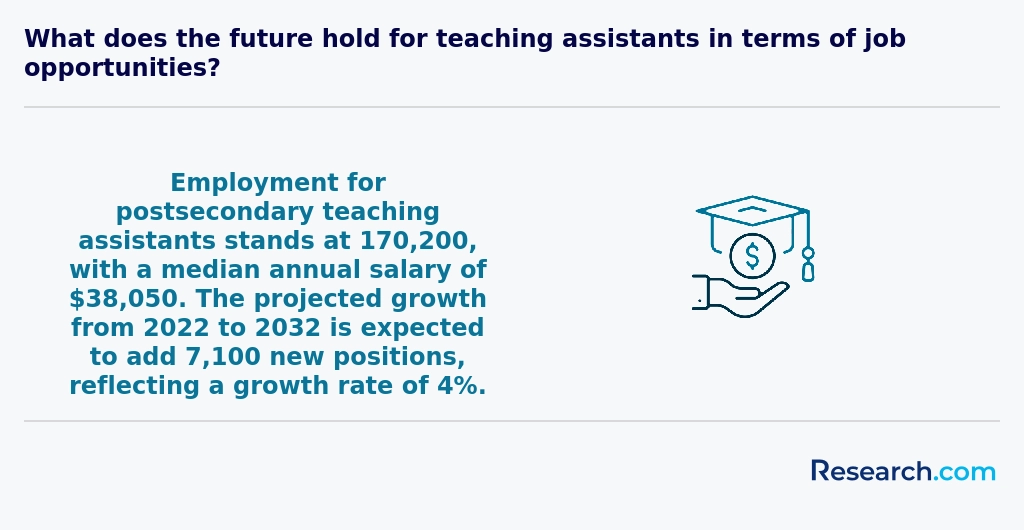
Many online special education students in Minnesota quickly discover that financial aid is more accessible than they initially imagined. Graduates from institutions like the University of Minnesota and St. Cloud State University often share how applying through FAFSA unlocked Federal Direct Loans with lower interest rates, easing their worries about tuition fees. These federal loans, combined with occasional Federal Pell Grants for exceptional cases, create a foundation that many underestimate until they experience the relief firsthand.
State-specific programs make a tangible difference. The Minnesota Office of Higher Education's State Grant Program regularly supports online learners demonstrating financial need, while the Teacher Candidate Loan Forgiveness Program offers an inspiring opportunity: graduates who commit to teaching in Minnesota's high-need special education classrooms see portions of their loans vanish after fulfilling service requirements.
Graduates recall how scholarships targeted at online education students and flexible tuition plans at local universities became lifelines during their studies. For those balancing work and family, employer tuition reimbursement programs provide an unexpected boost, turning dreams of a special education degree into reality despite financial hurdles.
Enrolling in an online special education degree program in Minnesota means demonstrating more than just academic readiness-it requires a commitment that echoes through practical experience and personal dedication. Graduates from well-regarded Minnesota universities often recall how holding a bachelor's degree with foundational coursework in education or psychology prepared them intellectually, but it was their hands-on work with diverse learners that truly shaped their journey.
Many programs ask for transcripts showing a GPA around 3.0, yet this number is only part of the story. The real test reflects whether you have engaged meaningfully with students who have disabilities, whether through teaching roles, internships, or volunteering. One graduate shared how classroom experience deeply connected theory to reality, making online coursework at institutions like the University of Minnesota feel immediate and vital.
State licensure requirements also frame your path. Aligning your studies with Minnesota's certification exams, such as MTLE, ensures your efforts result in a tangible ability to support students statewide-turning passion into professional impact.

Online special education degree programs in Minnesota dive deeply into courses that go beyond textbook knowledge, empowering students to truly transform lives. Graduates from well-known institutions like the University of Minnesota frequently share how courses on the Individuals with Disabilities Education Act (IDEA) shifted their perspective, revealing the profound impact of legal frameworks on real classrooms. These courses compel future educators to grapple with the delicate balance between compliance and advocacy for students with disabilities.
Assessment and evaluation courses challenge students to think critically, applying tools to uncover unique learning barriers others might overlook. Many graduates describe moments of revelation when designing individualized education programs (IEPs) during practicum experiences at colleges like St. Cloud State, affirming the power of tailored instruction.
Behavior management modules often resonate deeply, as students learn to foster a positive classroom climate, drawing from both theory and hands-on fieldwork. Technology integration courses also inspire, introducing assistive devices that spark joy and independence in students who had previously struggled, embodying Minnesota's inclusive education goals.
Online special education degree specializations in Minnesota defy a one-size-fits-all approach by offering targeted tracks designed to address distinct student needs. Graduates of popular programs at universities such as the University of Minnesota share how focusing on Autism Spectrum Disorder (ASD) equipped them to innovate classroom strategies tailored for diverse cognitive profiles, transforming their confidence and effectiveness. This specialization reflects a growing demand across Minnesota schools, where early diagnosis and specialized support shape futures.
Another vital area, Emotional and Behavioral Disorders (EBD), resonates deeply with educators from institutions like St. Cloud State University, where immersive coursework and virtual simulations prepare candidates to handle real-life classroom challenges compassionately. These graduates often express a sense of empowerment in applying evidence-based interventions, bridging theory and practice with tangible impact. For students exploring the best special education program tracks Minnesota offers, options also extend to learning disabilities, intellectual disabilities, and speech and language impairments, allowing further refinement of expertise based on age group or educational settings.
Many seek flexibility through accelerated online special education graduate certification, enhancing credentials while juggling careers or personal obligations, making specialized training more accessible than ever before.
Choosing the best online special education degree in Minnesota means looking beyond convenience and cost. Graduates from well-known institutions like the University of Minnesota emphasize the importance of programs fully aligned with Minnesota's licensure requirements, ensuring their time invested translates into actual classroom readiness. Imagine navigating the licensure maze without a program designed to meet the state's standards-it's a setback many wish they had avoided.
Financial considerations matter greatly, but affordability doesn't always mean cheap. Students from Minnesota State often share how they balanced tuition costs with scholarships targeted specifically at special education, which lifted much of the financial burden. In your search for affordable special education master's degrees MN, consider how schools manage fieldwork; the quality and local availability of practicum experiences can define your professional confidence after graduation.
Finally, don't overlook reputation and connections. Graduates who found strong support networks in colleges like Hamline University report higher satisfaction and better job prospects. For a detailed exploration of options, viewing master degree in special education online programs can help you discern programs that combine flexibility with recognized excellence.

Graduates with an online special education degree in Minnesota find themselves at the heart of transformative educational work across diverse roles. Many start as licensed special education teachers, crafting individualized education programs that resonate deeply with students' unique needs. Alumni from prominent Minnesota institutions speak of the rewarding challenge of addressing real classroom complexities while feeling supported by programs that truly understand the state's educational landscape. The vibrant demand for special education careers in Minnesota means these professionals don't just teach-they become lifelines in students' academic journeys.
Others expand into roles such as educational diagnosticians or behavioral specialists, where their work shapes the very understanding of learning differences. These graduates describe a fulfilling shift from classroom roles to strategic positions influencing entire school communities. The connection between theory and practice, emphasized in Minnesota's online programs, prepares them to meet these challenges robustly. Reflecting on special education job opportunities Minnesota reveals how graduates embrace positions that rely on specialized knowledge and empathy.
For those seeking leadership, online degrees open doors to coordinator or director roles managing programs and ensuring compliance with critical laws like IDEA. Such pathways inspire graduates to affect systemic change rather than individual classrooms alone, nurturing more inclusive futures. This evolution-from teaching to leadership-is a journey many Minnesota graduates undertake, fueled by a passion that transcends traditional teaching duties as outlined in special education duties and responsibilities.
The online special education job opportunities Minnesota graduates face are shaped by more than just numbers; they reflect a dynamic system prioritizing inclusivity and regional impact. Graduates from institutions like the University of Minnesota and St. Cloud State University often describe how the flexibility of their online programs allowed them to balance work and study while preparing to meet real needs in both urban and rural districts. These practical experiences illuminate the steady demand for skilled professionals who can navigate diverse classroom environments effectively.
Seeing the special education career outlook Minnesota 2027, it's clear that job growth isn't just a statistic - it's a call to action for educators ready to make a difference. Many graduates express pride in entering districts embracing early intervention initiatives where their skills directly improve student outcomes. Such roles often come with competitive salaries and the fulfillment of serving underserved communities.
For those considering how to advance their education, the education specialist degree guide offers valuable insights on pathways that align with evolving job market demands, illustrating how online learning can open doors without geographical constraints.
2027 Most Valuable Online Master's in Special Education Degree Programs Ranking in Minnesota
Investing in your education is a significant decision that can shape your future, and the Research.com team understands the importance of making informed choices. To assist prospective students, we have meticulously crafted the "2027 Most Valuable Online Master's in Special Education Degree Programs Ranking in Minnesota." Our commitment to quality, credibility, and accuracy is reflected in the extensive research and analysis conducted to compile this ranking.
We utilized the following reputable data sources to ensure a comprehensive evaluation of special education programs:
By exploring this ranking, readers will gain valuable insights into the best online master's degrees in special education in Minnesota, enabling them to make informed decisions about their education and career goals. For more details on our methodology, please visit our Research.com methodology page.
# 2 position
Concordia University, St. Paul
Master of Special Education with Emotional/Behavioral Disorders (EBD) Endorsement

# 3 position
Bethel University, Minnesota
Master of Special Education
Frequently Asked Questions About special education
Online special education degree students in Minnesota can maximize their learning by actively engaging with both digital coursework and local practical experiences. Taking advantage of state resources, such as Minnesota's Department of Education guidelines and local school partnerships, helps align theory with real-world application. Studies from the National Center for Education Statistics show that hands-on practice significantly improves student outcomes in special education programs.
Students should also utilize virtual study groups and connect with peers through online discussion forums to enhance collaboration skills. Additionally, seeking mentorship from licensed Minnesota special educators can provide valuable insights into state-specific regulations and classroom strategies.
Many programs require fieldwork or practicum hours, so identifying accessible placements within Minnesota schools early ensures completion without delay. Finally, staying informed on ongoing legislative changes affecting special education in Minnesota, such as policies on Individualized Education Programs (IEPs), deepens understanding and prepares students for effective advocacy.
Emerging niches within the special education field reflect the growing needs of diverse student populations. One area gaining attention is the integration of technology to support individualized learning, especially through assistive devices and software tailored to students with disabilities.
Another key niche involves behavior intervention specialists who focus on supporting students with emotional and behavioral disorders. This role is increasingly critical in Minnesota, where state reports indicate rising demand for such expertise in public schools.
Additionally, autism spectrum disorder (ASD) specialists remain in high demand due to Minnesota's increasing diagnoses; the Minnesota Department of Education highlights expanded programs catering to these students.
After completing an online special education degree in Minnesota, preparing for the job market involves several key steps. First, secure state licensure through the Minnesota Professional Educator Licensing and Standards Board (PELSB), as it is required for teaching in public schools. Minnesota's demand for special education teachers is expected to grow by 6% between 2020 and 2030, according to the Minnesota Department of Employment and Economic Development.
Gaining practical experience through student teaching or internships enhances your resume significantly. Networking with local school districts and attending job fairs can open employment opportunities. Additionally, consider pursuing Continuing Education Units (CEUs) to maintain certification and stay current with educational best practices.
Employers in Minnesota highly value special education graduates who demonstrate strong communication and collaboration skills. These professionals must effectively work with students, families, and multidisciplinary teams to create inclusive learning environments. According to the Minnesota Department of Education, adaptability and problem-solving are critical due to the diverse needs of students with disabilities.
Knowledge of individualized education program (IEP) development and compliance with federal laws like IDEA is essential. Additionally, cultural competence and an understanding of assistive technologies are increasingly sought after, reflecting Minnesota's commitment to equitable education.
Research by the National Center for Education Statistics highlights that graduates proficient in data-driven instruction improve student outcomes, a quality valued by Minnesota's school districts.
Finding internships in Minnesota related to a special education degree involves exploring partnerships between universities and local school districts. Many online programs require practical experience, often facilitated through university career services or special education departments. The Minnesota Department of Education highlights that internship placements commonly occur within public schools, where candidates engage with students needing individualized support.
Networking with organizations like the Minnesota Association for Children's Mental Health can also open doors to relevant internships. Additionally, check resources such as Handshake or the university's internship portal for local opportunities.
Given Minnesota's commitment to special education, internships often align with state licensure requirements, helping students gain valuable hands-on experience.
In Minnesota, earning an online special education degree can significantly enhance career mobility and advancement opportunities. Teachers with such qualifications meet state licensure requirements, allowing them to serve diverse student populations across various districts. According to the Minnesota Department of Education, there is a steady demand for qualified special educators, with a projected job growth of 7% through 2028. This growth supports career stability and potential salary increases.
Professionals holding online degrees often gain access to leadership roles, such as special education coordinators or consultants. Additionally, online programs offer flexible learning schedules, enabling working educators to advance without leaving their current positions.
Studying for a special education degree in Minnesota equips students for interdisciplinary roles by emphasizing collaboration with professionals across fields such as speech therapy, occupational therapy, and psychology. Minnesota's teacher preparation programs incorporate practical experiences that involve working in diverse team settings, supporting inclusive education models. The Minnesota Department of Education highlights that effective special education teachers often need skills in counseling, behavior management, and communication with families and specialists.
Online programs often reflect these standards by integrating coursework on multiple disability categories and multidisciplinary approaches. This prepares graduates to contribute effectively within Individualized Education Program (IEP) teams, a key component of Minnesota's special education framework.
Choosing between a thesis and a non-thesis special education degree program in Minnesota depends on your career goals and learning preferences. A thesis option typically involves conducting original research and writing a substantial paper, which benefits students interested in academic or research careers. In contrast, a non-thesis program focuses more on practical skills and coursework, suitable for professionals aiming to apply knowledge directly in educational settings.
According to the Minnesota Department of Education, special education teachers make up about 7% of all teachers, emphasizing the importance of effective training. Selecting a thesis program can strengthen research abilities, while a non-thesis path allows faster completion.
Cost and time commitment also vary; thesis programs often require more semesters. Consider your future plans carefully before deciding.
Students in Minnesota interested in studying special education abroad through online programs have limited direct options due to accreditation and licensure requirements. Most states, including Minnesota, require educators to graduate from regionally accredited U.S. institutions to qualify for state licensure.
However, some internationally based universities have partnered with U.S. institutions to offer fully online master's degrees in special education that meet Minnesota's standards. These programs must align with the Minnesota Professional Educator Licensing and Standards Board (PELSB) criteria to ensure graduates are eligible for state licensure.
Data from the Minnesota Department of Education shows that demand for special education teachers is expected to grow by 5% through 2028, emphasizing the importance of accredited credentials. For many students, selecting regionally accredited U.S.-based online programs with global learning components remains the safest path to licensure.
Part-time job opportunities in Minnesota that complement an online special education degree include paraprofessional roles, tutoring, and behavioral support positions. Many school districts hire paraprofessionals to assist special education teachers, providing valuable hands-on experience. According to the Minnesota Department of Education, these roles often require working directly with students with disabilities, helping reinforce learning strategies being studied in degree programs.
Tutoring students with learning or developmental disabilities is another common part-time option. This role allows individuals to apply educational theory in real-world settings while supporting students' academic progress.
Additionally, behavioral support workers in Minnesota's schools or community agencies help implement behavioral intervention plans, a critical skill developed through special education studies. These positions are often flexible, helping students balance work and coursework.
Online special education students in Minnesota have access to various networking opportunities that help bridge the virtual gap. Many universities offer virtual events, webinars, and discussion forums where students can connect with peers, faculty, and professionals in the field.
The Minnesota Department of Education (MDE) supports special education professionals through regional training sessions and conferences, some of which are accessible online. Joining organizations such as the Minnesota Council for Exceptional Children provides additional virtual networking and professional development.
According to the U.S. Bureau of Labor Statistics, Minnesota is expected to see continued demand for special education teachers, making these networks valuable for career growth and job placement.
Alumni networks play a significant role for students pursuing online special education degrees in Minnesota. These networks provide ongoing support, professional connections, and access to job opportunities within the state's education system. According to the Minnesota Department of Education, having a strong professional network increases employment chances for special education teachers by connecting them with school districts and specialized resources.
Members often share insights about state-specific licensure requirements and best practices in inclusive education. Alumni groups also organize workshops and webinars, helping graduates stay updated on changes in Minnesota's special education policies.
Additionally, these networks facilitate mentorship opportunities, which are crucial for new teachers navigating the demands of special education classrooms.
Customizing an online special education degree program in Minnesota allows students to align their studies with specific career goals. Many programs let students choose electives focused on areas like autism spectrum disorders, behavioral intervention, or assistive technology. This flexibility prepares graduates for distinct roles in schools or related settings.
Some institutions in Minnesota offer practicum placements tailored to local districts, providing hands-on experience matching students' interests. According to the Minnesota Department of Education, demand for special educators with specialized skills is growing, especially in rural areas.
Online programs often include options to earn state licensure or endorsements, which are essential for employment. Reviewing curriculum and licensure requirements ensures the degree aligns with long-term professional objectives.
Online special education students in Minnesota often face several distinct challenges. One major issue is balancing coursework with practical field experiences, especially since Minnesota requires hands-on teaching practice for licensure. Coordinating these in-person requirements can be difficult for distance learners. Additionally, students may struggle with limited direct access to faculty and peer support compared to traditional programs. Reliable internet access is crucial, yet rural areas in Minnesota report connectivity issues affecting some students' ability to participate fully.
Furthermore, Minnesota's diverse student population requires special educators to be well-prepared in varied instructional strategies, which can be harder to master without in-person interaction. According to the Minnesota Department of Education, persistent teacher shortages increase pressure on students to quickly meet licensing standards through effective remote learning.
With an online special education degree in Minnesota, you can pursue several professional certifications that enhance your career in the field. One key certification is the Minnesota Teaching Licensure in Special Education, required to work as a licensed special education teacher in public schools. This license typically includes endorsements such as Mild/Moderate Disabilities or Early Childhood Special Education.
Additional certifications include behavior analyst credentials, like the Board Certified Behavior Analyst (BCBA), which are increasingly valuable for supporting students with autism and challenging behaviors.
According to the Minnesota Professional Educator Licensing and Standards Board (PELSB), educators holding these certifications often see better job prospects and higher earning potential.
Writing a winning application for an online special education program in Minnesota starts with understanding the state's high demand for qualified educators. According to the Minnesota Department of Education, there is a growing need for special education teachers due to increasing student populations requiring specialized support.
Start by clearly articulating your passion for working with students with disabilities. Highlight any relevant experience, including volunteer work, internships, or previous teaching roles. Programs often look for candidates who demonstrate empathy and patience.
Include strong academic records and standardized test scores, as many Minnesota programs require these for admission. Be sure to tailor your personal statement to the online format, emphasizing your self-motivation and ability to manage remote learning.
Request recommendations from professionals familiar with your work ethic and commitment to education. Focus on those who can speak specifically about your skills in special education or related fields to strengthen your application.
The global perspectives on a special education career emphasize the growing need for skilled professionals who understand diverse learning needs. In the United States, including Minnesota, special education teachers play a vital role in supporting students with disabilities in inclusive settings. According to the Minnesota Department of Education, nearly 14% of students receive special education services, reflecting a significant demand for qualified educators.
Internationally, there is a shared commitment to inclusive education, guided by policies like the UN's Convention on the Rights of Persons with Disabilities. This global focus encourages collaboration and the exchange of best practices.
For Minnesota students pursuing online special education degrees, understanding these global trends highlights the profession's evolving nature and expanding opportunities.
Students pursuing an online special education degree in Minnesota can gain practical experience through supervised fieldwork and internships required by most programs. These experiences typically take place in local schools or educational settings, allowing students to apply theory in real classrooms under the guidance of licensed special education professionals.
Minnesota's Department of Education requires candidates for special education licensure to complete a minimum number of practicum hours, usually around 400, ensuring hands-on training. This ensures graduates are prepared to work with diverse student needs effectively.
Many online programs collaborate with Minnesota school districts to facilitate placements. Additionally, candidates may find volunteer or assistant roles to further develop classroom skills while studying.
Choosing the right concentration within an online special education degree in Minnesota depends on your career goals and the populations you wish to serve. Minnesota's Department of Education highlights significant demand for educators skilled in working with students with autism spectrum disorders, learning disabilities, and emotional/behavioral disorders. Considering concentrations aligned with these areas can increase job opportunities.
Additionally, verify that the program meets Minnesota's licensure requirements, which often vary by concentration. Look for programs offering state-approved curriculum and practicum options. Nationally accredited programs by the Council for Exceptional Children are preferred for quality assurance.
Reflect on your interests, whether in early childhood intervention or transition services for adults with disabilities. According to the U.S. Bureau of Labor Statistics, special education roles focused on individualized education programs (IEPs) are growing, especially in diverse school districts across Minnesota.
- 2027 Most Valuable Online Master's in Special Education Degree Programs Ranking in Missouri
- 2027 Most Valuable Online Master's in Special Education Degree Programs Ranking in Kansas
- 2027 Most Valuable Online Master's in Special Education Degree Programs Ranking in Ohio
- 2027 Most Valuable Online Master's in Special Education Degree Programs Ranking in Colorado
- 2027 Most Valuable Online Master's in Special Education Degree Programs Ranking in Kentucky
- 2027 Most Valuable Online Master's in Special Education Degree Programs Ranking in Georgia
- 2027 Most Valuable Online Master's in Special Education Degree Programs Ranking in Texas
- 2027 Most Valuable Online Master's in Special Education Degree Programs Ranking in Virginia
- 2027 Most Valuable Online Master's in Special Education Degree Programs Ranking in Pennsylvania
- 2027 Most Valuable Online Master's in Special Education Degree Programs Ranking in New York
- Online Education Major for Paraprofessionals https://www.hamline.edu/academics/online-bachelors-education-major
- Teaching Job Roles | Teach For Life https://www.teachforlife.com/teachingjobs/global-perspectives-teacher
- Why LDA | Learning Disabilities Association of Minnesota https://www.ldaminnesota.org/why-lda/
- Know more about thesis vs non- thesis: what is the difference? https://studyfans.com/en/blogs/816
- Special Education Email/Letter Templates https://www.calldac.com/post/special-education-email-letter-templates
- Special Education Internships in Peru | Intern Abroad HQ https://www.internhq.com/destinations/peru/special-education-in-cusco/
- Teaching: Special Education https://www.mnsu.edu/programs/special-education/
- Inclusive, Thriving Learning for Students with Special Education Needs https://www.nextgenlearning.org/articles/inclusive-thriving-learning-environments-for-students-with-special-education-needs
- Discover more about Special Education and where to study it abroad https://www.hotcoursesabroad.com/subject/special-education/
- Special Educational Needs: Courses, & Online Certification Guide. https://www.apteachertraininginstitute.com/blog/special-educational-needs-courses-online-certification-guide/