2027 Fastest Online Master's in Special Education Degree Programs Ranking in St. Paul, MN

Co-Founder and Chief Data Scientist
Are you considering advancing your education with a master's degree in special education? Choosing the right program can be overwhelming, especially if you want one that fits your busy schedule. This article introduces the 2027 Fastest Online Master's in Special Education Degree Programs Ranking in St. Paul, MN, created by the Research.com team of data scientists to guide you toward the best options available.
By exploring this ranking, you'll gain valuable insights to make an informed decision, helping you take a meaningful step toward a fulfilling career. Pursuing your degree can open doors to rewarding opportunities and make a real difference in education.
Key benefits of getting online special education degree in St. Paul
- Graduates with a special education degree can expect rewarding careers helping others, often earning between $40,000 and $60,000 annually in the U.S., reflecting stable demand and meaningful work.
- A special education graduate from the University of St. Thomas in St. Paul might find diverse roles such as special education teacher, instructional coordinator, or behavioral specialist, offering opportunities to make a real difference.
- Completing a special education degree online from institutions like St. Catherine University allows flexible scheduling and learning at your own pace, ideal for balancing work, family, and studies without sacrificing quality.
- 2027 Fastest Online Master's in Special Education Degree Programs Ranking in St. Paul, MN
- What can I expect from online special education degree in St. Paul?
- Where can I work with online special education degree in St. Paul?
What can I expect from online special education degree in St. Paul?
The average cost of an online special education degree in St. Paul typically ranges between $15,000 and $30,000, depending on the institution and specific program structure. Graduates from popular universities like Hamline University or Metropolitan State University often reflect on how the investment felt manageable when balanced against flexible scheduling and strong faculty support, which made the coursework accessible amidst their busy lives.
One common misconception is that affordable programs sacrifice quality, yet many St. Paul schools maintain rigorous accreditation and licensure preparation aligned with state standards. For example, students appreciate how internships arranged locally allow them to gain real classroom experience without relocating, deepening their connection to the community they intend to serve.
Choosing an online program here isn't just a financial transaction, but a pathway to becoming a capable, confident educator equipped for the unique challenges of Minnesota's special education landscape. Many graduates describe the journey as transformative, fueled by a collaborative learning atmosphere that mirrors the teamwork inherent in special education careers.
Where can I work with online special education degree in St. Paul?
Graduates with an online special education degree in St. Paul often find themselves at the heart of a vibrant, supportive community dedicated to diverse learners. Many alumni from the University of St. Thomas or Hamline University speak passionately about securing roles within St. Paul Public Schools, where their expertise directly shapes the futures of thousands of students receiving special education services. These roles are not just jobs-they are daily opportunities to inspire growth and resilience.
Others reflect on their experiences working as Behavior Intervention Specialists or Speech-Language Pathologists in specialized programs, emphasizing how real-world application deepens their understanding far beyond the classroom. The city's nonprofit sector, including places like Arc Minnesota, offers an equally rewarding path, empowering educators to lead innovative family training and developmental support.
Whether coordinating tailored IEPs within local districts or contributing to meaningful research at Minnesota-based institutions, graduates consistently describe a profound sense of purpose. St. Paul's unique ecosystem challenges the idea that special education careers are limited, revealing instead a tapestry of impactful possibilities fueled by passion and community connection.
Graduates of online special education degree programs in St. Paul often find salary expectations shaped by more than just credentials-it's about how they apply their knowledge locally. For instance, those who completed degrees through well-regarded St. Paul institutions frequently report starting salaries between $45,000 and $55,000 working in the city's public schools, reflecting union-negotiated scales that reward tenure and certifications.
Imagine a recent graduate who earned a master's degree online and stepped into a special education role-this person might see their salary rise by 10% to 20% compared to a bachelor's degree holder. This aligns with state education reports highlighting the financial value of advanced expertise. The reality on the ground includes opportunities for additional pay from roles like mentoring new teachers or coordinating IEPs, often adding a welcome financial boost.
While private schools in St. Paul may offer lower salaries, they frequently provide smaller caseloads and more flexible schedules, showing that earning potential ties closely to work environment and personal priorities. This balanced outlook helps graduates envision a fulfilling career, not just a paycheck.
- Online special education master's programs in St. Paul typically cost between $15,000 and $30,000, covering tuition, fees, and digital resources.
- Students can study full-time or part-time, allowing flexibility to balance work and education.
- Early-career special education teachers in St. Paul earn between $48,000 and $55,000 annually, with experienced teachers making $65,000 or more.
- Programs include field experience or student teaching components required for Minnesota state certification.
- Graduates have job opportunities in K-12 public schools, charter schools, and community organizations focused on supporting students with learning differences.
Completing an online special education degree in St. Paul often challenges the notion that all degrees take a fixed amount of time. Graduates from institutions like Saint Mary's University or the University of St. Thomas report timelines that vary widely based on personal circumstances and program flexibility. For example, a bachelor's degree traditionally spans four years, yet many find accelerated or part-time paths that fit seamlessly into busy lives.
Master's candidates at these universities describe a dynamic timeframe, often between 1.5 and 3 years, influenced by credit demands-typically 30 to 45 credit hours-and real-world practicum schedules that require coordination with local schools. This pragmatic approach reflects the complex balancing act between online coursework and hands-on experience.
Doctoral students embrace a longer journey of 3 to 5 years, fueled by passion for leadership or policy roles, where research and dissertations become deeply personal milestones. Through these experiences, St. Paul's online special education programs reveal flexibility that turns traditional timelines into personalized educational journeys.
Choosing between online and on-campus special education degrees in St. Paul is more than just a matter of convenience-it's about molding your educational experience to fit your life and learning preferences. Online students from well-known local institutions often share how asynchronous lectures let them juggle family life or full-time jobs while pursuing their degrees. This flexibility transforms studying from a rigid routine into a manageable, even empowering part of daily life.
On the other hand, graduates of on-campus programs describe the energy of face-to-face interactions at places like the University of St. Thomas as irreplaceable. Immediate feedback from professors and spontaneous group discussions enrich their understanding and confidence, especially during hands-on practicum placements critical to Minnesota's licensure requirements.
Both paths demand rigorous practical experiences, yet the online route challenges students to be proactive in arranging these in local St. Paul schools. This fosters independence and real-world problem-solving skills that can build lasting professional resilience. In essence, the difference lies not only in format but in how you engage with the core mission of special education.
The average cost of an online special education degree in St. Paul typically centers around a median total expense of approximately $18,200. This reflects a realistic figure that many graduates from local institutions, such as the University of Minnesota and other well-regarded Twin Cities colleges, have found manageable when pursuing their passion to make an impact in special education. These programs often charge in-state online tuition between $500 and $700 per credit hour, meaning a master's degree requiring roughly 30 to 36 credits falls well within this median range.
Many students stepping into the online learning environment in St. Paul find the reduced expenses from no commuting or housing add a surprising layer of affordability. While some people anticipate sticker shock from higher education costs, those who commit to specialty degrees like special education appreciate how the balance of tuition and financial aid-scholarships, grants, or employer reimbursement-momentously lightens the financial burden. This dynamic encourages a stronger focus on career goals rather than financial stress, enabling more confidence in successfully completing the degree. This understanding of average cost online special education degree St. Paul MN shifts the perspective from expense to investment in future impact.
For hopeful professionals aiming to teach and support students with diverse learning needs, grasping tuition and fees for special education degree St. Paul programs becomes critical. Beyond tuition, additional mandatory fees cover technology and materials but usually add only a few hundred dollars per year-an expense many find reasonable given the program's value. Many have shared how these clear costs helped them plan smartly, avoiding surprises during their studies.
Students curious about career paths after earning their degree often explore a bachelor degree in special ed jobs to see how their investment matches future opportunities. Understanding these financial details well in advance provides emotional relief and practical readiness, empowering St. Paul learners to engage fully with their education without the distraction of hidden expenses.
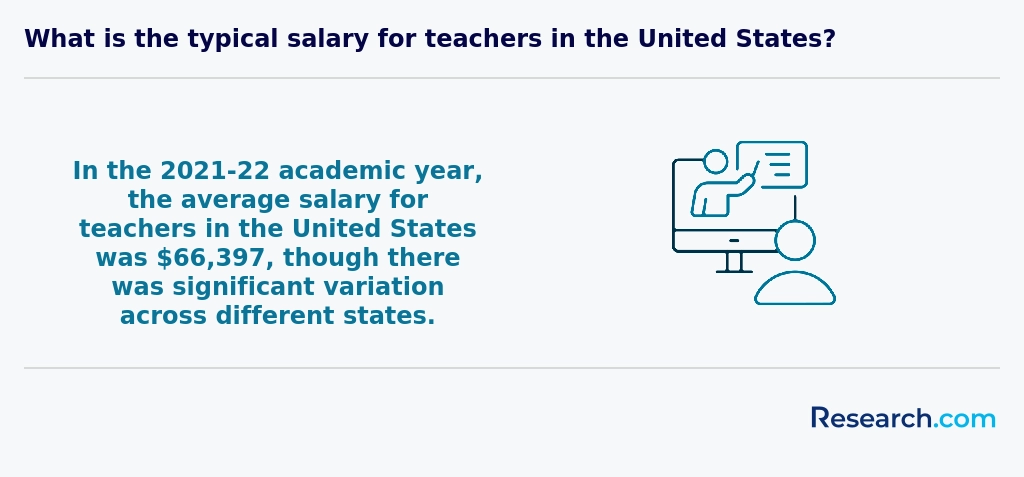
Graduates from popular St. Paul institutions pursuing an online special education degree often find themselves navigating a labyrinth of financial aid options that challenge the notion that quality education must come with overwhelming debt. Federal aid programs remain a cornerstone-completing the FAFSA opens doors to Pell Grants, which are not just paperwork but real relief, reducing the burden of costly tuition without the looming worry of repayment.
Imagine a student at Hamline University, receiving a Federal Direct Unsubsidized Loan alongside a Grad PLUS Loan, which together provide manageable repayment plans tailored for educators starting their journeys. State aid also plays a critical role; Minnesota's State Grant and specialized scholarships aimed at future special educators reflect the community's investment in nurturing these vital professionals.
Moreover, institutional scholarships and assistantships at University of St. Thomas or Metropolitan State University transform the financial landscape by rewarding merit and offering hands-on teaching experiences. These opportunities give students not just aid, but confidence and connection.
Local nonprofits and professional organizations add another layer, recognizing the value of dedicating one's career to special education in St. Paul's vibrant community.
Enrolling in an online special education degree program in St. Paul means more than just meeting baseline academic standards; it requires a commitment that reflects deep personal and professional readiness. Graduates from well-known local institutions often share how holding a bachelor's degree-usually in education or a related field-served as their first milestone, but not the only one. Many found that submitting strong transcripts with a GPA around 3.0 was essential to prove they could handle graduate-level rigor.
Letters of recommendation from professors or supervisors familiar with their work often felt like heartfelt endorsements, highlighting real-world dedication rather than just grades. Several students recall that prior teaching experience, especially in Minnesota classrooms, gave them both confidence and a nuanced understanding that bridged theory and practice. This foundation made coursework more meaningful and directly applicable.
Though standardized tests like the GRE aren't always mandatory, personal essays explaining motivation and background checks due to student safety concerns added layers of reflection and responsibility to the process. These requirements ensure that St. Paul's aspiring special educators are not only academically prepared but deeply committed to a challenging yet rewarding path.
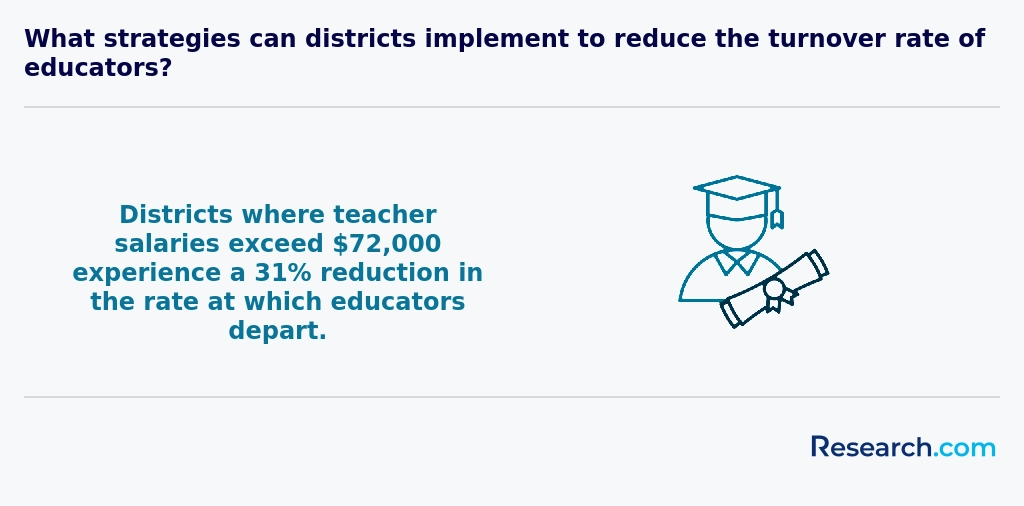
Online special education degrees in St. Paul often immerse students in a dynamic blend of courses that extend far beyond theory, prompting graduates to reflect deeply on their role as educators. For instance, graduates from popular local universities recall how the Foundations of Special Education course challenged them to rethink the impact of the Individuals with Disabilities Education Act (IDEA) on everyday classroom realities.
Another critical course, Assessment and Evaluation, equips candidates with hands-on methods to identify learning disabilities-a skill one graduate described as "eye-opening" when applied during field experiences in St. Paul schools. This practical connection transforms abstract concepts into meaningful strategies. Courses like Instructional Strategies for Diverse Learners and Classroom Management and Behavioral Interventions foster empathy and adaptability by presenting real-world scenarios common in the Twin Cities' diverse student populations.
Moreover, the integration of Assistive Technology excites students who see digital tools as gateways to independence, while Multicultural Perspectives and Family Engagement resonate deeply, encouraging future teachers to form genuine partnerships with local families in St. Paul's rich cultural mosaic.
Among online special education degree programs in St. Paul MN, students often discover a range of specializations that go beyond traditional teaching roles, challenging their assumptions about what it means to serve diverse learners. Graduates from local universities describe how focusing on Autism Spectrum Disorders (ASD) not only sharpened their ability to design sensory-friendly classrooms but also deepened their empathy for students' unique communication styles. Others who chose Learning Disabilities specialization learn practical strategies to craft individualized education plans, transforming frustrations into moments of breakthrough for children struggling with reading or math.
One common thread across these specializations is their connection to the realities faced in St. Paul's inclusive public schools, where educators work daily with large populations of students with disabilities. Specializations such as Emotional and Behavioral Disorders (EBD) prepare candidates to manage complex behaviors with positive interventions, while tracks like Early Childhood Special Education emphasize supporting families and developmental milestones. For those seeking practical skills tailored to local licensure, the Deaf and Hard of Hearing specialization includes sign language and auditory training, unlocking communication avenues often overlooked in conventional programs.
The appeal of these focused tracks is echoed by graduates from St. Paul's popular colleges, who share enthusiastic accounts of their personal and professional growth. Many recommend exploring financial aid through the cheapest special education masters degree online options to make these transformative experiences accessible.
Choosing the best online special education degree in St. Paul MN demands more than comparing tuition or convenience; it means immersing yourself in a program deeply aligned with local educational realities. Graduates from popular colleges here often recall how their coursework directly mirrored Minnesota's licensure requirements-covering IEP creation, behavior strategies, and the crucial student teaching experiences within St. Paul districts. This real-world connection helped them feel prepared and confident walking into classrooms.
Cost often dominates decision-making, but today's affordable special education master's programs in St. Paul are defined by the blend of tuition, financial aid, and state grants. Many describe relief upon discovering grants that eased their financial burden, enabling focus on their passion rather than debt. This financial balance shapes not just access but sustained motivation.
A wise step is exploring student testimonials who praise programs supporting tech issues and career counseling tailored specifically for special education professionals in Minnesota. Considering insights from these graduates reminds prospective students that selecting the right path means choosing a network that actively invests in their success.
For an expansive view of your options, research top programs carefully. Trusted rankings highlight top online special education bachelor's degree programs suitable for those committed to impact within St. Paul's communities.
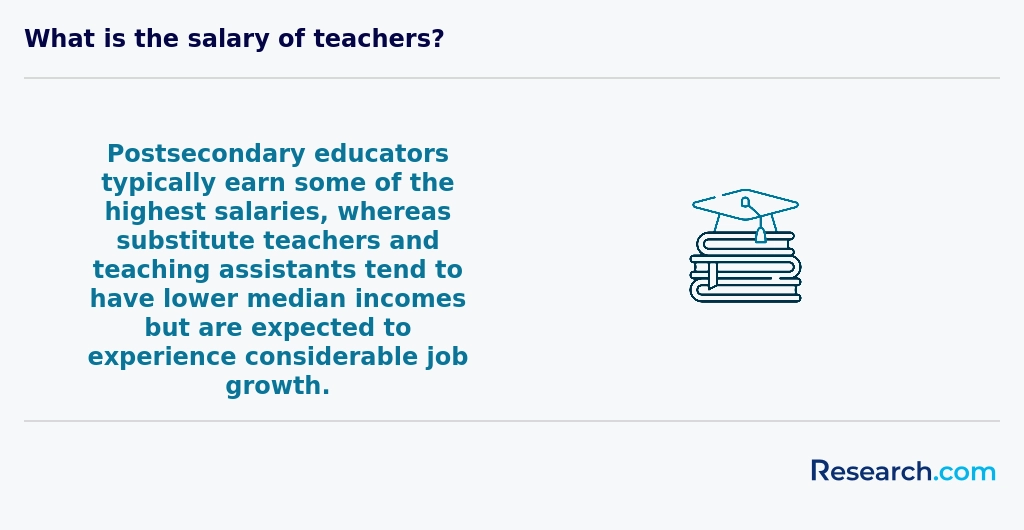
Graduates of an online special education degree in St. Paul often discover that their career paths extend far beyond the traditional classroom. While many step into roles as special education teachers within districts like St. Paul Public Schools, adapting curricula and crafting IEPs, others find themselves drawn to dynamic positions such as behavioral specialists or intervention coordinators. These roles tap into the growing demand in mental health support services for youth, a sector that is rapidly expanding in the area. Some graduates leverage their foundational degree alongside certifications to become speech-language pathologists or occupational therapists, offering essential therapies that transform student experiences at local institutions such as the University of St. Thomas and Hamline University. This spectrum of opportunities challenges the notion that special education degrees are limited to teaching, instead opening doors to impactful administrative or program director roles that shape policies and compliance with IDEA standards. Prospective students seeking to explore these versatile pathways may find valuable insights in the top special education masters programs. The variety of special education degree job opportunities St. Paul offers encourages greater reflection on how each role uniquely supports Minnesota's diverse student communities.
In St. Paul, the job outlook for special education teachers remains strong, fueled by ongoing efforts to enhance inclusive education. Graduates of local programs at universities and colleges known for special education find themselves stepping into a market that values their skills deeply. These professionals report experiencing a genuine sense of purpose and connection, working within St. Paul Public Schools and other agencies that actively seek qualified candidates. The demand is not just for classroom teachers but extends into roles like behavioral analysis and educational consulting, expanding the career horizons for online special education degree holders.
Many graduates reflect on how their online degrees offered the flexibility to balance work and study, ultimately easing their transition into the workforce. With starting salaries around $46,000 and opportunities for growth, the economic incentives complement the rewarding nature of the work. Prospective students in St. Paul can explore the diverse career opportunities that come with such degrees, recognizing that what is a special education teacher involves far more than traditional teaching roles, broadening the appeal of this vital profession.
These dynamics make online special education career opportunities St. Paul MN a compelling choice for those wanting to make a tangible difference while securing a promising professional future.
2027 Fastest Online Master's in Special Education Degree Programs Ranking in St. Paul, MN
Investing in your education is a significant decision that requires careful consideration, and the Research.com team is fully aware of the impact this choice can have on your future. To support prospective students in St. Paul, MN, we have carefully developed the "2027 Fastest Online Master's in Special Education Degree Programs Ranking." Our dedication to quality, credibility, and accuracy is demonstrated through rigorous research and thorough analysis in assembling this ranking.
We utilized the following reputable data sources to ensure a comprehensive and trustworthy evaluation of the programs:
By consulting this ranking, readers will gain valuable insights into the fastest online options for earning a Master's in Special Education in St. Paul, MN, empowering them to make well-informed educational decisions. For further information on how this ranking was created, please visit our Research.com methodology page.
# 1 position
Bethel University, Minnesota
Master of Special Education
# 2 position
Concordia University, St. Paul
Master of Special Education with Emotional/Behavioral Disorders (EBD) Endorsement

Frequently Asked Questions About special education
Students pursuing online special education degrees in St. Paul can maximize their learning by actively engaging with course materials and participating in virtual discussions. The Minnesota Department of Education emphasizes practical experience, so seeking local internships or volunteer opportunities in St. Paul schools can deepen understanding of special education needs.
Effective time management is also crucial; dedicating consistent study hours enhances retention. Leveraging St. Paul's educational resources, such as public library databases and local professional networks, supports research and skill development. Additionally, connecting with online peers and faculty allows for valuable feedback and collaboration, which research shows improves academic success in remote learning environments.
Maintaining regular communication with academic advisors ensures alignment with licensure requirements specific to Minnesota, aiding smoother certification processes in special education fields.
Emerging niches within the special education field reflect growing demands for specialized skills. One key area is assistive technology, which helps students with disabilities engage more fully in learning. This niche requires educators who understand both technology and disability support.
Another growing focus is autism spectrum disorder (ASD) intervention. As autism diagnoses rise nationally, educators with expertise in evidence-based ASD strategies are increasingly sought after. In Minnesota, over 4,000 children received autism-related special education services in 2022, underscoring local demand (Minnesota Department of Education).
Additionally, trauma-informed education is gaining attention. Educators trained in recognizing and addressing trauma-related challenges help improve outcomes for students facing adverse experiences. These niches together highlight evolving roles that online special education degrees in St. Paul can prepare students for.
After completing an online special education degree in St. Paul, preparing for the job market involves several key steps. First, obtaining Minnesota teaching licensure is essential; special education candidates must meet state requirements, including passing the Praxis exams and completing a licensure application through the Minnesota Department of Education.
Building a strong network with local schools and districts in St. Paul can significantly improve job prospects. According to the Minnesota Department of Education, demand for special education teachers remains steady, reflecting growing awareness and services for students with disabilities.
Gaining practical experience through internships or substitute teaching strengthens resumes and provides invaluable classroom insights.
Employers in St. Paul highly value special education graduates who demonstrate strong communication skills, both with students and interdisciplinary teams. Effective collaboration with families and educators ensures tailored learning plans are successful. Proficiency in developing Individualized Education Programs (IEPs) is essential, reflecting state and federal compliance.
Graduates must show expertise in behavioral management and adaptive teaching methods to support diverse learners. According to the Minnesota Department of Education (2023), the demand for educators skilled in assistive technology and differentiated instruction is rising, aligning with inclusive education policies.
Additionally, analytical skills to assess progress and modify strategies are critical. Cultural competence and empathy are also emphasized to address St. Paul's diverse student population effectively.
Finding internships in St. Paul that align with a special education degree involves connecting with local school districts and community organizations. The St. Paul Public Schools district, serving over 38,000 students, often offers practicum and internship opportunities for special education students. Contacting district offices directly or visiting their official websites can provide updated listings.
Additionally, nonprofits such as PACER Center, which supports children with disabilities, sometimes offer internship roles that provide valuable hands-on experience.
Many online special education programs require or assist with placement, so consulting your program's career services can be beneficial.
Networking with local educators and attending special education conferences in Minnesota also helps to discover openings.
Obtaining an online special education degree can significantly impact career mobility and advancement in St. Paul. The demand for qualified special education teachers in Minnesota is projected to grow by 6% from 2021 to 2031, according to the Minnesota Department of Employment and Economic Development. Completing a degree online offers flexibility to current educators seeking licensure or additional credentials, accelerating their career path without relocating. Accreditation of the program also matters, as St. Paul school districts prioritize candidates with state-approved certification. Overall, an online degree can open opportunities for roles in teaching, administration, and specialized support services within the St. Paul area.
Studying for a special education degree in St. Paul equips students with skills vital for interdisciplinary collaboration. Programs emphasize teamwork across fields such as speech therapy, psychology, and general education to create comprehensive support plans for diverse learners.
Curricula often include courses on educational law, behavior analysis, and inclusive practices, enabling graduates to work effectively with families, healthcare providers, and educators. The Minnesota Department of Education highlights the state's commitment to integrated service delivery, reflecting in local program standards.
Additionally, online degrees in St. Paul provide access to community partnerships and practical experiences. These enhance understanding of real-world challenges, preparing educators for interdisciplinary roles in schools and related agencies.
When choosing between a thesis and a non-thesis special education degree program in St. Paul, consider your career goals. A thesis option typically involves extensive research and is ideal for those interested in academic or research careers. It requires developing and defending a research project, which can be time-consuming but valuable for advanced knowledge.
Conversely, non-thesis programs focus on coursework and practical skills, preparing students for direct roles in schools or administration. They often allow faster completion and are suitable for practitioners aiming to enhance classroom strategies.
According to the Minnesota Department of Education, St. Paul-area special education teachers increasingly need skills in evidence-based interventions, which non-thesis programs emphasize.
Additionally, financial aid and program format may influence your choice, as some online options in St. Paul offer flexible scheduling without thesis demands.
Students based in St. Paul interested in studying special education abroad face unique challenges, as U.S. accreditation and certification standards often complicate international degree recognition. Most students in this area opt for accredited online programs offered by U.S. institutions, which provide greater assurance of credential acceptance in Minnesota. According to the Minnesota Department of Education, special education teachers require state licensure, typically obtained through approved U.S. programs. While some international schools offer special education degrees, credits and certification might not transfer easily.
Many students instead pursue global perspectives through study abroad components or online exchanges integrated into U.S. programs, enabling exposure to international special education practices without risking licensure issues. This approach supports compliance with Minnesota's regulations and local employment requirements.
Part-time job opportunities in St. Paul that complement a special education degree often include roles in schools, community centers, and healthcare facilities. Positions such as teacher assistant, paraprofessional, or behavioral aide provide direct experience working with students who have disabilities, which is crucial for practical learning.
St. Paul Public Schools employ numerous paraprofessionals to support special education programs, making it a significant source of part-time work. According to Minnesota's Department of Education, the demand for qualified support staff in special education remains steady, reflecting the national trend of increasing inclusive education.
Other options include tutoring services or working with nonprofit organizations focused on disability advocacy. These roles help reinforce knowledge gained in online courses while building valuable skills for future full-time teaching careers.
Online special education students in St. Paul have access to various networking opportunities that support their professional growth. Many local universities and organizations host virtual events, workshops, and webinars that focus on special education topics and inclusive teaching strategies. These events enable students to connect with experienced educators and administrators in Minnesota.
Additionally, state chapters of national groups like the Council for Exceptional Children offer memberships and meetings that provide regional networking. Online students can also join local online forums and social media groups dedicated to special education in the Twin Cities. These platforms foster collaboration and career development among peers and mentors.
Alumni networks provide valuable support for online special education degree students in St. Paul by connecting them with experienced educators and professionals within the region. These networks often facilitate mentorship opportunities, which can improve career readiness and job placement. According to the Minnesota Department of Education, St. Paul has a strong demand for qualified special education teachers, making these connections especially beneficial. Additionally, alumni networks offer access to local job listings and professional development events, strengthening a student's ability to stay current with education standards and practices. Engaging with alumni can enhance collaboration and resource sharing, crucial for success in this specialized field.
Customizing your online special education degree program in St. Paul allows you to align your studies with specific career goals. Many accredited programs offer electives focused on areas such as autism spectrum disorders, behavior intervention, or early childhood special education. This specialization helps develop expertise that meets local demand. According to the Minnesota Department of Education, St. Paul consistently needs qualified special educators in speech and language services and inclusive classroom strategies.
Additionally, flexible practicum placements can be arranged within St. Paul's school districts, bridging theory and real-world experience. Advisors often help tailor course sequences and certification pathways, including preparing for Minnesota's required licensure exams.
Choosing programs with dual degree options or endorsements can also expand your qualifications, supporting roles like educational consultant or transition specialist.
Online special education students in St. Paul often face challenges related to balancing coursework with professional and personal responsibilities. Many are current educators managing classroom demands alongside their studies. Limited hands-on experience can be a hurdle, as special education training often requires practical interaction with diverse student populations.
Technical difficulties and inconsistent internet access also pose issues, especially given the varied connectivity across Minnesota. According to the Minnesota Department of Education, about 15% of students in St. Paul Public Schools receive special education services, highlighting the need for well-prepared teachers despite these challenges.
Additionally, students may find it difficult to access timely academic support due to the remote nature of online programs. Building connections with peers and instructors is another common concern, impacting collaborative learning experiences essential in special education training.
With an online special education degree, you can pursue several professional certifications to enhance your career prospects in St. Paul and beyond. The most common is the Minnesota teaching license with a special education endorsement, which qualifies you to work as a special education teacher in K-12 schools.
Additionally, you might consider certifications such as Board Certified Behavior Analyst (BCBA) or Licensed Professional Clinical Counselor (LPCC), depending on your focus. These credentials often require further coursework or supervised experience beyond a master's degree.
The Minnesota Department of Education provides clear guidelines on certification requirements. Holding these certifications can improve your employability in St. Paul's growing special education sector, where demand for qualified teachers continues to rise, according to local labor market reports.
To write a winning application for an online special education program in St. Paul, start by clearly highlighting your relevant experience with children who have disabilities or special needs. Admissions committees value practical knowledge and commitment to inclusive education. Include details about any volunteer work, internships, or employment related to special education settings.
Next, focus on your academic qualifications and showcase your ability to manage online coursework effectively, since online programs demand strong self-discipline. Be sure to personalize your statement of purpose by explaining why you chose St. Paul programs, mentioning Minnesota's commitment to special education excellence reflected in state Department of Education reports.
Finally, secure strong letters of recommendation from professionals familiar with your dedication to special education. According to the Minnesota Department of Education, referencing local education frameworks can strengthen your credibility and demonstrate your readiness to contribute meaningfully to the field.
The global perspective on special education careers highlights increasing demand and evolving professional standards. In the United States, including St. Paul, special education teachers play a crucial role in supporting diverse learners. According to the Minnesota Department of Education, approximately 14% of K-12 students in Minnesota receive special education services, reflecting a steady need for qualified professionals in this field.
Internationally, efforts emphasize inclusive education, but the U.S. system remains notable for its legal protections under IDEA (Individuals with Disabilities Education Act). Online degrees from St. Paul institutions prepare educators to meet these rigorous standards while addressing culturally responsive teaching.
For prospective students, understanding these trends can clarify career opportunities and influence educational choices within the local and national context.
Gaining practical experience is essential when pursuing an online special education degree in St. Paul. Many programs require students to complete fieldwork or student teaching in local schools to meet licensure standards set by the Minnesota Department of Education. These placements allow students to work directly with children who have diverse learning needs under the supervision of experienced educators.
St. Paul Public Schools, serving over 33,000 students with about 13% receiving special education services, offers a strong network for internships and practicum opportunities. Partnering with local institutions helps online students fulfill hands-on requirements without relocating.
Additionally, virtual observations and remote collaboration with classroom teachers have become more common, providing flexible options to suit online learners' schedules. Students can also engage in community organizations focusing on disability advocacy to broaden their practical skills while studying.
Choosing the right concentration within an online special education degree program in St. Paul involves considering your career goals and the community's needs. Special education in Minnesota emphasizes supporting students with diverse disabilities, including learning, emotional, and physical challenges. According to the Minnesota Department of Education, over 14,000 students receive special education services in the Twin Cities area. Concentrations may focus on areas like Autism Spectrum Disorders, behavioral disorders, or early childhood intervention.
Evaluate which student populations you want to serve and seek programs aligned with state licensure requirements. Additionally, consider schools offering practical training experiences within St. Paul's public or private schools to enhance your readiness for local employment.
- CSP Global https://www.graduateprogram.org/concordia-saint-paul/
- Special Education Pathways Grant | Programs & Services https://www.resourcecoop-mn.gov/programs-services/special-education-pathways-grant
- Special Education Courses Online https://www.senteachertraining.com/special-education-course.php
- Bachelor of Education (Special Needs Education) https://spu.ac.ke/bachelor-of-education-special-needs-education
- The Practices of Teachers in the Development of Post- ... https://www.naset.com/publications/ld-report/the-practices-of-teachers-in-the-development-of-post-secondary-skills-in-students-with-learning-disabilities/
- Special Education https://www.stpaulcityschool.org/special-education
- Special Education https://www.spps.org/academics/special-education
- Enhance Special Needs and Inclusion in Education https://erasmuscoursescroatia.com/2023/05/26/4-effective-strategies-enhance-special-needs-and-inclusion-in-education/
- Education Major for Paraprofessionals https://www.hamline.edu/academics/online-bachelors-education-major
- Top Ten Best Early Childhood Special Education Degree ... https://www.special-education-degree.net/top-best-early-childhood-special-education-degree-programs/