2027 Best Online Bachelor's in Special Education Degree Programs Ranking in the South

Co-Founder and Chief Data Scientist
Choosing the right online bachelor's degree in special education can shape your future and make a real difference in the lives of children. If you live in the South and are exploring your options, this article offers valuable guidance.
Featuring the 2027 Best Online Bachelor's in Special Education Degree Programs Ranking in the South, created by the Research.com team of data scientists, it helps you identify quality programs with confidence.
Discover programs that fit your goals while gaining skills to support diverse learners. This degree opens doors to meaningful, rewarding careers in education.
Key benefits of getting online special education degree in the South
- Special education graduates in the South often start with salaries around $45,000 to $55,000 annually, reflecting rewarding roles that make a real difference in students' lives.
- Graduates from universities like the University of Georgia can pursue careers as special education teachers, school counselors, or program coordinators, offering diverse opportunities to impact education.
- Online degrees from schools such as Liberty University provide flexibility to balance work and study, enabling smoother career transitions without sacrificing current responsibilities.
- 2027 Best Online Bachelor's in Special Education Degree Programs Ranking in the South
- What can I expect from online special education degree in the South?
- Where can I work with online special education degree in the South?
What can I expect from online special education degree in the South?
If you're looking into an online special education degree in the South, you might be wondering about the cost. On average, these programs usually run between $10,000 and $25,000 for a full bachelor's degree. For example, graduates from popular Southern schools like the University of Florida or Texas A&M often share how the investment felt manageable, especially with flexible payment plans and scholarships aimed at working adults.
Many students appreciate that the online formats allow them to juggle family and jobs while studying without adding extra expenses like commuting or housing. Some even mention how their schools helped them apply for financial aid or grants specific to special education careers in states like Georgia or North Carolina.
Plus, when you think about the hands-on practicum opportunities built into these programs, it adds real value-getting experience tailored to your state's licensure requirements without extra surprise fees. It's the kind of setup that makes you feel supported every step of the way.
Where can I work with online special education degree in the South?
With an online special education degree in the South, you're looking at a bunch of great job options. Many graduates find themselves working in local K-12 schools-both public and private-helping kids who need a little extra support succeed. Think of a graduate from a popular Southern university who's now creating and fine-tuning Individualized Education Plans (IEPs) in a Georgia school, making a real difference every day.
But it's not just classrooms. You could also jump into early intervention programs, privately run therapy clinics, or nonprofit groups that push for better disability services. For example, some alumni from well-known colleges in Texas share how rewarding it is collaborating with families and therapists to tailor learning experiences that fit kids' unique needs.
If you like variety, consider working at colleges helping students with disabilities or even consulting on improving school programs. Plus, many Southern states are eager to hire special educators, which means getting certified online can quickly land you a job with solid pay, especially in places like Florida or North Carolina.
If you're earning an online special education degree in the South, you can generally expect to make between $46,000 and $55,000 a year, depending on where you land and how much experience you rack up. Graduates from well-known Southern schools often share how starting salaries might be closer to $46,000 in more rural spots like Mississippi, but once you gain some experience-say five years or so-you could see your paycheck jump several thousand dollars higher.
For example, in states with bigger cities and stronger school budgets, like Georgia or North Carolina, it's not unusual for special ed teachers to earn upwards of $52,000 to $53,000. Those graduates working in urban districts might feel that boost, even if living costs are a bit higher. Plus, if you pursue advanced certifications or take on leadership roles, many districts around Southern colleges offer extra stipends, helping your salary grow faster.
It's a solid path with real earning potential-graduates from Southern universities often talk about finding rewarding careers that pay well enough to support themselves and their families comfortably.
- Many accredited universities in the South offer fully online bachelor's degrees in special education, suitable for working adults and those who cannot relocate.
- Tuition at public institutions typically ranges from $8,000 to $15,000 per year, while private universities may charge between $15,000 and $25,000 annually.
- Employment for special education teachers is expected to grow about 8% nationally over the next decade, reflecting strong demand in Southern states.
- Starting salaries for special education teachers in the South range from $40,000 to $48,000, with experienced teachers earning between $55,000 and $65,000 annually.
- State certification is required for special education teachers, and online programs must be approved by state education departments to qualify graduates for licensure.
If you're thinking about getting your online special education degree in the South, expect to spend about four years if you're studying full-time-pretty much what you'd see at schools like the University of Florida or Vanderbilt. Many graduates say that sticking to full-time beats the rush and lets you stay focused without burning out.
But if you've got a busy life-work, family, all that-going part-time is a popular choice. Lots of folks from places like the University of Alabama take around five to six years to finish while juggling their schedules, and honestly, it feels more doable that way.
Some Southern schools offer accelerated tracks too, shaving the time down to about three years if you've got credits to transfer or can handle a heavier load. Graduates who took these paths say it's intense but super rewarding, especially when you're eager to start your career helping kids sooner.
Just keep in mind that many programs include practical stuff like student teaching or licensure prep, which might stretch out your timeline but get you fully ready for the classroom. It's all about finding the pace that fits your life.
Becoming a licensed special education teacher in the South involves:
- Enroll in an accredited online special education program with state-approved clinical practice hours.
- Pass required licensure exams (e.g., Praxis II Special Education or a state-specific assessment).
- Submit official transcripts, test scores, and background check results to your State Board of Education.
- Complete any additional state criteria, such as fingerprinting or child welfare clearances.
- Maintain and renew certification by completing mandated continuing education or graduate study; consider exploring the cheapest online edd programs for affordable advanced credentials.
If you're thinking about a special education degree in the South, the biggest difference between online and on-campus programs is how you experience learning. Online programs, like those offered by universities popular across the South, give you the freedom to study from anywhere-perfect if you live in a rural area or juggle work and family. Many graduates mention how this flexibility helped them stay on track without the stress of commuting. But heads up: being self-motivated is key because you won't get as much face-to-face time with professors or classmates.
On the flip side, going to campus at schools in Georgia or North Carolina means you get that classic college vibe with live classes, instant feedback, and hands-on fieldwork nearby. Graduates often share how getting direct tutoring and doing practicum hours in local schools boosted their confidence and skills, something that's more immediate and immersive than online.
Cost-wise, online often saves money on fees and travel, but you'll want to check for tech expenses and how financial aid works at your chosen Southern university since it can vary.
The average cost of an online special education degree in the South varies quite a bit depending on where you study and whether you qualify for in-state tuition. On average, in-state students pay around $20,683 for the entire program, while out-of-state students can expect to pay closer to $82,183. Graduates from Southern public universities often mention how affordable their tuition made it possible to focus on learning without worrying about massive debt.
Many Southern schools like Texas A&M or University of Florida offer in-state tuition rates that are much friendlier to budgets. These institutions usually have tuition fees under $7,000 per year, plus some technology or course material costs. This makes the overall average cost of online special education degrees in the South quite reasonable compared to private options.
When thinking about tuition and fees for special education bachelor's programs southern US offers, remember the importance of factors such as whether you get in-state rates, the institution's public or private status, and available financial aid or scholarships. Lots of students have found ways to make their degrees affordable by applying for scholarships and using federal aid.
If you're interested in career options after finishing your degree, check out bachelor degree in special ed jobs for insights. It really helps to see how achievable this path is and motivates many to take the next step towards becoming special education teachers.

Each state in the South requires specific steps to earn your special education license. Most programs align with these core requirements:
- Graduate from a state-approved online bachelor’s program with a special education endorsement
- Complete required practicum and student-teaching hours (often 100–150 hours)
- Pass licensure exams such as Praxis Core Academic Skills for Educators and Praxis Special Education
- Submit fingerprinting, background checks, and official transcripts to your state education board
After initial certification, you must complete continuing education to maintain your teaching license. For educators aiming for leadership, policy, or higher-level research roles, pursuing an EdD can be a strategic next step-explore the options in cheapest online edd programs.
If you're going after an online special education degree in the South, financial aid can really lighten the load. Plenty of students at schools like the University of Georgia or Appalachian State have found federal aid through FAFSA a lifesaver-think Pell Grants that don't need to be paid back and federal loans with good interest rates. That's a big deal when tuition can run between $10,000 to $25,000 a year depending on where you live.
State grants are another great option. For example, Georgia's HOPE Scholarship has helped many Southern students cover costs, especially those committed to teaching. North Carolina and Tennessee step up too with their own grants aimed at future teachers, which is perfect if you're focused on special education.
Some grads from these programs talk about how their schools offered scholarships just for students like them-online learners wanting to teach in underserved communities. Plus, if you're already teaching, some districts have tuition reimbursement programs that make going back to school way easier.
If you're thinking about enrolling in an online special education degree program in the South, you'll want to know what's typically expected before you get started. Most schools in states like Georgia, Texas, and Florida ask for a high school diploma or GED-basically, the foundation to prove you're ready for college-level work. A lot of graduates say this felt like a natural first step, nothing too complicated.
Some programs, especially those at big public universities, might want you to have at least a 2.5 GPA, and they may ask for SAT or ACT scores. But here's the good news: many Southern schools have gone test-optional recently, so you might get in without those scores if you've got other solid qualifications.
Being prepared with some general education courses - think English, math, psychology - really helps. Graduates share that understanding basics like developmental psychology gave them confidence when starting hands-on parts like field placements.
Also, having some experience-maybe volunteering with kids who have disabilities-can make a big difference. Many say it made their learning click because they could connect theory to real life. Just remember, since licensing rules vary by state, you'll want to check that you meet any residency requirements for your chosen university.
After earning your online bachelor’s in special education, many graduates pursue advanced degrees to boost career growth and leadership opportunities. Consider these popular pathways:
- Master of Education (M.Ed.) in Special Education for deeper instructional skills, advanced licensure and higher salary scales
- Education Specialist (Ed.S.) focusing on curriculum leadership, program development and specialized intervention strategies
- Doctor of Education (Ed.D.) to shape policy, lead district-level initiatives and conduct applied research; explore cheapest online edd programs for cost-effective doctoral options
Each credential expands your capacity to influence inclusive education, opens doors to administrative roles and can significantly increase both impact and earning potential.
If you're diving into an online special education degree in the South, expect courses that really prepare you to make a difference in the classroom. Graduates from well-known Southern colleges often mention how courses like Foundations of Special Education gave them a solid grasp on disabilities and educational law right off the bat. They say learning about individualized education programs (IEPs) felt like unlocking a superpower - tailoring lessons perfectly for each student's needs.
Behavioral Management and Intervention classes are a favorite too. Imagine being equipped with real strategies to handle tricky behaviors calmly and confidently. Many grads recall how this helped them create supportive, positive spaces for kids who need it most.
You'll also get hands-on with tech in Assistive Technology courses, which Southern programs emphasize a lot. Using digital tools to help students connect and learn is a game-changer. Plus, the focus on Cultural Competence makes sure you're ready to teach in our diverse Southern communities with respect and understanding.
Field experiences let you test all this out in real classrooms, which many grads say was invaluable - nothing beats learning by doing!
If you're looking into a special education online degree specializations South programs often highlight, you'll find lots of relevant options tailored to different student needs. For example, Autism Spectrum Disorder (ASD) is a big one-plenty of graduates from popular Southern colleges have praised how their courses focused on hands-on strategies like Applied Behavior Analysis and social skills coaching, helping them feel ready to support autistic kids in real classrooms.
Another common route is Emotional and Behavioral Disorders (EBD), which preps you to help kids manage tough emotions and behaviors. Graduates often mention how their schools in Southern states taught practical crisis management techniques, making them confident to handle real-life challenges.
Learning Disabilities is a favorite specialization too, with programs covering everything from dyslexia to assistive tech. Many students who've completed Southern states special education program options say the focus on differentiated instruction made a huge difference in their teaching approach.
Early Childhood Special Education also shines in the South, especially with strong early intervention efforts. Plus, if you want to speed things up, check out this accelerated online special education graduate certification-it's a popular choice for busy folks aiming to jumpstart their careers.
When it comes to picking the best online special education degree in the South, a biggie is making sure the program is properly accredited. Graduates from popular Southern colleges often share how knowing their degree was CAEP-accredited gave them peace of mind, especially when it came time to get licensed in their state. Since special education rules vary across Southern states, it's smart to choose a program that preps you for where you want to teach. For example, some Southern universities include hands-on virtual classrooms or supervised fieldwork, which many grads found super helpful for real-world teaching readiness.
Cost also plays a huge role. Affordable special education bachelor's degrees South can save you a bundle compared to pricier private schools. Many students found exploring scholarships and employer tuition help was a game-changer. Plus, strong student support-like tutoring and career advice-makes a noticeable difference during the online learning journey.
If you're curious about top options, you can check out this master degree in special education online programs overview to compare offerings and find the best fit for you.
If you're thinking about special education careers in the South, there's a lot of exciting paths you can take after earning an online special education degree. Many graduates from popular Southern schools find themselves stepping confidently into classroom roles, helping kids with diverse needs thrive every day. Beyond teaching, you might become a resource specialist providing tailored support, or work as an instructional coordinator shaping how teachers deliver lessons. Some even enjoy roles as behavioral interventionists, making a real difference in students' social skills and emotional growth.
Others explore jobs in private schools or nonprofits, where teamwork and creativity are key. A few graduates pursue advanced certifications to work as educational diagnosticians or school psychologists, helping to create personalized learning plans.
Thanks to rising demand in states like Texas and Florida, job openings stay steady and rewarding. Plus, if you want to dive deeper, check out this guide on special education duties and responsibilities for more insight on opportunities. The South really offers a welcoming space to grow your career while making a real impact.
You'll hear from alumni of big-name Southern universities sharing how affordable programs made their journey smooth and rewarding, proving online special education degree job opportunities South are both diverse and accessible.
The job market for online special education degrees in the South is looking pretty promising right now. Graduates from popular Southern universities often share how finding a job feels more achievable thanks to growing demands in states like Texas, Georgia, and North Carolina. Many school districts are actively searching for certified special educators, and online degrees provide a flexible route to enter this field without needing to uproot your life.
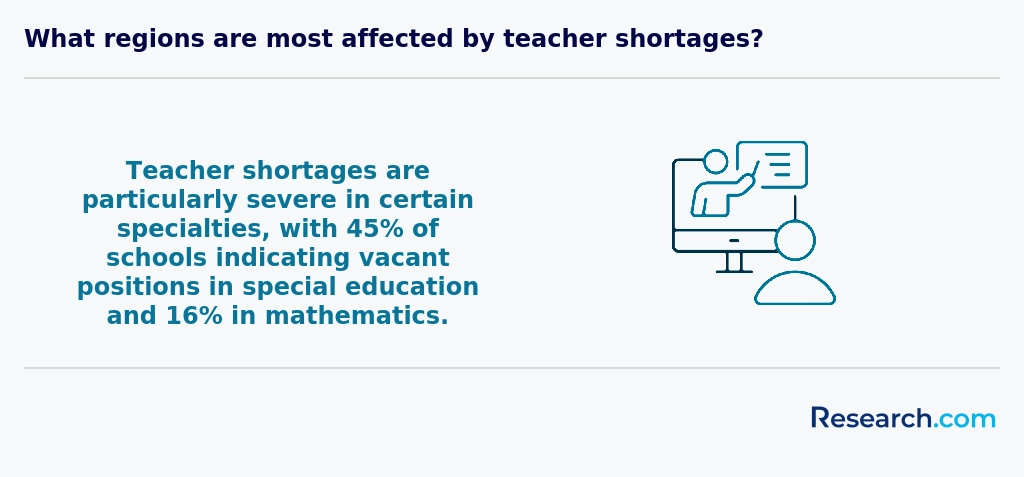
One big reason for this positive job outlook for special education degrees in the South is the consistent shortage of qualified teachers, especially in public K-12 schools. Graduates have also found exciting career opportunities Southern states offer beyond traditional classrooms, such as working in early intervention services or nonprofit organizations. Plus, online programs often come with affordable tuition-sometimes under $7,000 a year-making it easier to invest in your future.
If you want to know more about advancing with an online degree, check out this education specialist degree guide, which many graduates swear by for understanding certification pathways and career options in the region.
2027 Best Online Bachelor's in Special Education Degree Programs Ranking in the South
Investing in your education is a significant decision that can shape your future, and the Research.com team understands the importance of making informed choices. To assist prospective students in the South, we have meticulously crafted the "2027 Best Online Bachelor's in Special Education Degree Programs Ranking in the South." Our commitment to quality, credibility, and accuracy is reflected in the extensive research and analysis conducted to compile this ranking.
We utilized the following reputable data sources to ensure a comprehensive evaluation of special education degree programs:
By exploring this ranking, readers will gain valuable insights into the top online special education programs in the South, empowering them to choose the path best suited to their career goals. For more details on how this ranking was created, please visit our Research.com methodology page.
# 1 position
University of Central Florida
Bachelor of Exceptional Student Education, Learning and Language


# 4 position
Campbellsville University
Bachelor of Learning & Behavior Disorders (P-12)/Elementary Education (P-5)

# 5 position
Mary Baldwin University
Bachelor of Autism Studies & Applied Behavior Analysis

Frequently Asked Questions About special education
Students pursuing online special education degrees in the South can maximize their learning by actively engaging with hybrid field experiences required by many Southern schools. According to the Southern Regional Education Board, practical application through local internships strengthens classroom theory. Establishing connections with regional special education professionals also enhances understanding of state-specific regulations and resources.
Time management is crucial; Southern universities often provide flexible schedules, but remaining disciplined is key. Utilizing technology effectively, including discussion boards and video conferencing, helps mimic in-person interaction. Additionally, tapping into community support services in Southern states, where approximately 14% of students receive special education (NCES, 2022), offers valuable context for applying coursework to local populations.
Emerging niches within the special education field reflect growing demand for specialized skills to support diverse learners. One notable area is assistive technology integration, where educators learn to use tools that enhance learning for students with disabilities. This niche is particularly relevant in the South, where rural schools are adopting tech solutions to increase accessibility.
Another growing focus is inclusive early childhood education. Programs in the South emphasize training teachers to support young children with developmental delays alongside their peers, responding to federal mandates and rising awareness.
Behavioral and mental health supports are expanding, addressing increased recognition of social-emotional needs in special education populations.
These niches align with data from the Southern Regional Education Board, highlighting a 12% rise in special education positions related to technology and mental health since 2019.
Graduates with an online special education degree in the South can enhance job prospects by obtaining state licensure, which is required for public school teaching positions. Each Southern state has specific certification requirements, often including passing the Praxis exams and completing student teaching or field experiences. Networking within local school districts and joining professional organizations such as the Council for Exceptional Children can provide valuable resources and job leads. According to the U.S. Bureau of Labor Statistics, special education teacher employment in the South is projected to grow by 7% from 2022 to 2032, signaling steady demand. Continuing education and staying updated on Individualized Education Program (IEP) laws also improve employability.
Employers in the South seek special education degree graduates who demonstrate strong communication and collaboration skills. These professionals often work with diverse student populations, families, and multidisciplinary teams, making clear interaction essential.
Instructional adaptability is another key skill. Graduates must tailor teaching methods to meet Individualized Education Program (IEP) goals, reflecting the region's emphasis on inclusive practices reported by the Southern Regional Education Board.
Additionally, knowledge of behavior management and assessment techniques ranks highly, as South Carolina and Texas schools increasingly adopt data-driven interventions.
Graduates proficient in these areas tend to have better employment outcomes, with the U.S. Bureau of Labor Statistics projecting a 9% job growth for special education teachers through 2031 across southern states.
Finding internships in the South for special education degrees involves targeted research and networking. Many Southern states have partnerships between universities and local school districts, which often offer internship placements. For example, states like Georgia and North Carolina report that over 70% of special education students find internships through university-coordinated programs, according to the Southern Regional Education Board.
Students should explore university career services and education departments for internship listings. Additionally, engaging with professional organizations such as the Council for Exceptional Children's Southern chapter can connect students with local internship opportunities.
Contacting local public schools directly is also effective, as many districts seek interns to support special education classrooms. State education department websites often list approved internship sites and guidelines, which can be crucial in securing placements that meet certification requirements.
Obtaining an online special education degree in the South significantly enhances career mobility and advancement opportunities. Many Southern states face a growing demand for qualified special education teachers, fueled by increasing student populations with disabilities. According to the Texas Education Agency, vacancies for special education roles have risen by over 10% in recent years.
Online degrees provide flexible access to accredited programs, enabling educators to earn credentials while working. This flexibility helps professionals transition from paraprofessional roles to licensed teachers or advance into administrative and specialist positions.
Furthermore, online programs often align with state licensure requirements crucial for Southern educators, improving eligibility for raises and leadership roles within schools.
Online special education degree programs in the South increasingly emphasize interdisciplinary training. Students engage with curricula that integrate psychology, speech pathology, and general education principles, reflecting collaborative practices in real classrooms. This approach aligns with regional education standards set by organizations such as the Southern Regional Education Board.
Programs often include practicums or virtual simulations exposing students to teamwork with counselors, therapists, and classroom teachers. According to the U.S. Department of Education, Southern states report rising demand for professionals skilled in interdisciplinary cooperation to address diverse student needs effectively.
Such preparation helps graduates serve varied populations, promoting inclusive education. This trend supports workforce readiness amid evolving special education mandates across Southern school districts.
When choosing between a thesis and a non-thesis online special education degree program in the South, consider your career goals. Thesis programs typically emphasize research skills and may suit students aiming for doctoral studies or university-level teaching. Non-thesis options often focus on practical knowledge and field experience, ideal for immediate classroom application.
Many Southern universities offer both tracks, with thesis options requiring a research project, while non-thesis paths require additional coursework or internships. According to the National Center for Education Statistics, nearly 20% of Southern special education graduates pursue advanced research degrees, making thesis programs valuable for this group.
Evaluate your learning style and professional aspirations carefully before deciding.
Students based in the South who wish to study special education abroad have limited direct options due to the complexities of international credential recognition and licensure. Most institutions in the US, including those in Southern states like Texas and Florida, encourage pursuing accredited online degrees domestically to ensure alignment with state certification requirements.
However, some southern universities offer study abroad programs or international partnerships that allow coursework to be completed overseas while maintaining enrollment at a US institution. These programs provide global perspectives on special education practices without compromising eligibility for Southern state teaching licenses.
According to the Southern Regional Education Board, 15% of special education programs in the South incorporate international experiences in some form, although fully foreign degrees are rare and often require additional US certification steps. Students should consult state education departments to verify credential acceptance before enrolling abroad.
Part-time job opportunities in the South that complement a special education degree often involve direct support roles, such as classroom aides or paraprofessionals. These positions provide valuable hands-on experience working with students who have diverse learning needs. According to the U.S. Bureau of Labor Statistics, educational support roles are projected to grow by 8% nationally through 2031, reflecting increasing demand.
Additionally, tutoring services specialized in learning disabilities can be a flexible option, especially in states like Texas and Georgia where demand for special education services is rising.
Schools and non-profits frequently offer part-time roles for after-school program assistants that strengthen practical skills for future educators in the region.
Online special education students in the South have several networking opportunities despite the virtual format. Many regional universities offering online degrees connect students with local special education associations, such as the Southern Regional Council on Special Education, which hosts events and workshops. These platforms help foster relationships with educators and administrators within the Southern states.
Additionally, online programs often encourage participation in virtual conferences and job fairs targeting special education professionals in the region. According to the U.S. Department of Education, Southern states employ roughly 30% of the nation's special education teachers, increasing local networking value.
Alumni networks offer vital support to online special education degree students in the South by connecting them with experienced professionals in the field. These networks provide access to mentorship, job opportunities, and collaboration that enhance career advancement. According to the Southern Regional Education Board, states in the South report growing demand for special education teachers, emphasizing the importance of strong professional connections.
Furthermore, alumni groups often share regional job market insights, helping graduates navigate local school systems and certification requirements efficiently. Participation in these networks can increase employment rates, as 70% of jobs in education are filled through referrals.
Customizing an online special education degree in the South allows students to align their studies with unique career goals. Many Southern universities offer flexible electives focused on areas like autism spectrum disorders, behavioral intervention, or early childhood special education. This flexibility helps educators meet specific local needs; for example, according to the National Center for Education Statistics, Southern states report higher-than-average special education enrollment rates, creating diverse job opportunities.
Students can also select programs with state certification pathways or advanced practicum options to gain hands-on experience. Additionally, some institutions partner with local school districts to tailor placements that reflect regional demographics and resources. These choices help ensure graduates are well-prepared for the Southern job market in special education.
Online special education students in the South frequently face challenges related to limited access to reliable high-speed internet. According to the Federal Communications Commission (FCC), about 22% of rural Southern households lack broadband, impacting students' ability to participate in live sessions and access digital resources.
Another challenge is balancing fieldwork or practicum requirements with online coursework. Special education degrees involve hands-on experience, and coordinating these in diverse Southern school districts can be complex.
Additionally, students may encounter fewer local support networks compared to traditional campuses, affecting mentorship and peer collaboration.
Understanding state certification differences in Southern states also adds complexity for students planning to work regionally.
Graduates with an online special education degree in the South often pursue several professional certifications to enhance their career opportunities. The most common certification is the State Teaching License in Special Education, which is required to teach students with disabilities in public schools. Each Southern state has specific requirements, often including passing the Praxis Special Education exam.
Many educators also seek Board Certified Behavior Analyst (BCBA) certification to work with students needing behavioral support. According to the Council for Exceptional Children, states like Texas and Florida report growing demand for this certification due to increasing special education needs.
Additional certifications include Licensed Specialist in School Psychology (LSSP) and endorsements in areas like autism or speech therapy. Pursuing these credentials can significantly improve job prospects and salary potential in Southern school districts.
When applying to an online special education program in the South, start by thoroughly researching accredited schools, as regional accreditation ensures quality education and better job prospects. The Southern Association of Colleges and Schools Commission on Colleges (SACSCOC) accredits many institutions in this region.
Highlight your passion for supporting students with disabilities and any relevant experiences, such as volunteer work or previous teaching roles. Admissions committees value applicants who demonstrate commitment to the field.
Strong letters of recommendation from educators or employers can improve your chances. Also, clearly articulate your career goals and how the program aligns with them.
According to the National Center for Education Statistics, the South has unique needs in special education, making your local knowledge an asset.
Special education careers are increasingly valued worldwide due to growing awareness of inclusion and equal access to education. In the United States, including the South, educators with special education degrees address diverse student needs, aligning with global trends emphasizing individualized learning plans and assistive technologies.
The U.S. Department of Education reports that the Southern region employs roughly 30% of special education teachers nationwide, reflecting strong regional demand. Internationally, the focus is on adapting teaching methods to various disabilities, mirroring U.S. strategies supported by federal laws like IDEA (Individuals with Disabilities Education Act).
Global perspectives also highlight collaboration across countries to improve teacher training and resource availability. For Southern students pursuing online degrees, understanding these worldwide efforts underscores the profession's relevance and evolving nature.
Gaining practical experience is essential when pursuing an online special education degree in the South. Many programs require students to complete fieldwork or student-teaching placements as part of their curriculum. These placements often occur in local schools or educational centers, allowing students to apply theoretical knowledge in real classroom settings.
In Southern states like Texas and Georgia, schools frequently partner with online degree programs to provide supervised internships. According to the National Center for Education Statistics (NCES), nearly 15% of special education teachers in the South have completed internships linked to their degrees. This hands-on experience helps students develop skills in behavior management, individualized instruction, and assessment.
Additionally, some universities offer virtual simulation tools and mentoring opportunities to supplement in-person practice. These resources ensure that even online students obtain valuable experience required for certification and licensure within their states.
When choosing the right concentration within an online special education degree program in the South, start by identifying your career goals. Special education covers various areas, including autism spectrum disorders, learning disabilities, and behavioral disorders. According to the Southern Regional Education Board, approximately 14% of students in Southern states receive special education services, increasing demand for specialized educators.
Research concentrations that align with regional needs and state certification requirements, as these vary across states. For example, Texas prioritizes educators trained in bilingual special education due to its diverse population. Additionally, consider programs that offer practical experiences or partnerships with local schools, which enhance job readiness.
Consult program accreditation and licensure support to ensure your concentration meets professional standards. The Council for Exceptional Children provides resources on effective special education practices and licensure paths relevant in Southern states.
- Special Education | Columbia College https://www.columbiasc.edu/academics/undergraduate/special-education
- Home New - NASET https://www.naset.com/
- Why Special Education Teachers Need a Big Support Network https://www.weareteachers.com/special-education-support-network/
- Global Perspectives on inclusive and special Education: An analysis of International Policy Frameworks https://www.journalijdr.com/global-perspectives-inclusive-and-special-education-analysis-international-policy-frameworks
- Common Challenges in Special Education and How to Overcome Them | Susan Luger Associates https://slugerassociates.com/resources/common-challenges-in-special-education-and-how-to-overcome-them/
- Why Every Teacher Needs to Study Special Education https://www.pointloma.edu/resources/education/why-every-teacher-needs-study-special-education-0
- Discover more about Special Education and where to study it abroad https://www.hotcoursesabroad.com/subject/special-education/
- 2025 Most Affordable Online Master's Degrees in Special Education https://www.onlineu.com/most-affordable-colleges/special-education-masters-degrees
- Factors Influencing Special Education Career Choices: Interplay of Personality Traits and Identity Statuses https://www.eu-jer.com/factors-influencing-special-education-career-choices-interplay-of-personality-traits-and-identity-statuses
- BA (Hons) Applied Education with Inclusive Practice (Online) https://www.uel.ac.uk/undergraduate/courses/ba-hons-applied-education-inclusive-practice-online