
2027 Fastest Online Special Education Degree Programs Ranking in the West

Co-Founder and Chief Data Scientist
Exploring special education degree options can feel overwhelming, especially with so many programs available online. This article introduces the 2027 Fastest Online Special Education Degree Programs Ranking in the West, crafted by the expert Research.com team of data scientists. It's designed to guide you toward programs that balance quality and speed, helping you make an informed decision.
Whether you're passionate about making a difference or seeking career growth, earning a special education degree opens new doors. Read on to discover valuable insights that can inspire confidence and support your educational journey.
Key benefits of getting online special education degree in the West
- Special education graduates in the West can expect competitive salaries, with related jobs in the US typically earning around $60,000 to $70,000 annually, offering financial stability and rewarding career options.
- Graduates from Western universities often pursue careers as special education teachers, educational consultants, or program coordinators, showcasing diverse paths that impact students' lives positively.
- Completing a special education degree online from a respected Western university provides flexibility and convenience, allowing students to balance work and family while gaining valuable skills in an engaging, supportive environment.
- 2027 Fastest Online Special Education Degree Programs Ranking in the West
- What can I expect from online special education degree in the West?
- Where can I work with online special education degree in the West?
What can I expect from online special education degree in the West?
If you're wondering about the average cost of an online special education degree in the West, you can generally expect it to be pretty reasonable compared to on-campus programs. Graduates from popular Western schools often mention paying between $15,000 and $35,000 for a full bachelor's or master's program, depending on whether it's a public or private institution. For example, students balancing family and work appreciate how many schools in California and Washington offer flexible tuition options or payment plans to make it easier to manage expenses without stress.
Many who've completed their degrees online say the investment feels worth it, especially since these programs often include locally arranged fieldwork and practical experiences tailored to Western states' licensure standards. Plus, state support services help with licensure exam prep and personalized tutoring, which can save extra costs down the line. Overall, plenty of students find these programs not only affordable but also accessible and incredibly convenient for their busy lifestyles.
Where can I work with online special education degree in the West?
With an online special education degree from popular Western schools like UCLA or the University of Washington, you're set up for a bunch of rewarding career paths. Most grads find themselves working in K-12 public schools across California, Oregon, or Nevada, where demand for special education teachers is really strong. Imagine starting your day helping kids with unique learning needs thrive - it's exactly why so many graduates say they love their work.
But there's more than classroom teaching. Graduates often take roles in private schools for students with disabilities, nonprofit therapy centers, or early childhood intervention programs. One grad shared how they became a special education coordinator, managing IEPs and ensuring students get the support they deserve, all while working remotely from a smaller town in Washington.
And with teletherapy booming, many online degree holders are stepping into virtual tutor or consultant roles, bringing personalized care to families who need it, no matter where they live. It's a flexible, meaningful way to make a difference right from home.
If you're earning your special education degree online in the West, you can expect to make anywhere from about $55,000 to $78,000 a year, depending on where you land a job and your level of experience. Graduates from well-known universities in California, like those in the Los Angeles or San Francisco areas, often find themselves pulling in salaries on the higher end-around $65,000 to $80,000-thanks to the demand and higher living costs in those cities.
Meanwhile, if you study at schools popular in Oregon or Nevada, you might see salaries a bit lower but still solid, usually between $55,000 and $70,000 annually. Many grads mention that earning a master's degree online boosts their paychecks by $5,000 to $10,000 a year, which can really add up.
Plus, districts often throw in sweet perks like retirement plans and health insurance, making the total package pretty attractive. It's exciting to know that with an online special education degree in the West, you're stepping into a career path where growth and rewarding pay can really go hand in hand.
- Tuition for online special education master's degrees in the Western US ranges from $8,000 to $20,000, with public universities typically charging less for in-state students.
- The job growth rate for special education teachers in the West is about 7% over the next decade, slightly higher than the national average.
- Starting salaries average around $50,000 per year, increasing to $65,000-$75,000 with experience and additional certifications.
- State licensing requires passing exams and supervised teaching experience, with requirements varying by state.
- Many online programs include accredited coursework, fieldwork with local schools, and offer flexible schedules supported by technology.
- Scholarships, state grants, and loan forgiveness programs are available for educators entering special education in high-need Western districts.
If you're thinking about completing an online special education degree in the West, here's the lowdown on how long it typically takes. Most bachelor's programs, like those offered at popular schools in California or Oregon, usually run about four years if you're studying full-time. Some graduates love the flexibility of accelerated tracks that let them finish in around three years-perfect if you're ready to dive in and push hard for that goal.
Master's degrees in special education tend to take between 1.5 and 3 years. Many students juggling work and family enjoy the part-time options at universities in Washington or California, even if that means stretching the timeline a bit. Those studying at Stanford or University of Washington talk about balancing life and classes, appreciating that extra time to really absorb the material.
For the really dedicated aiming for a doctoral degree or specialist certification, plan on 3 to 5 years. These programs often include research projects and require strong focus, but some schools offer part-time tracks so educators can keep working while studying.
If you're weighing online versus on-campus special education degrees out West, the biggest difference is how you fit school around your life. Online programs, like those offered by big-name public universities in California or Colorado, let you study on your own schedule-which is a game changer if you're working or living far from campus. Graduates often mention how cool it is to watch lectures anytime and jump into virtual discussions from home, avoiding long drives across sprawling Western states.
That said, you still need to get your hands dirty with local practicum placements to meet licensing rules. It's a bit of a juggle figuring out where you can complete those, but many find it totally doable. On-campus programs, like those at universities known for hands-on training in special ed, provide immediate access to professors and dorm life, which some students love for the day-to-day motivation and face-to-face support.
Cost-wise, online can save you money on housing and travel, which is huge in Western states where distances are big. Graduates often say this flexibility helps them balance school, work, and family without feeling overwhelmed.
When you're looking at the average cost of online special education degree in the West, you'll find that most public universities in states like California, Oregon, and Washington typically charge between $6,000 and $12,000 a year for in-state students. A lot of graduates from these schools say the affordability really helped them focus on their studies without stressing too much about debt. Of course, private colleges in the West can cost quite a bit more, often ranging from $20,000 to $35,000 annually, but some students find the extra investment worth the specialized support and smaller class sizes.
One common positive experience among special education grads is that many programs offer flexible online options, so balancing work or family while studying becomes doable. Plus, some universities have accelerated courses that let you finish quicker and save on overall costs. Additional fees like textbooks and tech usually add a few hundred dollars yearly, which feels manageable compared to traditional on-campus expenses.
Many students aiming for a special education degree online in the West appreciate the financial help available-things like scholarships and aid aimed exactly at special ed learners. If you want to explore how your passion translates in the job market after graduation, check out this helpful resource on bachelor degree in special ed jobs.
Looking ahead to affordable special education degree programs West 2027, keep in mind that the key is researching public versus private options and residency discounts so you can find a program that fits both your budget and goals.
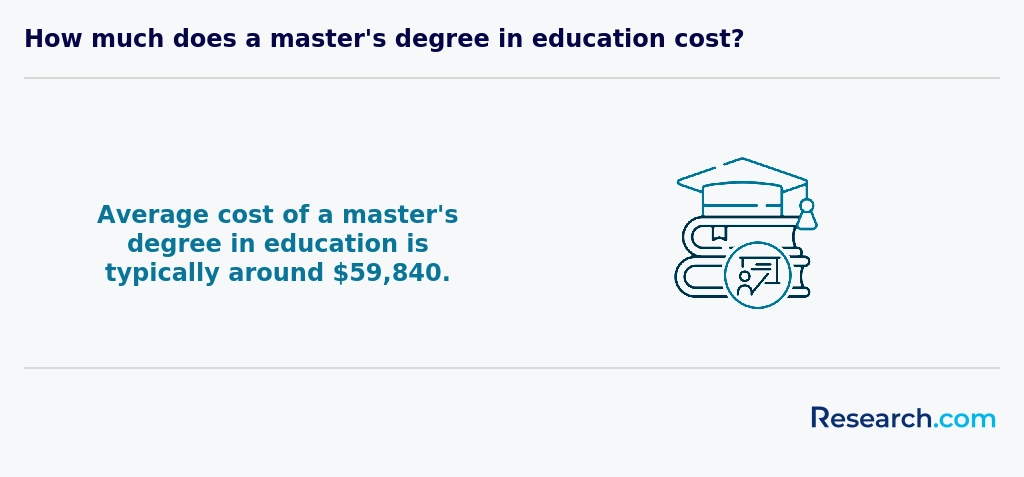
When diving into an online special education degree in the West, financial help is definitely within reach. Many grads from popular schools like the University of Washington or Arizona State University have shared how federal aid made a huge difference. Filling out the FAFSA opens the door to Pell Grants, which can cover up to $7,395 each year without needing to pay it back-a real lifesaver when juggling costs.
State-specific scholarships, like California's Cal Grant, also come through for students who prove need and merit, easing tuition worries at schools like UCLA or San Diego State. Plus, professional groups such as the Council for Exceptional Children hand out scholarships ranging from a few hundred to several thousand dollars-every bit helps when you're balancing studies and life.
And for anyone planning to teach special education after graduation, loan forgiveness programs can wipe out up to $17,500 after five years in qualifying low-income schools. Many students also find that combining part-time work with flexible online classes, maybe even through work-study, fits perfectly with their busy schedules while building experience.
If you're thinking about enrolling in an online special education degree in the West, you'll want to know about the usual requirements upfront. Most programs, like those at popular schools in California, Washington, or Oregon, expect you to have finished high school or have an equivalent diploma before applying. If you're eyeing a master's degree, having a bachelor's in education, psychology, or a similar area really helps-though some grads share how they switched gears from unrelated fields by taking extra courses in child development or education first.
Many online students also mention needing to handle state-specific stuff, like background checks or passing tests such as the Praxis Core, especially if you're aiming for that teaching license in special education. It might sound like a lot, but it's all about making sure you're ready for the rewarding challenge ahead. Plus, some programs ask for letters of recommendation or a statement explaining why you want to make a difference in special education, which really lets your passion shine through.
Graduates from these Western universities often recall how showing cultural awareness was a big plus because of the diverse communities they'll be supporting. It's clear that getting these prerequisites in place means you're setting yourself on a path to genuinely impactful work.
When you dive into an online special education degree in the West, you'll find the courses really set you up to support all kinds of learners. Graduates from popular Western colleges often talk about starting with essentials like Introduction to Special Education, where you learn about the history and laws that shape the field-this helps you understand why your work matters. Then, there's Assessment and Evaluation, which is all about figuring out how to spot each student's unique needs through tests and observations.
Many students get excited about Behavioral Management Strategies, where you discover practical ways to encourage positive behaviors in the classroom. Instructional Methods for Diverse Learners is super hands-on, helping you create lessons that really reach every student, including those with Autism or learning disabilities.
Plus, programs often include Legal and Ethical Issues classes that explain important stuff like IDEA and Section 504-knowledge you definitely need to feel confident advocating for your students. Some grads say learning about classroom management and assistive tech made a big difference in their ability to connect with kids in real life.
For those going further, grad courses like Research Methods and Leadership prepare you to make an impact beyond the classroom, whether that's through policy or running programs at schools here in the West.
If you're eyeing online special education degree specializations in the West, you'll find plenty of options tailored to real needs in the region. Popular universities here offer tracks in Autism Spectrum Disorder (ASD), teaching you hands-on strategies to support kids on the spectrum, which is huge in states like California where tens of thousands of young individuals are diagnosed. Graduates often share how rewarding it is to make a real difference in these students' lives.
Other focus areas include Behavioral Disorders, where you learn to handle emotional challenges in the classroom, and Learning Disabilities, which preps you with tools to assist students dealing with dyslexia or similar hurdles. West region special education program focus areas also cover Early Childhood Special Education-perfect for those passionate about helping little ones start strong-and Deaf and Hard of Hearing Education, emphasizing communication and tech adaptations.
Some programs even dive into leadership tracks, great if you want to move into coordinating or directing roles in schools. Plus, if you're wondering how to get certified to teach special education, many of these Western programs weave certification prep right into their curriculum, making the whole process smoother.
Picking the best online special education degree in the West really comes down to what fits your lifestyle and career goals. Many graduates from popular Western schools mention how crucial it was to find programs aligned with California or Oregon's state licensure-you don't want to finish your degree only to discover it won't get you licensed where you plan to teach. Flexible schedules helped working professionals balance life while gaining hands-on experience through local school partnerships, which made the learning feel real and relevant.
Cost is a big deal too, especially when searching for affordable special education degrees online western states offer. Some programs lean higher in tuition due to living costs out West, but plenty offer scholarships or resident rates that make things manageable. One grad from a well-known Northern California university shared how prioritizing accredited programs with supportive faculty made all the difference in finishing strong and feeling confident.
Also, decide what specialization excites you most-early childhood, behavior support, or something else. And if you want to explore career paths further, check out the highest paid special education jobs to see what's possible after graduation.
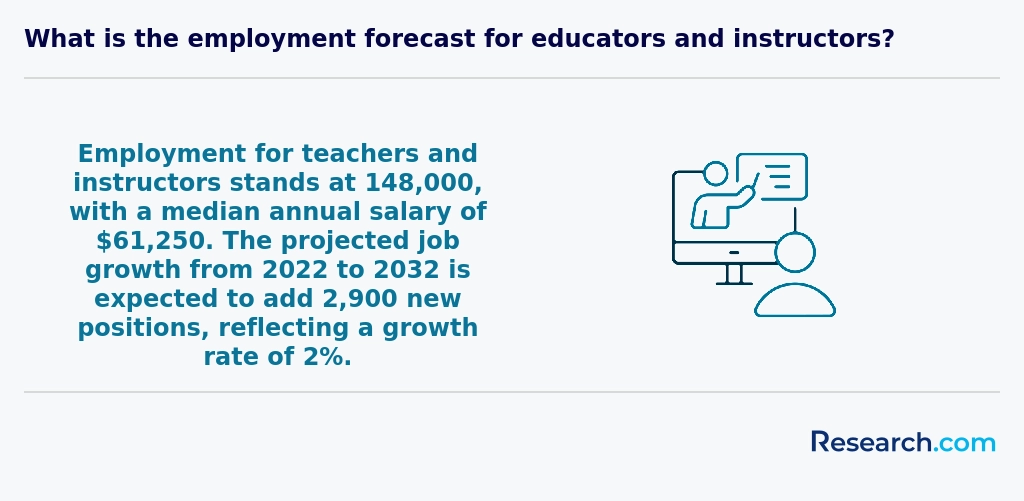
If you're thinking about special education teaching jobs in the West, there are tons of rewarding paths you can take after earning your online special education degree. Many grads find themselves designing personalized learning plans as special education teachers in both public and private schools across the region. Others step into roles like behavior specialists, helping students build social skills, or assistive technology experts, bringing cool tech tools into classrooms to make learning easier.
Graduates from well-known Western universities often share how exciting it is to become special education coordinators or program managers, where they get to guide entire district programs and ensure everything's running smoothly with the latest laws. Early intervention specialists are also in demand, especially for helping little ones in communities around California and neighboring states.
If you're eager to jumpstart your career, some students opt for an accelerated online special education master's degree education, which speeds up entry into these meaningful jobs and opens doors to nonprofit and government advocacy roles too.
There really is something for everyone wanting to make a difference with an online special education degree career opportunities West.
The special education job outlook West 2027 looks pretty bright, especially for graduates coming out of online programs. Many folks from well-known Western universities share how their flexible online special education degree allowed them to jump right into rewarding roles without uprooting their lives. Schools in California, Oregon, and Washington continue to need skilled teachers to support students with disabilities, creating steady opportunities.
Graduates often mention how their training prepared them to meet federal standards like the Individuals with Disabilities Education Act, making them highly sought after. Plus, the demand for online special education teachers West is growing, especially in rural areas where filling those roles used to be tough. This means more chances to land a job close to home with competitive pay, like in California where median wages hover around $72,000. For anyone weighing the cost and convenience of study options, choosing an online special education degree grants flexibility, accessibility, and solid job prospects all rolled into one.
2027 Fastest Online Special Education Degree Programs Ranking in the West
Investing in your education is a significant decision that can shape your future, and the Research.com team recognizes the importance of making well-informed choices. To support prospective students interested in special education, we have carefully developed the "2027 Fastest Online Special Education Degree Programs Ranking in the West." Our dedication to quality, credibility, and accuracy is evident in the thorough research and analysis applied throughout the ranking process.
We utilized the following reputable data sources to ensure a comprehensive evaluation of online special education programs:
By consulting this ranking, readers will obtain valuable insights into the fastest online special education degree programs available in the Western United States, empowering them to make confident and strategic education decisions. For further information on our rigorous methodology, please visit our Research.com methodology page.


# 6 position
Western Governors University
Master of Teaching Special Education

# 7 position
Western Governors University
Bachelor of Special Education (Mild to Moderate)
# 8 position
Arizona State University Campus Immersion
Master of Curriculum and Instruction - Gifted Education

# 9 position
Colorado Christian University
Master of Special Education: Special Education Alternative Licensing

Frequently Asked Questions About special education
Students pursuing online special education degrees in the Western US can enhance their learning by actively engaging with their coursework and peers. Research from the Western Interstate Commission for Higher Education highlights that programs incorporating interactive elements, such as video discussions and group projects, improve retention rates by nearly 20%.
Utilizing local field placements or partnerships with Western school districts allows students to apply theory in real settings, bridging online concepts with practical experience. Additionally, tapping into regional professional networks, such as the California Association of Resource Specialists, helps students build mentorships and career connections.
Time management and consistent communication with instructors also play key roles in mastering online coursework effectively.
Emerging niches within the special education field reflect evolving needs and technological advances. One growing area is assistive technology integration, where specialists help students use devices and software to enhance learning. The Western U.S. sees increased demand for these skills due to widely adopted inclusive education policies. Another niche focuses on mental health support, addressing anxiety and trauma-related challenges more common among students with disabilities today.
Additionally, culturally responsive special education is gaining attention, aiming to tailor support for diverse populations in the West. Professionals who understand multicultural dynamics and language barriers are increasingly sought after. According to a 2023 report by the California Department of Education, culturally competent educators improve educational outcomes for students with disabilities by up to 20%.
After earning an online special education degree in the West, preparing for the job market involves several strategic steps. First, acquiring proper state licensure is essential since most Western states require specific teaching credentials in special education. For instance, California and Washington mandate passing the Praxis exams or state-specific assessments.
Networking is crucial; joining regional organizations such as the California Teachers Association or the Oregon Council for Exceptional Children can provide local job leads and professional development.
Practical experience through internships or substitute teaching improves employability. According to the U.S. Bureau of Labor Statistics, special education jobs in the Western states are projected to grow by 8% through 2031, highlighting increasing demand for qualified educators.
Staying updated on Individualized Education Program (IEP) regulations in your state also supports readiness for specialized roles.
Employers in the Western United States prioritize strong communication and collaboration skills in special education graduates. These professionals often work with diverse student populations, families, and multidisciplinary teams, requiring clear and empathetic interaction. According to the California Department of Education, effective individualized education program (IEP) development is a critical skill expected.
Additionally, proficiency in applying evidence-based instructional strategies is essential. Graduates must adapt teaching methods to accommodate various disabilities, promoting inclusive learning environments. Data from the Western Interstate Commission for Higher Education highlights the growing need for technology integration skills, as online and hybrid learning models expand in special education.
Problem-solving and behavior management capabilities are also highly valued, ensuring students receive appropriate support tailored to their unique needs.
Finding internships relevant to a special education degree in the Western US often begins with connecting to local school districts and special education programs. Many districts in states like California, Oregon, and Washington partner with universities to offer placements for students seeking hands-on experience. Websites such as your university's career center and state department of education frequently list internship opportunities.
National organizations like the Council for Exceptional Children (CEC) provide resources and networking options for interns. According to the California Department of Education, nearly 15% of students receive special education services, indicating a strong demand for trained professionals in the region. Internships may also be found through nonprofit organizations and rehabilitation centers serving children with disabilities.
Online special education degrees in the Western United States significantly enhance career mobility and advancement for educators. According to the U.S. Bureau of Labor Statistics, employment for special education teachers is expected to grow by 8% from 2022 to 2032, faster than the average for all occupations.
Online degrees offer flexible schedules, allowing professionals to upgrade credentials without leaving their current jobs, which helps in earning promotions or licensure endorsements. In states like California and Washington, having a specialized online degree can satisfy requirements for advanced certifications.
This accessibility supports transitions into leadership roles, such as special education coordinators or administrators focused on inclusive education initiatives.
Studying for a special education degree online in the Western US equips students with skills to work across multiple disciplines. Programs emphasize collaboration with general education teachers, counselors, and therapists to support diverse student needs. According to the Western Interstate Commission for Higher Education (WICHE), over 60% of special education roles in this region require teamwork with health and mental health professionals.
Students learn to design inclusive learning environments while understanding related fields such as speech pathology and psychology. Coursework often includes practical experiences promoting interdisciplinary communication, an essential skill for effective special education practice. This collaborative training is vital given the growing demand for integrated support services in Western schools.
When choosing between a thesis and a non-thesis special education degree program in the West, consider your career goals and learning preferences. Thesis programs require original research and can prepare you for roles in academia or policy development. In contrast, non-thesis tracks focus more on coursework and practical skills, ideal for immediate classroom application.
Public universities in California and Washington often offer both options. According to the Western Interstate Commission for Higher Education, nearly 60% of special education graduate students in the West enroll in non-thesis programs for faster completion and applied focus.
Cost, time commitment, and faculty mentorship availability should also influence your decision. Thesis options typically require more time and a close collaboration with faculty advisors.
Students based in the Western United States seeking special education degrees abroad have limited direct options, largely because most international programs require on-campus presence. However, many Western states offer online special education degrees through regional accreditation recognized nationwide, allowing flexibility and access to reputable programs.
The U.S. Department of Education reports that about 15% of public school students receive special education services, highlighting the demand for skilled educators. Though studying abroad online is uncommon, some universities partner with foreign institutions to provide joint degrees or exchange opportunities in special education.
Prospective students should focus on Western-accredited online programs with strong national reputations, as these prepare graduates for certification and licensure within the U.S.
Part-time job opportunities in the Western United States that complement special education degree studies often include teacher aide positions, behavioral therapist roles, and educational support staff jobs. These roles provide practical experience working with children who have diverse learning needs, a key component of special education training.
According to the U.S. Bureau of Labor Statistics, California, Washington, and Oregon have a growing demand for teacher assistants, with growth rates ranging from 7% to 9% through 2031. This trend offers online special education students valuable hands-on exposure while maintaining flexible schedules.
Additionally, part-time work in early intervention programs or community centers can enhance understanding of individualized education programs (IEPs) and related services. Such experience strengthens future employability and complements theoretical coursework effectively.
Online special education students in the Western United States have access to various networking opportunities despite studying remotely. Many accredited universities in states such as California, Washington, and Oregon offer virtual events, discussion forums, and group projects that connect students with peers and faculty.
Professional organizations like the Council for Exceptional Children (CEC) have regional chapters that often host webinars, workshops, and conferences accessible online. These events help students build relationships with experienced educators and specialists across the West.
Additionally, platforms like LinkedIn serve as important tools for networking, allowing students to join groups focused on special education in Western states, share experiences, and find mentorship.
Alumni networks play a vital role for students pursuing online special education degrees in the Western United States. These networks provide access to experienced professionals who share insights on regional job markets and teaching methodologies. According to a 2023 report by the Western Interstate Commission for Higher Education, over 65% of special education teachers in the West found employment through networking connections.
Online students benefit from virtual events, mentoring programs, and job boards exclusive to alumni. This support helps graduates navigate certification processes and state-specific regulations, which can vary widely across Western states.
Engaging with alumni enhances career development and fosters collaboration to improve educational outcomes for students with disabilities.
Customizing an online special education degree program in the West allows students to align their studies with specific career goals. Many universities offer flexible electives focused on areas such as autism spectrum disorders, behavior intervention, or early childhood special education. This helps tailor skills to local workforce demands, as California and Washington report a high need for specialists in autism and developmental delays, according to the Western Interstate Commission for Higher Education.
Students can also choose between certification tracks or advanced degrees, depending on whether they aim to teach or move into administrative or specialist roles. Practical experience is often gained through virtual internships or local placements, supporting credential requirements in Western states.
Online special education students in the Western US often face several challenges related to access and quality. One major issue is finding programs that meet state-specific licensure requirements, which can vary significantly across states like California, Oregon, and Washington. According to the Western Interstate Commission for Higher Education, not all online degrees align with each state's accreditation standards, complicating licensure.
Students also report difficulties with limited hands-on practicum experiences, crucial for special education training. Distance learning can reduce opportunities for direct interaction with students with disabilities, affecting skill development.
Additionally, internet connectivity remains a barrier in rural parts of the West, impacting synchronous learning. Finally, balancing coursework with professional or family commitments remains a common concern, as many online students are working adults.
An online special education degree from the Western U.S. allows graduates to pursue important professional certifications that enhance their career prospects. The most common is the Special Education Teaching Credential, required by states like California, Oregon, and Washington to teach students with disabilities. This credential typically involves passing a state exam and completing a supervised teaching period.
Additionally, professionals can earn the Board Certified Behavior Analyst (BCBA) certification, which is valuable for those focusing on behavioral interventions. The Behavior Analyst Certification Board reports growing demand for BCBAs in the West.
Some states also offer endorsements in areas such as Autism Spectrum Disorders or Early Childhood Special Education, allowing teachers to specialize further.
Writing a winning application for an online special education program in the West requires clear demonstration of your commitment to supporting diverse learners. Begin by highlighting relevant experience, such as volunteering or working with students with disabilities, as Western states emphasize practical knowledge. Include specific examples that showcase your skills in adapting teaching strategies.
Strong letters of recommendation from educators familiar with special education enhance credibility. According to the California Department of Education, programs often prioritize applicants with demonstrated understanding of Individualized Education Programs (IEPs).
Additionally, clearly explain your career goals and how the degree will help you meet the growing need for qualified special educators in Western schools, where demand is expected to rise 10% through 2030 (Bureau of Labor Statistics).
Proofread your application carefully to avoid errors that could undermine professionalism.
Special education careers in the West are influenced by global awareness of inclusive education practices. The United States leads in offering online degrees to meet diverse needs, with the Bureau of Labor Statistics projecting a 7% growth in special education teaching jobs through 2031. This reflects a wider international emphasis on supporting learners with disabilities.
Western programs often integrate global pedagogical trends, including Universal Design for Learning, which originated from research funded by the U.S. Department of Education. These methods emphasize accessibility and equity, adapting to various disabilities.
Graduates with online special education degrees are increasingly valued for their ability to collaborate across cultures, driven by international conventions such as the UN's Convention on the Rights of Persons with Disabilities, which influences educational standards worldwide.
Gaining practical experience during an online special education degree in the West is essential for career readiness. Many programs incorporate required fieldwork or practicum hours in partnership with local schools, allowing students to work directly with special needs students under supervision. This hands-on training helps students apply theory to real classroom settings.
The California Commission on Teacher Credentialing, for example, mandates about 100-200 hours of supervised practice for credential candidates, a common standard in Western states. Students often arrange placements near their residences, enabling flexibility despite online class schedules.
Additionally, internships and volunteer opportunities with regional agencies that support individuals with disabilities provide valuable experience. These practical engagements strengthen resumes and meet licensure requirements.
Choosing the right concentration within an online special education degree program in the West depends on your career goals and the needs of regional school districts. Common concentrations include autism spectrum disorders, early childhood intervention, and behavioral disorders. Data from the National Center for Education Statistics shows that the demand for specialists in autism and behavioral intervention is growing particularly fast in Western states like California and Washington.
Consider your previous experience and the populations you wish to support. Research state licensure requirements since they vary across Western states, impacting your eligibility to teach or provide services. Many programs also offer practical training tailored to local demographics, which is critical for employment success.
Additionally, review program flexibility and available faculty expertise. Engage with advisors to discuss workforce trends in the West-this helps align your concentration with future job prospects and regional needs, as reported by the California Commission on Teacher Credentialing and similar state agencies.
- How Special Education Teachers Can Fully Utilize ... https://www.graduateprogram.org/blog/how-special-education-teachers-can-fully-utilize-financial-aid/
- Careers With a Special Education Degree https://www.phoenix.edu/articles/education/careers-with-a-special-education-degree.html
- Making a Difference: Service Learning in Special Education https://www.hetl.org/making-a-difference-service-learning-in-special-education/
- Inclusive, Thriving Learning for Students with Special… | NGLC https://www.nextgenlearning.org/articles/inclusive-thriving-learning-environments-for-students-with-special-education-needs
- 2026 Best Online Degrees in Special Education https://www.onlineu.com/degrees/special-education
- Special Education Courses Online https://www.senteachertraining.com/special-education-course.php
- Special Education Policy and Practice https://www.wested.org/focus-area/special-education-policy-and-practice/
- Enhance Special Needs and Inclusion in Education https://erasmuscoursescroatia.com/2023/05/26/4-effective-strategies-enhance-special-needs-and-inclusion-in-education/
- Special Education Teacher Jobs https://thesteppingstonesgroup.com/careers/special-education-teacher-jobs/
- 10 Best Practices for Improving Special Education https://www.dmgroupk12.com/blog/10-best-practices-for-improving-special-education


