2027 Most Affordable Online Master's in Special Education Degree Programs Ranking in the Midwest

Co-Founder and Chief Data Scientist
Choosing the right path for advancing your career in special education can feel overwhelming. That's why the 2027 Most Affordable Online Master's in Special Education Degree Programs Ranking in the Midwest is here to guide you.
Developed by the Research.com team of data scientists, this ranking helps you discover quality programs that fit your budget and goals. Whether you're balancing work or family, pursuing this degree online offers flexibility and opportunity.
Reading this article can empower your decision-making and open doors to making a meaningful impact in education.
Key benefits of getting online special education degree in the Midwest
- Special education graduates in the Midwest typically earn around $50,000 to $60,000 annually, offering a stable income while making a positive impact on students' lives.
- Graduates from well-known Midwestern universities find careers as special education teachers, school counselors, or behavioral interventionists, enjoying diverse and rewarding opportunities in schools and community programs.
- Online special education degrees provide flexibility to balance work and study, allowing students to learn at their own pace while gaining practical skills, as experienced by many online graduates from respected Midwestern institutions.
- 2027 Most Affordable Online Master's in Special Education Degree Programs Ranking in the Midwest
- What can I expect from online special education degree in the Midwest?
- Where can I work with online special education degree in the Midwest?
What can I expect from online special education degree in the Midwest?
Students pursuing online special education degrees in the Midwest often find tuition costs much more manageable compared to coastal programs, with many universities offering in-state rates even for online learners. For example, graduates from well-known institutions like the University of Illinois or Michigan State University have shared how affordable tuition paired with financial aid or employer reimbursement made continuing their education a joyful, achievable step forward. Typical program costs range from $15,000 to $30,000 for a full master's degree, making it accessible without overwhelming debt.
One graduate described balancing a full-time job and family while participating in both live and recorded classes, grateful that the program's price allowed them to focus on learning rather than financial stress. Many Midwest programs also coordinate local internships, offering hands-on experience within their communities-another valuable, cost-conscious benefit that enriches learning without added expense.
This approachable pricing encourages more passionate educators to specialize in supporting learners with disabilities, fueling hopeful futures for both teachers and students alike.
Where can I work with online special education degree in the Midwest?
Graduates with an online special education degree from respected Midwest institutions like the University of Illinois or Michigan State University often find themselves stepping confidently into careers that make a real difference. Many join public and private K-12 schools, creating personalized education plans that help children thrive and feel supported every day. One graduate shared how meaningful it was to witness a student's breakthrough in reading after months of tailored instruction, igniting a lasting passion for teaching.
Opportunities also abound in early intervention programs, especially in states like Indiana and Minnesota, where graduates work closely with families and healthcare providers to nurture children's development from birth to age three. Imagine the joy of celebrating a toddler's first words or steps with their family-these moments fuel the dedication of special educators.
Additionally, healthcare settings, nonprofit organizations, and community agencies across the Midwest offer rewarding roles that blend education with advocacy and support, allowing graduates to champion inclusive environments where everyone can flourish.
Graduates holding an online special education degree in the Midwest often find rewarding career opportunities with competitive salaries that reflect their dedication and skills. For those beginning their journey, entry-level special education teachers typically earn between $45,000 and $50,000 annually. With a few years of experience or advanced certifications, salaries often rise to the $60,000-$70,000 range, allowing graduates to feel proud of their growing expertise.
Midwestern universities known for their special education programs, such as those in Illinois and Minnesota, prepare students well to step into these roles confidently. Graduates from these schools often report feeling empowered by their education and excited about the possibility of advancing to leadership positions like special education coordinators, where salaries can surpass $75,000.
Many find joy in knowing their hard work translates not just to meaningful impact on students' lives but also to strong financial stability within their communities. Whether teaching in urban centers like Chicago or more rural areas, the combination of a solid online degree and passion opens doors to fulfilling careers that offer both purpose and prosperity.
- Online special education degrees in the Midwest typically offer master's degrees or teaching certifications for K-12 education.
- Tuition costs range from $15,000 to $35,000, with public universities generally being more affordable than private ones.
- The median annual salary for special education teachers in the Midwest is about $60,000, ranging from $45,000 for entry-level to over $75,000 with experience.
- Job growth for special education teachers in the region is projected to be around 5% over the next decade.
- Many programs meet state licensure requirements, but these vary by state, so students should check specific prerequisites.
- Some programs combine online coursework with limited in-person practicum experiences to provide essential hands-on training.
Completing an online special education degree in the Midwest can be a fulfilling journey that typically spans from one to three years, depending on your pace and program choice. Many graduates from well-regarded Midwest institutions like the University of Illinois Springfield or Ball State University share how balancing their coursework with personal life felt empowering, especially knowing they were progressing toward a meaningful career.
For those pursuing a master's degree, finishing in about two years while studying full-time is common, offering a solid structure that fits into busy schedules. Bachelor's degree seekers often find a four-year path rewarding, with some opting for accelerated programs that recognize prior learning, enabling them to move faster.
Part-time learners, often working professionals, appreciate how flexible scheduling helps them manage work and study, sometimes spreading their journey over three years or more without losing momentum. These real-life experiences highlight the encouraging truth: Midwest online special education programs are designed to support your success every step of the way.
Completing an online special education master’s in the Midwest includes mandated field experiences that bridge theory and practice while satisfying state licensure standards.
- State licensure hours: typically 250–600 supervised hours, varying by state education board.
- Placement coordination: universities partner with local K-12 schools to secure practicum sites near you.
- Virtual supervision: experienced mentors provide feedback through video conferencing and online platforms.
- Travel and costs: plan for occasional campus visits or on-site observations; some programs offer stipends or credit waivers.
- Balancing commitments: block scheduling and cohort models help align practicum hours with work and family life.
For those exploring advanced leadership tracks after your master’s, consider fully funded edd programs online.
Choosing between online and on-campus special education degrees in the Midwest offers you a chance to shape your learning journey around your life. Many graduates from universities like the University of Illinois or Michigan State University share how the online programs' flexibility allowed them to balance work, family, and studies effortlessly while still gaining the same rich curriculum. Imagine attending lectures from your favorite cozy spot at home, accessing materials anytime, and connecting with classmates through lively online discussions.
On the flip side, those who chose on-campus programs at places like Indiana University cherished the vibrant campus atmosphere. They valued face-to-face interactions with professors and peers, and hands-on practice that brought classroom lessons to life. The energy of being surrounded by dedicated educators often sparked fresh ideas and confidence.
Both paths in the Midwest emphasize real-world student teaching, ensuring you develop strong practical skills. Whether online or in person, you'll build a foundation to inspire and uplift students with diverse needs, proving that your dedication truly shapes the future.
Ensure your master’s program holds regional accreditation (such as HLC or NCA) and program-level approval from the Council for Exceptional Children (CEC) or the Council for the Accreditation of Educator Preparation (CAEP) to guarantee quality and transferability.
Licensure in the Midwest typically involves:
- Completing a state-approved, accredited special education master’s program
- Passing required exams (e.g., Praxis II: Special Education)
- Fulfilling supervised practicum or student-teaching hours
- Submitting official transcripts and exam scores for state certification
Meeting these milestones earns your teaching license and paves the way for classroom impact. For those aiming to advance into leadership or policy roles, explore fully funded edd programs online.
The average cost of an online special education degree in the Midwest offers an inspiring opportunity for many students to advance their careers without overwhelming financial strain. Typically, the median total cost lands around $16,530, with in-state students enjoying even more affordable rates near $14,781. Out-of-state learners may expect a slightly higher investment, approximately $22,830, reflecting regional tuition differences. These figures show how accessible affordable online special education master's programs Midwest can be, allowing students from diverse backgrounds to pursue their passion for making a difference in education.
Graduates from popular universities in the Midwest often share how their programs, which balance quality with reasonable cost, opened doors to fulfilling careers. Many express gratitude for affordable tuition combined with flexible online formats, which made it possible to continue working while studying. These students emphasize how managing costs while receiving excellent education built a strong foundation that empowered them to serve children with diverse learning needs successfully.
For those already passionate about helping students thrive, this cost range represents an encouraging pathway. With scholarships, regional agreements, and the support often found in Midwest colleges, the dream of earning an online special education degree becomes more achievable. If you're exploring how your dedication can transform a classroom, discovering more about bachelor degree in special ed jobs can also provide motivation and real-life examples of meaningful career growth within this rewarding field.

Financial aid opens doors for many Midwestern students pursuing online special education degrees, transforming dreams into reality. Graduates from well-known institutions like Ball State University or the University of Illinois often share how federal Pell Grants and Direct Student Loans provided essential support, making their education affordable while balancing work and family.
The TEACH Grant, offering up to $4,000 annually, stands out for those committed to serving high-need schools in the region, providing both financial relief and a powerful motivation to give back. State-specific programs, such as the Ohio College Opportunity Grant, deliver further support, helping students reduce tuition costs at popular local universities.
Many find that university scholarships and assistantships boost both their finances and their confidence, rewarding academic dedication and passion for special education. Employer tuition reimbursement programs add another layer of opportunity for working professionals, making advancement in this fulfilling field attainable.
Finally, scholarships from organizations like the Council for Exceptional Children inspire students to excel and grow. These resources together create a vibrant support system, lighting the path toward impactful careers in special education across the Midwest.
Ensuring your online master’s in special education meets certification requirements starts with verifying program credentials:
- Regional accreditation (e.g., HLC, NCA) confirms institutional quality and credit transferability
- Programmatic accreditation by CAEP or CEC validates alignment with special education standards
- State Department of Education approval guarantees eligibility for licensure exams and renewal
- Curriculum alignment with your state’s credit-hour, practicum and assessment requirements
Contact program advisors early to map out your certification pathway and avoid delays. For those aiming to extend credentials to the doctoral level, explore fully funded edd programs online.
Enrolling in an online special education degree in the Midwest opens doors to a rewarding career, and understanding the prerequisites helps you step confidently into this journey. Most programs, including popular ones at universities like University of Wisconsin and Michigan State University, look for candidates who hold a bachelor's degree, ideally in education or a related field, along with a valid teaching license if aiming for state certification. Graduates often share how this foundation made them feel ready to embrace advanced learning while balancing life's demands.
Many programs expect at least a 3.0 GPA, signaling a readiness for graduate-level challenges, though some will welcome applicants with unique professional experiences even if their GPA is lower. Transcripts from all prior education and sometimes GRE scores are requested, but more schools are easing this step to foster accessibility.
Experience matters: classroom time, internships, or volunteer work with special needs populations help you connect theory to practice. Graduates often recount how hands-on involvement transformed their passion into practical skills, preparing them to make a real impact in diverse classrooms across the Midwest.

Online special education degree programs in the Midwest offer courses designed to empower future educators with practical skills and heartfelt understanding. Graduates from well-known institutions in the region describe how learning instructional strategies tailored to diverse learners opened their eyes to the possibilities of transforming classrooms.
Courses on behavior management and positive intervention techniques bring students face-to-face with real challenges and teach them how to foster growth and confidence in students with disabilities. Many recall how studying educational psychology and child development helped them appreciate the unique journey of every child, inspiring individualized approaches that truly make a difference.
Legal and ethical training ensures graduates feel confident navigating important laws like IDEA and ADA, equipping them to advocate passionately for students' rights. For example, those from prominent Midwestern colleges often engage in practicum experiences, collaborating with schools to apply their learning and see firsthand the joyous impact of their efforts.
These courses together create not just educators, but advocates and changemakers ready to build inclusive, nurturing environments across the Midwest and beyond.
Special education degrees in the Midwest offer a range of meaningful specializations that empower you to make a real difference in students' lives. Many graduates from well-known Midwestern universities describe focusing on learning disabilities, where they gain skills to help children overcome challenges in reading, writing, and math-turning frustration into confidence.
Midwest online special education certification options also include autism spectrum disorders, preparing educators to foster communication and social growth for students on the spectrum. Graduates often share how this specialization opened doors to impactful classroom strategies tailored for ever-changing student needs.
Emotional and behavioral disorders training equips teachers to support students through crisis intervention and positive behavior techniques, transforming difficult moments into opportunities for growth. Additionally, fields like early childhood special education and severe disabilities prepare you to serve young learners and those with profound impairments with compassion and expertise.
Many students pursuing an accelerated online graduate certificate in special education appreciate how these specializations fit their goals, especially in the flexible online format popular across the Midwest.
With these diverse options, your journey in an online special education degree specializations Midwest offers both passion and purpose to create lasting change.
Choosing the best online special education degree in the Midwest means focusing on programs that truly resonate with your passion and goals. Graduates from renowned Midwestern universities often share how their journey was shaped by regionally accredited schools offering curriculum tailored to state licensure requirements, making the path to certification smoother and more fulfilling. Imagine balancing coursework with your busy life thanks to flexible, asynchronous classes that many institutions now provide, allowing your education to fit your schedule without stress.
Cost is always a factor, yet many find affordable online special education degree Midwest options that deliver excellent value without sacrificing quality. Field placements arranged locally enrich learning by connecting online students with real classroom experiences, which graduates frequently highlight as pivotal for confidence and skill-building. If you are eager to advance quickly, consider exploring an accelerated online master's in special education designed to elevate your career while respecting your time.
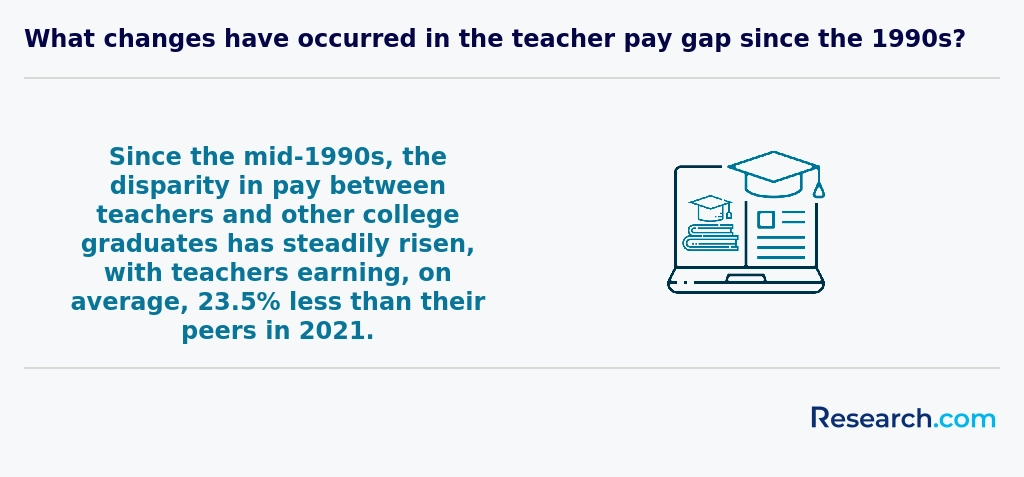
Graduates with an online special education degree in the Midwest find inspiring career opportunities that truly make a difference. Whether teaching in vibrant classrooms across Illinois, Michigan, or Ohio, or stepping into roles like educational diagnostician or behavior analyst, these professionals are catalysts for change. Many graduates from respected programs at Midwest universities experience the joy of supporting students with diverse needs, crafting individualized education programs that transform lives. This blend of compassion and expertise fuels a fulfilling career path in special education.
The flexibility of an online degree attracts passionate individuals already working in the field who seek advancement. Options extend beyond teaching to positions such as speech-language pathologists and occupational therapists, roles often requiring additional certification but offering rewarding impact. Those exploring the wide range of career opportunities for special education teachers in the Midwest appreciate the region's growing demand and strong community support. The vibrant educational landscape ensures graduates remain hopeful and engaged in meaningful, purpose-driven work.
Midwest online special education degree job prospects also embrace opportunities beyond schools. Many graduates confidently join advocacy groups or government agencies, championing educational access and disability rights. By pursuing online degrees special education, hopeful students open doors to careers that blend passion, professionalism, and the joy of empowering others toward success.
The job market for online special education degree graduates in the Midwest is vibrant and full of promising opportunities. Many graduates from respected universities in Illinois, Michigan, and Ohio find rewarding roles in schools where their skills meet the growing need for inclusive education, driven by increased identification of students requiring special education. These professionals often share stories of how their hard-earned expertise transforms student lives, deepening their passion and commitment.
Employment opportunities online special education degree Midwest expand beyond traditional classrooms, including counseling and administrative positions, providing diverse career paths. Graduates appreciate how Midwestern districts actively support educators with signing bonuses and loan forgiveness programs that make this career both fulfilling and financially stable.
Additionally, Midwestern students embrace affordable programs that align with the region's strong community values, knowing that pursuing degrees in education field here offers a clear, hopeful path toward meaningful work and a brighter future.
2027 Most Affordable Online Master's in Special Education Degree Programs Ranking in the Midwest
Investing in your education is a significant decision that can shape your future, and the Research.com team understands the importance of making informed choices. To assist prospective students in the Midwest, we have meticulously developed the "2027 Most Affordable Online Master's in Special Education Degree Programs Ranking in the Midwest." Our commitment to quality, credibility, and accuracy is demonstrated through the extensive research and data analysis undertaken to produce this ranking.
We utilized the following reputable data sources to ensure a comprehensive evaluation of special education degree programs:
By exploring this ranking, readers will gain valuable insights into the most affordable online special education master's programs available in the Midwest, helping them make well-informed decisions about their educational investments. For more details on our methodology, please visit our Research.com methodology page.


# 9 position
Pittsburg State University
Master of Special Education Teaching (K-12 High/Low Incidence)


# 11 position
Bethel University, Minnesota
Master of Special Education


# 14 position
Concordia University, St. Paul
Master of Special Education with Emotional/Behavioral Disorders (EBD) Endorsement


Frequently Asked Questions About special education
Online special education degree students in the Midwest can maximize their learning experience by actively engaging in interactive course materials and virtual discussions. Research from the National Center for Education Statistics shows that collaborative online learning improves retention by up to 25%. Utilizing region-specific resources, such as state education department guidelines, helps tailor knowledge to local classroom practices. Additionally, many Midwestern universities offer practicum placements within local school districts, providing valuable hands-on experience.
Students should also take advantage of technology support services and academic advising to stay on track. According to the Council for Exceptional Children, tailored support significantly impacts student success in special education programs.
Emerging niches within the special education field reflect growing needs for specialized skills, especially in the Midwest where diverse student populations require tailored support. One key niche is in assistive technology, which helps students with disabilities engage more fully in learning. According to the National Center for Education Statistics, demand for educators skilled in digital tools is rising by 5% annually.
Another important area is mental health support. Teachers trained in trauma-informed practices and behavioral interventions are increasingly sought after as schools address emotional and behavioral challenges.
Additionally, early childhood special education remains vital, with Ohio and Illinois seeing a 7% growth in programs targeting younger children. These niches represent opportunities for professionals pursuing online degrees to specialize in areas with expanding job prospects.
After earning an online special education degree in the Midwest, preparing for the job market involves several key steps. Start by securing state licensure, as all Midwestern states require special education teachers to hold appropriate certification. Check specific requirements with the state's Department of Education.
Networking plays a vital role. Joining regional organizations, such as the Council for Exceptional Children Midwest Division, can provide valuable contacts and job leads. Practical experience is essential; completing student teaching or internships during your program strengthens your resume.
According to the U.S. Bureau of Labor Statistics, special education teaching jobs in the Midwest are projected to grow 8% by 2031, making timely preparation advantageous.
Employers in the Midwest seek several core skills in graduates holding online special education degrees. Communication skills are essential, as professionals must effectively collaborate with students, families, and multidisciplinary teams. Adaptability is also crucial due to diverse student needs and evolving educational standards.
Data from the National Center for Education Statistics shows the Midwest employs nearly 10% of the nation's special educators, emphasizing local demand for cultural competence and regional policy knowledge. Additionally, expertise in Individualized Education Programs (IEPs) is frequently highlighted, given state-specific legal requirements in states like Illinois and Ohio.
Technical proficiency in assistive technology tools is increasingly valued, supporting inclusive classrooms. Finally, problem-solving skills are necessary to design tailored interventions and accommodate varied learning challenges.
Finding internships in the Midwest related to a special education degree involves several strategic steps. Start by exploring partnerships that online programs often have with local school districts and educational nonprofits. These internships provide practical experience required for licensure.
Check with state education agencies, such as the Illinois State Board of Education or Michigan Department of Education, as they regularly post internship and practicum opportunities. The Midwest has over 1,000 school districts, many seeking special education interns to address increasing needs highlighted in the U.S. Department of Education's data on special education enrollment.
Additionally, professional organizations like the Council for Exceptional Children (CEC) Midwest chapters offer networking events and internship listings. Utilizing university career centers and job boards tailored to education fields can also improve your chances of securing relevant internships.
Online special education degrees in the Midwest offer significant advantages for career mobility and advancement. These programs provide flexibility, allowing educators to balance work and study without relocating. According to the U.S. Bureau of Labor Statistics, special education roles in the Midwest are projected to grow by approximately 5% through 2030, reflecting steady demand.
Graduates with an online degree often qualify for state licensure and certification, which is essential for job security and higher salaries in education roles. The Regional Educational Laboratory Midwest highlights that educators with advanced credentials typically earn 10-20% more than their counterparts.
Moreover, online degrees open doors to specialized positions such as behavior specialists or program coordinators, contributing to upward career paths in schools and educational agencies.
Studying for a special education degree in the Midwest often emphasizes interdisciplinary collaboration, preparing graduates to work effectively with diverse professionals. Many accredited programs integrate coursework in psychology, speech-language pathology, and general education, reflecting the region's commitment to comprehensive training. According to the Council for Exceptional Children, Midwestern institutions align their curricula with state and federal education standards, ensuring students gain practical skills in team-based intervention.
The Midwest's online programs also focus on real-world application, enabling students to collaborate remotely with educators, therapists, and families. Data from the U.S. Department of Education shows that interdisciplinary roles are growing, especially in inclusive classrooms common in states like Ohio and Illinois.
Choosing between a thesis and a non-thesis online special education degree in the Midwest depends on your career goals and learning preferences. Thesis programs typically emphasize research skills and are ideal if you aim to pursue a doctoral degree or work in academic settings. Non-thesis options often focus on practical skills for immediate application in K-12 or specialized classrooms, which suits current educators or professionals seeking advancement. According to the National Center for Education Statistics, around 80% of Midwest special education graduate students opt for non-thesis programs due to flexibility and career readiness. Reviewing specific program outcomes can guide your decision.
Students based in the Midwest interested in studying special education abroad have limited direct options due to the primarily domestic focus of most U.S. higher education institutions. However, some Midwestern universities offer exchange programs or partnerships facilitating study abroad experiences, especially in countries with similar education standards. These opportunities often complement online degrees by providing international fieldwork or research components.
According to the National Center for Education Statistics, less than 10% of special education students engage in study abroad, reflecting the niche nature of this field. Additionally, U.S. accreditation requirements and state licensure often emphasize U.S.-based coursework, making fully foreign special education degrees rare for Midwestern students.
Part-time job opportunities in the Midwest that complement special education degree education often include roles such as teacher aides, behavioral therapy assistants, and educational paraprofessionals. These positions provide invaluable hands-on experience working directly with students who have special needs.
According to the U.S. Bureau of Labor Statistics (2023), educational assistants in the Midwest earn a median hourly wage of about $14 to $17. Many school districts in states like Illinois, Ohio, and Michigan actively seek part-time support staff to assist special education teachers, particularly during the academic year.
Additionally, roles in after-school programs and nonprofit organizations focused on disability advocacy offer flexible schedules that work well for students pursuing online degrees. These positions enhance practical skills in communication and individualized student support, aligning closely with academic training.
Online special education students in the Midwest can access various networking opportunities despite the distance learning format. Many schools organize virtual events, webinars, and online discussion boards that connect students with faculty and peers. These platforms foster collaboration and offer a chance to build professional relationships.
Additionally, Midwestern universities often partner with local school districts, providing students with practicum and internship placements that enhance real-world experience. Organizations like the Council for Exceptional Children have active chapters in the Midwest, offering conferences and networking events tailored to special education professionals.
According to the National Center for Education Statistics, nearly 75% of Midwestern special education programs encourage participation in state-level professional groups, promoting ongoing career development. These combined resources support meaningful connections for online students in the region.
Alumni networks provide vital support for online special education degree students in the Midwest. These connections offer access to experienced professionals who understand regional education challenges and resources. According to the Council for Exceptional Children, networking within Midwest states-such as Illinois, Ohio, and Michigan-can lead to job referrals in districts with large special education populations.
Many alumni networks facilitate mentorship programs, helping recent graduates navigate certification processes and classroom management strategies specific to Midwestern schools. Engagement in these networks often enhances career opportunities through workshops, conferences, and local education job listings.
Participation in such networks strengthens a student's professional identity, which surveys show increases job retention rates by approximately 15% for special education teachers in the region.
Customizing an online special education degree in the Midwest allows students to align their studies with specific career goals. Many universities offer flexible coursework options, including concentrations in autism spectrum disorders, behavior intervention, or early childhood special education. This tailoring helps meet the demand for specialized skills in regional school districts. According to the Midwest Education Research Association, programs often include practicum experiences adaptable to local school settings, facilitating hands-on learning while working remotely.
Additionally, students can select electives that enhance their qualifications for roles such as educational diagnostician or special education coordinator. Missouri and Illinois institutions frequently provide certification pathways integrated within their online master's degrees, helping graduates meet state licensure requirements efficiently. Understanding these choices can optimize career readiness and fulfill the growing need for qualified special educators in the Midwest.
Online special education students in the Midwest face several challenges unique to their region and field of study. One primary issue is limited access to reliable high-speed internet, especially in rural areas where nearly 20% of the population lacks broadband access, according to the Federal Communications Commission (FCC) 2023 report.
Additionally, many programs require hands-on practicum experiences in local schools, which can be difficult to arrange remotely or due to district limitations. Students often juggle work, family, and study obligations, increasing stress levels and affecting retention rates. A Midwest Education Research Consortium study (2022) noted a 15% attrition rate linked to these combined pressures among online special education learners.
Lastly, understanding diverse state certification requirements across Midwest states complicates program planning for students aiming for licensure. Navigating these regulatory variations demands extra administrative effort and guidance.
With an online special education degree, professionals in the Midwest can pursue several key certifications to advance their careers. The most common certification is the Special Education Teaching License, which allows educators to work directly with students who have disabilities. Many states require passing the Praxis Special Education exam to obtain this license. Additionally, educators can seek certification as a Board Certified Behavior Analyst (BCBA), a credential in high demand for addressing behavioral challenges.
Other certifications include paraprofessional credentials and licensure for specific disabilities, such as autism spectrum disorder. According to the Council for Exceptional Children, over 60% of Midwestern special education educators hold teaching licenses or advanced certifications, reflecting regional commitment to quality education.
Writing a winning application for an online special education program in the Midwest begins with a clear understanding of program requirements. Many Midwest universities require a bachelor's degree and a minimum GPA around 3.0, though this varies. Highlight your passion for special education by sharing relevant experiences, such as volunteer work or employment with children who have disabilities.
Ensure your personal statement addresses specific challenges facing the Midwest, like teacher shortages in rural areas, as noted by the Illinois State Board of Education. Including this shows awareness of regional needs. Additionally, secure strong recommendation letters from supervisors familiar with your dedication to special education.
Prepare for any required standardized tests and submit all transcripts promptly. Following these steps improves chances of acceptance in competitive programs across the region.
Special education careers in the United States, including the Midwest, are influenced by global trends emphasizing inclusion and equal access to education. Many countries adopt policies aligned with the United Nations' Convention on the Rights of Persons with Disabilities, promoting specialized support for learners with diverse needs.
In the Midwest, about 14% of public school students receive special education services according to the U.S. Department of Education's 2021 report. This reflects a sustained demand for qualified professionals trained in evidence-based interventions.
Globally, the role of special educators is evolving to include collaboration with families and use of technology. The emphasis on culturally responsive teaching in U.S. programs prepares Midwestern graduates to meet diverse student needs locally and internationally.
The increasing adoption of online special education degrees also aligns with broader trends in accessible higher education worldwide, helping professionals maintain current skills while working.
Gaining practical experience while pursuing an online special education degree in the Midwest is essential for career readiness. Many Midwestern programs require fieldwork or student teaching in local schools, which helps students apply theoretical knowledge.
Universities often collaborate with nearby districts, making placements accessible even for online students. For example, states like Illinois and Ohio have strong partnerships with public schools offering diverse special education settings.
Additionally, some programs incorporate virtual simulations and remote practicums to complement in-person experience. According to the Illinois State Board of Education, over 50% of special education candidates complete field hours within their communities, ensuring relevant, hands-on training.
Choosing the right concentration within an online special education degree program in the Midwest requires understanding your career goals and the specific needs of local school districts. Popular concentrations include autism spectrum disorders, learning disabilities, and behavioral disorders. According to the National Center for Education Statistics, Midwest states report a growing demand for specialists in autism support, reflecting national trends.
Research typical teacher certification requirements in your state, as some concentrations align better with licensure paths. Consider also program accreditation and the availability of practicum placements near you. Programs affiliated with the Council for Exceptional Children ensure adherence to high standards, an important factor when selecting a concentration.
- Inclusive, Thriving Learning for Students with Special Education Needs https://www.nextgenlearning.org/articles/inclusive-thriving-learning-environments-for-students-with-special-education-needs
- WIU https://www.wiu.edu/coehs/education/grad/mssped/
- Top 15 Accredited Online Special Education Bachelor’s Degree Programs | Special Education Degrees https://www.special-education-degree.net/top-accredited-online-special-education-bachelors-degree-programs/
- Sample Letter: Request a Special Education Evaluation https://www.askresource.org/resources/sample-letter-requesting-an-evaluation
- 10 Tips for Special Education Careers https://newstoryschools.com/blog/10-tips-special-education-careers
- Know more about thesis vs non- thesis: what is the difference? https://studyfans.com/en/blogs/816
- How to strengthen your school’s network by integrating alumni | Edusign https://edusign.com/blog/how-to-strengthen-your-schools-network-by-integrating-alumni
- Online Special Education Degree | Teaching Careers https://www.onlinecolleges.net/degrees/special-education/
- Special Education Certification: The Path to Empowering Educators and Students - London College of Teachers and Trainers https://www.londoncollegeofteachers.com/blog/
- Special Education Email/Letter Templates https://www.calldac.com/post/special-education-email-letter-templates