
2027 Most Affordable Online Special Education Degree Programs Ranking in Kansas

Co-Founder and Chief Data Scientist
Choosing the right special education degree can feel overwhelming, especially when balancing costs and quality. This article presents the 2027 Most Affordable Online Special Education Degree Programs Ranking in Kansas, created by the Research.com team of data scientists to help you make an informed decision.
By exploring this ranking, you'll discover affordable options that align with your goals and budget. Earning a degree in special education can open rewarding career paths and make a meaningful impact. This guide aims to support your journey toward a fulfilling future in education.
Key benefits of getting online special education degree in Kansas
- Graduates with a special education degree in Kansas can expect competitive salaries, with many special education teachers in the US earning an average annual wage around $62,000, providing financial stability and rewarding careers.
- Career paths include working as special education teachers, instructional coordinators, or education consultants, as demonstrated by graduates from universities like the University of Kansas, offering opportunities to make a meaningful impact in schools and communities.
- Online special education degrees from institutions such as Kansas State University offer flexible schedules and lower costs, allowing students to balance work, family, and studies more easily than traditional programs.
- 2027 Most Affordable Online Special Education Degree Programs Ranking in Kansas
- What can I expect from online special education degree in Kansas?
- Where can I work with online special education degree in Kansas?
What can I expect from online special education degree in Kansas?
The average cost of an online special education degree in Kansas varies, with many programs offering competitive tuition that ranges typically between $8,000 and $15,000 annually. Institutions like Wichita State University and Fort Hays State University are known for providing affordable tuition rates for in-state students, sometimes extending these rates to online learners as well. Graduates from these programs often note a positive balance between cost and quality, appreciating the financial aid opportunities tailored specifically for special education candidates.
Many students describe the value of affordable tuition combined with flexible scheduling as essential to their success, especially those balancing work and family commitments. The availability of scholarships focused on special education further reduces financial barriers, making it possible for aspiring educators to train without incurring excessive debt.
One graduate highlighted the practical benefit of supervised practicum experiences near their home, which minimized additional costs usually associated with travel or relocation. These programs' emphasis on compliance with federal regulations like IDEA ensures that students are not only investing wisely but also gaining credentials that meet Kansas's workforce demands.
Where can I work with online special education degree in Kansas?
Graduates with an online special education degree in Kansas commonly secure positions within public K-12 schools, where they support students under Individualized Education Programs (IEPs). For example, graduates from institutions like the University of Kansas often report working in inclusive classrooms or specialized programs that address diverse learning needs across both urban districts such as Wichita and rural areas.
Employment extends beyond public schools. Many graduates find roles in private schools offering tailored special education services, while others work in therapeutic day schools and residential treatment centers. These settings provide targeted support for students facing more intensive developmental challenges, reflecting positive career diversity.
Some individuals move into community-based roles, like early childhood intervention through programs such as the Kansas Early Childhood Block Grant, helping children achieve key developmental milestones. Others advance as resource specialists or instructional coordinators within larger school districts or at the Kansas Department of Education, developing curriculum and training that enhance teaching quality statewide.
According to BLS data, Kansas special education teachers earn a median salary near $57,000, with job growth projected at 7% through 2031, indicating promising stability and career satisfaction for graduates statewide.
Graduates with an online special education degree in Kansas can expect starting salaries around $36,000 to $40,000 annually, typical for entry-level teachers holding a bachelor's degree and initial certification. Over time, particularly for those who pursue advanced degrees such as a master's from well-known institutions like the University of Kansas or Wichita State University, salary increases of 10-20% are common, often pushing earnings closer to $65,000 or more.
Many experienced special education teachers in Kansas districts report earning between $65,000 and $70,000, especially when taking on additional roles like coaching or administrative duties. The state's step-and-lane pay systems reward this experience and further credentials, allowing graduates to see tangible income growth with time.
Beyond salary, graduates appreciate comprehensive benefits, including health insurance and pension plans, which enhance overall compensation. The steady demand for special education professionals in Kansas also offers job security, making these earnings feel both promising and attainable for those committed to this rewarding career path.
- Tuition for online bachelor's special education degrees in Kansas ranges from $10,000 to $25,000, while graduate programs typically cost between $15,000 and $30,000.
- There is steady demand for special education teachers in Kansas, with consistent job openings in public and private schools across grade levels.
- Early-career special education teachers earn around $45,000 to $50,000 annually, with experienced teachers making about $55,000 or more.
- Licensing requires completing a state-approved educator program, passing exams like the Praxis Special Education test, and applying through the Kansas State Department of Education.
- Kansas offers salary supplements in some districts, especially rural ones, to attract and retain qualified special education teachers.
Completing an online special education degree in Kansas varies mainly by degree level and program structure. For instance, a bachelor's degree, typical for aspiring special education teachers, generally requires about four years of full-time study at institutions like Wichita State University or the University of Kansas. Graduates often appreciate the option for accelerated programs, enabling completion in less time while balancing work and family.
Those pursuing a master's degree at popular schools such as Emporia State University typically spend between 1.5 to 3 years. These programs offer flexible online schedules, which many graduates find essential for managing ongoing teaching careers alongside their studies.
Shorter certification or endorsement programs may take just a few months to one or two years, providing licensed educators affordable, efficient paths to expand qualifications. Kansas programs accredited by the Council for Exceptional Children ensure rigorous coursework combined with practical field experience, supporting students' confidence and readiness.
Graduates frequently highlight the benefits of flexible pacing and transfer credit options, making degree completion manageable and rewarding within Kansas's educational landscape.
Online and on-campus special education degree programs in Kansas differ mainly in delivery and flexibility. On-campus programs, such as those at the University of Kansas, require physical attendance, fostering direct interaction with instructors and peers. Graduates often describe these experiences as essential for hands-on learning, immediate feedback, and a strong sense of community. In contrast, online degrees-like those offered by Wichita State University-allow students to complete coursework asynchronously, ideal for working professionals or those in rural areas. This flexibility supports balancing education with life commitments but demands self-discipline and time management.
Both formats cover necessary competencies, including Individualized Education Programs (IEPs) and behavior management, and require fieldwork, arranged locally for online students to meet Kansas certification standards. Tuition varies widely, typically between $6,000 and $20,000 annually, with online students sometimes saving on campus fees but potentially paying for technology services. Graduates from both paths report positive outcomes, valuing the practical training that ensures readiness to support diverse learners in Kansas classrooms.
The average cost of obtaining an online special education degree in Kansas aligns closely with regional tuition trends, with a median total cost of approximately $13,356. This figure reflects a balanced option for students seeking affordable special education degree programs Kansas offers, especially when compared to national averages. Graduates from prominent institutions, such as those in the University of Kansas system and Wichita State University, often highlight the value of these programs combined with manageable tuition costs.
Many students pursuing a bachelor's degree appreciate that tuition per credit hour at public universities typically falls between $250 and $400 for in-state residents. This pricing structure helps keep the total program cost reasonable. Such affordability, coupled with financial aid opportunities, makes completing specialized coursework less burdensome, allowing more focus on mastering skills necessary for effective education of students with special needs. Graduates often express satisfaction in accessing quality education without excessive debt.
For those interested in career outcomes, pursuing a special education degree supports a wide range of opportunities. To explore potential career paths, prospective students can refer to resources detailing bachelor degree in special ed jobs. This practical insight helps align educational investment with meaningful employment goals.
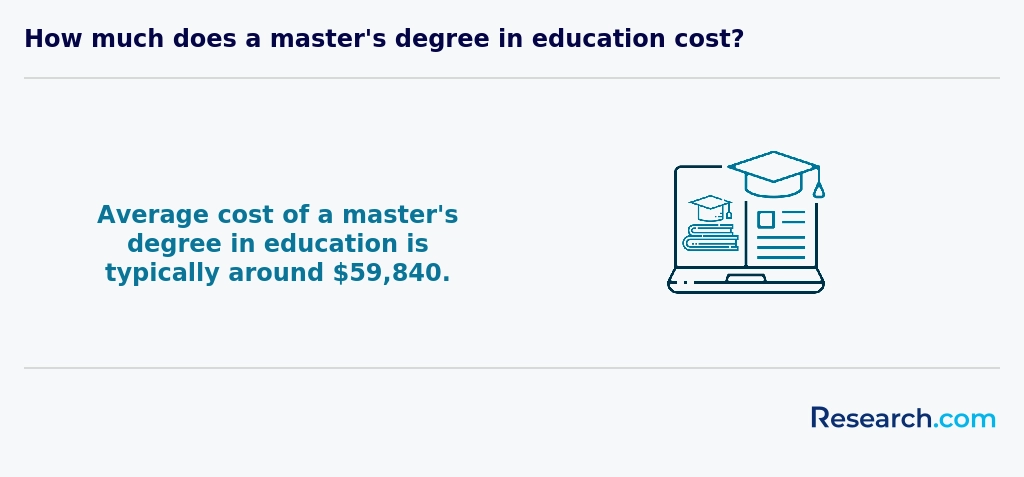
Students pursuing online special education degrees in Kansas often rely on a mix of federal, state, and local financial aid programs to offset a typical cost range of $20,000 to $50,000 for bachelor's and master's degrees. By submitting the FAFSA, candidates unlock federal resources such as Pell Grants, which can provide up to $7,395 annually based on financial need, a key support for many enrolled at institutions like the University of Kansas or Wichita State University.
Kansas-specific aid like the Teacher Service Scholarship awards up to $7,000 yearly to those committing to teach in public schools, frequently targeting special education roles in high-need districts. Graduates frequently share relief at how this scholarship made their education achievable, especially when combined with district tuition reimbursement programs that cover partial or full costs in exchange for service.
The federal TEACH Grant offers another benefit, granting up to $4,000 per year to those pledging to teach special education in qualifying schools for four years post-graduation, supporting motivated students aiming to address the 10%+ vacancy rates in Kansas special education positions.
Additionally, employer-sponsored tuition assistance delivers personalized financial relief for those already working in education fields, reinforcing the variety of ways Kansas residents can finance their special education studies online.
Enrolling in an online special education degree program in Kansas requires meeting clear academic and professional prerequisites that prepare students for success. For undergraduate programs, candidates must hold a high school diploma or GED and generally submit official transcripts with a minimum GPA around 2.5 to 3.0, though requirements vary by institution. Many programs at universities like the University of Kansas and Wichita State University have embraced test-optional admissions, reducing stress over standardized exams.
Graduate applicants often need a bachelor's degree from an accredited institution, with relevant experience or coursework enhancing their applications. Graduates from Kansas universities recall that submitting strong letters of recommendation, crafting a personal statement about their passion for special education, and demonstrating volunteer work with individuals with disabilities were key components.
- Passing background checks is a mandatory step, especially when applying to programs leading to Kansas state licensure
- Completion of approved coursework and passing the Kansas Educator Credentialing Act exams ensure eligibility for teaching credentials
These structured prerequisites reflect Kansas's commitment to preparing compassionate, competent educators who value hands-on work and theoretical knowledge alike, fostering confidence and readiness among special education students.
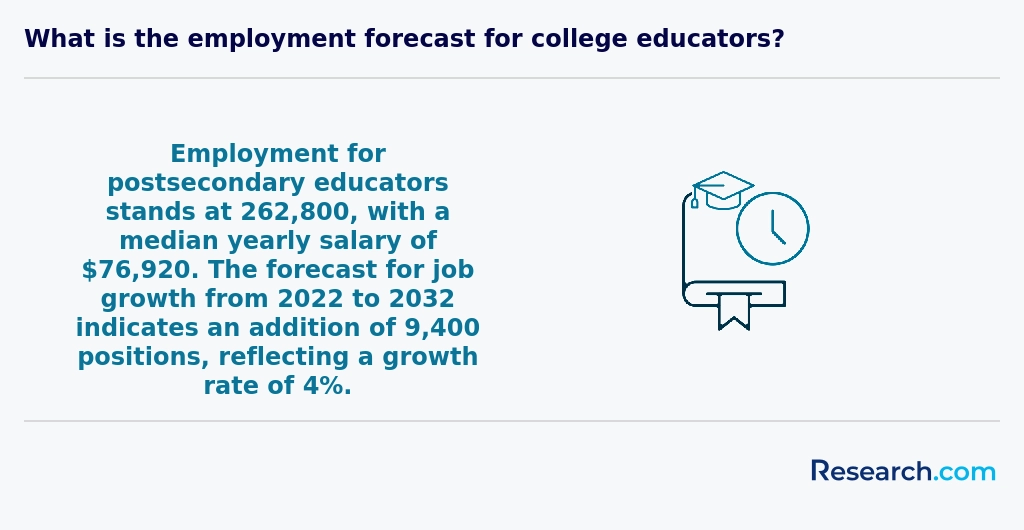
Online special education degree programs in Kansas, such as those offered by popular institutions like the University of Kansas and Pittsburg State University, include a comprehensive set of courses designed to prepare students effectively for teaching roles. Graduates often reflect on foundational courses like Foundations of Special Education and Educational Psychology and Child Development, which provide essential knowledge about disability histories and developmental impacts on learning.
Instructional strategy classes focus on practical methods for adapting lessons to diverse learners, covering intellectual disabilities, emotional and behavioral disorders, and specific learning challenges. Many students find the coursework on Assessment and Evaluation particularly valuable, as it trains them to conduct educational assessments and develop individualized education programs (IEPs) with confidence.
Legal and ethical instruction, emphasizing compliance with the Individuals with Disabilities Education Act (IDEA), equips aspiring teachers to navigate regulatory requirements effectively. Practicum components further enrich learning by enabling hands-on experience in inclusive classrooms. Kansas students consistently report that this well-rounded curriculum fosters both competence and enthusiasm for their future careers.
Online special education degree specializations Kansas students pursue typically include Autism Spectrum Disorders (ASD), Emotional and Behavioral Disorders (EBD), Learning Disabilities, Early Childhood Special Education, and Multiple or Severe Disabilities. Graduates from well-known Kansas universities often describe how the ASD specialization equipped them with tailored behavioral interventions and communication techniques vital for high-demand classroom environments. In contrast, those focusing on EBD emphasize strategies that promote emotional regulation and effective behavior management, essential for supporting students with emotional challenges.
Popular programs in Kansas integrate these specializations with both theoretical coursework and practical field experiences, helping students navigate certification requirements and real classroom scenarios effectively. Many graduates recount positive experiences working alongside local schools, providing a solid foundation for certification. For those investigating special education certification options Kansas online, understanding these specializations helps in aligning career goals with community needs and encourages a fulfilling teaching path.
Any prospective student researching how to obtain a special education teaching certification will find that Kansas programs emphasize preparing educators to meet diverse student needs while maintaining affordability and state standards. Such focused preparation ensures graduates are highly valued in local educational settings.
Choosing the best online special education degree in Kansas requires prioritizing accredited programs aligned with the Kansas State Department of Education's licensure endorsements, such as Early Childhood Unified or Secondary Unified tracks. Graduates from popular Kansas universities highlight how graduating from CAEP-accredited programs facilitated their seamless licensure process and hands-on student teaching placements in local schools.
Cost efficiency is another major factor; affordable special education programs Kansas students favored typically range from $7,000 to $15,000 annually in tuition, with many benefiting from scholarships tailored to education majors. Flexibility in course delivery-like asynchronous classes and part-time options-helps working adults balance studies and responsibilities, as reported by successful online learners at prominent institutions.
Faculty expertise also shapes student satisfaction, with many praising instructors' deep knowledge of Kansas licensure requirements and special education practices. Reviewing graduation rates and job placement data offers insight into program effectiveness locally. For those evaluating career options post-degree, exploring jobs for special education majors can clarify opportunities aligned with Kansas' education landscape.
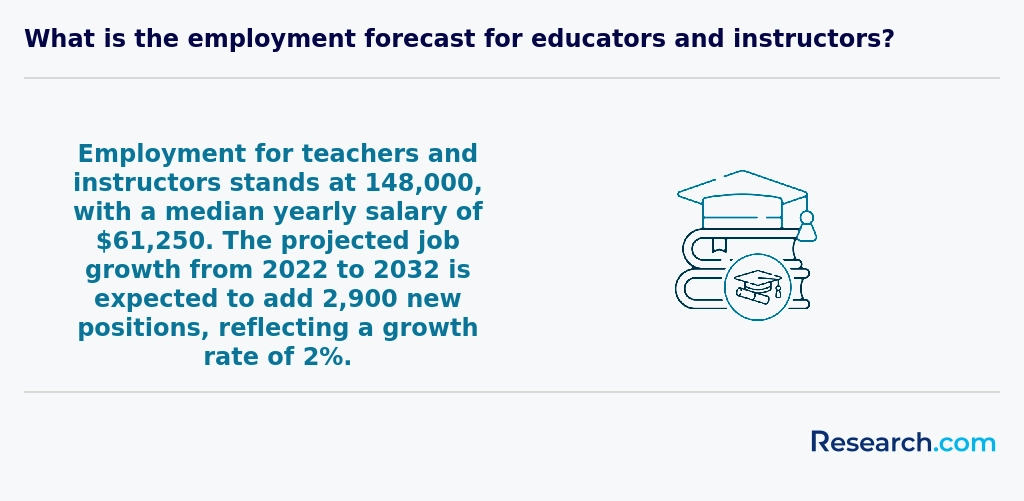
Graduates with an online special education degree in Kansas often find their primary career path as special education teachers, supporting students with diverse learning needs in both public and private schools. These educators work with individuals facing challenges such as autism spectrum disorders and speech impairments, addressing critical educational demands statewide. Experienced graduates from institutions like the University of Kansas or Fort Hays State University share a sense of fulfillment from helping children overcome learning obstacles, aligning their careers with growing state and federal mandates.
Beyond teaching roles, career opportunities in online special education careers in Kansas include behavioral specialists who create tailored intervention strategies and special education coordinators managing district programs. Some graduates pursue advanced certification to become speech-language pathologists, enhancing communication support services. Many also become advocates or consultants, guiding families through Individualized Education Programs (IEPs), a role that graduates find deeply rewarding for its direct impact on children's futures.
Those aiming for expanded expertise often explore graduate education. Kansas students frequently consider the fastest master in special education online programs to access specialized roles like adaptive technology coordinators, further increasing their effectiveness and earning potential within the state's evolving educational landscape.
The job market for online special education degree careers Kansas is notably strong, driven by the sustained demand for qualified teachers in public schools across the state. Graduates from programs offered by well-regarded institutions such as the University of Kansas and Emporia State University often find fulfilling roles supporting students with diverse learning needs. These educators are essential in developing and implementing individualized education programs (IEPs), ensuring compliance with the Individuals with Disabilities Education Act (IDEA).
Employment opportunities extend beyond traditional schools to include private institutions and specialized learning centers, contributing to a broad spectrum of career options. For example, many graduates express satisfaction in knowing their work directly impacts the academic and social growth of students with disabilities. Kansas also facilitates licensure pathways that streamline entry into the workforce, enhancing the appeal of an online special education degree.
Salary levels are competitive, averaging around $54,000 annually, aligning well with national figures. Students considering cost-effective education can explore several online programs; for a comprehensive overview of options, the special education bachelor degree online pathways provide valuable guidance.
2027 Most Affordable Online Special Education Degree Programs Ranking in Kansas
Investing in your education is a significant decision that can shape your future, and the Research.com team understands the importance of making informed choices. To assist prospective students in Kansas, we have meticulously crafted the "2027 Most Affordable Online Special Education Degree Programs Ranking in Kansas." Our commitment to quality, credibility, and accuracy is reflected in the extensive research and analysis conducted to compile this ranking.
We utilized the following reputable data sources to ensure a comprehensive evaluation of special education degree programs:
By exploring this ranking, readers will gain valuable insights into affordable and high-quality online special education programs in Kansas, empowering them to choose the best path for their academic and professional goals. For more details on our methodology, please visit our Research.com methodology page.

# 2 position
Pittsburg State University
Master of Special Education Teaching (K-12 High/Low Incidence)


# 5 position
Southwestern College
Master of Special Education — High Incidence

Frequently Asked Questions About special education
Online special education degree students in Kansas can enhance their learning by actively engaging with course materials and participating in virtual discussions. According to the Kansas State Department of Education, collaboration with peers and instructors is crucial for mastering special education concepts.
Students should utilize available technology tools and resources, including educational software and digital libraries. Many Kansas universities provide access to such tools tailored to special education students.
Field experiences, even when remote, are valuable. Connecting with local schools for practical observation or internships strengthens theoretical knowledge with real-world application. Additionally, keeping current with Kansas-specific special education laws and policies supports relevant and effective learning.
Emerging niches in special education reflect the evolving needs of diverse learners, shaping new career paths for educators in Kansas. One growing area is autism spectrum disorder (ASD) support, driven by increased diagnosis rates nationwide and local demand for specialized instruction. According to the Kansas State Department of Education, approximately 8,000 students in Kansas receive services for developmental disabilities, spotlighting the need for targeted expertise.
Another expanding niche involves assistive technology integration, where educators help students access learning through tools like speech-to-text devices and adaptive software. Additionally, early intervention specialists who work with young children show promising growth due to evidence linking early support with better long-term outcomes.
Transition planning for students moving from K-12 into adulthood also requires skilled educators familiar with vocational training and life skills education. These niches enable online degree candidates to focus their studies in growing, impactful areas within special education.
After completing an online special education degree in Kansas, graduates should focus on licensure and practical experience to enter the job market successfully. Kansas requires special education teachers to obtain a state teaching license, which involves passing the Praxis exams and completing a teacher preparation program approved by the Kansas State Department of Education.
Gaining classroom experience through student teaching or internships is essential. This hands-on training helps build classroom management skills and familiarity with Individualized Education Programs (IEPs).
Networking with local schools and joining professional organizations, like the Kansas Special Education Association, can provide valuable job leads and ongoing support.
According to the Kansas State Department of Education, demand for special education teachers remains steady, reflecting the state's commitment to serving students with disabilities.
Employers in Kansas prioritizing special education degree graduates emphasize strong communication and collaboration skills. These professionals must effectively work with diverse students, families, and multidisciplinary teams. According to the Kansas State Department of Education, adaptability and individualized instructional strategies are crucial due to the wide range of disabilities served.
Graduates should demonstrate solid knowledge of federal and state special education laws, including IDEA compliance. Data from the Bureau of Labor Statistics shows that familiarity with behavior management and assistive technologies is increasingly valued. Kansas employers also prefer candidates with problem-solving skills and cultural competence to address evolving classroom challenges.
Finding internships in Kansas for special education degrees involves connecting with local school districts and educational organizations. The Kansas State Department of Education (KSDE) supports partnerships between universities and schools, helping students access internships that provide practical experience working with diverse learners.
Many online degree programs in Kansas collaborate with regional special education departments to offer field placements. Students should contact their program coordinators early, as internships may require background checks and compliance with state licensure standards.
Additionally, organizations like the Kansas Special Education Advisory Council can provide resources and networking opportunities. According to KSDE, nearly 15% of Kansas public school students receive special education services, highlighting ongoing demand for qualified interns and professionals in this field.
Obtaining an online special education degree in Kansas significantly enhances career mobility and advancement opportunities. Kansas requires special education teachers to hold proper certification, which online degree programs often align with, allowing graduates to meet state licensure requirements efficiently. According to the Kansas State Department of Education, demand for special educators is projected to grow by 8% through 2030, reflecting increased need in schools. An online degree offers flexibility for current educators or professionals seeking to transition into special education, supporting career shifts without geographical constraints. Furthermore, advanced credentials can lead to roles such as special education coordinators or curriculum specialists, often accompanied by higher salaries and leadership responsibilities.
Studying for a special education degree in Kansas prepares students for interdisciplinary roles by emphasizing collaboration with diverse professionals such as general educators, therapists, and counselors. The curriculum integrates knowledge of educational psychology, behavior management, and instructional strategies tailored to different disabilities, which equips graduates to work effectively across multiple disciplines.
Kansas Department of Education highlights that special educators often coordinate with speech therapists, occupational therapists, and social workers to create inclusive learning environments. This teamwork fosters a holistic approach to student development.
Online programs in Kansas typically embed real-world case studies and virtual practica to simulate interdisciplinary collaboration, preparing graduates for the complexities of today's educational settings.
When choosing between a thesis and a non-thesis special education degree program in Kansas, consider your career goals and time commitment. A thesis option typically requires original research and is ideal for students aiming for roles in academia or advanced research. Non-thesis programs focus more on practical coursework, suitable for educators seeking administrative or classroom leadership positions.
The Kansas State Department of Education reports that demand for special education professionals is growing by about 5% annually, stressing the need for practical skills. Thesis programs may take longer to complete, while non-thesis degrees can be finished more quickly.
Funding and faculty support are also key factors; thesis students often work closely with advisors. Evaluating these elements helps match the program to your professional needs.
Students based in Kansas seeking to study special education abroad face distinct challenges because accredited online programs outside the United States may not meet Kansas state licensure requirements. The Kansas State Department of Education requires educators to complete degrees from regionally accredited U.S. institutions and pass state-specific exams. Currently, no international online special education degrees are recognized for Kansas certification without additional verification.
Many Kansas students opt for accredited U.S. online programs that offer flexibility paired with recognized credentials. According to the Kansas State Department of Education, 14.9% of Kansas school-age children receive special education services, increasing demand for qualified educators within the state.
While studying abroad online is possible, students should carefully verify accreditation and state approval to ensure their degree applies toward Kansas licensure and employment.
Students pursuing online special education degrees in Kansas can benefit from part-time jobs that support their learning and professional growth. Positions such as teacher aides or paraprofessionals in Kansas public schools provide hands-on experience working with students with disabilities. According to the Kansas State Department of Education, paraprofessionals often assist in classrooms and help implement individualized education programs (IEPs).
Other opportunities include working as behavioral aides in local clinics or after-school programs, where students can learn applied behavior analysis techniques. Additionally, tutoring students with special needs or volunteering with organizations like the Kansas Special Education Association offers practical exposure to diverse learning challenges. These roles help develop skills essential for special educators in Kansas.
Online special education students in Kansas benefit from multiple networking opportunities despite their remote studies. Many universities connect students to Kansas-specific education organizations such as the Kansas Federation of Teachers and the Kansas State Department of Education. These platforms often host events and workshops tailored to special education professionals.
Additionally, students can join virtual student chapters of national associations like the Council for Exceptional Children, offering access to conferences and online forums. Local school districts sometimes invite online students to participate in internships or collaborative projects, fostering practical connections in the field.
According to the Kansas Department of Education, building professional networks is crucial as the state faces a growing need for qualified special education teachers, presenting ample career opportunities for well-connected graduates.
Alumni networks offer several advantages for online special education degree students in Kansas. These networks connect current students with graduates who have firsthand experience in Kansas schools and special education systems. Access to these connections can provide valuable mentoring and career advice specific to the state's requirements.
Furthermore, alumni often share job leads and professional development opportunities, which is vital since Kansas schools need qualified special education professionals due to rising demand. According to the Kansas State Department of Education, special education teacher vacancies have increased by 15% over recent years.
Strong alumni networks also facilitate collaboration on best practices and help students stay informed about changes in federal and state regulations affecting special education.
Customizing an online special education degree in Kansas allows students to align their studies with specific career goals. Many programs offer concentration options, such as early childhood special education or behavior intervention, enabling focused skill development. Students can often select electives related to assistive technology, autism spectrum disorders, or learning disabilities to tailor their expertise.
Kansas universities typically provide flexible practicum placements to gain experience in environments matching students' career interests. Additionally, some schools offer pathways for licensure renewal or advanced certifications, supporting educators aiming to expand their qualifications.
According to the Kansas State Department of Education, demand for specialized professionals is growing, highlighting the value of targeted training.
Online special education students in Kansas often face several challenges related to the nature of virtual learning. A key issue is the need for effective hands-on training, which can be limited in online formats. Field experiences and in-person practica are critical for mastering skills in special education, but these can be difficult to coordinate remotely.
Another challenge is maintaining consistent engagement and interaction with instructors and peers. According to the Kansas State Department of Education, students may struggle with fewer opportunities for immediate feedback and collaborative learning found in traditional settings.
Additionally, ensuring access to specialized technology and stable internet connection is vital. Rural areas in Kansas, where connectivity can be inconsistent, may pose barriers to completing coursework on time. Financial constraints can also impact students' ability to access required resources.
Lastly, balancing coursework with professional or personal responsibilities is a common difficulty. Many special education students in Kansas are working educators upgrading their credentials, which requires strong time-management skills to juggle coursework and job duties effectively.
With an online special education degree in Kansas, graduates can pursue professional certifications that enhance their teaching credentials and career opportunities. The most common certification is the Kansas Special Education Licensure, which qualifies educators to teach students with disabilities across various age groups.
Additionally, educators may seek the National Board Certification in Special Education, recognized nationwide for demonstrating advanced teaching skills. Kansas also supports certifications for specific areas such as Applied Behavior Analysis (ABA) and English as a Second Language (ESL), which can complement special education expertise.
According to the Kansas State Department of Education, over 3,000 educators hold special education licenses, reflecting steady demand in this field. These certifications typically require completion of degree programs, supervised teaching experience, and passing state-approved exams.
To write a winning application for an online special education program in Kansas, start by clearly highlighting your passion for helping students with disabilities. Emphasize any relevant experience, such as volunteering or previous teaching roles, which align with Kansas's rising demand for special education professionals-projected to grow by 8% through 2030 according to the Kansas State Department of Education.
Include strong academic records, especially in education-related coursework, and be sure to explain why you chose an online program suited for Kansas standards. Citing your commitment to understanding state regulations and Individualized Education Program (IEP) requirements will demonstrate your readiness.
Finally, tailor your personal statement to reflect Kansas's educational values and goals, showing your knowledge of current challenges and trends in special education within the state.
Special education careers are increasingly viewed through a global lens, emphasizing inclusivity and equal access to education worldwide. In the US, including Kansas, the demand for qualified special education teachers is growing, with the Bureau of Labor Statistics projecting a 7% job growth from 2022 to 2032. Globally, many countries focus on adapting curricula and instructional methods to meet diverse learner needs, reflecting a shared commitment to supporting students with disabilities.
In Kansas, about 14% of public school students receive special education services, according to the Kansas State Department of Education. This aligns with international efforts championed by UNESCO to improve disability education access. Pursuing an online special education degree in Kansas can thus prepare educators to meet both local and global challenges in this evolving field.
Gaining practical experience while studying for an online special education degree in Kansas typically involves completing required fieldwork or student teaching placements. Kansas universities often partner with local schools and special education programs to arrange these in-person experiences.
Students must meet the Kansas State Department of Education's standards, which include accumulating a certain number of supervised hours in classroom settings. This hands-on training helps learners apply theory to practice and prepares them for licensure.
Additionally, online students can engage in virtual simulations or collaborate on case studies to supplement field experiences.
According to the Kansas Special Education Services website, early and consistent practical engagement is critical for successful certification.
Choosing the right concentration within an online special education degree program in Kansas requires understanding your career goals and the needs of local schools. Kansas has a growing demand for special education teachers, with the Kansas State Department of Education reporting a 5% increase in special education student enrollment over recent years.
Focus on concentrations that align with your interests, such as autism spectrum disorders, mild/moderate disabilities, or severe disabilities. Each area addresses different student needs and requires specialized skills.
Review program curricula and ensure they meet Kansas licensure requirements, which often include study in behavior management and individualized education programs (IEPs).
Consider the program's faculty expertise and availability of practicum placements within Kansas schools to gain relevant experience.
- 2027 Most Affordable Online Special Education Degree Programs Ranking in Missouri
- 2027 Most Affordable Online Special Education Degree Programs Ranking in Colorado
- 2027 Most Affordable Online Special Education Degree Programs Ranking in Minnesota
- 2027 Most Affordable Online Special Education Degree Programs Ranking in Kentucky
- 2027 Most Affordable Online Special Education Degree Programs Ranking in Michigan
- 2027 Most Affordable Online Special Education Degree Programs Ranking in Georgia
- 2027 Most Affordable Online Special Education Degree Programs Ranking in Ohio
- 2027 Most Affordable Online Special Education Degree Programs Ranking in North Carolina
- 2027 Most Affordable Online Special Education Degree Programs Ranking in Virginia
- 2027 Most Affordable Online Special Education Degree Programs Ranking in Arizona
- Paths to Certifications https://educatekansas.org/become-a-teacher/paths-to-certifications/
- Special Education Teacher Salary & Requirements by State - https://www.naset.com/professional-resources/special-education-teacher-requirements-salaries-and-resources-complete-state-by-state-guide/
- Education & Training https://portal.kansas.gov/services/education-and-training/
- Inclusive, Thriving Learning for Students with Special… | NGLC https://www.nextgenlearning.org/articles/inclusive-thriving-learning-environments-for-students-with-special-education-needs
- Access and Success for All Students https://familiestogetherinc.org/access-and-success-for-all-students/
- Top 25 Most Affordable Online Master's in Special Education ... https://www.masters-in-special-education.com/best/affordable-online-masters-special-education-2016/
- Special Education Courses Online | Salary, Career & ... https://www.apteachertraininginstitute.com/blog/special-education-teacher-salary-career-paths-online-training-investement/
- The Best Online Special Education Degree Programmes ... https://www.zeneducate.com/us/resources/becoming-a-teacher/the-best-online-special-education-degree-programmes-for-working-educators/
- Special Education Teacher Jobs in Kansas https://www.sunbeltstaffing.com/school-jobs/special-education-jobs/s-kansas/
- Remote & Hybrid Special Education Teacher Jobs in Kansas https://www.ihiresecondaryteachers.com/t-special-education-teacher-s-kansas-remote-jobs.html


