2027 Most Affordable Online Special Education Degree Programs Ranking in Florida

Co-Founder and Chief Data Scientist
Choosing the right special education degree program can feel overwhelming, especially when balancing affordability and quality. This article presents the 2027 Most Affordable Online Special Education Degree Programs Ranking in Florida, carefully compiled by the Research.com team of data scientists.
By reading this ranking, you'll gain clear insights to help you make confident, well-informed decisions about your education. Earning a special education degree opens doors to rewarding careers, making a meaningful difference in students' lives. Let this guide support your journey toward a fulfilling future.
Key benefits of getting online special education degree in Florida
- The average salary for special education teachers in Florida is around $50,000 per year, providing a rewarding and stable income for graduates.
- Graduates from the University of Florida with a special education degree often pursue careers as special education teachers, instructional coordinators, or counselors, opening multiple fulfilling job opportunities.
- Completing a special education degree online, like through Florida State University, offers flexibility to balance work and study, making it easier to earn your degree without pausing your career or personal life.
- 2027 Most Affordable Online Special Education Degree Programs Ranking in Florida
- What can I expect from online special education degree in Florida?
- Where can I work with online special education degree in Florida?
What can I expect from online special education degree in Florida?
The average cost of an online special education degree in Florida tends to hover between $15,000 and $30,000, painting a picture of an investment that many graduates describe as both accessible and worthwhile. Imagine a graduate from a well-known Florida university who felt the weight of juggling a busy life but found that the affordable tuition paired with flexible online classes made the dream achievable without sacrificing income. These programs, often hosted by reputable institutions in Florida, strike a balance between quality and price, with costs varying based on degree level and credit requirements.
The beauty lies in how students nationwide, especially in Florida, can immerse themselves in coursework that molds them into empathetic teachers, even while saving on commuting and housing costs. One graduate's joyful reflection on their online journey captures the essence: the tuition felt like a doorway, not a barrier, opening to a future where specialized skills meet heartfelt impact in classrooms across Florida's diverse school districts.
Where can I work with online special education degree in Florida?
With an online special education degree from Florida schools like the University of Florida or Florida State University, graduates often step into vibrant classrooms across the state, where they design tailored learning adventures for students with diverse abilities. Imagine collaborating with dedicated teams in bustling Miami charter schools or sunny Jacksonville public programs, crafting Individualized Education Plans (IEPs) that unlock potential and inspire growth.
Many alumni share stories of transitioning from classrooms to community roles in early intervention, teaming up with families and therapists to light the way for toddlers facing developmental challenges. Others find fulfilling work in Florida's growing healthcare sector, becoming behavior specialists or educational consultants who empower learners beyond traditional settings.
Florida's colleges, from sprawling campuses to intimate vocational centers, also hire special education grads to champion disability services. Picture yourself navigating the ever-evolving landscape of federal laws like IDEA, helping young adults thrive in higher education with assistive technology and personalized support.
Graduates glow with pride and purpose, knowing their work sparks joy and builds bridges to brighter futures throughout Florida's diverse educational tapestry.
Imagine graduating from a beloved Florida university with your online special education degree in hand, stepping confidently into classrooms across Miami or Tampa. While specific official salary data is unavailable, Florida grads typically start near $40,000 to $45,000 annually, painting a hopeful picture rather than a limit.
As one Florida graduate shared, the real joy kicks in with experience and certifications-those endorsements in autism spectrum disorders or behavior analysis that Florida colleges emphasize-pushing earnings closer to $60,000 or even $70,000. It's like watching your impact grow, matched by your paycheck.
Beyond the teacher's desk, some pioneers venture into roles like behavior specialists or instructional coaches, where salaries can soar to $85,000. The landscapes of Orlando or rural districts come alive with incentives-signing bonuses and loan forgiveness-turning challenges into rewarding opportunities.
Florida's public school salary schedules tie pay to years of service and education level, offering graduates a ladder to climb while fueling passion and purpose. It's more than numbers-it's a vibrant career journey unfolding.
- Florida offers fully online and hybrid special education degree programs that meet state certification requirements and prepare students for the Florida Professional Educator's Certification.
- Online undergraduate tuition at public universities ranges from $6,000 to $15,000 per year, while graduate programs can cost between $10,000 and $20,000 annually.
- Job growth for special education teachers in Florida is projected to increase by about 8% over the next decade, which is at or above the national average.
- The average starting salary ranges from $42,000 to $48,000 per year, with experienced teachers earning between $50,000 and $60,000 annually.
- Completing an accredited online program aligned with Florida's standards helps candidates qualify for licensure by passing the Florida Teacher Certification Examinations (FTCE) for Exceptional Student Education.
Envision this: a determined Florida student, juggling work and family, signing up for an online special education bachelor's program at the University of Florida. Four years of steady, full-time study lie ahead-120 credit hours to unlock the door to a licensed teaching career. The rhythm is familiar yet empowering, a marathon paced by passion and perseverance.
Now picture a master's candidate at Florida State University, leaning into late-night lectures and weekend assignments. Their journey stretches from 18 months to three years, ebbing and flowing with the tides of part-time enrollment or accelerated classes. Flexibility becomes their lifeline, a tailor-made schedule that respects their busy life.
Graduates glow with the relief of progress: some sped through year-round programs, trimming time and tuition simultaneously; others leaned on prior teaching certificates, trimming prerequisite courses and stepping quicker into classrooms eager for their expertise.
For Florida's aspiring special educators, the timeline dances between 1.5 to 4 years-each path unique, crafted by the blend of program design, personal pace, and the vibrant pulse of the Sunshine State's educational landscape.
Imagine a Florida special education student juggling a 9-to-5 job, kids at home, and dreams of making a difference. For them, an online degree from a university like the University of Central Florida feels like a lifeline-logging in after bedtime, attending virtual internships arranged nearby, and mastering coursework on their own clock. The flexibility means evenings can be spent learning instead of commuting, yet they still dive into authentic field experiences required by the state.
Contrast that with an on-campus learner at Florida State University, whose days are a rich tapestry of lively discussions, immediate feedback from professors, and access to hands-on resources like assistive tech labs. There's a palpable buzz in campus workshops and face-to-face mentoring, where collaboration sparks new teaching strategies tailored to real kids' needs.
Both paths share a common heartbeat: preparing educators ready to meet Florida's rigorous certification standards-but one lets you redefine "classroom" while the other immerses you in it fully.
The average cost of an online special education degree in Florida reflects a blend of accessibility and investment in your future. Typically, in-state students at public universities spend around $16,000 total, a figure that fits well within the expectations for affordable special education degree programs in Florida. Graduates from these programs often recall the satisfaction of balancing quality education with manageable expenses, especially when attending well-known institutions like the University of Central Florida or Florida State University, which offer strong online special education options.
Community colleges provide a more budget-friendly route initially, with tuition averaging closer to $3,000 to $4,000 annually. While these colleges may not offer full online bachelor's degrees in special education, many students successfully leverage them to transfer credits to universities, feeling a sense of accomplishment as they layer their achievements without overwhelming debt.
Private universities in Florida elevate costs to between $15,000 and $30,000 per year, a premium price that students often say buys flexibility, specialized coursework, and a vibrant learning community. This choice appeals to those eager to dive deep into niche areas of special education, confident their investment will pay off in expertise and career readiness.
Additional costs beyond tuition include fees, materials, and certification exam expenses-realities graduates mention when sharing their journeys. For those navigating career paths in this field, exploring a bachelor degree in special ed jobs helps clarify the connection between educational costs and rewarding employment outcomes.
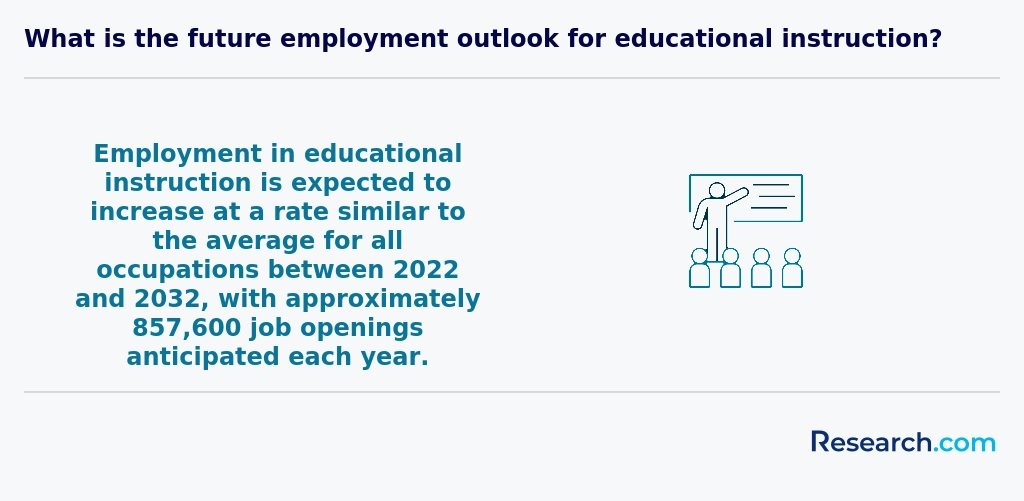
Imagine a student at the University of Central Florida who dreams of transforming classrooms through special education but worries about the steep tuition. Thanks to federal Pell Grants offering up to $7,395 annually, that anxiety can ease, providing a solid financial foundation. Completing the FAFSA opens doors to these grants and low-interest federal loans designed to keep repayment gentle and manageable.
Down in Miami, an aspiring educator taps into the Florida Teacher Education Scholars Program, securing a scholarship worth up to $10,000 each year. This vibrant support comes with a promise: teach in Florida's public schools and watch your investment bloom into a rewarding career.
Meanwhile, Florida State University students share stories of institutional scholarships that recognize merit and financial need, brightening their academic paths. Outside college walls, organizations like the Council for Exceptional Children offer additional scholarships, like unexpected sparks of hope fueling educational journeys.
Employed in a local district? Employer tuition reimbursement programs sometimes pick up tuition tabs, turning work and study into a harmonious duet. These varied sources weave a safety net, making Florida's online special education degrees not just a dream but an achievable reality.
To step into the world of special education in Florida through online degree programs, students often first present a high school diploma or GED, much like the foundation one builds before crafting a masterpiece. Graduates from prominent Florida universities recall submitting transcripts that showcased their journey, sometimes accompanied by a GPA hovering between 2.5 and 3.0, unlocking doors to a new chapter in education.
Imagine preparing for internships where fingerprinting and background checks are your backstage pass, ensuring the safety of young learners. Many programs in Florida also beckon aspirants to prove their skills in reading, writing, and math, sometimes through tests that feel like mini-adventures before the real journey begins.
- Prerequisite courses provide the basic tools, like brushes for a painter, covering essentials before diving into specialized lessons
- Hands-on or volunteer experiences in classrooms or community centers become the heartbeats of future teachers, connecting theory with human stories
For those venturing into graduate studies at well-regarded institutions, submitting heartfelt letters of recommendation and a personal statement becomes a quest to share one's passion for making a difference in special education across Florida's diverse landscape.
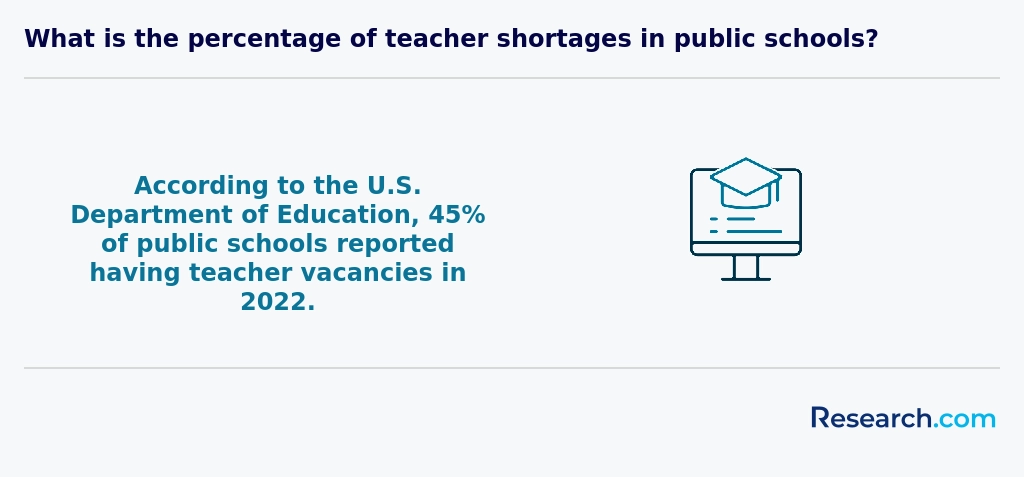
Diving into the world of online special education degrees in Florida means immersing yourself in courses that breathe life into real classroom challenges. Imagine a graduate from a well-known Florida university reflecting on how the Behavioral Interventions and Management course transformed their approach-arming them with strategies to turn a child's frustration into breakthrough moments of learning and joy.
Programs blend foundational knowledge with deeply practical topics like Teaching Students with Autism Spectrum Disorder, enabling you to feel confident navigating diverse learner needs across Florida's vibrant schools. Another graduate remembers how mastering Assistive Technology in the Classroom opened doors to new, creative ways to empower students with disabilities, making lessons come alive in virtual and physical spaces alike.
Courses on Legal and Ethical Issues in Special Education root you firmly in Florida's unique legislative landscape, ensuring you understand how to champion students' rights locally. With topics stretching from Foundations of Special Education to hands-on Assessment and Evaluation, you'll walk away with a toolkit ready to inspire and adapt.
Imagine diving into an online special education degree in Florida, where your path could weave through the intricate landscapes of autism spectrum disorders (ASD). Graduates from popular Florida colleges share how mastering behavior management and communication techniques for ASD students transformed their classrooms into havens of understanding and growth. Or picture yourself exploring learning disabilities-dyslexia and dyscalculia become more than terms as you learn to tailor instruction, much like alumni from renowned Florida programs who found fulfillment empowering struggling readers and math learners.
Florida accredited special education programs online often extend into emotional and behavioral disorders (EBD), where teachers develop hands-on behavioral plans inspired by real-life success stories from local universities. Early childhood special education sparks wonder too, allowing educators to celebrate tiny milestones with children under five, a cherished focus in Florida's education landscape. Sensory impairments like deafness or visual challenges invite creativity, with graduates sharing heartfelt moments teaching sign language and adaptive tech.
For those seeking flexibility, broader K-12 special education tracks in Florida's top institutions provide versatile certification that opens doors across disability categories. For aspiring educators eager to find the cheapest online master's degree in special education, understanding these specializations unlocks a vibrant career path tailored to Florida's diverse needs.
Choosing the best affordable online special education degree Florida means diving deep into programs that fit your life, your passions, and your future classroom. Imagine a graduate from a popular Florida university sharing how their program's blend of asynchronous classes and local practicum gave them the freedom to care for their family while mastering crucial skills like IEP development and assistive tech. Such flexibility is the magic ingredient for those juggling work with study.
Look closely at curriculum variety: some schools shine by focusing on early childhood special education, others specialize in mild to moderate disabilities. Graduates often praise courses that pair theory with real-world fieldwork arranged nearby, turning textbook ideas into direct impact on Florida's unique student populations.
For vibrant insights and comparisons, explore online special education bachelor's programs. These resources can unveil top online special education programs Florida, helping you pinpoint a path where you'll thrive, grow, and ultimately empower special learners across the state.
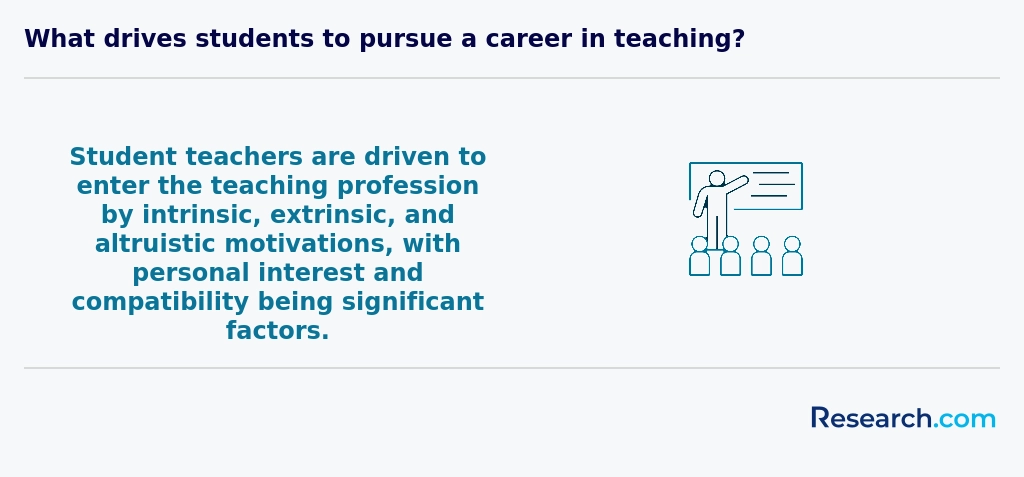
Imagine stepping into a vibrant classroom in Miami or Tampa, where graduates of online special education degree jobs Florida become the architects of possibility. Many begin as special education teachers, tailoring lessons like master chefs crafting unique recipes to nourish diverse learning appetites. These educators reshape futures, supported by Florida's districts that offer starting salaries averaging $41,000 to $48,000, rewarding passion with tangible stability.
Others move beyond the classroom, becoming educational coordinators or administrators who weave complex compliance tapestries aligning with IDEA's mandates. Graduates from institutions like the University of Central Florida share how they channel leadership to sculpt inclusive school environments that hum with collaboration and progress.
The journey doesn't stop there. Behavioral specialists and interventionists emerge as empathetic guides, steering students through challenges with personalized strategies, while consultants build bridges between families and educational systems. For many, postsecondary transition planning opens doors to adulthood, revealing bright futures in employment or college. Those searching for accelerated options might explore the fastest online master's degree in special education, blending speed with quality in Florida's competitive educational landscape.
The job market for graduates with an online special education degree in Florida pulses with promising energy. Graduates from popular Floridian institutions often share stories of stepping into classrooms filled with students eager for tailored support, knowing their skills meet a growing demand. Career opportunities flourish in public schools and private settings alike, bolstered by Florida's increasing K-12 enrollment and progressive inclusive education efforts. Many find themselves advancing beyond teaching roles into specialized intervention programs or administrative positions, energized by the state's dedication to funding these areas.
One graduate from a well-known Florida university remarked how earning their degree online offered flexibility without sacrificing connection to local educational networks, a vital factor for working professionals. Florida's competitive salaries around $54,000 annually, which rise with experience and additional certification, further encourage dedication to this fulfilling path. For those curious about programs and their value, exploring options for a special education online degree reveals a landscape ready to embrace new educators eager to make a difference.
Job outlooks reflect this vitality, blending opportunity with stability, making the special education teaching career opportunities Florida offers an inviting horizon for compassionate, motivated graduates.
2027 Most Affordable Online Special Education Degree Programs Ranking in Florida
Investing in your education is a significant decision that can shape your future, and the Research.com team understands the importance of making informed choices. To support prospective students in Florida, we have carefully developed the "2027 Most Affordable Online Special Education Degree Programs Ranking in Florida." Our dedication to quality, credibility, and accuracy is demonstrated through rigorous research and thorough analysis.
We utilized the following reputable data sources to ensure a comprehensive evaluation of online special education degree programs:
By exploring this ranking, readers will gain valuable insights into affordable and high-quality programs tailored to their needs, empowering them to make well-informed decisions about their educational journeys. For more details on our methodology, please visit our Research.com methodology page.

# 2 position
University of Central Florida
Bachelor of Exceptional Student Education, Learning and Language
# 3 position
Florida International University
Master of Special Education, Autism Endorsement specialization

Frequently Asked Questions About special education
Students pursuing online special education degrees in Florida can maximize their learning by actively engaging with course materials and instructors. Florida's education system requires special educators to be well-versed in state-specific laws and Individualized Education Program (IEP) requirements, so familiarity with these is essential. Participating in virtual discussions and study groups helps deepen understanding and build professional networks.
Utilizing available resources such as Florida's Department of Education guidelines and local virtual workshops can enhance practical knowledge. Research by the Florida Education Association highlights that students who consistently apply interactive learning methods achieve better outcomes. Additionally, balancing coursework with field experience, even virtually, prepares candidates for real classroom challenges.
The field of special education is expanding into several emerging niches that reflect both technological advances and evolving student needs. One growing area is assistive technology, where educators specialize in tools that help students with disabilities access the curriculum more effectively. In Florida, districts increasingly seek teachers skilled in using devices and software tailored to individual learning challenges.
Another niche focuses on inclusion strategies, helping general education classrooms better support students with diverse abilities. Florida's emphasis on integrated education drives demand for experts in this approach.
Additionally, there is rising interest in mental health support within special education. Specialists trained to address behavioral and emotional challenges are becoming essential, especially as Florida reports increased needs post-pandemic.
These emerging fields require specialized training often offered through online special education degree programs, providing flexibility for Florida students aiming to meet workforce demands.
After completing an online special education degree in Florida, preparing for the job market involves several key steps. First, ensure you obtain Florida's required teaching certification in special education, which is essential for employment in public schools. The Florida Department of Education outlines specific requirements, including passing the Florida Teacher Certification Examinations (FTCE).
Networking is also crucial. Joining professional organizations like the Council for Exceptional Children (CEC) can connect you with job openings and professional development.
Consider gaining practical experience through internships or substitute teaching to strengthen your resume.
Florida reports a steady demand for special education teachers, with employment projected to grow by approximately 5% through 2030 according to the Bureau of Labor Statistics.
Employers in Florida highly value special education graduates with strong communication and collaboration skills. These professionals often coordinate with families, teachers, and therapists, making teamwork essential. According to the Florida Department of Education, adaptability is critical due to the diverse needs of students with disabilities. Graduates must demonstrate knowledge of Individualized Education Programs (IEPs) and relevant state regulations. Data from the Bureau of Labor Statistics shows that problem-solving skills and patience are also top priorities for success in this field. Furthermore, technology proficiency, especially in assistive tools, enhances learning outcomes for students and is increasingly sought after by Florida employers.
Finding internships in Florida relevant to a special education degree involves connecting with local school districts and special education centers. The Florida Department of Education often collaborates with universities to place students in practicum experiences. Many online programs require fieldwork, which can be arranged through these partnerships.
Additionally, organizations like the Florida Inclusion Network provide resources and contacts to help secure placements in inclusive classrooms. According to the National Center for Education Statistics, Florida employs over 60,000 special education teachers, increasing internship opportunities statewide.
Networking through university career services and joining Florida-based professional groups can also enhance prospects. Internships in this field typically provide hands-on experience with students who have diverse learning needs, essential for certification.
Obtaining an online special education degree in Florida can significantly enhance career mobility and advancement opportunities. Florida's demand for qualified special education teachers is high; the Florida Department of Education projects a continued need for these professionals due to increasing student enrollment and retirements. Holding a degree often qualifies educators for state certification, a key requirement for employment in public schools.
Graduates from online programs benefit from flexible learning while still meeting Florida certification standards. According to the National Center for Education Statistics, teachers with specialized degrees often qualify for higher salaries and leadership roles in schools.
Additionally, advanced credentials can open pathways to roles such as curriculum specialists or resource coordinators, expanding career options beyond classroom teaching.
Online special education degree programs in Florida equip students with the skills needed to work in interdisciplinary teams. These programs emphasize collaboration with general educators, therapists, counselors, and families to create comprehensive support plans for students with disabilities. According to the Florida Department of Education, effective teamwork improves student outcomes and is a critical component of special education practice.
Florida's programs often include coursework in communication, assessment, and behavioral strategies that prepare graduates to navigate diverse professional settings. The emphasis on law and policy also helps students understand their role within multidisciplinary systems.
Data from the National Center for Education Statistics shows that Florida's special education workforce increasingly values professionals with strong interdisciplinary training, reflecting the state's commitment to inclusive education.
Choosing between a thesis and a non-thesis online special education degree program in Florida depends on your career goals and learning preferences. A thesis program requires conducting original research and is ideal for students aiming for a doctoral degree or roles in academic or research settings. Non-thesis programs focus more on practical skills and coursework, which may suit professionals seeking direct employment in schools or educational agencies.
In Florida, the demand for special education teachers is growing, with the Bureau of Labor Statistics projecting a 7% increase by 2032. Programs accredited by recognized bodies like the Council for Exceptional Children often offer both options. Examining your intended career path helps determine which path aligns best with your needs and available time commitment.
Students based in Florida interested in studying special education abroad face limited direct options due to state licensure requirements and accreditation standards. Most U.S. states, including Florida, require educators to hold degrees from regionally accredited institutions recognized by the Council for Higher Education Accreditation (CHEA) or the U.S. Department of Education.
While some Florida students explore international universities offering special education programs, transferring credits and obtaining Florida certification can be challenging. According to the Florida Department of Education, candidates must complete approved coursework to qualify for Florida teacher certification in exceptional student education (ESE).
Many students instead choose fully online programs offered by Florida-based or U.S. public universities, which may incorporate international perspectives within their curricula.
Part-time job opportunities in Florida that complement an online special education degree enhance practical skills while students complete their studies. Many students work as teacher aides or paraprofessionals in public schools, roles that provide direct experience supporting students with disabilities. According to the Florida Department of Education, these positions often require a high school diploma but offer valuable classroom exposure.
Additionally, tutoring services, particularly for students with learning disabilities, create flexible job options that reinforce instructional techniques learned in coursework. Jobs in behavioral therapy or applied behavior analysis clinics are also relevant, as Florida has a growing demand for professionals in these fields.
Working in after-school programs or community centers serving children with special needs helps build communication and organizational skills. These roles are often part-time and can align closely with the competencies developed in special education degree programs.
Online special education students in Florida have various networking opportunities that help connect them with peers, professionals, and potential employers. Schools often provide virtual events, workshops, and discussion forums tailored for special education majors.
Florida's Council for Exceptional Children offers resources and conferences, enabling students to engage with experienced educators. Additionally, many online programs partner with local school districts for internships or practicum placements, which foster in-person networking.
Professional organizations like the Florida Education Association also include online members, offering access to statewide networks and advocacy groups. These connections are crucial, as Florida employs over 30,000 special education teachers, highlighting a robust community for collaboration.
Alumni networks play a crucial role for students pursuing online special education degrees in Florida. These networks provide valuable connections that can lead to job opportunities within Florida's schools and educational organizations. Given Florida's large demand for special education teachers, alumni associations often share information about local job openings and professional development events.
Engaging with alumni also offers mentorship possibilities, helping current students navigate certification requirements and classroom challenges specific to Florida's diverse student populations. According to the Florida Department of Education, collaborative networks enhance teacher retention and effectiveness, making alumni support important for career growth.
Overall, these networks enrich the online learning experience by bridging academic work with practical career guidance.
Customizing an online special education degree program in Florida allows students to align their studies with specific career goals. Many Florida universities offer elective courses focused on areas like autism spectrum disorders, behavioral interventions, or assistive technology. Choosing these electives lets students gain targeted skills relevant to their future roles.
Additionally, some programs provide options for field experiences or internships within Florida's diverse school districts. This practical training helps students apply theoretical knowledge and build professional networks.
Students should also consider certification pathways. Florida requires special education teachers to earn state certification, and degree programs often integrate preparation for these exams.
Consulting academic advisors helps ensure course selections support both licensing requirements and personal aspirations.
Online special education students in Florida often face challenges related to practical experience requirements. Many programs mandate hands-on clinical hours, which can be difficult to arrange remotely. Students must find local schools willing to host their internships or practicum placements, adding complexity to their schedules.
Access to consistent, high-quality technology is another challenge. Reliable internet and up-to-date devices are essential for participating in virtual lectures and submitting assignments on time.
According to the Florida Department of Education, special education teacher vacancies remain high, which creates pressure on students to complete their training expediently while securing licensure. Balancing coursework with work or family commitments is also commonly reported.
With an online special education degree in Florida, graduates can pursue essential professional certifications to advance their careers. The most common credential is the Florida Professional Educator Certificate with a specialization in exceptional student education (ESE). This certification qualifies teachers to support students with disabilities across various age groups and settings.
Additionally, educators may seek endorsements such as the Autism Spectrum Disorders (ASD) or English for Speakers of Other Languages (ESOL), which are valuable in Florida's diverse classrooms. According to the Florida Department of Education, meeting the certification requirements involves passing the Florida Teacher Certification Examinations (FTCE) for special education.
Other certifications include behavior analyst credentials, often pursued by those focusing on applied behavior analysis within special education.
Writing a winning application for an online special education program in Florida starts with understanding the program's requirements. Many universities in Florida require a minimum GPA of 3.0 and standardized test scores, although some accept waivers. Highlight your passion for special education by detailing any relevant experience with students with disabilities.
Florida's Department of Education emphasizes skills in communication and adaptability, so demonstrate these through your personal statement. Including specific goals aligned with Florida's high demand for special education teachers-projected to grow by 7% by 2030-can strengthen your application (Florida Department of Education, 2023).
Lastly, collecting strong letters of recommendation from educators or supervisors familiar with your work ethic can improve your chances significantly.
The career of special education has important value worldwide, reflecting the growing focus on inclusive education. In the United States, including Florida, special education professionals are essential for meeting the needs of approximately 13% of public school students, according to the U.S. Department of Education's 2023 data.
Globally, perspectives vary due to differing policies and resources, but the U.S. consistently leads in emphasizing individualized support and legal protections through laws like IDEA (Individuals with Disabilities Education Act).
Florida alone serves over 350,000 special education students, highlighting demand for qualified teachers with specialized training. Online degrees in Florida prepare educators to meet these evolving expectations with flexible learning options.
This international focus recognizes special educators as crucial advocates for equity, inclusion, and student success across diverse classrooms.
Gaining practical experience while studying for an online special education degree in Florida is essential. Many accredited programs incorporate mandatory fieldwork or practicum components that you can complete in local schools or community organizations. Florida requires special education teacher candidates to fulfill at least 600 hours of supervised field experience, which includes working directly with students with disabilities. This hands-on training helps bridge theory with real classroom challenges.
Students often coordinate internships or student teaching through their university. Local districts in Florida frequently partner with universities to support such placements. The Florida Department of Education also offers resources on approved clinical experiences and mentoring.
Choosing the right concentration within an online special education degree program in Florida begins with understanding your career goals and the needs of Florida's diverse student population. Special education covers various areas such as autism spectrum disorders, learning disabilities, and behavioral interventions.
Consider concentrations aligned with Florida's demand for special educators, particularly in inclusive classrooms or early childhood intervention programs. According to the Florida Department of Education, there is a growing need for teachers skilled in behavior management and individualized education plans (IEPs).
Review program curricula for courses focused on these areas and check if they meet Florida certification requirements to ensure your investment translates into job readiness.
Additionally, exploring practicum opportunities in Florida schools can provide practical experience relevant to your chosen concentration.
- 2027 Most Affordable Online Special Education Degree Programs Ranking in Georgia
- 2027 Most Affordable Online Special Education Degree Programs Ranking in North Carolina
- 2027 Most Affordable Online Special Education Degree Programs Ranking in Kentucky
- 2027 Most Affordable Online Special Education Degree Programs Ranking in Virginia
- 2027 Most Affordable Online Special Education Degree Programs Ranking in Missouri
- 2027 Most Affordable Online Special Education Degree Programs Ranking in Indiana
- 2027 Most Affordable Online Special Education Degree Programs Ranking in Ohio
- 2027 Most Affordable Online Special Education Degree Programs Ranking in Pennsylvania
- 2027 Most Affordable Online Special Education Degree Programs Ranking in Texas
- 2027 Most Affordable Online Special Education Degree Programs Ranking in Kansas
- Navigating the Top 5 Special Education Challenges - TeachTown https://web.teachtown.com/blog/special-education-challenges/
- 10 Best Practices for Improving Special Education https://www.dmgroupk12.com/blog/10-best-practices-for-improving-special-education
- REQUIRED: Students with Disabilities https://renewateachinglicense.com/member/cart-cat/fl-florida-grad-students-with-disabilities
- What Makes Special Education Teachers "Special"? Insights from Pepin Academies https://pepinacademies.com/what-makes-special-education-teachers-special-insights-from-pepin-academies/
- How to Pick Your Concentration for Your M.Ed. Degree | ACE Blog https://ace.edu/blog/how-to-pick-your-med-concentration/
- Reimagining Inclusion with Positive Niche Construction https://andrewgael.com/2016/03/07/reimagining-inclusion-with-positive-niche-construction/
- Remote Special Education Jobs - VocoVision https://www.vocovision.com/teletherapy-jobs/special-education-teacher-jobs/
- Teaching Job Roles | Teach For Life https://www.teachforlife.com/teachingjobs/global-perspectives-teacher
- Special Education Teacher | Inclusive Education Jobs | Jobs in Education https://jobsineducation.com/categories/special-education-teacher-jobs/
- SEND Alumni Toolkit https://resources.careersandenterprise.co.uk/resources/send-alumni-toolkit