2027 Special Education Degree Industry Demand Report: Which Sectors Are Expanding Hiring the Fastest

Co-Founder and Chief Data Scientist
Special Education students are entering a labor market shaped by teacher shortages, disability service expansion, and tighter licensure expectations. The U.S. Bureau of Labor Statistics reports a May 2024 median pay of $64,270 for special education teachers, but demand varies sharply by state, setting, and specialization.
This report explains where hiring is strongest, which roles pay more, how remote work fits, and what credentials improve competitiveness so students can choose programs, fieldwork, and career paths with better long-term fit.
Key Things You Should Know
- Elementary and secondary schools remain the highest-volume hiring sector for Special Education graduates, but demand is also expanding in early intervention, behavioral health, virtual education, tutoring, assessment, and disability services.
- The BLS reports a May 2024 median wage of $64,270 for special education teachers, while actual entry pay depends heavily on local salary schedules, licensure level, endorsements, and union contracts.
- Special Education roles are not fully remote-first, but virtual schools, tele-intervention providers, online tutoring companies, and IEP compliance vendors are creating more location-flexible openings for experienced candidates.
- Will pursuing a Special Education degree lead directly to a job?
- What is the projected job growth rate for Special Education roles over the next decade?
Will pursuing a Special Education degree lead directly to a job?
A Special Education degree can lead directly to employment when it is paired with the right state-approved teacher preparation pathway, supervised clinical experience, and licensure exams. The degree alone is usually not enough for public school teaching roles because each state sets its own certification rules for special education teachers, endorsements, background checks, and practicum requirements.
The strongest direct path is a bachelor's or master's program that is explicitly approved for special education licensure in the state where the student plans to work. This matters because school districts often cannot hire a candidate into a full special education teacher role without evidence of eligibility for certification, even when the candidate has strong classroom experience.
Students should think of the degree as a gateway, not an automatic placement mechanism. It is most likely to translate into a job when the student builds evidence in four areas:
- Complete a state-approved Special Education program with supervised student teaching or practicum hours.
- Choose an endorsement area with local demand, such as mild/moderate disabilities, autism spectrum disorder, early childhood special education, emotional and behavioral disorders, or severe/profound disabilities.
- Gain classroom-adjacent experience through paraprofessional work, tutoring, substitute teaching, summer programs, or behavioral support roles.
- Apply through district-specific hiring portals, special education cooperatives, education service agencies, and early intervention providers instead of relying only on general job boards.
The degree may be less direct for students who want counseling, occupational therapy, speech-language pathology, school psychology, or applied behavior analysis positions. Those roles often require different graduate degrees, national certifications, or clinical licenses. If a student is deciding between education and faster healthcare workforce entry, comparing options such as an LPN 6-month program can clarify whether they prefer classroom-based disability support or clinical patient-care work.
The practical takeaway is that Special Education is a strong employment-oriented major for students who are comfortable with licensure, documentation, family collaboration, and individualized instruction. It is a weaker fit for students who want a job with minimal regulation, little paperwork, or fully remote work immediately after graduation.
What is the projected job growth rate for Special Education roles over the next decade?
The national outlook for special education teachers is more stable than fast-growing. In its latest occupational outlook, the BLS projects little or no overall employment change for special education teachers over the 2024 to 2034 period, but still expects thousands of annual openings because districts must replace workers who retire, transfer, or leave the occupation.
That distinction is important for students. Flat national growth does not mean weak opportunity everywhere. Special education hiring is highly local because it depends on school funding, state vacancy patterns, student enrollment, disability identification rates, and the availability of licensed teachers. A rural district, a high-poverty urban district, or a specialized autism program may face urgent hiring pressure even when the national projection looks modest.
The table below summarizes how to interpret demand across the main employment settings. It is designed to help students compare "high-volume but structured" paths with more specialized or emerging options.
| Employment setting | Demand signal | Best fit for | Key limitation |
| Public K-12 schools | Highest volume and most consistent replacement hiring | Students seeking a traditional teacher role, benefits, and salary-step advancement | Requires state licensure and extensive compliance work |
| Early intervention and preschool special education | Strong need where states expand early screening and services | Graduates interested in infants, toddlers, and family-centered support | May require early childhood special education endorsement |
| Private special education schools | Growing niche demand for autism, behavioral, and intensive support programs | Candidates who want smaller specialized settings | Pay and benefits vary more widely than public districts |
| Virtual schools and online intervention providers | Expanding but smaller hiring base | Experienced educators with strong technology and documentation skills | Entry-level fully remote openings are less common |
| Disability services and nonprofit programs | Moderate demand tied to community support and transition services | Graduates interested in advocacy, adult services, and case coordination | May offer lower pay than licensed teaching roles |
Students should use the national projection as a baseline, then check state education department shortage lists, district vacancy pages, and local salary schedules. The smartest job-market strategy is not simply asking whether Special Education is growing nationally; it is identifying which disability category, age band, and employer type is undersupplied in the region where the student wants to work.
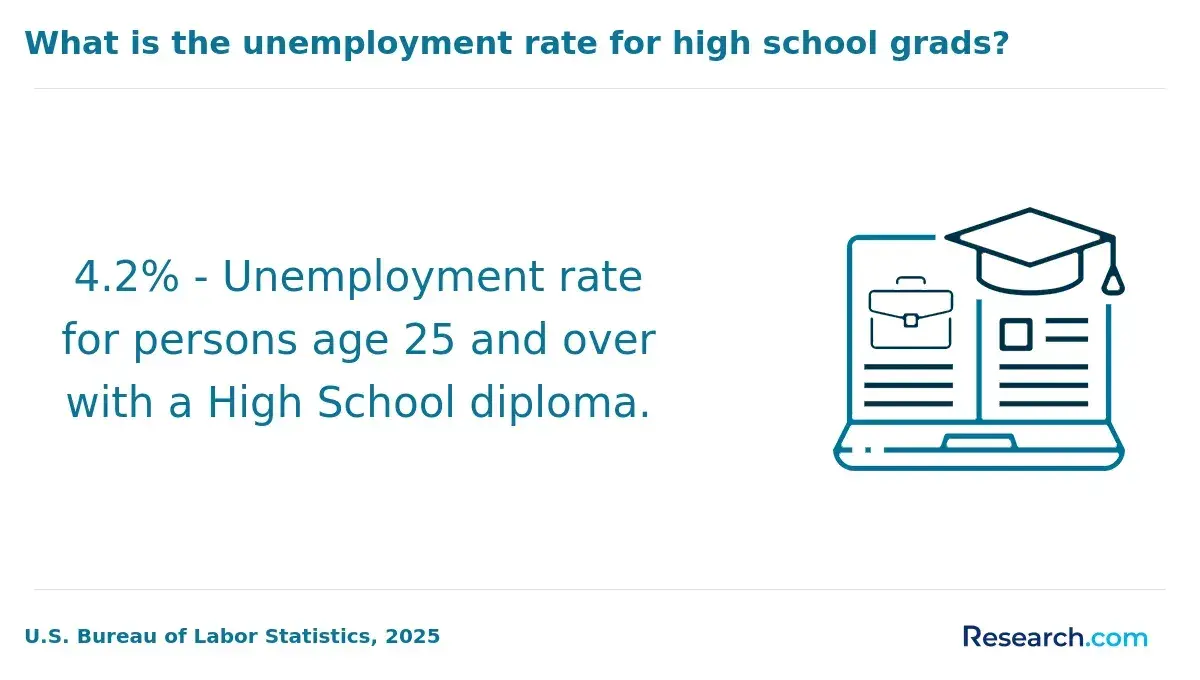
There is no single national "Special Education industry retention rate" that covers public schools, private schools, early intervention agencies, therapy companies, and nonprofits. The best broad benchmark comes from teacher workforce data. NCES teacher mobility reporting published in recent federal data releases shows that most public school teachers remain in teaching from one year to the next, but movement between schools and exits from the profession remain meaningful concerns.
For Special Education, retention can be more fragile than the general teaching market because the work often combines intensive instructional planning, behavior support, legal documentation, IEP meetings, family communication, and coordination with service providers. These responsibilities are professionally meaningful, but they can also create burnout when caseloads are high or administrative support is weak.
Students should evaluate retention risk before accepting a job. The following warning signs are more useful than a single national percentage because working conditions differ dramatically by district and employer:
- Caseloads that exceed state or district guidelines without additional paraprofessional or related-service support.
- Frequent openings for the same special education position at the same school, which may indicate turnover or weak support.
- Unclear planning time, IEP meeting coverage, or mentoring for first-year special education teachers.
- Job postings that combine multiple roles, such as case manager, behavior specialist, resource teacher, and testing coordinator, without explaining workload limits.
- Limited access to behavior intervention support, assistive technology, interpreters, or specialized curriculum.
A good retention-focused job search asks detailed questions during interviews. Candidates should ask about average caseload, first-year mentoring, co-teaching expectations, paraprofessional support, due-process training, and how the school handles crisis response. A slightly lower salary in a well-supported district may be a better long-term decision than a higher offer in a role with unmanageable workload.
The most in-demand roles are those that help schools meet legal service obligations, support inclusion, manage IEP documentation, and deliver targeted instruction to students with disabilities. Employers especially value candidates who can combine classroom management, data-based instruction, family communication, and compliance accuracy.
The table below translates common job titles into practical responsibilities and entry-level skill priorities. This is useful because Special Education postings often use similar titles while expecting very different daily work.
| Role | Typical responsibilities | Skills employers look for | Entry-level suitability |
| Resource room special education teacher | Provide small-group instruction, monitor IEP goals, coordinate accommodations | Progress monitoring, differentiated instruction, reading and math intervention | Strong fit for licensed new graduates with practicum experience |
| Inclusion or co-teaching specialist | Support students in general education classrooms and collaborate with subject teachers | Co-planning, universal design for learning, classroom communication | Good fit for candidates comfortable with collaboration |
| Self-contained classroom teacher | Teach students requiring intensive support for academic, behavioral, or functional needs | Behavior plans, structured routines, paraprofessional supervision, crisis prevention | Can be demanding for new graduates without strong mentoring |
| Early childhood special education teacher | Support young children with developmental delays and coordinate with families | Developmental assessment, family coaching, play-based intervention | Best with early childhood endorsement or fieldwork |
| Transition specialist | Help older students prepare for employment, postsecondary education, and independent living | Career planning, community partnerships, vocational assessment | Often better after classroom or case management experience |
| IEP compliance or case management specialist | Track service delivery, documentation timelines, accommodations, and meetings | Legal accuracy, scheduling, data systems, stakeholder communication | More accessible to experienced teachers than first-year graduates |
Graduates can improve their competitiveness by building role-specific evidence before applying. For classroom roles, lesson samples, behavior-support reflections, and progress-monitoring examples are more persuasive than a generic resume. For compliance or technology-enabled roles, employers may also want experience with student information systems, digital IEP platforms, and accessible learning tools.
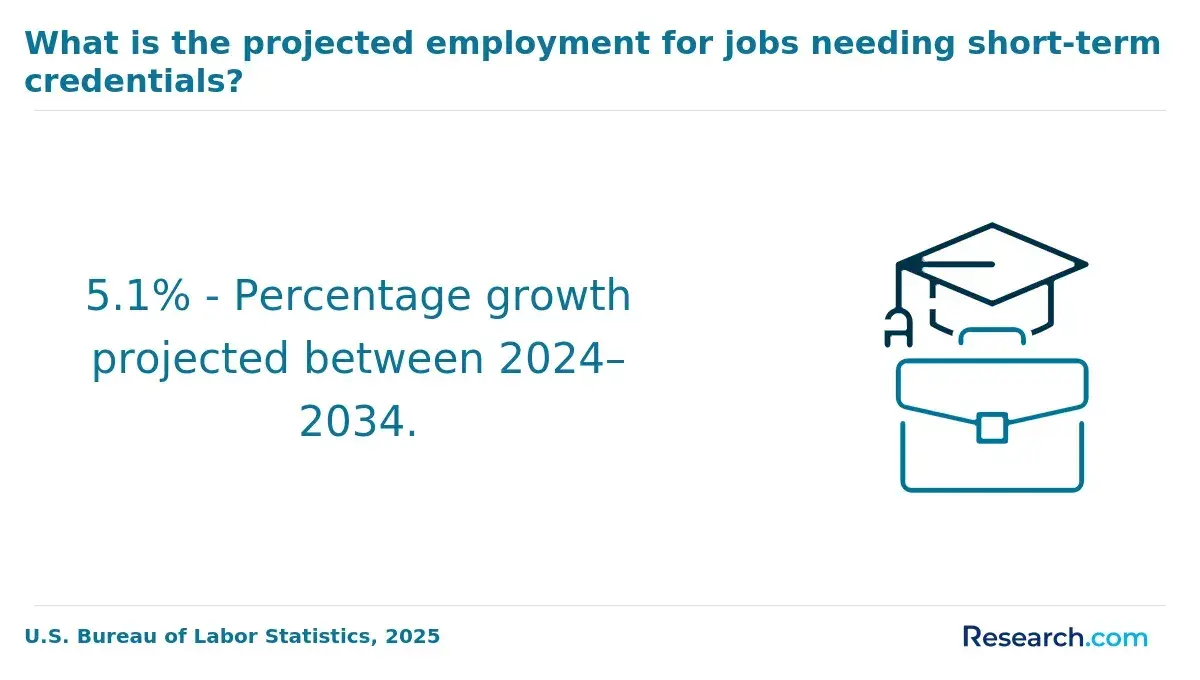
Yes, but remote opportunities are uneven. Special Education remains more on-site than many knowledge-work fields because students often need direct instruction, behavior support, assessment observation, and in-person collaboration. Remote roles are more common for experienced educators than for brand-new graduates.
The strongest remote or hybrid opportunities tend to cluster in virtual schooling, online intervention, tele-assessment support, tutoring, curriculum accessibility, and IEP compliance. Some related roles, such as teletherapy, may require a different license in speech-language pathology, occupational therapy, counseling, or psychology, so graduates should not assume a Special Education degree qualifies them for every remote disability-service job.
Students seeking remote flexibility should target roles where the work product can be delivered or documented digitally. The most realistic options include:
- Virtual special education teacher roles with state-authorized online public schools or charter schools.
- Remote interventionist jobs focused on reading, math, executive functioning, or study skills support.
- Online tutoring for students with learning disabilities, ADHD, or dyslexia, especially when paired with structured literacy training.
- IEP documentation, compliance, or service coordination roles for education service companies.
- Accessible curriculum review, instructional design support, or assistive technology training roles.
The biggest mistake is applying only for "remote special education teacher" roles without checking licensure jurisdiction. A remote teacher may still need certification in the state where the student is enrolled, where the school is authorized, or where services are delivered. Candidates should verify state requirements before accepting a virtual position.
The most important credential is state special education licensure or eligibility for licensure. Public school employers typically require a completed approved preparation program, supervised clinical practice, content or pedagogy exams, and background clearance. Requirements vary by state, so students should verify rules through the state education agency before enrolling in a program.
Beyond licensure, high-demand candidates usually show evidence of specialized practice. Employers increasingly want graduates who can manage both instruction and compliance: designing individualized lessons, tracking measurable goals, communicating with families, and documenting services accurately.
The table below summarizes credentials and skill clusters that commonly improve employability. It is not a substitute for state licensure rules, but it helps students choose electives, field placements, and professional development strategically.
| Credential or skill area | Why it matters | Best target roles |
| State special education teaching license | Required for most public school teacher-of-record positions | Resource teacher, inclusion teacher, self-contained classroom teacher |
| Autism, severe disabilities, or emotional/behavioral disorders endorsement | Matches specialized shortage areas in many districts | Autism support teacher, behavior classroom teacher, intensive support teacher |
| Structured literacy or dyslexia training | Supports evidence-based reading intervention for students with learning disabilities | Reading interventionist, resource teacher, online tutor |
| Behavior intervention and crisis prevention training | Helps candidates work safely in intensive support settings | Self-contained teacher, behavior support teacher, private program instructor |
| Assistive technology competence | Supports accessible instruction and communication | Inclusion specialist, accessibility coordinator, instructional support specialist |
| IEP data systems and compliance documentation | Reduces employer risk and improves service tracking | IEP case manager, compliance specialist, special education coordinator |
Graduates should avoid treating certifications as resume decoration. The best credential is one that matches a target job market. For example, structured literacy training is more valuable for resource and intervention roles, while crisis prevention is more relevant for behavioral or intensive support classrooms.
Students comparing Special Education with healthcare-related education should also consider how much regulation they want in their career. Fields such as online pharmacy programs require very different clinical training and licensure, while Special Education emphasizes school law, instruction, disability accommodation, and family-centered planning.
Entry-level Special Education pay is usually set by district salary schedules, not individual negotiation. New graduates with a bachelor's degree and initial license often start on the first salary step, while master's degree holders may begin on a higher lane. The BLS reports a May 2024 median annual wage of $64,270 for special education teachers, but the median reflects the full workforce rather than first-year teachers only.
For students, the most practical way to estimate starting pay is to compare local salary schedules in the districts where they plan to apply. A starting offer in a lower-cost rural district can look very different from one in a high-cost metropolitan district, and benefits, pension contributions, tuition reimbursement, and union protections can significantly change total value.
The table below explains how entry-level compensation usually differs by employer type. It avoids treating one national number as a promise because pay varies by state, district, degree level, and contract.
| Employer type | Typical entry-pay pattern | What to check before accepting |
| Public school district | Salary schedule based on degree level and years of experience | First-step salary, lanes for graduate credits, stipends, benefits, pension rules |
| Charter school | May use salary bands or school-specific contracts | Work year length, planning time, caseload, renewal terms |
| Private special education school | Pay varies widely by school mission, funding, and student needs | Benefits, safety support, supervision, advancement path |
| Early intervention provider | May pay by salary, contract, or service model | Travel expectations, documentation time, family-service duties |
| Online provider or tutoring company | May use hourly, part-time, or contract arrangements | Guaranteed hours, state licensure requirements, unpaid prep time |
A common mistake is comparing only base pay. Candidates should calculate total compensation by adding health benefits, retirement contributions, stipends for hard-to-staff positions, paid professional development, tuition support, and summer employment options. A role with stronger mentoring and sustainable caseloads can also protect long-term earnings by reducing burnout and early career exits.
The highest compensation is not always in the sector with the most jobs. Public K-12 schools offer the largest employment base and predictable salary schedules, while specialized private programs, administrative roles, consulting, compliance, curriculum accessibility, and leadership positions may offer higher pay for experienced professionals. Entry-level candidates should be cautious about chasing a higher salary if the role lacks supervision or has an unsustainable caseload.
Compensation also depends on whether the professional remains in direct teaching or moves into adjacent roles. A special education teacher who later becomes a coordinator, administrator, behavior program lead, assistive technology specialist, or accessibility consultant may access different pay structures, but those paths usually require experience, graduate education, or additional credentials.
The table below compares compensation potential by industry type rather than promising fixed earnings. It helps students weigh salary upside against credential burden and job stability.
| Industry or employer type | Compensation potential | Why pay may be higher | Trade-off |
| Public school districts in high-cost or shortage areas | Moderate to high | Union contracts, shortage stipends, graduate lanes, strong benefits | Licensure required and workload can be demanding |
| Specialized private schools and therapeutic education programs | Moderate to high for specialized roles | Intensive student needs and specialized service models | Benefits and workload protections vary |
| Special education administration and coordination | High for experienced professionals | Leadership responsibility, compliance oversight, staff supervision | Usually requires years of experience and administrative credentials |
| Education technology and accessibility services | Variable with upside | Digital curriculum, compliance tools, assistive technology, scalable services | May require tech skills and less direct student work |
| Independent consulting, advocacy, and tutoring | Variable with entrepreneurial upside | Private-pay services, niche expertise, flexible pricing | Income can be inconsistent and requires business development |
Students who want higher compensation should build a specialization early. Strong options include autism support, transition planning, assistive technology, dyslexia intervention, behavior support, or special education law and compliance. Students who prefer health, wellness, and movement science careers may also compare an online degree in exercise science, which leads to a different labor market and may require separate graduate credentials for clinical roles.
Special Education hiring is becoming more specialized, faster, and more credential-sensitive. Districts still need licensed teachers, but employers increasingly screen for disability-specific experience, behavior support skills, documentation accuracy, and readiness to work in inclusive or technology-supported classrooms.
One major trend is earlier recruiting. Many districts post anticipated special education vacancies before the school year ends, then continue hiring through summer and into the first semester when hard-to-fill roles remain open. Graduates who wait until general job boards show openings may miss district-specific application windows.
Another trend is skills-based screening within a licensed profession. Employers may ask scenario questions about IEP goal writing, behavior escalation, co-teaching conflict, family communication, progress monitoring, or assistive technology. A candidate who can discuss real fieldwork examples will usually interview better than one who only lists coursework.
Graduates can improve response rates by using a focused application strategy rather than mass-applying to every open teaching role. A practical sequence is:
- Identify two or three target settings, such as resource instruction, early childhood special education, autism support, or transition services.
- Check state shortage-area lists and district vacancy pages before searching broad job boards.
- Prepare a one-page evidence packet with sample IEP goal language, intervention data examples, lesson adaptations, and behavior-support reflections with student information removed.
- Ask field-placement supervisors, cooperating teachers, and special education coordinators for references before graduation.
- Apply early for district pools, but follow up directly when a school-specific special education vacancy appears.
Technology is also changing recruitment. Districts and vendors value candidates who can use digital IEP systems, learning management platforms, accessibility tools, progress-monitoring software, and AI-supported planning responsibly. AI can help draft lesson variations or summarize data, but special educators remain accountable for accuracy, confidentiality, individualized decision-making, and compliance with school policy.
The biggest red flag for graduates is assuming the major alone is enough. Applicants should be ready to explain their licensure timeline, disability-area preparation, classroom management approach, and documentation experience. Candidates considering a more data-intensive science or technology career path should compare the labor market for bioinformatics degree jobs, because that route rewards a very different mix of analytics, coding, and laboratory or health-data skills.
The highest hiring volume remains in public elementary and secondary schools because federal disability education requirements create ongoing demand for licensed special education teachers, IEP case managers, inclusion teachers, resource teachers, and self-contained classroom teachers. BLS May 2024 occupational data continues to show elementary and secondary education as the central employment market for special education teachers.
However, students should not assume that "school teacher" is the only career outcome. The Special Education labor market now includes traditional, clinical-adjacent, nonprofit, and technology-enabled roles. The table below compares the sectors most relevant to degree holders who want steady hiring volume or expanding demand.
| Sector | Hiring volume | Common roles | When this sector makes sense |
| Public K-12 districts | Very high | Special education teacher, resource teacher, inclusion teacher, IEP case manager | Best for candidates who want structured salary schedules, benefits, and long-term advancement |
| Charter and private schools | Moderate to high in some markets | Learning specialist, intervention teacher, special education coordinator | Best for candidates who want mission-specific schools or smaller instructional models |
| Early intervention and preschool programs | Moderate but growing in many regions | Early childhood special education teacher, developmental specialist, family service coordinator | Best for candidates interested in early screening, family coaching, and developmental milestones |
| Private special education and autism programs | Moderate and specialized | Autism support teacher, behavior classroom teacher, transition skills instructor | Best for candidates seeking intensive, disability-specific practice |
| Virtual schools and education technology providers | Smaller but expanding | Online special education teacher, remote interventionist, IEP compliance specialist | Best for experienced candidates with strong digital instruction and documentation skills |
| Nonprofit and government disability services | Moderate | Transition coordinator, disability advocate, program specialist, vocational support coordinator | Best for candidates who prefer advocacy, case coordination, or adult transition services |
High-volume sectors are usually better for graduates who need stable entry-level employment and mentorship. Specialized niche sectors can be better for candidates who already know they want autism services, transition planning, assistive technology, or behavioral intervention, but they should compare pay, supervision, and promotion paths carefully.
Other Things You Should Know About Special Education
It can be worth it for students who want stable public-service work, are comfortable with licensure, and are motivated by individualized student support. It may not be the best fit for students who want minimal paperwork, rapid salary growth without additional credentials, or fully remote work from the start.
Not always. Many states allow entry with a bachelor's degree from an approved teacher preparation program and the required exams. However, some states, districts, or advancement paths may require or reward a master's degree, especially for salary-lane movement, leadership, or specialized roles.
Demand varies by state, but common high-need areas include autism support, emotional and behavioral disorders, severe disabilities, early childhood special education, dyslexia or reading intervention, and transition services. Students should compare local shortage lists before choosing an endorsement.
Yes. Options include early intervention agencies, private special education schools, disability nonprofits, tutoring companies, curriculum accessibility teams, advocacy organizations, and education technology providers. Some related clinical roles require separate graduate degrees or licenses.
- Is Underfunding and Staff Burnout Creating a Global Crisis in Special Education? | Dr Helen Kelly https://drhelenkelly.com/articleDEV.php
- Special Education Teacher Crisis 2025: Global Causes, Impacts, and Solutions https://www.senteachertraining.com/blog/2402-Special-Education-Teacher-Crisis-2025-Global-Causes-Impacts-and-Solutions-blog.php
- The Biggest Challenges in Special Education in 2026 https://orilearning.com/biggest-challenges-special-education-2026/
- Understanding the Challenge - The Able Trust https://www.abletrust.org/understanding-issues/
- The Future Career Outlook for Special Education Teachers - Supplemental Health Care https://shccares.com/blog/schools/the-future-career-outlook-for-special-education-teachers/