2027 Special Education Degree Licensure Outcomes Report: Pass Rates, Barriers, and Career Impact

Co-Founder and Chief Data Scientist
Choosing a special education degree is really a licensing decision, without the right preparation, graduates may finish school but still be unable to teach independently. The U.S. Bureau of Labor Statistics reports a $65,910 median annual wage for special education teachers, and many openings are driven by replacement needs rather than rapid growth.
This guide is for prospective students, career changers, and graduate applicants who need to compare pass rates, state approval, costs, barriers, and career payoff before enrolling.
Key Things You Should Know
- Licensure outcomes depend on more than graduation, first-time exam pass rates show how well a program prepares candidates before retakes, while overall pass rates can look stronger because they include repeat attempts.
- The biggest barriers are usually state-specific eligibility rules, required clinical or student-teaching placements, exam failures, background checks, missing coursework, and out-of-state license transfer delays.
- Licensure has a direct career impact because most public K-12 special education teaching jobs require a state credential, while unlicensed graduates are usually limited to support, nonprofit, tutoring, behavioral, or education-adjacent roles.
- Is Professional Licensure Required for Special Education Degree Careers?
- How Do Special Education Degree Graduates Qualify for Professional Licensure?
Is Professional Licensure Required for Special Education Degree Careers?
A professional license is usually required if your goal is to become the teacher of record in a public K-12 special education classroom. "Teacher of record" means you are legally responsible for instruction, IEP implementation, progress monitoring, grades, and compliance documentation. A degree may qualify you academically, but the license is what gives you legal authority to teach in most public school systems.
Special education licensure is typically required for roles such as special education teacher, intervention specialist, exceptional needs teacher, resource teacher, inclusion teacher, or self-contained classroom teacher. Private schools, charter schools, tutoring companies, and nonprofits may have different rules, but even when a license is not legally required, employers often prefer or reward it because it signals classroom readiness and knowledge of disability law.
The main distinction is between degree completion and licensure completion. Degree completion means you earned the credits and credential awarded by the college. Licensure completion means you also met the state's requirements, which may include exams, background checks, supervised teaching, application paperwork, and sometimes additional coursework.
This table summarizes how licensure affects common special education-related roles. It helps you see when a license is essential, when it is optional, and when a different credential may matter more.
| Career goal | Is state teacher licensure usually required? | What this means for degree selection |
| Public school special education teacher | Yes | Choose a state-approved teacher preparation program that leads directly to special education licensure. |
| Private school special education teacher | Sometimes | Check employer and state rules; licensure may improve hiring competitiveness even when not mandatory. |
| Paraprofessional or teacher aide | No, but local requirements apply | A full teacher licensure program may be more than you need unless you plan to advance into teaching. |
| IEP coordinator or special education administrator | Often yes, plus experience | Many leadership roles require prior licensed teaching experience and may later require an administrative credential. |
| Education nonprofit, tutoring, advocacy, or curriculum work | Usually no | A special education degree can be useful, but licensure may not be necessary unless you want school-based authority. |
Students should avoid assuming that any special education degree automatically leads to a teaching credential. Some programs are designed for licensed teachers seeking an endorsement, some are non-licensure bachelor's or master's programs, and some prepare candidates only for one state's requirements.
How Do Special Education Degree Graduates Qualify for Professional Licensure?
Special education graduates qualify for professional licensure by completing a state-approved preparation pathway and meeting the licensing board's requirements. The details vary by state, but most pathways combine academic coursework, field experience, exams, background clearance, and a formal application.
The licensure sequence matters because one missing step can delay employment. Before enrolling, ask the school to map the entire pathway from admission through license recommendation.
- Confirm that the program is state-approved for the special education license, endorsement, grade band, and disability category you want.
- Complete required coursework in instruction, assessment, classroom management, special education law, disability characteristics, assistive technology, and IEP development.
- Finish supervised fieldwork, practicum hours, or student teaching in approved school settings.
- Pass required exams, which may include basic skills, pedagogy, and special education content assessments.
- Complete background checks, fingerprinting, ethics training, mandated reporter training, or state-specific compliance modules.
- Submit the licensure application, official transcripts, test scores, program recommendation, and fees to the state education agency.
Undergraduate students usually pursue an initial teacher licensure program. Career changers may use a post-baccalaureate, master's, or alternative certification route. Licensed general education teachers may pursue a special education endorsement rather than a second full initial license.
Online special education programs can be valid licensure pathways, but only if they are approved for the state where you want to teach and can place you in appropriate supervised fieldwork. This is similar to other regulated education paths: students comparing options such as an LPN 6 month program must verify state approval rather than assuming an online format automatically satisfies licensing rules.
Transfer credits can shorten the degree timeline, but they rarely replace all licensure requirements. Methods courses, student teaching, and state-specific law or assessment requirements are often not waived, especially when credits come from a non-approved or out-of-state program.
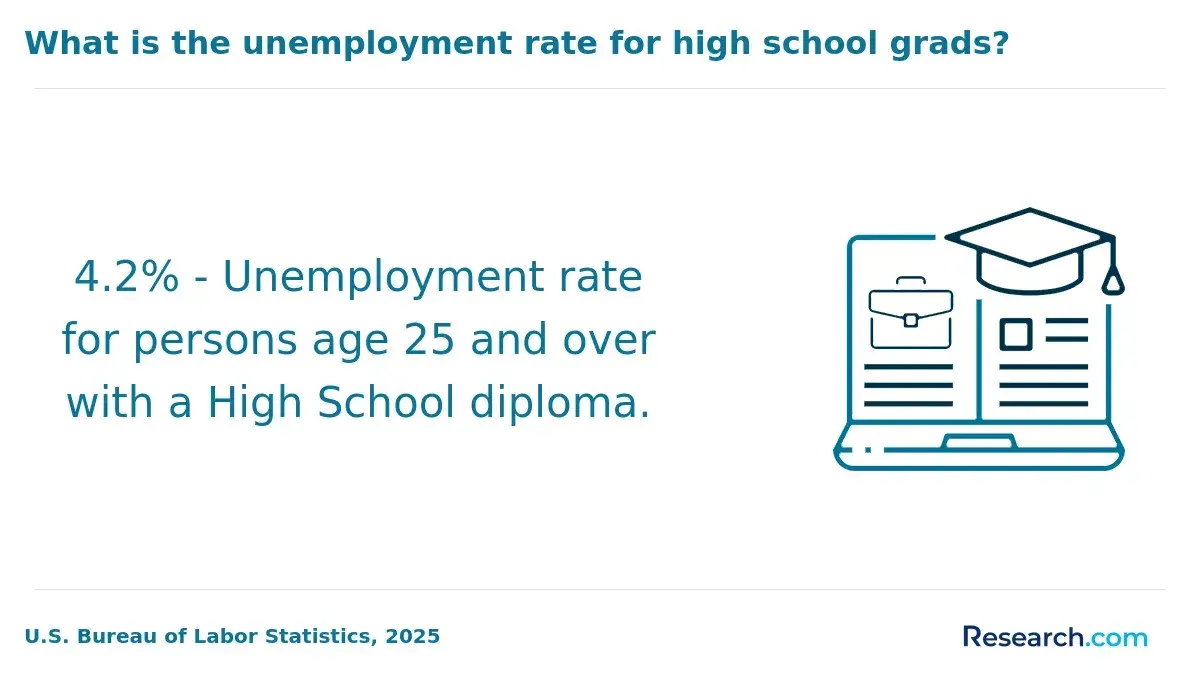
Licensure exam pass rates reveal whether candidates are leaving a program ready to meet state testing standards, but they must be read carefully. A high overall pass rate may hide multiple retakes, while a lower first-time pass rate may signal weak test preparation, poor advising, or mismatched coursework.
There is no single national special education licensure exam or universal national pass-rate benchmark. States use different tests, vendors, score cutoffs, and reporting rules, including Praxis, state-specific exams, performance assessments, or combinations of these. Because of that, the most useful comparison is usually among programs preparing candidates for the same state license during the same reporting period.
This table explains the pass-rate terms that matter most when reviewing program outcomes. Use it to avoid comparing numbers that are calculated differently.
| Outcome metric | What it measures | How to use it |
| First-time pass rate | The share of candidates who pass on the first attempt | Best indicator of initial preparation quality and exam readiness. |
| Overall pass rate | The share of candidates who eventually pass after one or more attempts | Useful for judging eventual licensure completion, but it may hide added cost and delay. |
| Attempt rate | The share of eligible graduates who actually take the exam | Low attempt rates can make pass rates look better than the full graduate outcome. |
| Cohort size | The number of candidates included in the rate | Small cohorts can swing sharply from year to year, so multi-year trends are more reliable. |
| State comparison rate | Program performance compared with state averages | Most useful when exams, cut scores, and candidate definitions are consistent. |
When pass rates are public, look for at least three years of results, not just the most recent year. A program with consistently strong first-time rates and transparent remediation support is usually less risky than a program that advertises a single strong overall rate without explaining retakes, cohort size, or the number of graduates who never tested.
Common red flags include missing pass-rate data, rates reported without test names, rates that combine unrelated teacher preparation areas, and claims that "most students pass" without a reporting year. If a school cannot tell you how many special education candidates were eligible, tested, passed first time, passed after retakes, or were recommended for licensure, treat that as a serious decision point.
The most common licensure barriers are not always academic failure. Many candidates are delayed by paperwork, state-specific requirements, placement availability, testing logistics, or assumptions about reciprocity. These barriers matter because they can postpone full-time teaching income and add retake, application, or coursework costs.
The table below groups the barriers that most often affect special education graduates. It is designed to help you identify risks before you invest in a program.
| Barrier | How it affects licensure | Typical career impact |
| Exam failure or delayed testing | Candidates may need retakes before the state issues a license | May delay teacher-of-record employment or limit applicants to provisional roles. |
| Program not approved for the target state | Graduates may need extra coursework, testing, or a new preparation pathway | Can turn a completed degree into a longer and more expensive route to licensure. |
| Student teaching placement problems | Without an approved placement, candidates may be unable to complete licensure requirements | Can delay graduation, license recommendation, and job applications. |
| Background check or professional conduct issues | States may deny, delay, or review applications individually | Can restrict access to school-based employment even after degree completion. |
| Missing grade-band or disability-category alignment | The completed program may not match the license needed for desired jobs | May require an added endorsement or limit where the graduate can teach. |
| Out-of-state mobility assumptions | Another state may not grant full reciprocity without additional conditions | Can complicate relocation, military family moves, or multi-state job searches. |
One common mistake is choosing the cheapest program without confirming licensure eligibility. Tuition matters, but a low-cost program becomes expensive if it does not lead to the credential required for your intended job.
Another mistake is focusing only on pass rates while ignoring completion and attrition. A program may report strong pass rates for the students who reach testing, but that does not show how many students dropped out, could not secure student teaching, or never became eligible to test.
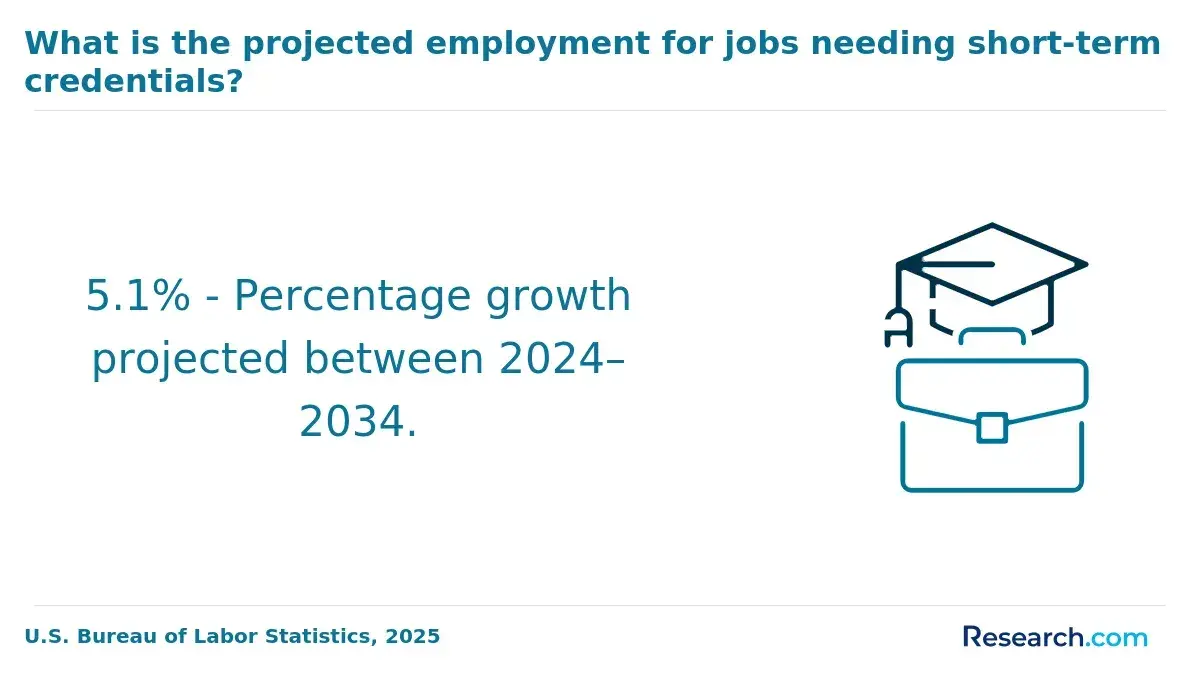
Exam preparation should begin before the final semester, especially for students balancing fieldwork, employment, and family responsibilities. The goal is not only to pass but to avoid preventable retake costs and licensing delays.
Use the following process to prepare for exams, retakes, and remediation in a structured way. It helps connect your coursework to the specific tests and cut scores required by your state.
- Identify every required exam early, including basic skills, pedagogy, special education content, reading instruction, and performance assessments if applicable.
- Download the official test framework or content outline and compare it with your completed coursework.
- Ask your program for special education-specific pass rates, not only institution-wide teacher preparation rates.
- Schedule the first attempt with enough time to retake before graduation or license application deadlines.
- Use diagnostic practice tests to isolate weak domains, such as assessment, IEP law, behavior supports, or instructional strategies.
- If you fail, request your score report, meet with faculty or licensure advisors, and build a remediation plan before paying for another attempt.
- Keep copies of score reports, transcripts, placement evaluations, background clearance documents, and program recommendation forms.
Retakes should be treated as a solvable preparation problem, not a personal failure. However, repeated failures can signal a mismatch between the program's curriculum and the exam, insufficient study time, test anxiety, or weak support in core areas such as special education law and evidence-based instruction.
Assistive technology, digital assessment tools, online tutoring platforms, and AI-supported study aids are changing how candidates prepare. These tools can help with practice and organization, but they should not replace official test specifications, faculty feedback, or supervised classroom experience.
State requirements and reciprocity are among the most important licensure issues for special education students because education is licensed at the state level. A program that works well for one state may not satisfy another state's coursework, testing, or clinical placement rules.
Reciprocity does not always mean automatic license transfer. Many states participate in interstate agreements, but they may still require additional exams, state law modules, background checks, experience verification, or temporary/provisional licensing before granting a full credential.
Before enrolling in an in-state, out-of-state, or online program, verify these items directly with the state education agency and the program's licensure office.
- The exact license name, grade level, and disability category the program prepares students to pursue.
- Whether the program is approved in the state where you plan to teach after graduation.
- Whether supervised field placements can be completed in your local schools if you study online.
- Which exams are required and whether the program's pass-rate data applies to those exams.
- Whether the state offers provisional, emergency, or alternative licenses and what risks those routes carry.
- Whether moving states after graduation would require additional testing, coursework, or experience.
Military spouses, career changers, and online students should pay special attention to portability. If you may relocate, prioritize programs with strong licensure advising and written disclosures for multiple states rather than relying on verbal assurances from admissions staff.
Students comparing teaching with other mobile or regulated careers should notice the same pattern: licensing rules are local even when coursework is online. That is also why applicants considering an online degree in exercise science should check employer expectations, certification needs, and state rules before assuming a degree alone will open every role.
Special education licensure costs include more than tuition. Students should budget for testing, background checks, placement-related travel, application fees, study materials, and possible retakes. The timeline also depends on whether you are completing an initial bachelor's program, a master's licensure pathway, an endorsement, or an alternative route.
For planning purposes, separate degree costs from licensing costs. Tuition and fees vary widely by institution, but the licensing expenses below are the ones students most often overlook.
- Licensure exams: Praxis and state-specific teacher tests often charge separate fees for basic skills, pedagogy, and content exams; some special education content exams are listed by vendors at more than $100 per attempt.
- Performance assessments: states that require a portfolio or performance assessment may add a separate assessment fee, and retakes can add cost.
- Background checks and fingerprinting: these are usually paid by the candidate and may be required before field placement and again before licensure.
- State application fees: candidates typically pay when applying for the initial license, added endorsement, renewal, or out-of-state credential review.
- Placement costs: transportation, unpaid student teaching time, substitute income loss, and required liability insurance can materially affect affordability.
- Retake and remediation costs: failed exams can add new testing fees, study materials, tutoring, and delayed job eligibility.
This table summarizes typical timeline considerations. Use it to compare how long it may take to move from enrollment to full licensure, not just from enrollment to graduation.
| Pathway | Common timeline pattern | Licensure planning risk |
| Bachelor's with initial licensure | Usually the longest academic route because it includes general education, major coursework, and student teaching | Changing states or majors late can add time if requirements do not align. |
| Master's initial licensure for career changers | Often shorter than a second bachelor's but intensive because pedagogy, content, and clinical work are compressed | Working adults may struggle with unpaid student teaching or daytime field placements. |
| Special education endorsement for licensed teachers | Usually shorter because the candidate already holds a teaching license | May still require content exams and grade-band alignment. |
| Alternative certification | May allow earlier classroom employment while completing requirements | Can be demanding because candidates teach while finishing coursework and exams. |
A practical return-on-investment estimate should include tuition, debt, forgone wages during student teaching, time to licensure, probability of passing required exams, and the salary schedule in the districts where you plan to work. Avoid evaluating the degree only by sticker price.
Licensure affects pay, employment, and advancement because it determines access to many public school teaching positions and salary schedules. In most districts, licensed teachers are hired into roles with defined pay steps based on education level and years of experience, while unlicensed workers are often paid on support staff, hourly, or contract scales.
The U.S. Bureau of Labor Statistics reports a $65,910 median annual wage for special education teachers. That figure does not guarantee an individual salary, but it gives prospective students a useful benchmark for comparing licensure-track teaching with non-licensed education support roles.
Licensure can also affect advancement. Department chair, mentor teacher, instructional coach, special education coordinator, behavior specialist, and administrator pathways often require a valid teaching license, years of classroom experience, and sometimes graduate education or additional credentials.
This table compares licensed and unlicensed outcomes in practical terms. It focuses on access and mobility rather than promising a specific income.
| Outcome area | Licensed special education graduate | Unlicensed special education graduate |
| Public school teaching eligibility | Eligible for teacher-of-record roles if state and district requirements are met | Usually not eligible for independent public school teaching roles |
| Pay structure | Often placed on district teacher salary schedules | Often paid through aide, tutor, coordinator, or nonprofit compensation structures |
| Career mobility | May qualify for endorsements, leadership roles, and interstate license review | Mobility depends more on employer policy, experience, and non-teaching credentials |
| Advancement options | Can pursue instructional coaching, special education leadership, or administration with added requirements | May advance in operations, advocacy, case support, tutoring, or program management |
| Employment risk | Still subject to district budgets, location, performance, and staffing needs | May face fewer legal requirements but less access to higher-responsibility school roles |
Licensure is most worthwhile for students who want long-term K-12 classroom authority, district salary schedule access, and advancement in school systems. It may be less necessary for students aiming for tutoring, nonprofit services, family advocacy, edtech support, or education-adjacent careers that do not require a state teaching credential.
Special education graduates who do not become licensed still have career options, but the roles are different. They usually involve support, coordination, behavior services, advocacy, curriculum assistance, or community programming rather than independent classroom teaching.
These roles can be good fits for graduates who discover that licensure is not required for their goals, who are still completing exams, or who want experience before applying to a teacher preparation program.
- Paraprofessional or instructional aide supporting students with disabilities under a licensed teacher's supervision.
- Behavior technician or autism services support role, sometimes with separate employer-required training or credentials.
- Tutoring or academic intervention support for students who need individualized instruction outside the teacher-of-record role.
- Disability services coordinator in higher education, workforce programs, camps, or community organizations.
- Education nonprofit program associate working on inclusion, family engagement, transition planning, or student support services.
- Curriculum assistant or edtech support specialist helping adapt instructional materials for accessibility.
- Family advocate or case support role, depending on employer requirements and state rules.
The trade-off is that these roles may offer faster entry but less access to public school teacher salary schedules and fewer leadership pathways tied to classroom experience. If your long-term goal is to become a special education teacher, use unlicensed employment strategically while you finish exams, add missing coursework, or complete a state-approved pathway.
If you are comparing special education with non-teaching fields, look at how credentials shape opportunity in each labor market. For example, students exploring bioinformatics degree jobs face a different credential structure, where technical skills, graduate education, and employer experience may matter more than state teacher licensure.
Accreditation and state approval affect licensure outcomes because they determine whether a program is recognized by the state education agency. Institutional accreditation matters for financial aid and transferability, but teacher licensure usually depends on a separate approval process for the specific educator preparation program.
The strongest programs make licensure alignment visible. They publish the exact license area, grade band, exam requirements, field placement expectations, and state authorization limits. They also provide advising for students who live outside the institution's home state.
This table shows the quality signals that matter most when evaluating special education licensure outcomes. It separates broad academic legitimacy from the approvals that directly affect licensing eligibility.
| Quality factor | Why it matters for licensure | What to verify before enrolling |
| Institutional accreditation | Supports financial aid eligibility, credit transfer, and general academic recognition | Confirm the college is accredited by a recognized institutional accreditor. |
| State-approved educator preparation status | Determines whether the program can recommend graduates for teacher licensure | Confirm approval for special education, not just education in general. |
| Special education grade band and endorsement match | Licenses may differ by elementary, secondary, mild/moderate, severe/profound, or cross-categorical areas | Match the license to the classrooms and student populations you want to serve. |
| Clinical placement capacity | Student teaching is often the bottleneck in online and alternative programs | Ask who secures placements, what happens if a placement falls through, and whether out-of-state placements are allowed. |
| Transparent outcome reporting | Pass rates, completion rates, and licensure recommendation rates show whether students finish the full pathway | Request first-time and overall exam pass rates for special education candidates only. |
Online versus campus format is less important than approval, placement quality, and advising. A well-supported online program with local supervised teaching can be a legitimate pathway, while a campus program that is not approved for your target license can leave you with a degree but no clear route to certification.
This verification mindset applies across regulated fields. Students researching online pharmacy programs, teacher licensure, nursing, counseling, or other credentialed pathways should always check whether the program satisfies the licensing rules in the state where they plan to work.
Other Things You Should Know About Special Education
No. A degree and a license are separate outcomes. You usually need to complete a state-approved preparation program, pass required exams, finish supervised teaching, clear background checks, and apply to the state.
First-time pass rates are usually more useful for judging exam readiness because they show how candidates perform before retakes. Overall pass rates are still helpful, but they may hide extra time, fees, and remediation.
Yes, but only if the online program is approved for the license you need and can support approved field placements or student teaching in an acceptable school setting. Always verify state eligibility before enrolling.
You may be able to retake the exam, complete remediation, or work in support roles while preparing. However, you may not qualify for full teacher-of-record positions until all state licensure requirements are met.
- How the Special Education Teacher Shortage Affects Students with LD, and What to Do About it https://ldaamerica.org/how-the-special-education-teacher-shortage-affects-students-with-ld-and-what-to-do-about-it/
- A look at educator preparation programs in North Carolina - EdNC https://www.ednc.org/edexplainer-a-look-at-alternative-educator-preparation-programs/
- Special Ed Teacher Certification and Career Options https://online.aurora.edu/career-outcomes/salary-outlook/
- Common Challenges in Special Education and How to Overcome Them | Susan Luger Associates https://slugerassociates.com/resources/common-challenges-in-special-education-and-how-to-overcome-them/
- Licensure Pass Rates: Undergraduate & Graduate Programs https://www.mc.edu/academics/departments/education/praxis-pass-rates
- Building Teacher Readiness: A Collaborative Path to Licensure and Quality Preparation https://praxis.ets.org/tomorrows-teacher/collaborative-path-to-preparation.html
- Report: 'Startling differences' in teacher licensure pass rates among states https://www.k12dive.com/news/report-startling-differences-in-teacher-licensure-pass-rates-among-state/603601/
- Navigating the Top 5 Special Education Challenges - TeachTown https://web.teachtown.com/blog/special-education-challenges/
- What is a Special Education Teacher? - Career Insights | Teal https://www.tealhq.com/career-paths/special-education-teacher
- Special Education Courses Online | Salary, Career & Certification. https://www.apteachertraininginstitute.com/blog/special-education-teacher-salary-career-paths-online-training-investement/