2027 Special Education Degree Underemployment Report: Which Graduates Are Most Likely to Work Below Their Education Level

Co-Founder and Chief Data Scientist
Special Education graduates often face a clear fork in the road: qualify for a licensed, degree-level teaching role or accept a lower-credential job such as paraprofessional, aide, substitute, or childcare support. The stakes are real. The Federal Reserve Bank of New York reported that recent college graduate underemployment remained near 40% in its latest labor market tracking, showing that a degree alone is not enough. This guide is for Special Education students, recent graduates, and career changers who want to understand their risk, close skill gaps, compare job options, and avoid getting stuck below their education level.
Key Things to Know About Underemployment in Special Education Industry
- Special Education underemployment is usually not caused by lack of demand for services; it is most often tied to missing state licensure, limited supervised classroom experience, weak IEP documentation skills, or local hiring rules that prevent graduates from becoming the teacher of record.
- The strongest protection against low-credential work is a state-approved teacher preparation pathway aligned with the grade band and disability category a graduate wants to teach, because licensed special education teachers had a 2024 BLS median pay of $64,270 while teacher assistants had a 2024 median pay of $35,240.
- Graduates most at risk are those who finish a broad education degree without completing clinical teaching, testing, background checks, and state-specific endorsement requirements; graduates best positioned for degree-level roles usually leave school with student teaching, IEP-writing evidence, behavior-support experience, assistive technology exposure, and a completed licensure plan.
- How likely is it for Special Education graduates to become underemployed?
- Is the college curricula for Special Education keeping up with employer expectations?
How likely is it for Special Education graduates to become underemployed?
Special Education graduates can face underemployment, but their risk is shaped differently from many other majors. In fields where the bachelor's degree does not map directly to a regulated occupation, graduates may compete broadly for entry-level office jobs. In Special Education, the best degree-level jobs are more clearly defined, but they are also gated by state licensure, background checks, supervised practice, and school district hiring timelines.
The most useful way to assess risk is to separate degree-level employment from low-credential employment. A degree-level Special Education role typically uses the graduate's training to plan instruction, manage IEP goals, collect progress data, collaborate with families, and deliver specialized interventions. A low-credential role may involve valuable student support, but it usually does not require a bachelor's degree in Special Education and may not build credit toward teacher salary lanes, tenure, or full licensure.
The table below shows common early-career outcomes and how closely each uses a Special Education degree. It helps graduates decide whether a job is a true launchpad or a temporary fallback that needs an exit plan.
| Early-career role | Degree utilization | Typical credential expectation | Underemployment risk |
| Special education teacher of record | High | State teaching license or provisional license, depending on state rules | Low when licensure is complete |
| Intervention specialist or resource teacher | High | Special education endorsement, grade-band authorization, and district requirements | Low to moderate, depending on local openings |
| Paraprofessional or teacher assistant | Moderate to low | Often associate-level coursework, assessment, or district training | High if used as a long-term substitute for licensure |
| Substitute teacher | Variable | State substitute permit or local authorization | Moderate to high unless paired with active job search or licensure completion |
| Childcare worker or residential aide | Low | Employer-specific training; degree often not required | High for bachelor's graduates seeking school-based careers |
Recent labor data reinforces the difference. BLS wage data published for 2024 places the median annual pay for special education teachers at $64,270, while teacher assistants are listed at $35,240. That gap does not mean every graduate will earn the higher figure, but it shows why graduates should treat aide roles as stepping stones rather than endpoints when their goal is degree-level professional practice.
Is the college curricula for Special Education keeping up with employer expectations?
Many Special Education programs teach the right foundations, including disability law, inclusive instruction, behavior basics, assessment, and collaboration. The mismatch appears when coursework stays too general and graduates are asked to enter classrooms that require immediate skill in IEP platforms, progress monitoring, de-escalation, assistive technology, family communication, and standards-aligned intervention design.
Employer expectations are also shifting. School districts increasingly want candidates who can manage documentation accurately, use data to adjust instruction, support multilingual learners with disabilities, and work in co-teaching or inclusion models. AI-supported lesson planning and IEP-drafting tools are emerging, but they do not replace professional judgment; instead, they raise the premium on ethical review, compliance awareness, and evidence-based decision-making.
The table below summarizes the most common curriculum-to-employer gaps. Use it to audit whether a program is preparing graduates for teacher-of-record responsibilities rather than only introductory classroom support.
| Employer expectation | Where some graduates feel underprepared | Why it affects underemployment risk |
| Writing and implementing IEPs | Students may study IEP law but get limited practice drafting measurable goals and progress reports | Districts may hesitate to hire candidates who cannot demonstrate compliance-ready documentation |
| Behavior intervention | Programs may cover theory but offer limited exposure to functional behavior assessment or crisis prevention | Graduates may be routed into aide roles until they prove classroom management readiness |
| Assistive and educational technology | Coursework may not include current communication tools, learning platforms, or accessibility features | Technology gaps can weaken competitiveness in districts using digital progress monitoring and adaptive supports |
| Clinical experience across disabilities | Student teaching may be concentrated in one setting or age group | A narrow placement can limit eligibility for openings in high-need grade bands or disability categories |
| Collaboration with general educators and families | Team-based case management is hard to learn through lectures alone | Hiring teams often prefer candidates who can show co-teaching and family communication experience |
Students comparing education paths should also pay attention to how tightly a degree maps to a licensed occupation. Some fields, such as online pharmacy programs, are structured around highly regulated professional credentials; Special Education is similar in that the degree is most valuable when it is connected to the exact state license required for practice.
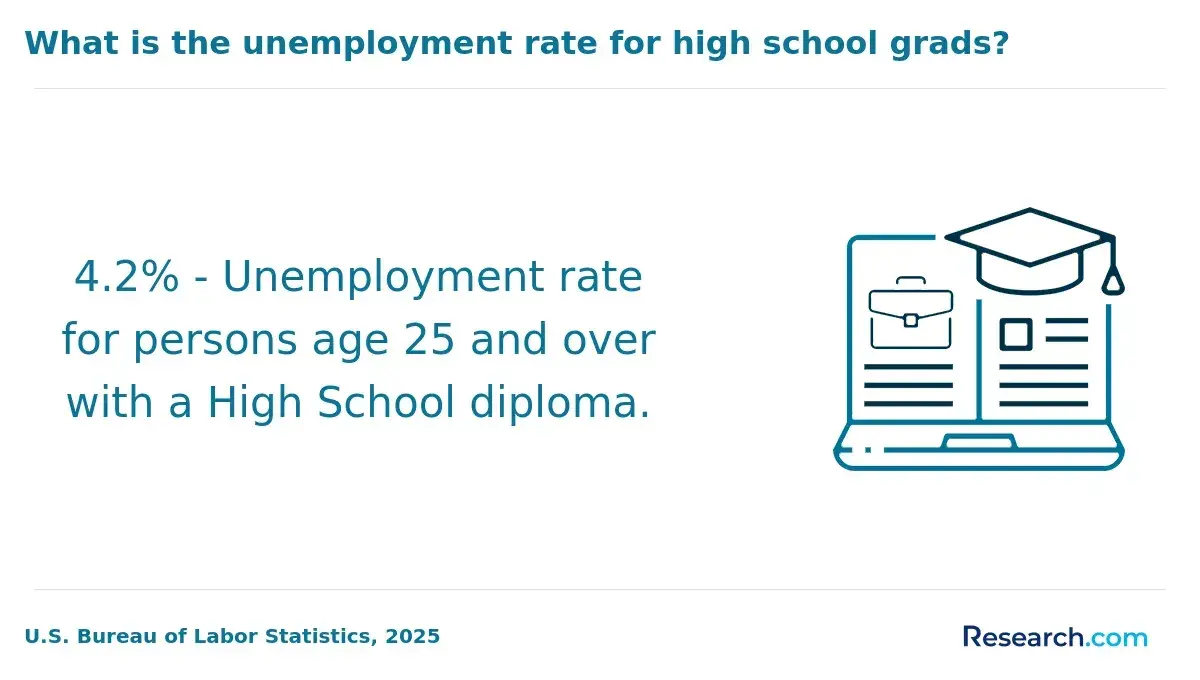
Special Education differs from many majors because underemployment risk is less about whether the work exists and more about whether the graduate is legally qualified to do the work. Public schools continue serving students with disabilities regardless of the broader hiring cycle, but districts cannot simply place an unlicensed graduate into every degree-level role.
According to the National Center for Education Statistics' most recent public reporting, students served under IDEA represented about 15% of public school enrollment in the 2022-23 school year. That demand creates a durable need for qualified professionals, but it does not erase credential barriers. A graduate who lacks a required endorsement may still be passed over for a licensed role and offered paraprofessional work instead.
The table below compares Special Education with other broad degree categories. It is not a promise of outcomes; it shows how the structure of each labor market changes the type of underemployment risk graduates face.
| Major or field type | Main underemployment driver | How Special Education compares |
| Special Education | Licensure, clinical placement, grade-band authorization, district hiring timelines | Lower risk when fully licensed; higher risk when the degree is incomplete as a credential pathway |
| General liberal arts | Less direct occupational match and broad entry-level competition | Special Education has a clearer pathway, but less flexibility outside education without added skills |
| Psychology or human services | Many degree-level roles require graduate study or supervised credentials | Special Education may offer faster access to licensed school roles if state requirements are met |
| Health and fitness fields | Credential stacking and employer preference for practical certifications | Similar need for applied experience; students exploring adjacent helping professions may compare options such as an online degree in exercise science |
| Technical and data fields | Portfolio quality, software skills, and project evidence | Special Education graduates can borrow the portfolio mindset by documenting lesson plans, IEP simulations, and intervention data |
The practical takeaway is that Special Education can be a strong degree-level pathway for students who complete the professional sequence. It becomes riskier when students assume that education coursework alone will substitute for licensure, supervised practice, and district-ready evidence of classroom competence.
Taking a low-credential role does not automatically damage a Special Education career, but staying too long without credential progress can slow salary growth and professional identity. School districts often base pay, advancement, and leadership opportunities on licensed teaching experience, not simply years spent near classrooms.
The career risk is cumulative. A graduate who spends two years as a paraprofessional may gain valuable student-support experience, but may still be considered an entry-level teacher once licensed. That can delay access to mentoring roles, case management responsibility, department leadership, and graduate-level salary movement.
Low-credential work can still support long-term growth when it produces evidence that hiring teams value. Graduates should convert support-role experience into degree-level proof points:
- Document progress-monitoring tasks, including how student data was collected, summarized, and shared with supervising teachers.
- Keep anonymized examples of adapted lessons, visual supports, communication boards, or behavior-support materials where privacy rules allow.
- Ask licensed teachers or administrators for references that speak to instructional judgment, reliability, and collaboration rather than only attendance or helpfulness.
- Use the role to identify a high-need specialization, such as autism support, transition services, severe disabilities, reading intervention, or behavior support.
Some graduates also consider transferable-skill pivots if they discover that classroom teaching is not the right fit. For example, education data, accessibility technology, and learning analytics roles reward a different skill mix; students exploring more technical paths can compare how skill proof works in fields such as bioinformatics degree jobs, where portfolios and applied technical evidence often matter as much as the degree title.
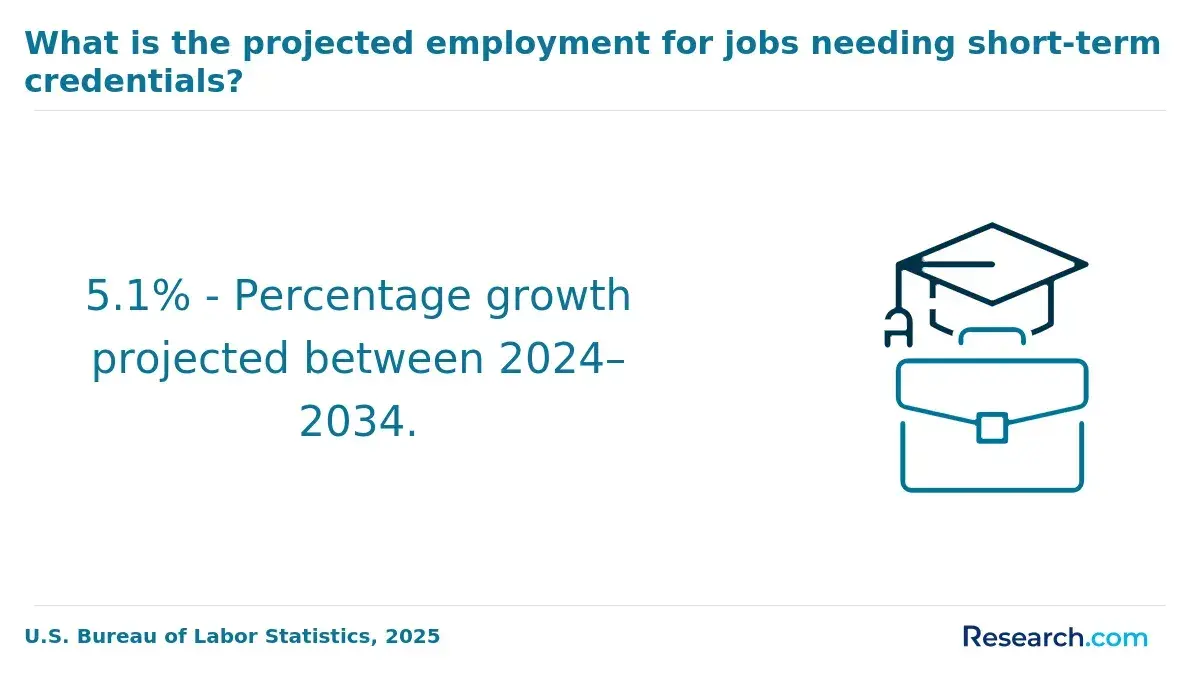
The salary gap between degree-level and low-credential roles is one of the clearest financial reasons to avoid long-term underemployment. BLS 2024 wage data shows a median annual pay of $64,270 for special education teachers compared with $35,240 for teacher assistants. The difference is $29,030 in median annual pay, before considering benefits, summer pay structures, loan repayment plans, union contracts, or pension eligibility.
The table below compares common roles by degree alignment and wage context. Use it to estimate the opportunity cost of accepting a role that does not fully use a Special Education degree.
| Role category | Degree-level alignment | 2024 median pay context | Financial interpretation |
| Special education teacher | High | $64,270 | Most directly aligned with a bachelor's degree plus state licensure |
| Teacher assistant or paraprofessional | Low to moderate | $35,240 | Can provide experience, but long-term use may create a large earnings gap |
| Substitute teacher | Variable | Often paid daily or hourly depending on district rules | Useful for networking, but income and benefits may be less stable |
| Childcare worker | Low | Typically below licensed teacher pay in national wage data | May not build toward school-based licensure unless tied to a formal pathway |
This gap also matters for student loan repayment. A graduate earning near teacher-assistant wages may have less room for loan payments, certification exam fees, relocation costs, or graduate coursework. Public Service Loan Forgiveness and income-driven repayment can help some borrowers, but eligibility depends on employer type, loan type, repayment plan, and federal rules, so graduates should verify details before building a financial plan around forgiveness.
Special Education graduates are often pushed into low-credential work by barriers that are fixable but easy to underestimate. The most common problem is not that the graduate lacks compassion or classroom interest; it is that the hiring system requires documented readiness.
The barriers below are the ones graduates should address first because they directly affect eligibility, competitiveness, or speed to hire:
- Incomplete licensure: Missing Praxis, state content exams, edTPA-style performance assessments where applicable, background checks, or endorsement paperwork can block teacher-of-record hiring.
- Weak clinical evidence: Graduates with limited student teaching, no co-teaching experience, or no supervised IEP exposure may lose out to candidates with stronger classroom proof.
- Mismatch between endorsement and openings: A candidate prepared for one grade band or disability category may live in a district hiring for another.
- Limited behavior-support experience: Districts serving students with intensive needs often look for candidates who can discuss de-escalation, positive behavior supports, and data-based intervention calmly and specifically.
- Poor job-search timing: Many districts hire in cycles, and graduates who wait until after graduation may miss early interviews, residency deadlines, or provisional license windows.
- Geographic immobility: Special Education demand varies by state, district, and school type; a graduate who searches only in one saturated area may accept lower-credential work despite stronger opportunities nearby.
Technology is also changing the skill baseline. Districts increasingly use digital IEP systems, learning management platforms, progress-monitoring tools, and assistive communication technologies. Graduates do not need to be software engineers, but they should be comfortable learning new platforms and explaining how technology supports accessibility and compliance.
A strong Special Education resume should not read like a general education transcript. It should prove that the graduate can perform degree-level work: plan individualized instruction, collect data, collaborate with teams, manage documentation, and support students safely and respectfully.
Before applying, graduates should tailor their resumes to the exact role, grade band, disability area, and licensure language in the job posting. Applicant tracking systems and district HR teams often screen for credential terms before a principal ever reads the application.
Use these steps to position a resume for degree-level Special Education roles:
- Place licensure status near the top, including state, endorsement area, grade band, exam completion, and expected certification date if still pending.
- Replace vague phrases such as "helped students" with specific functions such as "implemented IEP accommodations," "collected progress-monitoring data," or "adapted reading materials for accessibility."
- Create a clinical experience section that separates student teaching, practicum placements, paraprofessional work, substitute teaching, and tutoring so employers can see supervised experience clearly.
- Include privacy-safe portfolio items, such as anonymized lesson plans, behavior-support templates, assistive technology examples, and sample progress-monitoring charts.
- Match keywords from the posting, including inclusion, resource room, self-contained classroom, transition planning, autism support, emotional disability, co-teaching, or multi-tiered systems of support when accurate.
- Ask a cooperating teacher, university supervisor, or special education administrator to review the resume for district language before submitting applications.
Common resume mistakes include hiding licensure status, listing coursework without classroom outcomes, overemphasizing childcare work, and failing to show measurable responsibilities. A better resume connects every experience to instruction, compliance, collaboration, or student progress.
Certifications can reduce underemployment risk when they solve a specific hiring barrier. The most important credential is usually not an optional certificate; it is the state license or endorsement that allows the graduate to serve as a special education teacher of record. Optional credentials are most useful when they strengthen a specialization that districts actually hire for.
The table below summarizes credentials that may help Special Education graduates compete for degree-level roles. Requirements vary by state, employer, and role, so graduates should verify rules with their state education agency and target districts.
| Credential or certification | Best use | Important limitation |
| State initial special education teaching license | Core requirement for most public school teacher-of-record roles | Rules vary by state, grade band, and disability category |
| Special education endorsement add-on | Helps licensed teachers move into special education or expand eligibility | May require exams, coursework, or supervised experience |
| English learner or bilingual endorsement | Strengthens fit for districts serving multilingual learners with disabilities | Does not replace special education licensure |
| Structured literacy or dyslexia certification | Supports reading intervention roles and evidence-based literacy instruction | Recognition varies by district and state reading laws |
| Registered Behavior Technician | Useful for behavior-support experience and autism-related settings | Usually supports technician or aide roles, not independent teaching authority |
| Assistive technology training | Shows readiness to support accessibility, communication, and adaptive learning tools | Employer value depends on the tools used by the district |
| Board Certified Behavior Analyst | Can lead to specialized behavior roles | Requires graduate-level education and supervised fieldwork, so it is not a quick bachelor's-level fix |
The fastest return on investment usually comes from completing missing state licensure steps first. A master's degree can pay off for salary lanes or specialist roles, but it may not solve underemployment if the graduate still lacks the credential required for the initial classroom role.
Special Education students can reduce underemployment risk before graduation by treating career preparation as part of the degree, not as something to start after commencement. The goal is to leave school with eligibility, evidence, and relationships already in place.
The steps below give students a practical sequence for moving from coursework to degree-level employment:
- Map your degree to one target license by the end of sophomore year, including state exams, grade band, disability category, clinical hours, and application deadlines.
- Choose field placements that match real hiring demand, especially high-need districts, inclusive classrooms, autism programs, transition services, or intensive support settings.
- Build a privacy-safe teaching portfolio with lesson adaptations, IEP goal practice, progress-monitoring samples, behavior-support materials, and assistive technology examples.
- Complete at least one experience where a licensed special educator can observe your work and later serve as a reference.
- Start district applications before graduation, because many schools interview early for hard-to-staff special education openings.
- Compare job offers based on licensure pathway, mentoring, caseload support, planning time, salary schedule, and advancement potential, not just immediate availability.
- If you accept a paraprofessional or substitute role, write a 6- to 12-month exit plan with exams, applications, and target teacher openings.
Students who are still deciding between education and other hands-on service careers should compare credential timelines carefully. A fast occupational pathway such as an LPN 6 month program has a different licensing structure, work environment, and wage progression than Special Education, so the better choice depends on whether the student wants classroom instruction, healthcare practice, or another form of direct support work.
The smartest strategy is to graduate with the credential package employers can act on immediately. In Special Education, that usually means a completed or nearly completed state license, strong clinical references, and concrete proof that the graduate can manage instruction, documentation, behavior support, and collaboration from the first year.
Some graduates use low-credential roles strategically and move up quickly. Others remain underemployed because the role is demanding, the schedule leaves little time for testing or applications, or the job does not count toward the credential they actually need. The difference is whether the graduate treats the role as a bridge with milestones or as an open-ended safety net.
Teacher assistant, paraprofessional, substitute, and behavior aide jobs can be useful when they provide school-based references, exposure to IEP meetings, and a pathway into a district's alternative licensure or residency program. They become harmful when they replace student teaching, delay certification exams, or lock the graduate into hourly support work without a timeline for advancement.
Graduates should evaluate any low-credential offer using a simple exit-plan test before accepting it:
- Confirm whether the job counts toward state licensure, provisional certification, or district residency requirements.
- Ask whether the district has a documented pathway from paraprofessional or substitute roles into teacher-of-record positions.
- Set a deadline for completing missing exams, background checks, portfolio requirements, or endorsement applications.
- Track degree-level tasks performed on the job, such as data collection, lesson adaptation, family communication, and behavior support.
- Keep applying for licensed roles while employed, especially before district hiring peaks for the next school year.
A low-credential role makes sense if it gives the graduate supervised experience, local school references, and a clear route to licensure. It makes less sense if the employer benefits from the graduate's degree-level skills while paying them for a job that does not require the degree.
Other Things You Should Know About Special Education
Yes. Some graduates move into early intervention, disability services, nonprofit case support, educational publishing, tutoring management, instructional support, or accessibility-related roles. However, many of these paths have their own credential expectations, and some may not pay like licensed teaching roles.
Not always. For many entry-level public school teaching roles, state licensure is more urgent than a master's degree. A master's can help with salary lanes, specialist roles, or leadership paths, but it should match the graduate's target job and state requirements.
They can be valid if the program is state-approved, includes supervised clinical experience, and leads to the license required where the student wants to work. The risk is higher when an online program offers education coursework but does not clearly qualify graduates for certification.
The biggest red flag is a support role that uses degree-level responsibilities without offering licensure progress, mentoring, or a clear path into a teacher-of-record position. Graduates should ask how the role advances certification and career mobility before accepting.
- How Attaining Industry-Recognized Credentials in High School Shapes Education and Employment Outcomes https://fordhaminstitute.org/national/research/industry-recognized-credentials
- States face different special education staffing challenges that require targeted responses | Brookings https://www.brookings.edu/articles/states-face-different-special-education-staffing-challenges-that-require-targeted-responses/
- Impact of education levels on employment outcomes | Social Justice Ireland https://www.socialjustice.ie/article/impact-education-levels-employment-outcomes
- How the Special Education Teacher Shortage Affects Students with LD, and What to Do About it https://ldaamerica.org/how-the-special-education-teacher-shortage-affects-students-with-ld-and-what-to-do-about-it/
- Where are All the Special Educators? https://www.educationnext.org/where-are-all-the-special-educators-teacher-shortage/
- Addressing Special Education Staffing Shortages: Strategies for Schools - EdResearch for Action https://edresearchforaction.org/research-briefs/addressing-special-education-staffing-shortages-strategies-for-schools/
- Underemployment among graduates: Addressing a critical career issue https://careerwise.ceric.ca/2025/09/12/underemployment-among-post-secondary-grad-addressing-a-critical-career-issue/
- Report: Special Education Classification Rates Across U.S https://www.frontlineinstitute.com/blog/special-ed-report-classification-rates-by-state/