2027 Special Education Degree Wage Advantage by Region: Where Graduates Gain the Biggest Earnings Edge

Co-Founder and Chief Data Scientist
Special education graduates often face a difficult choice: follow the highest advertised salary or choose the region where that salary goes further. The U.S. Bureau of Labor Statistics reported a $64,270 median annual wage for special education teachers in May 2024, but regional pay, licensing rules, cost of living, and district funding can change the real value of that wage substantially.
This guide helps future and current special education professionals compare regions, industries, experience levels, and relocation trade-offs so they can make a smarter education and career decision.
Key Things You Should Know
- The strongest nominal wage advantage for special education graduates is usually found in the Northeast and West, but the best real-income value often depends on housing costs, state funding, and district salary schedules.
- The BLS reported a $64,270 median annual wage for special education teachers in May 2024; use this as a national benchmark, not a guarantee for any state, district, or specialization.
- A region with lower headline salaries can still produce stronger ROI if tuition debt is manageable, certification transfer is smooth, cost of living is lower, and hard-to-staff special education roles offer stipends or faster advancement.
- What Is the Regional Wage Advantage for Special Education Graduates?
- Which U.S. Regions Offer the Highest Salaries for Special Education Graduates?
What Is the Regional Wage Advantage for Special Education Graduates?
The regional wage advantage for special education graduates is the earnings edge they may gain by working in one U.S. region instead of another after completing a special education degree and meeting state certification requirements. In practical terms, it compares pay against three things: the national special education salary benchmark, the local cost of living, and the wages available in nearby education or human services roles.
This matters because special education is not a single labor market. A graduate with the same degree may qualify for different pay schedules, stipends, caseload expectations, and advancement paths depending on whether they work in a large urban district, a rural school system, a private therapeutic school, a hospital-based education program, or a state agency.
The most useful way to interpret wage advantage is not "Which region pays the most?" but "Which region gives me the best combination of salary, affordability, job availability, licensure fit, and career growth?" A high-cost metro area may offer a higher salary but leave less disposable income after rent, transportation, and student loan payments. A lower-cost region may pay less but provide better day-to-day financial stability, especially for new graduates.
The table below summarizes how regional wage advantage typically works for special education graduates. It uses broad U.S. Census-style regions to help readers compare markets without overgeneralizing state-level differences.
| Region | Typical wage advantage pattern | Best fit for | Main caution |
| Northeast | Often strong nominal salaries, especially in well-funded districts and major metro areas | Graduates seeking unionized salary schedules, advanced degree pay lanes, and dense job markets | Housing and taxes can reduce real take-home value |
| West | High salary potential in several metro markets, with added demand for bilingual and high-need specialists | Educators targeting urban districts, inclusive education initiatives, or specialized service models | Cost of living can be high and certification rules vary widely by state |
| Midwest | Moderate salaries with often stronger affordability outside major metros | New graduates prioritizing stability, manageable living costs, and long-term district employment | Some rural areas may have fewer advancement pathways |
| South | Lower headline salaries in many markets, but growth areas may offer hiring incentives | Graduates seeking expanding school systems, lower housing costs, or faster entry into shortage areas | Pay schedules and funding levels can differ sharply across states and districts |
For decision-making, treat the regional wage advantage as a personalized calculation. The right region is the one where your credential, specialization, and lifestyle produce the strongest net outcome, not simply the one with the highest posted salary.
Which U.S. Regions Offer the Highest Salaries for Special Education Graduates?
The highest salaries for special education graduates are usually concentrated in regions with higher public-sector compensation, stronger collective bargaining, higher local tax bases, and large metropolitan school districts. In broad terms, the Northeast and West tend to lead on nominal pay, while the Midwest and selected Southern metro areas can be competitive after adjusting for living costs.
The BLS May 2024 national median of $64,270 gives a useful baseline. If a district's salary schedule starts below that figure, graduates should look for offsetting advantages such as lower housing costs, faster salary steps, loan forgiveness eligibility, shortage stipends, or employer-paid graduate credits. If a district pays well above the median, graduates should test whether the increase survives local rent and commuting costs.
The table below helps compare regions by the salary factors most likely to affect special education graduates. It is designed as a decision framework rather than a promise of specific earnings in any one district.
| Region | Salary strength | Why pay may be higher | Where to look first |
| Northeast | High | Established public school salary schedules, advanced degree lanes, and dense service needs | Suburban districts, large city systems, therapeutic schools, and state-supported programs |
| West | High to mixed | Large districts, bilingual service demand, and specialized inclusion programs | Major metro districts, coastal urban systems, and shortage-designated areas |
| Midwest | Moderate | Stable district employment and lower living costs can improve net value | Metro suburbs, regional service cooperatives, and districts with special education shortages |
| South | Mixed | Growing student populations and shortage incentives can improve offers in selected markets | Fast-growing metro areas, charter networks, and districts offering signing or retention incentives |
Graduates should also compare district pay scales, not only state averages. Two districts in the same state can differ meaningfully because of local funding, collective bargaining, caseload rules, and whether the district pays extra for hard-to-staff specializations such as autism spectrum disorder support, severe disabilities, behavioral intervention, or bilingual special education.
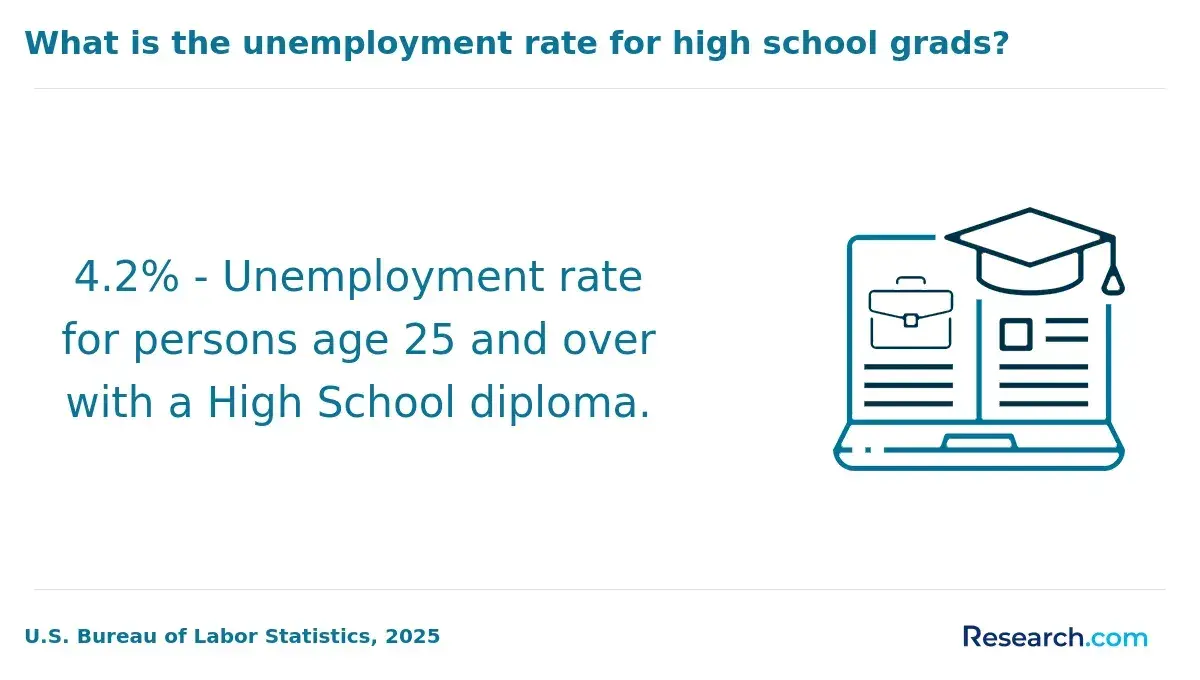
Cost of living can completely change the value of a special education salary. A higher salary in a high-rent metro may produce less financial flexibility than a lower salary in a more affordable city. This is why graduates should compare adjusted purchasing power, not just annual pay.
A practical method is to divide the offered salary by a local cost-of-living index, such as the Bureau of Economic Analysis regional price parity measure. A value above the national average means goods, housing, and services are more expensive; a value below the national average means the same salary may stretch further. This same ROI thinking applies across education and healthcare pathways, whether someone is comparing teaching credentials or researching online pharmacy programs.
The table below shows how salary and affordability can interact across regions. Use it to avoid the common mistake of assuming the highest offer is automatically the best offer.
| Region type | Salary pattern | Cost-of-living effect | Financial interpretation |
| High salary, high cost | Common in parts of the Northeast and West | Housing, taxes, and commuting may absorb much of the wage premium | Best if the district offers strong benefits, predictable raises, and career advancement |
| Moderate salary, moderate cost | Common in many Midwest and smaller metro markets | Disposable income may be steadier even if headline pay is lower | Often attractive for new graduates with student loan payments |
| Lower salary, low cost | Common in some rural and Southern markets | Affordability can help, but limited pay growth may cap long-term earnings | Works best when paired with stipends, loan forgiveness, or low debt |
| High salary, moderate cost | Available in select suburban, regional, or shortage-heavy districts | Can create the strongest real wage advantage | Often worth prioritizing if certification transfer and job fit are favorable |
Before accepting an offer, calculate monthly rent or mortgage costs, transportation, health insurance premiums, required retirement contributions, certification fees, and student loan payments. For special education graduates, the best financial move is often the region where the salary schedule grows reliably over time, not the one with the most impressive starting number.
Entry-level and experienced special education salaries differ because many school systems use step-and-lane salary schedules. "Steps" usually reflect years of experience, while "lanes" often reflect additional graduate credits, a master's degree, or specialized endorsements. This structure means the regional wage advantage can grow over time for educators who stay in a district long enough to move up the schedule.
For new graduates, the best region may be one with strong hiring demand, mentoring, manageable caseloads, and affordable living costs. For experienced educators, the better region may be one that recognizes prior service, pays for advanced credentials, and offers leadership roles such as department chair, instructional coach, special education coordinator, or compliance specialist. Career changers comparing education with faster workforce-entry pathways, such as an LPN 6-month program, should compare not only starting pay but also licensure timelines, work schedules, and long-term advancement.
The table below explains how region can affect special education earnings at different career stages. Use it to identify whether a market is better for starting, growing, or maximizing a career.
| Career stage | What matters most | Regions that may fit well | What to verify before accepting |
| New graduate | Starting salary, mentoring, certification support, and cost of living | Affordable Midwest markets, growing Southern districts, and shortage-designated areas | Whether the district provides induction support and reasonable caseload expectations |
| Early career | Salary steps, graduate tuition support, and retention incentives | Districts with clear pay schedules and special education stipends | Whether raises are automatic, negotiated, or dependent on local budgets |
| Midcareer | Recognition of prior experience and pay for advanced credentials | Northeast, West, and competitive suburban markets | How many years of outside experience the district will credit |
| Experienced professional | Leadership roles, consulting options, and pension or retirement value | Large metro systems, regional service agencies, and state programs | Whether benefits and retirement rules support a long-term move |
A common red flag is relocating as an experienced teacher without confirming how the new employer credits prior service. Some districts cap transferable years, which can reduce the expected wage advantage even when the advertised salary schedule looks attractive.
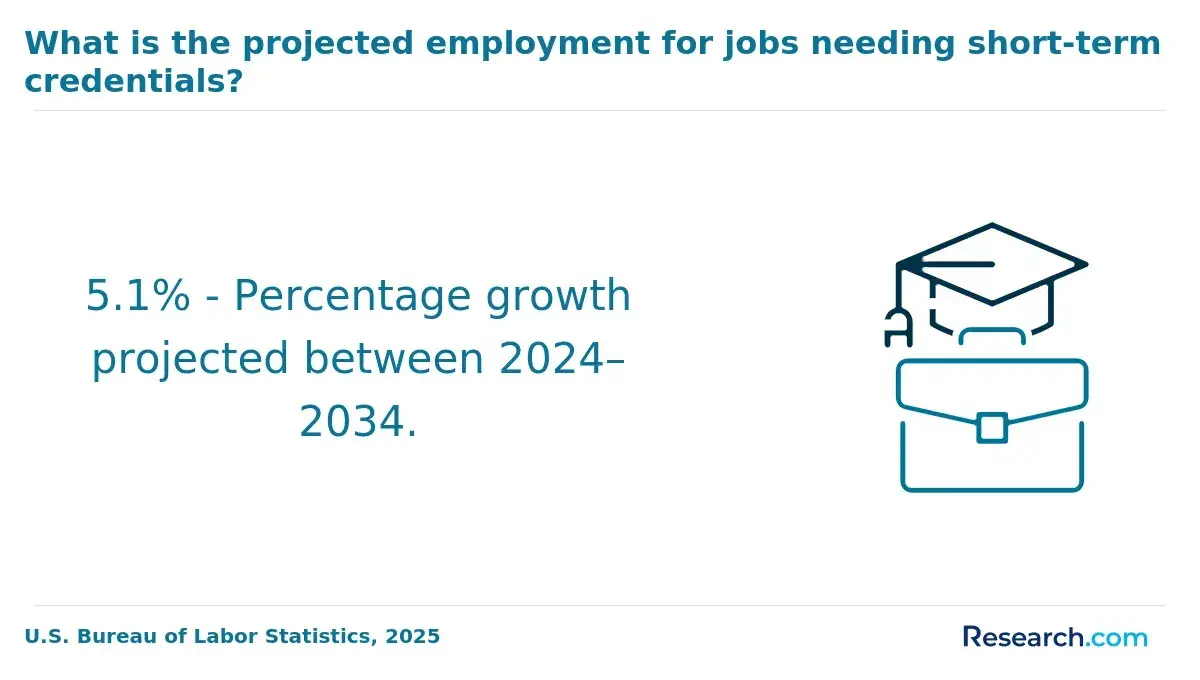
The best return on investment for a special education degree usually comes from regions where graduates can combine reasonable education costs, strong certification alignment, stable employment, and steady salary growth. ROI is not just the first job's salary; it is the value of the degree over time after tuition, fees, living costs, debt, relocation costs, and opportunity cost are considered.
For many students, the degree investment makes the most sense when the program leads directly to state licensure in the region where they plan to work. A lower-cost online or in-state program may produce better ROI than a more expensive program if both meet certification requirements and are respected by local employers. Accreditation, supervised field placements, and alignment with state special education licensure rules are essential.
The table below ranks broad regional ROI potential by combining salary opportunity, affordability, and career stability. It is meant to guide deeper local research, not replace district-by-district comparison.
| Region | ROI potential | Why it can work | When it may not work |
| Midwest | Strong for affordability-focused graduates | Moderate salaries may pair well with lower housing costs and stable public employment | Less attractive if advancement roles or specialty placements are limited locally |
| Northeast | Strong for long-term salary growth | Higher salary schedules and advanced degree lanes can improve lifetime earnings | High living costs can weaken early-career ROI |
| West | Strong but uneven | High pay potential in major districts and demand for specialized skills | Housing costs and certification complexity can reduce net benefit |
| South | Mixed to strong in growth markets | Lower living costs and expanding districts can support early-career ROI | Lower pay ceilings may limit long-term returns in some states |
Students should avoid assuming that a private, public, nonprofit, or online format automatically determines ROI. The better question is whether the program is accredited, affordable, licensure-aligned, field-placement ready, and connected to the region where the student wants to work.
A practical ROI check should include these steps before enrolling or relocating:
- Confirm that the degree leads to the special education credential required in the target state.
- Compare total program cost, including fees, commuting, field placement expenses, and lost work time.
- Review district salary schedules in the region where you plan to work, not just statewide averages.
- Estimate monthly living costs and student loan payments against likely first-year take-home pay.
- Check whether the region offers stipends, loan forgiveness, tuition reimbursement, or shortage incentives for special education roles.
Special education graduates should relocate for higher-paying opportunities only when the wage increase remains meaningful after cost of living, certification, relocation expenses, and quality-of-life factors are included. A bigger salary can be a good move, but it is not automatically a better financial outcome.
Relocation tends to make the most sense when the new region offers a durable advantage: a stronger salary schedule, more special education openings, better benefits, career advancement, or a specialization that is in short supply. It is less attractive when the higher salary is offset by rent, licensing delays, loss of retirement credit, or unsustainable caseloads.
Before moving, graduates should compare the offer using a realistic checklist. These factors matter because they can turn a high-paying job into either a smart investment or an expensive mistake.
- Calculate the difference between current and new take-home pay after taxes, required retirement contributions, insurance premiums, and commuting costs.
- Compare housing costs within a realistic commuting radius, not just the average cost for the state or metro area.
- Confirm state certification transfer rules, testing requirements, background checks, and provisional license timelines.
- Ask how the employer credits prior teaching experience and graduate credits on the salary schedule.
- Review caseload expectations, paraprofessional support, planning time, and related-service availability.
- Estimate one-time relocation costs, including moving, deposits, license fees, and unpaid transition time.
The biggest relocation mistake is focusing on the salary number while ignoring the conditions attached to it. If a region pays more because positions are hard to fill, ask why. High demand can be an opportunity, but it may also signal workload challenges, funding instability, or retention problems.
Skills can significantly increase a special education graduate's regional wage advantage because districts and specialized employers often compete for candidates who can meet high-need service requirements. The most valuable skills are those that solve staffing shortages, improve compliance, or support students with complex needs.
Technology is also changing expectations. Assistive technology, accessible digital curriculum, data tracking, remote IEP collaboration, and AI-supported documentation tools are becoming more common in school settings. These tools do not replace special education expertise, but they can reward educators who know how to use technology ethically, protect student privacy, and make instruction more accessible. Students comparing education with adjacent health and wellness fields, such as an online degree in exercise science, should note that both paths increasingly value data literacy, individualized support, and evidence-based intervention.
The skills below can strengthen earning power across regions, especially when paired with state certification or graduate-level preparation.
- Bilingual special education, particularly in regions with large multilingual student populations.
- Autism spectrum disorder support, including structured teaching, communication strategies, and sensory-aware classroom design.
- Behavior intervention and positive behavioral supports for students with intensive emotional or behavioral needs.
- Assistive technology selection, implementation, and training for students, families, and staff.
- Transition planning for students moving from school to employment, postsecondary education, or independent living.
- IEP compliance, progress monitoring, and data-based instructional decision-making.
- Collaboration with speech-language pathologists, occupational therapists, school psychologists, and general education teachers.
Graduates should be careful not to chase every credential. The strongest wage advantage usually comes from matching a skill to a regional shortage. For example, bilingual expertise may carry more value in one district, while behavioral intervention or transition services may matter more in another.
The fastest salary growth for special education careers is likely to occur in regions where staffing shortages, rising student service needs, collective bargaining, and state education funding converge. However, salary growth is not the same as job growth. A region may raise pay because it is trying to retain educators, not because every applicant will have abundant openings.
Current BLS occupational projections describe special education teaching as a stable occupation rather than a fast-growth field nationally. That means regional differences matter more. Districts serving growing populations, multilingual learners, students with complex disabilities, or hard-to-staff rural areas may offer stronger incentives than the national outlook suggests.
The table below identifies the regional conditions most likely to support salary growth. Readers should use these signals when evaluating whether a region's wage advantage is likely to last.
| Growth signal | Why it matters | Regions where it may appear | What to verify locally |
| Special education staffing shortages | Shortages can lead to stipends, signing bonuses, or faster hiring | Rural districts, large urban systems, and fast-growing metros | Whether incentives are recurring or one-time |
| Strong district funding | Better funding can support higher salary schedules and service staffing | Northeast suburbs, selected Western districts, and affluent metro areas | Whether raises are built into contracts or dependent on annual budgets |
| Population growth | Growing school-age populations can increase demand for special education services | Parts of the South and West | Whether growth is matched by sustainable funding and staffing support |
| High-need specialization demand | Specialized skills can command premiums even in moderate-pay regions | All regions, especially large service networks | Which endorsements or experience the employer actually rewards |
A region with rapid salary growth can be attractive, but graduates should compare it with regions that already offer consistently high wages. Fast growth from a low base may still leave pay below a slower-growing high-wage district. The best choice depends on whether the growth is durable, funded, and connected to your specialization.
Students should choose a region by matching their career goals with salary, certification, affordability, and work environment. The best region for one graduate may be a poor fit for another. A new teacher with student loans may prioritize affordable housing and mentoring, while an experienced educator may prioritize a high salary schedule, pension value, and leadership opportunities.
Start with licensure. Special education is regulated at the state level, and requirements can vary by disability category, grade band, testing, supervised teaching, and reciprocity rules. A degree that works smoothly in one state may require extra coursework or exams in another. This is especially important for online students and career changers comparing multiple degree paths, including STEM-oriented alternatives such as bioinformatics degree jobs, where licensing structures and employer expectations differ significantly.
Students should use a weighted decision process rather than relying on rankings alone. The steps below help turn regional research into a clear choice.
- Define your preferred role, such as inclusion teacher, resource specialist, early intervention provider, transition coordinator, or autism support teacher.
- Identify the state certification required for that role and confirm that your degree program meets it.
- Compare district salary schedules in at least three target regions, including starting pay and salary after several years of experience.
- Adjust each salary for housing, transportation, taxes, insurance, and student loan payments.
- Review employer conditions, including caseload size, planning time, paraprofessional support, mentoring, and staff turnover.
- Look for regional skill premiums tied to your strengths, such as bilingual education, behavior support, assistive technology, or transition planning.
- Choose the region that provides the best balance of financial value, licensure fit, job quality, and long-term career growth.
Students who should be cautious about a special education degree include those who want a career with minimal regulation, limited documentation, or no state certification requirements. The field can be deeply meaningful, but it also involves IEP compliance, family collaboration, legal responsibilities, and emotionally demanding work. The strongest outcomes usually come from choosing both the right program and the right regional labor market.
Most special education graduates work in public schools, but the highest wage opportunities can also appear in specialized settings. Industry matters because different employers fund roles differently, define caseloads differently, and reward advanced credentials differently.
Public elementary and secondary schools typically provide the most familiar pathway: salary schedules, benefits, retirement systems, summers or school-year calendars, and predictable advancement by years of service and graduate credits. However, specialized employers may offer premiums for intensive behavioral support, assistive technology, transition planning, or medically complex student populations.
The table below compares the industries that most often shape regional special education wages. It is useful for graduates who want to look beyond the default public school route.
| Industry or employer type | Regional wage impact | Roles special education graduates may pursue | Best-fit region pattern |
| Public school districts | Strong where local funding and salary schedules are competitive | Special education teacher, inclusion teacher, resource room teacher, case manager | Northeast, West, and well-funded suburban districts nationally |
| Therapeutic and private special education schools | Can pay premiums for high-need expertise, though benefits vary | Behavior support teacher, autism specialist, emotional disability program teacher | Large metro areas and regions with dense service networks |
| Hospitals and rehabilitation centers | May offer specialized pay for education services tied to medical or developmental needs | Hospital teacher, transition coordinator, educational consultant | Major medical hubs and academic health centers |
| State and local agencies | Often stable, with salaries tied to public-sector classifications | Early intervention specialist, disability services coordinator, compliance specialist | State capitals and regional service centers |
| Education support and consulting | Variable, but can reward advanced skills and experience | IEP consultant, assistive technology trainer, curriculum accessibility specialist | Urban markets and states with large district networks |
The key mistake to avoid is comparing only job titles. A "special education teacher" role can differ dramatically by caseload size, paraprofessional support, planning time, IEP documentation expectations, student need level, and availability of related service staff. Higher pay is more valuable when the working conditions are sustainable.
Other Things You Should Know About Special Education
The Northeast and West often provide the highest nominal salaries, but the biggest real wage advantage may come from affordable Midwest markets or selected Southern growth areas after housing and living costs are included.
It can be worth it when the program is affordable, accredited, licensure-aligned, and connected to regions with stable demand. ROI is weaker if tuition is high, certification transfer is difficult, or local salaries do not offset living costs.
Relocation can make sense if the higher salary remains valuable after rent, taxes, licensing fees, moving costs, and benefit differences. Always confirm certification rules and how the new district credits prior experience.
Bilingual special education, autism support, behavior intervention, assistive technology, transition planning, and IEP compliance skills can improve earning potential, especially in regions where those needs are hard to staff.
- Research Summary: Education and Lifetime Earnings https://www.ssa.gov/policy/docs/research-summaries/education-earnings.html
- Educator Pay Data 2025 | NEA https://www.nea.org/resource-library/educator-pay-and-student-spending-how-does-your-state-rank
- Special Education Teachers: Salary, career path, job outlook, education and more - RaiseMe https://www.raise.me/careers/education-training-and-library/special-education-teachers/
- How the Special Education Teacher Shortage Affects Students with LD, and What to Do About it https://ldaamerica.org/how-the-special-education-teacher-shortage-affects-students-with-ld-and-what-to-do-about-it/
- How Money Matters: Education Funding and Student Outcomes https://learningpolicyinstitute.org/product/how-money-matters-factsheet
- Salaries for Special Education Teachers by State and by Grade Level | Special Education Degrees https://www.special-education-degree.net/special-education-teacher-salary/
- Special Education Teacher Salary & Requirements by State - NASET https://www.naset.com/professional-resources/special-education-teacher-requirements-salaries-and-resources-complete-state-by-state-guide/