2027 Special Education Degree Payback Report: Which Programs Deliver the Best Cost-to-Salary Return

Co-Founder and Chief Data Scientist
A special education degree can lead to meaningful, stable work, but the payback depends heavily on tuition, licensure, and local teacher salary schedules. The U.S. Bureau of Labor Statistics reported a $64,270 median annual wage for special education teachers in May 2024, making cost control central to ROI.
This guide is for future teachers, career changers, and current educators comparing programs. You will learn which degree paths usually offer the strongest cost-to-salary return, how long payback may take, and how to avoid expensive enrollment mistakes.
Key Things You Should Know
- The strongest ROI usually comes from state-approved, licensure-focused programs with low net tuition, especially in-state public universities, transfer pathways, and employer-supported graduate options.
- Special education salary outcomes are tied more to district salary schedules, state licensure, union contracts, and graduate credits than to school prestige alone; the BLS median annual wage was $64,270 in May 2024.
- Programs with weak payback often share the same red flags: high debt, no clear path to teacher certification, limited supervised fieldwork, poor transfer-credit policies, or no evidence of graduate employment outcomes.
- What Is the Return on Investment of a Special Education Degree?
- Which Special Education Programs Deliver the Best Cost-to-Salary Return?
What Is the Return on Investment of a Special Education Degree?
The return on investment of a special education degree is the relationship between what you spend to earn the credential and the career value you receive afterward. In practical terms, ROI is not just "will I get a job?" It includes net tuition, fees, books, transportation, unpaid student teaching time, loan interest, salary placement, benefits, pension eligibility, and whether the program qualifies you for the license you actually need.
For most students, the best way to think about ROI is payback period. This asks how long it takes for the earnings and career access created by the degree to outweigh the cost of earning it. A low-cost bachelor's degree that leads directly to licensure may have a better payback than a prestigious program with higher tuition but the same state teaching credential.
Special education has a distinctive ROI profile because it is often a regulated teaching field. Many public school roles require a bachelor's degree, completion of a state-approved educator preparation program, student teaching or supervised clinical practice, and passing state exams. A master's degree may improve pay in some districts, but it does not automatically raise income everywhere.
The table below shows how ROI should be interpreted for common student goals. It is not a ranking of schools; it is a decision framework for identifying which type of program is most likely to provide the strongest cost-to-salary return.
| Student goal | Typical best-fit program | ROI logic | Main risk to check |
| Become a licensed special education teacher for the first time | Bachelor's degree with state-approved special education licensure | Combines the degree and certification path in one credential, reducing duplication | Program must meet the licensure rules of the state where you plan to teach |
| Career change with an existing bachelor's degree | Alternative certification, post-baccalaureate licensure, or master's with licensure | Avoids repeating general education credits and can shorten time to employment | Some programs are intensive and require unpaid fieldwork or student teaching |
| Already licensed and seeking higher pay | Master's degree or graduate certificate recognized by the district | Can pay off if the employer has salary lanes for graduate credits | ROI is weaker if the district does not reward the credential financially |
| Work in disability services but not classroom teaching | Special education studies, disability services, behavior support, or related human services program | Can support non-teaching roles in schools, nonprofits, or agencies | May not qualify for teacher licensure without additional preparation |
In short, a special education degree has the best ROI when it leads efficiently to a required credential, avoids unnecessary borrowing, and matches the salary rules of the school system or employer where you intend to work.
Which Special Education Programs Deliver the Best Cost-to-Salary Return?
The best cost-to-salary return is usually found in programs that solve three problems at once: they keep net cost low, meet state licensure requirements, and place students into supervised field experiences that lead to employability. A low sticker price helps, but it is not enough if the program does not qualify you for the job you want.
For most future teachers, these program categories tend to produce the strongest ROI. The comparison below focuses on cost-to-salary logic rather than brand reputation, because salary schedules in public education often treat graduates similarly once they hold the required license.
| Program type | Cost-to-salary return | Best for | Why it can perform well |
| In-state public bachelor's with licensure | Strong when completed at low net cost | First-time college students and transfer students | Often combines affordable tuition, state approval, and direct eligibility for teaching certification |
| Community college transfer plus university completion | Often very strong | Cost-sensitive students who can plan credits carefully | Lower-division credits may cost less before moving into upper-division teacher preparation |
| Alternative certification or post-baccalaureate licensure | Strong for qualified career changers | Adults who already have a bachelor's degree | Reduces repeated coursework and may allow faster entry into paid teaching roles |
| Master's with initial licensure | Moderate to strong, depending on price | Career changers who need both graduate study and certification | Can create access to teaching and future salary-lane movement, but tuition must be controlled |
| Online state-approved licensure program | Strong if field placements are local and approved | Working adults and rural students | Flexibility can reduce relocation and commuting costs, but licensure alignment is essential |
| High-cost private program with limited aid | Variable or weak | Students receiving major scholarships or unique placement advantages | May not produce higher salary than lower-cost programs if the credential is the same |
Online programs can deliver excellent ROI when they are designed for the state where you want to work. The key question is not whether the program is online; it is whether the program includes approved clinical practice, prepares you for state exams, and has a clear process for teacher licensure recommendation.
A high-value special education program usually has several features that are worth confirming before you apply. Use this checklist when comparing schools because a single missing requirement can delay licensure and reduce payback.
- State approval for special education teacher preparation in the license area you want, such as mild/moderate disabilities, severe/profound disabilities, early childhood special education, or K-12 special education.
- Regional institutional accreditation and, when applicable, educator preparation recognition such as CAEP accreditation or state board approval.
- Transparent total cost estimates that include fees, testing, background checks, student teaching expenses, and technology requirements.
- Field placement support in schools that match your location, schedule, and intended grade band.
- Published outcome information, such as licensure exam pass rates, placement rates, or employer partnerships.
The "best" program is the one that gets you to the right credential with the least avoidable cost and delay. For a student who wants to teach in a public school, a non-licensure degree with a lower tuition price may still be a poor investment if it requires another program afterward.
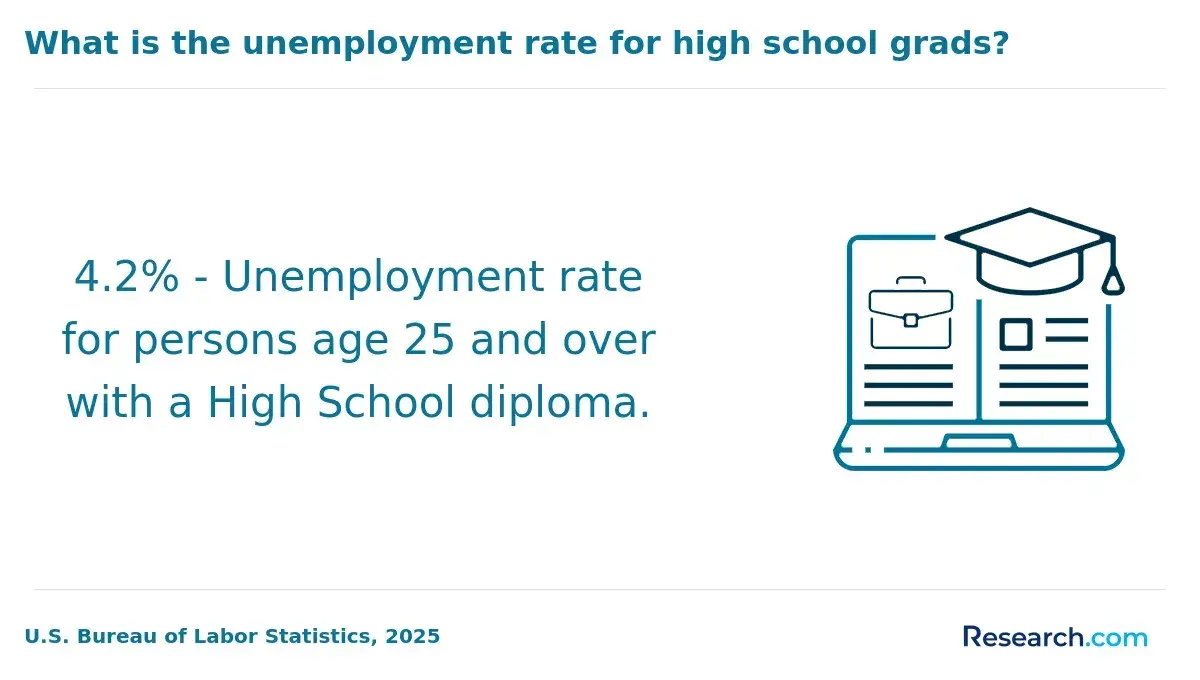
Tuition is one of the biggest variables in special education degree payback because teacher salaries are usually determined by district schedules rather than by the price of the college attended. College Board's 2024 pricing data reported average published tuition and fees of $11,610 for in-state students at public four-year institutions and $43,350 at private nonprofit four-year institutions for the 2024-25 academic year. That gap matters because both routes may lead to the same state teaching license.
Students should focus on net price, not sticker price. Net price is what remains after grants, scholarships, tuition discounts, and employer support. A private nonprofit university can be a good value if institutional aid is large, while a public university can become less affordable if a student pays out-of-state tuition or takes extra semesters because credits did not transfer.
The table below summarizes the main cost variables that change the payback period. These are the numbers and policies to request from each school before making a commitment.
| Cost factor | Why it affects payback | What to verify |
| Net tuition after aid | Lower net cost reduces the amount of salary needed to recover the investment | Ask for a program-specific aid estimate, not only the university's general tuition page |
| Transfer-credit acceptance | Lost credits can add semesters and borrowing | Request a written transfer evaluation before enrolling |
| Student teaching requirements | Full-time placements may reduce paid work hours temporarily | Ask whether placements are full-time, part-time, paid, or compatible with employment |
| Licensure testing and background checks | These costs are often outside tuition | Confirm required exams, retake policies, fingerprinting, and application fees |
| Online fees and technology costs | Online programs may save commuting costs but add platform or course fees | Compare total cost of attendance, not tuition alone |
| Loan interest | Borrowing increases the real cost of the degree over time | Estimate repayment using federal loan terms before choosing a higher-cost option |
Cost comparisons are also useful when you are considering other helping professions. For example, some students comparing education with healthcare may research online pharmacy programs, but professional doctorate pathways typically have a very different cost, time, and salary structure than teacher preparation.
The most financially efficient special education path is usually the one that avoids duplicated coursework. If you already hold a bachelor's degree, a second bachelor's may be less efficient than a post-baccalaureate licensure route or a master's that includes initial certification. If you are just starting college, a transfer pathway can be financially powerful, but only if every credit is planned around the receiving university's teacher preparation requirements.
The break-even point for a special education degree is the time it takes for the financial benefit of the credential to equal the cost of earning it. For a first-time teacher, the "benefit" is access to licensed teaching roles. For a current educator, the benefit may be a salary increase from a master's degree, additional endorsement, or movement into a specialist position.
A simple way to estimate payback is to compare total net cost with the annual income gain the credential is likely to create. The formula is: total net cost divided by annual earnings increase equals estimated years to break even. This works best when you compare two real alternatives, such as a bachelor's-only salary lane versus a master's salary lane in a specific district.
The table below explains how break-even analysis changes by student profile. This matters because the same degree can be a strong investment for one person and a weak one for another.
| Student profile | Best break-even measure | Likely payback advantage | Main caution |
| Traditional undergraduate student | Total net degree cost compared with entry into licensed teaching | Payback improves with grants, in-state tuition, and on-time completion | Extra semesters can quickly weaken ROI |
| Community college transfer student | Total cost across both institutions compared with direct university enrollment | Can reduce lower-division costs substantially | Only works well when credits transfer into the teacher preparation sequence |
| Career changer with bachelor's degree | Cost and time of licensure route compared with current earnings and future teaching salary | Post-baccalaureate routes may avoid the cost of a second bachelor's | Unpaid clinical requirements may create short-term income pressure |
| Licensed teacher pursuing master's degree | Graduate tuition compared with salary-lane increase over time | Strong when the district rewards graduate credits | Weak when the employer does not offer a pay bump |
| Paraprofessional moving into teaching | Net cost after employer aid compared with teacher salary schedule | Can be strong if the district offers tuition support or grow-your-own pathways | Balancing work, fieldwork, and coursework can extend completion time |
Students who mainly want the fastest route into paid work may compare teaching with shorter healthcare credentials. A LPN 6-month program, for example, represents a different kind of payback calculation because it may lead to workforce entry faster but does not prepare students for licensed classroom teaching.
To estimate your own break-even point, gather the numbers before you apply. Do not rely only on national averages because local salary schedules and your actual aid package matter more than broad estimates.
- Calculate total net cost, including tuition, fees, books, exams, transportation, lost wages during student teaching, and expected loan interest.
- Identify the exact job or salary lane the credential qualifies you for in your target district or employer.
- Compare the new salary with your realistic alternative, such as your current job, a paraprofessional role, or a bachelor's-level teaching salary without graduate credits.
- Divide the total net cost by the annual salary difference to estimate the number of years needed to recover the investment.
- Run a conservative version of the estimate using a lower salary or longer completion time so you understand the downside risk.
Break-even analysis is not perfect because it cannot fully capture benefits, retirement value, job satisfaction, or long-term leadership opportunities. Still, it is one of the clearest tools for avoiding overborrowing.
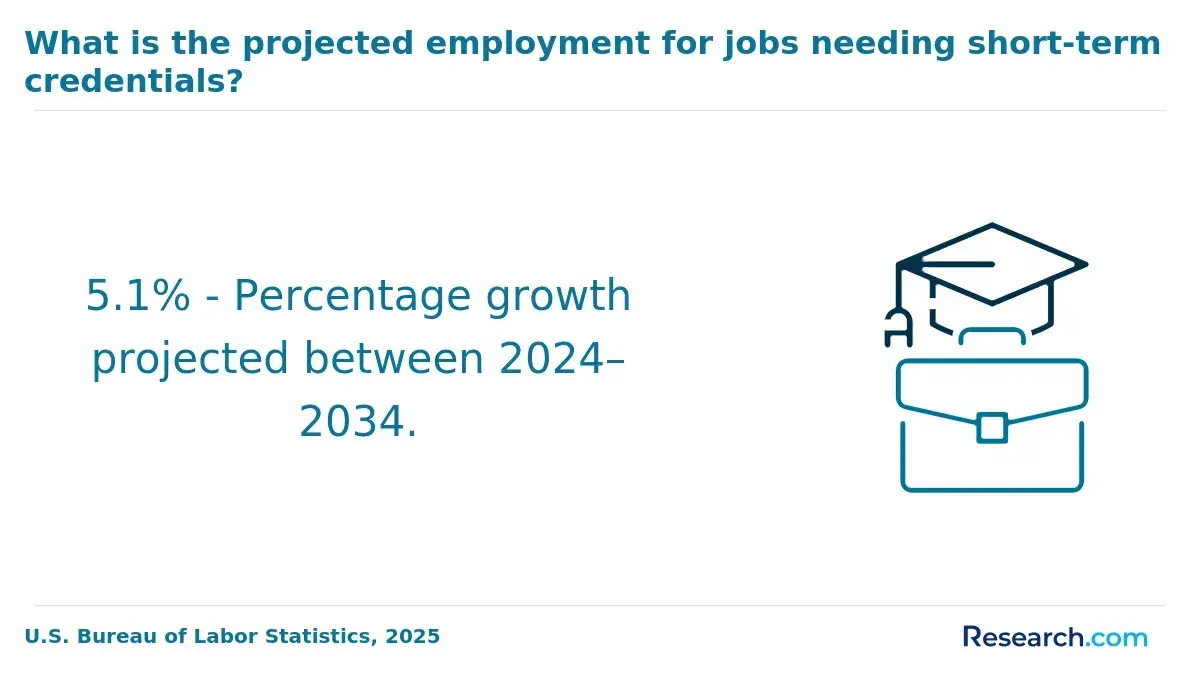
The biggest ROI factors are not always the ones students notice first. Tuition matters, but licensure alignment, completion time, transfer credits, and district salary rules can change the value of a special education degree just as much.
The table below ranks the major ROI drivers by how directly they affect cost, employability, or salary growth. Use it to separate marketing claims from financial realities.
| ROI factor | Impact on value | What a strong program should show |
| State licensure alignment | Very high | Clear mapping to the state credential, required exams, and supervised teaching placements |
| Net price after aid | Very high | Program-level cost estimate and scholarship information |
| Completion time | High | Realistic course sequence showing when student teaching occurs |
| Transfer-credit policy | High | Written evaluation of accepted credits before enrollment |
| Field placement quality | High | School partnerships, mentor teacher support, and placement coordination |
| District salary-lane recognition | High for graduate programs | Evidence that the degree or credits are accepted for pay advancement |
| Program format | Moderate to high | Online or hybrid flexibility without sacrificing clinical requirements |
| School reputation | Variable | Relevant employer relationships and outcome data, not reputation alone |
One current trend affecting ROI is the growth of online and hybrid teacher preparation. These formats can improve value for working adults because they reduce relocation and commuting costs. However, special education preparation still requires practical experience with students, so any online program should explain exactly how local fieldwork and student teaching are arranged.
Technology is also changing the skill profile of special education teachers. Assistive technology, learning management systems, accessibility tools, data dashboards, and AI-supported instructional planning are becoming more common in schools. These tools do not replace teachers, but they can make graduates more effective when they know how to use technology ethically, protect student privacy, and individualize instruction.
Accreditation deserves special attention. A program can be academically legitimate yet still fail to meet the certification rules in your target state. Before enrolling, confirm both institutional accreditation and state educator preparation approval. If you plan to move after graduation, ask how the program supports licensure reciprocity or out-of-state certification applications.
Employer demand affects degree value because a credential is more valuable when it leads to realistic hiring opportunities. Special education is a required service area in public schools, and districts must serve students with disabilities under federal and state special education rules. That creates ongoing demand even when overall school staffing levels vary by region.
The BLS occupational outlook for special education teachers describes employment change as limited nationally, but that headline does not mean the field has no openings. Many opportunities come from retirements, turnover, geographic shortages, and replacement needs. For ROI, the key is to evaluate demand in the state and district where you plan to work rather than relying only on the national growth rate.
Demand is often stronger for candidates who can serve high-need areas. These may include autism support, behavior intervention, early childhood special education, severe disabilities, bilingual special education, secondary transition services, and inclusive classroom support. A program that offers fieldwork or coursework in one of these areas may improve employability, especially if local districts are hiring for those needs.
Employer expectations are also becoming more practical. Schools want graduates who can manage compliance, write measurable IEP goals, collect progress data, collaborate with general education teachers, and communicate effectively with families. Strong programs should give students repeated practice in these tasks before student teaching, not just theory coursework.
When evaluating local demand, use more than one source. This short process helps you test whether a degree has real market value in your area.
- Review job postings from target districts and note required license areas, preferred endorsements, and salary schedule placement.
- Contact the state education agency or licensing board to confirm certification categories and shortage areas.
- Ask programs where recent special education graduates completed field placements and where they were hired.
- Compare district salary schedules for bachelor's, master's, and additional graduate-credit lanes.
- Look for employer partnerships, residency models, paraprofessional-to-teacher pathways, or tuition assistance programs.
A program with strong local employer connections can improve ROI by shortening the time between graduation, licensure, and paid employment. That connection is especially valuable for career changers and working paraprofessionals who need a clear route from school to classroom.
Students can maximize the financial value of a special education degree by choosing backward from the job they want. Start with the state license and employer requirements, then choose the lowest-cost accredited program that gets you there without unnecessary credits or delays.
The most effective ROI strategy is to reduce avoidable cost while protecting licensure eligibility. The steps below are practical ways to do that before and during enrollment.
- Choose a state-approved educator preparation program for the exact license area and grade band you want.
- Compare net price after grants and scholarships, not just published tuition.
- Ask for a written transfer-credit evaluation before accepting admission if you have prior college credits.
- Map every semester through student teaching so you know whether the program can be completed on time.
- Check whether your target districts offer higher pay for master's degrees, graduate credits, bilingual credentials, or high-need special education endorsements.
- Apply for teacher scholarships, federal aid, service-based grants, and employer tuition support when available.
- Keep borrowing below a level that can be managed on a beginning teacher salary in your target area.
Common mistakes can turn an otherwise useful degree into a poor investment. Watch for these red flags when comparing programs.
- Enrolling in a non-licensure special education program when your goal is to become a classroom teacher.
- Assuming an online program automatically qualifies you for certification in your state.
- Choosing a school based only on rankings without checking total cost, completion time, and field placement support.
- Ignoring unpaid student teaching requirements that may reduce income for a semester.
- Borrowing for a graduate degree before confirming that your district rewards the credential with a salary increase.
- Failing to ask whether credits from a community college or previous university will count toward the teacher preparation sequence.
Students who are still exploring helping professions should compare timelines and credential requirements carefully. A special education degree is a strong fit for people who want to teach and support students with disabilities, but it is not the shortest route into every care-oriented career.
Program conversations should be specific. Instead of asking, "Is this a good program?" ask admissions and faculty questions that reveal cost, licensure, and employment value.
- Does this program lead to recommendation for special education licensure in my state?
- What exams, background checks, and clinical hours are required before graduation?
- Where do students complete field placements, and who arranges them?
- What is the total estimated cost through completion, including fees and student teaching expenses?
- What share of recent completers passed required licensure exams or found teaching roles?
- Will my target district recognize this degree or graduate credits for salary advancement?
The best financial decision is usually not the cheapest program in isolation. It is the program with the lowest total cost that still delivers the credential, supervised experience, and employer recognition needed for your goal.
Students comparing school-based careers with health and wellness pathways may also explore an online degree in exercise science. That type of program can fit different goals, but it usually leads to a separate labor market with different certification expectations and salary drivers.
A special education degree has a different ROI profile from many related fields because it is tied to public-service employment, licensure, and district salary schedules. It may not offer the highest salary ceiling among all education or healthcare-adjacent options, but it can offer stable demand, clear credentialing, benefits, and meaningful advancement for students who want to work in schools.
The comparison below shows how special education stacks up against nearby academic and career paths. The goal is not to declare one field universally better, but to clarify which investment matches which career outcome.
| Field | Typical credential path | ROI strengths | ROI limitations | Best fit |
| Special education | Bachelor's or master's with state teacher licensure | Clear path to licensed teaching, public-sector benefits, and salary-step progression | Salary growth may be limited without graduate credits, leadership roles, or district movement | Students committed to teaching learners with disabilities |
| Elementary education | Bachelor's with elementary teacher licensure | Broad classroom teaching pathway | May face more competition in some markets than high-need special education areas | Students who prefer general classroom instruction |
| School counseling | Master's degree and state credential | Graduate-level role with student support focus | Requires more education before entry and may have fewer openings per district | Students interested in academic, social, and emotional counseling |
| Speech-language pathology | Graduate degree, clinical hours, and licensure | Strong school and healthcare relevance | Longer and more specialized graduate pathway | Students focused on communication disorders |
| Exercise science | Bachelor's degree, sometimes followed by certifications or graduate study | Flexible path into wellness, fitness, rehabilitation support, or graduate health programs | May require additional credentials for higher-paying clinical roles | Students interested in human performance and health behavior |
Compared with general education, special education may provide stronger hiring relevance in districts with persistent need for qualified special education teachers. Compared with counseling or speech-language pathology, it may require less graduate education for entry-level classroom roles. Compared with some private-sector or STEM paths, however, its salary ceiling may be more constrained unless the educator moves into administration, specialist work, consulting, or leadership.
The best comparison question is: "Which credential gets me to the role I actually want at the lowest reasonable cost?" If your goal is public school teaching and direct support for students with disabilities, special education often has a clearer ROI than a broader human services degree. If your goal is clinical therapy, data science, or healthcare practice, another program may fit better.
A special education degree is worth it when it leads to a state-recognized teaching credential, fits your preferred student population, and can be completed at a cost that is reasonable for local teacher salaries. It is especially worth considering if you value public-service work, structured career progression, school-year schedules, benefits, and long-term relationships with students and families.
It may not be the right investment if you are primarily looking for the fastest possible credential, the highest private-sector salary ceiling, or a career without licensure rules and compliance responsibilities. Special education teaching can be rewarding, but it also involves documentation, meetings, behavior support, legal requirements, and emotional stamina.
Use the decision guide below to decide whether to move forward. These statements can help you match your goals to the degree's real financial and professional value.
- Choose a special education bachelor's degree if you are starting college and want the most direct route into licensed teaching.
- Choose a post-baccalaureate or alternative licensure pathway if you already have a bachelor's degree and want to avoid repeating undergraduate coursework.
- Choose a master's degree if it includes the licensure you need or if your district clearly rewards graduate credits with higher pay.
- Choose an online or hybrid program if it is state-approved, arranges fieldwork in your area, and lets you keep working while studying.
- Consider another field if you want a less regulated career, a shorter training timeline, or a labor market driven more by private-sector compensation than public salary schedules.
If you are drawn to analytics, laboratory data, or computational science rather than classroom teaching, researching bioinformatics degree jobs may help you compare a very different ROI model before committing to education.
The smartest next step is to compare three programs side by side: one low-cost public option, one flexible online or hybrid option, and one program with strong local district partnerships. For each, verify licensure fit, total net cost, field placement structure, expected completion time, and salary schedule relevance. If a program cannot answer those questions clearly, treat that as a financial red flag.
For students who want to teach students with disabilities, the best payback usually comes from practical, credential-aligned choices rather than prestige. Keep debt modest, prioritize licensure, and choose the program that gets you into the right classroom with the fewest avoidable barriers.
Special education graduates most commonly work as teachers serving students with disabilities in preschool, elementary, middle school, secondary school, or K-12 settings. Responsibilities may include developing individualized education programs, adapting instruction, collaborating with general education teachers, documenting progress, supporting behavior plans, communicating with families, and coordinating services with specialists.
The salary picture is stable but highly local. The BLS reported a $64,270 median annual wage for special education teachers in May 2024. That figure is useful as a national benchmark, but individual pay can differ by state, district, degree level, union agreement, years of experience, and whether the role is in a public school, private school, charter school, or specialized service organization.
The table below shows common career directions for special education graduates and how each one typically connects to salary potential. It is designed to help you judge whether a program's credential matches the work you actually want to do.
| Role or pathway | Typical responsibilities | Education or credential usually needed | Salary considerations |
| Special education teacher | Teach students with disabilities, manage IEP goals, adapt curriculum, and collaborate with families and school teams | Bachelor's degree and state teacher license in special education | Often paid on district salary schedules with increases for experience and graduate credits |
| Early childhood special education teacher | Support young children with developmental delays or disabilities | State-approved early childhood special education credential | Pay varies by school district, early intervention agency, or preschool setting |
| Resource or inclusion teacher | Provide specialized instruction while supporting students in general education classrooms | Special education license aligned with grade band and disability category | Strong licensure alignment can improve employability across districts |
| Behavior intervention or instructional support specialist | Help design behavior supports, accommodations, and instructional interventions | Teaching license plus experience; some roles prefer graduate study or behavior credentials | May pay more when tied to specialist or leadership salary schedules |
| Special education coordinator or administrator | Oversee compliance, services, staff support, and special education programming | Teaching experience plus graduate degree or administrative credential in many districts | Can offer higher pay, but usually requires several years of classroom experience |
A salary estimate is most useful when you compare it with a specific district's schedule. Before choosing a program, look up the pay tables for districts where you are likely to work. Check the starting salary for a bachelor's degree, the salary lane for a master's degree, and the annual step increases. This will tell you whether graduate tuition is likely to produce a measurable return.
Benefits should also be part of the ROI calculation. Public school teaching roles may include health insurance, retirement plans, paid leave, and predictable salary steps. These benefits can increase total compensation even when the base salary looks modest compared with some private-sector careers.
Other Things You Should Know About Special Education
It can be, especially in districts with high demand for licensed special education teachers. However, ROI depends on tuition, licensure fit, local salary schedules, and whether you want the responsibilities of special education teaching.
Some do, but not all. The program must be approved for teacher preparation in the state where you plan to become licensed, and it must include required fieldwork or student teaching.
It is most likely to be worth it if it leads to initial licensure, adds a high-need endorsement, or qualifies you for a higher salary lane in your district. Confirm employer recognition before enrolling.
The biggest mistake is enrolling before verifying licensure eligibility and total cost. A program that does not lead to the required credential can force students to pay for additional coursework later.
- The Effects of Rising Student Costs in Higher Education - Ithaka S+R https://sr.ithaka.org/publications/the-effects-of-rising-student-costs-in-higher-education/
- Why Teaching Special Education Is One of the Most Rewarding and In-Demand Careers Today https://webber.edu/why-teaching-special-education-is-one-of-the-most-rewarding-and-in-demand-careers-today/
- Major Differences https://www.educationnext.org/major-differencecs-why-some-degrees-cost-colleges-more-than-others/
- Special Education | Columbia College https://www.columbiasc.edu/academics/undergraduate/special-education
- Special Education Teacher Salary & Requirements by State - NASET https://www.naset.com/professional-resources/special-education-teacher-requirements-salaries-and-resources-complete-state-by-state-guide/
- Operational Guidelines: Back to Education Allowance https://www.gov.ie/en/department-of-social-protection/publications/operational-guidelines-back-to-education-allowance/
- Effects of Paid Work Experiences on Post-School Employment Outcomes of Students with Severe Disabilities https://vcurrtc.org/resources/viewcontent.cfm/2440
- Teacher Salary Benefits: Master's Degree Impact Guide https://creditsforteachers.com/differences-in-teacher-salaries-and-benefits-of-a-masters-degree/
- 12 Best Special Education Degree Programs for 2025 | Special Education Degrees https://www.special-education-degree.net/best-special-education-degree-programs/
- The Return on Investment in Education https://www.mytutor.com/blog/the-return-on-investment-in-education