2027 Special Education Degree Bachelor's-Level ROI Report: Best Career Returns Without Graduate School

Co-Founder and Chief Data Scientist
A special education bachelor's degree can lead to stable work, but the best ROI depends on debt, licensure, location, and whether you stop before graduate school. BLS May 2024 wage data places special education teacher medians in the mid-$60,000s, making cost control especially important. This guide is for students, career changers, and working paraprofessionals deciding whether a bachelor's degree is enough. You'll learn which careers, industries, skills, and credentials can improve financial return without assuming a master's degree is the next step.
Key Things You Should Know
- The strongest bachelor's-level ROI usually comes from licensed special education teaching, intervention specialist roles, and adjacent accessibility or training jobs when tuition debt stays low.
- College Board's 2024-25 pricing data lists average published tuition and fees at $11,610 for in-state public four-year colleges, compared with $30,780 for out-of-state public and $43,350 for private nonprofit institutions.
- A graduate degree can raise eligibility for some leadership, counseling, or specialist roles, but it is not automatically the best financial move if a bachelor's license already qualifies you for paid classroom work.
- Which Special Education Bachelor's Degree Careers Deliver the Highest ROI Without Graduate School?
- Which Industries Reward Special Education Bachelor's Graduates the Most?
Which Special Education Bachelor's Degree Careers Deliver the Highest ROI Without Graduate School?
The highest-ROI bachelor's-level paths are not always the highest-paying on day one. ROI means the relationship between what you spend on the degree, how quickly you enter paid work, how stable the job is, and how much income growth is possible without paying for graduate school.
For special education majors, the best return usually comes from roles where the bachelor's degree directly unlocks employment rather than serving only as a stepping stone. The table below compares common options by bachelor's-level fit and financial logic.
| Career path | Bachelor's-level fit | Typical responsibilities | ROI outlook without graduate school |
| Licensed special education teacher or intervention specialist | Strong, if the degree includes state-approved teacher preparation | Write and implement IEPs, adapt lessons, manage classroom supports, collaborate with families and service providers | Often the best stability-to-cost trade-off because a bachelor's plus licensure can lead directly to full-time school employment |
| Behavior support specialist or assistant behavior analyst track | Moderate to strong, depending on state rules and certification | Support behavior plans, collect data, coach staff, and help students build functional and social skills | Can improve ROI when paired with behavior credentials, but pay varies widely by employer and supervision model |
| Disability services coordinator | Moderate, especially in colleges, nonprofits, or workforce programs | Coordinate accommodations, documentation, assistive technology, and student or client support plans | Good fit for graduates who want less classroom-based work, though advancement may depend on experience |
| Training and development specialist with accessibility focus | Moderate, strongest with instructional design skills | Create staff training, accessibility modules, inclusion programs, and learning materials | Can offer higher private-sector upside than school roles, but entry may be more competitive |
| Paraprofessional-to-teacher pathway | Strong for working adults finishing a degree | Move from classroom support to licensed teaching after completing degree and licensure requirements | Fast ROI if the employer offers tuition assistance, paid student teaching options, or a guaranteed teaching pipeline |
For most students, the best first question is not "Which job pays the most?" but "Which job can I legally and realistically obtain with this bachelor's degree in my state?" A special education teacher license is the clearest bachelor's-level employment signal, while non-teaching paths often require extra proof of skills through internships, software portfolios, behavior credentials, or employer-specific experience.
Which Industries Reward Special Education Bachelor's Graduates the Most?
Industries reward special education graduates differently because they value different outcomes. Public schools typically reward licensure, experience, and retention, while private companies may reward training design, accessibility, compliance, or behavior data skills.
The table below shows where bachelor's-level graduates may find the best financial fit depending on whether they prioritize stability, faster advancement, or non-classroom work.
| Industry or setting | Why it hires special education graduates | Best-fit roles | ROI consideration |
| Public K-12 school districts | Ongoing need for licensed special education teachers and intervention specialists | Special education teacher, resource teacher, inclusion teacher | Strong benefits and predictable salary schedules can improve long-term ROI even when starting pay is moderate |
| Charter and private schools | Need for inclusion support, specialized instruction, and family communication | Learning specialist, special education teacher, academic interventionist | Pay and benefits vary more than in public systems, so compare contracts carefully |
| Behavioral health and autism service providers | Need for staff who understand behavior plans, data collection, and developmental needs | Behavior technician, behavior support specialist, program coordinator | Entry can be fast, but ROI improves most when credentials and supervised experience lead to higher-responsibility roles |
| Higher education disability services | Need for accommodation coordination and accessibility support | Disability services coordinator, accessibility assistant, student support specialist | Can be a good non-teaching path, especially for graduates skilled in documentation and assistive technology |
| Corporate learning and edtech | Need for accessible training, inclusive product design, and learner support | Training specialist, learning experience associate, accessibility content reviewer | Higher upside is possible, but candidates usually need a portfolio beyond the degree |
A common mistake is assuming schools are the only employers that value this degree. That can cause graduates to miss better-fit jobs in accessibility, training, workforce development, or edtech. The safer approach is to treat teaching licensure as a strong foundation, then add marketable evidence of specialized skills if you want to move beyond the classroom.
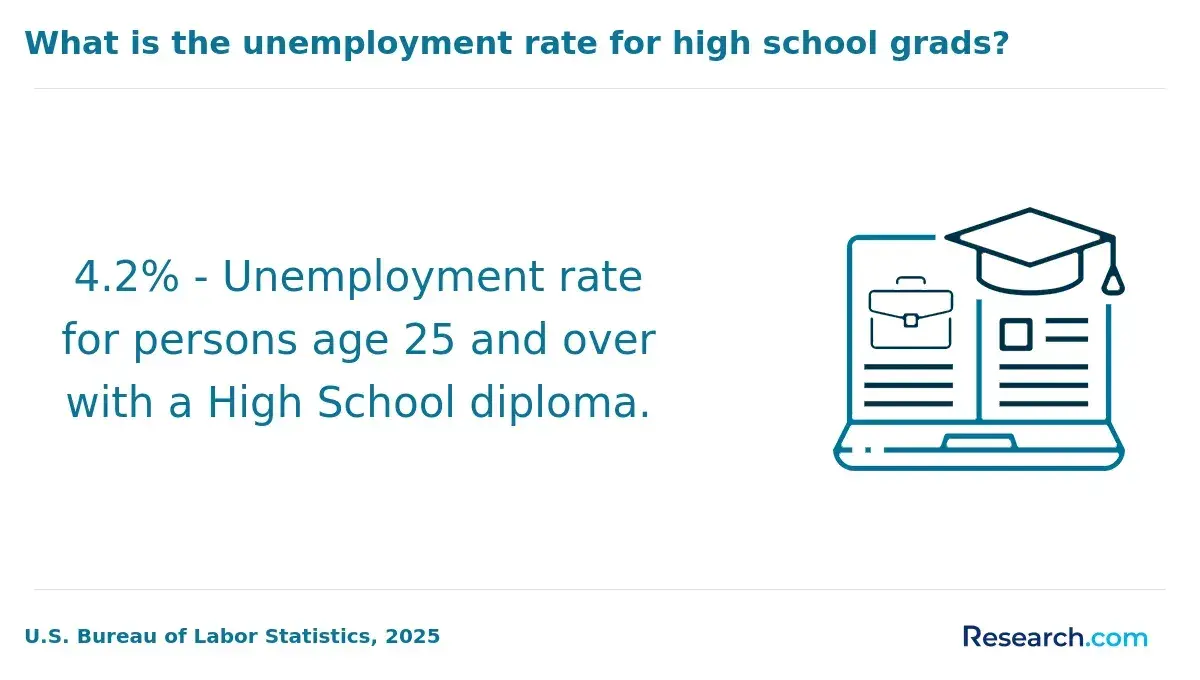
The fastest financial return usually comes from roles that let you earn full-time income immediately after graduation and licensure. For special education majors, that often means entering a school district first, then using employer benefits, certification add-ons, or paid professional development to increase income later.
Students who need income quickly should compare entry roles by time-to-hire, credential burden, benefits, and whether experience counts toward advancement. The steps below help narrow the fastest-payback options.
- Confirm whether your bachelor's program leads to initial teacher licensure in your target state.
- Ask school districts whether they offer signing incentives, tuition reimbursement, paid induction, or emergency-to-standard licensure pathways.
- Compare full compensation, including health insurance, pension or retirement contributions, paid leave, and summer pay structures.
- Look for roles where the first year builds documented experience, such as IEP case management, behavior data collection, co-teaching, or assistive technology support.
- Avoid unpaid or low-paid bridge roles unless they clearly lead to licensure, certification, or a higher-paying position within a defined timeline.
Entry-level teaching roles often provide the clearest payback because they connect the degree directly to a licensed occupation. In contrast, paraprofessional roles may be easier to enter but can have weaker ROI after graduation unless they are part of a paid pathway into teaching.
If your main goal is the shortest possible route into a local helping profession, it can be useful to compare education pathways with healthcare credentials such as an LPN 6 month program. That comparison does not mean one field is better; it simply clarifies whether you value school-year schedules, licensure portability, classroom work, or faster clinical workforce entry.
Location can change ROI as much as the career path itself. A $60,000 teaching salary does not have the same value in a high-rent metro area as it does in a lower-cost district, and a low-tuition in-state program can outperform a more expensive option even if both lead to the same license.
Cost matters before the first paycheck arrives. College Board's 2024-25 data lists average published tuition and fees at $11,610 for in-state public four-year colleges, which is far below the average out-of-state public and private nonprofit sticker prices. For a field with mid-range public-service salaries, that tuition difference can be the difference between a manageable and strained ROI.
Use the following location factors before choosing a program or job market.
- Compare the degree's total net price, not just tuition, including fees, books, transportation, housing, and unpaid student-teaching costs.
- Check whether the program's teacher preparation approval matches the state where you plan to work.
- Review district salary schedules and benefits before assuming a high-cost city offers better financial value.
- Look for shortage-area incentives, loan forgiveness eligibility, relocation support, or paid residency models, but verify the service requirements.
- Estimate take-home pay after rent, commuting, health premiums, retirement contributions, and required classroom expenses.
Licensure portability is another location issue. Some states have reciprocity agreements or alternative routes, but candidates may still need exams, coursework, background checks, or supervised experience. Before enrolling, ask the program exactly where its graduates are eligible for initial licensure.
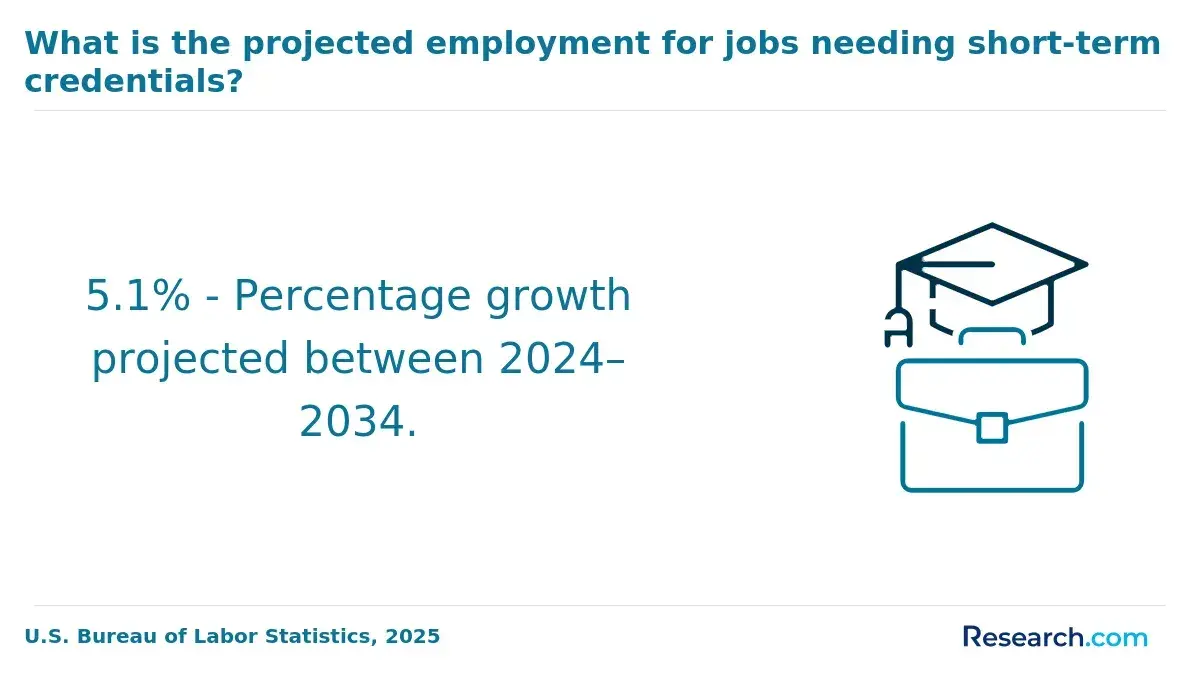
The skills that raise ROI are the ones employers can immediately connect to student outcomes, compliance, or operational value. A bachelor's degree opens the door, but documented skill evidence can help graduates qualify for better placements, leadership stipends, or non-classroom roles.
The most valuable skills combine special education practice with data, communication, and technology. These are especially useful because schools are expanding inclusive classrooms, assistive technology use, and multi-tiered support systems.
- IEP writing and progress monitoring: Employers value graduates who can write measurable goals, track progress, and communicate updates clearly.
- Behavior data and de-escalation: Skills in functional behavior support, crisis prevention, and data collection can improve eligibility for higher-need assignments.
- Assistive technology: Familiarity with text-to-speech, AAC tools, accessible documents, and learning platforms supports both teaching and accessibility roles.
- Co-teaching and collaboration: Special education staff often coordinate with general education teachers, families, therapists, administrators, and outside agencies.
- Instructional design: Graduates who can build accessible lessons, training modules, and digital materials may compete for corporate learning or edtech roles.
- Transition planning: Knowledge of postsecondary, workforce, and independent-living supports can help in high school and adult service settings.
Students interested in adaptive physical education, wellness programming, or inclusive recreation may also compare related preparation through an online degree in exercise science. That path serves different career goals, but it can overlap with disability inclusion, coaching, and movement-based support.
AI is changing the skill mix, not replacing the human work. Tools can help draft lesson materials, summarize data, or adapt reading levels, but educators still need judgment, confidentiality awareness, family communication, and legally compliant decision-making.
Certifications and endorsements can improve ROI because they signal specialized capability without the cost or time commitment of graduate school. Requirements vary by state and employer, so students should confirm whether a credential is recognized before paying for it.
The best credential choices depend on the role you want. The list below focuses on options that can strengthen bachelor's-level employability or pay potential.
- State special education teaching license: This is the core credential for public school teaching and usually carries the strongest bachelor's-level employment value.
- Additional teaching endorsements: Autism, early childhood special education, English learner support, reading, or severe disabilities endorsements can increase placement options in some districts.
- Registered Behavior Technician credential: This can help with autism services, behavior support, and school-based behavior roles, especially early in a career.
- Board Certified Assistant Behavior Analyst credential: This bachelor's-level behavior credential may improve advancement in behavior-focused settings, but supervision and state practice rules matter.
- Crisis prevention and de-escalation training: District-approved training can make candidates more competitive for higher-support classrooms and behavior teams.
- Assistive technology certificates: Short credentials in accessibility tools, AAC, or accessible digital content can support teaching, disability services, and edtech roles.
Avoid collecting random certificates because they look impressive. The best ROI comes from credentials tied to a specific job posting, district pay rule, licensure requirement, or promotion pathway.
Employer type affects ROI through pay structure, benefits, workload, advancement rules, and job security. Company size matters too: large districts and organizations may offer clearer promotion ladders, while smaller employers may offer broader responsibilities but less formal advancement.
The table below compares how different employers typically shape bachelor's-level financial return.
| Employer type | Common advantage | Common trade-off | ROI takeaway |
| Large public school district | Transparent salary schedules, benefits, union representation in some states, and internal transfer options | Less flexibility in pay negotiation | Often strong for predictable long-term ROI |
| Small rural district | High need, close community ties, and possible shortage incentives | Fewer specialized teams and limited local mobility | Can be financially attractive if cost of living is low and support is adequate |
| Charter or private school | Potentially flexible roles and faster responsibility growth | Benefits, caseloads, and licensure expectations vary widely | Review contract terms closely before comparing salary alone |
| Nonprofit disability organization | Mission alignment and program coordination experience | Pay may be lower than public school teaching | Best when it builds management, grant, or transition-services experience |
| Corporate learning, edtech, or healthcare organization | Potential for non-classroom advancement and broader salary bands | Requires translating education experience into business outcomes | Good for graduates with technology, accessibility, or training portfolios |
Students comparing education ROI with clinical or healthcare education should remember that professional healthcare routes can require different timelines and credentials. For example, online pharmacy programs may lead to very different costs, licensure steps, and opportunity costs than a bachelor's-level special education route.
Future ROI is improving for graduates who can move between special education, accessibility, technology, and workforce support. The emerging paths with the most promise are not replacements for teaching; they are adjacent roles that use special education expertise in new settings.
Several trends are worth watching: broader use of assistive technology, growing demand for accessible digital learning, increased focus on behavior and mental health supports, and employer interest in inclusive workforce training. These trends can create bachelor's-level opportunities for graduates who build evidence beyond coursework.
- Accessibility content specialist: Reviews learning materials, documents, videos, and platforms for accessibility barriers.
- Learning experience designer: Builds inclusive online or workplace training using instructional design and accessibility principles.
- Transition and workforce support coordinator: Helps students or adults with disabilities move into employment, training, or independent living.
- Edtech implementation associate: Trains schools on learning platforms, assistive tools, data dashboards, or intervention software.
- Behavior data coordinator: Supports teams by collecting, organizing, and interpreting behavior or intervention data under appropriate supervision.
Data-heavy roles are not limited to education. Students who discover a stronger interest in analytics, life sciences, or health technology may want to compare long-term pathways such as bioinformatics degree jobs, which involve a different skill set and labor market than special education.
The practical move is to keep your first job aligned with licensure or direct experience, then build a portfolio around the emerging path you want. Examples include accessible lesson samples, de-identified progress-monitoring dashboards, assistive technology guides, training modules, or transition-planning resources.
Students should evaluate ROI by comparing realistic career outcomes against the total cost of the degree and the opportunity cost of delaying work. A bachelor's degree can be enough when it leads to licensure, stable employment, benefits, and advancement options that do not require immediate graduate study.
Use this decision process before enrolling, transferring, or deciding whether to go straight to graduate school.
- Define the target job first, such as licensed special education teacher, behavior support specialist, disability services coordinator, or training specialist.
- Confirm the exact credential required in your state or preferred employer setting.
- Calculate total net cost after grants, scholarships, employer aid, transfer credits, living costs, and student-teaching expenses.
- Compare expected first-year compensation with long-term salary schedules, benefits, and promotion rules.
- Ask whether a master's degree is required for the job you want or only helpful later.
- Estimate the opportunity cost of graduate school by considering tuition, fees, debt, and income you would delay by staying out of the workforce.
- Choose the lowest-cost accredited route that still provides licensure eligibility, supervised fieldwork, and strong placement support.
Graduate school makes the most financial sense when it unlocks a clearly defined role, such as certain counseling, administration, assessment, advanced behavior analysis, or specialist positions. It is a weaker ROI choice when the student has no target role, no salary increase estimate, and no plan to manage additional debt.
The biggest mistakes are assuming all special education degrees lead to licensure, ignoring state-specific requirements, focusing only on starting salary, and treating a graduate degree as automatic proof of better ROI. A more reliable strategy is to enter the workforce with a strong bachelor's-level credential, then pursue graduate school only when the career and financial payoff are clear.
Special education salary growth depends less on dramatic job-hopping and more on structured advancement. Public school salary schedules, additional endorsements, leadership stipends, and hard-to-staff assignments can raise earnings without requiring a graduate degree, although some districts reserve certain lanes or roles for master's holders.
The table below summarizes where bachelor's-level graduates may see growth over time and what usually drives it.
| Career track | Main growth driver | Graduate degree needed? | Best ROI strategy |
| Public school special education teacher | Years of service, district salary steps, endorsements, and leadership stipends | Not always for classroom teaching, but state or district rules vary | Start in a district with transparent salary schedules and strong benefits |
| Behavior support or autism services | Credentials, supervision responsibilities, data skills, and program coordination | Advanced roles may require graduate study, but bachelor's credentials can improve early mobility | Add behavior-focused certification and seek employers with promotion ladders |
| Disability services and accessibility | Compliance knowledge, assistive technology, documentation review, and case coordination | Often not required for coordinator roles, but may help for director positions | Build a portfolio of accommodation processes and accessibility tools |
| Training and development | Instructional design, learning technology, facilitation, and measurable training outcomes | Usually not required for many specialist roles | Translate classroom expertise into adult learning, accessibility, and content design experience |
The biggest red flag is choosing a job based only on the first-year salary. A role with a slightly lower starting salary may deliver better ROI if it has strong benefits, predictable raises, paid professional development, and a clear route into leadership.
Other Things You Should Know About Special Education
In many states, yes, if the bachelor's program is state-approved for teacher preparation and you complete required exams, student teaching, background checks, and licensure steps. Requirements vary by state.
Licensed special education teaching often provides the clearest ROI because it connects directly to full-time employment, benefits, and salary schedules. Non-teaching roles can also pay off if you add skills in behavior support, accessibility, or instructional design.
Not automatically. Graduate school makes more sense when it is required for a specific role or produces a clear salary increase. If your bachelor's degree already qualifies you for licensed teaching, working first may reduce debt and clarify your next step.
Verify accreditation, state teacher-preparation approval, licensure outcomes, student-teaching support, total net cost, transfer-credit policies, and job placement support. Also ask whether the program meets requirements in the state where you plan to work.
- Salaries for Special Education Teachers in California https://www.alleducationschools.com/teaching-careers/special-education-teacher/salary-california/
- Salaries for Special Education Teachers by State and by Grade Level | Special Education Degrees https://www.special-education-degree.net/special-education-teacher-salary/
- Special Education Teacher Salary & Requirements by State - NASET https://www.naset.com/professional-resources/special-education-teacher-requirements-salaries-and-resources-complete-state-by-state-guide/
- A Special Education Certification Can Prepare You for Much More Than Teaching https://www.ucumberlands.edu/blog/how-a-special-education-certification-prepares-you
- Special Education and Teaching Programs - Compare ROI by School https://degreeclarity.com/degree/special-education-and-teaching-bachelor/
- What can You Do with a Special Education Degree? - Graduate Programs for Educators https://www.graduateprogram.org/blog/what-can-you-do-with-a-special-education-degree/
- How Much Does Special Education Truly Cost? Finally, an Answer Is on the Horizon https://www.edweek.org/teaching-learning/how-much-does-special-education-truly-cost-finally-an-answer-is-on-the-horizon/2024/08
- Research Summary: Education and Lifetime Earnings https://www.ssa.gov/policy/docs/research-summaries/education-earnings.html