2027 Special Education Degree Unemployment Risk Report: Which Career Paths Offer the Most Stability

Co-Founder and Chief Data Scientist
Choosing a special education degree path is really a job-security decision: which roles stay employable when budgets, enrollment, technology, and state requirements shift? NCES reported that 7.5 million U.S. students ages 3-21 received IDEA services in 2022-23, equal to 15% of public school enrollment.
That sustained need makes special education relatively resilient, but not every path carries the same risk. This guide helps students, career changers, and educators compare stable roles, industries, credentials, and regional factors before committing time and tuition.
Key Things You Should Know
- Lowest-risk paths usually combine state licensure, direct student-service demand, and shortage-area specialization, special education teachers, speech-language pathologists, school psychologists, and behavior specialists tend to be more stable than narrowly administrative or grant-funded roles.
- BLS May 2024 wage data places special education teachers at a median annual wage of about $64,270, while speech-language pathologists and occupational therapists show higher median pay and broader healthcare-school transferability.
- Unemployment risk is not determined by the degree alone; state certification rules, district funding, local teacher shortages, bilingual skills, behavior-support experience, and assistive technology competence can materially change job security.
- Which Special Education Career Paths Have the Lowest Unemployment Risk?
- Which Industries Offer the Most Stable Employment for Special Education Graduates?
Which Special Education Career Paths Have the Lowest Unemployment Risk?
The lowest unemployment risk in special education usually belongs to roles that schools are legally required to provide, that require hard-to-replace credentials, and that serve students with ongoing individualized education program needs. A "low-risk" path does not mean layoffs never happen; it means the role is more likely to have recurring demand across districts, age groups, and service settings.
The table below compares common special education career paths using practical unemployment-risk signals: credential barriers, employer demand, transferability outside K-12 schools, and salary context. Salary figures should be used as national benchmarks, not promises, because pay varies by state, collective bargaining agreement, district budget, and years of experience.
| Career path | Typical education or credential | Stability outlook | Salary context | Best fit |
| Special education teacher | Bachelor's degree plus state teacher certification; master's often preferred or required for advancement | Low to moderate unemployment risk because public schools must serve eligible students under IDEA | BLS May 2024 median annual wage was about $64,270 | Students who want direct classroom work, case management, IEP implementation, and long-term school employment |
| Speech-language pathologist in schools | Master's degree, state licensure, and school-based credential where required | Low risk due to high credential barriers and demand across schools, clinics, and healthcare settings | BLS May 2024 median annual wage for speech-language pathologists was about $95,410 | Students comfortable with graduate study, assessment, therapy planning, and caseload documentation |
| School psychologist | Specialist-level or doctoral preparation, state credential, and supervised fieldwork | Low risk in many regions because evaluation, mental health, and eligibility services are hard to replace | Pay varies widely by district and contract structure | Students interested in assessment, behavioral consultation, crisis response, and team-based decision-making |
| Board certified behavior analyst or behavior specialist | Graduate-level behavior analysis training and BCBA certification for analyst roles | Low to moderate risk where autism services, behavior intervention, and multi-tiered supports are expanding | Often stronger when paired with school district or clinical experience | Students who like data collection, intervention design, and measurable behavior goals |
| Special education paraprofessional | High school diploma or associate-level requirements depending on state and district | Moderate risk because demand is steady but pay, hours, and funding can be less stable | BLS May 2024 median annual wage for teacher assistants was about $35,240 | Career starters testing the field before pursuing licensure or a bachelor's degree |
| Special education administrator or coordinator | Teaching experience, master's degree, administrative credential often required | Moderate risk because positions are fewer and tied to district structure | Higher earning potential but more competition for openings | Experienced educators who want compliance, staffing, program design, and leadership responsibilities |
For most students, the safest route is a licensure-bearing path with a shortage-area specialization. A general education degree with only limited exposure to disability services may be less protective than a special education credential that qualifies the graduate for multiple disability categories, co-teaching models, intervention roles, and case management.
A common mistake is choosing a path only because it has a higher top-end salary. Higher-paying roles such as administration may be attractive, but they often have fewer openings than classroom, therapy, or assessment roles. If your priority is stability, compare the number of employers that can hire you, not just the highest possible salary.
Which Industries Offer the Most Stable Employment for Special Education Graduates?
Industry matters because the same special education background can lead to different levels of employment stability depending on the funding source, staffing model, and legal obligations of the employer. Public school districts are often more stable than short-term grant programs, while healthcare and early intervention settings can provide additional mobility for graduates with therapy or behavior credentials.
The table below ranks major employment settings by job-security characteristics rather than by prestige. This helps students compare where a special education degree is most likely to translate into steady demand.
| Industry or setting | Employment stability | Why it can be stable | Main risk to watch |
| Public K-12 school districts | High | Districts must provide special education services to eligible students and maintain compliance documentation | Local budget constraints, staffing ratios, and state funding formulas |
| Early intervention and preschool special education | High in high-need regions | Earlier identification and family-centered services create steady need for specialists | State-level program funding and provider shortages |
| Healthcare and rehabilitation settings | High for licensed therapists | Speech, occupational, and behavioral services can transfer beyond schools | Insurance reimbursement rules and productivity expectations |
| Private special education schools | Moderate to high | Specialized programs serve students whose needs may exceed district placement options | Enrollment changes and contract dependence |
| Nonprofit disability services | Moderate | Community support, transition, and advocacy services remain important | Grant funding and lower salary ceilings |
| Education technology and curriculum companies | Moderate to higher risk | Special education expertise is useful for accessibility, intervention products, and compliance tools | Business cycles, product-market fit, and layoffs in private-sector tech |
Public-sector employment often provides the most predictable stability, especially for licensed teachers and service providers. Private-sector and edtech roles can offer flexibility and faster advancement, but they may carry higher risk if demand depends on investor funding, sales cycles, or district purchasing decisions.
Students should also distinguish "stable occupation" from "stable employer." A special education teacher may work in a stable profession but still experience stress, turnover, or reassignment in a poorly supported district. Job security is strongest when a role is legally necessary, locally understaffed, and backed by a credential that travels across employers.
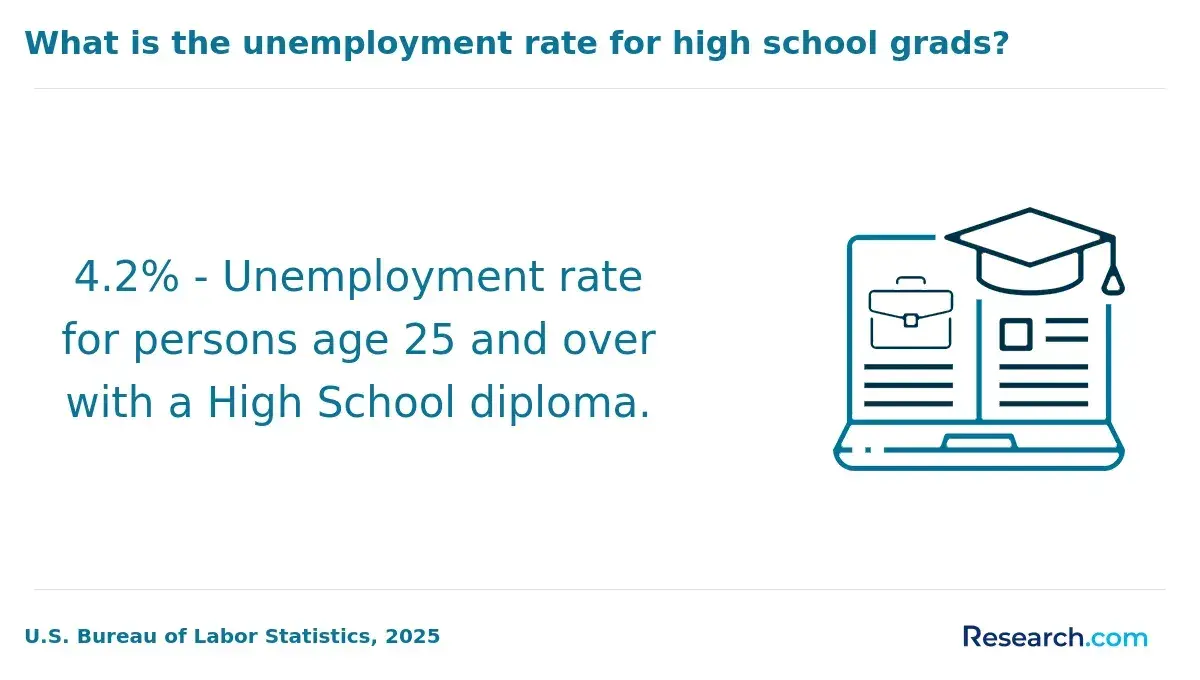
Specialization can reduce unemployment risk when it aligns with persistent service needs. In special education, the most stable specializations are usually those connected to legal compliance, high-need disability categories, intensive intervention, and skills that general educators or unlicensed staff cannot easily replace.
Students should evaluate specializations by asking whether the skill set is needed across many districts and whether it qualifies them for more than one type of job. The following specializations often strengthen career stability when paired with appropriate state credentials or graduate training.
- Autism spectrum disorder and behavior intervention: Strong fit for students interested in functional behavior assessment, positive behavior supports, communication needs, and collaboration with families and therapists.
- High-incidence disabilities: Useful for broad employability because learning disabilities, ADHD-related needs, mild intellectual disability, and emotional or behavioral needs appear across many school settings.
- Low-incidence and extensive support needs: Can be stable because fewer educators are prepared for complex communication, medical, mobility, and adaptive-skills support.
- Transition services: Valuable for secondary educators who help students move from school to employment, postsecondary education, independent living, or community services.
- Assistive technology and accessible instruction: Increasingly important as districts adopt digital learning tools and must make instruction usable for students with disabilities.
- Bilingual special education: Especially strong in regions where districts need educators who understand both language development and disability identification.
The strongest specialization for you depends on your tolerance for different work environments. Intensive behavior support and extensive-needs classrooms can be highly employable but emotionally demanding. Transition services and assistive technology may offer more consultative work, but openings can be fewer in small districts.
A red flag is choosing a niche specialization before checking whether local employers actually hire for it. Review district job postings, state shortage-area lists, and practicum placement options before committing to a concentration, certificate, or graduate program.
Location can change unemployment risk more than the degree title itself. A special education graduate in a state with chronic teacher shortages, fast-growing school enrollment, or many rural vacancies may face a very different market from a graduate in a region with declining enrollment or limited school funding.
Regional demand is shaped by several practical factors. Students should check these before choosing a program, accepting student loans, or relocating for a job.
- State shortage-area lists: Many states publish annual shortage data that identifies special education categories with persistent vacancies.
- Licensure reciprocity: Some credentials transfer more easily across states than others, but testing, coursework, and supervised-experience rules can still differ.
- District pay schedules: A region with many openings may still be difficult if salaries do not match housing costs.
- Urban, suburban, and rural staffing patterns: Rural districts may offer broad responsibility and hiring access, while large urban districts may have more specialized teams and clearer advancement ladders.
- Service-delivery models: Districts with inclusion, co-teaching, self-contained classrooms, or regional specialized programs may hire different types of special educators.
The best location strategy is to compare job postings across at least three target regions before selecting a specialization. Look for repeated openings with similar requirements; those patterns are stronger evidence than a single vacancy.
Students should also factor in state-specific licensure rules early. A program that prepares you well in one state may not automatically meet all requirements elsewhere. Before enrolling, confirm that the program leads to the credential category and grade band you intend to teach.
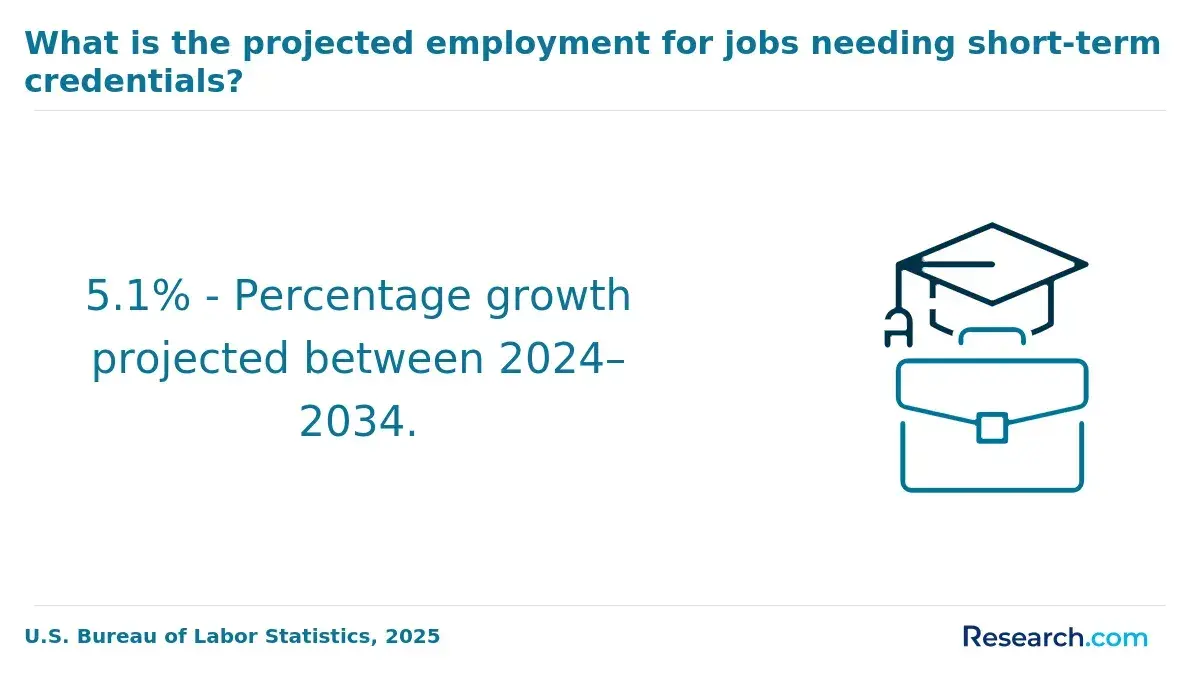
Skills lower unemployment risk because they make a special education graduate useful across classrooms, service models, and employer types. The safest skill profile combines direct student support, measurable intervention results, documentation accuracy, and collaboration with general educators, families, and related-service providers.
Employers increasingly look for special education professionals who can use data without losing the human side of the work. Progress monitoring, learning-management systems, assistive technology, and behavior data platforms are now part of many school-based roles.
The following skills are especially protective because they apply across grade levels and disability categories.
- IEP development and compliance documentation: Reduces employer risk because accurate documentation supports legal and instructional obligations.
- Evidence-based reading and math intervention: Helps graduates serve high-incidence disability populations and support inclusion models.
- Behavior assessment and de-escalation: Useful in classrooms, specialized programs, and consultation roles.
- Assistive technology selection and implementation: Supports communication, access, writing, mobility, and independent learning.
- Family and interprofessional communication: Essential for IEP meetings, transition planning, therapy coordination, and conflict prevention.
- Data literacy: Helps educators track goals, adjust interventions, and communicate progress clearly.
AI is unlikely to replace special education professionals who provide relationship-based instruction, physical support, behavioral judgment, and legally accountable services. But AI-enabled tools may change expectations for documentation, lesson adaptation, translation support, and progress summaries. Graduates who can use technology responsibly while protecting student privacy may be more competitive.
Students interested in data-heavy adjacent fields can also study how education, health, and analytics overlap. Exploring bioinformatics degree jobs can help readers understand a different kind of labor market where specialized data skills influence job stability, even though the day-to-day work differs sharply from special education.
Certifications improve job security when they qualify you for roles employers struggle to fill. In special education, the most valuable credentials are those that are recognized by state licensing boards, school districts, or widely accepted professional organizations.
Before paying for any certificate, confirm whether it is required, preferred, or merely optional in your target state and job market. The credentials below commonly strengthen employability, but requirements vary by location and employer.
- State special education teaching license: Usually the core credential for classroom special education roles in public schools.
- Endorsements by disability category or grade band: Can increase flexibility if your state separates mild/moderate, moderate/severe, early childhood, visual impairment, hearing impairment, or other categories.
- Board Certified Behavior Analyst certification: Valuable for behavior analyst roles, especially when paired with supervised experience and state rules where applicable.
- Speech-language pathology licensure and school credential: Required for many speech-language pathologist roles and often highly portable across schools and clinical settings.
- School psychology credential: Important for evaluation, eligibility, consultation, and school mental health roles.
- Assistive technology certificate: Useful as an add-on for educators, therapists, and specialists who support access to instruction and communication.
- Structured literacy or dyslexia-focused training: Helpful in districts emphasizing evidence-based reading intervention.
The most common mistake is assuming every certificate carries the same labor-market value. Short online certificates can be useful for professional development, but they may not increase job security unless employers recognize them in hiring, compensation, or assignment decisions.
A practical approach is to start with the credential that makes you legally employable, then add certificates that expand your service range. For example, a licensed special education teacher might later add autism, bilingual, assistive technology, or transition credentials based on local demand.
Career stage affects unemployment risk because employers evaluate entry-level, mid-career, and leadership candidates differently. Early-career graduates are judged heavily on licensure, practicum quality, classroom readiness, and references. Experienced professionals are judged more on results, case management, leadership, and ability to support complex student needs.
For entry-level candidates, stability comes from getting the right credential and building evidence of practical competence. Student teaching, supervised fieldwork, substitute teaching, paraprofessional experience, and work in summer programs can all reduce hiring risk because they show that the candidate understands school realities.
Mid-career professionals often gain stability by becoming hard to replace. That may mean developing expertise in behavior intervention, literacy intervention, transition planning, compliance leadership, mentoring new teachers, or coordinating services across teams.
Experienced educators moving into administration should weigh stability against role scarcity. Administrative jobs can pay more and influence more students, but there are fewer positions and more dependence on district leadership changes. For some educators, a specialist role may offer a better balance of security, autonomy, and manageable responsibility.
The biggest red flag at any career stage is failing to keep credentials current. Continuing education, license renewal, background checks, and state-specific requirements can affect employability. Missing renewal deadlines can create avoidable employment gaps even for otherwise strong candidates.
Emerging career paths in special education are most stable when they extend legally required services rather than replace them. The best long-term opportunities combine disability expertise with technology, healthcare coordination, behavioral support, and measurable student outcomes.
Several paths are worth watching because they address persistent needs in schools and related service settings. These are not guaranteed growth areas, but they align with current employer concerns about access, staffing shortages, and individualized support.
- Assistive technology specialist: Helps schools select and implement tools for communication, reading, writing, mobility, and access to digital instruction.
- Inclusive education coach: Supports general and special educators in co-teaching, universal design for learning, accommodations, and classroom intervention.
- Transition coordinator: Helps older students connect IEP goals to employment, independent living, community participation, and postsecondary training.
- Behavior intervention consultant: Designs and monitors positive behavior supports across classrooms or programs.
- Telepractice-related service provider: Delivers or supports remote speech, counseling, consultation, or family coaching where state rules and employer systems allow it.
- Accessibility and curriculum specialist: Reviews instructional materials, digital platforms, and assessments for accessibility and accommodation alignment.
Technology-linked roles may offer strong long-term relevance, but students should avoid assuming that every edtech job is stable. District purchasing cycles, privacy rules, product funding, and adoption barriers can make private-sector roles more volatile than school-based positions.
Students drawn to health, movement, rehabilitation, and disability support may also compare special education with an online degree in exercise science, especially if they are considering adaptive physical activity, occupational therapy prerequisites, or wellness-focused careers. The more stable choice depends on licensure goals and the settings where you want to work.
Students should evaluate unemployment risk by looking beyond the degree name. A smart decision compares credential requirements, local demand, salary, debt, work conditions, advancement options, and transferability if your first path does not fit.
Use the following steps to compare special education career paths before enrolling in a program or choosing a specialization.
- Identify your target role first, then work backward to the required degree, license, fieldwork, exams, and state approvals.
- Check at least three local or regional job boards to see whether employers repeatedly request the same credential or specialization.
- Compare median salary with local cost of living, not just national wage data.
- Ask programs where recent graduates complete student teaching, internships, or supervised practice because placement quality affects employability.
- Confirm accreditation, state approval, and licensure alignment before enrolling, especially in online or out-of-state programs.
- Estimate total cost, including tuition, fees, exams, background checks, commuting, unpaid fieldwork, and lost work hours.
- Choose electives or certificates that expand your employability across settings rather than narrowing you too early.
- Build a portfolio showing IEP work, intervention plans, data tracking, family communication, and assistive technology experience while protecting student privacy.
Cost deserves special attention because a stable career can still have weak return on investment if the program is too expensive for the salary range in your target district. Public universities, transfer pathways, employer tuition benefits, and residency-style teacher preparation can reduce risk.
It can also help to compare special education with other credential-based fields where licensure protects employability but training timelines differ. For example, online pharmacy programs represent a much longer healthcare pathway with different debt, licensure, and salary considerations, making them useful as a contrast when evaluating risk and return.
The best choice is not always the highest-paying option. For many students, the strongest decision is a role with reliable demand, manageable debt, portable credentials, and day-to-day work they can sustain for years.
Special education is more recession-resistant than many fields because services for eligible students are not optional. However, economic cycles still affect hiring through state budgets, local tax revenue, federal funding, and district staffing decisions.
During downturns, districts may delay hiring, increase caseloads, rely more heavily on paraprofessionals, or reduce non-mandated programs. Roles tied directly to IEP services, evaluations, therapy minutes, and compliance tend to be more protected than roles in enrichment, consulting, training, or discretionary program development.
BLS employment projections released in 2024 continue to show ongoing annual openings for education, training, and library occupations due largely to replacement needs. For readers, the key takeaway is that even when total employment growth is modest, retirements, resignations, relocations, and career changes can still create hiring demand.
Career changers comparing recession-resistant education and healthcare pathways should look at credential time, licensing friction, and local job availability side by side. For example, an LPN 6 month program may appeal to someone seeking a faster healthcare entry point, while special education licensure may make more sense for someone committed to schools, child development, and instructional support.
To reduce unemployment risk across economic cycles, students should avoid building a career around one district, one funding stream, or one narrow service model. A safer plan is to combine special education licensure with transferable strengths such as assessment, behavior support, family communication, progress monitoring, and technology-enabled instruction.
Other Things You Should Know About Special Education
Yes, it can be stable, especially when it leads to state licensure in a shortage area. Stability is strongest in roles tied to IEP services, evaluations, therapy, behavior support, and legally required school services.
Licensed special education teachers, speech-language pathologists, school psychologists, and behavior analysts often have lower risk because they require specialized credentials and serve ongoing student needs. The best option depends on your state, degree level, and preferred work setting.
A master's degree can improve job security when it leads to licensure, an endorsement, salary-lane movement, or specialist roles. It is less valuable if it is expensive and does not match employer requirements in your target region.
The biggest mistake is choosing based only on salary or program convenience. Students should also verify licensure alignment, local hiring demand, fieldwork quality, total cost, and whether the credential transfers across districts or states.
- Trend Analysis Of Selected Special Education Transition ... https://digitalscholarship.tsu.edu/cgi/viewcontent.cgi
- How the Special Education Teacher Shortage Affects Students with LD, and What to Do About it https://ldaamerica.org/how-the-special-education-teacher-shortage-affects-students-with-ld-and-what-to-do-about-it/
- How Money Matters: Education Funding and Student Outcomes https://learningpolicyinstitute.org/product/how-money-matters-factsheet