2027 Special Education Degree Schedule Flexibility Report: Online, Hybrid, Evening, Weekend, and Accelerated Options Compared

Co-Founder and Chief Data Scientist
Choosing a Special Education degree schedule is often a logistics problem as much as an academic one. NCES reported in 2024 that 7.5 million public school students, or 15% of enrollment, received IDEA services, keeping demand for prepared special educators high.
This guide is for working adults, caregivers, transfer students, and career changers comparing online, hybrid, evening, weekend, and accelerated options. You will learn how formats differ in class timing, campus visits, clinical hours, pace, workload, and licensure fit so you can choose a program you can realistically finish.
Key Things You Should Know
- Fully online Special Education degrees usually offer the most location flexibility, but licensure-track programs still require supervised fieldwork or student teaching in approved school settings.
- Hybrid, evening, and weekend programs can fit full-time work better than daytime campus schedules, but they often have fixed meeting times and may require campus visits, cohort sessions, or school-day field placements.
- Accelerated programs may shorten graduate study to about 12-18 months or use 7-8 week terms, but students should expect heavier weekly reading, assignments, lesson planning, and fieldwork coordination.
- How Do Online, Hybrid, Evening, Weekend, and Accelerated Degree Programs Differ?
- How Flexible Are Fully Online Degree Programs?
How Do Online, Hybrid, Evening, Weekend, and Accelerated Degree Programs Differ?
The main difference is not just where classes happen. Special Education degree formats vary by attendance rules, course pacing, live-class expectations, clinical placement requirements, and how much control students have over their weekly schedule.
Use the table below as a first-pass comparison. It shows how each format usually works for bachelor's, post-baccalaureate, master's, and licensure-track Special Education programs in the U.S.
| Format | Typical class delivery | Attendance pattern | Best fit | Main trade-off |
| Fully online | Courses delivered through a learning platform; may be asynchronous, synchronous, or mixed | Few or no campus visits, but required fieldwork is in person | Students who need location flexibility or live far from campus | Online does not always mean self-paced, and licensure placements still follow school schedules |
| Hybrid | Online coursework plus scheduled campus or site-based meetings | Weekly, monthly, or intensive in-person sessions depending on the program | Students who want online convenience with face-to-face coaching | Travel and fixed meeting dates can reduce flexibility |
| Evening | Courses meet after standard work hours, often once or twice per week | Regular live attendance on weeknights | Full-time workers with predictable weekday schedules | Field experiences may still occur during K-12 school hours |
| Weekend | Courses meet on Saturdays, Sundays, or intensive weekend blocks | Less frequent but longer meetings | Caregivers or workers who cannot attend weeknight classes | Long class days can compress study time and family time |
| Accelerated | Shorter terms, heavier course loads, transfer-credit pathways, or year-round study | Fast deadlines and limited breaks | Students who can commit substantial weekly time and want faster completion | Less room to recover from missed assignments, placement delays, or work disruptions |
Special Education programs differ from many non-licensure majors because practical experience is not optional for teacher certification. Even when a course is online, observation hours, practicum experiences, assessment practice, behavior-support planning, and student teaching may need to be completed in approved school environments.
A useful way to compare programs is to separate delivery format from schedule control. For example, an online course can require live Tuesday-night attendance, while a hybrid course may meet only one Saturday per month. Similar scheduling questions come up in other flexible majors, such as an online degree in exercise science, but Special Education students must pay closer attention to school-based clinical requirements.
How Flexible Are Fully Online Degree Programs?
Fully online Special Education programs are usually the strongest option for students who need geographic flexibility. They allow students to complete lectures, discussions, readings, quizzes, and many assignments from home, which can reduce commuting time and make school possible for rural students, military families, working adults, and caregivers.
The most important distinction is asynchronous vs. synchronous. Asynchronous online courses let students log in within weekly deadlines, while synchronous courses require live attendance at set times. Many online education programs use both because teacher preparation often benefits from real-time discussion, case analysis, and feedback on instructional planning.
Before assuming an online program will fit your life, review the following schedule details. These are the items that most often determine whether "online" is truly flexible for your situation.
- Live-class requirements: Check whether classes meet on fixed evenings, weekends, or during business hours.
- Field placement rules: Ask whether the school arranges placements near you or expects you to find an approved site.
- Student teaching schedule: Licensure programs commonly require full school-day availability during the culminating teaching placement.
- Testing and proctoring: Some programs require proctored exams, webcam monitoring, or scheduled assessment windows.
- Group work expectations: Online teacher-preparation courses may include peer teaching, video feedback, and team projects that require coordination across time zones.
Online learning can be a strong fit for students who are organized, comfortable with technology, and able to protect regular study blocks. It can be a poor fit for students who need frequent in-person accountability, have unreliable internet access, or cannot arrange daytime field experiences.
The workload is not lighter simply because classes are online. A 3-credit graduate course often requires several hours of reading, lesson design, discussion participation, and assignment work each week, and accelerated online terms compress that work into a shorter calendar.
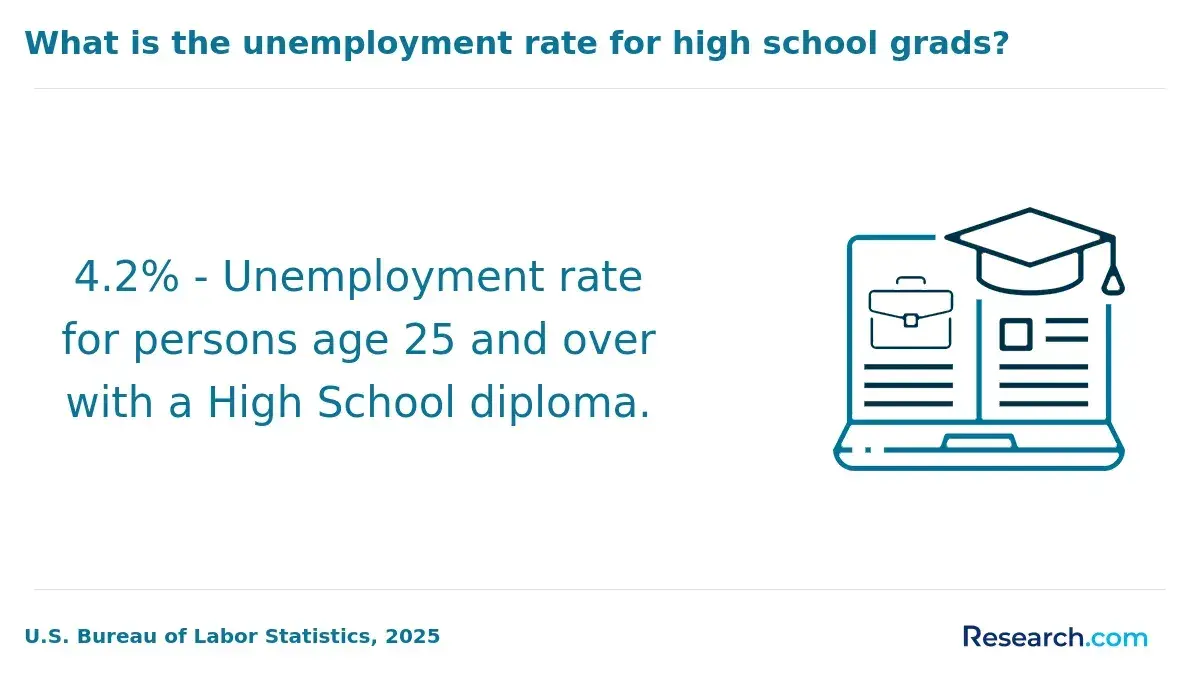
Hybrid Special Education programs combine online coursework with in-person sessions. The in-person requirement may be as light as a few campus intensives per term or as frequent as weekly evening classes, so students should not compare programs using the word "hybrid" alone.
The table below summarizes common hybrid attendance models. This matters because two programs with the same "hybrid" label can have very different travel, childcare, and work-leave demands.
| Hybrid model | Common attendance requirement | Schedule impact | Who should consider it |
| Weekly hybrid | One campus meeting per week plus online assignments | Predictable but travel-heavy | Students living near campus who value regular face-to-face interaction |
| Monthly intensive | One long Saturday, weekend, or two-day block each month | Fewer trips but longer sessions | Working adults who can plan childcare or work coverage in advance |
| Residency model | Several required campus visits per year | Lower weekly travel but higher trip planning costs | Distance learners who can travel occasionally |
| Site-based cohort | Meetings at a school district, regional center, or partner site | Convenient if the site is local | Paraprofessionals, district employees, and career changers in partner regions |
Hybrid programs can be especially useful in Special Education because students may practice IEP meeting simulations, assistive technology use, instructional interventions, and behavior-support strategies with direct faculty feedback. That face-to-face practice can be valuable for students who are new to teaching or who want more structured support.
The trade-off is predictability. Missing a required campus intensive may delay progress if the session is offered only once per term. Students should ask whether absences can be made up through recorded sessions, alternate dates, or additional assignments before enrolling.
Accelerated Special Education degrees can shorten time to completion through shorter terms, year-round enrollment, transfer credit, prior-learning credit, or intensive cohort structures. They are most common at the graduate, post-baccalaureate, and teacher-certification levels, although some bachelor's completion programs also offer accelerated pathways for students with transfer credits.
Many accelerated graduate programs use 7- or 8-week courses instead of traditional 15-week semesters. This can help motivated students finish faster, but it also means assignments, readings, field tasks, and discussions arrive at a faster pace.
The table below gives a realistic comparison of completion patterns. Timelines vary by transfer credits, licensure requirements, state rules, placement availability, and whether the student enrolls full time.
| Program pathway | Common accelerated timeline | What can slow completion | Best fit |
| Master's in Special Education without initial licensure | About 12-18 months in many accelerated formats | Capstone timing, research project requirements, course sequencing | Licensed teachers adding specialization or advancement credentials |
| Master's or MAT with initial licensure | Often longer than non-licensure options because of clinical requirements | Student teaching, state exams, background checks, placement approvals | Career changers who can make room for daytime school placements |
| Bachelor's completion program | Can be shortened if substantial transfer credit is accepted | General education gaps, prerequisite courses, limited transferability | Students with prior college credit or an associate degree |
| Post-baccalaureate certification | Often faster than a second bachelor's degree | State-specific pedagogy courses and supervised teaching | Adults who already hold a bachelor's degree in another field |
Accelerated formats make the most sense when a student has stable weekly availability, reliable technology, strong reading and writing skills, and a clear plan for fieldwork. They are riskier for students managing unpredictable shifts, heavy caregiving, health issues, or major life transitions.
Students comparing fast education pathways should remember that "fast" does not mean "easy" or "automatically licensure-ready." The same caution applies across career-oriented programs, from teacher preparation to an LPN 6-month program: compressed schedules require careful verification of accreditation, clinical requirements, and state approval.
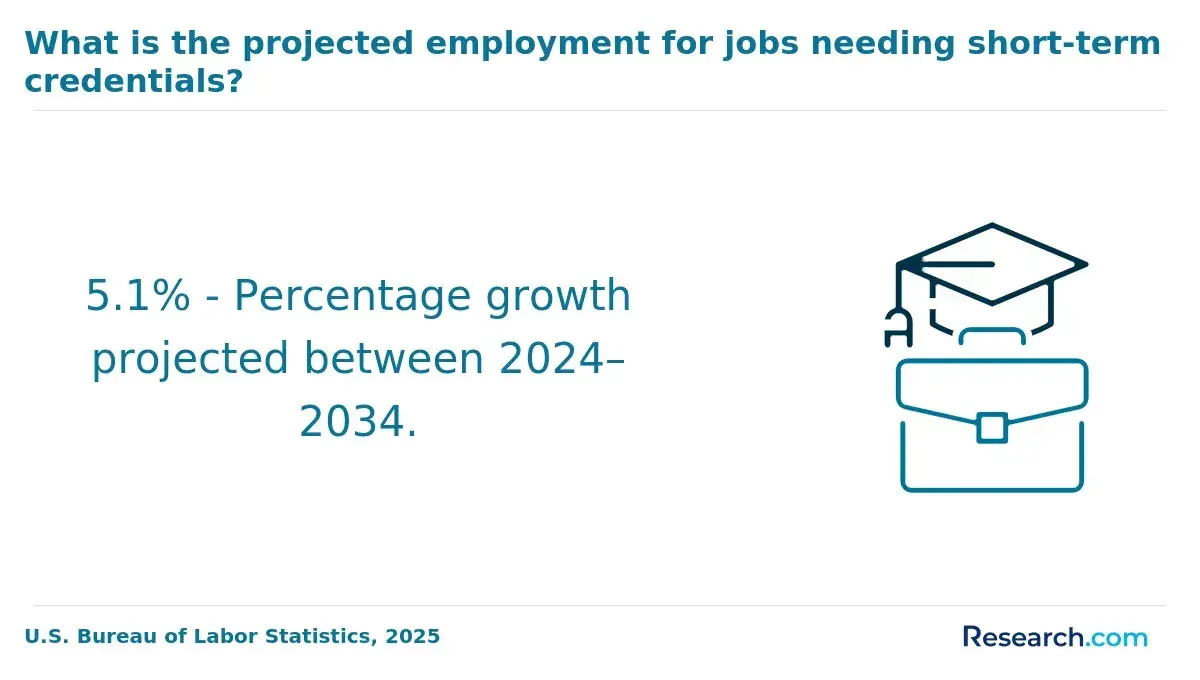
Enrollment pace determines how quickly you finish and how intense each term feels. In Special Education, the right pace depends on your work hours, caregiving load, financial aid status, transfer credits, field-placement schedule, and tolerance for overlapping deadlines.
Full-time study can reduce total time in school and may help students stay immersed in the program. It is often the best fit for students who can reduce work hours, have dependable childcare, or are already employed in a school setting that supports their fieldwork.
Part-time study usually offers the most sustainable path for working adults and caregivers. It spreads coursework over more terms, which can reduce weekly pressure, but it may increase total time to graduation and may affect aid eligibility or tuition costs depending on school policy.
Self-paced study is less common in licensure-track teacher education than in some other online fields. Even if content modules are self-paced, discussion boards, assessment deadlines, cohort activities, and clinical placements may still follow a fixed academic calendar.
Use these steps to choose a realistic pace before committing to a program. They help turn a vague idea of flexibility into a workable weekly plan.
- List your nonnegotiable weekly commitments, including work shifts, caregiving, commuting, appointments, and sleep.
- Ask the program for a sample term schedule, including live sessions, major assignment due dates, and estimated fieldwork hours.
- Calculate whether you can protect several recurring study blocks each week, not just occasional weekend catch-up time.
- Check whether financial aid, scholarships, employer tuition benefits, or cohort pricing require a minimum credit load.
- Ask whether you can slow down for one term without losing cohort status, delaying licensure courses, or waiting a full year for the next course rotation.
A good pace is not always the fastest one. The best schedule is the one you can maintain through busy work seasons, family disruptions, and clinical requirements without repeatedly missing deadlines.
Working adults and caregivers usually need predictability more than unlimited choice. A program that meets at the same time every week may be easier to manage than a supposedly flexible program with rotating deadlines, unpredictable live sessions, or last-minute placement requirements.
The best format depends on the student's main constraint. The table below matches common life situations with schedule formats that often work well, along with formats to approach cautiously.
| Student situation | Usually strongest option | Use caution with | Why |
| Full-time worker with predictable daytime schedule | Evening, weekend, or asynchronous online | Programs requiring daytime live classes | Coursework can fit outside work, but field hours still need planning |
| Caregiver with variable daily availability | Asynchronous online or part-time hybrid | Strict cohort programs with frequent required meetings | Flexible deadlines may reduce childcare conflicts |
| Paraprofessional or instructional aide | Online, evening, or district-based hybrid | Programs that do not allow workplace-based fieldwork | Current school employment may support observations and practicum tasks if approved |
| Career changer not currently in education | Hybrid or structured online licensure program | Self-directed programs with limited placement support | New teachers often need strong advising and clinical-placement guidance |
| Student needing the fastest route | Accelerated program with clear licensure sequencing | Any program with unclear placement timelines | Clinical delays can erase the time saved by accelerated courses |
Caregivers should ask especially detailed questions about absence policies, recorded lectures, assignment grace periods, and whether required campus sessions are announced far in advance. A flexible program should make scheduling expectations clear before enrollment, not after the first tuition bill is due.
Working adults should also talk to employers early. Some school districts support employees pursuing special education credentials through schedule adjustments, tuition assistance, mentor teachers, or approved practicum placements, but these benefits are not automatic.
A flexible schedule can be valuable only if the program meets the requirements tied to your goal. For Special Education, that usually means checking institutional accreditation, state approval for teacher preparation, and whether the program leads to the specific license or endorsement you need.
Students should distinguish among three program types: degrees that lead to initial teacher licensure, degrees for already licensed teachers adding special education expertise, and non-licensure programs focused on advocacy, disability services, or educational support roles. The schedule may look similar online, but the professional outcome can be very different.
Before applying, verify these items directly with the institution and your state education agency. Requirements vary by state, and reciprocity is not guaranteed.
- Institutional accreditation: Confirm that the college or university is accredited by a recognized accreditor.
- State teacher-preparation approval: Make sure the program is approved for Special Education licensure in the state where you plan to teach.
- License level and category: Check whether the program covers mild/moderate disabilities, severe/profound disabilities, early childhood, elementary, secondary, or another specific category.
- Clinical placement requirements: Confirm the number, timing, and type of observation, practicum, and student-teaching experiences required.
- Testing requirements: Ask which state exams, performance assessments, background checks, and fingerprinting steps are required before licensure.
- Out-of-state rules: If enrolling across state lines, ask whether the program has a formal pathway for your home state.
The most common mistake is choosing an online or accelerated program because it is convenient, then discovering it does not lead to the desired credential. Convenience should come after licensure fit, not before it.
BLS reported a May 2024 median annual wage of $64,270 for special education teachers. That figure is a national midpoint, not a guarantee, and actual pay depends on state salary schedules, district contracts, grade level, degree level, and years of experience. Licensure matters because public school teaching roles usually require the appropriate state credential.
Schedule flexibility can change the real cost of a Special Education degree even when tuition per credit looks similar. Online programs may reduce commuting and relocation costs, while hybrid, evening, and weekend programs may add travel, parking, childcare, or unpaid time away from work.
College Board's 2024 pricing data listed average published tuition and fees for 2024-25 at $11,610 for in-state students at public four-year institutions and $43,350 at private nonprofit four-year institutions. These are broad averages, but they show why students should compare total program cost, not just format labels.
When comparing flexible programs, review the following cost categories. They are especially important for adults who are trying to keep working while enrolled.
- Tuition structure: Ask whether online students pay per credit, flat-rate tuition, cohort pricing, or separate distance-learning rates.
- Fees: Look for technology, clinical-placement, assessment, background-check, graduation, and online course fees.
- Travel costs: Hybrid and residency programs may require gas, airfare, hotels, parking, or meals near campus.
- Childcare and eldercare: Evening, weekend, and intensive formats can shift care needs outside normal hours.
- Lost wages: Student teaching or practicum hours may require reduced work hours, especially in initial licensure programs.
- Materials and technology: Budget for a reliable computer, webcam, internet, textbooks, assistive technology tools, and classroom materials.
Financial aid eligibility often depends on accreditation, degree level, enrollment intensity, and whether the program is credit-bearing. Students should ask how part-time enrollment affects federal aid, scholarships, teacher grants, employer reimbursement, and loan deferment.
It is also useful to compare costs across professional programs to understand how delivery format and clinical requirements interact. For example, students reviewing online pharmacy programs will also see that online coursework can still involve required experiential components; the same principle applies to Special Education fieldwork.
The best flexible Special Education program is not simply the one with the fewest campus visits. It is the one with clear scheduling rules, strong advising, reliable field-placement support, accessible faculty, licensure transparency, and a workload that fits your life.
Use the checklist below when speaking with admissions advisors, program directors, or current students. These questions help reveal whether the program's flexibility is practical or only promotional.
- Ask for a term-by-term plan showing course sequence, live sessions, field experiences, exams, and student-teaching timing.
- Request written details on whether online courses are asynchronous, synchronous, self-paced, or cohort-based.
- Confirm how field placements are arranged and what happens if a local placement is delayed or unavailable.
- Ask how often required evening, weekend, hybrid, or accelerated courses are offered and whether missing one delays graduation.
- Review support services, including academic advising, licensure advising, tutoring, disability services, library access, technology help, and career services.
- Ask for outcome indicators such as licensure exam pass-rate disclosures where available, completion information, and placement support, while remembering that results vary by student and state.
Watch for red flags. Vague answers about licensure, no clear field-placement process, unclear absence policies, rotating live-class times, hidden fees, or pressure to enroll before receiving a written plan should prompt more questions.
Flexible programs should also prepare students for current classroom realities. Special educators increasingly work with assistive technology, learning-management systems, data dashboards, behavior-tracking tools, and AI-supported instructional resources, so online readiness and digital confidence are part of professional preparation, not just school logistics.
Career outcomes depend on the credential, state labor market, district needs, and the student's prior experience. The same principle applies in other fields, where students researching bioinformatics degree jobs must connect the program format to the actual skills and roles they want; Special Education students should do the same with licensure area, grade level, and classroom setting.
Evening and weekend Special Education programs are designed for students who cannot attend daytime classes. They may work well for paraprofessionals, substitute teachers, instructional aides, parents returning to school, and career changers who need a stable schedule outside standard work hours.
Evening programs usually meet on one or two weeknights, while weekend programs use longer class blocks. The better choice depends on your energy level after work, commute time, caregiving responsibilities, and whether you can reserve weekend hours for coursework.
Compare the two formats using the practical trade-offs below. The goal is to test the schedule against your actual week, not an ideal week.
- Choose evening classes if you can consistently attend after work and still reserve weekend time for reading, assignments, lesson planning, and family needs.
- Choose weekend classes if weeknights are unpredictable, but confirm that long class days will not conflict with caregiving, religious commitments, second jobs, or required rest.
- Avoid either format if your employer frequently changes shifts, unless the program has recorded lectures, absence flexibility, or multiple section options.
- Ask whether fieldwork can be completed at your current school workplace if you are already employed in a classroom setting.
The biggest scheduling challenge is that teacher-preparation fieldwork often happens during the K-12 school day. A student may be able to attend evening classes without leaving work, but still need weekday availability for observation hours, practicum tasks, or student teaching.
A practical step is to map one full term before applying. Include class meetings, commute time, assignment blocks, field hours, exams, family commitments, and work peaks. If the schedule only works when nothing goes wrong, it is probably too fragile.
Other Things You Should Know About Special Education
Policies vary by program. Some schools let students move from full-time to part-time study, while cohort-based or accelerated programs may require students to wait for the next course cycle. Ask for the stop-out, reentry, and course-rotation policies in writing before enrolling.
Not always. Asynchronous lessons are usually easier to complete later, but live online sessions may have attendance requirements. In licensure courses, missed simulations, presentations, or field-based activities may require approved make-up work.
Time zones matter when courses include live sessions, group projects, advising meetings, or proctored exams. Students outside the school's time zone should confirm whether all deadlines and class meetings follow campus time or local time.
Sometimes. Programs with flexible enrollment may allow students to take fewer courses in a term, but lockstep cohorts may not. Slowing down can affect financial aid, graduation timing, and licensure sequencing, so confirm the policy before choosing an accelerated track.
- Benefits of Pursuing an Accelerated Bachelor's Degree - Graduate Programs for Educators https://www.graduateprogram.org/blog/benefits-of-pursuing-an-accelerated-bachelors-degree/
- Special Needs Education Online Course Certificate Fast-Track Impact https://internationalopenacademy.com/blogs/news/special-needs-education-online-course-certificate-fast-track-impact
- Designing a Master Schedule to Support All Teachers https://www.edutopia.org/article/designing-master-schedule-schools/
- Scheduling and maximizing a prep in your special education classroom https://www.theedqueenbehaviorblog.com/post/scheduling-and-maximizing-a-prep-in-your-special-education-classroom
- Top 15 Accredited Online Special Education Bachelor’s Degree Programs | Special Education Degrees https://www.special-education-degree.net/top-accredited-online-special-education-bachelors-degree-programs/
- Special Education Scheduling: Tips to Ensure Best Use of Student &… https://dmschedules.com/resources/blog-special-education-scheduling-support-ten-tips
- Mastering the Master Schedule https://www.ascd.org/el/articles/mastering-the-master-schedule
- Special Education Degree Programs https://www.teachercertificationdegrees.com/degrees/special-education-degree/
- Master's Degree: How Long Does It Take? | Teacher's Guide https://creditsforteachers.com/masters-degree-how-long-does-it-take-a-complete-guide-for-teachers/