
2027 Most Valuable Online Master's in Special Education Degree Programs Ranking in Colorado

Co-Founder and Chief Data Scientist
Are you considering advancing your career with a special education master's degree in Colorado? Choosing the right program can feel overwhelming, but you're not alone. This article presents the 2027 Most Valuable Online Master's in Special Education Degree Programs Ranking in Colorado, carefully developed by the Research.com team of data scientists.
By exploring this ranking, you'll gain clear insights that make your decision easier and more confident. Pursuing a degree in special education can open doors to meaningful work and positive impact in your community. Let's help you find the program that truly fits your goals.
Key benefits of getting online special education degree in Colorado
- Graduates with a special education degree in Colorado often pursue roles like special education teachers, earning an average annual salary around $60,000, reflecting steady demand and rewarding pay.
- Career paths include working in public schools, private institutions, or as educational consultants, examples include graduates from the University of Colorado Boulder who find diverse opportunities in these settings.
- Online degrees offer flexibility and accessibility, allowing students to balance work and study effectively, as demonstrated by graduates from Colorado State University's online program who praise its supportive and convenient format.
- 2027 Most Valuable Online Master's in Special Education Degree Programs Ranking in Colorado
- What can I expect from online special education degree in Colorado?
- Where can I work with online special education degree in Colorado?
What can I expect from online special education degree in Colorado?
When considering the average cost of an online special education degree in Colorado, expect a broad range influenced by factors like institution type and residency status. Graduates from well-known state universities, popular for their education programs, often report paying competitive tuition rates-typically between $12,000 and $25,000 for a full master's program if they qualify as in-state students. This affordability opens doors for many aspiring educators who balance work, family, and study.
One graduate described how this reasonable cost made pursuing their passion for helping students with disabilities feel achievable rather than a financial burden. Their program combined accessible online coursework with meaningful practicum experiences, rooted firmly within Colorado's unique educational landscape.
Private colleges may have higher tuition, but they frequently offer scholarships and financial aid tailored for special education candidates, softening the expense considerably. These financial supports empower students who feel driven to make a real difference in Colorado classrooms without being overwhelmed by debt.
Where can I work with online special education degree in Colorado?
Graduates from online special education programs at institutions like the University of Colorado Denver or Colorado State University find their skills in high demand across diverse settings. Many become special education teachers in public and private K-12 schools, where they passionately tailor learning experiences for students with autism or speech impairments, turning classrooms into places of growth and discovery.
Beyond teaching, some launch careers as educational diagnosticians or behavior intervention specialists, roles that challenge professionals to deeply understand and support individual learning needs. These pathways often require additional certifications but reward graduates with opportunities to shape special education at the systemic level.
Others discover fulfilling work outside traditional classrooms-engaging with nonprofits advocating for disability rights or providing vital support in hospitals and juvenile justice programs. This breadth of opportunities reflects Colorado's progressive recognition of online credentials and a strong job market, encouraging graduates to envision careers that match their passions and make a tangible impact.
Graduates with an online special education degree in Colorado find their earnings shaped by a mix of experience, location, and credentials, often surpassing expectations. For example, those who completed their degree at popular institutions like the University of Colorado Denver report starting salaries around $45,000 to $50,000 annually. This is a solid entry point, especially when compared to national averages.
As these educators gain experience and pursue advanced certifications endorsed by the Colorado Department of Education, their salaries climb noticeably. Graduates from schools such as Metropolitan State University of Denver, who have pursued a master's degree online, often share how their annual pay can exceed $75,000, particularly in urban districts like Denver or Boulder.
Beyond teaching roles, some find fulfillment and stronger compensation - $70,000 to $90,000 - in specialized positions such as program coordinators or behavioral specialists. The investment in Colorado's education system adds tangible value; benefits packages, including health insurance and retirement, further enrich the overall compensation. For many, this career path represents more than just a paycheck-it's a rewarding commitment where passion and financial stability intersect.
- Tuition for a master's in special education in Colorado typically ranges from $20,000 to $35,000 for the entire program.
- Public universities offer lower tuition rates for in-state residents compared to private institutions.
- Entry-level special education teachers earn a median salary of about $54,000 per year, with potential to rise above $65,000 with experience and certifications.
- There is strong demand for special education professionals statewide, including rural areas, leading to good job placement rates.
- Programs should be accredited and meet Colorado state licensure requirements to ensure eligibility for teaching positions in public schools.
Completing an online special education degree in Colorado usually takes between 18 months and 3 years, but this timeframe is more flexible than many expect. Graduates from popular institutions like the University of Colorado Denver describe pacing their studies around full-time jobs with asynchronous classes, which lets them control their progress without feeling overwhelmed.
For those balancing family and work, part-time enrollment stretching towards three years isn't uncommon, yet many find a deep sense of accomplishment in gradually mastering challenging coursework. Others, especially licensed teachers returning for advanced credentials, appreciate accelerated tracks offered by schools such as Colorado State University-Global, shaving months off their graduation timeline while maintaining quality.
One graduate shared how the extra time spent on student teaching and clinical experiences demanded by Colorado's state standards wasn't a delay but a rewarding immersion in real classroom dynamics, solidifying their confidence to support diverse learners.
Ultimately, the journey is as personal as the classroom changes these educators aim to inspire, with timeflexibility transforming potential stress into empowerment.
Choosing between online and on-campus special education degrees in Colorado means weighing flexibility against direct engagement. Graduates from the University of Colorado Boulder often recall how their online programs allowed them to juggle family and jobs, studying asynchronously without sacrificing progress. This flexibility contrasts sharply with the on-campus experience at Colorado State University, where students thrive on face-to-face discussions and immediate feedback, building stronger connections with professors and peers in real time.
Both formats ensure hands-on practice; whether taking internships arranged by the University of Denver or in-person student teaching, every candidate meets Colorado's licensure standards. Yet, on-campus students frequently mention the daily immersion in campus culture, access to libraries, and spontaneous collaboration as energizing and motivating.
Meanwhile, online learners appreciate avoiding commuting costs and the ability to create their own study rhythms, though they must plan for reliable technology to stay connected. These differences reveal that the "best" choice depends less on prestige and more on how each student's life and learning style intertwine uniquely with their program.
The average cost of an online special education degree in Colorado typically centers around $21,965, reflecting the combined tuition of prominent institutions like the University of Colorado and Colorado State University. Graduates often recall balancing finances carefully, noting that while the sticker price might seem steep, the value of earning this degree online-especially through well-regarded public universities-provides flexibility and quality education that suits busy lives.
Colorado online master's in special education tuition fees usually range broadly, with public university programs generally more affordable than private alternatives charging up to $40,000. One graduate described how managing costs alongside work was made easier by the availability of flexible payment plans and assistantships, common in many programs across the state, which help unlock access to a rewarding career without overwhelming debt.
Considering real-life expenses, it's important to factor in additional fees such as technology and materials required for full online engagement. Many students appreciate how these manageable extra costs support a seamless learning experience. This practical perspective helps demystify the total investment and aligns closely with what others have seen nationwide.
For those exploring their options, researching potential career opportunities is equally important. A look at bachelor degree in special ed jobs reveals promising paths post-graduation, reinforcing the belief that the financial commitment today can translate into meaningful and fulfilling work tomorrow.
Factors influencing tuition include residency status, program format, and credit requirements, all shaping the personalized journey each student takes toward becoming a special education professional in Colorado.

Financial aid for online special education degrees in Colorado is more than just numbers-it's a lifeline that transforms dreams into action. Graduates from the University of Northern Colorado often describe how the Teacher Loan Forgiveness Program lifted a heavy financial weight after three years of dedicated teaching in high-need areas, shaving thousands off their student debt. It's a vivid reminder that your commitment in the classroom can circle back as tangible relief.
Pell Grants may not apply to master's degrees, but federal loans like Direct Unsubsidized and Grad PLUS Loans provide manageable options lined with lower interest rates compared to private lending-making graduate study feel less like a financial gamble.
Colorado State University's online students commonly share stories of departmental scholarships and employer tuition reimbursement, reflecting a community invested in their success. These programs acknowledge the hard work behind balancing a career and advancing your education, revealing how financial aid in Colorado often pairs support with real-world understanding.
To enroll in an online special education degree program in Colorado, most candidates must hold a bachelor's degree from an accredited institution, often with a background in education or psychology. Graduates from popular schools like the University of Colorado Boulder or Metropolitan State University of Denver share how meeting this requirement felt like stepping onto solid ground before diving into complex topics like individualized education programs and behavior management.
Applicants typically submit official transcripts with a minimum GPA around 3.0, reflecting their readiness for rigorous study. Some found that having prior experience working or interning with students with disabilities made coursework and practicum components more tangible and rewarding. For many, hands-on exposure in supportive settings profoundly shaped their motivation and confidence.
Before starting, prospective students often weigh the challenge of standardized tests or demonstrate English proficiency if international. This gatekeeping process may seem daunting yet serves as an early test of resilience, a quality vital for special educators navigating diverse classroom needs across Colorado's communities.

Online special education degree programs in Colorado immerse students in courses that go far beyond theory, shaping educators ready to impact diverse classrooms across the state. Graduates from prominent institutions like the University of Colorado Denver often reflect on how foundational classes in the Individuals with Disabilities Education Act (IDEA) transformed their understanding of legal rights and educational responsibilities-a vital knowledge base for navigating Colorado's public schools, where over 200,000 students need specialized support.
Courses in instructional strategies invite students to imagine adjusting lessons for learners with autism or behavioral challenges, echoing stories from recent graduates who felt empowered by mastering assistive technologies. Their ability to craft meaningful, customized learning experiences comes alive through these practical classes.
Assessment courses challenge students to think critically about measuring progress, vital for meeting state-specific certification standards. Local programs frequently integrate culturally responsive teaching and family engagement, reminding educators that real success lies in connection and collaboration within Colorado's diverse communities.
When exploring an online special education degree specializations Colorado offers, graduates from universities like the University of Colorado and Metropolitan State University share how their focused tracks transformed their teaching perspectives. Specializations include learning disabilities, where educators develop innovative strategies to engage students with dyslexia or ADHD, turning struggles into triumphs. Others find deep fulfillment in autism spectrum disorders, crafting individualized communication techniques that light up their students' social worlds.
Emotional and behavioral disorders specialization equips teachers with powerful intervention tools, fostering classroom environments rich in empathy and growth. Early childhood special education is another path, emphasizing how early intervention can reshape young lives from birth to age eight. Graduates often recount how working with blindness and visual impairments or deafness and hearing impairments specializations at Colorado colleges gave them confidence to empower students through adaptive technologies.
Such focused learning journeys not only align with state licensure but invite you to reflect: how might tailored expertise redefine your impact? For those wondering how do you get a special education certification, Colorado's pathways underscore the importance of honing your specialization to serve diverse learners more effectively. These special education master's program options Colorado offers turn passion into powerful, practical skills.
Choosing the best online special education degree Colorado offers is more than ticking boxes like accreditation or cost; it's about envisioning your future impact. Graduates from well-known Colorado colleges often recall how programs tightly aligned with the state's Teacher Quality Standards made navigating licensure feel achievable rather than overwhelming. Imagine juggling coursework asynchronously while managing personal commitments, yet still gaining practicum experience in local districts-this balance defines a program's true flexibility.
Many students seek affordable special education master's programs Colorado provides, discovering that public universities offer quality education without the weight of excessive debt. One graduate shared the relief of accessing scholarships and employer tuition reimbursement, allowing focus on mastering behavior management and instructional strategies rather than financial stress.
Reflect on what drives you-do you want to join the ranks of educators filling the growing demand for qualified professionals in Colorado schools? Resources like the Council for Exceptional Children help graduates connect theory with practice and career outcomes. For insight into feasible career paths after earning your degree, explore the best paying jobs in special education nationwide.
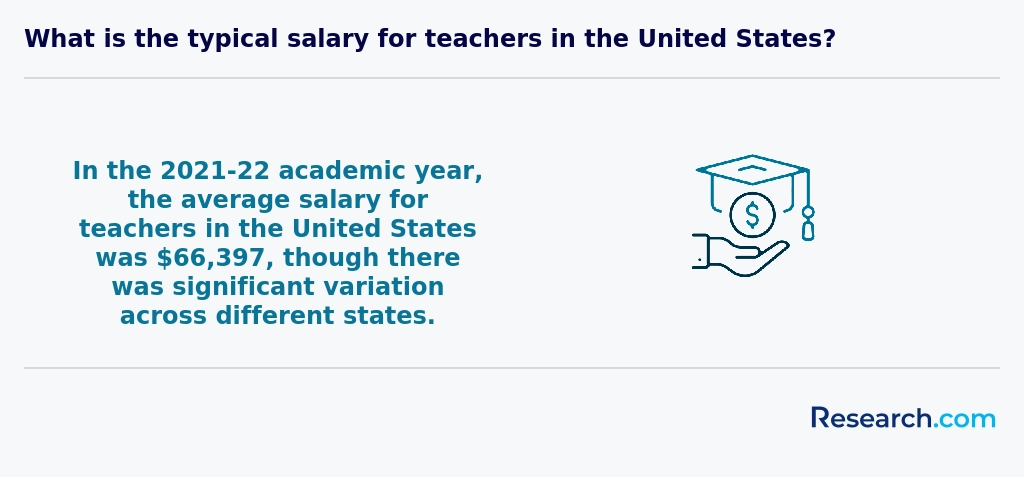
Graduates with an online special education degree in Colorado often find themselves stepping into roles that profoundly change lives. Special education teaching jobs in Colorado remain in high demand, especially for those ready to work directly with students facing diverse challenges-learning, emotional, or physical. Many graduates from institutions like the University of Colorado and Fort Lewis College share how their training enabled them to create inclusive classrooms that celebrate every student's potential.
Others discover rewarding careers as behavioral specialists or interventionists, roles that require creativity and empathy to design personalized behavior plans. This path reflects Colorado's progressive approach to education, where positive behavioral interventions reshape student experiences. Additionally, graduates often pursue careers as educational diagnosticians, using their skills to assess learning needs-some even work remotely, blending technology with care.
For prospective students pondering their next steps, exploring options via programs known for relevance and quality is vital. Those interested in understanding the full array of opportunities should consider programs highlighted on best master's degree special education online, which align well with Colorado's specific educational landscape. These career paths showcase the powerful intersections of passion, purpose, and professional growth in this vibrant state.
The job market for graduates holding an online special education degree in Colorado reflects a promising blend of steady regional demand and evolving educational priorities. Many graduates from popular Colorado institutions find themselves quickly absorbed into roles where they implement individualized learning plans, often in diverse settings ranging from urban districts experiencing teacher shortages to rural schools needing flexible expertise. This scenario aligns well with the broader online special education job outlook Colorado, where demand is fueled by the state's consistent rise in students requiring specialized support.
Graduates often share how their programs-available through well-regarded universities in Denver or Colorado Springs-prepare them for the nuanced realities of classrooms. They develop skills that go beyond theory, such as tailoring inclusive teaching methods that respond to federal mandates like IDEA. These personal journeys underscore the important roles of a special education teacher in nurturing student success, making the field emotionally rewarding and professionally viable.
Exploring special education career opportunities Colorado reveals competitive salaries averaging $60,000 to $65,000 and robust growth prospects. These factors challenge assumptions that online degrees might limit access to quality jobs or regional networks, demonstrating instead that flexible learning paths can open doors in a state balancing expansion with inclusivity.
2027 Most Valuable Online Master's in Special Education Degree Programs Ranking in Colorado
Investing in your education is a significant decision that can profoundly impact your future, and the Research.com team recognizes the importance of providing trustworthy guidance. To support prospective students interested in pursuing online master's degrees in special education in Colorado, we have carefully developed the "2027 Most Valuable Online Master's in Special Education Degree Programs Ranking in Colorado." Our dedication to quality, credibility, and accuracy is demonstrated through rigorous research and thorough analysis.
We utilized the following reputable data sources to ensure a comprehensive evaluation of programs:
By reviewing this ranking, readers will gain valuable insights into the highest quality online master's in special education programs in Colorado, helping them make well-informed decisions aligned with their career goals. For a detailed explanation of our ranking process, please visit our Research.com methodology page.

# 2 position
Colorado Christian University
Master of Special Education: Special Education Alternative Licensing

Frequently Asked Questions About special education
Students pursuing an online special education degree in Colorado can maximize their learning by actively engaging with course materials and participating in virtual discussions. Research from the Colorado Department of Education highlights that interactive learning improves retention for special education topics. Utilizing available technology, such as video conferencing and learning management systems, helps replicate classroom experiences and fosters peer collaboration. Connecting with local special education professionals through internships or virtual mentorships can provide practical insights and networking opportunities.
Additionally, students should stay informed about Colorado's educational policies and regulations, which directly affect special education practice. The Colorado Department of Education's website offers valuable resources that support student learning and career readiness. Time management and self-discipline are also essential when balancing coursework with personal responsibilities in an online environment.
The field of special education is evolving rapidly, especially within Colorado. Emerging niches include assistive technology integration, where educators focus on using devices and software to support students with disabilities. Another growing area is autism spectrum disorder (ASD) specialization, responding to increased diagnoses and a statewide push for tailored interventions. Transition planning services are also expanding, helping students prepare for post-secondary education and employment, which aligns with Colorado's increasing emphasis on inclusive workforce development.
Additionally, multi-tiered systems of support (MTSS) expertise is in demand to address diverse learning needs systematically. These niches reflect broader national trends but are particularly relevant in Colorado, where about 14% of public school students receive special education services, according to the Colorado Department of Education (2023).
Preparing for the job market after earning an online special education degree in Colorado involves several key steps. First, obtaining Colorado licensure is essential; this requires passing the Colorado Educator Licensing Assessments and completing a background check. According to the Colorado Department of Education, demand for special education teachers is expected to grow by 7% through 2028, reflecting steady job opportunities.
Networking with local school districts and professional associations, such as the Colorado Council for Exceptional Children, can increase job prospects. Additionally, gaining practical experience through student teaching or internships during your program strengthens your resume. Staying current on Colorado's education policies and special education laws also enhances your professional readiness.
Employers in Colorado highly value special education degree graduates who demonstrate strong communication skills. These professionals must effectively collaborate with students, families, and multidisciplinary teams to create individualized education plans.
Adaptability and patience are also essential due to the diverse needs of students with disabilities. Knowledge of state and federal laws, including the Individuals with Disabilities Education Act (IDEA), is critical for legal compliance and advocacy.
Data from the Colorado Department of Education highlights that proficiency in behavioral intervention strategies and assistive technology use also ranks among top employer priorities.
Overall, graduates who combine empathy with practical expertise are better positioned to succeed in Colorado's special education workforce.
Finding internships in Colorado relevant to a special education degree involves several strategic steps. Start by exploring partnerships between online programs and local school districts, as many Colorado universities collaborate with public and private schools to offer practical field experiences. The Colorado Department of Education provides resources and listings for special education placements, which can be a valuable tool for students. Additionally, contacting local nonprofits like Easterseals Colorado or the Colorado Special Olympics can lead to internship opportunities that enhance skills in diverse educational settings.
Utilizing online job portals focused on education internships, such as Handshake or Indeed, filtered by Colorado location and special education keywords, can reveal current openings. Networking with professors, Colorado-based education professionals, and local chapters of the Council for Exceptional Children often uncovers exclusive internship options not publicly advertised. Pursuing these avenues increases the likelihood of securing meaningful internships essential for certification and career growth in special education.
Obtaining an online special education degree in Colorado can significantly enhance career mobility and advancement opportunities. According to the Colorado Department of Education, demand for qualified special education teachers is growing, with job openings expected to increase by 8% through 2031.
Online degrees offer flexibility for working educators seeking advanced credentials or initial certification. This flexibility allows students to maintain current employment while improving their qualifications.
Graduates with a master's in special education often qualify for higher salaries and leadership roles, including instructional coaching or program coordination within school districts.
The Colorado School Personnel Administration Association notes that advanced degrees can be critical for career progression in special education administration and policy planning.
Studying for a special education degree in Colorado equips students with skills essential for interdisciplinary collaboration. Programs emphasize working alongside general educators, therapists, and healthcare professionals to create comprehensive support plans for students with diverse needs.
Colorado's online special education degrees often include coursework on communication strategies, behavior management, and inclusive teaching methods, all critical for effective teamwork.
According to Colorado Department of Education reports, nearly 14% of public school students receive special education services, highlighting the demand for professionals who can navigate complex educational environments.
This training prepares graduates to collaborate successfully in varied roles, ensuring holistic student development.
Choosing between a thesis and a non-thesis special education degree program in Colorado depends on your career goals and learning preferences. Thesis programs typically involve conducting original research, preparing you for roles in academia, research, or advanced professional positions. They often require strong writing and analytical skills.
Non-thesis programs focus more on practical knowledge and coursework, ideal for educators aiming to apply skills directly in the classroom or pursue teaching licensure. According to the Colorado Department of Education, special education roles are growing, emphasizing applied expertise.
Consider if you prefer research or practice, and review Colorado schools' program requirements to make an informed choice.
Students based in Colorado seeking to study special education abroad online have limited but notable options. Most U.S. institutions offering online master's degrees in special education accommodate distance learners, including international students. However, fully accredited programs located outside the U.S. can pose challenges regarding state licensure upon return. Colorado requires special education teachers to complete educator preparation programs approved by the Colorado Department of Education, which often prefers U.S.-accredited programs.
According to the Colorado Department of Education, approximately 8.5% of students receive special education services, emphasizing local demand for qualified teachers. Consequently, many prefer Colorado-based online programs to ensure compliance with state certification requirements. Nonetheless, international programs from recognized universities can broaden perspectives if aligned with Colorado's licensure standards.
Part-time job opportunities in Colorado that complement special education degree studies often involve direct support roles in educational settings. Positions such as teacher aides or paraprofessionals are common and provide practical experience working with students who have diverse learning needs. According to the Colorado Department of Education, these roles help build foundational skills in behavior management and individualized instruction.
Additionally, tutoring services focused on students with disabilities offer flexible work schedules that align well with online studies. Jobs in community centers or nonprofit organizations supporting children with autism or developmental delays also provide valuable exposure to intervention strategies used in special education.
These roles help students apply theoretical knowledge in real-world settings, enhancing their career readiness while pursuing their degrees.
Online special education students in Colorado benefit from several networking opportunities that connect them with professionals and peers. Many online programs encourage participation in local chapters of organizations such as the Council for Exceptional Children (CEC), which offers statewide and regional events. These platforms allow students to engage in webinars, workshops, and community forums tailored to special education.
Additionally, Colorado's Department of Education often hosts conferences and training sessions open to online learners, fostering direct connections with practitioners. Some universities also facilitate virtual networking events, mentorship programs, and internships in Colorado schools. According to the Colorado Department of Education, about 15% of teachers statewide specialize in special education, showing a vibrant professional community for newcomers to join.
Alumni networks offer significant advantages for students pursuing online special education degrees in Colorado. These networks connect current students with graduates who understand the local educational landscape and challenges. According to the Colorado Department of Education, nearly 15% of Colorado students receive special education services, highlighting the demand for skilled professionals.
Through alumni networks, students gain access to job leads, mentorship, and professional development opportunities tailored to Colorado's unique policies and community needs. Networking helps graduates find teaching placements and comply with state certification requirements more efficiently.
Additionally, alumni often organize events and workshops that foster continuous learning, which is crucial in a rapidly evolving field like special education.
Customizing an online special education degree program in Colorado allows students to align their studies with specific career goals. Many programs offer specialized tracks such as autism spectrum disorders, behavior intervention, or early childhood special education. This flexibility helps tailor coursework to meet individual interests and job market demands.
Colorado educators can also select electives focusing on assistive technology or inclusive classroom strategies, enhancing their practical skills. Additionally, some universities provide opportunities for practicum placements within local school districts, fostering real-world experience. According to the Colorado Department of Education, demand for special education teachers is expected to grow by 8% through 2028, emphasizing the value of targeted education.
Accredited programs often allow credit transfers from prior learning or professional experience, speeding up degree completion. Students can consult academic advisors to design a curriculum that supports certifications or leadership roles within special education.
Online special education students in Colorado often face challenges related to practical field experience requirements. Special education degrees typically require in-person internships or clinical hours, which can be difficult to schedule alongside online coursework. According to the Colorado Department of Education, students must complete specific practicum hours to meet state licensure standards.
Another issue is limited face-to-face interaction with instructors and peers, which can affect collaboration and support. Special education benefits from strong mentorship, and virtual formats can sometimes hinder this connection. Additionally, navigating state-specific regulations and certification pathways can be complex for online learners unfamiliar with Colorado's requirements.
Finally, balancing work, family, and study demands presents a significant hurdle for many online students pursuing special education degrees in Colorado.
An online special education degree in Colorado can open the door to various professional certifications. The most common credential is the Colorado Special Education Teaching License, which allows graduates to work with students with disabilities in public schools. This license requires completing a state-approved educator preparation program and passing specific exams such as the Praxis series.
Another certification option includes becoming a Board Certified Behavior Analyst (BCBA), especially valuable for working with students with behavioral challenges. This requires additional coursework and supervised fieldwork beyond the online degree.
Colorado also offers endorsements in areas like Early Childhood Special Education and Deaf/Hard of Hearing, which complement the base license. These certifications enhance your qualifications and job prospects in the field.
Applying to an online special education program in Colorado requires careful preparation to stand out. Begin by clearly articulating your commitment to supporting diverse learners, as Colorado's demand for qualified special educators grows due to rising enrollment in special education services, currently serving nearly 14% of public school students (Colorado Department of Education, 2023).
Highlight relevant experience, such as volunteering or working with children with disabilities. Showcase your understanding of Colorado's educational policies and inclusive teaching practices. Be sure to submit strong letters of recommendation that underscore your dedication and skills.
Finally, tailor your personal statement to emphasize how the online program aligns with your professional goals and the specific needs of Colorado's special education community.
Special education careers in the United States, including Colorado, are increasingly influenced by global approaches to inclusive education. Worldwide, there is a growing emphasis on integrating students with disabilities into mainstream classrooms, which shapes curriculum and teaching strategies in US degree programs.
According to the Colorado Department of Education, approximately 13% of students in public schools receive special education services, reflecting a need for well-trained professionals.
Internationally, collaboration on teaching techniques and legislative policies, such as the United Nations' Convention on the Rights of Persons with Disabilities, informs US standards and practices.
This global perspective encourages Colorado educators to adopt culturally responsive methods and evidence-based interventions, preparing graduates for diverse classrooms.
Students pursuing an online special education degree in Colorado can gain practical experience through carefully arranged fieldwork and internship opportunities. Colorado's teacher preparation programs typically require supervised practicum hours, allowing students to work directly with children with disabilities in local schools. These placements often align with the Colorado Department of Education's standards for special educators.
Many online programs partner with Colorado school districts to facilitate in-person experiences, which help students apply theory in real classroom settings. Additionally, some programs may guide students to complete practicum requirements within community centers or specialized clinics focused on disability services.
Data from the Colorado Department of Education highlights that hands-on training increases candidate readiness and improves special education outcomes statewide, helping students meet licensure standards effectively.
Choosing the right concentration within an online special education degree program in Colorado requires careful consideration of your career goals and the needs of the communities you wish to serve. Colorado offers diverse special education pathways, including autism spectrum disorder, learning disabilities, and behavioral disorders, allowing students to specialize based on their interests.
Understanding Colorado's student demographics is important; for example, about 14% of K-12 students receive special education services, highlighting a significant need for qualified educators (Colorado Department of Education, 2023). Researching concentrations that align with high-demand areas can improve job prospects.
Candidates should also evaluate program accreditation and available practical experiences, such as virtual internships, to ensure relevant, hands-on training.
- 2027 Most Valuable Online Master's in Special Education Degree Programs Ranking in Kansas
- 2027 Most Valuable Online Master's in Special Education Degree Programs Ranking in Arizona
- 2027 Most Valuable Online Master's in Special Education Degree Programs Ranking in Texas
- 2027 Most Valuable Online Master's in Special Education Degree Programs Ranking in Missouri
- 2027 Most Valuable Online Master's in Special Education Degree Programs Ranking in Minnesota
- 2027 Most Valuable Online Master's in Special Education Degree Programs Ranking in Kentucky
- 2027 Most Valuable Online Master's in Special Education Degree Programs Ranking in Georgia
- 2027 Most Valuable Online Master's in Special Education Degree Programs Ranking in Ohio
- 2027 Most Valuable Online Master's in Special Education Degree Programs Ranking in Virginia
- 2027 Most Valuable Online Master's in Special Education Degree Programs Ranking in Pennsylvania
- Know more about thesis vs non- thesis: what is the difference? https://studyfans.com/en/blogs/816
- Choose Your Path in Special Education Careers | OPTIMISE https://optimise.education/choose-your-special-education-path/
- 2025 Best Online Degrees in Special Education https://www.onlineu.com/degrees/special-education
- How to Pick Your Concentration for Your M.Ed. Degree | ACE Blog https://ace.edu/blog/how-to-pick-your-med-concentration/
- Inclusive, Thriving Learning for Students with Special Education Needs https://www.nextgenlearning.org/articles/inclusive-thriving-learning-environments-for-students-with-special-education-needs
- 10 Best Practices for Improving Special Education https://www.dmgroupk12.com/blog/10-best-practices-for-improving-special-education
- MA in Special Education https://western.edu/graduate/ma-special-education/
- Where can I find scholarships or financial aid for a learning disabled student? https://www.colorincolorado.org/faq/where-can-i-find-scholarships-or-financial-aid-learning-disabled-student
- Common Challenges in Special Education and How to Overcome Them | Susan Luger Associates https://slugerassociates.com/resources/common-challenges-in-special-education-and-how-to-overcome-them/
- Teaching Job Roles | Teach For Life https://www.teachforlife.com/teachingjobs/global-perspectives-teacher


