
2027 Most Valuable Online Master's in Special Education Degree Programs Ranking in Virginia

Co-Founder and Chief Data Scientist
Choosing the right special education master's program can feel overwhelming, especially when looking for options in Virginia. This article presents the 2027 Most Valuable Online Master's in Special Education Degree Programs Ranking in Virginia, carefully developed by the Research.com team of data scientists. It offers clear, data-driven insights to help you find programs that truly stand out.
By exploring this ranking, you'll gain valuable information that supports your journey toward a rewarding career in special education. Earning this degree opens doors to making a real difference in the lives of students who need it most.
Key benefits of getting online special education degree in Virginia
- Special education graduates in Virginia typically embark on rewarding careers where the average US salary ranges around $60,000 annually, reflecting positive financial prospects in this meaningful field.
- Graduates from Virginia universities often pursue diverse roles such as special education teachers, instructional coordinators, or education consultants, offering flexible and impactful career paths.
- Completing an online special education degree in Virginia offers the benefit of balancing studies with personal commitments while gaining the same respected credentials as traditional programs, enhancing accessibility and convenience.
- 2027 Most Valuable Online Master's in Special Education Degree Programs Ranking in Virginia
- What can I expect from online special education degree in Virginia?
- Where can I work with online special education degree in Virginia?
What can I expect from online special education degree in Virginia?
Online special education degree programs in Virginia typically cost between $10,000 and $30,000 for the entire course, depending on the institution and program length. For example, graduates from well-known Virginia universities often share how affordable tuition combined with flexible part-time schedules helped them balance work and family life. Many programs span 2-3 years with around 30 to 36 credit hours, so budgeting for tuition alongside other living expenses is crucial.
Students appreciate how local practicum placements reduce additional costs, allowing them to gain essential field experience close to home. Accreditation by the Council for the Accreditation of Educator Preparation (CAEP) at these universities ensures that tuition dollars go toward quality education recognized by Virginia's licensure boards.
The combination of reasonable tuition, rigorous coursework, and practical training makes pursing a special education degree in Virginia feel achievable and rewarding, especially when graduates reflect on the career doors it has opened in public schools and community agencies.
Where can I work with online special education degree in Virginia?
Graduates with an online special education degree in Virginia often find meaningful work in public schools, where the state's strong focus on inclusive education creates steady demand. Many alumni from Virginia Commonwealth University and George Mason University share how they successfully secured teaching roles serving diverse K-12 classrooms, tailoring instruction for students with disabilities such as autism or learning challenges.
Beyond public schools, opportunities exist in private schools and specialized centers that emphasize small class sizes and therapeutic approaches. Graduates frequently highlight the rewarding environment these settings offer, allowing them to implement adaptive techniques and make a direct impact on students' progress.
Some professionals leverage their expertise as educational consultants or work with nonprofits and state agencies like Virginia's Department of Behavioral Health, helping to design inclusive programs and improve accessibility. Those with advanced degrees often move into curriculum development or student transition planning roles, expanding their career pathways beyond the classroom.
Licensing through passing the Praxis Special Education exam and obtaining Virginia teaching credentials is key to unlocking these opportunities, making online programs combined with state licensure preparation a practical route for future educators.
Graduates with online special education degrees in Virginia typically earn around $63,000 annually, reflecting the state's average for teaching professionals. For example, graduates from well-known institutions like George Mason University or Virginia Commonwealth University report starting salaries near $54,000 in districts such as Fairfax County Public Schools. With experience and advanced degrees, their salaries can rise above $78,000, enabling a comfortable lifestyle in Virginia's suburban areas.
Those pursuing master's degrees online often move into roles like special education coordinators or program supervisors. These positions can offer salaries between $70,000 and $90,000 per year, providing both professional growth and financial stability. Many Virginia school districts reward advanced credentials with salary bonuses, which former students have found to be motivating in their career progression.
Graduates appreciate how the state enforces funding through IDEA, ensuring a constant demand for skilled educators. This reliability translates into job security as well as opportunities in diverse educational settings, including private schools and specialized intervention programs.
- Online special education degrees in Virginia require both coursework and field experience, including practicums or student teaching in local schools.
- The average cost for these master's programs ranges from $15,000 to $30,000, with public universities offering lower tuition for in-state students.
- Financial aid options include scholarships, state grants, and loan forgiveness programs for those teaching in high-need or special education positions.
- Job openings for special education teachers in Virginia are expected to grow by about 7% over the next decade.
- Starting salaries for new graduates range from $42,000 to $48,000 annually, increasing to $55,000-$70,000 with experience and certifications.
- Graduates must obtain a teaching license through the Board of Education, which requires passing exams and completing supervised teaching hours.
Online special education degrees in Virginia typically vary by level and enrollment status. For example, graduates from programs at popular schools like George Mason University often complete a bachelor's degree in about four years full-time, but those with prior credits may finish sooner through accelerated options.
Master's students at institutions such as James Madison University report completing their online programs within 18 to 24 months when studying full-time. Part-time options extend this to three years or more, offering flexibility for working professionals balancing careers and family life.
Doctoral candidates pursuing an EdD or PhD, commonly through schools like Virginia Commonwealth University, usually take four to six years, especially when enrolled part-time. Many find the research-focused nature rewarding, despite the longer timeline.
Factors like part-time study, transfer credits, and program intensity affect completion times. Graduates emphasize that selecting cohort-based or accelerated programs can significantly reduce duration while maintaining quality and licensure preparedness aligned with Virginia's requirements.
Online special education degrees in Virginia offer flexible scheduling, ideal for students balancing work or family. Graduates from programs like those at George Mason University appreciate accessing lectures and assignments anytime, which lets them study around their commitments. This flexibility is paired with lower overall costs, often between $15,000 and $30,000, since online students avoid housing and commuting expenses.
On-campus programs such as those at the University of Virginia provide direct interaction with faculty and hands-on experiences in local schools, vital for Virginia's licensure clinical requirements. Graduates mention the value of immediate feedback and networking opportunities, which help build professional relationships early.
Both paths require practical field experience, but on-campus students typically receive stronger placement support, while online students benefit from virtual simulations or local school partnerships arranged independently. Students living in rural Virginia especially find online programs accessible without needing to relocate, making advanced education more attainable.
The average cost of an online special education degree in Virginia varies depending on residency and the type of institution. For in-state students, tuition generally averages around $16,830, with many choosing public universities like Virginia Commonwealth University or Old Dominion University, where costs are reasonable and designed to support local learners. Graduates often share how the affordability combined with flexible online scheduling helped them balance work, family, and study commitments without excessive financial strain.
Out-of-state students can expect a slightly higher median tuition of about $17,850, reflecting additional fees; however, these students still find value in Virginia's robust education programs, which frequently include financial aid opportunities. The median total tuition tends to hover near $20,550, reflecting a balance between cost and the quality of resources offered by schools across the state.
Understanding the tuition and fees for Virginia online special education master's programs is crucial for managing expenses effectively. Many students supplement costs with scholarships or federal aid, mitigating the burden of licensing fees and technology costs associated with online study. This practical approach makes earning credentials more accessible.
For those exploring specific career paths after graduation, it's helpful to learn about options beyond tuition. For example, graduates often find encouraging pathways in roles detailed for a bachelor degree in special ed jobs, highlighting how investment in education pays off professionally and personally.

Students pursuing online special education degrees in Virginia can access a variety of financial aid options designed to make graduate education more affordable. Completing the FAFSA is the first crucial step, unlocking funds such as Pell Grants, Federal Supplemental Educational Opportunity Grants (FSEOG), and low-interest federal loans. Graduates from popular institutions like George Mason University have shared how early FAFSA submission helped them secure maximum aid, easing their financial stress.
State grants like the Virginia Tuition Assistance Grant (VTAG) and the Virginia Commonwealth Award further support students, especially those attending private colleges or public universities such as James Madison University. Many recipients praise how these grants made it possible to focus on studies without overwhelming debt.
Additionally, special education students benefit from teacher loan forgiveness programs offering up to $17,500 in aid after five years of teaching in high-need Virginia areas. Employers also occasionally provide tuition reimbursements, as reported by graduates balancing work and studies. Staying proactive by consulting program advisors and researching scholarships through Virginia's educational offices ensures access to the best financial support available.
To enroll in an online special education degree program in Virginia, you typically need a completed bachelor's degree from an accredited institution, often with a background in education or a related field. For example, graduates from well-known Virginia colleges found that having prior teaching experience-usually one to three years-made the transition into graduate studies smoother because they could connect theory with their classroom realities.
Many programs require official transcripts and letters of recommendation to verify academic and professional readiness. A strong personal essay detailing your passion for special education and career goals helps admissions committees understand your motivation, just as graduates from top Virginia universities often recall how this essay showcased their dedication.
While some programs ask for GRE scores, many have waived this requirement, especially valuing your practical teaching experience and GPA. In Virginia, aligning your preparation with state licensure standards is crucial. Graduates emphasize checking the Virginia Department of Education's rules and passing Praxis Special Education tests to ensure that their degree leads directly to teaching certification.
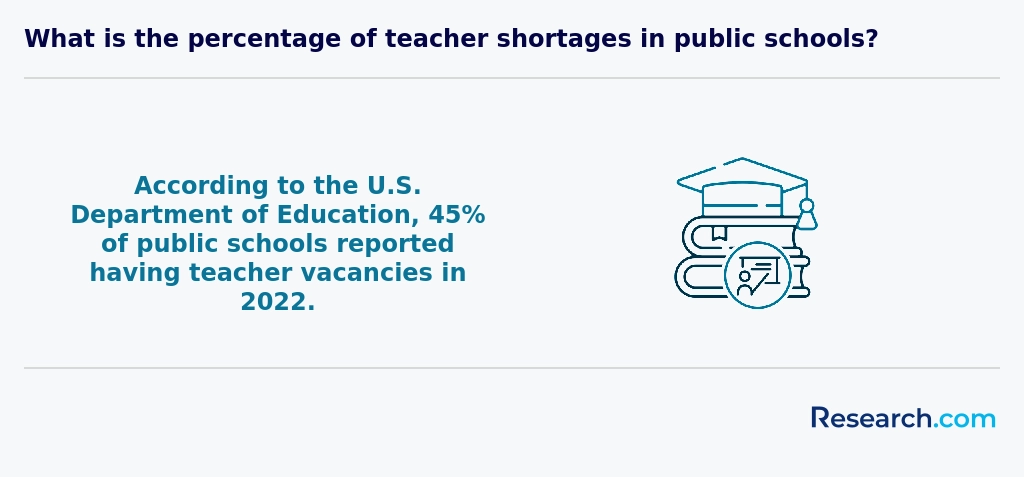
Online special education degree programs in Virginia commonly include courses that prepare you to handle diverse classroom challenges confidently. Graduates from institutions like James Madison University or George Mason University often highlight courses such as Foundations of Special Education and Disability Studies, which ground you in understanding disabilities like autism or learning disorders from day one. These foundational courses enable you to relate directly to students' unique needs.
Instructional Strategies for Diverse Learners and Behavioral Interventions equip you with practical, evidence-based tools to foster inclusive classrooms. Imagine applying these by adapting lesson plans or managing behavioral challenges effectively, skills graduates say boosted their confidence when stepping into Virginia's public schools.
Legal Issues and Advocacy courses clarify Virginia's education regulations, including compliance with IDEA, ensuring you're prepared for real-world policy navigation. Field experiences embedded in these programs provide hands-on practice in crafting Individualized Education Programs (IEPs), making the transition from theory to practice smoother and more rewarding.
Online special education degree specializations Virginia students choose often include focused areas such as Learning Disabilities, Autism Spectrum Disorder (ASD), Emotional and Behavioral Disorders (EBD), Early Childhood Special Education, and sensory impairments like Deaf and Hard of Hearing Education or Blindness and Visual Impairments. Graduates from universities like George Mason University or Old Dominion University frequently share how specializing in ASD enabled them to implement effective communication techniques and applied behavior analysis in real classrooms, enhancing student engagement and progress.
For those seeking Virginia online special education concentration options, specializing in Emotional and Behavioral Disorders equips educators to manage challenging behaviors compassionately, reflecting the growing need across Virginia school districts. Others appreciate Early Childhood Special Education for its hands-on approach to early intervention, vital for developmental milestones. Many students find that selecting a specialization aligning with personal passions leads to rewarding careers.
Prospective learners interested in accelerating their credentials can explore an accelerated online special education graduate certification as an effective way to deepen expertise and enter the field sooner.
When choosing the best online special education degree in Virginia, start by confirming the program's accreditation, ideally by CAEP or a recognized regional agency. Graduates from well-accredited universities in Virginia often highlight how this recognition streamlined their path to licensure and enhanced job prospects. Next, ensure the curriculum aligns precisely with Virginia's special education licensure requirements; this avoids extra coursework and delays. Many students appreciate programs from popular Virginia colleges that embed state-specific certification criteria, making their transition into schools smooth.
Cost is another critical factor. For those seeking affordable special education master's programs Virginia offers options charging between $400 and $700 per credit hour, often with in-state tuition for online learners. Flexible schedules with asynchronous classes help working professionals balance study and life commitments. Graduates frequently praise this flexibility, which allowed them to maintain full-time jobs while earning their degree. Make sure the program includes practical field experiences, which are vital to gaining real-world skills in adapting instruction for diverse learners.
Look for strong student support services and check graduation and employment rates for insight into program success. Exploring master degree in special education online programs recognized statewide can also guide your choice effectively.
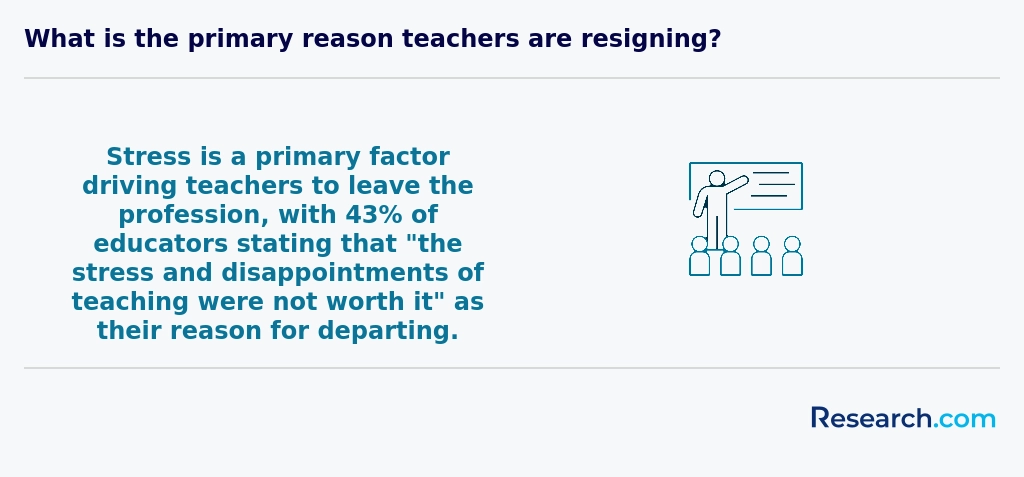
Graduates with an online special education degree in Virginia find diverse career paths tailored to meeting the needs of students with disabilities. Many become special education teachers in public or private K-12 schools across Virginia, where demand remains high due to statewide shortages. These educators adapt lessons daily and embrace challenges, helping students thrive-a rewarding experience shared by several graduates from well-known Virginia universities.
Beyond teaching, some pursue roles as Board Certified Behavior Analysts or educational diagnosticians, focusing on behavioral assessments and tailored interventions. These positions often come with starting salaries above $60,000 and are well-suited for those passionate about making impactful changes in students' lives. For those interested in leadership, managing special education programs within school districts offers opportunities to oversee compliance with the Individuals with Disabilities Education Act (IDEA) and improve services.
Graduates from Virginia colleges also report success transitioning into higher education or research roles, advancing special education policy and teacher preparation. Those exploring special education career opportunities Virginia-wide benefit from programs that support doctoral studies and certifications.
To explore specific roles in detail, consider reviewing the special education duties and responsibilities associated with these positions to match your career goals effectively.
The job market for an online special education degree in Virginia remains strong, driven by ongoing demand in public schools and specialized programs. Graduates from popular institutions like Virginia Commonwealth University and George Mason University report smooth transitions into roles as special education teachers and behavior interventionists, citing Virginia's inclusive education initiatives as a motivating factor. These programs balance rigorous coursework with practical experience, enabling graduates to confidently address diverse student needs.
Salary prospects are encouraging, with median annual earnings around $57,000, matching national averages. Graduates find that pursuing advanced online degrees not only improves job security but also opens pathways to leadership and specialized instructional roles within Virginia's education system. Financial aid and state scholarships further support students managing tuition costs.
For those exploring options, consulting a comprehensive education specialist degree guide helps clarify career trajectories and program benefits. By focusing on flexible, quality education, candidates enhance their employment prospects in special education career opportunities Virginia offers.
2027 Most Valuable Online Master's in Special Education Degree Programs Ranking in Virginia
Investing in your education is a significant decision that can shape your future, and the Research.com team understands the importance of making informed choices. To assist prospective students in Virginia, we have meticulously developed the "2027 Most Valuable Online Master's in Special Education Degree Programs Ranking in Virginia." Our commitment to quality, credibility, and accuracy is demonstrated through thorough research and careful analysis.
We utilized the following reputable data sources to ensure a comprehensive evaluation of Special Education master's programs:
By exploring this ranking, readers will gain valuable insights into the most valuable online Special Education master's programs available in Virginia, helping them make informed decisions about their educational investments. For more information on how this ranking was created, please visit our Research.com methodology page.


# 5 position
Mary Baldwin University
Master of Education

Frequently Asked Questions About special education
Online special education degree students in Virginia can maximize their learning experience by actively engaging with course materials and participating in virtual discussions. Research indicates that students who frequently communicate with instructors and peers perform better academically. Utilizing Virginia's extensive online library resources, such as those provided by the Library of Virginia, can deepen understanding of special education theories and practices. Additionally, students should seek out practicum opportunities approved by Virginia Department of Education to gain hands-on experience. Staying informed about Virginia's special education laws, including the Individuals with Disabilities Education Act (IDEA) as implemented locally, will also enhance practical knowledge and career readiness.
Emerging niches within the special education field reflect growing needs in Virginia and nationwide. One key area is the integration of technology to support students with disabilities. Assistive technology specialists are in demand to implement tools that enhance learning and communication.
Another growing niche involves autism spectrum disorder (ASD), as rates have increased in recent years. Specialists trained in evidence-based interventions, such as Applied Behavior Analysis (ABA), are essential. According to the Virginia Department of Education, about 11% of special education students statewide receive services for ASD.
Additionally, there is rising focus on inclusive education models and trauma-informed practices for students with complex emotional and behavioral challenges. These developments encourage specialized training in mental health supports within schools.
Finally, transition planning for students with disabilities moving into adulthood remains an important specialty, as Virginia law emphasizes preparing learners for employment and independent living.
After earning an online special education degree in Virginia, graduates should focus on obtaining state licensure, which is mandatory for teaching in public schools. The Virginia Department of Education requires candidates to pass the Praxis exams specific to special education. Networking with local school districts and attending job fairs can enhance employment opportunities. According to the Virginia Department of Education, there is steady demand for special education teachers, fueled by rising student enrollment in special education programs. Building a portfolio of field experience through internships or practicum hours during the degree can give candidates a competitive edge in the job market.
Employers in Virginia highly value special education degree graduates who demonstrate strong skills in individualized instruction. According to the Virginia Department of Education, the ability to tailor teaching methods to diverse learning needs is essential.
Effective communication skills are also critical, enabling educators to collaborate with families, teachers, and support staff. Graduates must convey complex information clearly and compassionately.
Behavior management is another key skill, as teachers need to support students with emotional and behavioral challenges. Research shows that Virginia schools prioritize professionals skilled in positive behavior interventions.
Technological proficiency is increasingly important for engaging students through digital tools, a trend accelerated by recent shifts to online learning.
Finding internships in Virginia relevant to a special education degree involves leveraging both educational institutions and community resources. Many Virginia universities with online programs partner with local public school districts, offering structured internship placements that fulfill licensure requirements. The Virginia Department of Education (VDOE) supports internship pathways by connecting students with approved Special Education Cooperative programs statewide.
Students can also explore opportunities through organizations like the Virginia Supportive Employment Network or local disability advocacy groups. According to VDOE data, school districts in Northern Virginia and Richmond frequently offer internships due to their higher populations of students with special needs. Networking with school psychologists, special education teachers, and university career centers remains vital in securing internships that provide hands-on experience in classroom management and individualized education plan (IEP) development.
Obtaining an online special education degree in Virginia can significantly enhance career mobility and advancement opportunities. The state actively seeks qualified special education professionals to meet growing demand, with the Virginia Department of Education reporting a 12% projected job growth in this field through 2030. Graduates holding relevant degrees are often eligible for teacher licensure endorsement, a critical step for career advancement in Virginia's public schools.
Online degrees provide flexibility, allowing educators to continue working while upgrading credentials. This can lead to higher salaries and more leadership roles, such as special education coordinators or program developers. According to the U.S. Bureau of Labor Statistics, Virginia's special education teachers earn a median annual wage above the national average, partly reflecting credential requirements. Earning an online degree thus supports both professional growth and financial benefits within Virginia's education system.
Studying for a special education degree in Virginia equips students with skills crucial for interdisciplinary roles in schools and related settings. Virginia's online programs emphasize collaboration between special educators, general educators, therapists, and counselors. This team-based approach ensures students understand how to contribute effectively to Individualized Education Program (IEP) teams.
Courses often cover behavioral analysis, communication strategies, and legal requirements specific to Virginia, such as compliance with the Individuals with Disabilities Education Act (IDEA). According to the Virginia Department of Education, nearly 15% of public school students receive special education services, highlighting a strong demand for professionals who can navigate multidisciplinary environments.
Graduates are trained to work with diverse professionals, enhancing their ability to support students' academic and social-emotional development collaboratively. This training prepares them for roles beyond teaching, including advocacy, consulting, and program coordination within Virginia's education system.
When choosing between a thesis and a non-thesis special education degree program in Virginia, students should consider their career goals and learning preferences. Thesis programs typically require conducting original research and writing a detailed paper, which suits those interested in advanced study or doctoral programs. Non-thesis options usually involve more coursework and practical application, ideal for professionals focused on classroom teaching or administrative roles.
Virginia's Department of Education emphasizes research-based practices, so thesis work may enhance understanding of educational strategies. According to the National Center for Education Statistics, about 15% of graduate students in Virginia choose thesis tracks, reflecting their interest in academia or specialized roles.
It is also useful to review program details and faculty expertise when deciding. Online formats in Virginia often provide flexibility regardless of choice.
Students in Virginia looking to study special education abroad through online programs have limited direct options due to accreditation and licensing requirements specific to the United States. Most online degrees accepted by Virginia's Department of Education come from regionally accredited U.S. institutions. However, some universities abroad partner with American accrediting bodies to offer programs accessible remotely to Virginia residents.
While international programs may provide valuable perspectives, Virginia educators must ensure any foreign degree aligns with Virginia's licensure standards. The Virginia Department of Education requires in-state or nationally recognized accreditation for teacher certification, which can be a barrier to foreign credentials.
Virginia currently supports over 10,000 special education teachers, highlighting steady demand for qualified professionals familiar with state-specific regulations. Those wishing to study abroad might consider hybrid programs involving international coursework combined with accredited U.S. credentials to comply with these policies.
Part-time job opportunities in Virginia that complement a special education degree typically include roles such as teacher aides, tutoring assistants, and behavioral technicians. These positions allow students to gain practical experience working with children who have diverse learning needs. According to the Virginia Department of Education, teacher aide jobs often require a background in special education, making them suitable for those pursuing this degree.
Tutoring services, especially those focusing on literacy and developmental skills, are in demand throughout Virginia's public and private sectors. Additionally, behavioral technician roles support students with autism spectrum disorders, aligning well with special education training.
Many of these part-time jobs can be found in school districts across Virginia or through local community organizations, providing flexible schedules that accommodate class commitments.
Online special education students in Virginia have access to a variety of networking opportunities despite studying remotely. Many accredited Virginia universities offer virtual events, webinars, and discussion forums dedicated to special education, allowing students to connect with peers and faculty. Organizations like the Virginia Council for Exceptional Children provide professional development and networking tailored to special educators in the state.
Additionally, students can engage with local school districts through virtual internships or practicum placements, which often include mentorship and collaboration with experienced educators. According to the Virginia Department of Education, the demand for special education teachers is expected to grow by 5% through 2028, making networking crucial for job placement.
Alumni networks offer significant benefits to students pursuing online special education degrees in Virginia. These networks provide access to experienced professionals who understand the state's unique educational and legal frameworks. Connecting with alumni can help students gain insights into Virginia's compliance with the Individuals with Disabilities Education Act (IDEA) and state-specific special education policies.
Virginia is home to over 100,000 students receiving special education services, according to the Virginia Department of Education (VDOE). Alumni networks often share local job openings, internships, and professional development opportunities tailored to this demand.
Furthermore, alumni connections foster mentorship, collaboration, and a sense of community, which is crucial for online learners who might lack on-campus interaction.
Customizing an online special education degree program in Virginia allows students to align their studies with specific career goals. Many Virginia universities offer concentrations or elective courses in areas such as autism spectrum disorders, early childhood special education, or behavior intervention. These options enable students to deepen expertise in their chosen field.
Students can also often select internships or practicum experiences in local Virginia school districts, providing practical, hands-on skills relevant to their career plans. Additionally, working with academic advisors helps tailor course schedules to accommodate part-time work or professional commitments.
According to the Virginia Department of Education, areas like autism support show growing demand, so choosing focused electives can increase job market competitiveness.
Online special education students in Virginia often face challenges related to access and engagement. Many report difficulties in managing coursework while balancing work and family responsibilities, especially since special education programs require both theoretical learning and practical application. Virginia's geographic diversity means internet connectivity can be inconsistent, impacting video lectures and live sessions. Additionally, students may encounter limited opportunities for hands-on experience, which is crucial for mastering special education techniques.
Retention rates for online education are generally lower than for in-person formats, partly due to feelings of isolation. According to the Virginia Department of Education, effective practicum placements can also be difficult to secure remotely, posing an obstacle for licensure preparation.
With an online special education degree in Virginia, graduates can pursue professional certifications to enhance their teaching credentials. The most common certification is the Virginia Special Education License, which qualifies educators to teach students with disabilities from preschool through grade 12.
Additionally, teachers can seek the National Board Certification in Special Education, a respected credential that can boost career opportunities and salary potential. According to the Virginia Department of Education, about 15% of all licensed teachers hold specialized endorsements in areas such as autism or emotional disturbance.
Other certifications include endorsements in Applied Behavior Analysis (ABA) and involvement in continuing education tailored to special education laws and instructional strategies.
Writing a winning application for an online special education program in Virginia begins with understanding the state's educational priorities. Highlight your commitment to supporting diverse learners, a key focus in Virginia where roughly 15% of students receive special education services (Virginia Department of Education, 2023). Emphasize relevant experience, whether in classrooms, volunteer work, or related jobs.
Clearly explain your goals for obtaining the degree and how it aligns with Virginia's standards for special education professionals. Detail any coursework or certifications you've completed, such as those aligned with the Individuals with Disabilities Education Act (IDEA).
Strong letters of recommendation from educators or supervisors familiar with your skills are crucial. Lastly, proofread carefully to present a polished, professional application that reflects your dedication and readiness.
Globally, special education careers are increasingly valued as awareness of diverse learning needs grows. In the United States, including Virginia, demand for qualified special education teachers continues to rise due to legal mandates like the Individuals with Disabilities Education Act (IDEA).
Internationally, approaches vary, but the U.S. system is often seen as a model for inclusive education and specialized training. According to the Virginia Department of Education, nearly 14% of students in the state receive special education services, emphasizing the need for trained professionals.
This global emphasis on accessibility creates opportunities for graduates holding online special education degrees in Virginia, equipping them with skills recognized both nationally and abroad.
Students pursuing an online special education degree in Virginia can gain practical experience through local school partnerships and clinical placements. Many Virginia universities collaborate with public schools to offer practicum and student teaching opportunities required for Virginia teacher licensure.
These field experiences allow candidates to work directly with students with disabilities under supervision, applying theoretical knowledge in real classrooms. According to the Virginia Department of Education, hands-on training is essential for understanding Individualized Education Program (IEP) implementation and behavioral interventions.
Additionally, some programs may support virtual internships or remote observation to accommodate online learners. Seeking guidance from program advisors helps ensure that practical requirements meet Virginia licensure regulations.
Choosing the right concentration within an online special education degree in Virginia involves understanding your career goals and the specific needs of the state's student population. Virginia's Department of Education highlights the importance of specialized training for disabilities such as autism spectrum disorders, emotional disabilities, and learning disabilities, all of which are common focus areas in degree programs.
Look for concentrations that align with licensure requirements in Virginia, which often include early childhood, elementary, or secondary special education. According to the Virginia Department of Education, special education teachers need targeted knowledge to support about 15% of public school students identified with disabilities.
Additionally, consider whether a program's concentration prepares you for specific roles, such as behavior intervention specialist or inclusion coordinator. Aligning your choice with Virginia's local workforce demands, as reported by the Bureau of Labor Statistics, can enhance job prospects.
- 2027 Most Valuable Online Master's in Special Education Degree Programs Ranking in Kentucky
- 2027 Most Valuable Online Master's in Special Education Degree Programs Ranking in Pennsylvania
- 2027 Most Valuable Online Master's in Special Education Degree Programs Ranking in Ohio
- 2027 Most Valuable Online Master's in Special Education Degree Programs Ranking in Georgia
- 2027 Most Valuable Online Master's in Special Education Degree Programs Ranking in New York
- 2027 Most Valuable Online Master's in Special Education Degree Programs Ranking in Massachusetts
- 2027 Most Valuable Online Master's in Special Education Degree Programs Ranking in Missouri
- 2027 Most Valuable Online Master's in Special Education Degree Programs Ranking in Maine
- 2027 Most Valuable Online Master's in Special Education Degree Programs Ranking in Minnesota
- 2027 Most Valuable Online Master's in Special Education Degree Programs Ranking in Kansas
- Choose Your Path in Special Education Careers | OPTIMISE https://optimise.education/choose-your-special-education-path/
- Making a Difference: Service Learning in Special Education https://www.hetl.org/making-a-difference-service-learning-in-special-education/
- Science & Social Studies https://vafamilysped.org/social-studies
- How to Prepare for Careers in Special Education | Eastern CT State https://www.easternct.edu/graduate-division/online/articles/how-to-prepare-for-careers-in-special-education/
- Discover more about Special Education and where to study it abroad https://www.hotcoursesabroad.com/subject/special-education/
- Navigating the Top 5 Special Education Challenges - TeachTown https://web.teachtown.com/blog/special-education-challenges/
- 22 Great Special Needs Groups on LinkedIn https://www.friendshipcircle.org/blog/2014/02/19/22-linkedin-groups-dedicated-to-special-needs
- Program Details https://www.eastern.edu/academics/undergraduate-programs/special-education-pk-12-certification-online
- The Challenges of Special Education for Parents and Students: A Literature Review By Reshma Mulchan - https://www.naset.com/publications/the-practical-teacher/the-challenges-of-special-education-for-parents-and-students-a-literature-review-by-reshma-mulchan/
- Organizations for Special Education Teachers https://teach.com/resources/special-education-organizations/



