2027 Special Education Degree Job Posting Analysis: Skills, Credentials, and Experience Employers Request Most Often

Co-Founder and Chief Data Scientist
Special education candidates face a practical question: which qualifications actually matter when employers screen applications? The need is substantial; the latest NCES reporting shows about 7.5 million U. S. public school students, or 15% of enrollment, receive services under IDEA.
This guide is for students, career changers, aides, and licensed teachers comparing special education paths. You will learn which industries hire, which job titles appear often, and how to prioritize skills, credentials, certifications, and experience before applying.
Key Things You Should Know
- Special education hiring is driven most heavily by K-12 schools, state licensure rules, IEP compliance, behavioral support needs, and the continued service needs of roughly 7.5 million IDEA-served students in U.S. public schools.
- The strongest job-posting signals are not just "degree required"; employers repeatedly look for IEP development, differentiated instruction, behavior management, assessment literacy, documentation accuracy, family communication, and collaboration with multidisciplinary teams.
- BLS reported a May 2024 median annual wage of $64,270 for special education teachers, but compensation and qualifications vary widely by state, district, grade level, licensure area, union contract, and whether the job is school-based, clinical, nonprofit, or private.
- Which Industries Have the Highest Demand for Special Education Graduates?
- Which Job Titles Appear Most Frequently in Special Education Degree Job Postings?
Which Industries Have the Highest Demand for Special Education Graduates?
Special education graduates are most often hired by employers that serve students with disabilities in structured learning, therapy, behavioral, or transition settings. Public school districts usually create the largest and most visible demand, but job postings also appear across charter schools, private schools, early intervention providers, behavioral health organizations, government agencies, and education support companies.
The table below summarizes where demand tends to be strongest and what each employer type usually emphasizes. Use it to decide whether your résumé should highlight classroom licensure, behavioral support, case management, family services, or transition planning.
| Industry or employer type | Common hiring focus | Qualifications employers often emphasize | Best fit for candidates who want |
| Public K-12 school districts | Resource rooms, inclusion classrooms, self-contained classrooms, and related IEP services | State special education teacher license, bachelor's degree, IEP experience, classroom management | A traditional teaching career with public-sector benefits and a clear licensure pathway |
| Charter and private schools | Special education compliance, intervention, small-group instruction, and student support services | Teaching credential, documentation skills, parent communication, flexibility across roles | A school-based role that may involve smaller teams or broader responsibilities |
| Early intervention and preschool providers | Developmental support for young children with delays or disabilities | Early childhood special education training, family coaching, developmental assessment familiarity | Work with younger learners and families before elementary school |
| Behavioral health and autism service providers | Skill-building, behavior intervention, autism support, and coordination with therapists | Behavior plans, data collection, de-escalation, ABA exposure or RBT certification when relevant | A more clinical or behavioral support environment outside a standard classroom |
| Government, nonprofit, and community agencies | Disability services, transition planning, vocational support, and case coordination | Knowledge of disability law, service coordination, documentation, advocacy, community resources | Program coordination or student-to-adult transition work |
| Education technology and support services | Instructional tools, accessibility, curriculum adaptation, tutoring, and compliance support | Assistive technology, curriculum design, accessibility, data systems, training skills | A non-classroom education role with technology or instructional design responsibilities |
One important decision point is whether you want a licensed teaching position or a disability-support role that uses special education knowledge without making you the teacher of record. Unlike tightly sequenced healthcare programs such as online pharmacy programs, special education pathways vary significantly by state, licensure category, and employer setting, so you should check local requirements before choosing coursework or certifications.
A common mistake is assuming every "special education" posting is a classroom teacher job. Some postings are for paraprofessionals, behavior technicians, transition specialists, coordinators, or interventionists, and each role weighs credentials differently.
Which Job Titles Appear Most Frequently in Special Education Degree Job Postings?
Special education job postings use different titles for similar work, which can make searching confusing. A candidate who only searches for "special education teacher" may miss openings listed under intervention, exceptional student education, learning support, inclusion, or behavior support.
The table below groups common job titles by role type and explains what employers are usually asking the person to do. This matters because the same degree can lead to different day-to-day responsibilities.
| Common job title | Typical responsibilities | Credentials usually expected | Competitiveness signals |
| Special Education Teacher | Plan instruction, write and implement IEPs, manage classroom routines, track progress | Bachelor's degree and state special education license | Student teaching, IEP software experience, strong behavior management |
| Resource Teacher or Learning Support Teacher | Provide targeted academic support, coordinate accommodations, collaborate with general education teachers | Special education license, often grade-band specific | Intervention experience, assessment data use, co-teaching skills |
| Inclusion Teacher or Co-Teacher | Support students with disabilities in general education classrooms | Special education credential and collaboration skills | Universal Design for Learning, differentiation, communication with multiple teachers |
| Autism Support Teacher | Teach students with autism, develop routines, support communication and sensory needs | Special education license; autism endorsement may be preferred | ABA-informed strategies, visual supports, de-escalation, family communication |
| Behavior Intervention Specialist | Support behavior plans, collect data, coach staff, respond to challenging behavior | Varies; degree plus behavior experience, BCBA or RBT may be preferred depending on level | Functional behavior assessment exposure, crisis prevention training, data documentation |
| Special Education Coordinator or Case Manager | Oversee IEP timelines, compliance, service coordination, and family meetings | Teaching license plus experience; master's degree often preferred | Compliance knowledge, leadership, strong writing, meeting facilitation |
| Paraprofessional or Instructional Aide | Assist students and teachers, provide one-on-one support, help with classroom routines | High school diploma or associate-level requirements depending on district rules | Experience with disabilities, patience, reliability, behavior support training |
The BLS May 2024 median wage of $64,270 for special education teachers is a useful national benchmark, but it should not be treated as a personal salary prediction. Teacher pay is usually shaped by state funding, district salary schedules, degree level, years of experience, endorsements, and contract rules.
If you are early in your search, compare job titles by responsibility rather than title alone. A "case manager" in one district may teach classes, while a "special education coordinator" in another setting may focus mostly on compliance and meetings.
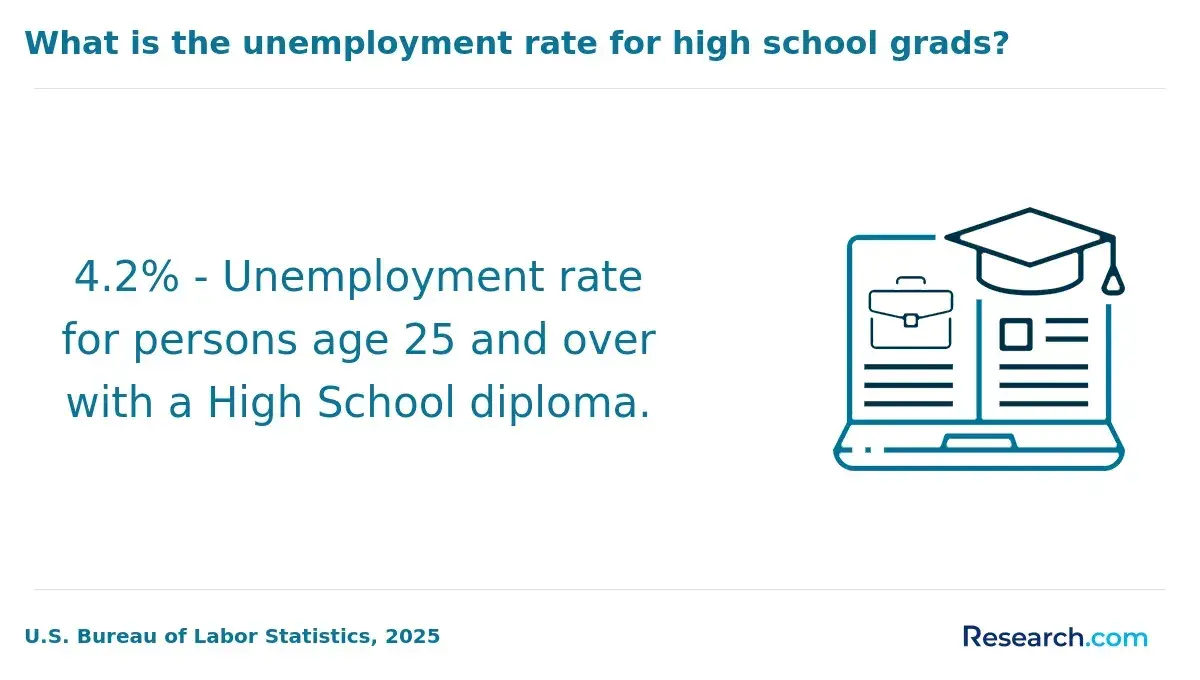
Employers rarely look for one isolated skill. The strongest candidates show a blend of instructional skill, legal and documentation knowledge, behavioral support, collaboration, and student-centered communication.
The table below organizes the skills that appear most often in special education postings into practical categories. It can help you decide what to highlight on a résumé, what to practice during fieldwork, and which course projects are worth saving for a portfolio.
| Skill category | Frequently requested skills | Why employers value it | How to show evidence |
| IEP and compliance skills | IEP writing, progress monitoring, accommodations, annual reviews, documentation | Schools must meet legal timelines and provide appropriate services | Mention supervised IEP participation, case notes, compliance training, or mock IEP artifacts |
| Instructional skills | Differentiated instruction, lesson planning, intervention, curriculum adaptation, UDL | Students often need individualized access to grade-level content | Use examples of adapted lessons, intervention plans, and assessment-based instruction |
| Behavior and classroom support | Positive behavior supports, de-escalation, behavior plans, reinforcement, crisis prevention | Employers need staff who can maintain safe, predictable learning environments | Describe behavior data collection, prevention strategies, or training such as CPI when applicable |
| Assessment and data use | Progress monitoring, formative assessment, reading and math intervention data, goal tracking | IEP decisions and instruction should be based on evidence of student progress | Include tools used, student growth examples, or data-driven intervention adjustments |
| Collaboration | Co-teaching, team meetings, family communication, work with therapists and counselors | Special education services depend on coordinated support across professionals | Show examples of team planning, parent updates, or multidisciplinary collaboration |
| Technology and accessibility | Assistive technology, learning management systems, text-to-speech, AAC awareness, IEP platforms | Technology can remove barriers and improve documentation accuracy | Name tools used and explain how they supported learning, access, or compliance |
Technical skills help you pass screening, but soft skills often determine whether you can sustain the work. Patience, communication, cultural responsiveness, calm decision-making, and ethical judgment are especially important because special education teachers work with students, families, administrators, paraprofessionals, therapists, and general education teachers.
When prioritizing skill development, focus first on skills tied to legal responsibility and daily student support. In most teaching roles, IEP execution, differentiated instruction, behavior support, and progress monitoring should come before niche tools that only some districts use.
Experience requirements vary by job level. Entry-level teacher postings may accept student teaching, supervised practicum hours, substitute teaching, paraprofessional work, tutoring, or camp experience with students with disabilities. More advanced postings usually ask for several years of classroom experience, IEP case management, leadership, or specialization in a disability category.
The table below shows how experience expectations tend to change as roles become more specialized or senior. Use it to avoid applying only to jobs that are either too junior or too advanced for your current profile.
| Career stage | Typical posting language | Experience that helps | Best next move |
| Pre-licensure student | Intern, aide, practicum student, substitute, tutor | Field observations, volunteer work, youth programs, paraprofessional support | Build direct student-contact hours and ask supervisors for specific feedback |
| Entry-level licensed teacher | New graduates welcome, initial license accepted, student teaching required | Student teaching, IEP meeting exposure, lesson adaptation, classroom routines | Prepare a résumé that translates practicum work into job-ready evidence |
| Early-career teacher | One to three years preferred, caseload experience, behavior support experience | Progress monitoring, family communication, co-teaching, data-based intervention | Develop a portfolio of IEP-related, instructional, and collaboration examples |
| Experienced teacher or specialist | Multiple years required, leadership preferred, specialized population experience | Autism support, severe disabilities, transition planning, mentor teacher duties | Add endorsements or graduate coursework only when tied to your target roles |
| Coordinator or administrator-track role | Compliance experience, team leadership, program oversight | IEP auditing, staff coaching, meeting facilitation, cross-department coordination | Strengthen leadership evidence and understand district-level compliance systems |
Education and experience are not substitutes in every case. A degree and license may make you eligible, but direct experience often shows that you can manage the pace, emotional demands, documentation, and collaboration required in real classrooms.
If you need a faster entry point into helping professions, paraprofessional, substitute, and behavior technician roles can build relevant experience while you complete licensure. By contrast, a clinical route such as an LPN 6 month program serves a different goal: rapid preparation for nursing support roles rather than teacher licensure.
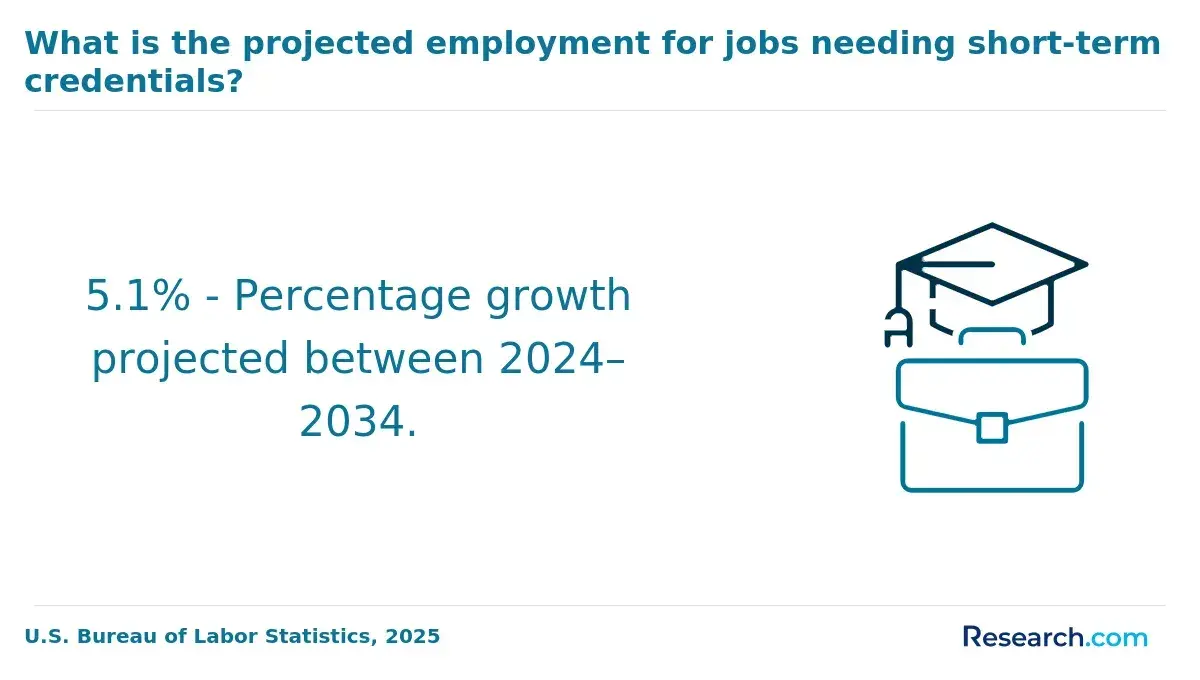
Certifications can strengthen an application when they match the job's setting and student population. They are less useful when they are disconnected from the roles you plan to pursue or when they do not satisfy state licensure requirements.
The table below identifies certifications and training areas that commonly strengthen special education applications. Treat them as targeted add-ons, not replacements for required licensure.
| Certification or training | Most relevant roles | How employers may view it | When it is worth prioritizing |
| State special education teacher certification | Teacher of record in public schools | Core eligibility requirement | Prioritize first if your goal is licensed K-12 teaching |
| Autism endorsement or autism-focused training | Autism support classrooms, inclusion, behavioral programs | Strong role-specific differentiator | Worthwhile when local postings repeatedly mention autism experience |
| Registered Behavior Technician | Behavioral health, autism services, classroom support roles | Useful evidence of ABA-informed practice | Best for candidates targeting behavior technician or autism service settings |
| Crisis Prevention Institute or similar de-escalation training | Self-contained classrooms, behavior programs, residential or therapeutic schools | Evidence of safety-focused training | Useful when postings mention crisis intervention, de-escalation, or challenging behavior |
| Reading intervention certification | Resource rooms, interventionist roles, elementary special education | Evidence of academic intervention skill | Strong if you want literacy-heavy special education roles |
| Assistive technology training | Inclusion, accessibility, severe disabilities, communication support | Technology and access differentiator | Useful when roles mention AAC, accessibility tools, or adaptive software |
The best certification strategy is local and role-specific. Review several postings in your target district or employer type, list repeated certification names, and prioritize the one that appears in roles you would actually accept.
A common mistake is collecting credentials without a hiring strategy. Employers usually care more about whether a certification helps you serve their students safely, legally, and effectively than whether your résumé contains a long list of unrelated badges.
Employer expectations differ because special education work changes by age group, disability category, service model, and legal responsibility. A high school transition role may value vocational planning, while an elementary resource role may prioritize reading intervention and progress monitoring.
The table below compares common hiring differences by setting. It helps you tailor your application instead of sending the same résumé to every special education posting.
| Setting | What employers tend to stress | Skills to emphasize | Credentials that may stand out |
| Elementary resource or inclusion | Reading, math intervention, routines, family communication | Differentiated instruction, assessment, phonics or numeracy intervention | Elementary special education license, reading intervention training |
| Middle school or high school special education | Content access, executive functioning, transition planning, behavior support | Co-teaching, accommodations, self-advocacy instruction, collaboration | Secondary endorsement, transition-related coursework |
| Self-contained classroom | Intensive support, behavior plans, life skills, safety, paraprofessional coordination | De-escalation, structured routines, data collection, team leadership | Moderate/severe disability endorsement, crisis prevention training |
| Early childhood special education | Developmental assessment, play-based intervention, family coaching | Developmental milestones, communication support, parent collaboration | Early childhood special education credential |
| Therapeutic or residential school | Behavioral needs, trauma-informed practice, coordination with clinicians | Behavior intervention, documentation, emotional regulation support | Crisis training, behavior-related certification, relevant clinical exposure |
| District-level or coordinator role | Compliance, program quality, staff support, IEP timelines | Leadership, case management, meeting facilitation, policy knowledge | Advanced degree, administrative credential, extensive IEP experience |
Regional variation also matters. Some states have shortage-area pathways or emergency permits, while others require completion of a specific approved preparation program before full licensure. Rural districts may value versatility across grade levels, while large urban districts may have more specialized programs and clearer role separation.
Before applying, compare the posting to your evidence. If the posting mentions "co-teaching" five times and "autism" once, your cover letter should lead with collaboration and inclusive instruction rather than only autism coursework.
Special education is not being replaced by automation, but technology is changing how teachers document services, analyze progress, provide accommodations, and support access. Employers increasingly value candidates who can use digital tools responsibly while still making individualized, human-centered decisions.
The table below highlights emerging skills that are becoming more useful in special education roles. These skills should support instruction and compliance; they should not replace professional judgment or individualized decision-making.
| Emerging skill | Where it appears in practice | Why it matters | Important caution |
| Assistive technology fluency | Text-to-speech, speech-to-text, AAC, accessible documents, adaptive devices | Improves access for students with communication, reading, writing, or motor needs | Tools must match the individual student's IEP needs |
| IEP and case-management platforms | Digital IEP systems, service logs, progress reports, compliance dashboards | Reduces missed deadlines and improves documentation consistency | Accurate professional input still matters more than software familiarity |
| Data-informed intervention | Progress monitoring charts, benchmark data, behavior frequency tracking | Helps teams adjust instruction based on evidence | Data should be interpreted in context, not used mechanically |
| Accessible digital instruction | Learning management systems, captioned media, scaffolded online materials | Supports students in blended, online, or technology-rich classrooms | Accessibility should be planned from the beginning, not added after a problem occurs |
| Responsible AI awareness | Drafting planning materials, summarizing notes, generating practice examples | May save time on low-risk preparation tasks | Do not enter confidential student information into unapproved tools |
| Trauma-informed and culturally responsive practice | Behavior support, family engagement, classroom climate, relationship-building | Improves trust and reduces misinterpretation of student behavior | Training should be paired with reflective practice and supervision |
AI is most useful as a support tool for planning, organization, and accessibility brainstorming, not as a decision-maker for eligibility, placement, IEP goals, discipline, or services. Confidentiality, bias, accuracy, and district policy are especially important when student records are involved.
If your interest is shifting toward analytics-heavy education technology or disability data systems, it may be useful to compare special education roles with data-centered paths such as bioinformatics degree jobs, where the core work is much more focused on computational analysis than direct student support.
The most effective approach is to reverse-engineer your preparation from real postings. Instead of guessing which skill matters, compare several jobs you would actually apply for and look for repeated requirements.
Use the steps below to turn job posting trends into a practical preparation plan. This process helps you avoid overinvesting in credentials that do not match your target market.
- Collect 10 to 15 current postings from your target state, district type, grade level, or employer setting.
- Separate qualifications into required, preferred, and repeated-but-not-required categories.
- Highlight every mention of IEPs, behavior support, progress monitoring, co-teaching, assessment, assistive technology, and family communication.
- Compare the repeated requirements with your coursework, fieldwork, work history, and certifications.
- Choose one high-value gap to address first, such as IEP documentation practice, reading intervention, de-escalation training, or assistive technology.
- Rewrite your résumé bullets using evidence, such as "adapted small-group reading lessons using progress-monitoring data" instead of "helped students."
- Ask a mentor, cooperating teacher, or program advisor to review whether your application matches the posting's actual language.
Good applications are specific. If a posting mentions "collaboration with general education teachers," describe a co-planning or co-teaching example. If it mentions "behavior data," describe how you collected, reviewed, or responded to behavior information.
Several mistakes weaken otherwise qualified candidates. Avoid these common application errors when preparing for special education roles:
- Relying on the degree title alone instead of showing specific IEP, instruction, behavior, and collaboration evidence.
- Listing every tool or certification without explaining how it helped students or improved compliance.
- Using the same résumé for public school teaching, behavioral health, early intervention, and coordinator roles.
- Waiting until graduation to build direct experience with students with disabilities.
- Ignoring state licensure details, especially grade band, disability category, reciprocity, and temporary credential rules.
Job posting trends should help you choose a path that fits your strengths, tolerance for documentation, preferred age group, and long-term goals. Special education can lead to classroom teaching, intervention, behavior support, transition services, coordination, advocacy, educational technology, or graduate-level specialist roles.
Start by matching your preferred work environment to the qualifications employers request most often. The table below compares common special education career directions and the preparation choices that usually make sense.
| Career direction | Best fit if you enjoy | Prioritize first | Consider later |
| Licensed special education teacher | Daily instruction, student growth, classroom relationships | State-approved licensure program, student teaching, IEP and behavior skills | Master's degree, reading certification, autism or severe disabilities endorsement |
| Inclusion or resource specialist | Small-group support, co-teaching, intervention, collaboration | Differentiated instruction, assessment, progress monitoring, communication | Reading intervention certification, UDL training, assistive technology |
| Behavior support or autism services | Behavior planning, structured support, data collection, coaching | Behavior management, de-escalation, autism strategies, supervised experience | RBT, BCBA pathway if pursuing graduate-level behavior analysis |
| Early childhood special education | Young children, family coaching, developmental support | Early childhood credential, developmental assessment, play-based intervention | Speech-language collaboration, family services training |
| Transition or vocational support | Helping older students move toward employment, college, or independent living | Transition planning, community partnerships, self-advocacy instruction | Vocational rehabilitation knowledge, counseling or administration coursework |
| Coordinator or leadership track | Compliance, staff support, program improvement, meetings | Classroom experience, IEP accuracy, leadership evidence | Master's degree, administrative credential, special education law coursework |
If you are unsure whether special education is the right investment, test the field before committing to a full program. Work as a paraprofessional, substitute, tutor, camp counselor, or behavior technician; then compare how the daily work feels against the job postings you want.
Special education is a strong fit for people who can combine patience with structure, empathy with documentation, and advocacy with legal compliance. It may be a poor fit if you dislike collaboration, frequent meetings, detailed paperwork, unpredictable behavior needs, or emotionally demanding student and family situations.
Your best next step depends on where you are now. Current undergraduates should seek field placements with IEP exposure; paraprofessionals should document student-support skills and ask about licensure pathways; licensed teachers should add endorsements only when they align with repeated postings; career changers should confirm whether alternative certification leads to full licensure in their state.
For licensed teacher roles, the standard requirement is usually a bachelor's degree in special education, education, or a related field plus completion of a state-approved teacher preparation program. However, postings differ because states define licensure areas differently, such as mild/moderate disabilities, moderate/severe disabilities, early childhood special education, deaf education, visual impairment, or exceptional student education.
The table below separates credentials that are commonly required from those that are often preferred or used as differentiators. This distinction matters because applicants can waste time pursuing credentials that do not match their target role.
| Credential | Usually required, preferred, or optional? | Where it matters most | Decision guidance |
| Bachelor's degree | Usually required for licensed teacher roles | Public schools, many charter schools, licensed teaching positions | Choose a state-approved program if your goal is to become teacher of record |
| State special education license or certification | Usually required for public school teaching | K-12 classrooms, resource rooms, inclusion, self-contained settings | Verify grade band and disability category before enrolling |
| Student teaching or supervised practicum | Usually required through teacher preparation programs | Initial licensure and entry-level teacher applications | Treat fieldwork as career evidence, not just a graduation requirement |
| Master's degree in special education | Often preferred for advanced roles; sometimes required later by state or district rules | Lead teacher, specialist, coordinator, or salary-lane advancement roles | Consider after confirming it improves licensure, salary schedule placement, or promotion prospects |
| Specialized endorsement | Preferred or required depending on role | Autism, early childhood, severe disabilities, transition, reading intervention | Pursue when it matches repeated postings in your local market |
| Related undergraduate major | May be acceptable with alternative certification | Career changer pathways or shortage-area hiring | Confirm whether the route leads to full licensure, not only temporary eligibility |
Students comparing special education with adjacent human-development fields should pay attention to licensure outcomes, not just course titles. For example, an online degree in exercise science may support health, wellness, coaching, or rehabilitation-related goals, but it usually does not replace a state-approved teacher preparation pathway for special education teaching.
A frequent red flag is a program that sounds education-related but does not clearly state whether it leads to initial teacher licensure in your state. Before enrolling, ask the school which license, endorsement, grade band, and state approval the program supports.
Other Things You Should Know About Special Education
Usually not by itself. Public school teaching roles generally require a bachelor's degree, completion of a state-approved teacher preparation program, supervised fieldwork, and the correct state special education license or certification.
Start with IEP literacy, differentiated instruction, behavior support, and progress monitoring. These skills appear across many special education settings and are directly tied to student services and compliance.
They can be worth it when they match your target role. Autism, reading intervention, crisis prevention, assistive technology, or behavior-related training may help, but required state licensure should come first for teacher roles.
Yes. Roles such as paraprofessional, instructional aide, behavior technician, tutor, transition support staff, or disability services assistant may not require full teacher licensure, though requirements vary by employer and state.
- What is a Special Education Teacher? - Career Insights | Teal https://www.tealhq.com/career-paths/special-education-teacher
- Special Education Teacher Skills | University of Phoenix https://www.phoenix.edu/articles/education/essential-special-education-teacher-skills.html
- SkillsPULSE unveils new research on emerging skills - SkillsPulse https://www.skillspulse.eu/skillspulse-unveils-new-research-on-emerging-skills/
- Special Education Professional Development Complete Guide for 2025 Teacher Guide https://www.simplek12.com/blog/special-education-professional-development
- Differences Between IDEA Definitions of Educational Placement and Location - Disability Rights Arizona https://disabilityrightsaz.org/resource/differences-between-idea-definitions-of-educational-placement-and-location/
- 7 Essential Skills of Special Educators - Corwin Connect https://corwin-connect.com/2016/04/7-essential-skills-special-educators/
- Occupation Profile https://nccareers.org/occupation-profile/252057/1284
- School-Based ExperiencesCA Transition Alliance https://catransitionalliance.org/resources/school-based-experiences/
- SPECIAL EDUCATION AND RELATED SERVICE PERSONNEL | Legal Framework https://fw.escapps.net/node/3888
- Special Education Credential Requirements https://www.teachcalifornia.org/steps/Special