2027 Best Online Doctorate in Special Education Degree Programs Ranking in the USA

Co-Founder and Chief Data Scientist
Choosing the right online doctorate program in special education can be overwhelming. This article offers a carefully crafted 2027 Best Online Doctorate in Special Education Degree Programs Ranking in the USA to guide you through the options.
The ranking is developed by the Research.com team of data scientists, ensuring reliable and data-driven insights. It helps you identify programs that align with your goals and interests.
Reading this article can empower your decision-making process and bring you closer to making a meaningful impact in special education. Pursuing this degree opens doors to rewarding career opportunities and personal growth.
Key benefits of getting online special education degree in America
- Special education graduates in the US typically enter rewarding careers such as special education teachers, with median salaries around $61,820 per year, offering financial stability and meaningful work.
- Graduates from popular universities like the University of Arizona pursue diverse career paths including school psychologist, education consultant, or instructional coordinator, allowing flexibility and growth in special education fields.
- Online special education degrees, such as those from Ball State University, provide flexibility to balance studies with personal life, often at a lower cost and with access to supportive networks, making education more accessible and convenient.
- 2027 Best Online Doctorate in Special Education Degree Programs Ranking in the USA
- What can I expect from online special education degree in America?
- Where can I work with online special education degree in America?
What can I expect from online special education degree in America?
Online special education degrees in America typically range in cost depending on the university and degree level, but an average undergraduate or graduate program often falls between $15,000 and $40,000 in total tuition. For example, graduates from well-known public universities discover that this investment opens doors to meaningful careers working with students who have diverse learning needs, making the cost feel worthwhile as they apply their skills in local schools or community programs.
Many students appreciate that financial aid, scholarships, and flexible payment plans are widely available, which eases the burden and lets them focus on learning rather than finances. A graduate from a popular state university shared how the manageable tuition paired with online coursework allowed balancing family life and education, creating an inspiring path to becoming a licensed special education teacher.
Besides tuition, savings on commuting and housing due to the online format add to the affordability, letting students invest more in practical experiences like internships and fieldwork-critical steps that really bring their training to life in their hometowns.
Where can I work with online special education degree in America?
Graduates with an online special education degree in America often find themselves diving into dynamic roles within public and private schools, working hands-on with students who face diverse challenges like learning disabilities or autism. Imagine training at a well-regarded university known for its flexible online programs, then stepping into a bustling urban school where every day brings new opportunities to inspire and support young minds.
Many alumni venture beyond classrooms into early intervention programs, focusing on children under five. Picture yourself collaborating with families to celebrate small but powerful developmental milestones, making a lasting impact from the very start of a child's journey.
Others embrace roles in government agencies or nonprofits, crafting policies and advocacy efforts that ripple across communities. Graduates from popular American colleges often share how these positions fuel their passion for systemic change and social justice.
Plus, opportunities abound for those pursuing advanced degrees online-as educational diagnosticians, consultants, or college instructors shaping future educators. These paths show just how far an online special education degree can take you across America's varied educational landscape.
If you've earned an online special education degree in America, you're stepping into a field where passion meets opportunity, and the financial rewards can truly reflect that dedication. Graduates from renowned programs like those at the University of Florida or California State University often find themselves earning around $63,250 annually as special education teachers, according to the latest national reports. Imagine starting your career with a salary that supports your enthusiasm for making a real difference in students' lives across diverse classrooms nationwide.
For those adventurous enough to pursue advanced roles or doctoral degrees, the possibilities expand. Graduates progressing into educational research or university faculty positions often see their earnings climb to between $70,000 and $110,000-numbers that reward both expertise and commitment.
Working in vibrant cities like New York or San Francisco might add a financial boost, with salaries exceeding $75,000, painting a picture of excitement and growth tied to location. Plus, the journey doesn't just end with base pay-benefits and loan forgiveness programs celebrate your dedication in ways that resonate beyond finances, making your career path both fulfilling and sustainable.
- Online special education degrees are available at bachelor's, master's, and doctoral levels, with coursework in disability law, teaching methods, and behavioral management.
- Bachelor's degrees typically cost between $20,000 and $50,000 in total tuition, master's programs range from $10,000 to $30,000, and doctoral programs often exceed $30,000.
- Employment for special education teachers is projected to grow by 8% from 2021 to 2031, faster than the average for all occupations.
- Starting salaries for special education teachers are around $45,000 annually, increasing to approximately $65,000 or more with experience and advanced degrees.
- Most states require teacher licensure, which includes completing approved programs and passing exams; accredited online programs meet these requirements.
- Online programs offer flexibility with asynchronous coursework and virtual practicum options, allowing students to study without relocating.
Jumping into a master's program, students often find themselves immersed in 1.5 to 3 years of dynamic study, frequently through asynchronous classes that fit into busy schedules. These flexible paths empower you to master special education concepts while juggling work or family, fueling excitement as you progress confidently.
For the most curious and driven seekers, online doctorate programs can span 3 to 7 years. Graduates recall the thrilling challenge of combining research, comprehensive exams, and dissertations, often inspired by their universities' strong support systems. This transformative phase unfolds like a grand exploration toward expertise and leadership in special education.
Imagine diving into a special education degree where you can attend lectures from the comfort of your home, juggling work and family life with ease. That's the charm many graduates from online programs at well-known institutions like the University of Florida rave about. Online formats often feature interactive assignments and virtual discussions, allowing students to connect across states. Yet, they still embrace hands-on practicum experiences, occasionally visiting campuses for immersive residencies crucial for certification.
On the flip side, graduates from traditional on-campus programs at colleges like Syracuse University often describe a vibrant community feel-face-to-face brainstorming sessions, instant feedback from professors, and access to specialized labs and tutoring services. The bustling campus vibe fuels motivation and deeper peer connections.
Cost-wise, online learners enjoy savings on commuting and housing, though tuition might mirror on-campus fees. What students appreciate most is how each path molds itself around their lifestyle, ambitions, and the joy of becoming skilled advocates for students with disabilities in the US.
Exploring an online special education degree in America reveals a fascinating range in tuition costs depending on where you study. The median total cost hovers around $41,680, with in-state students often paying closer to $30,960 and out-of-state students seeing figures near $34,080. Graduates from well-known universities enjoy flexible online programs that balance affordability and quality, sparking excitement about the possibilities ahead. Imagine diving into coursework from a bustling university in your living room while saving on commuting expenses and housing fees.
Choosing an online special education program can feel like embarking on a unique adventure-the blend of saving money yet acquiring a valuable education is a breath of fresh air. Master's and doctoral candidates in these programs often note the ease of access and personalized support, which make challenges easier to navigate. Considering the average cost of online special education doctorate USA programs, many find the blend of rigorous academics and reasonable fees rewarding, especially when researching programs with strong reputations for student success.
Financial clarity is key for prospective students. One graduate from an acclaimed college shared how they managed tuition alongside federal loans and scholarships specifically tailored to special education. This approach helped open doors to amazing career opportunities that align perfectly with the passion sparked during their studies. If you want inspiration for bachelor degree in special ed jobs, hearing real stories like these can highlight how the investment pays off.
Understanding total tuition and fees for special education doctorate in the USA is crucial, as some programs incorporate research and dissertation expenses. But through careful planning and exploring available financial aid, many students transform their educational pursuit into an exciting journey filled with growth and fulfillment.
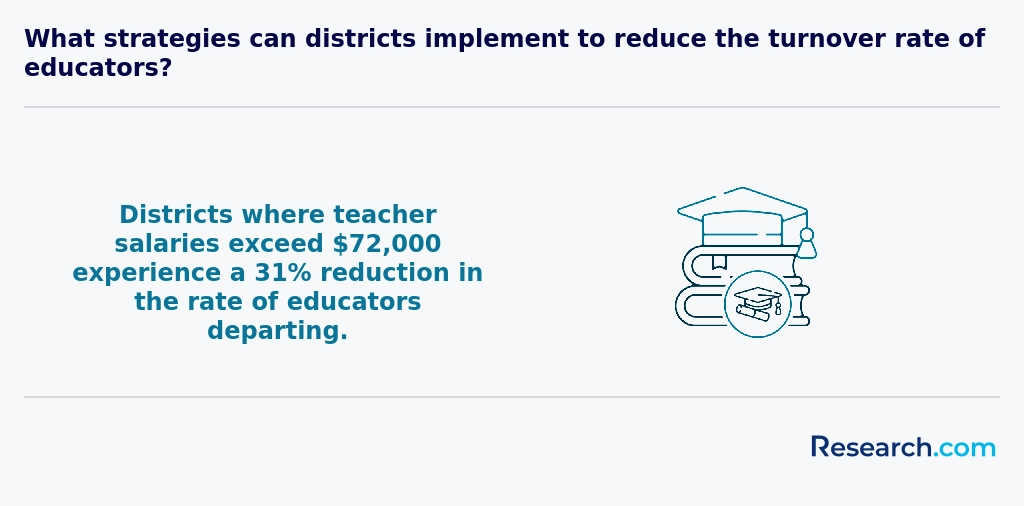
Diving into an online special education degree in America, many students find a treasure trove of financial aid opportunities that lighten the journey. Imagine a graduate from a well-known university like the University of Florida sharing how federal aid, accessed through FAFSA, opened doors with Federal Pell Grants and Direct Loans that made coursework affordable and manageable.
State programs also play a starring role. Graduates from programs at places like Arizona State University recall receiving Teacher Incentive Program grants, which felt like a personalized boost, designed to support their passion for special education.
Beyond government aid, institutional scholarships from colleges such as Vanderbilt offer merit-based rewards that celebrate your accomplishments and commitment. Many students report a sense of encouragement knowing these funds recognize their unique educational path.
Private scholarships from organizations like the Council for Exceptional Children add another layer of support, sometimes covering costs that feel like a direct handshake from a community that believes in your mission.
Lastly, picture educators already working in schools who find joy in employer tuition reimbursement programs, transforming their ambitions into achievable stepping stones. These diverse financial aids weave together to make special education degrees within reach and full of promise.
Diving into an online special education degree in America means starting with some essential prerequisites that open doors to a rewarding journey. For undergraduates, a high school diploma or equivalent is your first ticket, often paired with a genuine passion for working with children with disabilities-something graduates from top programs at universities like the University of Arizona recall as a key stepping stone. Many schools lean on your GPA and may ask for SAT or ACT scores, though the path is becoming friendlier with test-optional policies emerging more and more.
At the graduate level, the adventure deepens. Applicants usually hold a bachelor's degree from an accredited college, often in education or related fields like psychology. Letters of recommendation and a personal statement reflect your story and commitment, much like alumni from Florida State University highlight as vital for their acceptance. Some doctoral hopefuls also face the GRE, but that hurdle is gradually lowering.
Hands-on experience is invaluable-volunteering or teaching roles make your application shine by showing real-world dedication. Plus, matching state licensure standards ensures your degree unlocks practical teaching opportunities across America. The path may feel challenging, but countless students find this early groundwork the thrilling start of a meaningful career.
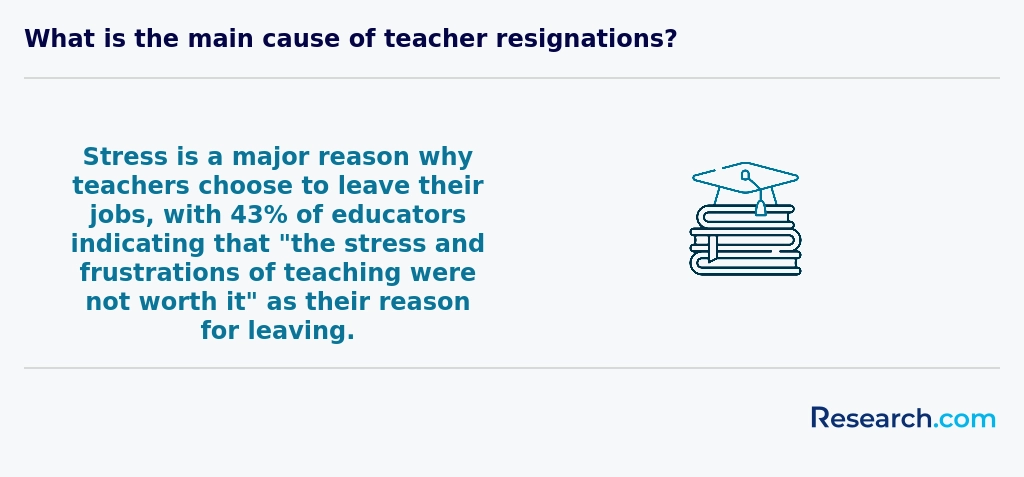
Diving into an online special education degree in America, you'll quickly find yourself exploring courses that blend theory with heart. Graduates from well-known universities often speak about starting with foundational classes-where you uncover the intricacies of disabilities like autism or learning challenges, all framed by important laws like the IDEA. Imagine yourself gaining insights into how these frameworks shape real classroom experiences.
Next, the adventures deepen with hands-on strategies. Picture working through lessons on behavior management or designing Individualized Education Programs (IEPs), just like many successful grads from top colleges did. These courses teach you how to tailor learning so every student can thrive, transforming theory into empowering classroom action.
Collaboration and technology also take center stage. You'll learn how to partner with families and educators, and how to use assistive tools that open new worlds for students. Graduate programs at popular schools often add research methods, preparing you for evidence-based success and even future doctoral work.
Diving into online special education degree specializations USA unveils a thrilling array of focused paths. Graduates from renowned programs across America often share how specializing in Autism Spectrum Disorders opens doors to empowering children with tailored communication and behavioral strategies, turning challenges into triumphs. Meanwhile, those who choose Intellectual and Developmental Disabilities find joy in creating functional life skills programs that transform daily living for their students.
Emotional and Behavioral Disorders specialization offers a rewarding journey for educators eager to support mental health and apply crisis prevention techniques in schools, an experience frequently highlighted by alumni of esteemed colleges. Another vibrant option is Learning Disabilities, where graduates enthusiastically apply evidence-based strategies to help students overcome dyslexia or dyscalculia hurdles.
For aspiring leaders, the Special Education Administration and Leadership track equips graduates with tools to influence policy and coordinate impactful programs. Institutions known for quality and support in these types of special education programs in America encourage exploration of passions and strengths. Those curious about cost-effective options often consider the cheapest special education masters degree online to pursue their dreams without compromise.
Choosing the best online special education degree in America means diving into details that truly matter. Graduates from well-known universities often highlight how accreditation paved the way for their certification, unlocking career doors in schools and clinics alike. Imagine balancing asynchronous coursework around your busy life while mastering topics like behavioral interventions or legal issues-many students cherish this flexibility, especially at institutions known for offering affordable online special education degrees America-wide. A friend who earned a degree online appreciated how the program's graduation rate and completion time helped them plan their adventure confidently, ensuring they stayed motivated throughout.
Career services at top colleges make a real difference too. Graduates rave about mentorships and internships, turning theory into impact. For those seeking deep expertise, exploring the best online special education doctorate programs USA offers challenges and growth with remarkable support. Curious learners can find all this and more among the top online special education bachelor's degree programs, opening doors to vibrant, rewarding futures.
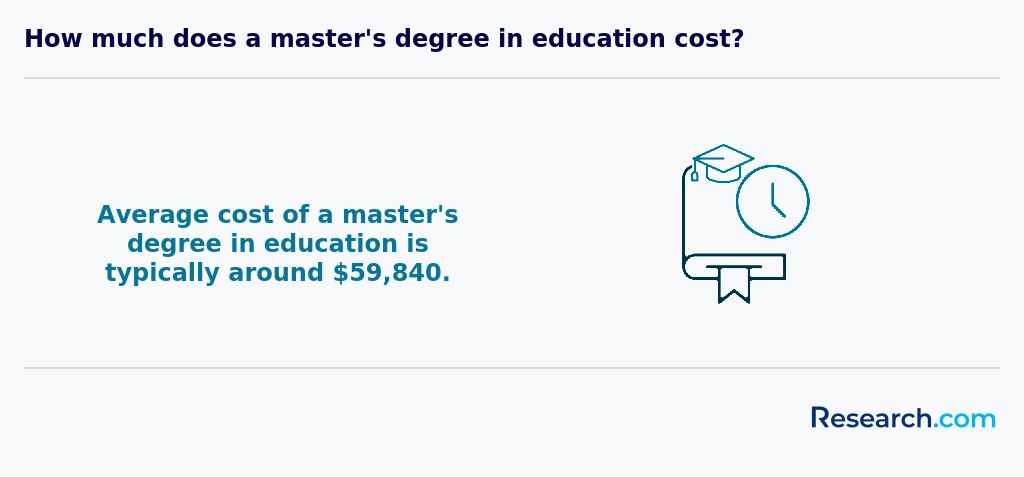
Graduates of online special education degrees in America often find themselves stepping into vibrant roles within schools, where they shape the futures of diverse learners as special education teachers. Imagine supporting a young student in a bustling classroom in New York or a small community school in California, guiding them through personalized education plans developed using skills gained from well-known universities. Beyond teaching, many graduates embrace leadership journeys as special education coordinators or directors, navigating complex legal requirements such as the Individuals with Disabilities Education Act (IDEA) while enhancing program quality.
For those intrigued by broader impact, becoming educational consultants or advocates allows graduates to collaborate with families and communities, improving access and equity in education services. Online special education doctorate USA programs open even more avenues, such as specialized administrative or research careers that inspire system-wide change. If you want to explore these exciting horizons, check out the top special education masters programs, offering pathways filled with promise and purpose.
Many graduates also explore related fields like behavior analysis or speech therapy, though these require additional certifications. The job opportunities with online special education degree USA reflect a landscape brimming with meaningful work and bright futures.
The online special education job outlook USA is bright and filled with exciting opportunities. Graduates from institutions known for their strong online special education programs often share stories about how the demand for qualified teachers remains steady, fueled by laws like IDEA that ensure students with disabilities receive the support they deserve. Picture this: a graduate working remotely with a charter school in California while collaborating with a private institution back East-such flexibility is increasingly common and opens doors beyond traditional classrooms.
Those earning their degree through popular universities in America can expect to join a network of professionals passionate about making a real difference. Many graduates report satisfaction in roles ranging from classroom teaching to administrative leadership, especially as advanced degrees increase their earning potential and career scope. Considering the special education degree career prospects America offers, there's a rewarding path for those eager to innovate and advocate for inclusive learning models.
Curious students should explore exactly what is a special education teacher to get a full sense of the roles awaiting them after graduation-each day brings a chance to support diverse learners in inspiring ways.
2027 Best Online Doctorate in Special Education Degree Programs Ranking in the USA
Investing in your education is a significant decision that can profoundly impact your professional and personal future. The Research.com team is dedicated to helping prospective students make informed choices by delivering high-quality, credible, and accurate rankings. To create the "2027 Best Online Doctorate in Special Education Degree Programs Ranking in the USA," we conducted thorough research and analysis using multiple trusted data sources.
We utilized the following reputable data sources to ensure a comprehensive evaluation of programs:
By exploring this ranking, readers will gain valuable insights into the top online doctorate programs in special education, assisting them in selecting the best fit for their goals. For more information on how this ranking was created, please visit our Research.com methodology page.


Frequently Asked Questions About special education
Online special education degree students in America can maximize their learning by actively engaging with course materials and instructors. Research from the National Center for Education Statistics shows that interaction boosts comprehension and retention in online learning environments. Utilizing available multimedia resources, such as videos and simulations, helps students understand diverse student needs more effectively.
Participating in discussion forums and virtual study groups allows for collaboration, which mirrors professional special education settings. Time management is critical; setting regular study schedules improves success rates for online students nationally, according to a 2023 EDUCAUSE report.
Finally, seeking fieldwork opportunities or internships that complement online coursework strengthens practical skills essential for special education professionals in the U.S.
The field of special education in America is expanding to meet diverse student needs. Emerging niches include assistive technology, where educators learn to integrate devices that support students with disabilities. According to the National Center for Education Statistics, over 14% of public school students receive special education services, driving demand for specialists in this area.
Another growing niche is behavioral intervention, focusing on students with emotional and behavioral disorders. Online programs increasingly offer training in evidence-based interventions for autism spectrum disorder (ASD), which affects roughly 1 in 36 children in the US, as reported by the CDC.
Additionally, cultural competency in special education is gaining attention, preparing educators to support diverse populations effectively.
Preparing for the job market after completing an online special education degree in America involves several strategic steps. First, obtaining proper licensure or certification is essential, as most states require special education teachers to hold a valid teaching license. Each state has its own certification process, often involving exams and supervised teaching experience.
Networking plays a vital role. Joining professional organizations like the Council for Exceptional Children provides access to job boards, resources, and events. According to the U.S. Bureau of Labor Statistics, special education teacher employment is projected to grow 8% from 2022 to 2032, indicating a positive job outlook.
Gaining practical experience through internships or substitute teaching can enhance employability. Tailoring resumes to highlight skills in individualized education programs (IEPs) and behavior management is also recommended to attract school district employers.
Employers in special education value graduates with strong communication skills essential for working with students, families, and multidisciplinary teams. Effective collaboration and empathy are critical to support diverse learners. According to the Council for Exceptional Children, over 80% of employers prioritize adaptive teaching methods that accommodate individual needs.
Data from the U.S. Department of Education highlights that proficiency in developing Individualized Education Programs (IEPs) remains a top requirement. Additionally, knowledge of legal frameworks and special education laws is crucial to ensure compliance and advocate for students' rights.
Technological competence, including the use of assistive devices and digital learning tools, is increasingly important as online and blended learning expands in special education settings.
Finding internships in America relevant to a special education degree involves a combination of research, networking, and leveraging university resources. Many online programs partner with local school districts and special education centers to facilitate internship placements. The Council for Exceptional Children (CEC) is a valuable resource, often listing internship and job opportunities nationwide.
It is essential to contact your program's career services early, as some states require specific clearance and training for working with special needs students. According to the U.S. Bureau of Labor Statistics, hands-on experience significantly improves job prospects in this field.
Additionally, reaching out to local public schools or nonprofits serving children with disabilities can open internship opportunities tailored to your degree focus.
Obtaining an online special education degree in America significantly enhances career mobility and advancement opportunities. According to the U.S. Bureau of Labor Statistics, employment for special education teachers is projected to grow 8% from 2021 to 2031, faster than the average for all occupations. This growth reflects ongoing demand for qualified professionals who can support diverse learners.
Online degrees offer flexible learning paths, allowing educators to balance work and study while acquiring advanced credentials. These credentials often qualify graduates for leadership roles such as special education coordinators or curriculum developers.
Furthermore, many school districts require or prefer candidates with graduate degrees for higher pay scales and tenure positions, enhancing earning potential over time.
Studying for a special education degree in America equips students with skills essential for interdisciplinary collaboration. Programs often include coursework in psychology, speech therapy, and general education, fostering a broad understanding of diverse student needs. According to the U.S. Department of Education, nearly 14% of public school students receive special education services, highlighting the need for professionals who work across fields.
Online degrees emphasize practical strategies to communicate and coordinate with teachers, therapists, and families. This approach prepares graduates to support inclusive classrooms and individualized education plans (IEPs). Additionally, training in research methods helps students contribute to evidence-based practices that improve outcomes for learners with disabilities.
When choosing between a thesis and a non-thesis special education degree program online in America, consider your career goals and learning style. Thesis programs involve conducting original research and writing a detailed paper, preparing graduates for roles in academia or research-focused positions. Non-thesis programs typically emphasize coursework and applied practice, fitting those aiming for leadership or specialist roles in schools.
According to the National Center for Education Statistics, nearly 14% of doctoral candidates in education opt for thesis tracks, reflecting the research demands in the field. Also, thesis programs may take longer to complete due to research requirements. Understanding these differences helps students select a path aligned with interests and timelines.
Students based in America seeking to study special education abroad have several pathways, especially through partnerships between U.S. institutions and foreign universities. Some American universities with strong online special education programs collaborate with schools in Canada, the UK, and Australia, offering joint coursework or exchange options.
However, fully online special education degrees earned abroad may face challenges in U.S. state licensure recognition. The Council for Exceptional Children highlights the importance of accreditation by recognized U.S. bodies for program validity.
According to the National Center for Education Statistics, about 14% of U.S. public school students receive special education services, emphasizing the domestic demand for qualified educators. Students should carefully evaluate international programs for curriculum alignment with U.S. teaching standards and certification requirements.
Overall, while options exist, American students often prefer accredited U.S.-based online degrees complemented by international experiences for a well-rounded education.
Part-time jobs can enhance the practical skills of students pursuing online special education degrees in America. Roles such as paraprofessionals or teacher aides in K-12 public schools offer valuable hands-on experience working with students who have disabilities. According to the U.S. Bureau of Labor Statistics, paraprofessional positions are expected to grow 7% from 2022 to 2032, reflecting increasing demand in special education support.
Other complementary opportunities include tutoring students with learning disabilities or working in community-based organizations that serve children with special needs. These roles allow students to apply theoretical knowledge and develop communication skills crucial for their future careers.
Networking opportunities for online special education students in America are increasingly robust. Many accredited programs offer virtual forums, discussion groups, and live webinars that connect students, faculty, and professionals nationwide. According to the Council for Exceptional Children, collaboration is essential for special educators to share best practices and resources.
Students also often gain access to professional organizations like the National Association of Special Education Teachers (NASET) and state-level affiliates, which host conferences and online events. These platforms enable students to build relationships and find mentorship opportunities.
Additionally, internships and practicum placements arranged by online programs provide real-world experience and networking within local school districts, essential for future employment in special education.
Alumni networks offer significant benefits to online special education degree students in America by providing valuable professional connections. These networks help graduates access exclusive job opportunities, mentorship programs, and continuing education resources aligned with the unique demands of special education.
Research from the Council for Exceptional Children highlights that 80% of special education professionals credit professional networking for career advancement. Alumni groups often organize webinars, workshops, and events tailored to special education trends and policies.
Moreover, these networks foster a community that shares best practices and supports advocacy efforts, crucial in a field where collaboration improves student outcomes and compliance with federal guidelines.
Customizing an online special education degree program in America is crucial to aligning your studies with specific career goals. Many universities allow students to choose concentrations such as autism spectrum disorders, behavioral interventions, or inclusive education. This flexibility helps address diverse student needs, a growing priority since approximately 7.1 million U.S. students receive special education services, according to the National Center for Education Statistics (NCES) in 2023.
Programs often include elective courses and practical field experiences tailored to your interests. Additionally, some schools offer opportunities to focus on leadership roles or policy development, broadening career paths beyond classroom teaching. Selecting a program accredited by the Council for Exceptional Children (CEC) ensures your degree meets professional standards and enhances employability.
Online special education students in America face several distinct challenges. A primary issue is limited hands-on experience, as many programs require in-person practicum hours that can be difficult to arrange remotely. Additionally, students often encounter technological barriers; reliable internet access and familiarity with specialized software may affect their learning experience.
Another significant challenge is balancing coursework with professional or family responsibilities. According to recent data from the National Center for Education Statistics, nearly 30% of online education students in the U.S. report time management as a key obstacle. Furthermore, limited peer interaction can hinder collaborative learning and networking opportunities, essential for fieldwork and professional growth.
Lastly, navigating the complex legal and regulatory framework of special education law, as outlined by the Individuals with Disabilities Education Act (IDEA), can be tougher without direct faculty support, making structured mentorship crucial.
With an online special education degree in the United States, graduates can pursue several professional certifications critical for career advancement. One of the most common certifications is the State Teaching License for Special Education, which qualifies educators to work in K-12 settings. Requirements vary by state but typically include passing exams such as the Praxis Special Education Content Knowledge test.
Other credentials include the Board Certified Behavior Analyst (BCBA) certification, which focuses on applied behavior analysis and is valuable for supporting students with autism or behavioral challenges. According to the Behavior Analyst Certification Board, demand for BCBAs increased by over 30% between 2018 and 2023.
In addition, specialists may seek certification through the Council for Exceptional Children (CEC), offering endorsements that enhance professional recognition. These certifications demonstrate expertise in areas like learning disabilities and early childhood special education, further improving employment opportunities in schools and private organizations.
Writing a strong application for an online special education program in America begins with demonstrating a clear commitment to supporting students with disabilities. Applicants should highlight relevant experience, such as working in educational settings or volunteering with special needs communities. According to the U.S. Department of Education, special education employment is expected to grow by 8% through 2030, increasing competition for quality programs.
Include a well-crafted personal statement emphasizing your passion, goals, and understanding of federal laws like IDEA (Individuals with Disabilities Education Act). Strong letters of recommendation from educators or supervisors who know your work with special populations can significantly boost your chances.
Finally, ensure your academic transcripts meet program requirements and prepare for any required standardized tests. Precise, honest, and professional applications reflect the dedication needed in special education careers.
Special education careers in the United States are shaped by global movements advocating for inclusive education and equity. The U.S. Department of Education reports that about 7.3 million children received special education services in 2021, reflecting a growing demand for skilled professionals. Internationally, there is a shared emphasis on tailored learning strategies and legal protections, like the Individuals with Disabilities Education Act (IDEA) in America, which influence policies abroad. Specialized online degree programs prepare educators to meet these evolving challenges through research-based methods. As education systems worldwide focus on accessibility, U.S.-trained specialists often engage in cross-cultural collaborations and reform efforts.
Gaining practical experience is essential when pursuing an online special education degree in America. Most accredited programs require students to complete supervised fieldwork or internships in local schools. These placements allow students to work directly with children with disabilities, applying theories learned in coursework.
Many states mandate a specific number of practicum hours for teacher certification. For example, California requires about 600 hours of field experience in special education settings, ensuring hands-on learning.
Additionally, some programs partner with school districts to facilitate placements, making it easier for online learners to access practical experience near their homes. According to the U.S. Department of Education, such internships significantly improve the readiness of special education professionals entering the workforce.
Choosing the right concentration in an online special education degree program depends largely on your career goals and interests. Common concentrations include autism spectrum disorders, learning disabilities, behavior disorders, and inclusive education. Each area focuses on specific teaching strategies and interventions relevant to diverse student needs.
Research from the U.S. Department of Education shows that approximately 7.5 million students receive special education services, highlighting diverse demands within the field. Selecting a concentration aligned with in-demand skills can enhance job prospects and effectiveness.
Consider your professional background and which student populations you wish to support when making your choice. Investigate program curriculum, faculty expertise, and available practicum opportunities to ensure a good fit.
- Bachelor's Degree in Special Education https://www.ccu.edu/ccu/specialeducation/
- Know more about thesis vs non- thesis: what is the difference? https://studyfans.com/en/blogs/816
- M.Ed. in Special Education | ACE https://ace.edu/degree-programs/masters-degrees/masters-education/master-of-education-in-special-education/
- Navigating the Top 5 Special Education Challenges - TeachTown https://web.teachtown.com/blog/special-education-challenges/
- How Special Education Teachers Can Fully Utilize Financial Aid - Graduate Programs for Educators https://www.graduateprogram.org/blog/how-special-education-teachers-can-fully-utilize-financial-aid/
- Choose Your Path in Special Education Careers | OPTIMISE https://optimise.education/choose-your-special-education-path/
- What New Special Education Teachers Need to Succeed https://www.ascd.org/el/articles/what-new-special-education-teachers-need-to-succeed
- Making a Difference: Service Learning in Special Education https://www.hetl.org/making-a-difference-service-learning-in-special-education/
- Organizations for Special Education Teachers https://teach.com/resources/special-education-organizations/
- Factors Influencing Special Education Career Choices: Interplay of Personality Traits and Identity Statuses https://www.eu-jer.com/factors-influencing-special-education-career-choices-interplay-of-personality-traits-and-identity-statuses