2027 Easiest Online Master's in Special Education Degree Programs Ranking in the West

Co-Founder and Chief Data Scientist
Choosing the right online master's program in special education can feel overwhelming, especially in the Western region where options abound. This article features the 2027 Easiest Online Master's in Special Education Degree Programs Ranking in the West, created by the Research.com team of data scientists to guide you toward the best choices.
By exploring this ranking, you'll discover programs that fit your lifestyle and career goals, helping you advance with confidence. Pursuing a special education degree opens doors to meaningful work making a real difference.
Take the first step toward a rewarding future today.
Key benefits of getting online special education degree in the West
- Special education degree graduates in the West can expect competitive salaries, with median wages typically ranging from $40,000 to $60,000 depending on specific roles and experience.
- A graduate from a well-known Western university often pursues careers such as special education teacher, counselor, or educational consultant, providing diverse opportunities to make a positive impact.
- Online degrees offer flexibility and convenience, allowing graduates from universities like Arizona State University to balance work and study while gaining practical skills without relocating.
- 2027 Easiest Online Master's in Special Education Degree Programs Ranking in the West
- What can I expect from online special education degree in the West?
- Where can I work with online special education degree in the West?
What can I expect from online special education degree in the West?
The average cost of an online special education degree in the West usually falls between $15,000 and $30,000, depending on the university and program length. For example, graduates from well-known Western schools often share how flexible payment plans and financial aid helped them manage tuition without too much stress. Many students find that investing in these programs pays off, considering the career stability and growth opportunities in special education across states like California and Oregon.
What's great about studying online in the West is that popular universities focus not only on affordability but also on quality, so you end up feeling confident you're getting solid training without breaking the bank. Graduates often mention being pleasantly surprised by how their programs balance cost with support services like remote advising and tech help-making it easier to juggle work, family, and classes. Overall, the costs are reasonable when you think about the valuable skills and licensure pathways you gain, especially in regions where demand for special ed teachers is strong and growing.
Where can I work with online special education degree in the West?
If you earn an online special education degree in the West, you've got a bunch of great options ahead. Many grads land jobs in public K-12 schools across California, Oregon, or Washington, working hands-on with kids who have learning or physical challenges. Imagine a graduate from a top Western university helping a young student in a San Francisco classroom gain confidence-that's the kind of rewarding work waiting for you.
Others find roles in charter or private schools, or in early intervention programs supporting little ones before they even reach kindergarten. These programs are super important and funded well throughout the West, so you'll feel the impact of your work from the start. Plus, some grads use their degrees to work in rehab centers or nonprofit groups, helping adults and kids alike with disabilities through advocacy or direct support.
Many Western states require teaching credentials, which most online programs prepare you for, so you'll be set to jump right into those meaningful careers. It's a field full of purpose, and Western grads often say the joy of making a real difference keeps them going strong.
If you're eyeing an online special education degree in the West, you're probably wondering about the paycheck. Graduates from well-known programs in California, Washington, and Oregon often find themselves earning between $60,000 and $80,000 a year, depending on where they land. For instance, a grad who studied through a popular West Coast university might snag a teaching gig in California earning around $85,000, thanks to the state's higher salary scales. Meanwhile, peers in Oregon or Nevada often start closer to $65,000-$70,000.
Many grads share how their online degree opened doors to special roles like coordinators or curriculum specialists, bumping salaries up to $90,000 in places like Washington. Plus, teaching at the secondary level often brings a bit more cash than elementary, making your job choice impact your wallet.
On top of the numbers, these jobs come with solid benefits and job stability, which graduates love. It's pretty awesome knowing your online degree from a Western school can lead to not just a paycheck, but a career you feel good about.
- Tuition for online special education degrees in the Western US ranges from $15,000 to $35,000, with public universities generally offering lower rates for in-state students.
- Starting salaries for graduates average between $45,000 and $52,000 annually, with experienced teachers earning up to $70,000 or more.
- Employment for special education teachers in this region is projected to grow by about 8% from 2022 to 2032, faster than the average for all jobs.
- Programs often include state-specific certification preparation, including background checks, Praxis exams, and supervised teaching hours.
- Curriculums combine theory and practical training through virtual simulations and local school partnerships for fieldwork.
- Financial aid options like federal loans, grants, and scholarships are commonly available to reduce education costs.
If you're looking to complete an online special education degree in the Western US, expect around 18 months to 3 years for a master's, which is the go-to credential for many. Full-time students at popular schools in Washington or California often finish closer to 18-24 months, while those juggling jobs and family might take up to 3 years. Graduates often share how flexible programs really helped them balance life and school without feeling overwhelmed.
For example, students from universities in Oregon appreciate accelerated tracks letting them take extra credits each term, speeding things up when life allows. But if you're starting fresh without previous teaching credentials, sometimes extra courses sneak in, making the journey longer.
Also, practical stuff like student teaching adds valuable hands-on experience but extends the timeline. Bachelor's degrees online take about 4 years full-time but can vary widely with part-time options. The key is finding a program that fits your pace and lifestyle in the West.
If you're thinking about a special education degree in the West, the biggest difference between online and on-campus programs comes down to flexibility versus hands-on experience. Online degrees, like those offered by popular schools in California and Washington, let you study on your own schedule, which is perfect if you're juggling work or family. Graduates often say they loved logging into lectures whenever it fit their day and connecting with classmates through virtual boards. It's a real lifesaver if you don't live near a campus.
On-campus programs, on the other hand, shine when it comes to in-person practicum hours and getting face-to-face support from professors. Especially at Western state universities, students appreciate being able to jump into local schools for real-world teaching experience-that's key for licensure. Still, both formats meet strict accreditation, so your degree will qualify you for teaching.
Tuition usually runs $8,000 to $15,000 yearly at public Western schools, whether online or in person, so budget-wise, they're pretty comparable.
If you're looking at the average cost of an online special education degree in the West, you can expect to spend around $24,000 for the whole program. Many graduates from popular public universities like California State University or the University of Washington have found these programs not only affordable but also flexible enough to juggle with work and family life. Public schools usually cost less if you're a resident, with tuition sometimes falling between $15,000 and $31,500 for in-state students. Out-of-state tuition can run higher but still usually stays within reach for many.
Private schools in the West might cost more-sometimes up to $54,000-but they often offer smaller classes and personalized support, which a lot of students appreciate, especially when tackling tricky special education topics. A close friend who graduated from a private program shared how the extra resources made a huge difference in their learning experience.
Aside from tuition, don't forget about additional expenses like textbooks, tech fees, or certification costs which could add a few hundred to a few thousand dollars more. But plenty of students manage these expenses with financial aid, scholarships, or employer tuition assistance. If you're also curious about career paths after getting your degree, check out this great info on bachelor degree in special ed jobs to see how your investment might pay off.
For those searching for affordable online master's in special education programs Western states tend to offer great options that balance cost and quality, making earning your degree possible without drowning in debt.
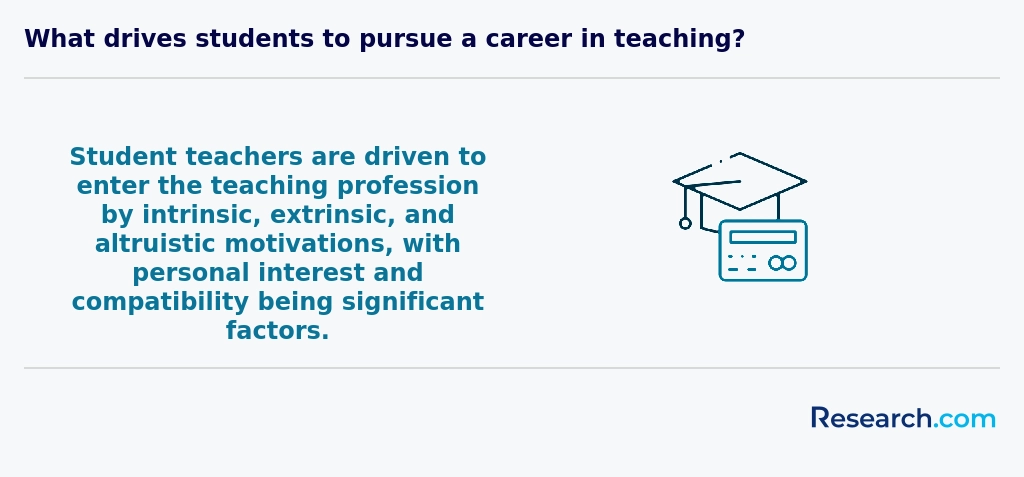
If you're diving into an online special education degree in the West, you'll find plenty of financial help to ease the load. Graduates from big names like the University of Washington or San Diego State often talk about how grabbing federal aid through FAFSA was a game-changer. It unlocks grants, loans, and even work-study gigs, which many students rely on to balance work and school. Plus, some state grants, like California's Cal Grant or Washington's College Grant, feel like a nice bonus since they don't need to be paid back and are made just for local students.
Then there are scholarships tailored specifically for special education students from groups like the Council for Exceptional Children, which helped some grads shave thousands off tuition. And for those already teaching or working in schools, employer tuition reimbursement programs are a real lifesaver-imagine getting your tuition covered just because you're doing your job and growing your skills!
Every bit counts, and combining these sources made studying without drowning in debt totally doable for many in the West.
If you're thinking about enrolling in an online special education degree program out West, you'll usually need a bachelor's degree first-doesn't have to be education specifically, but having a background in teaching or psychology definitely helps. Graduates from universities in California or Washington often mention that their programs value hands-on experience, so having some time spent volunteering or working in classrooms can really boost your application.
Most programs expect a decent GPA, around 3.0 or higher, but some schools are flexible if your other experience shines through. For example, graduates from popular Western colleges say that even if they didn't nail the GRE or took time off between degrees, their passion and practical experience helped land their spots.
Don't forget letters of recommendation-people who know your work or academics can make a big difference. Plus, writing a personal essay about why you want to pursue special education in the West's diverse and evolving classrooms helps admissions see your motivation up close.

Online special education degrees in the West usually pack your schedule with courses that really get you ready for the real world. Graduates from popular Oregon and California schools often mention how mastering the history and laws behind special education, like the Individuals with Disabilities Education Act (IDEA), helped them understand why they do what they do every day. Imagine sitting in your living room, learning how to create IEPs (Individualized Education Programs) tailored to each student's needs - it's something many grads say was a game changer for their confidence when stepping into classrooms.
You'll also dig into behavior management techniques that help you handle both wins and tough days with students. Courses on assistive technology are super practical too - one grad from Washington shared how knowing these tools made adapting lessons so much easier for her diverse class. Plus, with a strong focus on cultural competency, you'll be prepared to teach in Western states' diverse, vibrant communities. It's like gearing up with a full toolbox for an impact that truly sticks.
If you're looking into special education degree specializations in the West, you'll find programs with all kinds of focused tracks that fit what you want to do. Many online special education programs in Western states offer options like autism spectrum disorder (ASD), learning disabilities, behavioral disorders, and early childhood special education. Graduates from popular universities in California and Washington often share how the ASD specialization helped them feel confident creating personalized plans for kids on the spectrum, using practical strategies they can apply right away.
Others who chose the learning disabilities route find it rewarding to help students overcome challenges like dyslexia and dyscalculia by using assessment tools and creative teaching methods. The behavioral disorders specialization is perfect if you want to learn how to handle tough classroom situations with patience and positivity. Some grads emphasize how the early childhood focus prepared them to make real differences for young kids with developmental delays, which feels especially fulfilling.
Because tuition varies a lot here, many students check out affordable online special education master's programs from well-regarded public schools. These programs not only keep learning practical but also fit budgets better, making it easier to pursue your passion for teaching in the West.
Picking the best online special education degree in the West means focusing on what really matters: accreditation, state certification, and how the program fits your life. Graduates from popular Western schools often mention how crucial it was that their program prepared them specifically for California or Oregon certification, which helped them feel confident entering the job market. You'll want to look for programs that not only cover solid theory but also offer hands-on experiences like virtual simulations or local field placements-these make a huge difference when you're actually working with kids with diverse needs.
Cost is always on your mind, right? Many students pursuing an affordable special education master's degree Western US options find that public universities offer sweet spots between price and quality, especially considering extra fees for practicums and tech. Don't forget, online learning cuts commuting costs but you still need reliable tech and resources.
Finally, learning from faculty who really get special education and having great student support can make the whole process way smoother and more enjoyable. If you want to see how these programs compare, check out online bachelor's degree special education options to get the best fit for your goals.
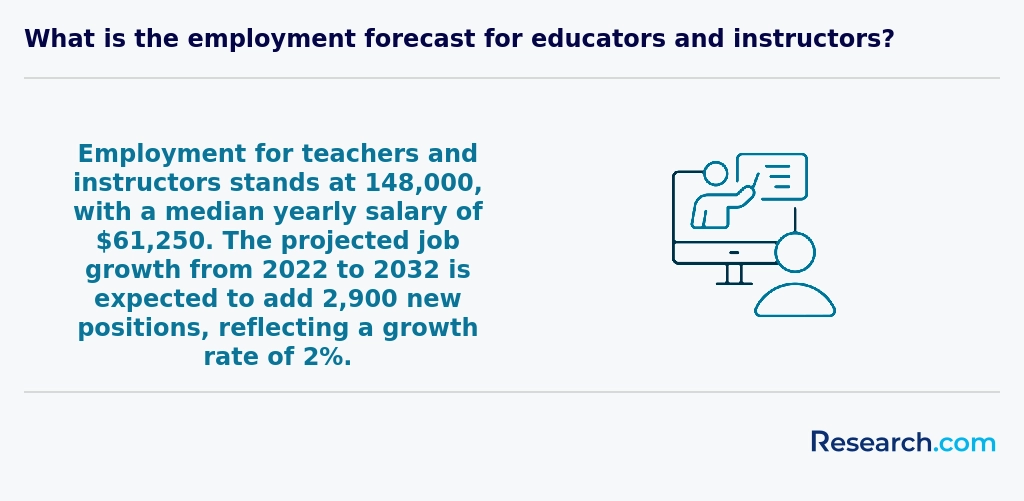
If you're eyeing online special education teaching careers in the West, you'll find the options pretty exciting. Graduates from popular schools like California State University often jump into teaching roles across public and private schools, working with all kinds of learners-whether that's little ones just starting out or high schoolers with specific needs. Many grads talk about how rewarding it feels to make a real difference, especially with the strong funding boosts for inclusive education programs out West.
But teaching isn't the only path. There's also the chance to become special education coordinators managing programs, educational diagnosticians who assess students, or behavioral specialists helping improve classroom dynamics. Others become transition specialists guiding young adults toward work or college, or consultants advising schools on laws like IDEA. Those wanting a flexible study option might check out a master's in special education online, which opens up tons of these opportunities without uprooting your life.
The West region special education degree job opportunities match perfectly with this kind of diverse training, making it a smart route if you want to contribute to your community while growing your career.
The job market for online special education jobs in the West is looking pretty bright right now. Graduates from popular programs at universities like the University of Washington or Cal State enjoy solid demand thanks to ongoing teacher shortages, especially in both urban and rural districts. Many grads share how flexible online learning made balancing work and life easier while helping them meet state certification rules quickly.
For those exploring special education career opportunities in Western US schools, the salary range is quite competitive. Graduates often note starting pay around $60,000 to $70,000, which feels rewarding given the cost and effort of earning a master's online. Plus, states provide smooth pathways for licensure so you can jump into the field without hassle.
Some grads find additional opportunities in private schools or nonprofits supporting inclusive education. If you want to understand more about various roles, including teaching aides, check out this link on special education paraprofessional roles and responsibilities. It's a great resource to get a feel for the different ways you can make an impact in this growing area.
2027 Easiest Online Master's in Special Education Degree Programs Ranking in the West
Investing in your education is a significant decision that can shape your future, and the Research.com team understands the importance of making informed choices. To assist prospective students in the western United States, we have meticulously crafted the "2027 Easiest Online Master's in Special Education Degree Programs Ranking in the West." Our commitment to quality, credibility, and accuracy is reflected in the extensive research and analysis conducted to compile this ranking.
We utilized the following reputable data sources to ensure a comprehensive evaluation of special education programs:
By exploring this ranking, readers will gain valuable insights into the most accessible and high-quality online master's programs in special education available in the West, empowering them to make informed decisions about their academic and professional futures. For more details on our methodology, please visit our Research.com methodology page.


# 4 position
Western Governors University
Master of Teaching Special Education

# 5 position
Colorado Christian University
Master of Special Education: Special Education Alternative Licensing


# 8 position
University of Massachusetts Global
Master of Special Education with an emphasis in Teaching and Learning

# 9 position
Arizona State University Campus Immersion
Master of Curriculum and Instruction - Gifted Education


Frequently Asked Questions About special education
Students pursuing online special education degrees in the West can enhance their learning by engaging actively in digital classrooms and discussion forums. Research from the Western Interstate Commission for Higher Education highlights that collaboration significantly improves comprehension and skill acquisition. Utilizing available university resources, such as virtual tutoring and library access, supports academic success. Moreover, seeking local fieldwork or practicum opportunities helps bridge theoretical knowledge with real-world application. The U.S. Department of Education reports that candidates who complete hands-on experiences demonstrate higher job readiness. Time management and consistent communication with faculty also play vital roles in maximizing the benefits of online studies in special education.
Emerging niches within the special education field reflect growing societal needs and advances in educational approaches. One significant area is digital and assistive technology integration, where educators use tools to support students with disabilities, especially in remote learning settings common in the West.
Another niche focuses on early intervention strategies, emphasizing support for children under five with developmental delays. States like California and Washington have increased funding for these programs, recognizing their long-term benefits.
Behavioral intervention specialists are also in demand, addressing challenges faced by students with emotional and behavioral disorders. This specialization aligns with the rise in awareness about mental health in education.
According to the Western Regional Education Laboratory, these niches are expanding rapidly to meet diverse student needs in inclusive classrooms.
After completing an online special education degree in the West, preparing for the job market involves strategic steps to enhance employability. Start by obtaining state certification, as requirements differ widely across western states like California, Washington, and Oregon. According to the Western Interstate Commission for Higher Education (WICHE), certification is essential to teaching in public schools.
Networking is crucial; join professional organizations such as the Council for Exceptional Children. These groups offer job listings, resources, and support. Additionally, consider gaining practical experience via internships or substitute teaching to build classroom skills.
Finally, stay updated on regional demand; the U.S. Bureau of Labor Statistics projects a 10% growth for special education teachers nationwide through 2031, with western states showing even stronger need due to expanding student populations.
Employers in the Western US seek special education graduates with strong communication skills to effectively collaborate with students, families, and multidisciplinary teams. Adaptability is also crucial, as educators must tailor learning strategies to diverse student needs. Knowledge of Individualized Education Programs (IEPs) and federal laws like IDEA is essential.
Data from the California Department of Education indicates over 50% of special education roles require proficiency in behavior management techniques. Additionally, technology literacy for online and assistive tools ranks highly, reflecting the region's emphasis on digital learning environments. Critical thinking and patience remain foundational skills valued across districts in the West.
Finding internships in the Western United States relevant to a special education degree requires targeted research and networking. Many universities in this region partner with local school districts, offering online students access to internships in diverse educational settings. The California Department of Education reports that special education enrollment in public schools has steadily increased, highlighting a strong demand for qualified interns.
Start by contacting your program's internship coordinator or career services office to access sanctioned placements. Additionally, organizations like the Council for Exceptional Children provide internship listings and resources specifically for special education students.
Local nonprofits and agencies serving children with disabilities also offer valuable internship opportunities that complement academic study. Exploring state education department websites for California, Oregon, and Washington can yield further leads.
Obtaining an online special education degree in the Western United States significantly enhances career mobility and advancement opportunities. Many states in this region recognize online degrees from accredited programs, allowing graduates to meet licensure requirements efficiently. According to the Western Interstate Commission for Higher Education (WICHE), demand for special education teachers in Western states is projected to grow by over 8% through 2030, creating strong job prospects. An online degree can provide flexible access to advanced certifications and endorsements, helping educators specialize in areas like autism spectrum disorders or behavioral intervention. This specialization often leads to higher salaries and leadership roles within school districts.
Online programs also foster connections with regional education networks and professional organizations, which support career growth. Graduates frequently report improved opportunities for promotion to roles such as special education coordinators or administrative positions. Additionally, many Western school districts offer salary increments for educators holding a master's degree in special education, making online programs a practical choice for career advancement.
Studying for a special education degree online in the Western United States equips students with skills to navigate interdisciplinary roles effectively. Programs emphasize collaboration with professionals in psychology, speech therapy, and general education. This approach aligns with regional education policies promoting inclusive classrooms, such as California's Local Control and Accountability Plan (LCAP).
Students learn to design individualized education programs (IEPs) that integrate input from diverse experts. Research from the Western Interstate Commission for Higher Education (WICHE) highlights growing demand for educators skilled in multidisciplinary teamwork.
Graduates are prepared to work alongside social workers, counselors, and occupational therapists, ensuring comprehensive support for students with disabilities.
Choosing between a thesis and a non-thesis special education degree program in the West depends on your career goals and learning preferences. Thesis programs often require original research, which suits students aiming for doctoral studies or research positions in special education. Non-thesis options usually emphasize practical skills and coursework, ideal for educators focusing on classroom or administrative roles.
In Western states like California and Washington, nearly 40% of accredited special education master's programs offer both options, reflecting diverse student needs (Western Association of Schools and Colleges, 2023). Consider time commitment, as thesis tracks typically need more time to complete.
Additionally, some states require a research component to meet certification standards. Consulting program advisors about how each format aligns with your professional plan is essential.
Students based in the Western United States have several opportunities to pursue online special education degrees through regional and nationally accredited universities. States like California, Washington, and Oregon host institutions offering flexible online master's programs tailored for educators seeking to specialize in special education. According to the Western Interstate Commission for Higher Education (WICHE), about 15% of online graduate education programs in the West focus on special education and related fields.
The Western region also benefits from licensure reciprocity agreements, allowing students to obtain credentials recognized across multiple states, facilitating easier employment after graduation. Many programs include coursework aligning with the Individuals with Disabilities Education Act (IDEA) standards specific to U.S. special education policy.
Part-time job opportunities in the Western US that complement special education degrees often include paraprofessional and instructional aide roles within public schools. These positions allow students to gain hands-on experience working with children who have disabilities, a critical component of special education training. According to the California Department of Education, over 50% of school districts actively hire aides to support special education classrooms.
Other viable options include tutoring students with learning disabilities or working for non-profits focused on developmental disabilities. These roles help develop communication and individualized instructional skills. Additionally, some students find support roles in early intervention programs, especially in states like Washington and Oregon, where inclusive education initiatives are strong.
Gaining experience in these environments not only reinforces academic knowledge but also improves job prospects after graduation. The US Bureau of Labor Statistics forecasts steady demand for educational aides, especially in regions with expanding special education programs, such as the West.
Online special education students in the Western US benefit from various networking opportunities tailored to their unique needs. Many programs partner with regional education organizations, such as the Council for Exceptional Children's Western Division, offering virtual conferences and professional groups. According to the Western Interstate Commission for Higher Education (WICHE), over 70% of online master's students engage in peer discussion forums or mentor-led study groups. These platforms create valuable connections with educators and specialists working locally. Additionally, state departments of education frequently provide webinars and workshops, enabling students to interact with experienced professionals while fulfilling licensure requirements.
Alumni networks play a crucial role for students pursuing online special education degrees in the Western United States. These networks provide valuable opportunities for mentorship, career advice, and professional connections. According to a 2023 report by the Western Regional Education Laboratory, about 65% of special education graduates found their first job through alumni referrals.
Online students benefit from virtual alumni events, webinars, and forums that foster collaboration despite geographical distances. This support system is vital in special education, where ongoing professional development is key to meeting diverse student needs.
Additionally, alumni often share updated resources and job openings within Western school districts, enhancing employment prospects for recent graduates.
Customizing an online special education degree program in the West allows students to align their studies with specific career goals. Many universities offer concentrations such as autism spectrum disorders, behavior intervention, or early childhood special education. Selecting a concentration helps tailor coursework to meet particular student needs or job market demands.
Additionally, students can choose electives that emphasize skills like assistive technology or bilingual special education, important in diverse Western communities. Fieldwork placements often offer flexible options, letting students gain experience in settings matching their professional interests.
According to the Western Interstate Commission for Higher Education, programs in this region increasingly integrate practical skills to prepare teachers effectively for local challenges.
Online special education students in the Western US face several unique challenges. Access to reliable internet is a common issue, especially in rural areas, affecting about 15% of students in states like Montana and Wyoming, according to the USDA. Additionally, limited hands-on practice opportunities pose difficulties, since many special education skills require in-person experience. Students often struggle to find local schools for their required practicum hours. Time management is another hurdle, as these programs demand balancing study with personal or professional responsibilities. Finally, limited peer interaction can impact learning and emotional support, with students reporting feelings of isolation in surveys from the Western Interstate Commission for Higher Education.
With an online special education degree, you can pursue several professional certifications that enhance your qualifications. In the Western US, many graduates seek the Special Education Teaching Credential, which is often required to work in public schools. This credential allows you to support students with diverse learning needs and disabilities.
Additional certifications include the Board Certified Behavior Analyst (BCBA) credential, particularly valuable for those working with behavioral challenges. Some states also offer endorsements in areas like Autism Spectrum Disorders or Education Diagnosed Disabilities.
According to the California Commission on Teacher Credentialing, special education teaching credentials are in high demand due to teacher shortages in states like California, Oregon, and Washington.
Writing a strong application for an online special education program in the West requires clear demonstration of your passion and relevant experience. Highlight any previous work with children or adults with disabilities, emphasizing skills gained. Many programs seek candidates who understand regional educational policies, so mention familiarity with federal laws like IDEA (Individuals with Disabilities Education Act) that impact special education in Western states.
Include well-crafted personal statements explaining your motivation to pursue special education and how the degree aligns with your career goals.
Additionally, secure strong recommendation letters from educators or supervisors who can attest to your dedication.
According to the Western Interstate Commission for Higher Education, online programs with comprehensive applications tend to admit students with higher retention rates.
Special education careers are increasingly valued around the world, and the United States remains a leader in developing training programs, especially online. According to the U.S. Department of Education, about 13% of public school students receive special education services, highlighting steady demand for qualified professionals. The Western region of the U.S. offers numerous accredited online master's programs tailored to prepare educators for diverse learner needs.
Globally, countries vary in special education support, but U.S. certification standards often influence international practices. For Western students, earning an online degree increases flexibility while meeting state licensure requirements, aligning with trends reported by the Council for Exceptional Children.
Gaining practical experience while pursuing an online special education degree in the West is essential for career readiness. Many programs partner with local schools and districts to arrange internships or practicum placements near a student's residence. This allows students to apply theoretical knowledge in real classrooms under the supervision of certified special educators.
Additionally, some universities offer virtual simulation tools that replicate classroom challenges, providing hands-on practice. According to the California Department of Education, over 60% of online special education students in the state participate in community-based fieldwork to enhance their skills.
Licensing requirements in states like Washington and Oregon also mandate a minimum number of supervised teaching hours, ensuring practical training is integrated into degree programs.
Choosing the right concentration within an online special education degree program in the West depends on your career goals and student needs. Concentrations often include Autism Spectrum Disorders, Behavioral Disorders, or Early Childhood Special Education. Each focus area addresses different learner profiles and instructional strategies.
California and Washington lead the West in special education program offerings, with over 30% of graduates working in roles requiring specialized autism instruction (source: Western Regional Education Board, 2023). Consider local employment demand to ensure your concentration matches job opportunities.
Review state licensure requirements, which vary in the West and may mandate specific concentrations for certification. Also, evaluate program accreditation and faculty expertise to confirm quality education aligned with your interests.
- Sample Letter: Request a Special Education Evaluation https://www.askresource.org/resources/sample-letter-requesting-an-evaluation
- List of alumni working in Special Education - COMFSM Alumni Network https://alumni.comfsm.edu.fm/dir/company/Special-Education.dz
- School for students with special needs internship - Internships Down Under https://www.internshipsdownunder.com/school-for-students-with-special-needs-internship/
- 9 Careers You Can Pursue with a Master’s in Special Education https://www.pointloma.edu/resources/education/9-careers-you-can-pursue-masters-special-education
- 10 Tips for Special Education Careers https://newstoryschools.com/blog/10-tips-special-education-careers
- Home New - NASET https://www.naset.com/
- How the Special Education Teacher Shortage Affects Students with LD, and What to Do About it https://ldaamerica.org/how-the-special-education-teacher-shortage-affects-students-with-ld-and-what-to-do-about-it/
- BA (Hons) Applied Education with Inclusive Practice (Online) https://www.uel.ac.uk/undergraduate/courses/ba-hons-applied-education-inclusive-practice-online
- Special Education Teacher Jobs https://thesteppingstonesgroup.com/careers/special-education-teacher-jobs/
- Special Education Email/Letter Templates https://www.calldac.com/post/special-education-email-letter-templates