2027 Most Affordable Online Master's in Special Education Degree Programs Ranking in Ohio

Co-Founder and Chief Data Scientist
If you're considering advancing your career in special education, finding the right program can feel overwhelming. This article features the 2027 Most Affordable Online Master's in Special Education Degree Programs Ranking in Ohio, created by the Research.com team of data scientists. It's designed to help you make an informed choice by highlighting quality programs that fit your budget.
Getting a special education degree opens doors to meaningful work and personal fulfillment. Exploring these affordable options makes achieving your goals more accessible and encourages your passion for making a difference.
Key benefits of getting online special education degree in Ohio
- Special education degree graduates in Ohio can expect competitive salaries, with typical starting wages around $45,000 to $55,000 annually, reflecting national averages for related roles.
- A graduate from Ohio State University with a special education degree often finds diverse career paths, including becoming a special education teacher, behavior interventionist, or education consultant, opening many rewarding opportunities.
- Online special education degrees from institutions like Miami University offer flexible schedules and affordable tuition, making it easier for working adults in Ohio to balance life while advancing their careers.
- 2027 Most Affordable Online Master's in Special Education Degree Programs Ranking in Ohio
- What can I expect from online special education degree in Ohio?
- Where can I work with online special education degree in Ohio?
What can I expect from online special education degree in Ohio?
Students pursuing an online special education degree in Ohio can generally expect tuition costs to be quite reasonable, particularly for in-state residents. Many well-regarded universities in Ohio offer competitive tuition rates that make advanced education accessible without prohibitive financial burdens. Graduates often recount how affordable tuition combined with flexible payment options helped ease their journey through programs at institutions known for their special education departments.
For example, students enrolling in Master of Education programs at Ohio universities typically find overall tuition ranging from moderate to low compared to national averages. Financial aid and scholarships specifically geared toward special education licensure candidates further enhance affordability. This financial support was instrumental for many graduates, who appreciated the opportunity to focus on rigorous coursework without overwhelming debt concerns.
Overall, the balance of manageable tuition fees and targeted financial resources reflects Ohio's commitment to nurturing qualified special education professionals ready to meet statewide needs.
Where can I work with online special education degree in Ohio?
Graduates holding an online special education degree from respected Ohio institutions, such as Ohio State University or Cleveland State University, find themselves well-prepared for diverse career paths across the state. Many begin their careers in public K-12 schools, designing individualized education programs (IEPs) that directly impact the lives of students with disabilities. These roles provide daily opportunities to witness student growth and achievement, fueling a rewarding professional experience.
Others choose employment in private or charter schools, where their training in inclusive teaching strategies is highly valued. Early childhood special education centers also employ graduates, allowing them to support children from birth to age five through vital early intervention services. These environments emphasize making a profound difference during critical developmental periods.
Beyond classroom roles, some graduates advance into instructional coordination or consulting, shaping special education curricula and mentoring teachers. The steady 5% predicted job growth in Ohio reinforces a positive outlook for graduates eager to sustain long-term careers in education.
Graduates with an online special education degree in Ohio typically enter the workforce with starting salaries ranging from $40,000 to $50,000 annually, reflecting offers common across public school districts. Those who earn their degrees through well-regarded Ohio institutions, such as Ohio State University or Miami University, often find that their online studies combine effectively with hands-on classroom experience, boosting their earning potential.
With increased experience and advanced credentials, including master's degrees earned online, special educators frequently see salary growth well above entry-level figures. Roles like special education coordinators or specialists offer salaries between $70,000 and $90,000, depending on factors such as district size and specialization in areas like autism or behavioral intervention.
Urban centers such as Columbus and Cleveland typically offer higher wages, enhancing financial rewards for local graduates. Many Ohio special education professionals appreciate that their total compensation often includes valuable benefits and professional development opportunities, making online degree programs a practical path to a fulfilling and sustainable career.
- Online special education programs in Ohio meet state certification requirements for public school teaching licensure.
- The cost for a master's degree in special education ranges from $10,000 to $25,000, with public universities offering lower rates for in-state students.
- Starting salaries for special education teachers in Ohio typically range from $40,000 to $45,000 annually, increasing to over $60,000 with experience.
- Ohio expects around 1,000 new special education teaching jobs by 2030 due to rising student populations and updated standards.
- Programs include practicum placements in Ohio schools to fulfill hands-on experience and state licensure needs.
Completing an online special education master's degree in Ohio commonly takes between 1.5 and 3 years, depending on whether students study full-time or part-time. Graduates from institutions like Ohio State University and Kent State University often share how flexible scheduling and year-round course options allowed them to balance work and family commitments while progressing steadily through their programs. Full-time learners frequently finish within two years, enjoying the benefit of continuous enrollment and dedicated focus.
Part-time students, often working professionals, might extend their studies closer to three years, appreciating the ability to pace their coursework alongside job responsibilities. Doctoral programs in special education, which require more intensive research and around 60 credit hours, generally take between three and six years to complete, reflecting the additional academic depth and dissertation work involved.
Graduates emphasize that Ohio's state licensure requirements, including in-person practicum experiences, add realism and practical skill development but can extend the timeline slightly beyond coursework alone. This comprehensive approach ensures readiness for successful teaching careers.
Online and on-campus special education degree programs in Ohio differ primarily in their delivery and flexibility. Graduates from Ohio universities offering online programs often highlight the advantage of managing coursework around their existing jobs or family duties, accessing lectures and assignments through platforms anytime, anywhere. This convenience suits professionals pursuing degrees while maintaining personal commitments. In contrast, students attending on-campus programs at institutions like Ohio State University emphasize the value of real-time interactions with faculty and peers, fostering immediate feedback and deeper social engagement.
Both formats include essential practical experiences, such as field placements mandated by Ohio's licensure regulations, though online students appreciate more adaptable scheduling options to complete these requirements. Tuition costs tend to be comparable in Ohio public universities, typically ranging between $10,000 and $15,000 annually, with online learners benefiting from savings on commuting and housing. While on-campus attendees enjoy easy access to physical resources like libraries and tutoring centers, online students rely on robust virtual support, making both paths viable depending on individual learning styles and lifestyle needs.
The average cost of an online special education degree in Ohio typically centers around $19,800, with slight variations between in-state and out-of-state students. Public universities such as Ohio State University and the University of Cincinnati are popular among graduates pursuing affordable special education master's programs Ohio, offering tuition that aligns closely with this median figure. These institutions often charge between $700 and $900 per credit hour, contributing to a total tuition cost that falls within the typical range for a comprehensive online degree.
Graduates frequently remark on the financial accessibility provided by these programs compared to private alternatives, which can exceed $27,000 in total tuition. This affordability is complemented by online course structures that reduce expenses related to commuting and campus housing. Students pursuing degrees online appreciate the flexibility and cost savings that make continued education achievable without significant financial strain, enhancing their motivation and commitment.
Additional costs such as technology fees, course materials, and program-specific expenses are usually manageable, allowing many to balance work, life, and study effectively. Leveraging scholarships, state grants, and federal aid related to special education fields substantially lightens the financial burden for Ohio residents. For example, many students explore options to support their studies through state education grants or the TEACH grant program.
Those interested in a bachelor degree in special ed jobs often begin their academic journey in programs that emphasize both affordability and strong learning outcomes, proving that quality education in special education is achievable within a reasonable budget in Ohio.

Students pursuing online special education degrees in Ohio often leverage federal aid through the Free Application for Federal Student Aid (FAFSA). Completing FAFSA enables access to Pell Grants and federal loans like the Direct Unsubsidized Loan, which many graduate students at institutions such as Ohio State University and Kent State University have successfully utilized to finance their studies.
State-specific programs like the Ohio College Opportunity Grant (OCOG) provide need-based funds to eligible students at prominent colleges including the University of Cincinnati. Graduates frequently describe this assistance as pivotal in reducing the overall financial stress of their education journey.
Institutional scholarships and grants are common at schools offering special education programs, rewarding merit and dedication, especially for those intending to advance in Ohio's high-demand special education workforce. For instance, many students at Bowling Green State University report that such support made certification more attainable.
Additional resources include scholarships from organizations like the Council for Exceptional Children's Ohio chapter and federal TEACH Grants, which offer up to $4,000 annually for candidates committed to teaching in high-needs Ohio schools, fostering both hope and motivation in future educators.
Employers and school districts also often provide tuition reimbursement, helping working professionals balance education and career advancement without undue financial burden.
Enrolling in an online special education degree program in Ohio requires a bachelor's degree from an accredited institution, often with a focus on education or a related field. Many successful graduates from institutions like Ohio State University reflect on the value of having completed prerequisite coursework, which strengthened their foundation before advancing to graduate studies.
Applicants must typically meet a minimum GPA threshold, frequently between 2.5 and 3.0. For example, Ohio State's online program demands a 3.0 GPA, ensuring students are academically prepared for rigorous content and practical applications. This academic standard helps candidates confidently engage with complex teaching strategies and specialized student needs.
While some programs have relaxed standardized test requirements, others still request GRE scores. Those with relevant educational experience-such as volunteering with students with disabilities or holding a teaching license-find this significantly enhances their readiness and application strength.
Moreover, Ohio mandates a thorough background check through the BCI&I process, underscoring the importance of safeguarding vulnerable learners. Graduates often highlight how meeting these prerequisites fostered both their professional credibility and personal fulfillment in supporting diverse learners.
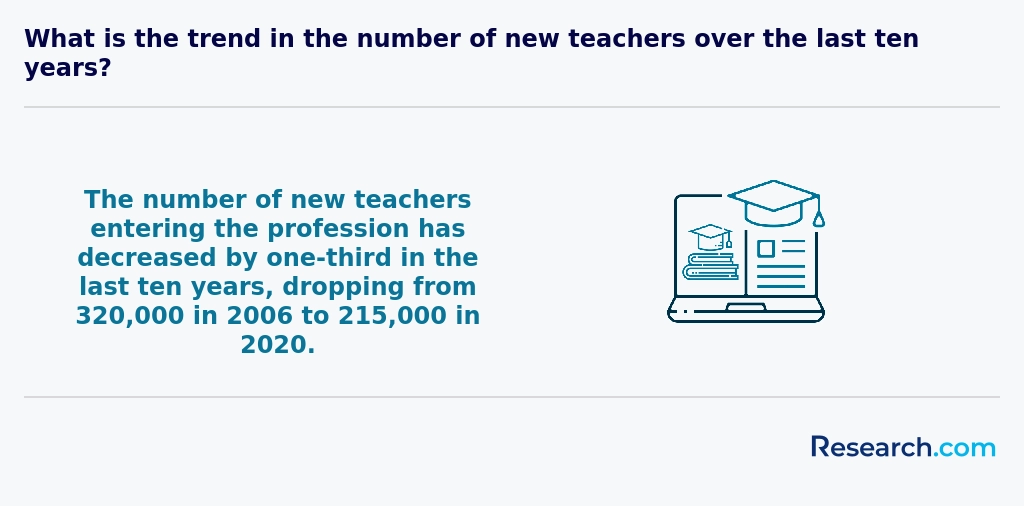
Online special education degree programs in Ohio typically include a comprehensive curriculum designed to equip educators with both foundational knowledge and practical skills. Graduates from popular institutions like Ohio State University and Kent State University often highlight courses such as Introduction to Special Education, which covers disabilities, inclusion laws, and classroom adaptation strategies.
Assessment and Evaluation courses teach students to develop individualized education plans (IEPs), crucial for addressing diverse learner needs. Behavior Management Techniques provide future teachers with tools to foster positive classroom environments, while Instructional Methods classes focus on adapting lessons for learners with emotional, physical, and cognitive challenges.
Collaborative Practices are emphasized, preparing students to work effectively with families and multidisciplinary teams. Assistive Technology coursework introduces software and devices that enhance learning accessibility. Additionally, courses in human development and psychology deepen understanding of the social and emotional aspects of disability, which graduates consistently find invaluable in their careers.
Overall, these courses are tailored to meet Ohio's licensure requirements, combining theory with real-world application, often through local practicum experiences, ensuring graduates feel confident and well-prepared to make a meaningful impact.
Online special education degree specializations Ohio students often pursue include Autism Spectrum Disorders (ASD), Early Childhood Special Education, Learning Disabilities (LD), and Emotional and Behavioral Disorders (EBD). Graduates from prominent Ohio universities emphasize how ASD coursework equips them with practical strategies to support students on the spectrum, reflecting the growing demand for specialized educators in local schools. Early Childhood Special Education prepares teachers to address developmental delays in children from birth to age 8, a critical foundation highlighted by Ohio's State Support Team network for inclusive education.
In the special education certification programs Ohio online, the Learning Disabilities specialization stands out by focusing on common challenges like dyslexia and dyscalculia, which many educators in the state encounter daily. Meanwhile, the Emotional and Behavioral Disorders track offers skills to handle complex student needs such as anxiety and ADHD, fostering more effective classroom environments. Many students value the flexibility of these online paths, as seen in numerous alumni stories from well-regarded colleges.
For those seeking convenient and efficient training, several institutions feature fastest online special education graduate certification options, enabling a smoother transition into specialized teaching roles in Ohio.
When choosing the best online special education degree Ohio offers, prioritize programs with regional accreditation recognized by bodies like the Council for Exceptional Children. Graduates from Ohio's prominent universities often share how accreditation ensured their degrees were respected by local school districts and licensure boards. Additionally, ensure the curriculum aligns directly with Ohio's licensure requirements, including preparation for the Praxis Special Education exam, which many students find essential for smooth certification.
Consider the affordability of special education master's programs Ohio institutions provide, as in-state tuition can make a significant difference. Many graduates appreciate that public universities offer competitive rates below $20,000, easing financial stress while maintaining quality. Look for programs that also offer asynchronous formats and robust support, allowing working adults to balance studies with personal commitments.
Exploring programs with strong post-graduate success and support networks can enhance your experience. Positive feedback from recent graduates highlights how these programs prepared them effectively for teaching diverse learners. Some students have found it helpful to review offerings on platforms like fastest online special education master's degree lists to identify programs that match their goals and timeline.
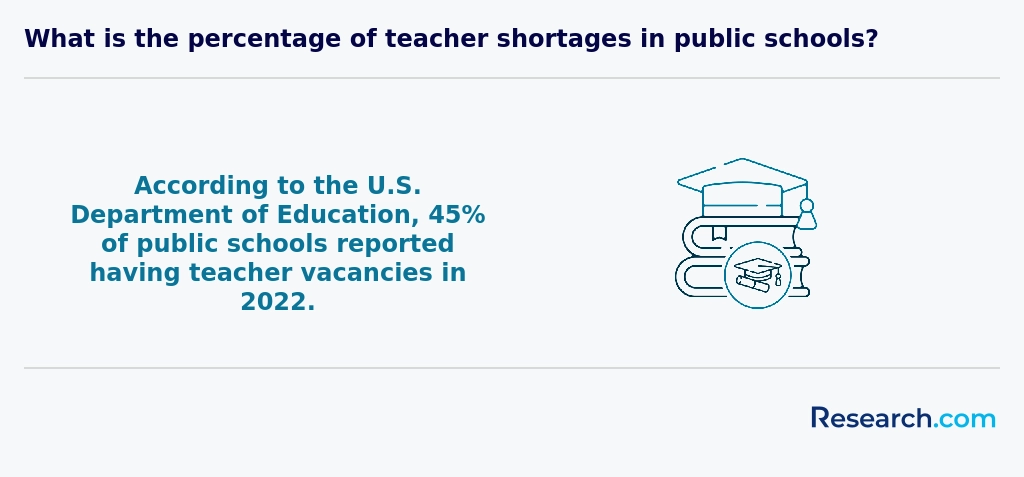
Graduates pursuing an online special education degree in Ohio have access to a range of career paths tailored to meet diverse student needs. Many find fulfilling roles as special education teachers in Ohio's K-12 public schools, designing and implementing individualized education programs (IEPs) that foster student success. Such special education teaching jobs in Ohio often provide rewarding experiences, especially in rural areas where qualified professionals are urgently needed. For example, graduates from respected institutions like Ohio State University or Kent State University frequently share how their training prepared them to thrive in these roles.
Additional career options include becoming behavior specialists or interventionists who develop strategies to support positive social and academic outcomes for students. Some graduates become educational diagnosticians or school psychologists, working closely with families and educators to address unique learning challenges. Experienced professionals may advance into administrative positions, such as special education coordinators, overseeing program compliance and staff development. Many also specialize as assistive technology experts, helping students effectively use adaptive tools. To explore these opportunities, prospective students should consider special education online programs that integrate Ohio's licensure requirements for seamless career entry.
The Ohio special education job outlook remains robust, driven by the state's steady demand for qualified teachers. Graduates holding an online special education degree from popular institutions such as Kent State University or Ohio University often find opportunities in both urban and rural districts, where inclusive education practices are prioritized. Many graduates share positive experiences about securing positions quickly due to Ohio's growing need for specialists trained to support diverse learners.
Prospective teachers appreciate Ohio's competitive salaries, with median incomes around $61,000 annually, and the availability of loan forgiveness programs that ease financial burdens during early career stages. Additionally, online students benefit from affordable tuition rates at public universities, reinforcing Ohio's reputation for accessible higher education in fields like special education. Understanding the varying certification requirements across districts is important for online special education careers in Ohio.
For those exploring advanced training, Ohio also offers detailed guidance on the types of education degrees available, helping candidates choose programs aligned with career goals and state needs.
2027 Most Affordable Online Master's in Special Education Degree Programs Ranking in Ohio
Investing in your education is a significant decision that can shape your future, and the Research.com team understands the importance of making informed choices. To assist prospective students in Ohio, we have meticulously crafted the "2027 Most Affordable Online Master's in Special Education Degree Programs Ranking in Ohio." Our commitment to quality, credibility, and accuracy is reflected in the extensive research and analysis conducted to compile this ranking.
We utilized the following reputable data sources to ensure a comprehensive evaluation of special education master's programs:
By exploring this ranking, readers will gain valuable insights into the most affordable and high-quality online master's in special education programs in Ohio, empowering them to make well-informed educational decisions. For more details on our methodology, please visit our Research.com methodology page.




Frequently Asked Questions About special education
Students pursuing an online special education degree in Ohio can maximize their learning by actively engaging with course materials and participating in virtual discussions. Ohio's commitment to special education is reflected in its robust state standards and a 14% growth in special education teaching jobs projected through 2030 by the Bureau of Labor Statistics.
Building connections with faculty and peers through online platforms enhances understanding and professional networking. Taking advantage of Ohio Department of Education resources, such as updated licensure requirements and specialized workshops, further supports success.
Utilizing local field placements or virtual simulations aligned with Ohio's educational practices helps apply theory to real-world settings, an essential step for licensure.
Emerging niches within the special education field reflect growing needs for specialized skills. One key area is assistive technology, where educators learn to support students using devices and software that improve communication and learning. The Ohio Department of Education highlights this as vital for inclusive classrooms.
Another niche is autism spectrum disorder (ASD) intervention. Ohio sees increasing ASD diagnoses, prompting demand for experts trained in evidence-based therapies and behavioral supports.
Additionally, culturally responsive special education is gaining attention. Ohio's diverse student population requires educators skilled in adapting teaching for different backgrounds and languages.
These niches offer promising paths for online degree candidates seeking impact in Ohio's evolving education landscape.
After completing an online special education degree in Ohio, it is essential to obtain state licensure by passing the Ohio Assessments for Educators (OAE) specific to special education. This credential is required to work in Ohio public schools. Networking with local school districts and attending Ohio Department of Education workshops can improve job prospects significantly.
Internships or practicum experiences during your program provide valuable classroom skills and professional connections. According to the Ohio Department of Education, approximately 8% of Ohio students receive special education services, so demand for qualified teachers remains strong.
Joining professional organizations like the Council for Exceptional Children's Ohio chapter offers resources and job leads tailored to special educators.
Employers in Ohio highly value special education graduates who demonstrate strong communication skills. These professionals must effectively collaborate with students, families, and school staff to create inclusive learning environments.
Another key skill is adaptability. Special education teachers often tailor instruction to diverse student needs, requiring flexibility and problem-solving abilities. According to the Ohio Department of Education, candidates who understand Individualized Education Programs (IEPs) and legal compliance perform better in the job market.
Data from the U.S. Bureau of Labor Statistics shows that Ohio's demand for special education teachers continues to grow, making cultural competency and patience essential for success.
Technical proficiency in educational technology tools is increasingly important, as many Ohio schools integrate digital resources for personalized learning plans.
Finding internships in Ohio related to a special education degree involves several practical steps. Start by exploring partnerships between your online program and local school districts. Many universities coordinate internships through approved placements to meet state licensure requirements.
The Ohio Department of Education offers resources on approved special education programs and often provides contacts for practicum opportunities in public schools. Additionally, Ohio's network of special education cooperatives can be valuable for locating internships aligned with your training.
Consider reaching out to educational service centers (ESCs) in Ohio, which support multiple districts and frequently host internships and field experiences. Statistics from the Ohio Department of Education show over 600 ESCs aiding special education services statewide.
Online students should also use professional organizations such as the Council for Exceptional Children's Ohio chapter, where internship openings and networking events are often posted.
An online special education degree significantly enhances career mobility and advancement opportunities for educators in Ohio. The Ohio Department of Education requires proper licensing for special education teachers, and obtaining this degree online can fulfill these requirements efficiently while maintaining employment.
Graduates with these degrees often qualify for roles beyond classroom teaching, including educational consulting and administration. According to the Ohio Department of Job and Family Services, employment of special education teachers is projected to grow by 5% through 2030 statewide.
Furthermore, many Ohio school districts offer salary increments for teachers holding advanced special education credentials, supporting upward financial mobility. Online learning flexibility allows working professionals to increase their qualifications and meet licensing updates without interrupting their careers.
Studying for a special education degree in Ohio offers comprehensive training that equips students for interdisciplinary roles commonly needed in schools and community settings. Programs emphasize collaboration with general educators, therapists, and families to support diverse learner needs. Ohio's online special education degrees align with state standards, ensuring readiness to work alongside speech pathologists, occupational therapists, and counselors.
According to the Ohio Department of Education, there is a growing demand for professionals able to integrate services across disciplines to enhance student outcomes. Coursework often includes behavior management, assessment strategies, and inclusive practices, fostering teamwork skills essential in multidisciplinary environments. These degrees prepare graduates to navigate varied responsibilities effectively.
When choosing between a thesis and a non-thesis special education degree program in Ohio, consider your career goals and interests. A thesis program requires original research and is ideal for students aiming for a doctoral degree or careers in research and academia. Non-thesis programs focus more on coursework and practical skills, suited for those pursuing teaching or administrative roles in schools.
According to the Ohio Department of Education, about 14% of graduate students in special education choose thesis options, reflecting their interest in research development. The average time to complete a thesis program is often longer, typically two to three years, compared to non-thesis programs.
Financial and time commitments also matter. Thesis programs might offer research assistantships, while non-thesis options generally have structured schedules better fitting working professionals.
Students based in Ohio interested in studying special education abroad typically face limited direct options for online degrees from foreign institutions recognized in the U.S. However, many Ohioans enroll in U.S.-accredited online programs that offer global perspectives or partnerships with international universities. Ohio's Department of Education requires teacher licensure aligned with state standards, which may restrict the immediate utility of purely foreign credentials for local employment.
Online master's programs from Ohio universities often include coursework informed by international best practices, allowing students to gain diverse insights without leaving the state. According to the National Center for Education Statistics, Ohio had over 130,000 students served under special education in 2022, highlighting a growing demand for qualified educators.
Students aiming for international exposure can supplement their online studies with short-term residencies or seminars abroad offered through exchange programs connected to U.S. schools. Such opportunities help combine rigorous Ohio licensure pathways with global educational experiences.
In Ohio, part-time job opportunities that complement an online special education degree include roles such as teacher assistants, behavioral aides, and classroom tutors. These positions offer practical experience working directly with students who have disabilities or learning challenges. According to the Ohio Department of Education, teacher assistants supporting special education classrooms are in consistent demand due to the state's commitment to inclusive education.
Employment in after-school programs and special needs summer camps also provides valuable hands-on learning. These roles help develop skills in behavior management and individualized instruction, which are critical for special educators. Additionally, some school districts hire part-time paraprofessionals to support remote or hybrid learning models.
Online special education students in Ohio have several networking opportunities despite studying remotely. Many Ohio universities offering online programs provide virtual events and webinars where students can connect with faculty, peers, and experienced professionals.
Additionally, students often participate in regional and state-wide conferences, such as those hosted by the Ohio Council for Exceptional Children (CEC), which offers annual gatherings to share resources and build professional contacts.
Field placements and internships are common requirements in Ohio's special education programs, enabling students to build local connections in school districts and agencies. The Ohio Department of Education also supports networking through workshops tailored to special educators.
These activities help online students build essential links despite the distance, contributing to a strong professional community in Ohio's special education field.
Alumni networks offer valuable support to online special education degree students in Ohio by connecting them with graduates who understand the local education landscape. These networks facilitate professional mentorship, helping new students navigate licensure requirements unique to Ohio, such as those set by the Ohio Department of Education.
Through alumni groups, students gain access to job listings often shared privately, increasing employment opportunities in Ohio's schools, where demand for qualified special educators remains strong. According to the Ohio Department of Education, the state anticipates a 10% growth in special education employment by 2028.
Networking also promotes collaboration on best practices, benefiting students who seek to improve their teaching skills through real-world insights shared by experienced alumni.
Students pursuing an online special education degree in Ohio can tailor their programs by selecting electives that match their specific career interests, such as autism spectrum disorders, behavior intervention, or early childhood special education. Many Ohio institutions offer flexible curriculum tracks designed to align with state licensure requirements and individual goals.
Additionally, Ohio's Teacher Education Department often provides options for practicum placements in diverse educational settings, allowing practical experience relevant to desired specializations. According to the Ohio Department of Education, over 20% of Ohio's students in public schools receive some form of special education, increasing demand for specialized skills.
By choosing a program with customizable coursework and internship opportunities, students can better position themselves for careers in school districts, private agencies, or advocacy roles within Ohio's educational system.
Online special education students in Ohio often face unique challenges related to remote learning and practical experience requirements. One major hurdle is completing fieldwork or student teaching hours in diverse educational settings, which are critical components of Ohio's licensure process. Coordinating these placements while studying online can be complex.
Additionally, some students report difficulties with limited direct interaction with instructors and peers, which can impact collaboration and support. Access to reliable technology and stable internet connections also remains a concern for many learners in rural parts of Ohio.
According to the Ohio Department of Education, ensuring candidates gain hands-on experience with students who have diverse disabilities is essential but challenging to replicate fully in an online format.
With an online special education degree in Ohio, graduates can pursue several professional certifications to advance their careers. The most common credential is the Ohio Department of Education's Resident Educator License for intervention specialists. This license allows teaching students with disabilities in public schools.
Additionally, Ohio offers a Professional License in special education after meeting experience and testing requirements. Many graduates also aim for nationally recognized certifications, such as the Certified Special Education Teacher (CSET) credential through organizations like the Council for Exceptional Children.
The demand for special education teachers in Ohio is projected to grow by 6% from 2020 to 2030, making these certifications valuable for employment. According to the Ohio Department of Education, certified specialists often receive higher salaries and more job security.
Writing a winning application for an online special education program in Ohio requires careful preparation and attention to state-specific requirements. Start by researching programs approved by the Ohio Department of Higher Education to ensure eligibility for licensure. Highlight your experience or passion for working with students with disabilities, as Ohio values practical commitment alongside academic achievement.
Provide clear evidence of your ability to succeed in an online format, emphasizing strong time management and self-discipline skills. Ohio's special education workforce demands qualified educators; according to the Ohio Department of Education, over 20% of districts report shortages, making relevant experience a strong asset.
Finally, thoroughly proofread your personal statement and include any certifications or undergraduate coursework relevant to special education. Using Ohio's academic sources, such as the Ohio Education Preparation Program data, can help tailor your application and improve its strength.
Special education is increasingly viewed as a critical global profession due to growing awareness of inclusive education. In the United States, including Ohio, the demand for qualified special education teachers is projected to grow by 7% from 2022 to 2032 according to the U.S. Bureau of Labor Statistics. This growth reflects the importance placed on meeting diverse student needs under federal laws like the Individuals with Disabilities Education Act (IDEA).
Globally, special education careers emphasize cultural competence and adaptability, skills that Ohio online programs also incorporate to prepare educators for diverse classrooms. Research from the National Center for Education Statistics highlights that Ohio's schools serve a significant number of students requiring special education services, reinforcing demand for trained professionals.
Online degrees in Ohio prepare students to engage with international guidelines while also addressing local policies and student populations, bridging global perspectives with practical teaching skills.
Gaining practical experience while studying for an online special education degree in Ohio is essential for preparing to work effectively in classrooms. Many programs require students to complete fieldwork or student teaching hours in approved Ohio schools. These experiences allow students to apply theory to real-world settings under supervision.
The Ohio Department of Education mandates specific practicum hours aligned with licensure standards. Typically, candidates complete between 100 to 400 hours of in-school experience, depending on the program. Partnering with local schools or districts helps students meet these requirements while maintaining flexibility in their schedules.
Additionally, some universities facilitate connections with Ohio's public schools or special education centers, ensuring students access diverse environments. The practical experience gained helps candidates develop skills in individualized education programs (IEPs), behavioral strategies, and collaboration with families and professionals.
Choosing the right concentration within an online special education degree in Ohio involves understanding both your career goals and state requirements. Ohio offers various specializations such as mild/moderate intervention, moderate/severe intervention, and early childhood intervention. According to the Ohio Department of Education, each concentration prepares educators to support different student needs and classroom settings.
Prospective students should consider local demand: Ohio schools increasingly seek professionals skilled in autism spectrum disorders and behavioral interventions. Programs aligned with Ohio licensure standards ensure eligibility for certification, a crucial factor for employment.
Reviewing program curricula and clinical practicum options enables informed decisions. The Council for Exceptional Children highlights that hands-on experience significantly improves teaching outcomes in special education.
- 2027 Most Affordable Online Master's in Special Education Degree Programs Ranking in Kentucky
- 2027 Most Affordable Online Master's in Special Education Degree Programs Ranking in Pennsylvania
- 2027 Most Affordable Online Master's in Special Education Degree Programs Ranking in Virginia
- 2027 Most Affordable Online Master's in Special Education Degree Programs Ranking in Missouri
- 2027 Most Affordable Online Master's in Special Education Degree Programs Ranking in Georgia
- 2027 Most Affordable Online Master's in Special Education Degree Programs Ranking in New York
- 2027 Most Affordable Online Master's in Special Education Degree Programs Ranking in Massachusetts
- 2027 Most Affordable Online Master's in Special Education Degree Programs Ranking in Minnesota
- 2027 Most Affordable Online Master's in Special Education Degree Programs Ranking in Kansas
- 2027 Most Affordable Online Master's in Special Education Degree Programs Ranking in Texas
- Why Special Education Teachers Need a Big Support Network https://www.weareteachers.com/special-education-support-network/
- Navigating the Top 5 Special Education Challenges - TeachTown https://web.teachtown.com/blog/special-education-challenges/
- How to Prepare for Careers in Special Education | Eastern CT State https://www.easternct.edu/graduate-division/online/articles/how-to-prepare-for-careers-in-special-education/
- List of alumni working in Special Education - COMFSM Alumni Network https://alumni.comfsm.edu.fm/dir/company/Special-Education.dz
- Remote Special Education Jobs - VocoVision https://www.vocovision.com/teletherapy-jobs/special-education-teacher-jobs/
- Organizations for Special Education Teachers https://teach.com/resources/special-education-organizations/
- 2025 Best Online Degrees in Special Education https://www.onlineu.com/degrees/special-education
- Requesting an initial evaluation to determine if your child is eligible for special education services https://www.disabilityrightsohio.org/letter-writing-requesting-initial-eval
- Global Perspectives on inclusive and special Education: An analysis of International Policy Frameworks https://www.journalijdr.com/global-perspectives-inclusive-and-special-education-analysis-international-policy-frameworks
- How the Special Education Teacher Shortage Affects Students with LD, and What to Do About it https://ldaamerica.org/how-the-special-education-teacher-shortage-affects-students-with-ld-and-what-to-do-about-it/