2027 Most Affordable Online Master's in Special Education Degree Programs Ranking in Massachusetts

Co-Founder and Chief Data Scientist
Choosing the right special education master's program can be challenging, especially when balancing affordability and quality. This article presents the 2027 Most Affordable Online Master's in Special Education Degree Programs Ranking in Massachusetts, created by the Research.com team of data scientists to support students in making informed decisions.
Whether you're starting your career or advancing it, earning a special education degree opens doors to meaningful work and lasting impact. Explore programs tailored to your needs and budget, helping you confidently take the next step toward a rewarding future.
Key benefits of getting online special education degree in Massachusetts
- While specific salary data is not available, special education graduates in Massachusetts often pursue rewarding careers with competitive salaries nationwide, typically ranging from $40,000 to $65,000 annually.
- Graduates from Massachusetts universities, like Boston University, can explore diverse career paths including special education teacher, behavioral specialist, or education coordinator, offering meaningful opportunities to support students with unique needs.
- Completing a special education degree online offers flexibility and convenience, as shown by graduates from the University of Massachusetts Online, allowing students to balance studies with personal commitments while accessing quality education.
- 2027 Most Affordable Online Master's in Special Education Degree Programs Ranking in Massachusetts
- What can I expect from online special education degree in Massachusetts?
- Where can I work with online special education degree in Massachusetts?
What can I expect from online special education degree in Massachusetts?
The average cost of an online special education degree in Massachusetts typically ranges between $15,000 and $30,000 for the entire program, though this can vary depending on the institution and credit load. Graduates from well-known schools like Boston University or Fitchburg State University often share how the affordability combined with flexible schedules made their journeys not only manageable but inspiring. Imagine balancing busy days with interactive coursework that fits around your life-many find this approach refreshing and empowering.
Beyond tuition, students appreciate savings on commuting and housing costs, which can quickly add up in Massachusetts. Financial aid opportunities and scholarships aimed at special education candidates help ease the investment, making the adventure of gaining expertise in supporting diverse learners both practical and attainable. The sense of community in practicum placements within local schools often brings excitement and deep personal growth, turning education theories into dynamic classroom moments.
Where can I work with online special education degree in Massachusetts?
Graduates with an online special education degree in Massachusetts find themselves stepping into a world full of meaningful opportunities. Imagine working as a special education teacher in vibrant Boston public schools, crafting personalized learning plans for students with diverse needs. Many graduates from well-known institutions like Boston University or Wheelock College share how the state's licensure process opened doors across urban, suburban, and rural districts, allowing them to collaborate with passionate educators and families.
Others discover their calling in private or charter schools, where their specialized skills address complex behavioral and developmental challenges. Some venture beyond traditional classrooms into therapeutic agencies, becoming educational coordinators or behavioral specialists, making a direct impact on children's lives every day. The online degree's flexibility lets students from all over Massachusetts hone their expertise, preparing them to embrace roles in community settings or even higher education, where they train the next generation of educators.
With a commitment to inclusion and strong demand statewide, these career paths offer fulfilling work that constantly evolves, inviting graduates to learn, adapt, and grow in dynamic environments.
Graduates from online special education programs at Massachusetts institutions like Boston University or UMass Amherst often find themselves stepping into roles with strong earning potential. While detailed salary data directly from the Bureau of Labor Statistics isn't available, Massachusetts educators typically enjoy higher pay than the national average, with starting salaries around $50,000 to $60,000. Imagine beginning your career in a vibrant Boston school district, receiving $55,000 a year as you support students with diverse needs - it's both exciting and rewarding.
As experience grows, so does your paycheck. Veteran educators and those with master's degrees or additional licenses can see salaries climb beyond $90,000. This is common in areas like Cambridge, where districts recognize the complexity of special education and reward it accordingly.
Beyond salary, imagine the pride of receiving a comfortable benefits package, including retirement plans and health insurance, which many Massachusetts educators enjoy. This financial security adds to the fulfillment of making a difference every day in your community.
- Massachusetts offers strong support and funding for special education, helping improve job prospects for graduates.
- The cost of an online master's degree in special education ranges from $20,000 to $40,000, with public universities generally charging less.
- Entry-level special education teachers earn between $50,000 and $60,000, with salaries increasing to $70,000-$80,000 over time.
- The state often faces a shortage of qualified special education teachers, creating good job opportunities for graduates.
- Online programs usually include local practicum experiences to meet Massachusetts licensure requirements.
- Graduates must obtain state certification by passing tests and completing supervised teaching through the Massachusetts Department of Elementary and Secondary Education.
Programs usually span 30 to 40 credit hours, sometimes including practicum experiences that add hands-on thrill but may extend timelines to ensure real-world readiness certified by Massachusetts standards. Each student's path echoes their personal rhythm, making the process as adventurous as ever.
Choosing between online and on-campus special education degrees in Massachusetts sparks a journey of discovery. Imagine juggling your studies on your own time, perhaps while working or caring for family-online programs at places like Fitchburg State University offer that freedom. Many graduates share how this flexibility helped them dive deep into learning without the stress of a daily commute or high living costs near Boston.
On the other hand, picture yourself walking the halls of Bridgewater State University, engaging face-to-face with passionate instructors and classmates. Building those in-person connections often leads to rich discussions and networks that some find invaluable. Graduates here often describe the energy of campus life as a unique boost to their motivation and learning.
Regardless of path, hands-on practicum work in Massachusetts is a non-negotiable adventure, grounding theory in real classrooms. Whether online or in person, students embrace these experiences, working closely with children and educators, fulfilling state licensure rules and crafting fulfilling careers.
The average cost of an online special education degree in Massachusetts hovers around $30,156, a figure that offers a fascinating glimpse into the investment required to empower future educators. Some graduates from popular institutions like Fitchburg State University share how this price point, while significant, reflects the high-quality online programs tailored for those passionate about making a difference. The cost might feel like a leap, but when broken down across semesters, it becomes a manageable pathway toward a rewarding career.
Massachusetts residents eyeing affordable special education master's programs Massachusetts can find that public universities often provide more reasonable tuition rates, sometimes near or just below this median. Graduates often speak of the flexible tuition models that smooth the financial journey, allowing them to balance studies with work or family commitments. Even the lingering expenses for books and technology fees become part of the overall adventure of learning in an innovative, virtual environment.
For those curious about career outcomes, diving into a bachelor degree in special ed jobs can be an illuminating step. The investment in tuition is complemented by scholarships, grants, and financial aid tailored specifically for Massachusetts students, further easing the financial path.
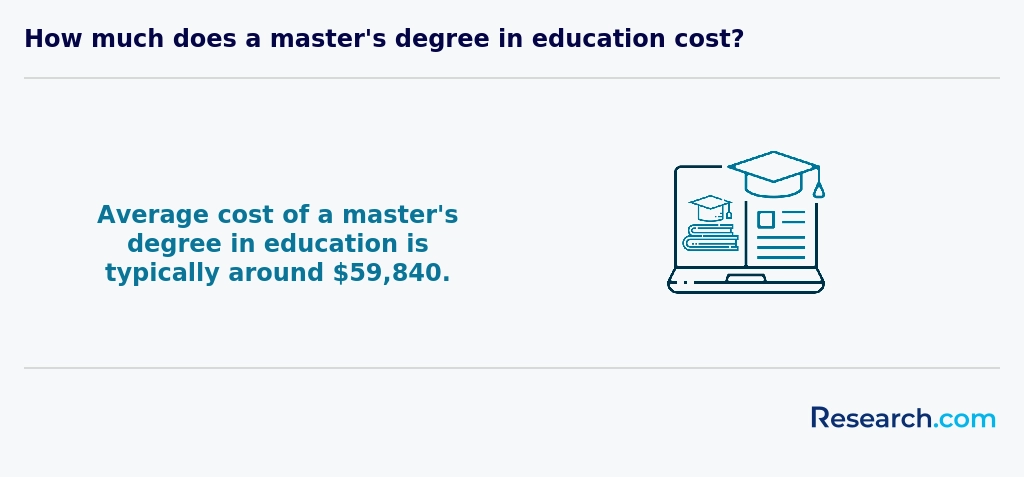
Understanding the steps to become a licensed special education teacher is crucial in Massachusetts. Licensing ensures you meet state standards and can smoothly transition into the classroom.
Key requirements include:
- Completion of a DESE-approved online master’s program with supervised practicum hours
- Passing the Massachusetts Tests for Educator Licensure (MTEL) in Special Needs (54)
- Submission of official transcripts and clinical practice verification to DESE
- Background check and receipt of an Initial or Professional License before teaching
Maintaining your license involves renewing every five years with documented professional development and additional endorsements as needed. For advanced funding opportunities and doctoral pathways, check out fully funded edd programs online
Imagine diving into an online special education degree at a renowned Massachusetts school like Boston University or the University of Massachusetts while unlocking a treasure chest of financial aid. Many graduates share how federal loans, especially Direct Subsidized and Unsubsidized Loans, provided a vital lifeline, even if Pell Grants weren't on the table for them. These loans, often paired with loan forgiveness programs, ease the journey by lessening the long-term burden.
The state steps in, too, with the Massachusetts Loan Repayment Program offering real relief for teachers in special education fields-graduates often recall the excitement of seeing a portion of their student debt vanish as they worked in high-need schools.
Institutional scholarships at these universities are more than numbers; they feel like personal victories, rewarding dedication and financial need. And for those balancing work and studies, employer tuition assistance transforms hope into attainable progress, making the dream of advancing in special education feel genuinely within reach.
- Regional accreditation (e.g., NECHE) ensures credit transferability and access to federal aid.
- CAEP or NCATE accreditation aligns programs with national special education standards.
- Massachusetts DESE approval is mandatory to sit for the MTEL Special Education exam and obtain your teaching license.
- Most programs incorporate 600+ hours of supervised practicum in Massachusetts K-12 settings.
- After graduation, pass the MTEL Special Education test and submit transcripts plus licensure application to DESE.
For post-master’s advancement, explore fully funded edd programs online.
Diving into an online special education degree in Massachusetts often starts with holding a bachelor's degree, usually from an accredited school like UMass Amherst or Boston University. Graduates from these programs often recall how having a background in education or psychology helped them grasp complex concepts more quickly, yet others found success coming from different fields, embracing the program's openness.
Many programs expect a solid academic record, typically a 3.0 GPA or higher, ensuring students are ready to keep up with the rigorous coursework ahead. Some grads share how their passion and hands-on experience in classrooms or therapeutic settings made up for a slightly lower GPA, showing the value of real-world practice.
In Massachusetts, obtaining special education licensure means completing state-approved educator preparation that includes practical teaching experiences, coordinated locally, making distance learning feel connected and tangible. This blend gives students confidence, blending theory with real impact.

Earning a valid Massachusetts special education license starts with selecting a program that meets rigorous state and national standards.
- Ensure the program is accredited by CAEP or NECHE to guarantee quality and transferability
- Confirm approval by the Massachusetts Department of Elementary and Secondary Education (DESE) for your desired endorsement (e.g., Moderate Disabilities)
- Complete required graduate credits and supervised practicum hours in a DESE-approved school setting
- Pass the Massachusetts Tests for Educator Licensure (MTEL) in Special Education content and Foundations of Reading, if applicable
- Submit your Initial or Professional License application through DESE, including background checks and official transcripts
- Maintain active licensure with ongoing professional development and renewal requirements
For insights into fully funded doctoral pathways, explore fully funded edd programs online.
Diving into the online special education degree journey in Massachusetts, you'll explore a rich mix of courses designed to transform your understanding and skills. Imagine yourself at a well-known Massachusetts college, engaging deeply with an introduction to special education and disability studies-this course opens your eyes to the unique challenges students face and sparks a genuine passion for making a difference.
Graduates often reflect on how assessment and evaluation classes gave them confidence to identify student needs with precision, while legal courses grounded them in vital frameworks like the Individuals with Disabilities Education Act (IDEA) alongside Massachusetts-specific regulations.
You'll also discover hands-on strategies in instructional methods and behavior management, tailored to real classrooms filled with diverse learners-from children with autism to those with emotional disturbances.
Collaborating with families and general education teachers is another vital element, making the learning feel immersive and personal. Practicum experiences arranged locally connect theory to practice, ensuring you're not just studying education, but living it.
Diving into online special education specializations Massachusetts universities offer, you'll find a rich array of pathways tailored to diverse learner needs. Many graduates from renowned institutions share how specializing in Autism Spectrum Disorder (ASD) transformed their approach, equipping them to craft personalized communication techniques and behavioral strategies essential for supporting students on the spectrum.
Others find their calling in learning disabilities, gaining insights on addressing challenges like dyslexia and ADHD, which helps them create dynamic classroom environments that truly engage students. These specialized skills come alive when students recall their practicum experiences at popular Massachusetts colleges, where theory met real classroom creativity.
The focus on behavioral disorders also resonates deeply with those passionate about emotional support and positive intervention-graduates speak of the rewarding moments managing behavioral health challenges in schools that champion holistic care. For those curious beyond core areas, options in early childhood special education or assistive technology add exciting layers, aligning with Massachusetts's commitment to inclusive education.
Exploring fastest online special education graduate certification offerings can be a thrilling next step to refine your expertise and impact urgently needed local communities.
Choosing the best online special education degree in Massachusetts means diving deep into program accreditation and state approval. Graduates from well-known state universities often share how DESE-approved programs boosted their confidence, knowing their degree meets professional standards. Imagine studying with experts who understand Massachusetts special education laws-this real-world connection makes coursework feel engaging and relevant.
Flexibility is a game-changer for many aspiring teachers balancing work and life. Popular colleges offer asynchronous courses and manageable practicum options nearby, making it easier to gain hands-on experience without uprooting your routine. Cost matters too; comparing tuition fees and financial aid from various campuses can reveal surprisingly affordable special education master's programs Massachusetts offers, especially public institutions with in-state rates.
One adventurous graduate discovered these advantages while searching for the fastest online special education master's degree, which saved both time and money. Look at programs with strong faculty support and positive alumni outcomes to ensure you're choosing a path that leads to success and personal growth.
Graduates with an online special education degree in Massachusetts find a wealth of career paths that spark both passion and purpose. Many step into roles as special education teachers in vibrant classrooms across public and private schools, where they craft personalized learning adventures for students with diverse needs. Others adventure into leadership, becoming coordinators or program directors who ensure that services meet the highest standards under IDEA guidelines. Imagine a graduate from a renowned Massachusetts university who started as a behavioral specialist, helping students navigate emotional challenges while collaborating closely with therapists and educators-this kind of teamwork transforms lives.
Opportunities expand beyond schools, too. Online special education job opportunities Massachusetts graduates enjoy include work with community centers and state agencies like the Massachusetts Rehabilitation Commission, guiding individuals toward independence and employment. Exploring these options can feel thrilling, especially after completing a program at one of the state's top institutions known for strong support and solid real-world training. For those curious about special education career adventures, exploring special education online programs can be the first exciting step.
The job market for online special education degree graduates in Massachusetts sparkles with opportunity. Graduates from well-known institutions such as Boston University and Bridgewater State University often share stories of smoothly transitioning into roles where their skills directly impact students' lives. Schools in both urban and suburban districts eagerly seek passionate special education teachers who can adapt to varied challenges, from supporting students with learning disabilities to autism spectrum disorders. This robust demand makes employment opportunities for online special education graduates Massachusetts especially promising.
Many grads highlight that completing an online program not only equipped them with essential teaching strategies but also prepared them for the state's licensure requirements, unlocking doors to fulfilling positions. The blend of academic rigor and Massachusetts' supportive educational ecosystem fuels a rewarding career path. For those curious about broadening their educational horizons, exploring the types of education degrees can provide insight into related opportunities and specializations within the field.
2027 Most Affordable Online Master's in Special Education Degree Programs Ranking in Massachusetts
Investing in your education is a significant decision that can shape your future, and the Research.com team understands the importance of making informed choices. To assist prospective students in Massachusetts, we have meticulously crafted the "2027 Most Affordable Online Master's in Special Education Degree Programs Ranking in Massachusetts." Our commitment to quality, credibility, and accuracy is reflected in the extensive research and analysis conducted to compile this ranking.
We utilized the following reputable data sources to ensure a comprehensive evaluation of special education programs:
By exploring this ranking, readers will gain valuable insights into affordable and high-quality online master's programs in special education available in Massachusetts, enabling them to make well-informed decisions about their educational investments. For more information on how this ranking was created, please visit our Research.com methodology page.


# 4 position
University of Massachusetts-Boston
Master of Vision Rehabilitation Therapy specialization

Frequently Asked Questions About special education
Students pursuing an online special education degree in Massachusetts can maximize their learning experience by actively engaging in virtual class discussions and collaborative projects. Research from the Massachusetts Department of Elementary and Secondary Education highlights that interactive learning improves retention and practical skills. Utilizing available campus resources, such as online tutoring and counseling, can also support academic success.
Networking with peers and faculty through forums and virtual office hours helps build connections important for future employment in the state's education system. Familiarity with Massachusetts' specific special education laws, particularly Chapter 71B, will better prepare students for real-world challenges.
Additionally, completing fieldwork or internships at local schools enhances hands-on experience, crucial for licensure and career readiness. According to recent state data, over 20% of special education teachers in Massachusetts hold online degrees, demonstrating the growing acceptance of this learning mode.
The field of special education is evolving, with several emerging niches gaining importance. One significant area is assistive technology, where educators focus on integrating devices and software to support students with disabilities. This niche addresses the increasing demand for tech-savvy special education professionals in Massachusetts schools, given the state's commitment to inclusive education.
Another growing specialty is behavior intervention and support. Professionals trained in this area design strategies to improve social and emotional skills, which is critical since Massachusetts reports a rising number of students receiving behavioral services (Massachusetts Department of Elementary and Secondary Education, 2023).
Additionally, educators skilled in serving students with autism spectrum disorder (ASD) are in high demand. With an estimated 1 in 54 children diagnosed with ASD nationwide, specialized training programs focus on evidence-based interventions tailored to this group.
Emerging fields also include early childhood special education and transition planning, helping students prepare for post-secondary education or careers. Each niche reflects the increasing complexity and diversity of students' needs in Massachusetts classrooms.
After earning an online special education degree in Massachusetts, preparing for the job market involves several important steps. First, graduates must obtain Massachusetts state licensure, which requires passing the Massachusetts Tests for Educator Licensure (MTEL), including the communication and literacy skills test and the relevant subject area test for special education.
Networking with local school districts and professional organizations like the Massachusetts Association of Special Education Teachers (MASET) can enhance job prospects. According to the Massachusetts Department of Elementary and Secondary Education (DESE), the demand for special education teachers is expected to grow by 7% through 2028.
Developing classroom experience through student teaching or internships during the degree program is valuable. Additionally, obtaining National Board Certification can improve competitiveness and salary potential. Staying current with federal and state education policies related to IDEA (Individuals with Disabilities Education Act) also supports professional readiness.
Employers seeking graduates with online special education degrees in Massachusetts prioritize strong communication skills to effectively collaborate with students, families, and multidisciplinary teams. Adaptability is also crucial, as educators must tailor approaches to diverse learning needs and disabilities.
Knowledge of Individualized Education Programs (IEPs) stands out, given Massachusetts schools' legal requirements under the Individuals with Disabilities Education Act (IDEA). According to the Massachusetts Department of Elementary and Secondary Education, proficiency in behavior management strategies is essential to support positive student outcomes.
Lastly, employers value data-driven decision-making skills that enable educators to assess progress and adjust instruction appropriately, aligning with state accountability measures reported in recent education workforce studies.
Finding internships in Massachusetts relevant to a special education degree involves leveraging both educational institutions and local agencies. Many universities with online special education programs have partnerships with Massachusetts public schools, which often serve as internship sites. The Massachusetts Department of Elementary and Secondary Education (DESE) provides resources and listings for approved internship placements in its school districts.
Students should contact their program advisors early to access these opportunities. Local organizations, such as the Federation for Children with Special Needs, also offer practical experiences and volunteering options. According to DESE, around 18% of students in Massachusetts public schools receive special education services, highlighting the need for qualified interns in various settings.
Networking through professional associations like the Massachusetts Teachers Association can additionally connect students with internship openings. Online platforms and university career centers remain valuable tools for locating internships tailored to special education students.
An online special education degree in Massachusetts significantly enhances career mobility and advancement opportunities within the state's education sector. Massachusetts requires special education teachers to hold appropriate licensure, which online degree programs can prepare students for efficiently. According to the Massachusetts Department of Elementary and Secondary Education, earning a master's degree in special education can increase salary potential by an average of 15-20% compared to only holding a bachelor's degree.
Furthermore, online programs offer flexible learning schedules enabling current educators to advance without interrupting their careers. The state's focus on inclusive education creates a steady demand for qualified special education teachers, boosting job stability and leadership opportunities.
Advanced degrees also position candidates for roles such as program coordinators or specialists, with higher responsibilities and pay. Data from the Bureau of Labor Statistics (2023) shows Massachusetts has a 5% growth rate in special education roles, reinforcing career prospects for degree holders.
Studying for a special education degree in Massachusetts equips students with skills for interdisciplinary roles by emphasizing collaboration across various fields. Programs typically include training in communication, behavior analysis, and inclusive instructional strategies. This prepares graduates to work alongside general educators, therapists, counselors, and families.
Massachusetts schools often promote teamwork to support diverse learners, influencing curriculum design in higher education. According to the Massachusetts Department of Elementary and Secondary Education, coordinated services among educators and specialists improve student outcomes in special education settings.
Online programs mirror this focus, offering courses on multi-disciplinary approaches and legal frameworks. Graduates gain the ability to manage complex cases, advocate for students, and contribute effectively within educational teams.
Choosing between a thesis and a non-thesis special education degree in Massachusetts depends on your career goals and interests. A thesis program involves conducting original research, which prepares students for roles in academia or specialized research positions. According to the Massachusetts Department of Elementary and Secondary Education, many educators pursue advanced roles requiring research skills, making a thesis option beneficial.
A non-thesis program typically emphasizes practical training and coursework, ideal for professionals seeking classroom leadership or administrative roles. The Bureau of Labor Statistics reports that special education teachers in Massachusetts earn a median annual wage higher than the national average, especially with advanced degrees.
Consider how much time and effort you can commit; thesis programs often require more time due to research demands.
Students based in Massachusetts who wish to study special education abroad face a complex set of options. While many international universities offer programs in special education, transferring credits to a Massachusetts state license can be challenging. The Massachusetts Department of Elementary and Secondary Education (DESE) requires specific coursework and clinical experiences aligned with state standards.
Some students choose to enroll in online programs offered by foreign universities accredited in their countries, but must verify if these degrees meet Massachusetts certification requirements. Alternatively, partnerships between U.S. and international institutions can facilitate smoother credit transfers.
According to DESE, approximately 18% of Massachusetts public school students receive special education services, highlighting strong demand for qualified educators locally, which may influence choices toward programs recognized in the U.S.
Part-time job opportunities in Massachusetts that complement special education degree education often include roles such as teaching assistants, paraeducators, and behavioral aides. These positions provide practical experience working with students who have diverse learning needs, which enhances the skills gained through an online special education program.
According to the Massachusetts Department of Elementary and Secondary Education, there is consistent demand for educators skilled in individualized support. Working as a paraprofessional in a public school system allows students to apply theories from their coursework in real classroom settings.
Other relevant part-time roles include tutoring students with disabilities and supporting community programs focused on inclusive education. Such jobs provide hands-on interaction critical for understanding Massachusetts's special education laws and practices.
Online special education students in Massachusetts benefit from a variety of networking opportunities despite the remote format of their studies. Many universities offer virtual events such as webinars, discussion forums, and group projects that encourage interaction with peers and faculty. These platforms help create professional connections essential for career growth.
Additionally, students can engage with state organizations like the Massachusetts Department of Elementary and Secondary Education (DESE), which frequently hosts conferences and workshops focusing on special education. Joining professional groups such as the Massachusetts Branch of the Council for Exceptional Children provides access to local networking and mentorship.
According to DESE reports, Massachusetts employs over 20,000 special education teachers statewide, presenting significant opportunities for collaboration and employment. Online program graduates often leverage LinkedIn and other social media networks to connect with local educators and specialists. This blend of institutional resources and professional organizations ensures strong support for online students pursuing careers in special education in Massachusetts.
Alumni networks provide valuable support to online special education degree students in Massachusetts by connecting them with experienced professionals and recent graduates. These networks often offer mentoring opportunities, job leads, and advice tailored to Massachusetts' unique educational regulations and community needs.
With Massachusetts ranking among the top states for special education funding and resources, alumni can share insights on navigating state-specific certification requirements and effective teaching strategies.
Engagement in alumni groups also helps students access workshops and local events, fostering professional growth despite studying online.
According to the Massachusetts Department of Elementary and Secondary Education, strong professional connections contribute significantly to career advancement in this field.
In Massachusetts, customizing an online special education degree program involves selecting courses and concentrations aligned with your career goals. Many programs offer specialized tracks such as autism spectrum disorders, behavioral interventions, or inclusive education, allowing you to focus on areas of interest.
Students can often choose electives that support licensure or endorsement in the state, which is crucial since Massachusetts requires specific certifications for special educators. Online programs may also provide flexible practicum placements in local schools to match your professional focus.
According to the Massachusetts Department of Elementary and Secondary Education, nearly 17% of K-12 students receive special education services, emphasizing the demand for therapists and educators skilled in diverse needs.
Exploring university offerings and state guidelines ensures your degree supports both your aspirations and regional requirements.
Online special education students in Massachusetts often face challenges related to balancing coursework with professional and personal obligations. Many candidates are currently working educators or professionals, which can complicate timely submission of assignments and participation in interactive components.
Another common issue is limited access to hands-on, experiential learning opportunities necessary for special education training, such as in-class observations or practicum placements. Massachusetts regulations require specific field experiences, which can be difficult to arrange remotely.
Additionally, students may encounter technological barriers, including unreliable internet access or limited familiarity with digital platforms used by universities. According to the Massachusetts Department of Elementary and Secondary Education, this can impact student engagement and satisfaction.
Lastly, adapting to the rigor of special education content online, with its emphasis on legal frameworks and individualized education plans, requires strong self-discipline and time management skills.
With an online special education degree in Massachusetts, graduates can pursue several professional certifications that enhance their teaching credentials. The most common pathway is to obtain a Massachusetts Initial or Professional License in special education, which allows educators to work with students who have diverse learning needs.
Additionally, teachers may seek the Massachusetts Department of Elementary and Secondary Education's (DESE) endorsement in specialized areas like moderate disabilities or severe disabilities. These endorsements require passing specific tests and completing approved coursework.
National certifications also complement state credentials, such as the Certified Special Education Teacher (CSET) credential offered by the Council for Exceptional Children. This is recognized nationwide and can improve job opportunities.
Massachusetts reported that approximately 17% of its public school students receive special education services, underlining the demand for certified teachers in this field (Massachusetts DESE, 2023).
Writing a winning application for an online special education program in Massachusetts requires clarity and strong preparation. Start by thoroughly researching programs approved by the Massachusetts Department of Elementary and Secondary Education (DESE), ensuring they meet state licensure requirements. Highlight any relevant experience working with diverse learners or in special education settings, as practical background strengthens applications.
Showcase your passion for supporting students with disabilities through a well-crafted personal statement. Incorporate data, such as Massachusetts having over 120,000 students receiving special education services (MA DESE, 2023), to demonstrate awareness of local educational needs. Strong recommendation letters from educators or supervisors familiar with your work are crucial.
Finally, ensure all transcripts and test scores are submitted accurately and on time to meet program deadlines.
The global view of a special education career emphasizes inclusivity and support for diverse learners. In the U.S., including Massachusetts, there is a growing demand for qualified special educators to meet federal mandates such as IDEA (Individuals with Disabilities Education Act). This focus reflects a worldwide trend toward recognizing the rights and needs of students with disabilities.
Massachusetts consistently ranks among the top states for educational funding and services for special education. According to the Massachusetts Department of Elementary and Secondary Education, over 16% of public school students receive special education services, highlighting a strong commitment to this sector.
Worldwide, special education professionals are seen as essential advocates and facilitators of equitable learning. The increasing availability of online degrees in Massachusetts supports the global shift by making advanced training more accessible, improving teacher preparation and effectiveness.
Gaining practical experience while studying for an online special education degree in Massachusetts typically involves completing supervised fieldwork or student teaching. Massachusetts requires candidates for special education licensure to complete a certain number of practicum hours, often arranged through partnerships between your online program and local schools.
Students can work with public school districts to fulfill the state-mandated 150 to 300 hours of supervised practicum, which is essential to apply theoretical knowledge in real classroom settings. The Massachusetts Department of Elementary and Secondary Education (DESE) sets clear guidelines to ensure this training meets professional standards.
Many programs assist with placement in Massachusetts schools, allowing candidates to gain hands-on experience in diverse educational environments. This practical exposure is crucial for understanding Individualized Education Programs (IEPs) and tailored teaching strategies needed by Massachusetts students with disabilities.
When choosing the right concentration within an online special education degree in Massachusetts, start by considering your career goals. Massachusetts offers diverse options, such as autism spectrum disorders, behavioral disorders, or early childhood special education. Each concentration targets specific student needs and teaching approaches.
Review Massachusetts Department of Elementary and Secondary Education (DESE) certification requirements for your preferred concentration. These regulations shape curriculum and ensure graduates are prepared for state licensure.
Additionally, assess demand in Massachusetts schools. According to DESE, autism spectrum disorder specialists are increasingly needed, reflecting national trends. Aligning your concentration with strong job prospects can enhance employability.
Evaluate programs' alignment with evidence-based practices and inclusion models favored in Massachusetts. Accreditation status and faculty expertise in your chosen concentration are also critical. Thorough research will help match your interests and state standards effectively.
- 2027 Most Affordable Online Master's in Special Education Degree Programs Ranking in New York
- 2027 Most Affordable Online Master's in Special Education Degree Programs Ranking in Maine
- 2027 Most Affordable Online Master's in Special Education Degree Programs Ranking in Pennsylvania
- 2027 Most Affordable Online Master's in Special Education Degree Programs Ranking in Virginia
- 2027 Most Affordable Online Master's in Special Education Degree Programs Ranking in Ohio
- 2027 Most Affordable Online Master's in Special Education Degree Programs Ranking in Kentucky
- 2027 Most Affordable Online Master's in Special Education Degree Programs Ranking in Georgia
- 2027 Most Affordable Online Master's in Special Education Degree Programs Ranking in Missouri
- 2027 Most Affordable Online Master's in Special Education Degree Programs Ranking in Minnesota
- 2027 Most Affordable Online Master's in Special Education Degree Programs Ranking in Kansas
- How to Prepare for Careers in Special Education | Eastern CT State https://www.easternct.edu/graduate-division/online/articles/how-to-prepare-for-careers-in-special-education/
- Special Education Master’s & EdS-Online Licensure Tracks https://www.baypath.edu/academics/graduate-programs/special-education-msed-eds/
- SEND Alumni Toolkit https://resources.careersandenterprise.co.uk/resources/send-alumni-toolkit
- Organizations for Special Education Teachers https://teach.com/resources/special-education-organizations/
- Choose Your Path in Special Education Careers | OPTIMISE https://optimise.education/choose-your-special-education-path/
- Special Education Teacher | Inclusive Education Jobs | Jobs in Education https://jobsineducation.com/categories/special-education-teacher-jobs/
- Global Perspectives on inclusive and special Education: An analysis of International Policy Frameworks https://www.journalijdr.com/global-perspectives-inclusive-and-special-education-analysis-international-policy-frameworks
- Discover more about Special Education and where to study it abroad https://www.hotcoursesabroad.com/subject/special-education/
- Special Education https://www.gordon.edu/herschend/programs/special-education
- BA (Hons) Applied Education with Inclusive Practice (Online) https://www.uel.ac.uk/undergraduate/courses/ba-hons-applied-education-inclusive-practice-online