
2027 Easiest Online Master's in Special Education Degree Programs Ranking in Arizona

Co-Founder and Chief Data Scientist
Exploring options for an online master's in special education can feel overwhelming, especially when considering Arizona programs. This article presents the 2027 Easiest Online Master's in Special Education Degree Programs Ranking in Arizona, developed by the Research.com team of data scientists. It aims to support your decision-making by identifying programs that balance quality with accessibility.
Choosing the right program opens doors to rewarding careers helping students with diverse learning needs. Reading this ranking will empower you to find a program that fits your goals and lifestyle, making your educational journey smoother and more fulfilling.
Key benefits of getting online special education degree in Arizona
- Special education graduates in Arizona can pursue rewarding careers such as special education teachers, who typically earn around $60,000 per year nationally, offering both financial stability and fulfillment.
- Graduates from Arizona State University often find diverse career paths, including school psychologist roles or educational consultants, allowing them to make a meaningful impact on students' lives.
- Online special education degrees from the University of Arizona provide flexibility for working students, making it easier to balance studies and personal commitments while gaining the same respected credentials as traditional programs.
- 2027 Easiest Online Master's in Special Education Degree Programs Ranking in Arizona
- What can I expect from online special education degree in Arizona?
- Where can I work with online special education degree in Arizona?
What can I expect from online special education degree in Arizona?
Students pursuing an online special education degree in Arizona typically invest between $10,000 and $25,000 for a master's program, depending on the university and residency status. Graduates from respected institutions like Arizona State University often share how this investment was worthwhile, opening doors to fulfilling careers dedicated to supporting learners with special needs.
The flexibility of these programs, combined with rigorous coursework tailored to Arizona's unique educational landscape, helps many balance work, family, and study. For instance, graduates recall engaging in virtual classroom simulations that enriched their skills without sacrificing their daily responsibilities. This practical approach instills confidence and prepares them to advocate effectively for students across varied settings.
Choosing an accredited program guarantees recognition of credits and smooth preparation for state licensure exams, which many Arizona graduates view as a vital stepping stone to their professional success. The positive personal growth and job readiness these programs foster inspire students to embrace their evolving roles as compassionate, knowledgeable educators.
Where can I work with online special education degree in Arizona?
Graduates from online special education programs at well-known Arizona institutions often find inspiring career opportunities throughout the state. Many step confidently into public K-12 schools, where they joyfully support students with disabilities, helping them thrive alongside their peers. Imagine working in bustling urban districts or close-knit rural communities, making a real difference for the 13% of Arizona's students who receive special education services.
Others discover fulfilling roles in private and charter schools, tailoring instruction to meet unique learning needs in dynamic environments. Early intervention programs, like AzEIP, offer graduates the chance to nurture young children's development during critical early years, creating lasting impacts from the very beginning.
Some alumni embrace careers in clinics and nonprofits, collaborating with therapists and counselors to create supportive, multidisciplinary teams. Educational consultants and curriculum developers strengthen schools' special education offerings, helping districts comply with IDEA and innovate teaching approaches. Many graduates also pursue higher education roles, training future educators and advancing inclusive practices statewide, sparking hope and positive change through their work.
Graduates who earn an online special education degree from well-known Arizona institutions often start their careers with annual salaries ranging from $40,000 to $45,000. This starting pay reflects the dedication required to support diverse learners in public schools across the state. As these educators gain experience and earn additional certifications, their salaries can rise to between $55,000 and $65,000, showcasing real career growth and financial rewards.
Many graduates who complete programs from popular Arizona colleges find opportunities in urban centers like Phoenix and Tucson, where salaries are about 10% higher than in rural areas due to increased funding and living costs. These teachers often feel a strong sense of fulfillment knowing their specialized skills make a meaningful impact on children's lives in inclusive and specialized settings.
For those holding advanced degrees, such as master's credentials obtained through online programs, salaries can surpass $70,000 in some districts, reflecting recognition of their expertise and dedication. With benefits like health insurance and professional development stipends, the total compensation package further supports a rewarding and stable career path in Arizona.
- Arizona offers accredited online special education degrees that meet state certification requirements and allow remote coursework completion.
- Tuition for online master's degrees in special education ranges from $12,000 to $25,000, with lower fees than on-campus programs and eligibility for federal aid and scholarships.
- Employment for special education teachers in Arizona is expected to grow by 4% to 6% from 2020 to 2030, driven by state mandates and inclusive education policies.
- Early-career special education teachers typically earn $40,000 to $50,000 annually, with experienced teachers earning around $60,000 or more, including higher incentives in some rural areas.
- Licensure requires completing approved educator preparation programs and passing Arizona Educator Proficiency Assessments, with online degrees often fulfilling these standards.
- Many programs include practical internships in local school districts to provide hands-on teaching experience in diverse classrooms.
Completing an online special education degree in Arizona is an empowering journey that typically takes between 18 months and three years, depending on your pace and enrollment status. Many graduates from well-known institutions like Arizona State University share how the flexibility of online programs allowed them to balance work, family, and studies successfully. Full-time students often finish within two years, embracing a focused schedule that keeps motivation high and the finish line clear.
Part-time learners, who may be managing jobs or other responsibilities, find comfort in the extended time frames. Some have stretched their studies to three years, appreciating the ability to progress steadily without sacrificing personal commitments. The blend of coursework and hands-on practicum, required by Arizona's Department of Education, brings real-world experience that makes learning deeply meaningful and rewarding.
Whether you complete your degree rapidly or take a flexible route, special education graduates consistently celebrate the sense of purpose and readiness that this path instills, preparing them to make a difference in their communities.
Online and on-campus special education degrees in Arizona each offer unique advantages that empower you to shape your teaching journey according to your lifestyle. Online programs, favored by many graduates from Arizona State University, provide the freedom to learn from home, making it possible to balance family and work commitments while advancing your education. Imagine completing coursework on your own schedule, supported by virtual discussions and resources tailored to foster your growth.
In contrast, students attending the University of Arizona on-campus programs experience vibrant, face-to-face interactions that deepen practical skills through hands-on workshops and direct mentorship. These in-person experiences build lasting connections and confidence in real classroom settings, enriching your ability to support diverse learners.
Whether choosing an online or traditional path, Arizona's special education degrees emphasize rigorous practicums in local schools, ensuring you're well-prepared to meet state certification standards. Many graduates proudly share how flexible tuition and strong community support have made their aspirations attainable and inspiring, no matter which format they choose.
The average cost of an online special education degree in Arizona typically centers around $23,508, offering a balanced investment for those passionate about making a difference. Graduates from well-known Arizona institutions often reflect on how their education opened doors to meaningful careers, emphasizing that this cost reflects exceptional value when compared to the lifelong impact of their work with diverse learners. Many find that tuition fees blend well with the quality of online programs designed to fit busy schedules, creating an empowering path to professional growth.
When considering the average cost of online special education degree Arizona students can expect, it's encouraging to note how public universities often provide options that keep expenses reasonable, especially for in-state learners eager to pursue advanced degrees. A typical student taking courses from prominent universities in Arizona might discover that tuition fees align with well-structured credit hour requirements, combining affordability with comprehensive content tailored for special education.
One inspiring aspect shared by graduates is how financial aid, scholarships, and employer tuition reimbursement often lighten the financial load, making the dream of obtaining an online degree even more accessible. For those looking toward a career in special education, exploring resources like a bachelor degree in special ed jobs helps to visualize the rewarding opportunities that follow investing in a specialized education.
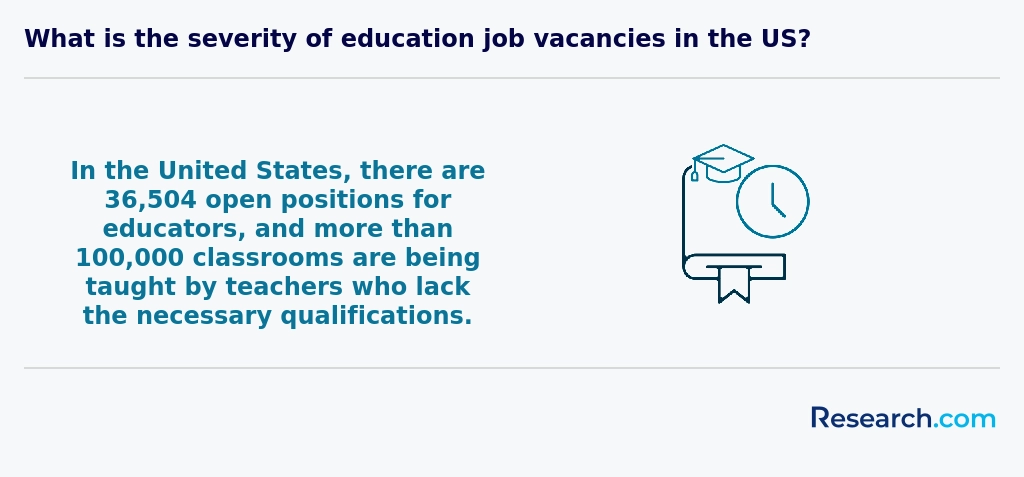
Students pursuing an online special education degree in Arizona often find a wealth of financial aid options that make this rewarding path accessible and inspiring. Many graduates from Arizona State University or Northern Arizona University share how completing the FAFSA opened doors to federal Pell Grants and low-interest student loans, easing their tuition burden. These grants and loans provide practical support, enabling students to focus wholeheartedly on their studies without overwhelming financial stress.
State programs like the Arizona Teachers Academy offer incredible scholarships for those committed to serving in high-need areas, encouraging graduates to become change-makers in local classrooms. Numerous universities also provide their own scholarships based on merit or need, with some grads recalling how institutional aid boosted their confidence and commitment to their special education degree.
Employers often join the journey, too-many school districts and education bodies provide tuition reimbursement, turning professional dreams into reality. Private scholarships from organizations dedicated to exceptional education further open doors, supporting passionate students ready to make a difference in Arizona's diverse learning communities.
To embark on an inspiring journey toward an online special education degree in Arizona, prospective students typically begin with a bachelor's degree from an accredited institution. This foundational step, common among graduates from well-known universities in the state, instills confidence in handling advanced coursework.
Many successful graduates highlight the value of completing coursework in areas like child development or educational psychology before enrolling. These classes create a solid groundwork to openly embrace the rewarding challenges of special education.
Arizona schools generally expect a minimum GPA around 2.5 to 3.0, reflecting dedication and readiness. A graduate from a popular state university recalls how meeting this helped them feel prepared for the enriching material ahead.
Additional requirements often include heartfelt letters of recommendation and a personal statement sharing your unique mission to uplift learners with special needs. For current educators, proof of teaching eligibility unlocks specialized licensure programs crafted to elevate your career.
Such prerequisites remind you that every step is a meaningful stride toward making a real difference in Arizona's educational community.
Students pursuing an online special education degree in Arizona engage in courses that empower them to become compassionate, skilled educators. Graduates from respected Arizona institutions often share how foundational classes like Principles of Special Education illuminated the history and vital legal protections, such as the Individuals with Disabilities Education Act (IDEA), that shape their teaching efforts. Others describe the confidence gained through courses on Assessment and Evaluation, where they learn to understand each learner's unique needs with precision.
Instructional Strategies classes inspire many to craft engaging, individualized lessons, helping learners thrive in real classrooms. Courses in Behavior Management equip future teachers with positive tools to support students with challenging behaviors, transforming obstacles into breakthroughs.
Collaboration and Consultation training prepares students to build strong partnerships with families and specialists, a skill graduates from Arizona's online programs say is essential. Specialized courses on autism spectrum disorder and intellectual disabilities deepen this expertise, ensuring readiness to meet Arizona Department of Education standards with heart and professionalism.
Arizona's online special education degree specializations offer inspiring pathways for students eager to make a meaningful difference in learners' lives. Graduates from well-known universities in Arizona often share how focusing on Autism Spectrum Disorders (ASD) allowed them to develop compassionate teaching methods tailored to unique social and communication needs. Others found joy in mastering strategies for Behavioral Disorders, empowering them to support students facing emotional challenges with patience and confidence.
Popular specializations also include Learning Disabilities, supporting students with dyslexia or other processing difficulties, and Early Childhood Special Education, which prepares educators to nurture young learners with developmental delays. For those drawn to working with diverse needs, the Severe or Multiple Disabilities track provides comprehensive tools to serve students facing significant cognitive or physical challenges. These options reflect the variety you'll find in top Arizona programs and help you specialize in ways that closely match your passions and strengths.
Online learners appreciate how these specializations connect directly to Arizona's certification standards, providing practical coursework aligned with how to get a special education teacher certification. Choosing a program here means joining a supportive community striving to enrich the future of special education across the state.
Choosing the best online special education degree in Arizona means prioritizing accredited programs that align with state requirements and your unique passions. Graduates from well-known Arizona universities often share how flexible schedules and personalized advising allowed them to balance work, family, and studies-key for busy professionals. Programs that focus on practical skills, such as behavioral interventions or autism spectrum disorder, prepare you to make a real impact in classrooms across the state.
For those seeking affordable special education master's programs Arizona public universities provide competitive tuition, especially for residents, without sacrificing quality. Many students appreciate how their degrees included practicum opportunities in Arizona schools, giving hands-on experience essential for licensure. This direct connection to the community fueled their confidence and passion for teaching diverse learners.
Embrace your journey knowing that pathways exist for a teaching certificate recognized by the Arizona Department of Education, a must-have for your career. Exploring careers with special education degree reveals countless inspiring stories of educators transforming lives every day-your story could be next!

Graduates of an online special education degree in Arizona discover a world of rewarding career options that make a real difference in students' lives. Many become licensed special education teachers, working in vibrant classrooms across the state's public and private schools, empowering students with diverse needs to overcome challenges and thrive. Others find fulfillment as behavioral intervention specialists or educational diagnosticians, roles that allow them to create tailored support plans and directly impact students' personal growth.
Arizona's popular universities offering online special education degrees prepare graduates for inspiring careers such as speech-language pathologists, special education administrators, and transition specialists who guide students toward successful futures beyond high school. These paths reflect the state's commitment to inclusion and excellence, which fuels the strong job market and expanding opportunities.
Many students pursuing online special education career options Arizona report feeling empowered by flexible, affordable programs that fit busy lives. For those seeking to explore top programs with credibility and positive outcomes, consider exploring the best online special education master's programs tailored to support your goals and aspirations.
The job market for those pursuing online special education jobs Arizona is vibrant and full of opportunity. Graduates from well-known institutions like Arizona State University and Northern Arizona University find themselves stepping into roles where they truly make a difference. These schools prepare students not only academically but also with practical skills that meet the state's growing demand for skilled educators. Many graduates share stories of quickly securing positions due to the state's emphasis on supporting inclusive classrooms and federal laws requiring individualized support for students with disabilities.
Teaching special education in Arizona means contributing to communities where teacher shortages are common, especially in rural districts. Salaries generally start around $58,000 and come with competitive benefits, encouraging passionate educators to grow their careers locally. By choosing an online program tailored to Arizona's certification requirements, students feel confident their credentials will open doors to rewarding jobs.
This demand stems from various factors, including an increase in students needing specialized educational support and the state's dedication to inclusive education. For deeper insight into the roles of special education teacher, many online graduates find their purpose driving change and progress within Arizona schools.
2027 Easiest Online Master's in Special Education Degree Programs Ranking in Arizona
Investing in your education is a significant decision that can shape your future, and the Research.com team understands the importance of making informed choices. To assist prospective students in Arizona, we have meticulously developed the "2027 Easiest Online Master's in Special Education Degree Programs Ranking in Arizona." Our dedication to quality, credibility, and accuracy is demonstrated through the thorough research and data analysis conducted to produce this ranking.
We utilized the following reputable data sources to ensure a comprehensive evaluation of online special education master's programs:
By exploring this ranking, readers will gain valuable insights into the easiest and most accessible online master's programs in special education in Arizona, empowering them to make well-informed educational decisions. For more details on how this ranking was created, please visit our Research.com methodology page.


# 3 position
Arizona State University Campus Immersion
Master of Curriculum and Instruction - Gifted Education

Frequently Asked Questions About special education
Online special education degree students in Arizona can maximize their learning experience by actively engaging with course materials and participating in virtual discussions. Given Arizona's diverse student population, understanding local educational laws such as the Arizona Revised Statutes on special education enhances practical knowledge.
Utilizing available resources like the Arizona Department of Education's special education guidance and connecting with local mentors supports applied learning. Students should also seek field placements or internships in Arizona schools, as hands-on experience complements online theory and is often required for certification.
Staying organized and managing time effectively is essential, especially since many programs follow a semester-based calendar similar to traditional institutions in the US. Familiarizing oneself with assistive technologies commonly used in Arizona classrooms can also provide a competitive edge.
Emerging niches in special education are expanding as schools address diverse student needs. One growing area is the integration of technology to support students with disabilities, including the use of assistive devices and software. This aligns with Arizona's increasing investment in educational technology to improve accessibility.
Another key niche is autism spectrum disorder (ASD) support. The Arizona Department of Education notes a steady rise in ASD diagnoses, prompting demand for specialized educators trained in evidence-based interventions.
Additionally, there is a focus on emotional and behavioral disorders (EBD), with professionals developing tailored strategies to help students succeed academically and socially.
Transition planning for post-secondary life is also gaining importance, preparing students for independent living and employment. These niches reflect evolving priorities in Arizona's special education landscape.
After earning an online special education degree in Arizona, graduates should focus on state licensure requirements to enter the job market. Arizona requires educators to obtain an Alternative or Standard Teaching Certificate in Special Education through the Arizona Department of Education. This involves passing the appropriate Praxis exams and completing background checks.
Networking is also vital. Joining local chapters of professional organizations like the Council for Exceptional Children can help connect with peers and access job postings. According to the Arizona Department of Economic Security, special education teaching jobs are projected to grow by 7% by 2030 in the state, making strategic preparation important.
Additionally, graduates should pursue continuing education opportunities and internships to gain practical experience, which employers highly value in Arizona's competitive market.
Employers in Arizona seek special education graduates with strong skills in individualized instruction and behavior management. According to the Arizona Department of Education, proficiency in developing tailored learning plans that meet diverse student needs is essential. Communication skills are highly valued, as educators often collaborate with parents, therapists, and other specialists.
Data from the National Center for Education Statistics shows that Arizona's emphasis on inclusive classrooms increases demand for adaptability and teamwork. Graduates should also demonstrate competence in educational technology, an important tool in modern special education settings. Finally, knowledge of state laws and ethical practices is critical for compliance and effective advocacy.
Finding internships in Arizona relevant to a special education degree involves several strategic steps. First, contact local school districts, as they often collaborate with universities to offer student teaching and internship opportunities. Arizona's Department of Education provides resources and listings for approved internships in special education.
Many universities with online programs partner with local schools, making it easier to secure placements. Additionally, organizations like Arizona Autism Coalition and Vanderbilt University's Center for Excellence in Disabilities often support internship programs.
Networking with licensed special educators in Arizona and joining professional associations such as the Council for Exceptional Children's Arizona chapter can also help identify hidden opportunities.
An online special education degree in Arizona significantly enhances career mobility and advancement prospects for educators. According to the Arizona Department of Education, demand for special education teachers is projected to grow by over 15% through 2028, reflecting statewide priorities for inclusive education.
Online programs provide flexibility for working professionals to earn credentials, enabling quicker progression from entry-level teaching positions to specialized roles such as intervention specialist or program coordinator. Many districts in Arizona offer salary incentives and leadership opportunities tied to advanced certifications, which an online degree facilitates.
Additionally, national reports highlight that teachers with master's degrees in special education typically earn 10-20% more than those with only bachelor's degrees, encouraging further education.
In sum, earning an online special education degree supports educators in meeting Arizona's evolving educational standards while expanding career pathways within the state's public and private school systems.
Studying for a special education degree online in Arizona equips students with skills to work effectively in interdisciplinary teams. Arizona's programs emphasize collaboration between educators, therapists, and families to address diverse student needs. Coursework often includes training in communication, behavioral strategies, and legal frameworks related to disability services.
Students learn to integrate knowledge from fields like psychology, speech therapy, and occupational therapy. This prepares them to create comprehensive education plans. According to the Arizona Department of Education, special educators frequently coordinate with multiple professionals to support students with disabilities.
Online degrees also provide flexibility while aligning with state licensure requirements, helping graduates meet workforce demands in varied educational settings.
When choosing between a thesis and a non-thesis special education degree program in Arizona, consider your career goals first. Thesis programs typically require original research, making them ideal for students interested in pursuing doctoral studies or research positions. Non-thesis programs often focus on practical skills and coursework, suited for educators wanting immediate classroom application.
Arizona's special education field emphasizes evidence-based strategies, with approximately 12.5% of K-12 students receiving special education services, according to the Arizona Department of Education. This demand influences program structure.
Thesis options may take longer and require more commitment, while non-thesis paths often offer flexibility for working professionals. Review program requirements carefully to align with state certification needs and your professional aspirations.
Students based in Arizona who want to study special education abroad face limited direct options due to the unique requirements of U.S. teacher certification. Most U.S. special education master's programs, including online ones, comply with state-specific standards, which makes fully foreign accreditation less common. However, Arizona students can consider international universities offering compatible online curricula, provided they plan to meet Arizona Department of Education licensure requirements upon return.
Arizona has about 13.9% of K-12 students receiving special education services, emphasizing local demand (Arizona Dept. of Education, 2023). This drives many to pursue programs approved by Arizona to ensure professional eligibility.
Some international institutions collaborate with U.S. universities for dual degrees, but verification with Arizona's licensure office is critical. Students should carefully evaluate curriculum alignment and licensure reciprocity before enrolling.
Part-time job opportunities in Arizona that complement an online special education degree focus on roles that offer practical experience with diverse learners. Many students pursue positions as teacher aides in public schools, assisting certified special education teachers. This hands-on experience helps build essential skills in individualized instruction and behavioral support.
The Arizona Department of Education reports ongoing demand for paraprofessionals to support students with disabilities, reflecting growth in special education enrollment.
Other options include working as ABA (Applied Behavior Analysis) therapy assistants, which aligns well with evidence-based techniques taught in special education programs.
Community centers and nonprofit organizations also offer part-time roles supporting children with developmental delays or learning differences.
Online special education students in Arizona have various networking opportunities that support professional growth. Many Arizona universities offering these programs incorporate virtual cohort meetings, allowing students to connect regularly with peers and faculty members. Professional organizations such as the Arizona Council for Exceptional Children provide local events, webinars, and conferences where students can engage with experienced educators and specialists.
Additionally, students can access statewide resources like the Arizona Department of Education's special education division, which offers workshops and updates on policies.
Participating in these networks helps students build relationships essential for career advancement in Arizona's special education field, where demand is expected to grow by 7% through 2031 (Bureau of Labor Statistics).
Alumni networks offer significant benefits for students pursuing online special education degrees in Arizona. These networks provide access to experienced professionals who understand the unique challenges of special education within the state.
Members often share resources, job leads, and advice tailored to Arizona's educational policies, which is crucial given the state's specific licensure and teaching requirements. According to the Arizona Department of Education, nearly 15% of students receive special education services, highlighting a growing demand for qualified educators.
Networking through alumni groups can improve employment opportunities and professional development, connecting students to schools, districts, and advocacy organizations focused on Arizona's diverse student populations.
In Arizona, online special education degree programs often allow students to tailor their studies based on individual career goals. Customization options typically include choosing specialized coursework in areas like autism spectrum disorders, behavioral intervention, or early childhood special education. Some programs also offer flexible practicum placements, enabling students to gain experience in settings aligned with their interests.
The Arizona Department of Education highlights the rising demand for certified special educators, especially those skilled in inclusive practices. By selecting electives and field experiences thoughtfully, students can enhance their marketability for roles in public schools, private agencies, or advocacy organizations.
Additionally, many programs support certification pathways required by Arizona, ensuring alignment with state licensure requirements and career advancement opportunities.
Online special education students in Arizona often face challenges balancing coursework with work and family responsibilities. Many students juggle full-time jobs while managing demanding online class schedules. Connectivity issues and limited access to high-speed internet in rural areas of Arizona can hinder participation in live lectures and timely submission of assignments.
Another challenge involves obtaining practical training experiences. Since special education requires hands-on skills, students may struggle to arrange supervised fieldwork or internships remotely, which are critical for certifications. According to the Arizona Department of Education, special education enrollment grew by 5% in recent years, increasing demand for such practical placements.
Additionally, some students find it difficult to stay motivated without in-person peer and instructor support, which is vital for success in specialized fields like special education.
With an online special education degree in Arizona, you can pursue several professional certifications that enhance your qualification to work in diverse educational settings. The most common is the Arizona K-12 Special Education Teaching Certificate, which authorizes you to serve students with disabilities across the state. This certification requires passing the Arizona Educator Proficiency Assessments (AEPA) for special education.
Beyond teaching, you might seek a Board Certified Behavior Analyst (BCBA) credential, valuable for roles in behavioral intervention. Additionally, some graduates pursue certification in Speech-Language Pathology or Educational Diagnostician roles, depending on their specialization and further graduate coursework.
Arizona's Department of Education provides up-to-date requirements and pathways for these credentials, ensuring compliance with federal Individuals with Disabilities Education Act (IDEA) standards.
To write a winning application for an online special education program in Arizona, start by thoroughly researching the specific program's requirements. Many Arizona universities require a minimum GPA, letters of recommendation, and a personal statement. Highlight your passion for special education and relevant experience.
Include concrete examples of working with diverse learners or volunteering in educational settings. Arizona's Department of Education notes ongoing demand for special educators, making clear career goals important.
Be concise and focused in your essays, emphasizing your commitment to supporting students with special needs. Proofread carefully to avoid errors.
Submit official transcripts and meet all deadlines promptly to enhance your application's chance.
The global perspective on a special education career increasingly values specialized skills and cultural awareness. In the United States, including Arizona, demand for qualified special education professionals remains strong, driven by inclusive education policies. According to the Arizona Department of Education, there has been a steady growth in enrollment of students with disabilities, creating a need for trained educators.
Internationally, countries are aligning with frameworks like the United Nations' Convention on the Rights of Persons with Disabilities, emphasizing equal access to education. This impacts U.S. educators by encouraging global best practices in teaching diverse learners. Special educators in Arizona benefit from online degree programs that incorporate these global insights, preparing them for diverse classrooms.
Gaining practical experience while studying for an online special education degree in Arizona is essential for licensure and career readiness. Students typically complete supervised fieldwork or practicum hours in local schools, coordinated by their university's program. Arizona requires a specific number of clinical practice hours to meet the state's certification standards for special educators, usually around 600 hours. Many programs partner with public schools across Arizona, allowing online learners to work with diverse student populations face-to-face. These placements offer hands-on experience in implementing Individualized Education Programs (IEPs) and adaptive teaching strategies, critical for effective special education.
Local school districts in Arizona support special education candidates by providing mentorship during practicum. Online students should confirm practicum options and support services with their chosen university before enrolling to ensure compliance with state requirements. The Arizona Department of Education publishes guidance on certification and clinical experience that helps online students plan their practicum effectively.
Choosing the right concentration within an online special education degree program in Arizona requires understanding your career goals and the needs of the local community. Arizona has a diverse student population with various disabilities, including learning, emotional, and physical challenges, so concentrations often focus on these areas.
Review each program's curriculum to see if it aligns with Arizona's certification requirements. For example, the Arizona Department of Education specifies certifications for mild/moderate and moderate/severe disabilities. Selecting a concentration that matches these can improve employment prospects.
Additionally, consider the program's emphasis on evidence-based practices and culturally responsive teaching, which are critical in Arizona's multilingual and multicultural classrooms. The Arizona Department of Education reports a growing demand for special educators with specialized skills in autism spectrum disorders and behavioral interventions.
Finally, check if the program offers practicum placements in Arizona schools, as this hands-on experience helps in understanding state-specific regulations and inclusive settings.
- 2027 Easiest Online Master's in Special Education Degree Programs Ranking in Colorado
- 2027 Easiest Online Master's in Special Education Degree Programs Ranking in Texas
- 2027 Easiest Online Master's in Special Education Degree Programs Ranking in Kansas
- 2027 Easiest Online Master's in Special Education Degree Programs Ranking in Missouri
- 2027 Easiest Online Master's in Special Education Degree Programs Ranking in Minnesota
- 2027 Easiest Online Master's in Special Education Degree Programs Ranking in Kentucky
- 2027 Easiest Online Master's in Special Education Degree Programs Ranking in Georgia
- 2027 Easiest Online Master's in Special Education Degree Programs Ranking in Ohio
- 2027 Easiest Online Master's in Special Education Degree Programs Ranking in Virginia
- 2027 Easiest Online Master's in Special Education Degree Programs Ranking in Pennsylvania
- Why Special Education Teachers Need a Big Support Network https://www.weareteachers.com/special-education-support-network/
- How to Prepare for Careers in Special Education | Eastern CT State https://www.easternct.edu/graduate-division/online/articles/how-to-prepare-for-careers-in-special-education/
- How to strengthen your school’s network by integrating alumni | Edusign https://edusign.com/blog/how-to-strengthen-your-schools-network-by-integrating-alumni
- Navigating the Top 5 Special Education Challenges - TeachTown https://web.teachtown.com/blog/special-education-challenges/
- Global Perspectives on inclusive and special Education: An analysis of International Policy Frameworks https://www.journalijdr.com/global-perspectives-inclusive-and-special-education-analysis-international-policy-frameworks
- Special Education Teacher Skills | University of Phoenix https://www.phoenix.edu/articles/education/essential-special-education-teacher-skills.html
- How to Become a Special Education Teacher in Arizona | Steps & Requirements - Moreland University https://moreland.edu/resources/blog-insights/how-to-become-a-special-education-teacher-in-arizona-steps-requirements
- Special Education Mild Moderate Disabilities Certification https://www.pima.edu/academics-programs/degrees-certificates/education/teacher/spl-ed-post-degree/index.html
- Special Education Courses Online | Salary, Career & Certification. https://www.apteachertraininginstitute.com/blog/special-education-teacher-salary-career-paths-online-training-investement/
- What New Special Education Teachers Need to Succeed https://www.ascd.org/el/articles/what-new-special-education-teachers-need-to-succeed


