2027 Best Online Master's in Special Education Degree Programs Ranking in Texas

Co-Founder and Chief Data Scientist
Choosing the right online master's in special education program can feel overwhelming, especially with so many options available in Texas. This article presents the 2027 Best Online Master's in Special Education Degree Programs Ranking in Texas, carefully created by the Research.com team of data scientists to guide you toward the most worthy programs.
By exploring this ranking, you can confidently find a program that fits your goals and lifestyle. Earning a special education degree opens doors to making a meaningful impact on students' lives while advancing your career.
Key benefits of getting online special education degree in Texas
- Graduates with a special education degree in Texas can expect rewarding careers, with US national average salaries around $60,000 annually for special education teachers, reflecting stable earning potential.
- A popular Texas university example shows special education graduates working as classroom teachers, behavioral specialists, or education coordinators, offering diverse opportunities to make a positive impact.
- Completing a special education degree online from a Texas university offers flexibility to balance work, family, and study, making education more accessible and convenient without sacrificing quality.
- 2027 Best Online Master's in Special Education Degree Programs Ranking in Texas
- What can I expect from online special education degree in Texas?
- Where can I work with online special education degree in Texas?
What can I expect from online special education degree in Texas?
When diving into an online special education degree in Texas, many wonder about the average cost. Tuition can vary quite a bit depending on the university, but most graduates from well-known Texas institutions report paying between $10,000 and $25,000 for their entire program. For example, many find that schools like Texas Tech University or the University of North Texas offer competitive rates paired with strong financial aid options.
Students often share how scholarships and state incentives helped ease the financial load, making the journey feel less daunting. One graduate recalled juggling work and studies while benefiting from loan forgiveness programs aimed at special education teachers in Texas, a true relief when balancing budgets.
This investment opens the door to practical experiences through internships aligned with state standards, giving students confidence to step into classrooms across Texas. With guidance aligned to TEKS and licensure preparation, the cost feels like a smart step toward a rewarding career supporting diverse learners.
Where can I work with online special education degree in Texas?
Graduates with an online special education degree from institutions like the University of Texas at Austin or Texas A&M often find themselves stepping into vibrant classrooms across Texas, where every day offers a new chance to make a difference. Imagine working in an elementary school in Houston, crafting personalized lessons that change how a child with learning challenges sees the world. Many alumni share stories of joy and discovery as they support students with Individualized Education Programs (IEPs) in diverse public school settings, from Dallas to San Antonio.
But the journey doesn't stop in traditional schools. Some find thrilling careers in specialized education centers or nonprofit organizations, offering tailored therapies and advocacy services. Others become educational consultants or instructional coordinators, shaping innovative programs that empower fellow educators statewide. With Texas's growing need for special education experts and a clear path to certification through the State Board for Educator Certification, the possibilities are as broad as your ambition.
Graduates with an online special education degree in Texas can anticipate embarking on a career path filled with meaningful impact and stable earning potential. Many who studied at popular institutions like Texas State University or the University of Texas at San Antonio find starting salaries ranging from $50,000 to $55,000 as they begin teaching in public schools, bringing new hope to diverse classrooms.
With experience and advanced degrees, these educators often witness their salaries climbing to the $65,000-$75,000 range, especially in urban districts with robust funding. A graduate with a master's degree and several years of experience might see pay approaching $68,000, reflecting their growing expertise and dedication.
Beyond teaching, some graduates explore roles as behavior specialists or program coordinators, where earnings can reach $80,000. Imagine the excitement of shaping educational programs while enjoying competitive benefits like health insurance and retirement plans offered across Texas school districts-adding layers of security to an already rewarding career.
- Texas employs over 40,000 special education teachers, creating strong demand for graduates in this field.
- Tuition for online special education master's programs in Texas ranges from $7,000 to $15,000, with public universities offering lower rates for in-state students.
- Starting salaries for special education teachers in Texas average around $57,000 annually, growing to $65,000-$75,000 after five to ten years of experience.
- The job market is expected to grow by about 5% over the next decade due to state and federal inclusive education laws.
- Online programs include coursework tailored to Texas certification requirements, helping graduates prepare for state licensure exams.
- Many programs offer flexible scheduling options to accommodate working professionals balancing career and family.
Imagine starting your journey toward an online special education degree in Texas feeling excited about pacing your studies around your busy life. At universities like Texas A&M or the University of Houston, eager graduates often find that a full-time bachelor's degree unfolds over about 3 to 4 years, blending traditional coursework with the flexibility of online classes. For some, this means completing all coursework in three years by embracing accelerated sessions, while others enjoy stretching their path comfortably beyond four years.
Graduate students pursuing master's degrees in special education across Texas experience their own adventure-full-time typically takes 1.5 to 2 years, but many graduates recount extending their studies to 3 or 4 years part-time, aligning with work and personal commitments. Certification seekers may complete programs within one to two years, often depending on previous teaching experience and prerequisite coursework, making it a tailored journey.
Graduates frequently share how balancing summer classes or evening terms turns what feels like a hefty commitment into an achievable, rewarding endeavor. This experience resonates across programs designed for working educators eager to make a difference in Texas classrooms.
Embarking on a special education degree in Texas offers an exciting choice between online and on-campus paths, each with its own vibe. Picture a graduate from a popular Texas university juggling family life while tuning into asynchronous online lectures late at night-this flexibility is a game-changer for many busy students. Meanwhile, on-campus peers at large colleges enjoy the buzz of face-to-face interactions, lively classroom discussions, and hands-on practicum experiences, feeling the tangible energy of direct mentorship.
Both routes demand dedication, but online students often marvel at how virtual simulations and remote practicum placements recreate fieldwork experiences, though some miss the immediate feedback from in-person settings. Graduates from well-known institutions appreciate that Texas requires all programs-online or traditional-to meet strict standards ensuring strong preparation and eligibility for teacher certification.
Cost-wise, many online learners delight in saving on commuting and housing, but tuition can fluctuate across Texas colleges. This blend of structured support or flexible freedom creates a dynamic adventure tailored to your lifestyle while preparing you to make a real difference.
The average cost of an online special education degree in Texas invites a fascinating exploration into the world of affordable education options for passionate future educators. Many Texans find that in-state tuition typically hovers around $9,690, offering a balanced gateway into a rewarding career in special education. This median total cost reflects a sweet spot where quality and affordability converge, making the dream of helping others more accessible.
Graduate students at well-known universities like Texas Tech and Texas A&M University-Commerce frequently share how the manageable tuition fees allowed them to focus on their studies and field experience rather than worry constantly about finances. This blend of costs ties directly into the Texas online special education degree tuition fees landscape, which generally favors residents with significant tuition breaks compared to out-of-state learners whose expenses can be substantially higher.
It's also worth noting that some graduates benefit from programs that offer financial aid, assistantships, or tuition reimbursement-especially for those already working in public school districts. These opportunities turn investment into a rewarding journey that aligns expenses with passion. For those curious about career pathways after earning their degrees, exploring opportunities related to a bachelor degree in special ed jobs can bring additional inspiration and clarity.
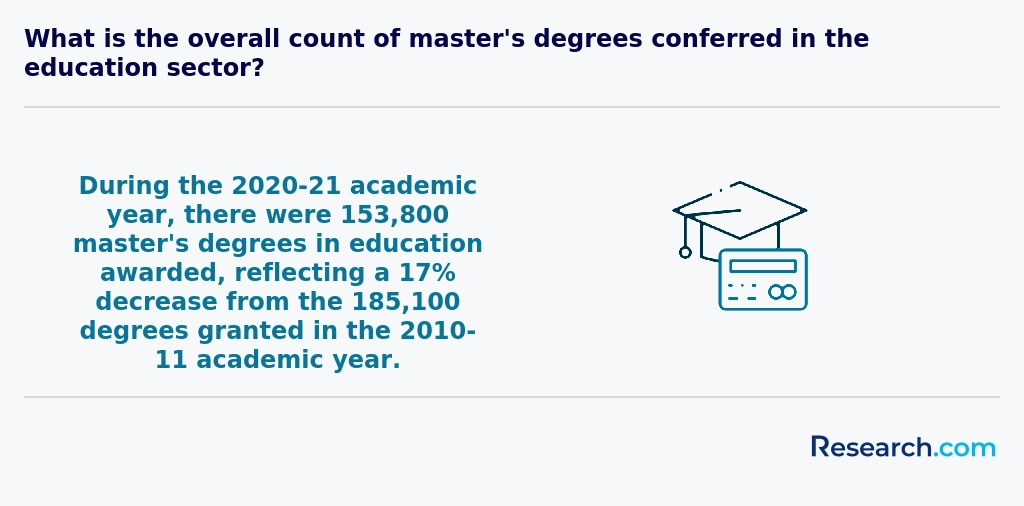
Enrolling in an online special education degree in Texas unlocks a treasure trove of financial aid opportunities, making the journey more attainable for adventurous learners. Many Texas students attending well-known institutions like The University of Texas at Austin or Texas State University start by completing the FAFSA, which opens the door to valuable federal aid-grants, loans, and work-study options. Imagine a graduate recounting how Direct Subsidized Loans eased their way through challenging semesters without the stress of immediate repayments.
State-specific programs, such as the Texas Grant, are exciting aids that can reduce your financial burden if you're a Texas resident enrolled at programs recognized by the Texas Higher Education Coordinating Board. One graduate recalled applying these grants while balancing family life and coursework, turning their dreams into reality.
Scholarships from groups like the Council for Exceptional Children or local school districts inspire hopefuls, especially for those aiming to teach in underserved communities. Plus, employer tuition reimbursements often brighten the path for working educators upgrading their credentials, fueling both passion and progress.
Diving into an online special education degree in Texas means meeting key prerequisites that open doors to a rewarding career. Imagine a graduate from a well-known Texas university who entered the program already holding a bachelor's degree from an accredited school, ready to transform their passion for helping others into effective teaching. While your undergraduate major doesn't always have to be education, having experience or coursework in psychology or education gives you a confident edge.
Many Texas programs appreciate applicants who already have a valid teaching certificate, like those graduates who combined their degrees with certification to accelerate their impact in classrooms. Universities often ask for GRE scores or maintain a GPA requirement of around 3.0, ensuring students can handle the demands of graduate studies.
Completing student teaching and meeting Texas Education Agency rules-such as background checks and fingerprinting-are non-negotiable steps. A graduate recalls how these requirements shaped their readiness and connection with real classroom challenges, boosting both their skills and excitement for teaching kids with special needs.

Imagine diving into a vibrant curriculum at a Texas university where every course feels like a piece of a meaningful puzzle. Online special education degree programs here typically include core courses such as Foundations of Special Education, which bring to life the history and laws that nurture inclusive classrooms across the state. Graduates often recall how Assessment and Evaluation courses sharpened their ability to understand each student's unique learning journey, turning challenges into opportunities.
Many find Instructional Strategies for Diverse Learners especially empowering, as it unveils innovative methods to reach every child. Behavior Management lessons provide practical tools for real classroom moments-like calming a frustrated student or encouraging positive interactions.
Texas favorites among online learners include courses on Collaboration and Consultation, reflecting the state's emphasis on teamwork between educators and families. Plus, tech-savvy students embrace Technology in Special Education, discovering how assistive tools can spark new learning adventures.
Diving into online special education degree specializations in Texas, you'll find an exciting palette tailored to equip educators with focused skills. Graduates from popular universities like the University of Texas at Austin often share how specializing in Autism Spectrum Disorders (ASD) transformed their approach, enabling them to design creative interventions for students who face unique challenges. Behavioral Disorders is another rich field, preparing teachers to embrace complex emotional and behavioral needs with confidence and empathy.
Many Texas online master's special education programs specialties include Learning Disabilities, where graduates feel empowered to support students grappling with dyslexia or other learning challenges-skills much in demand across Texas schools. Early Childhood Special Education is a joyful endeavor too, training educators to transform critical early years for young learners with developmental delays, a commitment celebrated by those studying at institutions like Texas A&M.
- Deaf and Hard of Hearing: This specialization blends technology and communication strategies, offering graduates rewarding ways to unlock potentials for students with hearing impairments.
Finding the right path can be thrilling, especially with options like the fastest online graduate certificate in special education that Texas educators embrace to accelerate their careers while juggling life's busy pace.
Choosing the best online special education degree in Texas means diving into details like accreditation and curriculum that match the state's teaching standards. Graduates from popular universities often share how the practicum components helped them apply skills directly in local schools, making their learning feel real and impactful. Imagine studying behavior management strategies through asynchronous classes while balancing a day job, then practicing those techniques during a weekend fieldwork close to home-this is the flexibility many Texas programs offer.
Cost plays a big role too. Many find affordable special education master's programs Texas has to offer by comparing tuition rates, especially those public universities charging under $500 per credit hour for in-state students. This balance of quality and price eases worries while opening doors to rewarding careers.
Also, look for strong faculty support and access to resources. Graduates often highlight how personalized tutoring and reliable tech platforms made their online journeys smoother. To explore a range of options, check out programs listed on online special education master's degree guides. This way, you're well-armed to find a perfect match that fits your lifestyle and ambitions.
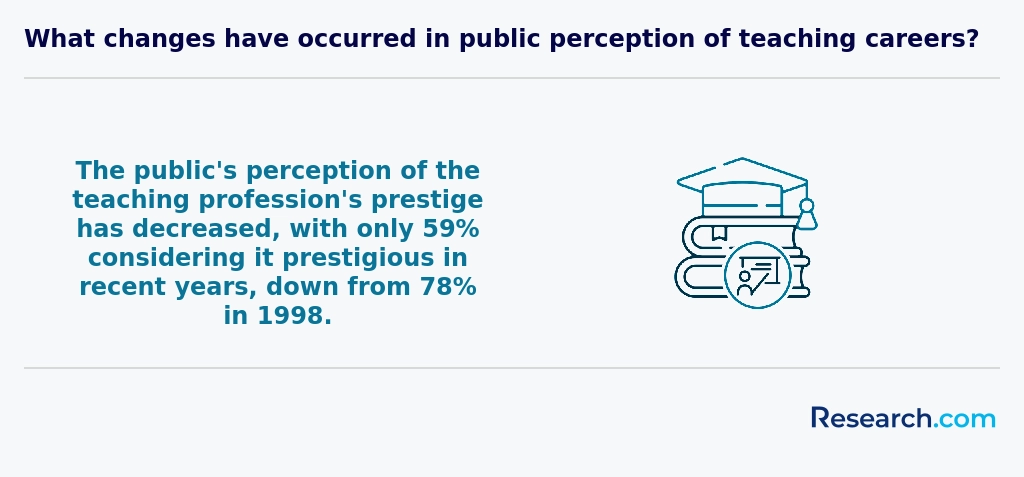
Graduates with an online special education degree in Texas find themselves at an exciting crossroads, with special education career opportunities in Texas expanding in dynamic ways. Many pursue certification to become special education teachers, working directly with students facing challenges like developmental delays or emotional disorders. Imagine a graduate from a renowned Texas university stepping into a classroom with confidence, ready to make an impact-this hands-on role continues to be the heart of the profession.
Others explore job prospects beyond the classroom, diving into roles such as special education coordinators or compliance specialists. These positions involve managing individualized education programs (IEPs) and training school staff, often at institutions famous for their online offerings. Graduates frequently describe feeling empowered by the responsibility and impact these jobs provide.
Further curiosity leads many to advocacy work, partnering with nonprofits or agencies to support families navigating complex special education laws. To truly understand the special education teacher role responsibilities can open doors to consulting and administrative careers as well, where the breadth of knowledge gained online fuels professional growth and a meaningful career journey.
Graduates who pursue online special education jobs Texas often find themselves stepping into a thriving and dynamic market. Popular institutions such as the University of Texas and Texas A&M offer programs that empower students with real-world skills, making them ready to support diverse learners across the state. Many alumni share stories of stepping confidently into classrooms where their expertise creates lasting impacts for students with disabilities.
Texas's demand for special education degree employment Texas reflects a promising 9% growth projection by 2032. This means roles aren't just about teaching; graduates often collaborate as program coordinators or educational consultants, blending passion and leadership. For instance, some graduates from Texas universities highlight how specialized certifications in mild to moderate disabilities helped them secure rewarding positions in both urban and rural districts.
Exploring the financial side, competitive salaries combined with supplemental incentives make this path enticing. Those curious about further credentials often discover resources explaining what is an eds degree in education, enhancing their career journeys. The bright horizon in Texas invites special education graduates to embrace growth, stability, and meaningful change.
2027 Best Online Master's in Special Education Degree Programs Ranking in Texas
Investing in your education is a significant decision that can profoundly impact your career and personal growth, and the Research.com team recognizes the importance of making well-informed choices. To guide prospective students in Texas, we have carefully developed the "2027 Best Online Master's in Special Education Degree Programs Ranking in Texas." Our dedication to quality, credibility, and accuracy is demonstrated through rigorous research and thorough analysis.
We utilized the following reputable data sources to ensure a comprehensive evaluation of special education programs:
By consulting this ranking, readers will obtain valuable insights into the best online master's programs in special education across Texas, enabling them to make confident and informed educational decisions. For further information on how this ranking was compiled, please visit our Research.com methodology page.
# 1 position
Texas State University
Master of Postsecondary Student Success in Learning, Literacy, and Mathematics


Frequently Asked Questions About special education
Online special education degree students in Texas can maximize their learning by actively engaging with course materials and participating in virtual discussions. Research from the Texas Education Agency shows that Texas serves over 600,000 students with disabilities, highlighting the importance of practical knowledge.
Connecting with local school districts for internships or practicum experiences is essential. Texas requires fieldwork for program completion, which helps students apply theory in real classrooms while meeting certification standards.
Utilizing available campus resources such as academic advising and tutoring, even remotely, supports success. Students should also stay updated on state-specific teaching requirements through the Texas Education Agency's website to ensure timely certification.
The field of special education is expanding to meet diverse student needs, creating emerging niches particularly relevant in Texas. One key area is assistive technology, where educators are trained to implement devices and software tailored to individual learning disabilities. According to Texas Education Agency data, over 550,000 students receive special education services in the state, increasing demand for tech-savvy professionals.
Another niche is autism spectrum disorder (ASD) specialization. Texas schools report growing numbers of students with ASD, prompting a need for experts skilled in behavioral interventions and inclusive strategies. Additionally, early childhood special education remains critical, focusing on developmental delays before kindergarten.
Transition planning for post-secondary success also gains importance, preparing students for adulthood and employment opportunities.
After completing an online special education degree in Texas, graduates should focus on obtaining state certification, which is required to teach in public schools. The Texas Education Agency (TEA) oversees certification, and candidates must pass the TExES Special Education exam. Gaining classroom experience through student teaching or internships during the program is highly beneficial for practical skills. Networking with local school districts enhances job prospects, as Texas employs over 245,000 special education teachers (U.S. Bureau of Labor Statistics, 2023). Continuing professional development and staying informed on Texas special education laws also support career readiness in this growing field.
Employers in Texas highly value special education graduates who demonstrate strong communication and collaboration skills. These professionals must effectively work with students, families, and multidisciplinary teams to develop Individualized Education Programs (IEPs).
Knowledge of state and federal laws, including the Individuals with Disabilities Education Act (IDEA), is essential. Understanding how to apply these regulations ensures compliance and supports students' rights.
Adaptability and problem-solving abilities are crucial because Texas classrooms serve diverse populations with varying needs. Graduates should also be skilled in behavior management and data-driven instruction to improve student outcomes.
According to the Texas Education Agency, these skills are key for success in the state's special education workforce.
Finding internships in Texas relevant to a special education degree involves targeting school districts and organizations experienced in serving students with disabilities. Texas Education Agency (TEA) oversees many regional education service centers (ESCs), which often partner with universities to provide internship opportunities. These ESCs support special education programs across the state. Networking with local school districts and reaching out to Texas schools with established special education departments can increase your chances.
Online programs frequently assist students by connecting them with field placement coordinators who help secure internships. Practical experience is essential, given Texas requires special education teachers to complete hands-on clinical teaching.
The TEA reports over 50,000 students receive special education services in Texas, demonstrating demand for qualified interns. Internships may be found via university career centers and through professional organizations such as the Texas Council for Exceptional Children.
Online special education degrees in Texas significantly enhance career mobility and advancement opportunities for educators. Texas consistently ranks among states with a high demand for qualified special education teachers, driven by a student population exceeding 1 million requiring special education services, according to the Texas Education Agency (TEA).
Professionals with a master's in special education often qualify for higher salaries and leadership roles such as curriculum specialists or program coordinators. Many Texas districts prioritize advanced degrees for career progression and state certification requirements.
Moreover, online degrees offer flexibility, allowing current educators to balance work with continued education, facilitating timely career growth without relocation.
Studying for an online special education degree in Texas equips students to work in interdisciplinary roles by providing comprehensive knowledge of various educational, psychological, and therapeutic approaches. Texas programs emphasize collaboration with professionals such as speech therapists, counselors, and general educators, aligning with rules from the Texas Education Agency (TEA).
Courses often include training on Individualized Education Programs (IEPs) and multi-agency teamwork, preparing graduates to support diverse student needs effectively. According to TEA data, 86% of special education students in Texas benefit from coordinated services, highlighting the importance of interdisciplinary skills.
Additionally, many Texas universities incorporate evidence-based practices, ensuring graduates can engage with different specialists to promote student success in inclusive environments.
Choosing between a thesis and a non-thesis online special education degree program in Texas depends on your career goals and time availability. A thesis option typically involves original research and is suited for those aiming at doctoral studies or research roles in special education. Non-thesis programs focus more on coursework and practical skills, ideal for educators seeking leadership or administrative positions in Texas schools.
Texas has one of the largest special education student populations, with over 400,000 students identified in 2022 (TEA). Understanding these statistics helps gauge the demand for qualified specialists.
Consider program duration and faculty support; thesis tracks often take longer due to research requirements. Review specific Texas universities' offerings to ensure alignment with your professional aims.
Students based in Texas who wish to study special education abroad online face limited but growing opportunities. Most U.S. universities, including those in Texas, offer accredited online special education master's programs that comply with U.S. licensure standards, but enrolling directly in foreign institutions is less common due to certification and transferability challenges.
Some international universities provide online courses, yet Texas educators typically need to confirm that foreign credentials meet Texas Education Agency requirements to teach locally. Research by the Texas Education Agency notes that nearly 360,000 students receive special education services in Texas public schools, emphasizing strong local demand.
Therefore, Texas students are generally advised to pursue U.S.-based accredited programs with global curriculum perspectives rather than enrolling abroad online for easier licensure and practical application.
Part-time jobs in Texas that complement a special education degree often involve direct support roles with students who have disabilities. Common opportunities include paraprofessional aide positions in public schools, where Texas Education Agency (TEA) guidelines emphasize their role in assisting certified teachers and supporting individualized education programs (IEPs).
Additionally, tutoring roles focused on special needs students can enhance practical skills while earning income. Many community centers and nonprofit organizations in Texas hire part-time educational assistants and behavior technicians.
These jobs help build valuable classroom experience and networking opportunities for future special educators in Texas's evolving education landscape.
Online special education students in Texas have access to a variety of networking opportunities designed to enhance their academic and professional growth. Many universities offering online programs encourage participation in virtual student organizations and interest groups focused on special education. These platforms allow students to connect with peers and faculty members across Texas.
Additionally, professional associations like the Texas Council for Exceptional Children provide online forums, conferences, and local chapter meetings. These events offer invaluable chances to build relationships with experienced educators and specialists in the field.
Students can also benefit from internships and practicum placements arranged through their institutions, connecting them to public schools and agencies serving special education populations. According to the Texas Education Agency, over 500,000 students receive special education services statewide, creating robust demand for skilled professionals and networking possibilities.
Alumni networks serve an important role for students pursuing online special education degrees in Texas. These networks connect graduates with current students, offering mentorship and career advice specific to Texas' education system. Members often share job openings in local districts, which is crucial as Texas is among the largest employers of special educators nationwide, with over 55,000 special education teachers reported by the Texas Education Agency in 2023.
Through alumni events and online communities, students gain insights into Texas' special education laws and best practices. Networking also helps graduates navigate certification processes required by the Texas Education Agency. Research shows active alumni engagement can increase job placement rates by up to 20%, giving students a valuable advantage in a competitive market.
Customizing an online special education degree program in Texas involves choosing coursework and practicum experiences aligned with your career goals. Many universities allow students to select electives focused on specific disabilities, such as autism or learning disabilities, helping you gain specialized skills.
Additionally, Texas teachers must meet certification requirements through the Texas Education Agency, so aligning your program to include state licensure preparation is essential. According to TEA data, over 60% of special education teachers in Texas hold master's degrees, highlighting the value of advanced study.
Consider programs that offer flexible practicum placements in Texas schools, enabling hands-on experience in your preferred setting. Also, some schools provide pathways for leadership roles or behavior intervention specialists, which can guide your course choices.
Online special education students in Texas often face challenges related to balancing coursework with professional and personal responsibilities. Many are working educators or professionals, making time management a significant concern. According to the Texas Education Agency, nearly 13% of Texas public school students receive special education services, which means students must stay current with evolving practices that affect real classrooms.
Another challenge is securing quality field experiences. Texas requires hands-on training for licensure, which can be harder to coordinate remotely. Additionally, students sometimes struggle with limited access to direct faculty support due to the virtual format.
Technical issues and digital literacy can also be barriers, especially in rural Texas where internet connectivity may be unreliable. Despite these obstacles, many programs strive to offer flexible schedules and resources to help students succeed.
With an online special education degree in Texas, graduates can pursue several professional certifications that enhance their career opportunities. The most common certification is the Special Education Teaching Certificate, which is necessary for teaching students with disabilities in Texas public schools. This certification requires passing the Texas Examinations of Educator Standards (TExES) for special education.
Additionally, educators may pursue certifications in areas such as behavior analysis or dyslexia therapy to broaden their expertise. Texas also offers an Educational Diagnostician certification for those interested in assessing student needs, requiring separate coursework and exams.
According to the Texas Education Agency, over 39,000 special education teachers were certified in the state as of 2023, demonstrating robust demand in this field.
Writing a winning application for an online special education program in Texas begins with a clear demonstration of your commitment to the field. Texas has one of the largest special education populations in the U.S., with over 600,000 students receiving services, according to the Texas Education Agency (TEA). Programs favor candidates who highlight relevant experience working with diverse learners or in educational settings.
Ensure your personal statement emphasizes your passion for helping students with disabilities and your understanding of state-specific laws like the Individuals with Disabilities Education Act (IDEA). Highlight any prior coursework or certifications related to special education or teaching.
Strong letters of recommendation from supervisors or educators familiar with your work can greatly enhance your application. Additionally, meet all technical requirements for online learning and submit transcripts promptly, since Texas programs often have competitive admission processes.
Special education careers hold a valued place worldwide, emphasizing inclusive learning for students with diverse needs. In the United States, including Texas, educators with special education degrees are crucial for enabling equal access to quality education. The global demand for trained special educators reflects growing awareness and legal requirements to support students with disabilities.
In Texas, over 660,000 students receive special education services, the highest in the nation, underscoring the need for qualified teachers. According to the Texas Education Agency, the state continually invests in training programs to meet these needs. Internationally, education systems vary, but the U.S. is often seen as a leader in policy development and teacher preparation in this field.
For Texas students pursuing online degrees, understanding these global trends illustrates the expanding opportunities and the societal importance of special education careers.
Gaining practical experience while pursuing an online special education degree in Texas is essential for licensure and skill development. Most programs require students to complete field-based internships or practicum hours in approved Texas public schools. These experiences allow students to work directly with children with disabilities under the supervision of certified special education teachers.
Texas requires at least 300 hours of supervised fieldwork as part of teacher certification, according to the Texas Education Agency. Many online programs assist in placing students within local school districts for these opportunities.
Additionally, students can engage in virtual simulations and interactive classroom management tools offered by some universities to supplement hands-on learning.
Choosing the right concentration within an online special education degree program in Texas starts with understanding your career goals and the needs of Texas schools. The Texas Education Agency (TEA) highlights high demand for teachers skilled in Autism and Emotional and Behavioral Disabilities, reflecting state trends. Research current job openings to see which specializations employers seek most.
Next, consider program accreditation and if the concentration aligns with Texas certification requirements. Some programs offer tracks such as Mild/Moderate Disabilities or Visual Impairments, each targeting specific student populations.
Finally, evaluate your professional interests and strengths, ensuring the concentration fits your passion and long-term plans for impact in Texas classrooms.
- 2027 Best Online Master's in Special Education Degree Programs Ranking in Kansas
- 2027 Best Online Master's in Special Education Degree Programs Ranking in Missouri
- 2027 Best Online Master's in Special Education Degree Programs Ranking in Colorado
- 2027 Best Online Master's in Special Education Degree Programs Ranking in Arizona
- 2027 Best Online Master's in Special Education Degree Programs Ranking in Georgia
- 2027 Best Online Master's in Special Education Degree Programs Ranking in Kentucky
- 2027 Best Online Master's in Special Education Degree Programs Ranking in Virginia
- 2027 Best Online Master's in Special Education Degree Programs Ranking in Minnesota
- 2027 Best Online Master's in Special Education Degree Programs Ranking in Ohio
- 2027 Best Online Master's in Special Education Degree Programs Ranking in Pennsylvania
- 10 Tips for Special Education Careers https://newstoryschools.com/blog/10-tips-special-education-careers
- Program Details https://www.eastern.edu/academics/undergraduate-programs/special-education-pk-12-certification-online
- How the Special Education Teacher Shortage Affects Students with LD, and What to Do About it https://ldaamerica.org/how-the-special-education-teacher-shortage-affects-students-with-ld-and-what-to-do-about-it/
- What New Special Education Teachers Need to Succeed https://www.ascd.org/el/articles/what-new-special-education-teachers-need-to-succeed
- Organizations for Special Education Teachers https://teach.com/resources/special-education-organizations/
- What can You Do with a Special Education Degree? - Graduate Programs for Educators https://www.graduateprogram.org/blog/what-can-you-do-with-a-special-education-degree/
- Special Education Teacher Requirements In Texas https://blog.ecapteach.com/special-education-teacher-requirements
- 2025 Best Online Degrees in Special Education https://www.onlineu.com/degrees/special-education
- Factors Influencing Special Education Career Choices: Interplay of Personality Traits and Identity Statuses https://www.eu-jer.com/factors-influencing-special-education-career-choices-interplay-of-personality-traits-and-identity-statuses
- Cambridge Global Perspectives school https://www.international-school.edu.rs/cambridge-global-perspectives-school/