
2027 Best Online Master's in Special Education Degree Programs Ranking in Arizona

Co-Founder and Chief Data Scientist
Choosing the right path for your career in special education can be overwhelming. This article introduces the 2027 Best Online Master's in Special Education Degree Programs Ranking in Arizona, carefully crafted by the Research.com team of data scientists. It's designed to help Arizona students like you make an informed decision about which programs truly stand out.
Discover degree options that fit your goals and lifestyle, all while advancing a rewarding career making a difference. Getting a special education degree opens doors to meaningful work and lasting impact in your community.
Key benefits of getting online special education degree in Arizona
- Special education graduates in Arizona can expect rewarding careers with median salaries around $60,000 per year, reflecting the meaningful impact they make in students' lives.
- Graduates from universities like Arizona State University find diverse career paths, including special education teacher, behavior specialist, and educational consultant, offering both stability and growth.
- Completing an online special education degree, as many do at Arizona State University, offers flexibility to balance work and family, making education more accessible and convenient without sacrificing quality.
- 2027 Best Online Master's in Special Education Degree Programs Ranking in Arizona
- What can I expect from online special education degree in Arizona?
- Where can I work with online special education degree in Arizona?
What can I expect from online special education degree in Arizona?
The average cost of an online special education degree in Arizona typically ranges from $15,000 to $30,000 for the entire program, depending on whether you attend a public university like Arizona State University or a less expensive community college offering transferable credits. Graduates often describe balancing their budgets by leveraging financial aid and scholarships geared specifically toward education majors.
Many students appreciate that, while tuition may seem significant upfront, the flexibility of online courses at these institutions lets them continue working full-time, reducing financial stress. For example, one graduate shared how evening lectures paired with weekend assignments helped them steadily progress without giving up income.
Some programs include additional fees for fieldwork or certification exam preparation, which can add $500 to $1,000, but these are essential investments for meeting Arizona's licensure requirements. Graduates often emphasize how practical experiences offered through local school districts deepen their understanding and readiness, making those costs worthwhile.
With steady support services and opportunities for mentorship from faculty at established universities, students feel confident their time and resources lead to actionable career steps within Arizona's stable special education job market.
Where can I work with online special education degree in Arizona?
Graduates with an online special education degree from well-known Arizona institutions often find rewarding opportunities in public schools, where certification through the Arizona Department of Education is essential. For example, many alumni from Arizona State University's online program become certified special education teachers, responding to the strong demand driven by over 22,000 students needing services statewide.
Beyond classrooms, these graduates frequently work in private schools or specialized centers focused on students with autism or emotional disabilities, applying skills learned in behavior intervention and individualized education program (IEP) development.
Others secure roles as educational diagnosticians or intervention specialists within school districts, assessing students' needs and collaborating with families-a path often highlighted by graduates of Northern Arizona University's program.
Additionally, some choose early intervention roles in community organizations for young children with special needs, drawing on specialized knowledge of early childhood development gained during their studies. The variety of roles ensures a career rich in purpose and stability across Arizona's educational landscape.
Graduates with an online special education degree in Arizona typically start with salaries around $45,000 annually, especially those entering the workforce in districts like Phoenix or Tucson. For example, a graduate from a program at Arizona State University often finds entry-level pay close to this figure, reflecting the state's minimum for licensed special education teachers.
With experience, these teachers can expect their salaries to rise to approximately $58,000 per year, aligning with the state average reported by the U.S. Bureau of Labor Statistics as of May 2023. Those who invest in additional certifications, such as autism spectrum disorder credentials, frequently see stipends boosting their total compensation, sometimes pushing annual earnings above $60,000.
Many graduates also move into specialized roles like educational diagnostician or curriculum specialist, particularly after gaining a few years in the field. These positions offer salaries between $60,000 and $75,000, providing a rewarding progression for those committed to advancing their careers in Arizona's education system.
- Online special education degree programs in Arizona prepare students for state teacher certification, focusing on teaching students with disabilities from mild to profound.
- The average cost for a master's program ranges from $12,000 to $18,000, with public universities generally offering lower tuition for in-state students.
- Graduates can expect starting salaries between $40,000 and $45,000 annually, increasing to $55,000 to $60,000 with experience and advanced credentials.
- The job market is favorable due to consistent demand, with many openings in both urban and rural districts throughout Arizona.
- Teacher certification requires passing the Arizona Educator Proficiency Assessments (AEPA) for special education, which online programs typically prepare students to pass.
Completing an online special education degree in Arizona typically takes about two years for those starting a master's program with a bachelor's degree. Many graduates from universities like Arizona State University report balancing their coursework with full-time jobs, extending their studies to three or even four years when attending part-time. This flexibility makes it easier to maintain work-life balance, but it does require careful scheduling.
Bachelor's degree seekers usually spend around four years studying full-time, similar to traditional paths, though some universities offer accelerated options that help students graduate faster. Graduates often mention the importance of managing practicum and student teaching hours, as these hands-on requirements are essential for state certification and require commitment but not an entirely self-paced timeline.
Post-baccalaureate certification programs, popular among those with prior teaching credentials, generally take one to two years. These paths are valuable for professionals eager to earn endorsements without starting from scratch, offering a quicker route into the classroom while maintaining a positive, flexible experience.
Online special education degrees in Arizona offer flexibility that suits busy schedules, letting students study from home or work. Graduates from Arizona State University's online program appreciate being able to watch lectures anytime, fitting coursework around family and jobs. This asynchronous format lets you learn at your own pace without the stress of commuting.
In contrast, attending a traditional on-campus program, such as at the University of Arizona, delivers in-person interaction with faculty and peers. Many students value this for building strong networks and immediate feedback. Hands-on practicum experiences directly on campus or nearby schools deepen understanding of real classroom challenges.
Cost-wise, online programs often save money on extra expenses like housing and travel, which makes sense for Arizona residents living in rural areas. Both formats meet Arizona's licensing requirements, covering essential training on IEPs and legal policies.
Think about your learning style: if you thrive on face-to-face contact and structured schedules, on-campus may fit better. If you need flexibility and independence, online programs at key Arizona schools provide that practical solution.
The average cost of an online special education degree in Arizona typically centers around $23,500, reflecting the median total cost based on recent data. Graduates from well-known public universities such as Arizona State University often report positive experiences balancing affordability and quality, with tuition usually ranging between $8,000 and $14,000 per year. These programs are structured to be completed within 1.5 to 3 years, which helps students plan financially and timewise while working or managing family commitments.
For those navigating tuition and fees for special education master's Arizona programs, private universities generally command higher rates, often between $15,000 and $30,000 annually, depending on the institution's reputation and program features. Despite this, many students find that investing in these private options can offer expanded resources, specialized courses, and personalized support that enhance their educational journey and career prospects.
Practical steps to manage costs include applying for financial aid, scholarships, and employer tuition assistance programs, which can significantly reduce out-of-pocket expenses. Additionally, many Arizona residents benefit from in-state tuition rates at public institutions, making these options more accessible. Some graduates emphasize the importance of budgeting for technology fees, textbooks, and certification exam costs, which are essential components of the total expense.
Those unsure about career outcomes might explore detailed resources about a bachelor degree in special ed jobs, which often align with graduate degree goals and financial planning.
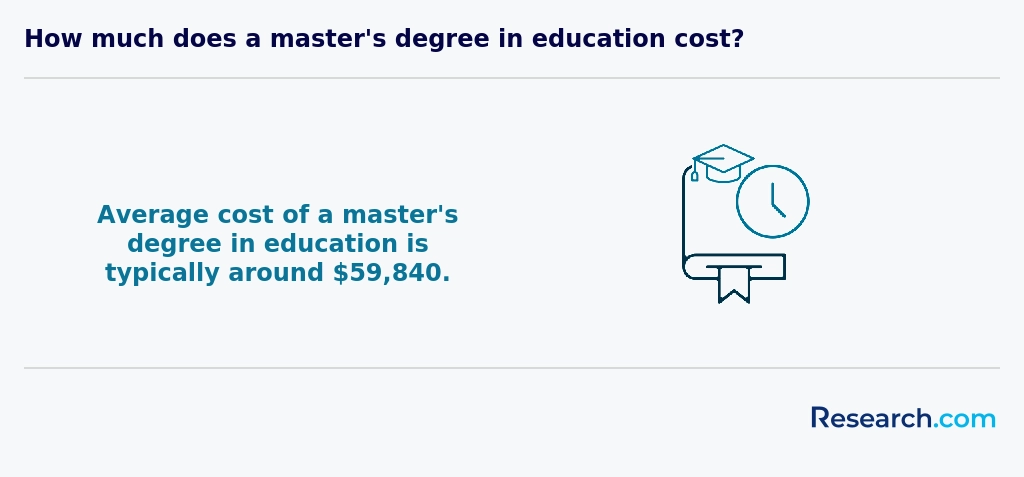
Students enrolled in online special education degree programs at Arizona State University or Northern Arizona University often start by completing the FAFSA to access federal aid options. Federal Direct Loans offer manageable interest rates, and work-study positions provide practical experience while easing tuition costs.
State-specific scholarships like the Arizona Teachers Academy Scholarships are tailored for future educators in shortage areas, including special education, offering real financial relief for graduates willing to commit to teaching in Arizona's high-need schools.
Many graduates share how institutional scholarships from their universities significantly lowered their debt, especially those awarded based on academic merit or financial need. Programs like the Arizona Teaching Fellows provide stipends that help cover supplies and living expenses during studies.
Professional organizations such as the Council for Exceptional Children also offer competitive grants, which some students have successfully leveraged to complete their degrees without excessive borrowing.
Lastly, exploring employer tuition reimbursement, common among Arizona healthcare and education sectors, can turn your current job into a funding source, lessening financial stress as you advance your career.
To enroll in an online special education degree program in Arizona, you must first hold a bachelor's degree from an accredited university. Many graduates who successfully completed programs at popular institutions like Arizona State University found that having a background in psychology or education helped them feel more confident when tackling coursework. A GPA around 3.0 is often expected to qualify, so maintaining solid grades during your undergraduate studies is critical.
Applicants typically submit official transcripts, letters of recommendation, and a statement of purpose explaining their motivation for joining the field. One successful graduate shared how volunteering with children with disabilities before applying gave them practical insights that strengthened their application to the University of Arizona's online program.
Some programs might still ask for GRE scores, but this varies. Make sure to check each school's requirements carefully. Additionally, complying with Arizona's Department of Education standards-such as passing background checks and completing state-aligned coursework-is essential for obtaining your Educator Certificate.
Understanding these steps early helps you prepare efficiently and approach your special education studies with confidence and purpose.
Online special education degree programs in Arizona typically include courses designed to equip you with practical skills relevant for real classrooms. For example, graduates from popular universities like Arizona State University often highlight the course on Foundations of Special Education, which covers the legal and ethical standards shaping special education today.
Many students find the Assessment and Evaluation course invaluable, as it teaches how to develop individualized education plans (IEPs) by assessing students' unique needs. You'll also encounter Instructional Strategies that focus on adapting lesson plans and integrating assistive technologies-skills praised by alumni who have successfully supported diverse learners in mainstream classrooms.
The curriculum also includes Behavior Management, where you learn to use positive behavior support techniques, a topic former students say helped them handle challenging behaviors confidently. Courses on Collaboration and Communication prepare you to work effectively with families and professionals, reflecting real-life teamwork scenarios frequently reported by graduates at Northern Arizona University.
Lastly, expect training in Inclusive Education and Research Methods, which ensure you can both foster inclusive environments and apply evidence-based teaching practices tailored to Arizona's certification standards.
Online special education degree specializations Arizona programs typically include focused areas designed to meet the diverse needs of students. Graduates from popular colleges in the state often highlight specializations such as Autism Spectrum Disorders (ASD), where they learn to create tailored strategies for students on the spectrum-a growing priority in local schools. Another common concentration is Early Childhood Special Education, critical for those aiming to support young learners facing developmental delays. Behavioral Disorders is a practical choice for educators looking to manage emotional challenges in classrooms, while Learning Disabilities specialization equips teachers with techniques for students dealing with dyslexia and ADHD, some of the most frequently encountered needs in Arizona schools. Additionally, Deaf and Hard of Hearing (DHH) specialization prepares educators to improve communication accessibility, aligning with Arizona's inclusive education initiatives.
When searching Arizona special education program concentrations online, it's valuable to consider how graduates appreciate the hands-on approaches integrated into coursework. Many eye-opening experiences include case studies from local schools, making it easier to envision the daily realities of teaching and supporting special needs students. Moreover, understanding how to get special education certification in Arizona can help you plan your career progression effectively while selecting the right specialization.
Start by verifying the program's accreditation; for Arizona, look specifically for degrees approved by the Council for the Accreditation of Educator Preparation (CAEP) or regional bodies like the Higher Learning Commission. Graduates from well-regarded universities report feeling confident knowing their licensure pathway aligns with Arizona's state requirements. When exploring affordable special education master's programs Arizona offers, consider the total tuition cost and what's included-some programs bundle practicum placements and AEPA exam prep, which alumni often say made a stressful process more manageable.
Look closely at the curriculum and flexibility. Graduates juggling full-time jobs appreciate programs that allow asynchronous coursework with timelines from one to three years. Universities in Arizona often provide cohort models or academic advising that support students' unique schedules. Also, pick a program tied to local school districts to maximize your chances of job placement.
Check faculty experience and practicum availability within Arizona, as hands-on opportunities accelerate licensure and teach real classroom strategies. Many graduates praise Arizona colleges that connect theory to practice.
Finally, if you want insight into career outcomes, explore resources on the highest paying special education teaching jobs to guide your choices and future earning potential.
Graduates of online special education degree programs in Arizona often pursue roles as special education teachers, a practical choice given the state's steady demand for qualified professionals. These teachers support children with diverse needs, from autism to physical impairments, in everyday classroom settings. Those attending universities renowned for their special education programs in Arizona report gaining hands-on experience that builds confidence in managing real student challenges.
Another career path includes becoming behavioral specialists or interventionists. These roles focus on creating customized behavioral strategies, working closely with both educators and families to enhance student success. Graduates who studied at prominent Arizona colleges describe how applying theory to actual cases during their training made these positions feel attainable and rewarding. Additionally, special education coordinators can advance to administrative jobs, overseeing compliance and services within school districts.
Opportunities also exist outside traditional schools. Some graduates find fulfillment working with nonprofits or government agencies advocating for disability rights and education policy. For students exploring a broader scope, especially those from Arizona institutions, roles in educational assessment and diagnostics provide a chance to guide individualized education programs with specialized evaluations. Exploring masters in special education usa can help align goals with the right career path in this evolving field.
Students researching online special education careers Arizona value practical guidance rooted in local contexts, making career decisions clearer and more hopeful.
The job market for graduates with an online special education degree in Arizona is encouraging, especially for those coming from well-regarded institutions like Arizona State University or Northern Arizona University. Many graduates find themselves quickly employed in public schools where districts face staffing shortages, particularly in rural and underserved areas. These shortages create a steady demand for qualified educators, making online special education jobs Arizona a promising path. Successful graduates often describe fulfilling experiences working as resource teachers or inclusion specialists, helping students receive personalized support that makes a real difference.
Arizona requires certification alongside degrees, so enrolling in programs aligned with state requirements is crucial. Graduates have reported that completing an online program eased the path to obtaining valid certification while balancing work or family. Salaries typically range from $45,000 to $60,000, which reflects competitive earning potential relative to state averages.
For those exploring career options, it helps to understand the diverse roles available in special education, including advanced opportunities for leadership or specialized certifications like applied behavior analysis. Resources on special education roles provide practical insight into these career trajectories.
Arizona special education teacher employment offers graduates a chance to build meaningful careers with steady growth, making it a wise choice for many seeking to impact education locally.
2027 Best Online Master's in Special Education Degree Programs Ranking in Arizona
Investing in your education is a significant decision that can shape your future, and the Research.com team understands the importance of making informed choices. To assist prospective students in Arizona, we have meticulously crafted the "2027 Best Online Master's in Special Education Degree Programs Ranking in Arizona." Our commitment to quality, credibility, and accuracy is demonstrated through the extensive research and careful analysis involved in developing this ranking.
We utilized the following reputable data sources to ensure a comprehensive evaluation of online special education master's programs:
By reviewing this ranking, readers will gain valuable insights into top-quality programs tailored to their professional goals, enabling informed educational decisions. For more information on how this ranking was created, please visit our Research.com methodology page.


# 3 position
Arizona State University Campus Immersion
Master of Curriculum and Instruction - Gifted Education

Frequently Asked Questions About special education
Students pursuing online special education degrees in Arizona can enhance their learning by actively engaging with interactive course materials and participating in virtual discussions. Research shows that collaboration improves understanding, so connecting with peers through study groups or forums is vital.
Arizona's Department of Education emphasizes hands-on experience, so students should seek internships or practicum opportunities within local schools to apply theory in real-world contexts. Moreover, staying updated on state guidelines, such as the Arizona Special Education Framework, strengthens practical knowledge.
Utilizing campus resources like online tutoring and academic advising can also support success. According to the National Center for Education Statistics, adult learners benefit significantly from structured support services.
Emerging niches within the special education field reflect evolving student needs and technological advances. One growing area is digital accessibility, where educators specialize in teaching students with disabilities how to use assistive technologies effectively. Another niche is early intervention, focusing on identifying and supporting children with developmental delays before formal schooling begins. Additionally, autism spectrum disorder (ASD) specialists remain in high demand, especially in Arizona, where the Autism Society reports increasing prevalence rates.
Specialists targeting behavioral intervention and mental health support in schools also represent important emerging roles, addressing complex emotional and social challenges students face today. These niches offer promising career paths for online program graduates.
Preparing for the job market after earning an online special education degree in Arizona involves several important steps. First, obtaining Arizona's required teaching certification is essential. The Arizona Department of Education mandates candidates to pass both content and professional knowledge exams.
Networking with local school districts can increase job prospects, as Arizona's demand for special education teachers is projected to grow by 8% through 2030, according to the Bureau of Labor Statistics.
Practical experience through student teaching or internships is also critical. Many programs include these components to meet state licensure requirements.
Continuing education and professional development help graduates stay current with evolving educational strategies and state regulations.
Employers in Arizona prioritizing special education graduates often seek strong communication skills. This is essential for collaborating with students, families, and multidisciplinary teams. Knowledge of Individualized Education Programs (IEPs) and state-specific regulations is also crucial, given Arizona's unique special education framework, as outlined by the Arizona Department of Education.
Additionally, adaptive teaching methods that cater to diverse disabilities are highly valued. Candidates who demonstrate patience and problem-solving capabilities stand out, as these traits support effective behavior management and learning accommodations. According to recent Bureau of Labor Statistics data, Arizona's special education field expects steady growth, emphasizing these skills' relevance.
Technology proficiency is increasingly important, especially skills with assistive technology. Understanding how to integrate digital tools enhances learning experiences for special needs students.
Finding internships in Arizona relevant to a special education degree involves several key steps. Start by exploring local school districts, as many offer partnerships with universities to provide placement opportunities for special education students. The Arizona Department of Education website is a valuable resource for locating approved internship sites and understanding state requirements.
Additionally, universities offering online special education degrees often have dedicated career services or internship coordinators who assist students in securing placements. Networking through professional organizations like the Arizona Council for Exceptional Children can also increase internship prospects.
According to the U.S. Bureau of Labor Statistics, special education employment in Arizona is projected to grow by 8% through 2031, creating more internship openings in schools and community programs.
Obtaining an online special education degree in Arizona significantly enhances career mobility and advancement opportunities. Arizona's demand for qualified special education teachers is expected to grow by about 7% through 2031, according to the U.S. Bureau of Labor Statistics (BLS). This increase encourages school districts to prioritize candidates with advanced credentials.
Graduates with a master's degree often qualify for higher salary scales and leadership roles such as special education coordinators or specialists. The Arizona Department of Education requires proper certification, which many online programs help facilitate.
Flexibility in online study also allows current educators to upskill without disrupting their careers, a crucial factor in professional growth.
Studying for a special education degree in Arizona equips students with skills to work collaboratively across multiple disciplines. Arizona's programs emphasize communication techniques and strategies for partnering with general educators, therapists, counselors, and families. This interdisciplinary focus prepares graduates to address diverse student needs effectively.
Arizona's Department of Education highlights that special education professionals often serve on multidisciplinary teams. These teams develop individualized education programs (IEPs) that integrate insights from different specialists.
Many online programs in Arizona include coursework in behavioral science, speech pathology, and educational psychology, fostering well-rounded knowledge. This training improves adaptability in varied educational and clinical environments, meeting the state's inclusive education goals.
When choosing between a thesis and a non-thesis special education degree program online in Arizona, consider your career goals first. Thesis programs focus on research and prepare students for doctoral studies or roles in academia. Non-thesis tracks emphasize practical skills and coursework, often appealing to those seeking direct teaching or administrative positions in Arizona schools.
Arizona's demand for special education teachers is expected to grow by 8% through 2031, according to the U.S. Bureau of Labor Statistics, favoring candidates with hands-on experience. The Arizona Department of Education requires specialized teacher preparation, making non-thesis paths suitable for certification.
Examine program flexibility and time commitment; thesis options often take longer due to research requirements.
Students in Arizona interested in studying special education abroad often explore online programs offered by accredited U.S. institutions with international recognition. While fully overseas-based special education degrees are uncommon, Arizona residents can access global perspectives through international curricula embedded in online master's programs available from universities in the U.S. These programs may include virtual international collaborations or courses addressing global special education practices.
Arizona's Department of Education reports that one in five public school students receives special education services, highlighting strong local demand for qualified educators. Pursuing an online degree abroad requires careful review of licensure reciprocity to ensure certification aligns with Arizona's standards.
In Arizona, part-time job opportunities that complement online special education degrees are valuable for gaining practical experience and enhancing employability. Common roles include paraprofessional support in K-12 schools, where individuals assist special education teachers in classrooms. According to the Arizona Department of Education, paraprofessionals often help with individualized instruction and behavior management.
Additionally, positions such as tutoring or educational aide roles in community centers can provide experience working with diverse learning needs. The demand for special education paraprofessionals in Arizona is projected to grow by 8% through 2030, reflecting ongoing need.
Working as a behavior therapist assistant or in after-school programs focused on children with disabilities also offers relevant experience. These roles directly support special education concepts learned in degree programs and improve practical skills.
Online special education students in Arizona have several networking opportunities that can enhance their professional connections. Many Arizona universities offering online degrees provide virtual meetups, forums, and webinars where students can interact with peers and faculty. These platforms encourage collaboration and sharing of teaching strategies.
Additionally, students can join state organizations such as the Arizona Council for Exceptional Children (AzCEC), which hosts conferences and workshops tailored to special education professionals. According to AzCEC, membership offers access to regional events and a network of educators.
Many graduates also benefit from connections with local school districts where practicum experiences occur, facilitating direct links with educators and administrators actively working in Arizona's diverse classrooms.
Alumni networks offer significant advantages to students pursuing online special education degrees in Arizona. These networks provide valuable connections with professionals who understand the unique challenges and opportunities in special education. Access to a community of graduates can aid in job placement and career advancement within Arizona's education system.
Many Arizona universities report that alumni are actively involved in mentoring current students, sharing insights on state-specific policies and teaching strategies. According to the Arizona Department of Education, special education roles are growing, making these networks crucial for competitive advantages.
Networking also facilitates information exchange on licensing requirements and continuing education, important for maintaining credentials in Arizona's evolving educational landscape.
Arizona offers various options to customize an online special education degree according to your career goals. Many programs allow students to choose concentrations such as autism spectrum disorders, behavior intervention, or mild to moderate disabilities. Selecting relevant electives helps tailor skills toward specific student populations.
Field experience opportunities and practicum placements can often be arranged locally in Arizona schools, supporting hands-on learning aligned with your career focus. Additionally, some universities provide flexible pacing and part-time enrollment, accommodating working professionals.
State licensure requirements for special education in Arizona typically guide program content, ensuring graduates meet standards set by the Arizona Department of Education (ADE). The ADE website publishes updates on certification steps and competency expectations.
Understanding the local demand for special education professionals-projected to grow steadily per the Arizona Department of Labor-can help you target specialization areas that align with workforce needs.
Online special education students in Arizona often face challenges related to balancing coursework with professional and personal responsibilities. Many students are working educators or parents, which can make dedicated study time limited. Additionally, access to reliable internet and necessary technology remains a barrier for some, particularly in rural areas of the state.
Another common challenge involves gaining hands-on experience. Special education requires practical training, yet virtual programs must find ways to facilitate fieldwork or internships remotely. According to the Arizona Department of Education, ensuring appropriate practicum placements can be difficult.
Finally, students may encounter limited peer interaction and less immediate support compared to on-campus programs, which can affect motivation and engagement in their studies.
With an online special education degree in Arizona, graduates can pursue several professional certifications to strengthen their careers. The most common certification is the Arizona Special Education Teaching Certificate, which qualifies educators to work with students who have disabilities across various age groups.
Beyond initial certification, professionals may seek endorsements in areas such as Autism Spectrum Disorder or Deaf and Hard of Hearing specialization. These endorsements enhance a teacher's skill set and employment opportunities.
Additionally, Arizona offers credentials like Board Certified Behavior Analyst (BCBA), which is valuable for behavior support roles in special education settings. According to the Arizona Department of Education, certified special education teachers remain in high demand statewide.
To write a winning application for an online special education program in Arizona, start by clearly demonstrating your commitment to supporting students with disabilities. Highlight any relevant experience working with special needs populations, whether through volunteering, professional roles, or internships. Emphasize your understanding of federal laws such as IDEA, which governs special education services.
Include strong letters of recommendation from educators or supervisors who can attest to your skills and dedication. Arizona prioritizes candidates prepared to meet its diverse student needs, so tailor your personal statement to reflect this.
Lastly, maintain a solid academic record; many programs look for a minimum GPA of 3.0. Consult Arizona Department of Education resources for the latest credential requirements to ensure your application aligns well.
Special education careers are recognized globally for their important role in supporting students with diverse learning needs. In the United States, including Arizona, special education teachers must meet state certification requirements, emphasizing skills in individualized instruction and behavior management. According to the Arizona Department of Education, there were approximately 11,000 students receiving special education services in 2023, showing consistent demand for qualified professionals.
Internationally, while educational systems vary widely, there is a shared commitment to inclusion and tailored teaching strategies. The U.S. sets a strong example with the Individuals with Disabilities Education Act (IDEA), influencing global perspectives on rights and educational access for students with disabilities.
Arizona's online special education degree programs reflect this global awareness, preparing graduates to apply evidence-based practices aligned with national and international standards. This approach meets evolving educational challenges and supports diverse learners in varied settings.
Students pursuing an online special education degree in Arizona can gain practical experience through required fieldwork or student teaching placements. Arizona's universities often partner with local schools to provide supervised internships, allowing students to apply theory in real-world classrooms.
These hands-on opportunities are crucial for meeting Arizona Department of Education certification standards. Additionally, some programs offer virtual simulations or remote practicum options to accommodate online learners.
Data from the Arizona Department of Education highlights over 1,500 special education teaching positions statewide, increasing the availability of placement sites for student teachers.
Careful coordination with academic advisors ensures that online learners meet both coursework and practical experience requirements efficiently.
When choosing the right concentration within an online special education degree program in Arizona, consider your career goals first. Arizona offers various concentrations such as Autism Spectrum Disorders, Learning Disabilities, and Emotional/Behavioral Disorders. Each prepares you to support different student populations with specific needs.
Research Arizona's current special education workforce demands; for example, the Arizona Department of Education highlights a growing need for educators skilled in Autism Spectrum Disorders intervention. This can guide your decision toward concentrations with higher job prospects.
Additionally, check if the concentration aligns with Arizona's teacher certification requirements, which vary by specialization. This ensures your degree supports licensure and employment opportunities within the state.
- 2027 Best Online Master's in Special Education Degree Programs Ranking in Colorado
- 2027 Best Online Master's in Special Education Degree Programs Ranking in Texas
- 2027 Best Online Master's in Special Education Degree Programs Ranking in Kansas
- 2027 Best Online Master's in Special Education Degree Programs Ranking in Missouri
- 2027 Best Online Master's in Special Education Degree Programs Ranking in Minnesota
- 2027 Best Online Master's in Special Education Degree Programs Ranking in Kentucky
- 2027 Best Online Master's in Special Education Degree Programs Ranking in Georgia
- 2027 Best Online Master's in Special Education Degree Programs Ranking in Ohio
- 2027 Best Online Master's in Special Education Degree Programs Ranking in Virginia
- 2027 Best Online Master's in Special Education Degree Programs Ranking in Pennsylvania
- How to strengthen your school’s network by integrating alumni | Edusign https://edusign.com/blog/how-to-strengthen-your-schools-network-by-integrating-alumni
- 10 Tips for Special Education Careers https://newstoryschools.com/blog/10-tips-special-education-careers
- Program Details https://www.eastern.edu/academics/undergraduate-programs/special-education-pk-12-certification-online
- Global Perspectives on inclusive and special Education: An analysis of International Policy Frameworks https://www.journalijdr.com/global-perspectives-inclusive-and-special-education-analysis-international-policy-frameworks
- Top 15 Accredited Online Special Education Bachelor’s Degree Programs | Special Education Degrees https://www.special-education-degree.net/top-accredited-online-special-education-bachelors-degree-programs/
- Organizations for Special Education Teachers https://teach.com/resources/special-education-organizations/
- Special Education Email/Letter Templates https://www.calldac.com/post/special-education-email-letter-templates
- Know more about thesis vs non- thesis: what is the difference? https://studyfans.com/en/blogs/816
- How to Prepare for Careers in Special Education | Eastern CT State https://www.easternct.edu/graduate-division/online/articles/how-to-prepare-for-careers-in-special-education/
- What can You Do with a Special Education Degree? - Graduate Programs for Educators https://www.graduateprogram.org/blog/what-can-you-do-with-a-special-education-degree/


