
2027 Most Valuable Online Special Education Degree Programs Ranking in Florida

Co-Founder and Chief Data Scientist
Are you considering pursuing a special education degree in Florida? Choosing the right program can feel overwhelming, but we're here to help. This article features the 2027 Most Valuable Online Special Education Degree Programs Ranking in Florida, created by the Research.com team of data scientists.
Our goal is to provide you with clear, data-driven insights so you can confidently find a program that fits your goals. Reading this guide will empower you to take an important step toward a rewarding career making a difference in students' lives.
Key benefits of getting online special education degree in Florida
- Special education degree graduates in Florida often pursue careers such as special education teachers, where the average annual salary in the U.S. typically ranges around $61,000, offering a stable and rewarding income.
- Graduates from Florida universities, like the University of Florida, find diverse career opportunities in schools, therapy centers, and advocacy organizations, enabling them to make a meaningful impact on children's lives.
- Completing a special education degree online, such as through Florida State University, provides flexibility and convenience, allowing students to balance work and family while earning a respected credential.
- 2027 Most Valuable Online Special Education Degree Programs Ranking in Florida
- What can I expect from online special education degree in Florida?
- Where can I work with online special education degree in Florida?
What can I expect from online special education degree in Florida?
The average cost of an online special education degree in Florida generally ranges between $15,000 and $30,000 for a bachelor's program, while master's degrees typically fall between $20,000 and $40,000. These figures reflect the tuition rates at well-regarded institutions like the University of Florida and Florida State University, where many graduates have expressed satisfaction with the value of comprehensive coursework and practical field experiences provided through online formats.
Graduates often recall engaging in immersive virtual classes that balance theory with applied learning, including internships within Florida school districts. Such placements allow students to develop confidence working with diverse learners under actual classroom conditions, an experience frequently highlighted as both challenging and rewarding. The financial investment is often viewed positively because of the flexible scheduling options and strong alignment with state certification requirements, ultimately supporting successful entry into Florida's workforce.
Students pursuing these degrees appreciate how programs are tailored to prepare them for the Florida Teacher Certification Examinations, which are essential for licensure. This focused preparation contributes to graduates' pride in their readiness to impact students' lives meaningfully in an evolving educational environment.
Where can I work with online special education degree in Florida?
Graduates with an online special education degree in Florida often find rewarding careers as special education teachers in public and private K-12 schools across the state. Many graduates from institutions like the University of Florida or Florida State University have successfully secured positions in large districts such as Miami-Dade or Hillsborough County, where their skills are in high demand due to teacher shortages and growing student needs.
Beyond classroom teaching, these graduates frequently work in early intervention programs, like those affiliated with Florida's Early Steps system, providing vital support for children from birth to age three. Others find opportunities in state agencies or private organizations focusing on vocational training and transition services for young adults with disabilities, helping them achieve independence and employment.
Additionally, some choose roles as educational consultants, curriculum developers, or behavior specialists, using their expertise to enhance special education services statewide. These varied career paths reflect the flexibility and impact of earning a special education degree from respected Florida institutions, fostering a deep professional fulfillment among graduates.
Graduates holding an online special education degree in Florida can anticipate starting salaries generally ranging from $42,000 to $46,000 annually, depending on the school district. For instance, those who completed programs at well-regarded institutions such as the University of Florida or Florida State University often begin their careers within this pay scale. These early-career figures reflect current trends observed statewide and underscore a stable entry into the education field.
With growing experience, teachers' compensation significantly improves. Seasonal educators working in populous regions like Miami-Dade or Broward counties report earning between $55,000 and $65,000 per year. This growth aligns with the state's structured salary schedules that reward additional qualifications, professional development, and leadership roles.
Many graduates share that advancing their expertise through online master's or specialist degrees transforms their career outlook, opening doors to higher wages and specialized positions. Hence, Florida's educational landscape offers both tangible financial incentives and fulfilling career progression for online special education alumni.
- Online special education degrees in Florida typically cost between $5,000 and $15,000 per year for in-state students at public universities, with private schools charging over $20,000 annually.
- Graduates can expect starting salaries of around $45,000 to $50,000, rising to $55,000 to $60,000 or more with experience.
- Demand for special education teachers in Florida is strong due to high enrollment of students needing special education and ongoing retirement-related job openings.
- Licensure requires completing an approved degree program and passing Florida Teacher Certification exams.
- Online degrees offer flexible learning combined with internships and practicum opportunities to prepare students for certification and employment.
Completing an online special education degree in Florida typically requires between two to four years, largely depending on the degree level and enrollment status. For instance, graduates from well-known institutions like the University of Florida often report that a bachelor's degree necessitates about four years of full-time study. Those managing careers alongside their education, enrolling part-time, frequently extend their timeline to five years or more.
Master's students, such as those attending Florida State University's online programs, usually finish within two years if enrolled full-time. Graduates appreciate the mix of asynchronous classes, which allow them to study at convenient times, and synchronous sessions that foster live interaction. This flexibility helps balance the rigors of coursework with personal and professional commitments, making the journey manageable and rewarding.
The required 600 hours of supervised fieldwork for Florida certification adds practical depth but extends timeframes, mirroring the real-world demands faced by special education professionals. Many graduates find this hands-on experience invaluable, as it builds confidence and readiness for effective teaching.
Online special education degree programs in Florida offer significant flexibility, enabling students to balance coursework with personal and professional responsibilities. Graduates from institutions such as the University of Central Florida appreciate the convenience of remote learning, which allows them to study without commuting, making it ideal for working parents or those living in rural areas. This format provides access to the same curriculum while accommodating diverse schedules.
In contrast, on-campus programs at colleges like Florida State University emphasize direct interaction with faculty and peers, fostering hands-on learning through specialized classrooms and resource centers. Students often cite the value of face-to-face mentorship and collaborative opportunities, which enrich their practical skills.
Both modes require field experiences in local schools to satisfy Florida's licensure standards, ensuring real-world application. While some Florida institutions charge comparable tuition for both formats, online learners often benefit from reduced expenses related to transportation and housing. These distinct experiences cater to different learning styles and life situations, equipping future educators with essential competencies for diverse classrooms.
The average cost of an online special education degree in Florida varies depending on the institution and program type, with median in-state total costs around $16,135. Many students pursuing degrees at well-known Florida universities report tuition fees consistent with this range, reflecting the balance of affordability and quality education typically found in public institutions. These costs include essential components such as practicum hours and specialized training, which are integral to the success of special education programs.
Florida online special education degree tuition fees are generally lower at public universities compared to private colleges, making these programs more accessible to local residents. Graduates often express satisfaction with the financial investment given the strong job placement rates and comprehensive support services available to distance learners. Furthermore, additional fees such as technology and lab charges are commonly factored into the overall expenses but remain manageable through financial aid and scholarships.
Graduate students recognize that costs rise with advanced coursework, but many find the programs offered by popular Florida colleges balanced in cost and quality, enabling successful entry into education careers. Prospective enrollees interested in exploring career options related to their degree can gain valuable insights by examining bachelor degree in special ed jobs to better understand the long-term benefits of their educational investment.

Students pursuing an online special education degree in Florida frequently rely on federal financial aid programs, starting with the Free Application for Federal Student Aid (FAFSA). Graduates from institutions like the University of Florida have noted how Pell Grants provide essential support without requiring repayment, helping to ease tuition burdens. For those advancing to graduate-level special education degrees, federal loans such as Direct Unsubsidized Loans and Grad PLUS Loans offer necessary funding, though graduates emphasize careful planning due to interest obligations.
State-specific aid is highly impactful for Florida residents. Programs like the Florida Bright Futures Scholarship offer merit-based funding that many students attending Florida State University have successfully utilized. Additionally, teacher-focused initiatives, including the Critical Teacher Shortage Program, provide loan repayment assistance for graduates who commit to teaching in high-need areas like special education, fostering a sense of purpose and community contribution.
Institutional scholarships at colleges such as Nova Southeastern University, often awarded based on merit or financial need, play a vital role in reducing yearly tuition costs, which generally range from $10,000 to $25,000. Many students working in education fields supplement their funding through employer tuition reimbursement, creating a manageable and encouraging financial pathway.
Graduates frequently express the importance of early exploration and application to various aid sources, as timely access to opportunities like those listed on the U.S. Department of Education and Florida's Office of Student Financial Assistance websites can significantly influence their educational journey.
Enrolling in an online special education degree program in Florida requires meeting clear academic and professional prerequisites designed to prepare students thoroughly for their future roles. Most programs at institutions like the University of Central Florida or Florida International University require applicants to hold a high school diploma or GED for undergraduate entry, while graduate programs demand a bachelor's degree with a minimum GPA around 2.5 to 3.0. Graduates commonly reflect on how these requirements ensured a strong foundation before advancing.
Applicants often need coursework in psychology or human development, reflecting real classroom challenges special educators face. Many students share that passing the Florida Teacher Certification Examinations (FTCE), especially the General Knowledge Test, boosted their confidence in mastering essential concepts early on.
Programs emphasize state licensure compliance through supervised internships or practicum hours within Florida public schools. Graduates recall these practical experiences as pivotal, providing tangible skills that theory alone could not offer. Letters of recommendation, personal statements, and background checks add layers of professional assurance valued by both students and school districts in Florida's education system.
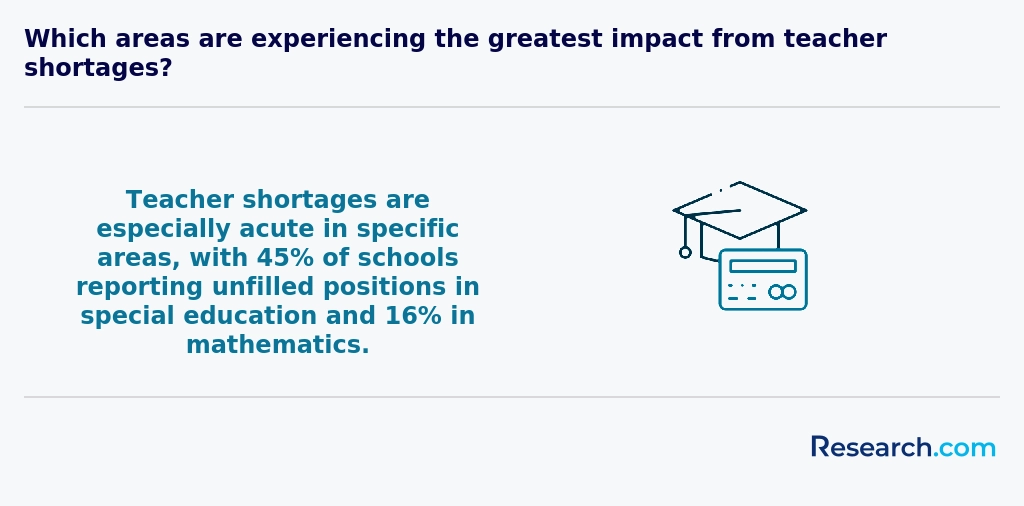
Online special education degree programs in Florida commonly include comprehensive courses designed to equip educators with practical skills for diverse classroom environments. Graduates from prominent institutions like the University of Central Florida and Florida State University often recall how foundational courses such as Introduction to Special Education clarified essential laws and philosophies, helping them understand the significance of tailored support for students with disabilities.
Courses on Assessment and Evaluation in Special Education teach future teachers to effectively measure student progress and adapt interventions, making a tangible difference in their classrooms. Instructional Strategies for Diverse Learners empower educators to modify teaching approaches to meet varied learning needs, which previous students have praised for increasing their confidence in handling complex cases.
Florida programs also emphasize Classroom Management and Behavior Intervention, where students learn real-world techniques to foster positive learning environments, a skill many alumni highlight as crucial when addressing challenging behaviors. Additionally, specialized subjects like Assistive Technology and Transition Planning ensure teachers are well-prepared to support students' academic and life skills development effectively.
Online special education degrees in Florida offer a range of focused specializations tailored to meet diverse learner needs. These include Autism Spectrum Disorder (ASD), where educators master communication and behavior management strategies, and Emotional and Behavioral Disorders (EBD), which prepares teachers to address significant emotional challenges. Graduates often reflect on how Intellectual Disabilities specialization enhanced their ability to support students with cognitive impairments by fostering practical life skills. Additionally, the Learning Disabilities track equips educators to diagnose and teach conditions such as dyslexia and dyscalculia, while Early Childhood Special Education focuses on early intervention techniques for preschool-aged children.
Florida online special education program options often feature mild to moderate or moderate to severe disability tracks, as seen at institutions like the University of Central Florida and Florida State University. Graduates from these programs express confidence in applying specialized skills that directly improve classroom outcomes. Prospective students interested in affordable education may find valuable information about the cheapest online masters programs in special education, aiding in their decision-making process.
When choosing the best online special education degree in Florida, prioritize programs accredited by recognized agencies such as the Council for the Accreditation of Educator Preparation (CAEP). Graduates from well-known institutions in Florida often share how accreditation ensured their degrees were respected by school districts and licensing boards. Additionally, confirm the curriculum aligns with Florida's certification requirements, especially preparation for the Florida Teacher Certification Examinations (FTCE). Many successful graduates recall that strong support in navigating these exams was crucial.
Consider affordability by exploring affordable special education programs Florida offers, often through public universities with lower tuition for in-state students. Evaluating total costs-including fees and materials-can alleviate financial stress during studies. Practical flexibility also plays a key role; many students appreciate programs that balance synchronous and asynchronous formats, allowing them to study while managing work and family commitments.
Support services matter greatly. Graduates frequently highlight how dedicated academic advisors and practicum placement coordinators helped secure local field experiences vital to meeting state requirements. For comprehensive comparisons, prospective students can visit special education bachelor degree online resources to identify programs that best suit their goals.
Graduates of an online special education degree in Florida have access to diverse career paths that address the state's growing need for skilled professionals. Many find rewarding roles as special education teachers in K-12 schools, where they develop individualized education programs (IEPs) that directly impact students' success. Others pursue specialized positions such as behavior intervention specialists or school psychologists, often requiring additional certifications but rooted firmly in their special education training. Popular universities in Florida known for their robust programs prepare students to confidently step into these roles, sharing stories of graduates who have positively transformed classrooms and school communities. For those seeking to expand their expertise, educational leadership roles like special education program coordinators or directors offer opportunities to oversee compliance and improve program effectiveness statewide, aligning with the increasing demand seen in online special education teaching jobs Florida. Many graduates also dedicate themselves to advocacy, championing disability rights and inclusive education. Those interested can explore further education options through resources like online special education masters programs to enhance their qualifications and career prospects.
The job market for online special education degree jobs Florida is robust, with strong demand fueled by increasing enrollment of students with disabilities and statewide initiatives that support inclusive education. Graduates from prominent institutions such as the University of Florida and Florida State University often find rewarding employment opportunities in both urban and rural school districts. Their firsthand experiences highlight the convenience of online programs, allowing them to balance studies with work or family commitments while preparing for Florida's Teacher Certification Examination (FTCE).
Early-career professionals have expressed satisfaction with their salary prospects, which typically range from $52,000 to $59,000 annually, accompanied by benefits like health insurance and retirement plans. These graduates frequently mention the rewarding nature of their roles and the positive impact on diverse student populations. Moreover, those interested in deeper insights can explore the scope of a special education teacher roles and responsibilities.
Florida special education teacher job outlook projects steady employment growth through 2030, supported by state education policies and federal mandates. The financial aid and scholarship opportunities available make pursuing an online special education degree even more accessible for many aspiring educators.
2027 Most Valuable Online Special Education Degree Programs Ranking in Florida
Investing in your education is a significant decision that can greatly influence your professional future, and the Research.com team is dedicated to helping you make well-informed choices. To support those interested in pursuing special education degrees in Florida, we have carefully developed the "2027 Most Valuable Online Special Education Degree Programs Ranking in Florida." Our commitment to quality, credibility, and accuracy is demonstrated through rigorous research and thorough analysis.
We utilized the following reputable data sources to ensure a comprehensive evaluation of these programs:
By reviewing this ranking, readers will gain clear insights into the most valuable online special education degree programs in Florida, enabling them to identify options that align with their goals and needs. For a detailed explanation of how this ranking was created, please visit our Research.com methodology page.
# 1 position
Florida International University
Master of Special Education, Autism Endorsement specialization


# 3 position
University of Central Florida
Bachelor of Exceptional Student Education, Learning and Language
Frequently Asked Questions About special education
Students pursuing online special education degrees in Florida can enhance their learning by actively engaging with course materials and participating in virtual discussions. Access to Florida's extensive digital education resources, including local school district partnerships, offers practical insights into real-world challenges faced by special educators.
Utilizing Florida's state-specific licensure requirements and policies ensures alignment with classroom expectations after graduation. According to the Florida Department of Education, understanding regional standards improves job readiness.
Networking with peers and faculty through online platforms fosters professional growth and support. Time management and setting a dedicated study schedule are vital to balance coursework and practical applications efficiently in the online format.
The special education field is rapidly evolving with several emerging niches showing strong growth, especially in Florida. One significant area is assistive technology, which helps students with disabilities access learning materials more effectively. According to the Florida Department of Education, demand for specialists skilled in these technologies has increased by over 15% in recent years.
Another growing niche involves early intervention services. Professionals trained to support infants and toddlers with developmental delays are critical in improving long-term outcomes. Florida's early intervention programs serve nearly 25,000 children annually, highlighting the need for qualified educators.
Additionally, culturally responsive special education is gaining attention, focusing on diverse populations to reduce achievement gaps. Understanding Florida's multilingual student population better equips teachers to meet unique needs.
Preparing for the job market after earning an online special education degree in Florida involves several strategic steps. First, obtaining Florida's teaching certification is essential. This requires passing the Florida Teacher Certification Examinations (FTCE), including the General Knowledge and Professional Education tests.
Networking is also crucial. Joining organizations like the Council for Exceptional Children (CEC) Florida chapter helps connect with local professionals and job openings. Additionally, gaining practical experience through internships or substitute teaching can improve employability.
According to the Florida Department of Education, special education teachers earn a median salary of around $54,000, reflecting steady demand in the state's schools, especially with growing enrollment in special education programs.
Employers in Florida highly value special education degree graduates who demonstrate strong communication and collaboration skills. These abilities are essential for working effectively with students, families, and multidisciplinary teams. Additionally, knowledge of Individualized Education Programs (IEPs) and behavior management techniques is critical, as Florida's schools require teachers to tailor learning plans to diverse student needs.
Data from the Florida Department of Education highlights that graduates with proficiency in assessment strategies and adaptive technology have better employment prospects. Patience and cultural sensitivity also rank as top skills, reflecting the state's diverse student population. Mastery of state regulations and latest teaching methods ensures compliance and quality education delivery.
Finding internships in Florida relevant to a special education degree involves several strategic steps. Start by consulting your online program's career services, as many Florida universities partner with local schools and agencies to offer placement opportunities. The Florida Department of Education oversees special education programs and sometimes lists internship openings or partnerships on their website.
Networking with local school districts is crucial since most internships take place in K-12 settings. Florida employs more than 50,000 special education teachers, making school districts like Miami-Dade or Hillsborough potential places to seek internships.
Professional organizations, such as the Florida Association for Behavior Analysis or CEC Florida, can provide internship resources and mentoring. Additionally, using platforms like Handshake or Indeed with filters for Florida internships in special education helps narrow options efficiently.
An online special education degree in Florida can significantly enhance career mobility and advancement. The Florida Department of Education requires certification for special education teachers, and completing an accredited online program meets these requirements. As of 2023, Florida anticipates a 7% growth in special education roles over the next decade, according to the Bureau of Labor Statistics.
Online degrees offer flexibility for working professionals to gain credentials and pursue roles such as instructional coordinators or school administrators. Higher qualifications often lead to salary increases; for instance, special education teachers in Florida earn an average of $56,000 annually, with advanced degrees allowing for higher pay bands.
Furthermore, an online degree can facilitate easier transfers across school districts, broadening job opportunities. Programs that include hands-on practicum components prepare candidates for Florida's state-mandated performance assessments.
Studying for an online special education degree in Florida equips students with skills to collaborate across multiple disciplines, including psychology, general education, and healthcare. Florida programs adhere to the Council for Exceptional Children standards, emphasizing teamwork with educators, therapists, and families. This approach prepares graduates to participate in developing Individualized Education Programs (IEPs) that require input from various professionals.
According to the Florida Department of Education, interdisciplinary collaboration is crucial for serving 343,000 students receiving special education statewide. Coursework often includes training in communication, assessment methods, and legal frameworks, ensuring graduates can effectively support diverse student needs within school systems.
When choosing between a thesis and a non-thesis special education degree program in Florida, students should first consider their career goals. Thesis programs often suit those interested in research, doctoral studies, or positions requiring in-depth analysis skills. Florida's special education field benefits from research focused on inclusive practices, so completing a thesis may provide an advantage.
Non-thesis programs typically focus more on practical skills and coursework, ideal for professionals aiming to work directly with students or in administrative roles. Florida's Bureau of Exceptional Education and Student Services highlights ongoing demand for qualified educators, which non-thesis graduates can meet efficiently.
Cost and time commitment also differ: thesis options often require more time and sometimes additional fees for research resources.
Students in Florida seeking to study special education abroad have limited options through fully online programs due to accreditation and licensing requirements. Most U.S. institutions offering online special education degrees require state-specific practicum experiences that can be challenging to complete internationally. However, some Florida universities collaborate with international partners to provide hybrid programs combining online coursework with local internships.
According to the Florida Department of Education, about 10.4% of all Florida public school students receive special education services, highlighting the demand for qualified educators. This demand encourages institutions to develop flexible pathways, but the majority still emphasize in-state or U.S.-based field experience.
Students interested in studying abroad should carefully verify whether foreign coursework aligns with Florida's teaching certification standards. Consulting directly with Florida's Bureau of Educator Certification or accredited universities can help clarify eligibility and program recognition.
Part-time job opportunities in Florida that complement a special education degree often include roles such as teacher assistants, behavioral aides, and tutoring specialists. These positions provide practical experience working with students who have diverse learning needs. Florida's school districts frequently hire paraprofessionals to support classrooms, which helps build skills applicable to future teaching roles.
According to the Florida Department of Education, paraprofessional jobs have grown by 5% annually, reflecting steady demand. Additionally, private tutoring services focusing on individualized education programs (IEPs) offer flexible work that aligns with special education principles.
Working in such roles while studying online enables students to deepen their understanding of classroom management and intervention strategies firsthand.
Online special education students in Florida have multiple networking opportunities to enhance their professional growth. Many universities offering online programs encourage participation in virtual student organizations and forums focused on special education. The Florida Diagnostic and Learning Resources System (FDLRS) provides workshops and events connecting educators statewide.
Additionally, the Council for Exceptional Children (CEC) Florida Council hosts conferences and local chapter meetings that online students can attend, often virtually. These platforms foster connections with experienced teachers and education specialists.
Florida's large educational system employs over 60,000 special education teachers, creating a robust job market and community for networking.
Alumni networks offer valuable support to students pursuing online special education degrees in Florida. These networks connect current students with graduates who have firsthand experience in the state's education system. Such connections can provide mentorship, career advice, and job leads tailored to Florida's special education landscape.
Florida employs over 30,000 special education teachers, making networking critical for job placement and professional growth, according to the Florida Department of Education. Alumni can offer insights into district hiring trends, certification requirements, and classroom challenges specific to Florida schools.
Additionally, engaging with alumni can foster collaboration in continuing education and advocacy efforts, enriching a student's professional development beyond graduation.
Customizing an online special education degree in Florida often begins with selecting a program that offers flexible elective courses aligned with your career goals. Many accredited Florida universities let students focus on areas such as autism spectrum disorders, behavior intervention, or early childhood special education.
Additionally, some programs provide options for earning teaching certifications or endorsements relevant to Florida's education system. For instance, the Florida Department of Education recognizes endorsements in areas like specific learning disabilities and emotional/behavioral disabilities, which can improve job prospects.
Internships or practicum experiences arranged locally also support practical skill development tailored to your interests. Data from the Florida Department of Education shows a growing demand for educators skilled in diverse special education fields, reinforcing the value of customization.
Students pursuing online special education degrees in Florida often face several challenges. One common issue is limited access to hands-on training, which is essential for developing practical teaching skills. While fieldwork and internships are required by Florida's Department of Education, arranging these experiences can be difficult for online learners.
Another challenge is staying engaged and motivated without traditional classroom interaction. Online courses demand strong time management and self-discipline, which can be a barrier for some students.
Additionally, technological issues like unreliable internet connections can disrupt learning, especially in rural areas of Florida where broadband access remains inconsistent. According to the Florida Department of Education, addressing these barriers is critical to improving completion rates among online special education students.
With an online special education degree in Florida, graduates can pursue several professional certifications to enhance their careers. The most common is the Florida Professional Educator Certificate with a specialization in special education. This certification is required to teach students with disabilities in K-12 settings throughout the state.
Additionally, educators may seek the Behavior Analyst Certification Board's (BACB) Registered Behavior Technician (RBT) credential or Board Certified Behavior Analyst (BCBA) certification, which are valuable for working with students with behavioral challenges.
The Florida Department of Education also offers endorsements such as Autism Spectrum Disorder (ASD) to complement the initial certification. These certifications meet Florida's high demand for qualified special education professionals, as the state reported over 250,000 students receiving special education services in 2022 (FLDOE).
Writing a winning application for an online special education program in Florida requires careful attention to detail and alignment with program expectations. Begin by highlighting your passion for special education and any relevant experience working with students with disabilities. Florida's Department of Education emphasizes practical skills and knowledge of state laws, so mention familiarity with IDEA regulations and Florida's education standards.
Include strong academic records and letters of recommendation that speak to your commitment and abilities. Many programs value applicants with clear career goals focused on serving diverse learners, so articulate your professional objectives clearly. According to the National Center for Education Statistics, Florida employs over 15,000 special education teachers, indicating solid career prospects. Demonstrating awareness of the state's needs can strengthen your application.
Special education careers in the U.S. are increasingly influenced by global trends emphasizing inclusivity and accessibility. Around the world, there is growing recognition of the value that special educators provide in supporting diverse learners. In Florida specifically, demand for trained special education teachers is expected to grow by 5% through 2028, according to the U.S. Bureau of Labor Statistics.
Internationally, countries adopt varied approaches to special education, but many share a commitment to individualized instruction and collaboration with families. Florida's online programs often integrate these global perspectives by incorporating Universal Design for Learning principles.
Students pursuing online special education degrees in Florida benefit from understanding these broader trends, preparing them to meet evolving educational challenges. The Council for Exceptional Children highlights that educators with global awareness tend to implement more effective, culturally responsive teaching strategies.
Gaining practical experience while studying for an online special education degree in Florida is essential for preparing to meet state certification requirements. Most programs incorporate fieldwork or practicum placements in local schools, allowing students to apply theoretical knowledge in real classroom settings under supervision.
Florida requires candidates for special education certification to complete a minimum number of supervised teaching hours, typically during student teaching or internships. Online students often coordinate with program advisors to secure practicum sites nearby. This approach helps students gain hands-on experience working with children with disabilities and learning to implement Individualized Education Programs (IEPs).
The Florida Department of Education reports that over 15,000 students receive special education services annually, emphasizing the need for highly qualified teachers familiar with diverse disabilities. Practical experience in authentic environments is crucial to develop effective teaching strategies and communication skills required in this field.
Choosing the right concentration within an online special education degree program in Florida depends on your career goals and student population interests. Florida offers various focuses such as Autism Spectrum Disorders, Behavioral Disorders, and Early Childhood Special Education, each addressing specific needs.
Consider Florida's demand patterns: the Bureau of Labor Statistics highlights a growing need for teachers skilled in Autism spectrum interventions, reflecting trends in the state's schools.
Research program accreditation, like CAEP or CEC recognition, to ensure quality education that meets Florida Department of Education licensure requirements.
Finally, evaluate faculty expertise and available practicum placements relevant to your chosen concentration to gain hands-on experience.
- 2027 Most Valuable Online Special Education Degree Programs Ranking in Georgia
- 2027 Most Valuable Online Special Education Degree Programs Ranking in North Carolina
- 2027 Most Valuable Online Special Education Degree Programs Ranking in Kentucky
- 2027 Most Valuable Online Special Education Degree Programs Ranking in Virginia
- 2027 Most Valuable Online Special Education Degree Programs Ranking in Missouri
- 2027 Most Valuable Online Special Education Degree Programs Ranking in Indiana
- 2027 Most Valuable Online Special Education Degree Programs Ranking in Ohio
- 2027 Most Valuable Online Special Education Degree Programs Ranking in Pennsylvania
- 2027 Most Valuable Online Special Education Degree Programs Ranking in Texas
- 2027 Most Valuable Online Special Education Degree Programs Ranking in Kansas
- Top 15 Accredited Online Special Education Bachelor’s Degree Programs | Special Education Degrees https://www.special-education-degree.net/top-accredited-online-special-education-bachelors-degree-programs/
- Special Education Professional Development Complete Guide for 2025 Teacher Guide https://www.simplek12.com/blog/special-education-professional-development
- Global Perspectives on inclusive and special Education: An analysis of International Policy Frameworks https://www.journalijdr.com/global-perspectives-inclusive-and-special-education-analysis-international-policy-frameworks
- Home New - NASET https://www.naset.com/
- Know more about thesis vs non- thesis: what is the difference? https://studyfans.com/en/blogs/816
- Reimagining Inclusion with Positive Niche Construction https://andrewgael.com/2016/03/07/reimagining-inclusion-with-positive-niche-construction/
- Making sure you're not a bot! https://katalog.ignatianum.edu.pl/bib/702746
- How to Prepare for Careers in Special Education | Eastern CT State https://www.easternct.edu/graduate-division/online/articles/how-to-prepare-for-careers-in-special-education/
- 2025 Best Online Degrees in Special Education https://www.onlineu.com/degrees/special-education
- Bachelor of Science inChildhood and Special Education https://www.albany.edu/education/programs/bs-childhood-and-special-education


