2027 Best Online Special Education Degree Programs Ranking in Minnesota

Co-Founder and Chief Data Scientist
Choosing the right online special education degree program in Minnesota is an important step toward a rewarding career. This article introduces the 2027 Best Online Special Education Degree Programs Ranking in Minnesota, carefully compiled by the Research.com team of data scientists.
Designed to help you make an informed decision, the ranking highlights programs that stand out for quality and accessibility. Earning a special education degree opens doors to meaningful work, personal growth, and the opportunity to make a positive impact on students' lives.
Explore your options with confidence and take the next step toward a fulfilling future.
Key benefits of getting online special education degree in Minnesota
- Special education graduates in Minnesota often pursue careers such as special education teachers, who earn an average annual wage around $65,000 in the U.S., offering a rewarding and stable income.
- A degree from a popular Minnesota college opens doors to roles like intervention specialist or behavioral disorder counselor, providing diverse and meaningful career options.
- Completing a special education degree online from a well-regarded Minnesota university offers flexibility, allowing students to balance work and life while gaining essential skills at their own pace.
- 2027 Best Online Special Education Degree Programs Ranking in Minnesota
- What can I expect from online special education degree in Minnesota?
- Where can I work with online special education degree in Minnesota?
What can I expect from online special education degree in Minnesota?
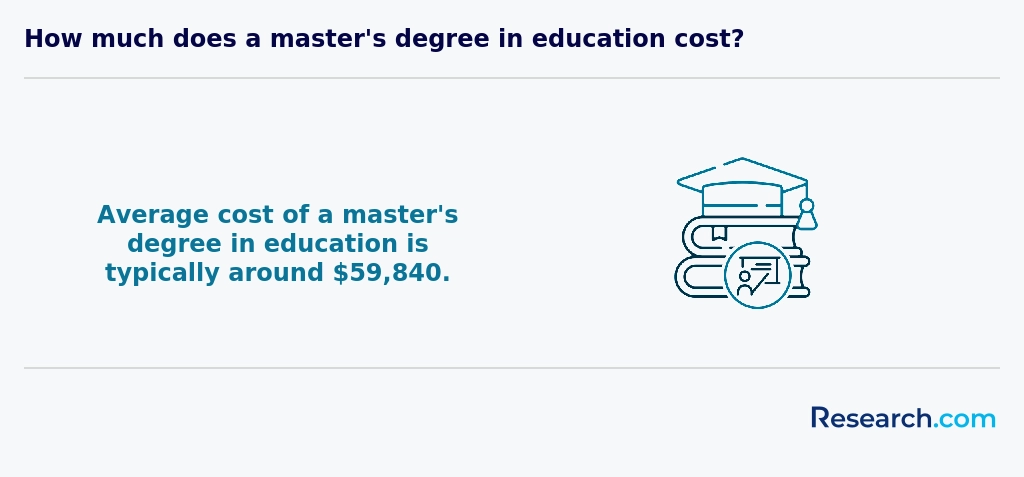
Expecting a fixed price for an online special education degree in Minnesota oversimplifies a deeply personalized journey. Graduates from institutions like the University of Minnesota and St. Cloud State University often share that tuition costs typically range between $15,000 and $30,000 for the entire program, depending on factors such as residency status and program length. Yet, beyond numbers, what resonates most are the investments in meaningful hands-on experiences and state-aligned coursework that prepare them for impactful careers.
One graduate recalls balancing evening classes and virtual internships while feeling empowered by learning evidence-based strategies tailored for Minnesota's diverse classrooms. The cost may seem steep, but many find the return-being ready to support thousands of students with disabilities-immensely rewarding. Unlike a generic online program, these degrees blend rigorous academic theory with real-world field placements, challenging the notion that affordability sacrifices quality.
Where can I work with online special education degree in Minnesota?
Graduates from online special education programs at institutions like the University of Minnesota or St. Cloud State often find themselves stepping into dynamic roles within public K-12 schools throughout Minnesota. These educators aren't just teachers; they become advocates shaping individualized plans that transform students' learning experiences. Imagine working in a bustling Minneapolis classroom, designing an IEP alongside families and therapists to unlock a child's unique potential.
But the journey doesn't stop at public schools. Alumni frequently discover fulfilling careers in private schools with specialized programs or early childhood centers where early intervention can change life trajectories. Consider a graduate supporting toddlers at a local development center in Duluth, where their expertise sparks growth before formal education begins.
Beyond classrooms, special education skills open doors to nonprofits or government agencies like the Minnesota Department of Human Services, where professionals champion inclusive policies and services. These career paths emphasize how graduates transform passion into tangible impact, challenging the notion that special education careers are limited or narrow in scope.
Graduates holding an online special education degree in Minnesota often find their earning potential shaped by experience, location, and certifications. Many who have completed programs from institutions like the University of Minnesota or St. Cloud State University report starting salaries ranging from $45,000 to $50,000 annually in local school districts. With perseverance and advanced degrees earned online, such as a master's, these educators often see their salaries grow beyond $70,000, especially in urban centers like Minneapolis or St. Paul.
Consider a graduate who, after earning an online master's degree, secures a position in a metropolitan district and, with over ten years of experience, earns upward of $80,000. This level of income not only reflects dedication but also the value Minnesota places on special education professionals. Graduates emphasize the satisfaction of making a real difference, coupled with financial stability uncommon in many teaching careers.
Even in rural districts, where salaries might be lower, the inclusion of incentives such as housing stipends adds meaningful benefits, making the path rewarding both personally and professionally. Online special education credentials empower graduates to pursue varied roles, often boosting their earnings and impact within Minnesota's robust support system.
- Online special education degree programs in Minnesota allow for remote coursework and are available at both bachelor's and master's levels.
- Bachelor's tuition typically ranges from $12,000 to $25,000 per year for in-state online students, while master's programs cost between $15,000 and $30,000 total.
- Early-career special education teachers in Minnesota earn about $50,000 annually, with experienced professionals making $70,000 to $80,000 per year.
- The demand for special education teachers remains steady, especially in rural and suburban areas, supporting strong job security for graduates.
- Licensure requires completing an approved teacher preparation program, passing exams, and background checks, with many online programs aligned to these requirements.
Completing an online special education degree in Minnesota is rarely a one-size-fits-all journey. For example, graduates from the University of Minnesota's online program often describe balancing full-time work while studying part-time, stretching what might be a four-year bachelor's degree into five or six enriching years. This flexibility lets students absorb the material deeply rather than rushing through it, turning education into a sustainable life mission.
On the other hand, many who pursue an online master's degree from institutions like Minnesota State University share experiences of an intense two-year full-time schedule, sometimes accelerated to one year if they come with prior credits. These programs blend academic rigor with hands-on internships, making the time commitment feel less like just coursework and more like stepping stones into meaningful professional roles.
Licensure requirements add complexity, often extending timelines by several months-but this isn't simply delay; it's preparation that graduates praise as crucial for real-world success. Minnesota's unique blend of flexible pacing, part-time possibilities, and licensing demands means completion time hinges on personal circumstances and goals.
Choosing between online and on-campus special education programs in Minnesota often feels like weighing convenience against connection. Graduates from the University of Minnesota's on-campus program describe the energizing buzz of walking into a classroom, exchanging ideas face-to-face, and forming instant bonds with peers and instructors. This tactile experience builds a community that many cherish, especially when navigating complex topics.
Meanwhile, online learners from St. Cloud State University embrace a different rhythm. They treasure the flexibility to study late at night or between work shifts, managing family life while progressing through coursework. This self-paced style fosters a strong sense of independence and time management, skills treasured by employers.
Both paths require local fieldwork in Minnesota schools, immersing students in real classrooms. While online students arrange this independently, it mirrors the hands-on experience that defines special education training statewide.
Ultimately, the difference isn't about quality but the learning environment you thrive in-whether the warmth of campus camaraderie or the empowering solitude of digital study.
The average cost of an online special education degree in Minnesota varies notably depending on residency and institution type, but median figures suggest a clear picture. For in-state students at popular universities such as the University of Minnesota or St. Cloud State, the median in-state total cost is about $12,240, which makes pursuing this path financially more accessible. Out-of-state students, however, face a median total cost closer to $24,480, almost double, reflecting typical tuition differences that spark deeper consideration about where to enroll.
Graduates from Minnesota's well-known programs often share reflections on balancing these costs with meaningful experiences. They recall how the direct interaction in required practicum placements-though sometimes adding expenses-brought invaluable real-world skills, making each dollar spent feel worthwhile. These stories illuminate how understanding tuition and fees for special education degree Minnesota options isn't just about numbers but about investing in transformational learning and impact.
Many online learners find that the median total cost of approximately $23,925 mirrors the commitment required to enter a dedicated career in special education. Financial aid and scholarships available through the state can tip the scale, making a degree feasible for committed students. Additionally, diving into a deeper understanding of funding, beyond just tuition, empowers candidates to envision how this investment pays off in both professional growth and personal fulfillment.
Choosing to pursue a special education degree online in Minnesota also means exploring career prospects thoughtfully. For insight into outcomes and opportunities following graduation, one might review options related to a bachelor degree in special ed jobs, grounding financial decisions in realistic goals and aspirations.
Many online special education students in Minnesota navigate their financial challenges by tapping into a mix of federal, state, and local aid, often transforming their educational journey from daunting to achievable. Graduates from institutions like the University of Minnesota or St. Cloud State University commonly share how Pell Grants, which offer up to $7,395 annually, became a crucial lifeline-covering books or even part of their living expenses while studying remotely.
State grants specifically for Minnesota residents also play a vital role. For example, a student studying at Minnesota State University, Mankato might receive the Minnesota State Grant, easing tuition pressure with awards that can span several thousand dollars based on enrollment and eligibility. These programs can feel like negotiated freedom, allowing learners to focus more on mastering special education strategies than stressing over bills.
Then, there's the overlooked emotional boost from employer tuition reimbursement, common among those already working in schools or education support roles. It's not just money; it's the recognition of their dedication, making the degree pursuit feel valued outside the classroom.
Scholarships from organizations like the Council for Exceptional Children offer more than dollars-they provide encouragement to persist. For online students in Minnesota, blending these financial resources often becomes the secret to turning ambition into accomplishment.
Enrolling in an online special education degree program in Minnesota requires more than just a high school diploma or GED; it demands proof of academic readiness and a genuine commitment to supporting learners with diverse needs. Graduates from universities like the University of Minnesota Duluth often recall submitting transcripts that reflected not only minimum GPAs-typically between 2.5 and 3.0-but also a heartfelt statement of purpose that revealed their passion for special education.
Many programs at institutions such as St. Cloud State University emphasize background checks, ensuring candidates demonstrate the ethical character essential for working with children. This step might feel challenging but often reassures students as they envision their future classrooms filled with children benefiting from patience and understanding.
Interestingly, while some schools ask for GRE scores, many have recognized that previous teaching or related experiences hold greater weight, reflecting a shift toward practical readiness over standardized testing. Letters of recommendation, often from previous educators or employers, anchor candidates' applications in real-world proof of dedication.
Importantly, Minnesota-specific requirements, like passing the Minnesota Teacher Licensure Examinations (MTLE) and completing approved teacher preparation programs, frame enrollment not just as an entry point but as a path toward becoming an impactful educator. This process, encountered by many who have trained at Bemidji State University, turns prerequisites into milestones on a journey of meaningful service.

Typical courses in Minnesota's online special education degree programs go beyond theory, weaving together practical knowledge essential for real classroom challenges. Graduates from respected institutions like St. Cloud State University and the University of Minnesota often recall how courses such as Foundations of Special Education grounded them in the legal and philosophical frameworks, giving clarity to their purpose as educators. Imagine learning not just the laws but seeing how they shape daily decisions in IEP meetings.
Behavioral Interventions and Supports courses empower students to handle tough moments with confidence, turning potential classroom chaos into opportunities for growth. Many graduates describe feeling transformed after mastering strategies to support students' emotional and behavioral needs. This isn't just textbook stuff; it's about real lives and hopeful futures.
Hands-on learners appreciate the Assessment and Evaluation training, which teaches precise ways to identify and track progress, ensuring every student's unique needs are met. Coupled with Curriculum Development for Diverse Learners, students learn to craft lessons adaptable to myriad disabilities, echoing stories from Minnesota educators empowered to innovate for their classrooms. Legal and ethical courses deepen their understanding, ensuring adherence to essential laws like IDEA, while collaboration classes create bridges between teachers, families, and specialists-true lifelines in special education work.
The diversity of special education degree specializations Minnesota offers challenges the idea that one size fits all. Graduates from well-known institutions like the University of Minnesota share how focusing on learning disabilities empowered them to craft personalized strategies for students struggling with reading or math. This specialization resonates deeply in Minnesota, where 7.5% of public school students receive targeted support.
Meanwhile, online special education programs with specializations Minnesota highlight behavioral disorders as another critical path. Graduates describe feeling equipped to manage emotional challenges that often disrupt learning environments, transforming classrooms into places of understanding and growth. The autism spectrum disorder specialization responds to the growing number of students facing unique communication and social needs, offering tools that feel both practical and hopeful.
Other graduates emphasize early childhood special education, physical and sensory disabilities, and inclusive education, areas where hands-on experience with local Minnesota schools enriches theory. When exploring costs and options, many turn to resources like the cheapest master's degree special education online to find affordable pathways that align with their career goals.
Choosing the best online special education degree in Minnesota means looking beyond just reputation or price. Graduates from popular Minnesota colleges often recall the critical role accreditation played-programs endorsed by bodies like CAEP ensured their education was respected by local school districts and licensing boards. State licensure alignment is equally vital: programs tailored to Minnesota's PELSB standards made the licensure process feel less daunting and more achievable.
Consider stories from students who found value in curricula offering practical field placements within Minnesota schools, where theory transformed into impactful, hands-on learning. These authentic experiences foster confidence and connection, unlike generic online courses. Cost is a personal puzzle too-balancing tuition against financial aid options demonstrates why searching for affordable special education programs Minnesota residents trust is key.
For those seeking guidance, exploring online special education bachelor degree programs shows how flexibility and support make a significant difference in student satisfaction and success.
Graduates holding an online special education degree in Minnesota often find themselves stepping beyond the conventional role of a classroom teacher. Many carve fulfilling careers as behavioral intervention specialists or assistive technology coordinators, roles that challenge them to innovate and deeply impact students' lives. At universities like the University of Minnesota or St. Cloud State, alumni recount how their hands-on practicum experiences fueled a passion for specialized interventions that go far beyond lesson plans. These professionals often embrace careers that foster social and emotional development or bridge tech with learning, reflecting the evolving educational landscape in Minnesota.
Exploring special education job opportunities Minnesota reveals pathways such as educational diagnosticians or program coordinators who shape inclusive policies and curricula. Graduates appreciate how an online program's flexibility supports balancing career shifts or further certifications, often intersecting with fields like speech-language pathology or counseling. For those seeking a broader view, many tap into private tutoring or advocacy roles, driven by both empathy and professional purpose. Prospective students interested in advancing their career might also consider an online master's of special education to amplify their impact.
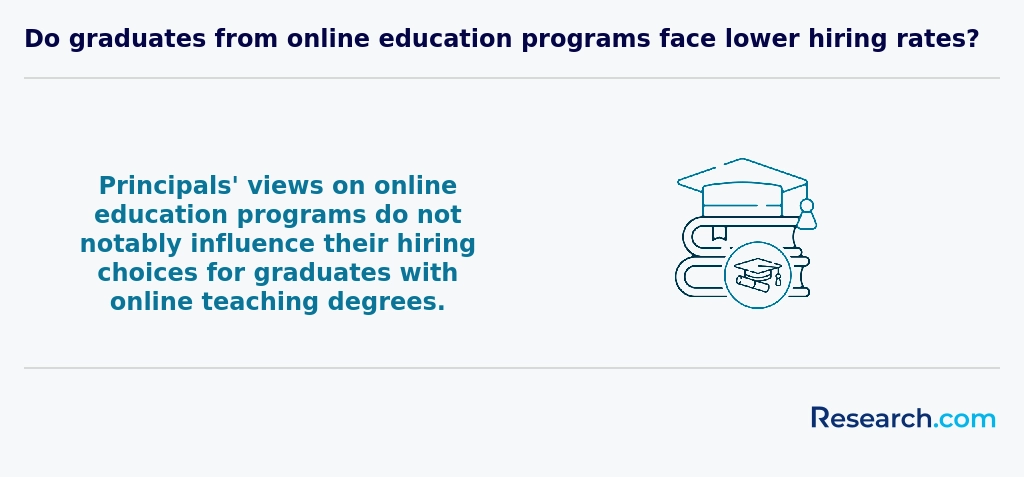
The job market for graduates with an online special education degree in Minnesota is robust and full of promise. Many graduates from well-known institutions such as the University of Minnesota and St. Cloud State University share stories of finding rewarding roles in public and private schools, fueled by a strong statewide need for qualified special educators. With ongoing teacher shortages and a commitment to inclusive education, positions in this field often come with encouraging incentives and career development opportunities.
Those pursuing online special education teacher jobs Minnesota benefit from programs designed to meet state licensure requirements, positioning them to serve diverse student populations effectively. Graduates frequently mention the satisfaction of making a real impact in classrooms and communities, illustrating the palpable demand reflected in Minnesota Department of Education data showing over 60,000 students receiving special education services.
Moreover, understanding the special education teacher job responsibilities deepens commitment to this vocation and helps graduates thrive in various educational settings. Despite common concerns about employment prospects, the evolving needs across Minnesota schools make this a career path worth considering for those passionate about education.
2027 Best Online Special Education Degree Programs Ranking in Minnesota
Investing in your education is a significant decision that can shape your future, and the Research.com team understands the importance of making informed choices. To assist prospective students in Minnesota, we have meticulously crafted the "2027 Best Online Special Education Degree Programs Ranking in Minnesota." Our commitment to quality, credibility, and accuracy is reflected in the extensive research and analysis conducted to compile this ranking.
We utilized the following reputable data sources to ensure a comprehensive evaluation of special education programs:
By exploring this ranking, readers will gain valuable insights into the best online special education degree programs available in Minnesota, empowering them to make informed decisions tailored to their educational and career goals. For more details on our methodology, please visit our Research.com methodology page.
# 1 position
Bethel University, Minnesota
Master of Special Education
# 2 position
Bethel University, Minnesota
Bachelor of Special Education
# 4 position
Concordia University, St. Paul
Master of Special Education with Emotional/Behavioral Disorders (EBD) Endorsement

Frequently Asked Questions About special education
Online special education degree students in Minnesota can maximize their learning by actively engaging with course materials and instructors. Regular participation in virtual discussions and timely submission of assignments help solidify understanding and build essential teaching skills. Students should also take advantage of available state resources; for example, the Minnesota Department of Education offers guidelines and updates that align with regional special education standards.
Building relationships with local school districts for practicum or internship placements is crucial, as hands-on experience is a graduation requirement in Minnesota's teacher preparation programs.
Utilizing study groups and online forums fosters peer support, improving problem-solving and collaboration abilities. According to the Minnesota Office of Higher Education, programs that integrate interactive learning tools often report higher retention rates, benefiting students' overall success.
Emerging niches within special education reflect growing needs in Minnesota's diverse communities and evolving educational technologies. One key area is inclusive technology integration, where educators use specialized tools to support students with disabilities. This approach is expanding as Minnesota schools adopt digital resources more broadly.
Another niche is trauma-informed special education, emphasizing strategies to help students affected by adverse experiences. According to the Minnesota Department of Education, increasing attention to mental health in schools highlights this focus.
Additionally, there is growth in bilingual special education, addressing the needs of English language learners with disabilities. This is vital as Minnesota's student population becomes more diverse.
These emerging fields offer new opportunities for professionals pursuing online special education degrees in Minnesota.
After completing an online special education degree in Minnesota, preparing for the job market involves understanding state certification requirements and gaining practical experience. Minnesota requires all special education teachers to hold a valid teaching license, typically obtained after passing the Minnesota Teacher Licensure Exams (MTLE).
Building a strong resume with student teaching or internships, often part of degree programs, enhances employability. Networking through local education agencies and attending job fairs can provide valuable connections. According to the Minnesota Department of Education, demand for special education teachers is projected to grow by 10% through 2028, reflecting steady job opportunities.
Continuing professional development and obtaining endorsements in specific disabilities can also improve job prospects.
Employers in Minnesota highly value strong communication skills in special education graduates. These professionals must effectively collaborate with students, families, and multidisciplinary teams to develop personalized education plans. Additionally, expertise in behavior management and adaptability is crucial, as educators often work with diverse learners requiring tailored approaches.
Understanding legal requirements and federal laws, such as IDEA (Individuals with Disabilities Education Act), is another essential skill. According to the Minnesota Department of Education, educators familiar with these regulations are better prepared for compliance and advocacy.
Data-driven instruction is increasingly important. Special education teachers are expected to collect and analyze student progress to adjust teaching methods accordingly, ensuring effective learning outcomes.
Finally, cultural competence is vital in Minnesota's diverse population, helping teachers support students from various backgrounds.
Finding internships in Minnesota related to a special education degree involves several practical steps. Start by connecting with local school districts, as Minnesota has over 300 districts that often partner with universities for student internships. The Minnesota Department of Education website provides valuable resources and updates on licensure and internship opportunities specific to special education.
Universities offering online special education programs typically have dedicated career services that facilitate placements by collaborating with regional schools and special education centers.
Additionally, professional organizations such as the Minnesota Council for Exceptional Children offer networking events and internship listings tailored to special education students.
According to the Bureau of Labor Statistics, demand for special education teachers in Minnesota is expected to grow by 6% through 2030, which can increase internship availability.
Obtaining an online special education degree in Minnesota significantly enhances career mobility for educators and professionals. The state has a noted demand for qualified special education teachers, with the Minnesota Department of Education reporting persistent shortages in this field. An accredited online degree provides the required credentials to meet licensure standards and opens doors to various roles, from classroom teaching to program coordination.
Advancement opportunities increase as many Minnesota school districts prefer candidates with specialized training. For example, educators with advanced degrees may qualify for higher salary tiers or leadership positions such as special education directors. According to Minnesota's Teacher Salary Project, special education teachers with master's degrees earn on average 10-15% more than those with only a bachelor's degree.
Studying for a special education degree in Minnesota equips students with knowledge that extends beyond teaching. Programs emphasize collaborative skills needed for interdisciplinary roles involving educators, therapists, counselors, and families. This teamwork approach is rooted in Minnesota's educational standards and legislation supporting inclusive practices.
Courses often cover areas such as behavioral management, assistive technology, and communication strategies, preparing graduates to work alongside professionals from various specialties. According to the Minnesota Department of Education, more than 14% of students receive special education services, increasing demand for educators skilled in cooperative interventions.
This training builds a foundation for integrative care, essential in today's inclusive classrooms and community settings.
When choosing between a thesis and a non-thesis special education degree program in Minnesota, consider your career goals. A thesis program typically requires original research, which can be ideal for students aiming for doctoral studies or research positions. The non-thesis option usually involves additional coursework or practical experience suited for those focusing on direct classroom work or administration.
Statistics from the Minnesota Department of Education show an increasing demand for special education teachers qualified with practical skills. This trend favors non-thesis programs for immediate classroom application.
Cost and time commitments also differ; thesis programs often take longer. Evaluate your learning preferences and professional objectives carefully.
Students based in Minnesota who want to study special education abroad face limited options due to the specificity of state licensure and accreditation requirements. Most U.S. states, including Minnesota, require teachers to hold degrees from regionally accredited institutions recognized by the Minnesota Professional Educator Licensing and Standards Board (PELSB).
As a result, pursuing an online special education degree from foreign universities may not meet Minnesota's teacher licensure standards. However, some international programs have partnerships with U.S. institutions or offer coursework transferable to accredited U.S. degrees.
The Minnesota Department of Education reports that 15.4% of all students have disabilities, increasing demand for qualified teachers trained in state-approved programs.
Therefore, students should carefully verify that any international degree aligns with Minnesota's licensure rules before enrolling.
Part-time job opportunities in Minnesota that complement special education degree education often involve roles directly supporting learners with disabilities. Common positions include paraprofessional or teacher aide roles in public schools, where individuals assist certified special education teachers in implementing individualized education programs (IEPs). These jobs provide practical experience working with students who have diverse learning needs.
Another option is working as a behavioral technician, supporting students with autism spectrum disorders; Minnesota's demand for these professionals is rising, according to the Minnesota Department of Education (MDE). Roles in community-based organizations or non-profits serving children with disabilities also offer valuable hands-on experience.
These part-time positions enhance understanding of special education laws, instructional strategies, and classroom management, benefiting students enrolled in online special education degree programs.
Online special education students in Minnesota have several networking opportunities despite the virtual format. Many universities offering online degrees partner with local schools and educational organizations, allowing students to engage in practical internships and field experiences within Minnesota communities.
The Minnesota Department of Education supports professional networking through events and workshops specific to special education, often accessible to online students. Additionally, organizations like the Minnesota Council for Exceptional Children provide memberships where students can connect with educators, attend conferences, and access specialized resources.
Virtual platforms and social media groups focused on Minnesota's education sector enable ongoing peer and professional interaction, crucial for building connections in this field.
Alumni networks provide valuable support for online special education degree students in Minnesota by connecting them to professionals with shared academic backgrounds. These networks offer mentoring opportunities, career advice, and job leads crucial for navigating Minnesota's specialized education job market.
According to the Minnesota Department of Education, there is a growing demand for special education teachers, making networking vital for employment success. Alumni networks facilitate access to local school districts and educational organizations focused on disabilities, which can enhance job placement chances.
Participation in alumni groups can also promote professional development through workshops and conferences tailored to Minnesota's educational standards, benefiting graduates long after completing their degrees.
Customizing an online special education degree in Minnesota involves selecting courses and credentials that align with your career goals. Many programs offer flexible curriculums, allowing students to focus on areas like autism spectrum disorders, behavioral intervention, or early childhood special education. You can often choose electives or concentrations that match your interests.
State licensure requirements also play a key role. Minnesota requires specific coursework and field experience to become a licensed special education teacher, so ensuring your program meets these is essential. According to the Minnesota Department of Education, aligning your studies with state standards improves employment prospects.
Additionally, some programs provide options for practicum placements within Minnesota schools, helping you gain relevant experience. By tailoring course selections and practical training, you can better prepare for roles in public schools, therapy centers, or educational administration.
Online special education students in Minnesota face several notable challenges. A primary issue is balancing fieldwork requirements with remote coursework. Special education programs often require in-person practicum experiences, which can be difficult to coordinate from a distance. Additionally, students may struggle with limited access to local mentors or specialized resources that support hands-on training.
Technology barriers also affect some learners, with varying internet speeds and familiarity with digital tools impacting participation. According to the Minnesota Department of Education, districts report shortages of qualified special education teachers, increasing pressure on students to meet high competency standards.
Lastly, students must adapt to learning complex legal and instructional frameworks online, which requires strong self-discipline and time management skills for successful completion.
Graduates with an online special education degree in Minnesota can pursue several professional certifications to enhance their career prospects. The primary certification is the Minnesota teaching license in special education, which qualifies educators to work with students who have diverse learning needs across different age groups.
In Minnesota, earning a Special Education K-12 Teaching License requires completing an approved teacher preparation program and passing the Minnesota Teacher Licensure Exams, including the basic skills test and the content test for special education. According to the Minnesota Department of Education, this license is essential for teaching in public schools.
Additional certifications include licenses for working with specific populations, such as Emotional Behavior Disorders (EBD) or Autism Spectrum Disorders (ASD). Some educators also pursue Professional Educator Licenses (PEL) with special education endorsements to increase their qualifications.
To write a winning application for an online special education program in Minnesota, begin by clearly demonstrating your commitment to supporting students with diverse learning needs. Highlight any relevant experience working in educational or support roles, as Minnesota values practical understanding alongside academic credentials.
Emphasize your knowledge of state-specific laws and policies related to special education, such as Minnesota's Individualized Education Program (IEP) requirements. According to the Minnesota Department of Education, understanding these frameworks is critical for success in the field.
Strong letters of recommendation from educators or mentors familiar with your skills can significantly strengthen your application. Additionally, a well-crafted personal statement should reflect your passion and understanding of challenges faced by students with disabilities.
Finally, ensure all academic records meet program prerequisites, noting that many programs require a minimum GPA of 3.0 for admission. Paying close attention to these components can enhance your chances of acceptance.
The career of special education is increasingly recognized worldwide for its importance in creating inclusive learning environments. In the U.S., including Minnesota, there is a growing demand for qualified special educators due to rising awareness and legal mandates to support students with disabilities. According to the Minnesota Department of Education, nearly 14% of students receive special education services, highlighting the substantial need for trained professionals.
Globally, educators face different challenges and approaches, but the emphasis on individualized support and equity remains constant. Online special education degrees from Minnesota institutions prepare students to meet diverse needs with evidence-based methods aligned with federal laws like IDEA (Individuals with Disabilities Education Act). This alignment strengthens career prospects not only locally but also in international contexts valuing inclusive education.
Gaining practical experience while pursuing an online special education degree in Minnesota is essential for licensure and career readiness. Students commonly engage in fieldwork through supervised practicum or student teaching placements arranged by their universities.
These placements often occur in local Minnesota schools, providing direct experience with diverse learners with disabilities. The Minnesota Department of Education requires a minimum number of clinical hours-usually around 600-to qualify for teacher licensure.
Additionally, some programs partner with local districts to facilitate internships, allowing students to apply research-based teaching strategies in real classrooms under mentor guidance. This hands-on training is critical given Minnesota's growing need for qualified special educators.
According to the Minnesota Department of Education (2023), such practical experiences improve educator effectiveness and student outcomes in special education settings.
Choosing the right concentration within an online special education degree program in Minnesota depends on your career goals and the student populations you wish to support. Minnesota offers concentrations such as mild/moderate disabilities, early childhood special education, and autism spectrum disorders, each addressing different needs.
Consider the state's demand: the Minnesota Department of Education reports increasing needs for teachers skilled in autism and behavioral disorders. Programs aligned with state licensure requirements enhance job prospects, as Minnesota requires specialized licensure endorsements.
Evaluate your interests, the type of age group you want to work with, and practical training options, as field experience is crucial for certification and skill development.
- 2027 Best Online Special Education Degree Programs Ranking in Missouri
- 2027 Best Online Special Education Degree Programs Ranking in Michigan
- 2027 Best Online Special Education Degree Programs Ranking in Kansas
- 2027 Best Online Special Education Degree Programs Ranking in Ohio
- 2027 Best Online Special Education Degree Programs Ranking in Colorado
- 2027 Best Online Special Education Degree Programs Ranking in Kentucky
- 2027 Best Online Special Education Degree Programs Ranking in Georgia
- 2027 Best Online Special Education Degree Programs Ranking in Virginia
- 2027 Best Online Special Education Degree Programs Ranking in North Carolina
- 2027 Best Online Special Education Degree Programs Ranking in Pennsylvania
- Why LDA | Learning Disabilities Association of Minnesota https://www.ldaminnesota.org/why-lda/
- Inclusive, Thriving Learning for Students with Special… | NGLC https://www.nextgenlearning.org/articles/inclusive-thriving-learning-environments-for-students-with-special-education-needs
- Networking Events for Professionals with Disabilities https://www.specialneeds.com/articles/career/finding-jobs/networking-events-for-professionals-with-disabilities-finding-accessible-opportunities/
- NASET | Professional Association for Special Education ... https://www.naset.com/
- Special Education Courses Online | Salary, Career & ... https://www.apteachertraininginstitute.com/blog/special-education-teacher-salary-career-paths-online-training-investement/
- Special Education Teacher | Inclusive Education Jobs https://jobsineducation.com/categories/special-education-teacher-jobs/
- Teaching: Special Education https://www.mnsu.edu/programs/special-education/
- Special Education Pathways Grant | Programs & Services https://www.resourcecoop-mn.gov/programs-services/special-education-pathways-grant
- Education Major for Paraprofessionals https://www.hamline.edu/academics/online-bachelors-education-major
- Special Education Professional Development Guide for 2025 https://www.simplek12.com/blog/special-education-professional-development