2027 Most Valuable Online Special Education Degree Programs Ranking in the Northeast

Co-Founder and Chief Data Scientist
Choosing the right special education degree program can shape your future career and personal growth. This article introduces the 2027 Most Valuable Online Special Education Degree Programs Ranking in the Northeast, developed by the Research.com team of data scientists to help you make an informed decision.
Whether you're starting fresh or advancing your skills, this ranking highlights programs that offer real value, flexibility, and quality education.
Exploring these options can empower you to make a meaningful impact in education while supporting your goals with confidence.
Key benefits of getting online special education degree in the Northeast
- Special education graduates in the Northeast can expect median salaries around $60,000 per year, reflecting rewarding financial stability in roles such as special education teachers and support specialists.
- Graduates from universities like Boston University often pursue diverse careers including classroom teaching, educational consulting, and program coordination, offering flexible and fulfilling opportunities.
- Obtaining a special education degree online from institutions such as Northeastern University allows for greater schedule flexibility and the ability to balance work and study, making it easier to achieve your career goals.
- 2027 Most Valuable Online Special Education Degree Programs Ranking in the Northeast
- What can I expect from online special education degree in the Northeast?
- Where can I work with online special education degree in the Northeast?
What can I expect from online special education degree in the Northeast?
Students embarking on an online special education degree in the Northeast often discover that the average total cost ranges between $20,000 and $50,000, depending on the institution and degree level. Imagine a graduate from a well-known university in Massachusetts reflecting on how the investment felt worthwhile, considering the hands-on support through virtual workshops and tailored curriculum aligned with state licensure requirements.
Another recent graduate from a Pennsylvania college recalls how the flexible online format allowed balancing work and study without relocating, making the tuition feel like a smart commitment rather than a burden. These programs often include fees for certification exam preparation, but financial aid and scholarships specifically for education students frequently help ease the cost.
Examples from New York-based online programs show students engaging deeply with topics like IEP development and federal laws through vibrant discussions, which create a rewarding learning journey priced competitively for the region.
Where can I work with online special education degree in the Northeast?
Graduates with an online special education degree in the Northeast often find themselves stepping into dynamic roles within bustling public school systems. Imagine working in a New York City classroom, passionately supporting diverse learners alongside colleagues who share your enthusiasm for inclusion. Many alumni from universities like Boston University or the University of Pennsylvania embrace jobs as intervention specialists or resource room instructors, making daily impacts on students' lives.
Others venture into early childhood programs, especially in states like New Jersey where federal grants fuel early intervention initiatives. Picture yourself helping toddlers take their first developmental steps through targeted therapies-an inspiring, hands-on experience that many graduates treasure.
Some graduates discover rewarding paths in specialized private schools or community non-profits, where advocacy and tailored support for children with autism or learning disabilities become their mission. Even roles within state education agencies call to those eager to shape policies and train peers, offering a blend of leadership and meaningful change.
For those drawn to research and higher education, institutions like Teachers College at Columbia University open doors to groundbreaking projects, keeping curiosity alive and careers evolving in vibrant academic environments.
Graduates with an online special education degree in the Northeast often find themselves stepping into rewarding roles where their starting salaries typically range from $50,000 to $55,000. Imagine a recent graduate from a well-known Northeastern college, energized by their virtual learning journey, landing a position in a vibrant district like Massachusetts or New York. There, the average teacher's salary jumps to an inspiring $72,000 to $75,000, reflecting both regional demand and dedication.
As educators gain experience and pursue advanced certifications, salaries can climb over $90,000 - especially in high-cost areas where passion meets opportunity. Veterans who moved up through specialized roles, such as behavioral interventionists or resource specialists, often share stories of their rewarding climbs, supported by employer benefits like health insurance and retirement plans.
For students exploring programs within schools known for excellence in special education, this data sparks excitement and motivation. With each step, from degree completion to classroom impact, the Northeast offers promising financial growth and meaningful work that truly changes lives.
- Online special education degrees in the Northeast cost between $12,000 and $25,000 at public universities and $30,000 to $50,000 at private institutions.
- Starting salaries for graduates average $50,000 to $55,000 annually, increasing to $65,000 to $75,000 with experience.
- Special education jobs in the Northeast are expected to grow by 6% in the next decade, slightly above the national average.
- Programs often require supervised practicum hours and prepare students for state-specific certification exams.
- Licensure standards vary by state, so it's important to choose a program that meets local certification requirements.
Adding a layer of real-world excitement, many programs embed practicum experiences locally, giving students the chance to engage deeply with their communities. This blend of flexibility and hands-on learning sparks inspiring stories of growth from those completing these meaningful journeys around the Northeast.
Many educators pursue a doctorate to lead policy, research and advanced practice in special education. Online doctoral programs typically offer two tracks:
- EdD in Special Education: practice-focused, shorter timeline (2–3 years), ideal for school leaders and curriculum specialists.
- PhD in Special Education: research-intensive, longer timeline (3–5 years), suited for university faculty and policy researchers.
Key considerations:
- Program format: fully online vs. hybrid residencies
- Dissertation vs. capstone: research depth and career alignment
- Funding and assistantships: plan for tuition and stipends
For cost-conscious candidates, compare the cheapest online edd to find programs that balance value and academic rigor.
Choosing between online and on-campus special education degrees in the Northeast unlocks very different journeys. Imagine a graduate from a well-known Boston university who thrived in an on-campus program-she cherished face-to-face mentorship and lively classroom debates but spent hours commuting through city traffic. Meanwhile, an online graduate from a popular New York-based college enjoyed juggling coursework around family and a full-time job, accessing lectures at midnight with the flexibility that city life rarely affords.
Both pathways demand hands-on student teaching; online students arrange their practicum in nearby schools, transforming virtual lessons into real-world impact. On-campus peers dive into vibrant campus communities filled with networking events, career fairs, and spontaneous study sessions-rich experiences that energize their learning journey.
Cost plays a subtle but vital role as well. While on-campus tuition in the Northeast ranges widely, online learners often benefit from slightly reduced fees, though occasional technology costs may appear.
This dynamic contrast between flexibility, immersion, and lifestyle realities shapes the unique paths toward becoming a special education teacher in the Northeast.
Accreditation ensures your online special education degree meets rigorous quality and state standards, streamlining your path to certification. Before enrolling, verify that programs hold:
- Regional accreditation (e.g., Middle States Commission on Higher Education)
- Council for Exceptional Children (CEC) program approval
- State department of education authorization in your target licensure state
Upon graduation, you’ll qualify to apply for initial teacher certification and sit for required exams like the Praxis. Always confirm any additional state-specific requirements-such as fingerprinting, background checks, or portfolio submissions-to ensure a smooth licensure process. For educators eyeing leadership roles, many choose to advance with doctoral studies; explore the cheapest online edd to build on your special education expertise.
Exploring the average cost online special education degree Northeast unveils a surprisingly nuanced picture. Median total tuition hovers around $29,104, but out-of-state students might expect fees near $26,934, while in-state attendees enjoy rates closer to $24,768. Picture a graduate from a well-known Northeastern university embarking on this journey; their investment often reflects not just tuition, but the rich experience of flexible online learning combined with the region's educational prestige.
Many students share stories about balancing work and family while pursuing their degree through institutions known for strong special education programs-universities in New York or Massachusetts often top the list. These graduates value how transferring prior credits and scholarship opportunities help soften the financial commitment, making the path both achievable and rewarding.
To grasp total tuition fees special education degree Northeast means factoring in technology fees and textbooks, which might add a few hundred dollars annually but never detract from the excitement of becoming a catalyst for change in special education fields. Whether studying from Pennsylvania or New Jersey, students feel empowered knowing they're part of a vibrant learning community, eager to transform their passion into real-world impact.
For those curious about career trajectories, many grads leverage their education to embrace a variety of roles. Understanding more about bachelor degree in special ed jobs adds perspective to the financial and personal commitment invested in these degrees.
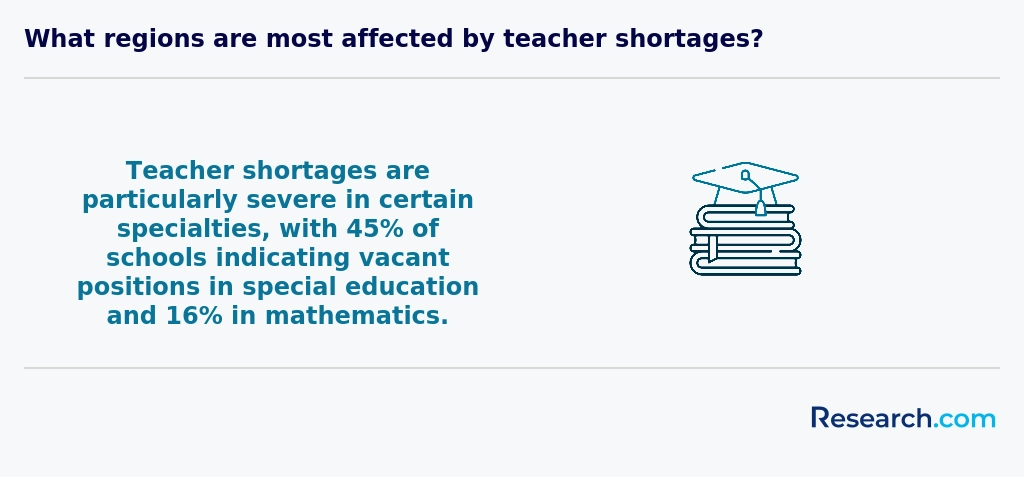
Diving into an online special education degree in the Northeast unlocks a treasure trove of financial aid tailored to your journey. Imagine enrolling at a well-known institution like Syracuse University or the University of Massachusetts, where your tuition-ranging from $10,000 to $30,000 a year-can be softened by federal Pell Grants offering up to $7,395, no strings attached. Many graduates reflect on how these grants felt like a genuine boost, allowing them to focus on their studies without the heavy weight of debt.
Direct Loans also play a pivotal role, with subsidized Stafford Loans providing low-interest support that adapts to whether you're a dependent student or going solo. Scholarships from organizations like the Council for Exceptional Children add even more sparkle, especially for education majors eager to make a difference.
State-specific aid from New York or Pennsylvania can feel like a handshake from your community, offering forgivable loans or stipends for candidates ready to serve in high-need districts. One graduate shared how their employer's tuition assistance transformed their path, opening doors to career growth while balancing work and online study.
Financial aid offices at these universities become your co-pilots-ready to navigate merit scholarships and flexible payment plans designed with online learners in mind. This landscape of support stirs excitement, inviting you to explore all avenues and embrace the adventure of advancing your education in special education.
Diving into an online special education degree in the Northeast often starts with bringing your academic toolkit up to speed. Graduates from well-known institutions like Boston University or Syracuse University share how holding a high school diploma or an accredited bachelor's degree-usually in education or a related area-is a common gateway. Imagine completing your undergraduate studies and submitting vibrant personal essays or recommendation letters that showcase your passion for nurturing diverse learners; this personal touch often lights up admission committees.
Many programs, especially those offering hands-on student teaching experiences, require background checks to keep school environments safe. Picture yourself preparing for these practical steps while carefully assembling prerequisite courses like developmental psychology, preparing to meet every challenge.
The financial side, too, is part of the adventure. Northeast public colleges might charge between $10,000 and $20,000 yearly for in-state tuition, sparking graduates to explore scholarships and aid early on. Though GRE scores are less demanded now, some master's programs still glimpse at them, depending on competitiveness. It's all part of a journey where readiness meets opportunity spectacularly.
Accredited special education programs ensure quality, facilitate financial aid, and meet state licensure criteria. In the Northeast, look for:
- Regional accreditation by MSCHE, NEASC, or the Middle States Commission on Higher Education
- Programmatic approval from CAEP (Council for the Accreditation of Educator Preparation) or CEC (Council for Exceptional Children)
- State Department of Education authorization in your home state
- Alignment with required licensure exams (Praxis Series or state-specific assessments)
Always verify that your online program aligns with your state’s certification process before enrolling. If you plan to pursue a doctoral credential afterward, consider exploring the cheapest online edd to budget accordingly.
Diving into an online special education degree in the Northeast reveals a vibrant tapestry of courses designed to ignite your passion and equip you for dynamic roles. Imagine exploring Foundations of Special Education at institutions like Boston University, where graduates cherish the rich history and philosophy behind inclusive teaching philosophies shaping U.S. schools.
Courses like Assessment and Evaluation in Special Education immerse you in real-world techniques used to understand and support diverse learners-just as many Northeastern graduates recall applying these methods during fieldwork in community programs.
Hands-on learning continues with Instructional Methods for Diverse Learners, where you uncover creative strategies for students facing learning, emotional, or developmental challenges. Picture yourself adapting lessons with the same enthusiasm as those who've thrived at Syracuse University's program.
Behavior shaping comes alive in Behavior Management and Positive Interventions, helping you foster positive social skills-a course Northern graduates often praise for its practical impact in classrooms.
Legal frameworks such as IDEA and Section 504 in Legal and Ethical Issues in Special Education ensure you're prepared to advocate effectively. These courses reflect the Northeast's commitment to culturally responsive teaching and inclusive education, filling students with confidence and purpose.
Diving into online special education degree specializations in the Northeast reveals an exciting array of focused paths. Graduates from well-known universities often share how specializing in Autism Spectrum Disorders (ASD) equipped them to better understand and teach students with unique sensory and communication needs-an essential skill as diagnoses rise nationally. Others vividly recall their journey through Emotional and Behavioral Disorders (EBD), describing rewarding moments helping students overcome challenges to thrive socially and academically. Specializations like Learning Disabilities (LD) prepare educators to creatively tackle dyslexia and dyscalculia, transforming frustration into progress. In the Northeast, these programs often align closely with state-specific certification requirements, ensuring students feel confident stepping into real classrooms. Some passionate students choose Early Childhood Special Education to make a difference right from a child's first learning experiences. These diverse options illustrate varied special education career paths in the Northeast, inspiring students to find their perfect fit. For those seeking guidance on credentialing, explore how to obtain a special education teaching certification in this region.
Choosing the best online special education degree in the Northeast sparks excitement and curiosity, especially when considering schools known for their impactful programs. Graduates from institutions like Boston University or the University of Pennsylvania often share how aligning their studies with state-specific licensure requirements helped smooth their transition into the workforce. Picture yourself attending flexible classes that accommodate busy schedules while receiving strong academic support and practicum placements tailored to diverse Northeastern communities.
Many students emphasize the thrill of finding affordable special education programs Northeast that still uphold rigorous standards and CAEP accreditation-crucial for earning state certification. Imagine connecting with expert faculty who are deeply involved in cutting-edge research or close partnerships with local schools, enriching your learning beyond textbooks. Also, check how programs prepare you for jobs for special education majors, ensuring your degree truly opens doors in this growing field.

Graduates diving into online special education careers Northeast often find themselves stepping into vibrant roles that spark both passion and purpose. Many kick off as special education teachers in bustling school districts across New York or Massachusetts, embracing the rewarding challenge of tailoring lessons for diverse learners. These educators, fueled by the supportive environments found at popular institutions like Boston College or Syracuse University, experience firsthand the joy of student breakthroughs and the energetic pulse of innovative classrooms.
Others explore paths as behavioral specialists or instructional coordinators, crafting individualized education plans or leading inclusive program development. Imagine collaborating with teachers at renowned schools in New Jersey to create dynamic, tech-enhanced curricula-an exciting journey that many degree holders cherish. The appeal doesn't stop here: graduates also become educational therapists or assistive technology specialists, roles that blend empathy with cutting-edge tools, tapping into the Northeast's growing tech grants.
For a hint of adventure in career advancement, numerous grads cherish the possibility to grow into leadership positions, shaping special education programs from within. Curious students eager to start can explore the fastest master in special education online at fastest master in special education online and begin their own unique journey today.
The job market for graduates holding an online special education degree in the Northeast buzzes with opportunity and growth. Graduates from well-known institutions like those in New York or Massachusetts often share stories of exciting classroom experiences where they can directly impact students' lives in inclusive settings. Thanks to state policies promoting integrated education and adherence to the Individuals with Disabilities Education Act (IDEA), these professionals find themselves in demand across urban and suburban schools. This dynamic environment offers a refreshing career path full of purpose and connection, especially for those exploring special education career opportunities Northeast.
While salaries in this region outpace national averages, reflecting the higher cost of living and educational investments, the real appeal lies in the expanding roles beyond traditional schools. Graduates tap into private facilities, healthcare, and non-profits, widening their horizons and enriching their skill sets. Many who pursue a special education bachelor degree online in the Northeast describe this journey as uniquely rewarding, blending professional growth with heartfelt community impact.
2027 Most Valuable Online Special Education Degree Programs Ranking in the Northeast
Investing in your education is a significant decision that can shape your future, and the Research.com team is committed to helping you make informed choices. To support prospective students in the Northeast, we have carefully developed the "2027 Most Valuable Online Special Education Degree Programs Ranking." Our dedication to quality, credibility, and accuracy is demonstrated through comprehensive research and rigorous analysis.
We utilized the following reputable data sources to ensure a thorough evaluation of online special education programs:
By examining this ranking, readers will gain valuable insights into the most worthwhile online special education degree programs in the Northeast, empowering them to select the best path for their educational and professional goals. For further information on our ranking process, please visit our Research.com methodology page.


# 3 position
University of Southern Maine
Master of Educational Psychology - Applied Behavior Analysis


# 5 position
Slippery Rock University of Pennsylvania
Master of Special Education - School Supervision


# 7 position
Niagara University
Master of Special Education

# 8 position
St. John's University
Master of Teaching Children with Disabilities in Childhood Education


# 10 position
New Jersey City University
Master of Special Education, Teacher of Students with Disabilities, endorsement eligible


# 13 position
Penn State University Park
Master of Special Education


# 18 position
PennWest California
Master of Special Education
# 19 position
Mercy University
Master of Education, Teaching Students with Disabilities - Birth to Grade 6 and Early Childhood

# 20 position
University of Massachusetts-Boston
Master of Vision Rehabilitation Therapy specialization

Frequently Asked Questions About special education
Students pursuing online special education degrees in the Northeast can maximize their learning by actively engaging with course materials and participating in virtual discussions. According to the National Center for Education Statistics, interactive learning improves retention by up to 60%. Building connections with professors and peers through scheduled video sessions enhances understanding and professional networking. Utilizing local resources, such as state education department workshops in New York or Massachusetts, provides practical insights and compliance updates. Many accredited programs also require practicum experiences; seeking diverse placements within Northeastern school districts allows hands-on skill development. Time management and access to reliable technology are essential to success in these rigorous programs.
The special education field continues to evolve, with several emerging niches gaining attention in the Northeast. One growing area is assistive technology, where educators focus on integrating devices and software to support students with disabilities. This niche is critical as digital learning expands in schools.
Another important development is in mental health support, addressing the needs of students with emotional and behavioral challenges. According to a 2023 report by the Northeast Education Research Consortium, roughly 15% of special education students in the region require such specialized services.
Additionally, there is increasing demand for educators skilled in autism spectrum disorder (ASD) interventions, reflecting national trends highlighted by the CDC.
These niches offer promising career opportunities for those pursuing online special education degrees in the Northeast.
After completing an online special education degree in the Northeast, it is important to prepare strategically for the job market. Begin by obtaining state licensure or certification, which varies by state but often requires passing exams and completing supervised teaching hours. According to the National Center for Education Statistics, Massachusetts and New York have rigorous certification processes aligned with federal IDEA legislation.
Building a professional network through online forums and local education agencies can improve employment prospects. Consider joining regional chapters of the Council for Exceptional Children or attending career fairs specific to special education.
Enhancing skills with internships and volunteer opportunities in nearby school districts is also beneficial. Salary data from the Bureau of Labor Statistics indicates that special education teachers in the Northeast earn median wages between $60,000 and $75,000, which can increase with state certification and experience.
Employers in the Northeast prioritize several key skills when hiring graduates with online special education degrees. First, strong knowledge of individualized education programs (IEPs) is essential, as 92% of schools in the region require teachers to develop and implement tailored learning plans for students with disabilities, according to the National Center for Education Statistics.
Graduates must also demonstrate excellent communication skills to collaborate effectively with families, teachers, and specialists. Adaptability and patience are critical, reflecting the diverse needs of students in special education classrooms.
Data literacy is increasingly valued, enabling teachers to track progress through assessment tools. Finally, employers seek professionals familiar with legal requirements under the Individuals with Disabilities Education Act (IDEA), ensuring compliance and advocacy for student rights.
Finding internships in the Northeast for special education students often begins with connecting to local school districts, many of which partner with universities offering online degrees. States like New York and Massachusetts require hands-on experience as part of teacher certification, making internships vital. According to the National Center for Education Statistics, over 30% of Northeast public schools offer special education internship placements.
Contacting university career services can also reveal exclusive partnerships with regional schools and nonprofits focused on disability services. Additionally, professional organizations like the Council for Exceptional Children have regional chapters that post internship opportunities.
Finally, use state department of education websites for internship listings and licensure requirements to ensure placements align with certification standards.
Obtaining an online special education degree in the Northeast significantly enhances career mobility and advancement opportunities. Many states in this region, including New York and Massachusetts, have a strong demand for qualified special education professionals due to increasing enrollment of students with disabilities in public schools.
Graduates holding accredited online degrees meet state certification requirements, allowing them to pursue roles such as special education teachers, coordinators, and consultants. According to the National Center for Education Statistics, the Northeast shows steady growth in special education job openings, driven by progressive educational policies.
Furthermore, online degrees offer flexibility for working educators seeking promotion or salary increases. Advanced credentials can lead to higher pay scales and eligibility for leadership positions within school districts.
Studying for a special education degree in the Northeast offers strong preparation for interdisciplinary roles by emphasizing collaboration across education, therapy, and healthcare domains. Many programs integrate coursework on teamwork with speech-language pathologists, occupational therapists, and psychologists, reflecting real-world school settings.
According to the New England Education Research Organization, over 60% of special education positions require coordination with other professionals. Northeastern institutions often include field experiences and internships designed to build these skills.
This approach ensures graduates can communicate effectively across disciplines, a key factor in developing comprehensive Individualized Education Programs (IEPs) and supporting diverse student needs.
When choosing between a thesis and a non-thesis special education degree program in the Northeast, consider your career goals carefully. Thesis programs often appeal to those interested in research or pursuing a doctoral degree. Writing a thesis involves conducting original research, which can develop strong analytical skills valuable in academic or policy roles.
Non-thesis programs usually focus more on practical skills and coursework. They often require internships or projects instead of a research thesis, which can be ideal for students aiming for direct classroom or administrative roles.
According to the Council for Exceptional Children, many Northeastern states prioritize practical experience for special educators, influencing program structures.
Cost and time commitment also differ. Thesis options may take longer to complete, while non-thesis paths often offer more flexible schedules suited for working professionals.
Students based in the Northeast interested in studying special education abroad via online programs face limited options directly tied to foreign institutions. Most universities in the region emphasize partnerships or exchange programs rather than fully online foreign degrees. Instead, many pursue accredited U.S.-based online special education degrees with international perspectives, often accredited by the Council for Exceptional Children (CEC).
The Northeast, home to over 25% of U.S. special education professionals according to the U.S. Department of Education, offers top-ranked online programs from regional universities. These often include coursework on global best practices but are rooted in U.S. standards.
Currently, no widely recognized online special education degree programs are offered abroad with full credit transfer or licensure alignment for Northeast residents. Students should verify state licensure requirements when considering international study options.
Part-time job opportunities in the Northeast that complement special education degree studies provide valuable hands-on experience. Many students work as teacher aides or paraprofessionals in public and private schools. According to the U.S. Bureau of Labor Statistics, teacher aide positions in the Northeast often pay between $13 and $18 per hour, depending on the state and district.
Other common roles include tutoring students with learning disabilities and providing support in after-school programs. These roles enhance practical skills in behavior management and individualized instruction, which are essential in special education careers.
Hospitals and nonprofit organizations offering developmental services also hire part-time assistants, creating opportunities to observe multidisciplinary approaches used in the field.
Online special education students in the Northeast can access a variety of networking opportunities despite the virtual format of their programs. Many universities host regional mixers, virtual career fairs, and online forums specifically for special education candidates. These events facilitate contact with alumni, educators, and specialists in neighboring states like New York, Massachusetts, and Pennsylvania, where demand for special education professionals is projected to grow by 7% through 2029, according to the U.S. Bureau of Labor Statistics.
Professional organizations, such as the Council for Exceptional Children's Northeast chapter, offer memberships and online events that connect students with experienced practitioners and local school districts. Students also benefit from engagement in practicum placements within their states, enabling direct networking with school administrators and peers.
Alumni networks play a crucial role for students pursuing online special education degrees in the Northeast. These networks offer valuable professional connections that can lead to job opportunities, mentorship, and peer support. According to the National Center for Education Statistics, Northeast states have some of the highest teacher retention rates in special education, partly due to strong professional communities.
Through alumni associations, students gain access to local school districts and education organizations, enhancing their chances of employment after graduation. Networking events and online platforms help graduates share resources and best practices, which is vital in a demanding field like special education.
Customizing your online special education degree program in the Northeast allows you to align studies closely with your career goals. Many institutions offer concentrations such as Autism Spectrum Disorders, Behavior Intervention, or Early Childhood Special Education. These specialized tracks enable focused skill-building relevant to your target role.
Flexible course scheduling and elective choices also help tailor learning to your needs. Some programs incorporate practicum or internship opportunities in local schools, providing practical experience.
According to the National Center for Education Statistics, Northeastern states report higher-than-average demand for special education professionals, making targeted expertise valuable. Selecting a program with state licensure alignment ensures your qualifications meet regional requirements.
Online special education students in the Northeast face several common challenges. Many report difficulty accessing high-quality fieldwork placements required for licensure due to the region's competitive school systems. According to the New England Board of Higher Education, shortages in cooperating teachers limit hands-on experience opportunities. Another issue involves technology access and digital literacy, particularly in rural areas of states like Maine and Vermont, which can hinder engagement with interactive online coursework.
Additionally, balancing coursework with professional or family responsibilities is frequently cited. Time zone differences are minimal in the Northeast, but synchronous sessions may still clash with work schedules. Furthermore, navigating state-specific special education regulations adds complexity to program completion for students pursuing licensure.
Graduates with an online special education degree in the Northeast can pursue several professional certifications that enhance their career options. The most common certification is the state teaching license in special education, which allows individuals to work as licensed special education teachers in public schools. Certification requirements vary by state but typically include passing exams and completing supervised teaching hours.
Additional certifications include Board Certified Behavior Analyst (BCBA) for those interested in behavior intervention, and Licensed Behavior Technician (LBT). According to the New England Board of Higher Education, demand for special education professionals in the region is expected to grow 8% by 2030, highlighting the value of these credentials.
Writing a winning application for an online special education program in the Northeast requires clear focus on qualifications and motivation. Start by highlighting relevant academic achievements and any hands-on experience with students with disabilities. Programs value applicants who demonstrate commitment to addressing diverse learning needs.
According to the National Center for Education Statistics, the Northeast has a high demand for qualified special educators, making your personal statement crucial in showcasing dedication to this field. Emphasize understanding of current laws like IDEA (Individuals with Disabilities Education Act) and how they inform your approach to teaching.
Strong letters of recommendation from educators or supervisors familiar with your skills are essential. Finally, carefully proofread your application to meet deadlines and present yourself professionally.
Special education careers are increasingly recognized worldwide as vital for inclusive education and equal opportunities. In the United States, including the Northeast, demand for qualified special education professionals is projected to grow by 8% from 2021 to 2031, according to the U.S. Bureau of Labor Statistics (BLS). This growth reflects a global trend valuing specialized support for students with diverse learning needs.
Internationally, countries emphasize different approaches, but the U.S. system is often seen as a model for integrating technology and individualized education plans (IEPs). Northeastern states, such as Massachusetts and New York, invest heavily in training teachers to meet these global standards.
Such developments highlight the value of pursuing an online special education degree, especially for students in this region aiming to meet both local and global education demands.
Gaining practical experience while pursuing an online special education degree in the Northeast is essential for career readiness. Most programs include fieldwork or practicum components that partner with local schools or education centers. Students typically complete between 100 to 600 hours of supervised practice, depending on their state's certification requirements. For example, New York mandates a minimum of 600 hours, while Massachusetts requires about 400 hours for licensure in special education.
In addition to school placements, students can seek volunteer opportunities or work as teacher assistants to deepen hands-on skills. The council on Exceptional Children provides resources to locate relevant internships.
Choosing the right concentration within an online special education degree program in the Northeast begins with understanding your career goals. Concentrations often include areas like autism spectrum disorders, learning disabilities, or behavioral interventions.
Consider the regional demand for specialists. According to the U.S. Bureau of Labor Statistics, the Northeast has a higher incidence of students needing autism support services, making concentrations in autism spectrum disorders particularly relevant.
Review program accreditation and alignment with state certification requirements, as states in the Northeast may have varying licensure standards for special educators.
Finally, assess the availability of practicum placements in your area through the program, since hands-on experience is critical in special education training.
- Navigating the Top 5 Special Education Challenges - TeachTown https://web.teachtown.com/blog/special-education-challenges/
- Know more about thesis vs non- thesis: what is the difference? https://studyfans.com/en/blogs/816
- Remote Special Education Jobs - VocoVision https://www.vocovision.com/teletherapy-jobs/special-education-teacher-jobs/
- Requesting an initial evaluation to determine if your child is eligible for special education services https://www.disabilityrightsohio.org/letter-writing-requesting-initial-eval
- Learning Specialist Jobs - Carney Sandoe & Associates https://www.carneysandoe.com/for-job-seekers/find-a-job/positions-by-subject-area/special-education-teaching-jobs/
- Becoming and Playing the Role of Special Education Teacher https://www.cune.edu/news/becoming-and-playing-role-special-education-teacher
- 10 Tips for Special Education Careers https://newstoryschools.com/blog/10-tips-special-education-careers
- 9 Careers You Can Pursue with a Master’s in Special Education https://www.pointloma.edu/resources/education/9-careers-you-can-pursue-masters-special-education
- Organizations for Special Education Teachers https://teach.com/resources/special-education-organizations/
- How the Special Education Teacher Shortage Affects Students with LD, and What to Do About it https://ldaamerica.org/how-the-special-education-teacher-shortage-affects-students-with-ld-and-what-to-do-about-it/