
2027 Most Affordable Online Special Education Degree Programs Ranking in St. Paul, MN

Co-Founder and Chief Data Scientist
Choosing the right special education degree program can feel overwhelming, especially when considering affordability and quality. This article presents the 2027 Most Affordable Online Special Education Degree Programs Ranking in St. Paul, MN, developed by the Research.com team of data scientists to guide you in making informed decisions.
By exploring this ranking, you'll discover programs that balance cost and excellence, helping you pursue a fulfilling career in special education. Earning this degree can open doors to rewarding opportunities and make a positive impact on students' lives.
Take the first step toward your future with confidence and clarity.
Key benefits of getting online special education degree in St. Paul
- Although specific salary data for special education graduates in St. Paul is unavailable, the general U.S. average salary for special education teachers often ranges from $45,000 to $65,000 annually, offering a stable and rewarding career.
- Graduates from the University of St. Thomas in St. Paul often pursue roles like special education teachers, instructional coordinators, or educational consultants, providing diverse career opportunities to impact student learning positively.
- Completing a special education degree online offers flexible scheduling and the ability to balance work or family life while gaining quality education from recognized local universities, making it accessible and convenient for many students.
- 2027 Most Affordable Online Special Education Degree Programs Ranking in St. Paul, MN
- What can I expect from online special education degree in St. Paul?
- Where can I work with online special education degree in St. Paul?
What can I expect from online special education degree in St. Paul?
Estimating the average cost of an online special education degree in St. Paul can be challenging due to varying tuition rates and financial aid options. Graduates from popular institutions like the University of St. Thomas or Hamline University often share that tuition ranges roughly from $15,000 to $30,000 for the entire program, depending on residency status and course load. Some graduates express relief at finding programs that offer in-state tuition despite being based outside Minnesota, which can significantly lower expenses.
It is important to note that while affordability matters, students also weigh the value of licensure preparation and hands-on practicum opportunities integrated into these degrees. For example, many find local student teaching placements in St. Paul's schools crucial for gaining confidence and practical skills. These experiences justify the costs for some, even if they initially seem substantial.
Financial support through scholarships or employer reimbursement programs further influences perceived affordability. Although the exact costs vary, the combination of flexible online structures with real-world training makes the investment in St. Paul's online special education degrees feel worthwhile to many students pursuing meaningful careers.
Where can I work with online special education degree in St. Paul?
Graduates with an online special education degree in St. Paul commonly find diverse career opportunities, especially within the city's extensive public school system. For example, those who studied at popular institutions such as the University of St. Thomas often share experiences working directly with students having individualized education programs (IEPs), placing their training into meaningful practice. However, it's important to recognize that while public schools remain a primary employer, competition and certification requirements may impact job availability.
Beyond district classrooms, graduates frequently consider roles in private and charter schools, which emphasize tailored support for students with disabilities. Alumni from Hamline University report fulfilling positions here, benefiting from smaller class sizes and specialized curriculums, though these roles also require up-to-date licensure and ongoing professional development.
Nonprofit agencies and community organizations present alternative paths, offering avenues to develop educational materials or coordinate support programs-fields growing steadily as noted by local employment data. Graduates appreciate the chance to influence individuals' lives outside traditional classrooms, though some find gaining additional certifications necessary to advance in these settings. These varied options reflect St. Paul's broad, evolving landscape for special education professionals.
Graduates with an online special education degree in St. Paul often find a range of earning possibilities shaped by experience and certification levels. Local graduates from institutions like the University of St. Thomas or Hamline University share that starting salaries typically hover around $55,000 annually. This aligns with regional data indicating that entry-level special education teachers earn near that mark, with opportunities to increase earnings as experience deepens.
More seasoned professionals or those holding advanced degrees can expect salaries closer to $75,000 or higher, especially when employed in more specialized roles such as special education coordinators within Twin Cities school districts. Many graduates appreciate this growth potential, noting that their additional certifications and practical experience gained through online programs significantly boost their employability and earnings.
Beyond base salaries, these educators often benefit from comprehensive packages including pensions and healthcare, creating a stable financial foundation. This combination of salary and benefits makes pursuing an online special education degree in St. Paul a rewarding endeavor both personally and monetarily, as graduates routinely share stories of meaningful career impact matched by financial security.
- Tuition for online special education degrees in St. Paul ranges from $15,000 to $30,000, with public universities generally more affordable than private ones.
- Minnesota residents may benefit from in-state tuition discounts, which can lower overall costs.
- The job market for special education teachers in Minnesota is expected to grow by about 7% over the next decade.
- Starting salaries for special education teachers in St. Paul are around $45,000 to $50,000 annually, increasing to $60,000 to $70,000 with experience.
- Online programs often include preparation for Minnesota's special education licensure exams, which are required for employment.
- Flexible scheduling, local internship placements, and academic advising are common features of these online programs.
Completing an online special education degree in St. Paul usually takes about four years for a bachelor's degree when studying full-time, but this timeframe often extends to five or six years for part-time students balancing work or family. For instance, graduates from popular institutions like Hamline University recall that spreading courses across more semesters helped maintain a manageable pace while juggling other responsibilities.
Master's degrees in special education typically require around two years full-time, though part-time options can take three to four years. Some accelerated programs at local colleges enable completion in as little as 12 to 18 months, but these demand high dedication and prior groundwork, something recent graduates from the University of St. Thomas have noted as intense yet rewarding.
Additionally, candidates pursuing teacher licensure in Minnesota must complete supervised clinical experiences, which adds extra months. Graduates often emphasize that the flexibility of asynchronous courses supported steady progress, allowing them to adapt study schedules around their busy lives, a key advantage in St. Paul's online education landscape.
Students pursuing special education degrees in St. Paul often weigh the benefits of online versus on-campus formats based on their unique situations. Online programs, such as those offered by well-known local universities, allow learners to study flexibly from home, fitting coursework around jobs or family needs. Graduates from these programs frequently appreciate the convenience and cost savings, especially when managing transportation and housing expenses. For example, a working parent might find online classes a vital lifeline to advancing their career without sacrificing family time.
Conversely, on-campus programs in St. Paul, often linked with nearby schools, provide immersive experiences through face-to-face instruction and real-time feedback. Graduates highlight the value of building immediate connections with faculty and peers, which enhances understanding of specialized teaching techniques. These programs typically offer structured practicum placements coordinated by the university, easing the challenge of securing hands-on field experience.
Both pathways require practical teaching components and meet state certification standards, yet students must consider how each model's approach to practicums fits their lifestyle. Ultimately, the choice hinges on balancing personal needs, preferred learning style, and access to local practicum support in St. Paul's education community.
For students pursuing an online special education degree in St. Paul, the average cost typically centers around $23,370, reflecting a balance between in-state and private tuition fees. Graduates from popular institutions such as the University of Minnesota and Hamline University often share stories of investing around this amount, finding their education both accessible and rewarding despite the challenges of managing tuition alongside daily responsibilities. These experiences highlight how students can feel motivated knowing their financial commitment aligns closely with the value of quality education.
In terms of affordability, public universities in St. Paul offer tuition rates ranging from $300 to $600 per credit hour for in-state students, making them attractive options for locals. With programs requiring roughly 30 to 36 credit hours, the total tuition can vary widely, emphasizing the importance of understanding institutional pricing and potential additional expenses. Students might also encounter fees for technology, textbooks, and practicum placements, which, while adding to the overall cost, enhance hands-on learning necessary for success in special education careers.
Affordability is a key consideration for those exploring affordable special education degree programs St Paul, where options include community colleges that provide transfer pathways, easing financial strain. Many graduates reflect on how scholarships and financial aid played a vital role in making their education more feasible. Additionally, those interested in career outcomes can explore bachelor degree in special ed jobs, which often justify the investment through meaningful employment opportunities after graduation.

Students pursuing an online special education degree in St. Paul often navigate a landscape of diverse financial aid options that can significantly alleviate costs. Federal aid, accessed through FAFSA, remains a critical resource-Pell Grants alone can cover up to $7,395 annually. Graduates from the University of St. Thomas and Hamline University recall how these grants played a pivotal role in financing their studies without burdensome debt. However, reliance solely on federal aid overlooks the potential of Minnesota's State Grant and localized scholarships, which target residents and those in education fields, including special education. Such programs reward both financial need and academic efforts, illustrating that your dedication can translate into tangible support.
Beyond grants, many find the TEACH Grant appealing, providing $4,000 annually if one commits to teaching high-need subjects post-graduation. Alumni recall relief upon learning they could access loan forgiveness after years in St. Paul public schools. Yet, institutional scholarships and assistantships at colleges, varying by availability, also provide critical, sometimes overlooked avenues to reduce expenses, especially for students balancing work and study. Complementing these are community-based scholarships from local nonprofits, reflecting the city's investment in its future educators. This spectrum of aid underscores that, while challenges remain, financial barriers may not be insurmountable for motivated St. Paul students seeking special education degrees.
Enrolling in an online special education degree program in St. Paul requires a high school diploma or its equivalent as a baseline, especially for bachelor's programs. Graduates from universities such as the University of St. Thomas often mention how foundational coursework in psychology or education, sometimes recommended though not always mandatory, strengthened their readiness for the specialized content ahead.
For those pursuing graduate-level degrees, an accredited bachelor's degree is essential, often in education or related fields. Many St. Paul institutions, including Hamline University, emphasize the value of having prior teaching experience or a valid teaching license, which can boost confidence and provide practical insight into coursework and student interactions.
While standardized tests like the GRE may be waived by some colleges, others require them or supplementary materials like recommendation letters and personal statements. Graduates frequently recall that these documents offered an opportunity to reflect and share their passion for working with individuals with disabilities, adding a personal touch to their applications.
Applicants must also complete background checks, a well-accepted safeguard in Minnesota education, ensuring safe learning environments. Furthermore, verifying program accreditation-such as through the Council for Exceptional Children-is critical, as graduates often appreciate how it supports licensure and career advancement in St. Paul's education community.
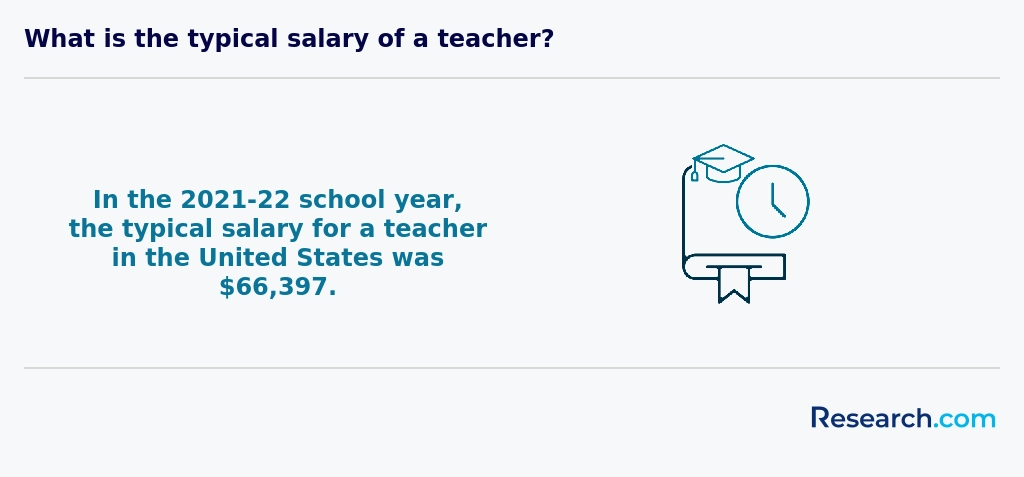
Online special education degree programs in St. Paul typically include courses rooted in practical and legal knowledge essential for future educators. Graduates from popular St. Paul institutions often recall how foundational courses, such as those covering the history and policies of special education-including IDEA-helped them grasp the real-world responsibilities they would face. This grounding is vital when working with students who have a variety of disabilities and learning differences.
Courses focused on instructional strategies and behavior management stand out as particularly impactful. Many students share that learning to adapt curriculum for diverse learners or applying positive behavioral supports translated directly into effective classroom approaches. For example, one graduate described how a course on behavioral interventions gave them the confidence to support students with emotional and behavioral challenges successfully.
Assessment and evaluation courses often introduce realistic scenarios where educators must analyze student data to tailor teaching methods, a skill frequently praised by St. Paul graduates as critical in their practicum experiences. Collaborative practices, including working alongside families and service providers, are also emphasized, reflecting the community-based approach that many local programs champion to ensure student success.
Online special education degree specializations St. Paul MN typically include areas such as Autism Spectrum Disorders (ASD), Learning Disabilities, and Emotional and Behavioral Disorders (EBD). Graduates from well-regarded St. Paul universities often share how focusing on ASD helped them develop practical strategies, like crafting individualized education plans sensitive to communication challenges specific to autism. This firsthand experience resonates deeply with educators aiming to make a real difference.
Some programs also emphasize Deaf/Hard of Hearing and Visual Impairments, which alumni describe as transformative in understanding assistive technologies and sensory-based teaching. Early Childhood Special Education is popular among those drawn to impacting crucial developmental stages from birth to age eight. Teachers who have completed these focus areas often remark on feeling more confident managing classrooms with diverse needs.
Students considering special education programs with focus areas St. Paul Minnesota should weigh costs, as online offerings can differ widely. Those seeking affordable options may find competitive rates highlighted when researching the cheapest online master's degree in special education.
Choosing the best online special education degree St Paul MN requires a careful balance between accreditation, cost, and practical experience. Graduates from well-regarded institutions in St. Paul often emphasize how accreditation by bodies like CAEP assures them that their degree meets rigorous standards, which is crucial when seeking licensure and employment locally. However, not all students have the flexibility to attend expensive programs. Affordable special education programs St Paul can provide great alternatives, especially when combined with scholarships or financial aid tailored to special education candidates.
Flexibility also plays a vital role. Many online learners appreciate programs that offer asynchronous courses, allowing them to juggle work and family responsibilities. Graduates from popular St. Paul colleges frequently mention how virtual observations and local student teaching placements enhanced their readiness for Minnesota's licensure requirements. Examining these elements carefully helps ensure the curriculum aligns with the state's expectations.
Ultimately, exploring online special education bachelor's programs and comparing outcomes such as graduate employment in St. Paul schools can guide you toward a program that fits your personal situation and professional goals.
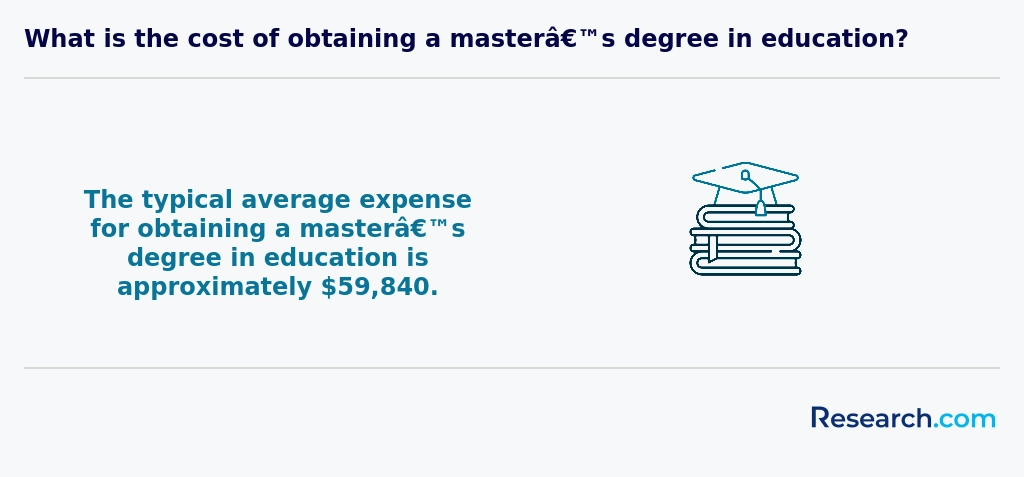
Graduates from online special education degree programs in St. Paul often pursue diverse career paths reflecting the region's growing demand for specialized support. A common route is becoming a special education teacher in local schools, where graduates from universities such as the University of St. Thomas report feeling fulfilled by directly impacting students with varied learning needs. However, teaching is not the only option; some choose roles like educational diagnosticians or intervention specialists, focusing on developing individualized education programs within St. Paul's school districts. These positions typically require further certification, but graduates find the extra effort rewarding due to the meaningful student engagement involved.
Other graduates take on support roles such as behavioral therapists or paraprofessionals, working alongside teachers to implement learning plans. Community College graduates often mention how the online format gave them flexibility while enhancing job opportunities locally. For those seeking leadership, administration roles like special education coordinators offer pathways to influence policy and compliance with IDEA, though advanced degrees are generally required.
Exploring online options, prospective students might consider programs with excellent regional reputations for flexibility and affordability. For example, one can explore the fastest online master's degree in special education to accelerate entry into these fields. Overall, online special education degree job opportunities in St. Paul remain broad but demand thoughtful consideration of certification needs and personal career goals.
The online special education job market St. Paul MN offers steady opportunities fueled by the region's dedication to inclusive education. Graduates from local institutions often find rewarding roles as special education teachers, instructional coordinators, or behavioral specialists within both public and private K-12 schools. Several graduates share how programs in St. Paul equipped them with practical skills and certification paths that increased their employability in the district's competitive landscape.
Although teaching roles remain in demand, job seekers should recognize that salaries vary widely, with starting positions around $48,000 and experienced educators earning up to $80,000 annually. This range reflects not only experience but also specialization and the district's resource allocation. Considering this, students carefully weigh tuition costs of online degrees against potential earnings, emphasizing programs known for strong local ties.
For those exploring special education career opportunities in St. Paul, choosing an accredited, affordable program is essential. Many appreciate that flexible online options allow them to balance studies with other responsibilities. Prospective students can explore reputable pathways like a special education online degree, helping them fulfill certification requirements and meet local demand effectively.
2027 Most Affordable Online Special Education Degree Programs Ranking in St. Paul, MN
Investing in your education is a significant decision that can shape your future, and the Research.com team understands the importance of making informed choices. To assist prospective students in St. Paul, MN, we have meticulously crafted the "2027 Most Affordable Online Special Education Degree Programs Ranking." Our commitment to quality, credibility, and accuracy is reflected in the extensive research and analysis conducted to compile this ranking.
We utilized the following reputable data sources to ensure a comprehensive evaluation of special education degree programs:
By exploring this ranking, readers will gain valuable insights into affordable and high-quality online special education degree options available in St. Paul, MN, empowering them to make well-informed educational decisions. For more details on our methodology, please visit our Research.com methodology page.
# 1 position
Concordia University, St. Paul
Master of Special Education with Emotional/Behavioral Disorders (EBD) Endorsement

# 2 position
Bethel University, Minnesota
Master of Special Education
# 3 position
Bethel University, Minnesota
Bachelor of Special Education
Frequently Asked Questions About special education
To maximize their learning experience, online special education degree students in St. Paul should actively engage with their coursework and instructors. Regular participation in virtual discussions and timely submission of assignments help reinforce key concepts. Utilizing local resources like the St. Paul Public Schools district can provide practical insights into regional special education needs and policies.
Networking with peers and professionals in Minnesota's special education community can enrich understanding and open opportunities. According to the Minnesota Department of Education, the demand for qualified special educators is expected to grow by 7% through 2030, emphasizing the importance of practical experience alongside theory.
Students should also seek internships and practicum placements within St. Paul schools to gain hands-on skills, which are crucial for certification and employment.
The field of special education is evolving, with several emerging niches gaining attention among educators and professionals.
One growing area is assistive technology, which supports students with disabilities through devices and software tailored to individual needs. This niche is expanding rapidly due to advancements in digital tools. Another important focus is autism spectrum disorders (ASD), with specialized strategies developed to improve communication and learning outcomes.
In St. Paul, the demand for specialists trained in behavioral intervention and inclusive education is rising, reflecting nationwide trends. According to the Minnesota Department of Education, programs addressing emotional and behavioral disorders are emphasized more frequently in local schools.
Additional niches include early childhood special education and transition planning for students moving into adulthood, both essential for long-term success.
After completing an online special education degree in St. Paul, preparing for the job market involves several strategic steps. First, obtaining Minnesota state licensure is essential, as the state requires certification for all special education teachers. Candidates must pass the Minnesota Teacher Licensure Examinations and meet coursework requirements verified by the Professional Educator Licensing and Standards Board (PELSB).
Gaining practical experience through student teaching or internships, often part of online programs, enhances employability. Networking with local school districts and participating in career fairs in St. Paul can provide valuable job leads. According to the Minnesota Department of Education, demand for special education teachers is projected to grow by 7% through 2030, reflecting positive job prospects in the region.
Employers in St. Paul highly value special education degree graduates who demonstrate strong communication and collaboration skills. These professionals often work closely with families, teachers, and related service providers to develop Individualized Education Programs (IEPs) tailored to student needs. According to the Minnesota Department of Education, teamwork and adaptability are essential due to diverse classroom settings.
Additionally, knowledge of legal requirements such as the Individuals with Disabilities Education Act (IDEA) is crucial. Graduates must effectively assess and implement interventions based on evidence-based practices.
Data from local school districts show a growing demand for proficiency in technology to support remote or hybrid learning for students with disabilities.
Finding internships in St. Paul relevant to a special education degree involves connecting with local school districts and community organizations focused on disability services. The St. Paul Public Schools district often partners with universities to offer placements for students pursuing special education credentials. Students should explore internship listings on their university portals and contact the district's special education department.
Additionally, organizations like the Minnesota Department of Education provide resources and potential internship opportunities targeted at special education professionals. Networking events hosted by education associations in Minnesota can help students meet mentors and learn about openings. According to the Minnesota Department of Education, about 14% of students in St. Paul public schools receive special education services, highlighting the demand for qualified aides and interns.
Obtaining an online special education degree can significantly enhance career mobility and advancement for educators in St. Paul. The degree equips professionals with specialized knowledge and teaching strategies essential for supporting diverse learners, which is highly valued by school districts in Minnesota. According to the Minnesota Department of Education, demand for qualified special education teachers is projected to grow by 7% through 2030 in the region.
Online programs offer flexibility, allowing working educators to upgrade their qualifications without relocation. Holding this degree often leads to higher salary scales and eligibility for leadership roles such as special education coordinators or curriculum specialists. This aligns with local school district priorities focusing on inclusive education and compliance with federal laws like IDEA.
Studying for a special education degree online in St. Paul equips students with interdisciplinary skills crucial for diverse educational settings. Programs often integrate coursework from psychology, speech therapy, and social work, enabling graduates to collaborate effectively with various specialists. According to the Minnesota Department of Education, nearly 15% of students receive special education services statewide, highlighting the demand for professionals who understand multiple disciplines.
The degree programs emphasize communication, assessment, and individualized instruction methods. This multidisciplinary approach prepares students to support not only learners but also families and educators, fostering inclusive environments.
Online formats in St. Paul also encourage practical experience through virtual simulations and local internships, reinforcing teamwork across fields.
When choosing between a thesis and a non-thesis online special education degree program in St. Paul, consider your career goals first. Thesis programs often require original research, which can be ideal if you plan to work in academia or pursue a doctoral degree. Non-thesis options typically focus on practical skills and coursework, fitting those aiming for direct classroom or administrative roles.
In St. Paul, the demand for special education teachers grew by 8% from 2021 to 2023, reflecting a need for well-prepared educators. According to the Minnesota Department of Education, those with research experience may have an edge in specialized roles within the state's school districts.
Evaluate your time commitment and learning style. Thesis paths require more independent work and critical analysis, while non-thesis studies usually allow faster completion and professional application.
Students based in St. Paul seeking special education degrees abroad face limited options for fully online programs from non-US institutions. Most accredited special education degrees aligned with US teacher licensure requirements are offered domestically, ensuring compliance with Minnesota's education standards. According to the Minnesota Department of Education, licensure typically requires coursework recognized by state boards, which foreign programs may not provide.
However, some students explore international universities offering online coursework as part of exchange or joint-degree programs in collaboration with US institutions. These partnerships can provide a blend of global perspectives with US credential recognition.
For those focused on affordability and accessibility, many reputable US institutions offer fully online special education degrees accepted in Minnesota, often with in-state tuition advantages for St. Paul residents.
Part-time job opportunities in St. Paul that complement online special education degree studies abound, offering valuable hands-on experience. Working as a teacher's aide in St. Paul Public Schools, which serve a large special education population, allows students to directly support classroom activities and individualized education plans. According to the Minnesota Department of Education, this district employs numerous paraprofessionals who assist in inclusive settings.
Additionally, positions at local nonprofit organizations focused on disabilities, such as the ARC of Minnesota, offer roles in advocacy and support services. These jobs help develop communication and intervention skills essential for special educators.
Substitute teaching in St. Paul is another option, providing classroom management experience while accommodating study schedules. The Minnesota Department of Education notes that substitute teachers with specialized training in special education are in demand.
Online special education students in St. Paul benefit from multiple networking opportunities that connect them with local professionals and educators. Universities often facilitate virtual meetups and cohort-based discussions, allowing students to share experiences despite their remote status. The city's strong network of special education professionals, supported by organizations like the Minnesota Council for Exceptional Children, offers events and webinars accessible to online learners.
Additionally, St. Paul's school districts frequently collaborate with local universities, providing students with internships and practicum placements that foster in-person networking.
According to the Minnesota Department of Education, special education employment in the area is expected to grow, increasing job networking potential.
Alumni networks play a crucial role for students pursuing online special education degrees in St. Paul by providing valuable professional connections. These networks often facilitate job placement and internships within local school districts, which is essential in Minnesota where nearly 15% of K-12 students receive special education services, according to the Minnesota Department of Education.
Through alumni events and digital platforms, graduates share insights about licensure requirements and classroom strategies tailored to St. Paul's diverse communities. Access to experienced professionals helps current students navigate challenges unique to urban education settings.
Additionally, alumni networks promote continuing education and mentorship opportunities, supporting career growth after graduation. This resource strengthens students' readiness for impactful careers in special education locally and statewide.
Customizing an online special education degree program in St. Paul allows students to align their studies with specific career goals. Many Minnesota institutions offer flexible curricula where students can choose electives focused on particular disabilities or age groups. For example, options might include coursework in autism spectrum disorders or early childhood special education.
Practical experience is also customizable through field placements or internships, often arranged in local schools or agencies. This hands-on approach supports career readiness.
Additionally, some programs provide pathways to licensure or endorsements recognized by the Minnesota Department of Education, which can enhance job prospects in St. Paul's growing special education sector. According to the Minnesota Department of Education, demand for qualified special education teachers in the region is increasing steadily, emphasizing the importance of tailored training.
Online special education students in St. Paul face several distinct challenges. A primary issue is access to reliable high-speed internet, which is essential for completing coursework and participating in virtual classes. According to the Minnesota Department of Education, about 10% of households in some Saint Paul neighborhoods still struggle with connectivity.
Additionally, many face difficulty applying theory to practice without in-person field experiences. Special education training often requires hands-on interaction, which can be limited in online formats. This is critical in St. Paul, where diverse student needs require adaptable teaching strategies.
Time management is another common obstacle as students balance their studies with personal and professional responsibilities. Moreover, limited opportunities for peer interaction may impact networking and collaboration skills.
With an online special education degree, graduates in St. Paul can pursue several professional certifications that enhance teaching credentials and employment opportunities. The most common is the Minnesota K-12 Special Education Teaching License, allowing educators to work with students with disabilities throughout primary and secondary school. According to the Minnesota Department of Education, this license requires completion of approved teacher preparation programs and passing state exams.
Other certifications include the Board Certified Behavior Analyst (BCBA) credential, valuable for those focusing on behavioral interventions. The BCBA certification requires further graduate-level coursework and supervised experience. Additionally, educators may seek endorsements in areas like Autism Spectrum Disorders, which address specific student needs in local schools.
To write a winning application for an online special education program in St. Paul, start by thoroughly researching the specific program requirements of local institutions and Minnesota's licensure standards. Highlight any previous experience working with diverse learners, as demand for qualified special education teachers in St. Paul is growing; the Minnesota Department of Education reports a steady increase in special education enrollments. Clearly articulate your passion for supporting students with disabilities and provide examples of relevant skills, such as individualized education plan (IEP) development or behavior management. Strong letters of recommendation from educators familiar with your work can also enhance your application. Finally, demonstrate your readiness for online learning through time management and technological skills.
Special education careers are increasingly valued worldwide due to growing awareness of inclusive education. In the United States, including St. Paul, the demand for qualified special education teachers is expected to grow by 10% through 2031, according to the U.S. Bureau of Labor Statistics. Globally, many countries are adopting inclusive education policies similar to the U.S. Individuals pursuing online special education degrees in St. Paul benefit from curricula that address diverse needs and international teaching standards. This global perspective helps graduates prepare for a career that supports students with disabilities in a range of cultural and legislative contexts.
Gaining practical experience is essential when pursuing an online special education degree in St. Paul. Most accredited programs incorporate fieldwork or practicum components, requiring students to complete supervised hours in local schools or educational settings. This hands-on training helps students apply theoretical knowledge to real-world classroom environments.
In St. Paul, candidates often collaborate with the Saint Paul Public Schools district, one of Minnesota's largest, where over 12% of students receive special education services according to recent district reports. This partnership facilitates placements for practicums and internships.
Additionally, many programs support virtual observation opportunities and remote mentorships to accommodate online students' schedules while ensuring compliance with state licensure requirements.
Choosing the right concentration within an online special education degree program in St. Paul requires understanding local needs and your career goals. The Minnesota Department of Education reports that students with disabilities account for nearly 14% of public school enrollment statewide. Concentrations often include autism spectrum disorders, learning disabilities, or emotional and behavioral disorders. Researching which areas are in demand locally can guide your focus.
Consider your strengths and interests, as well as the support services available in St. Paul schools. Licensure requirements may differ based on concentration, so verify state certification standards. Additionally, exploring faculty expertise and practicum opportunities within online programs can provide practical experience aligned with your chosen focus.
- Navigating the Top 5 Special Education Challenges - TeachTown https://web.teachtown.com/blog/special-education-challenges/
- Special Education Pathways Grant | Programs & Services https://www.resourcecoop-mn.gov/programs-services/special-education-pathways-grant
- Teaching Job Roles | Teach For Life https://www.teachforlife.com/teachingjobs/global-perspectives-teacher
- CSP Global - Graduate Programs for Educators https://www.graduateprogram.org/concordia-saint-paul/
- School for students with special needs internship - Internships Down Under https://www.internshipsdownunder.com/school-for-students-with-special-needs-internship/
- Special Education Professional Development Complete Guide for 2025 Teacher Guide https://www.simplek12.com/blog/special-education-professional-development
- 10 Tips for Special Education Careers https://newstoryschools.com/blog/10-tips-special-education-careers
- How to Prepare for Careers in Special Education | Eastern CT State https://www.easternct.edu/graduate-division/online/articles/how-to-prepare-for-careers-in-special-education/
- Bachelor of Education (Special Needs Education) https://spu.ac.ke/bachelor-of-education-special-needs-education
- Reimagining Inclusion with Positive Niche Construction https://andrewgael.com/2016/03/07/reimagining-inclusion-with-positive-niche-construction/


