
2027 Easiest Online Bachelor's in Special Education Degree Programs Ranking in the South

Co-Founder and Chief Data Scientist
Choosing the right special education degree program can be overwhelming, especially when looking for flexible online options in the South. This article features the 2027 Easiest Online Bachelor's in Special Education Degree Programs Ranking in the South, created by the Research.com team of data scientists to guide you through the best choices available.
By exploring this ranking, you'll discover programs designed for your success, making your journey smoother and more manageable. Earning a special education degree opens doors to rewarding careers that truly make a difference.
Start your path with confidence and find the program that fits your goals and lifestyle.
Key benefits of getting online special education degree in the South
- Special education graduates in the South can expect competitive salaries, with the national average for related careers around $60,000 per year, reflecting steady financial growth in this rewarding field.
- Graduates from universities like the University of Alabama pursue diverse careers, including special education teacher, educational consultant, or program coordinator, each offering meaningful ways to impact students' lives.
- Completing a special education degree online from schools like the University of South Florida offers flexibility to balance work and family, while gaining the same valuable skills as traditional programs, making education more accessible and convenient.
- 2027 Easiest Online Bachelor's in Special Education Degree Programs Ranking in the South
- What can I expect from online special education degree in the South?
- Where can I work with online special education degree in the South?
What can I expect from online special education degree in the South?
The average cost of an online special education degree in the South typically ranges between $15,000 and $30,000 for a bachelor's program, though this varies widely depending on the institution and residency status. Graduates from universities like the University of North Carolina system often share how financial aid and scholarships eased their journey, making the investment feel both manageable and worthwhile. For many, the blend of affordable tuition with flexible course schedules created a reassuring path to balance work, family, and studies without overwhelming debt.
Students pursuing degrees at Texas Tech University report that the cost-effectiveness of their online programs encourages them to focus deeply on developing skills rather than financial concerns. This fosters confidence and excitement about future careers supporting students with disabilities. As online education evolves, interactive tools and virtual practicums add value beyond the price, offering hands-on experience that many graduates say feels nearly as impactful as in-person training.
With Southern states emphasizing specialist teacher demand, many prospective students envision not just degrees but lasting careers fueled by passion, affordable education, and staying connected to their communities from home.
Where can I work with online special education degree in the South?
Graduates with an online special education degree in the South often discover a wide array of career paths rooted in real-world impact. Many find fulfilling roles in K-12 public schools, especially in states like Georgia and North Carolina, where demand for special education teachers continues to climb. For example, graduates from well-regarded programs at universities such as the University of Florida or the University of Alabama regularly secure positions in urban and rural districts alike, experiencing rewarding moments watching students achieve milestones once thought unreachable.
Others branch out into early childhood intervention centers, supporting infants and toddlers with developmental challenges-an area growing rapidly thanks to expanding IDEA Part C funding in Florida and Louisiana. Alumni from Southern colleges also thrive working within state education agencies, designing IEPs and shaping inclusive policies, feeling proud to influence systems on a larger scale.
Additionally, many graduates find exciting opportunities in private schools, nonprofits, and advocacy groups, where passion and specialized skills merge. These paths not only offer career stability but foster personal fulfillment, inspiring graduates to become lifelong advocates for children with disabilities throughout the Southern region.
Graduates earning an online special education degree in the South typically find starting salaries in the range of $40,000 to $48,000 annually, with locations like Mississippi and Arkansas often near the lower end. Those beginning their careers after completing programs at well-regarded Southern universities can expect gradual increases with experience, moving closer to $55,000 or more, especially in states such as Texas or Virginia. Many graduates report feeling optimistic about progressing professionally, noting that advanced certifications and master's degrees open doors to salaries exceeding $60,000.
Recent alumni from popular institutions describe how urban districts in Atlanta and Dallas offer not only higher pay but also enriching benefits, which contribute significantly to job satisfaction. These positive experiences highlight how regional demand and school funding create diverse earning potentials across Southern communities. With ongoing professional development, graduates anticipate that specialized stipends could make compensation even more rewarding in the coming years.
Online graduates appreciate the flexibility their degrees provide, helping them balance work and family while building a meaningful career rewarding both financially and emotionally.
- Many accredited universities in the South offer fully online bachelor's degrees in special education designed to prepare students for licensure and careers in diverse school systems.
- Tuition for online special education programs in the South typically ranges from $8,000 to $15,000 per year, which is generally lower than the national average.
- Starting salaries for special education teachers in the South are between $40,000 and $45,000 annually, increasing to $50,000-$58,000 with experience.
- Job growth for special education roles in Southern states is projected to be 5% to 8% over the next decade, matching or surpassing the national average.
- Licensing requirements usually include completing a state-approved teacher program, passing exams, and fulfilling student teaching hours, and most online degrees meet these standards.
Completing an online special education degree in the South often takes about four years for a bachelor's degree when studied full-time, though flexible pacing has become increasingly popular. Graduates from well-known Southern institutions like the University of North Carolina or Florida State University frequently mention how accelerated tracks allowed them to finish in as little as three years, fitting their busy lives around work and family.
Part-time options are common, with many students balancing professional and personal responsibilities, stretching completion times to five or six years without sacrificing quality. Master's programs typically span around two years, with evening and weekend classes designed to support working educators in states like North Carolina and Florida.
This evolving flexibility, coupled with affordable tuition ranging from $4,000 to $9,000 annually, inspires confidence and determination among Southern students. Future trends suggest even more personalized pacing and hybrid practicum experiences, making the journey to becoming a special education teacher both manageable and fulfilling.
Graduates from universities like the University of North Carolina and Georgia State often reflect on the practical contrasts between online and on-campus special education degrees in the South. Online students appreciate the freedom to learn from home, balancing work and family while engaging with video lectures and virtual discussions. This format is particularly empowering for those in rural areas, where visiting campuses regularly is challenging. One graduate shared how the flexibility allowed them to complete coursework after their young children slept, making education feel accessible and manageable.
On-campus programs at colleges such as Florida State University provide hands-on experiences, including practicum placements with local schools, fostering direct mentorship and richer peer interaction. Graduates recall that immersive environment boosting their confidence and connection with future employers.
Looking ahead, hybrid models combining these strengths may become popular, blending digital convenience with occasional face-to-face engagement to support South's diverse student needs. For those considering online paths, the prospect of accredited programs recognized by state boards and supported by employers offers reassurance and opportunity in a growing field.
The average online special education degree cost in the South shows a clear distinction between in-state and out-of-state tuition, reflecting a median in-state total cost of about $20,683 and a median out-of-state total cost near $82,183. Many students pursuing their special education degrees at popular Southern colleges find that in-state enrollment offers significant financial relief, making education more accessible and less stressful. Graduates from public universities often highlight how manageable these costs felt compared to national private institution averages, which helps maintain motivation throughout their studies.
Considering the cost of earning a special education bachelor's degree online Southern US residents benefit from competitive tuition rates paired with flexible scheduling. Many students report appreciating how these savings allow them to invest more in technology and course materials crucial for their success. For instance, students at institutions known for their strong teacher education programs often describe a balance of quality and affordability that makes their investment feel worthwhile and hopeful for their future careers.
Besides tuition, these students frequently benefit from regional tuition reciprocity agreements and financial aid opportunities, which help reduce expenses further. For those curious about career paths and outcomes, testimonials emphasize the value of programs accredited by Southern education commissions, reinforcing that cost-effective education pairs well with strong credentials. For more insight into career options, those exploring their next steps are encouraged to review information on bachelor degree in special ed jobs.

Students pursuing online special education degrees in the South often find financial aid through federal programs like FAFSA, which unlocks Pell Grants and federal loans with manageable terms. A graduate from a popular Southern institution shared how receiving a Pell Grant covering nearly half her tuition made juggling work and study feel achievable without constant financial stress.
State-specific scholarships in places such as Georgia and North Carolina target future special education teachers, rewarding dedication to high-need areas. One recent graduate recalled how a state grant not only eased costs but also encouraged her commitment to serving underserved communities.
Many Southern colleges offer institutional scholarships and work-study options that online students can access, providing flexible support tailored to their needs. For example, an online student at a well-known Tennessee university described how this aid paired with employer tuition assistance minimized her out-of-pocket expenses dramatically.
Innovative trends include expanding loan forgiveness programs for educators in special education and increased partnerships with private organizations offering competitive scholarships, giving hopeful candidates more pathways to funding their dreams without overwhelming debt.
Enrolling in an online special education degree program in the South typically demands foundational readiness, beginning with a high school diploma or GED. Graduates from popular Southern institutions often recall the reassurance of meeting minimum GPA requirements, usually between 2.5 and 3.0, which sets clear academic expectations early on. Many universities, like those well-regarded across Southern states, have embraced test-optional policies, relieving some pressure from applicants who might have struggled with SAT or ACT scores.
Applicants frequently share how personal essays or statements of purpose allowed them to express their genuine passion for supporting diverse learners-something deeply valued in special education fields. Background checks and health clearances are increasingly seen not as barriers but as necessary steps to ensure a safe learning environment for both students and educators alike.
Looking ahead, more programs may incorporate digital portfolios demonstrating real-world experience, echoing how volunteering or working with special needs students has bolstered confidence and preparedness among past enrollees in Southern colleges. Such experiential prerequisites help future teachers engage meaningfully with their communities while navigating the rewarding challenges unique to special education careers.
Online special education degree programs in the South commonly include courses grounded in both theory and hands-on application, preparing graduates to meet diverse classroom needs with confidence. For example, courses on federal laws like the Individuals with Disabilities Education Act (IDEA) give students a strong legal framework, which recent graduates from popular Southern universities found invaluable when collaborating with local school districts. These foundational classes often spark a sense of purpose, as students realize their role in shaping inclusive education environments.
Many programs emphasize behavior management and intervention strategies, reflecting the realities of Southern classrooms with higher rates of students needing behavioral support. Graduates recall designing positive behavior plans that transformed challenging situations into hopeful learning moments, fostering deep empathy and practical skills.
Assessment techniques and Individualized Education Program (IEP) development courses are critical, especially given the South's slightly elevated special education enrollment. Students at well-known Southern colleges often share how training in adaptive technology energizes their teaching methods, making learning accessible and engaging for all.
Online special education degree specializations South students often encounter include hands-on tracks like Learning Disabilities, Autism Spectrum Disorders, and Emotional and Behavioral Disorders. Graduates from well-respected Southern institutions frequently share how these concentrations prepare them to address real challenges in rural classrooms, where tailored support is especially needed. For example, focusing on Early Childhood Special Education equips educators to profoundly impact developmental stages from birth to age 8, a critical period identified by many Southern colleges.
Special education concentrations available online southern states also cover Deaf and Hard of Hearing and Visual Impairments, opening doors for teachers passionate about sensory disabilities. Many Southern graduates find their online coursework deeply connected to community needs, driving engagement and optimism about future career paths. The flexibility to customize training fits regional demands and personal aspirations, making these programs highly appealing for those balancing work and study.
For students seeking accessible pathways, affordable online masters programs in special education available through Southern universities offer competitive pricing without sacrificing quality, enabling a wider range of educators to specialize and innovate across diverse classrooms.
Choosing the best online special education degree in the South means looking beyond cost to factors like regional accreditation and state-specific certification alignment. Graduates from popular Southern colleges often highlight how programs that integrate local practicum opportunities helped them feel confidently prepared for licensure exams and classroom realities. As the demand for affordable special education bachelor's degrees Southern US grows, future programs are likely to deepen partnerships with K-12 schools, enhancing practical experience remotely. Additionally, innovative online platforms are evolving to provide more interactive and personalized learning, addressing common concerns about faculty support felt by many students.
Students can benefit from researching whether schools offer tailored curricula that match Southern states' unique licensure requirements, ensuring their credentials will unlock career doors right at home. Some graduates praise how their programs' strong support ecosystems, including career services and peer networking, fostered motivation and success. Exploring online bachelor degree programs in special education from reputable Southern institutions offers a glimpse into these promising trends shaping the educational landscape.
Graduates from online special education programs at popular Southern universities often find themselves stepping into dynamic roles beyond traditional classroom teaching. Many pursue careers as behavior analysts, educational diagnosticians, or special education coordinators, where they create tailored learning plans that transform students' educational experiences. For those seeking advancing roles, the South region special education job opportunities continue to expand in district-level administration and specialized therapy services, reflecting growing regional demand.
Some graduates describe deeply rewarding experiences collaborating with families and schools to implement effective individualized education programs. Others venture into educational technology, developing innovative tools that make learning more accessible for students with disabilities. This diversity of pathways illustrates the versatility of an online special education degree in the South, especially as programs remain affordable and flexible.
Looking ahead, expanding integrated services in states like Texas and Florida invite special education professionals to blend clinical and educational expertise. For students aiming to accelerate their careers, enrolling in accelerated online masters programs in special education can open doors to leadership roles and cutting-edge practices.
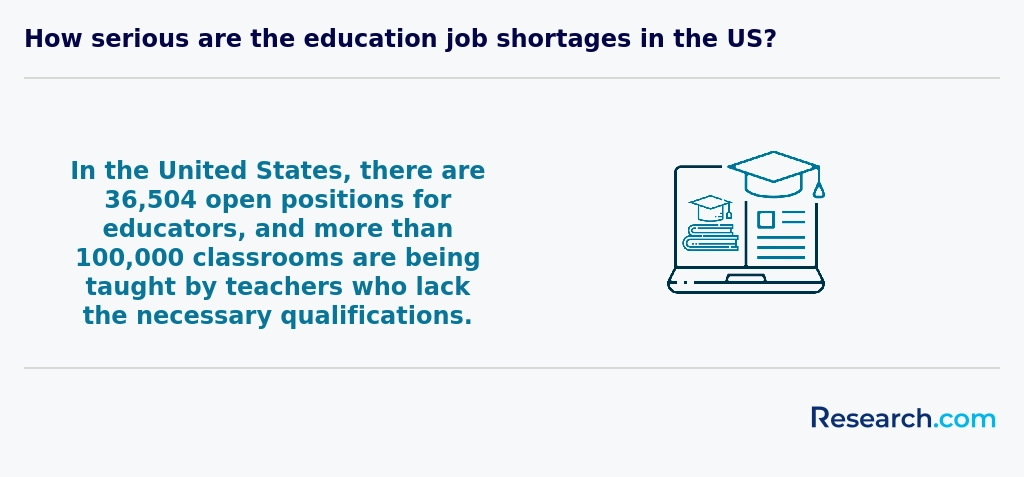
The job market for graduates with an online special education degree in the South shows promising growth, driven by increasing student populations and strong demand in states like Texas, Florida, and Georgia. Graduates from universities known for their special education programs often share stories of securing positions quickly, especially in rural and underserved communities where teacher shortages are most acute. This steady demand aligns well with the Southern focus on inclusive education and compliance with IDEA regulations, giving job seekers confidence in their career prospects.
Many graduates find that pursuing an online special education degree offers the flexibility essential for balancing work and personal commitments, opening doors to employment opportunities that may not have been accessible otherwise. Schools in the South frequently provide competitive salaries, typically ranging between $45,000 and $65,000, which helps retain skilled educators in these growing districts. For those interested, programs like the online special education bachelor's degree allow candidates to tailor their education to this dynamic landscape while benefiting from in-state tuition rates and scholarships.
Although urban centers bring more competition, many graduates describe fulfilling roles in smaller districts where their impact feels immediate and valued. These personal experiences reflect the evolving special education teacher employment outlook Southern US, signaling a resilient and hopeful future for professionals entering this vital field.
2027 Easiest Online Bachelor's in Special Education Degree Programs Ranking in the South
Investing in your education is a significant decision that can shape your future, and the Research.com team understands the importance of making informed choices. To support prospective students seeking special education degrees in the South, we have carefully developed the "2027 Easiest Online Bachelor's in Special Education Degree Programs Ranking in the South." Our commitment to quality, credibility, and accuracy is reflected in the thorough research and analysis undertaken for this ranking.
We utilized the following reputable data sources to ensure a comprehensive evaluation of these programs:
By exploring this ranking, readers will gain valuable insights into accessible online special education programs tailored for their region, helping them make well-informed decisions about their educational journey. For more information on how this ranking was created, please visit our Research.com methodology page.
# 1 position
University of Central Florida
Bachelor of Exceptional Student Education, Learning and Language

# 2 position
Campbellsville University
Bachelor of Learning & Behavior Disorders (P-12)/Elementary Education (P-5)


# 4 position
Mary Baldwin University
Bachelor of Autism Studies & Applied Behavior Analysis


Frequently Asked Questions About special education
Online special education degree students in the South can maximize their learning by actively engaging with interactive course materials and participating in virtual discussions. Research shows that Southern universities often include regional case studies in their curriculum, helping students understand local education challenges (NCES, 2023). Utilizing university tutoring and advising services improves retention and skill mastery.
Students should also seek internships or practicum experiences within Southern school districts to gain hands-on skills. Collaboration with peers and faculty via online platforms fosters better understanding of diverse learning needs. Staying informed about Southern states' special education laws, such as IDEA updates, is essential for practical application.
The special education field is evolving with several emerging niches, especially relevant for students pursuing online degrees in the South. One growing area is assistive technology, which helps students with disabilities access learning materials through devices and software. According to the National Center for Education Statistics, Southern states see increasing adoption of these technologies in classrooms.
Another niche is behavioral intervention, focusing on supporting students with autism spectrum disorders and emotional disabilities. This specialty is in high demand due to rising autism diagnoses nationwide.
Additionally, bilingual special education is expanding in Southern states with diverse populations, addressing the needs of students who face both language and learning challenges.
After completing an online special education degree in the South, graduates should focus on licensure requirements specific to their state. Most Southern states require passing the Praxis Special Education exam and completing a state-approved application for teacher certification. According to the Southern Regional Education Board, special education teacher demand in the region is projected to grow by 8% through 2030.
Networking with local schools and completing internships or practicum experiences during study helps build practical skills and professional contacts. Joining organizations like the Council for Exceptional Children can provide access to job listings and training. Additionally, staying informed about Individualized Education Program (IEP) processes is essential for effective classroom success.
Employers in the Southern United States highly value special education graduates who demonstrate strong communication and collaboration skills. These professionals must effectively work with students, families, and multidisciplinary teams to develop individualized education programs (IEPs).
Data from the Southern Regional Education Board highlights that adaptability is crucial, as educators often address diverse learning needs and evolving state regulations. Additionally, proficiency in behavior management and the use of assistive technology is frequently requested.
Understanding legal and ethical standards related to special education in states like Texas, Florida, and Georgia also ranks among top employer priorities.
Finding internships in the South related to special education degrees involves connecting with local school districts and state education agencies. Many Southern states, including Texas and Georgia, have established partnerships with universities to offer fieldwork opportunities through their special education programs. According to the Southern Regional Education Board, over 75% of special education candidates gain practical experience via school placements.
Prospective interns should also explore nonprofits and advocacy groups focused on disabilities, as these organizations often offer internships that complement academic learning. Using university career services and professional networks like CEC (Council for Exceptional Children) can significantly enhance placement success.
Online degree students should verify that their schools have Southern-based affiliations to access relevant internships within their region.
Obtaining an online special education degree in the South can significantly enhance career mobility for educators and professionals. Southern states often face a shortage of qualified special education teachers, increasing demand and creating more job openings. According to the Learning Policy Institute, many Southern schools report higher vacancy rates in special education roles compared to national averages.
Online degrees offer flexible schedules, enabling current educators to advance without leaving their jobs. Graduates frequently qualify for state licensure and certification, which are critical for promotions and higher salaries. For example, in Texas and Georgia, earning a special education credential can boost average teacher salaries by over 10%, as noted by the Southern Regional Education Board.
Additionally, degree holders may pursue administrative roles or specialized positions, expanding their professional options. The accessibility of online programs throughout the South improves access to these advancement opportunities, contributing positively to career growth in this high-need field.
Studying for a special education degree in the South equips students with skills essential for interdisciplinary collaboration. Southern universities often emphasize teamwork between educators, speech therapists, and counselors, preparing graduates to work effectively within diverse professional teams. According to the National Center for Education Statistics, many Southern institutions incorporate practical experiences, including virtual simulations and community partnerships, fostering this interdisciplinary approach.
Programs stress understanding various disabilities, which helps future professionals communicate across disciplines to create comprehensive support plans.
With 15% of Southern states reporting higher special education enrollment than the national average, these programs respond to regional needs by integrating collaborative training.
Choosing between a thesis and a non-thesis special education degree program in the South depends on your career goals and learning preferences. Thesis programs often suit those aiming for research, doctoral studies, or university roles, as they require developing and defending original research. Non-thesis options typically focus on practical skills and coursework, ideal for professionals seeking direct classroom application or administrative roles. According to the Southern Regional Education Board, many Southern universities offer both paths, but completion times may vary, with thesis programs sometimes taking longer. Consider your future plans and the time you can commit before deciding.
Students based in the South looking to study special education abroad face limited direct options through fully online international degree programs. Most U.S. institutions offering special education degrees that qualify for teaching licensure require in-person practicum experiences, which can be challenging to complete overseas.
However, some Southern universities participate in study-abroad partnerships or offer hybrid programs allowing partial coursework abroad combined with online studies. According to the National Center for Education Statistics, less than 5% of special education undergraduates in the South participate in study abroad, reflecting the practical constraints of fieldwork requirements.
For those eager to gain international experience, short-term cultural and educational exchanges may complement online degrees. Students should verify accreditation and licensure alignment when exploring any cross-border programs.
Part-time job opportunities in the South that complement a special education degree often involve roles supporting children with disabilities. Many students seek positions as teacher aides, tutoring assistants, or behavioral support workers. These jobs offer practical experience working alongside licensed special educators, which can enhance understanding of individualized education plans (IEPs) and classroom management techniques.
According to the U.S. Bureau of Labor Statistics, states like Texas and Georgia have higher employment levels for special education teachers, creating demand for related support roles. Gaining experience in after-school programs or community centers serving children with special needs is another option. These roles build valuable skills applicable to full-time licensure.
Online special education students in the South benefit from diverse networking opportunities that connect them with educators, professionals, and local communities. Many Southern universities offer virtual events, webinars, and student organizations focused on special education, helping students build relationships despite geographic distances.
Regional conferences, such as those hosted by the Southern Regional Education Board (SREB), provide valuable chances for online students to engage with peers and experts. Additionally, partnerships between Southern schools and local school districts facilitate internships and practicum experiences, which expand professional networks.
According to the National Center for Education Statistics, Southern states invest significantly in special education programs, reflecting a growing demand for qualified professionals and ample opportunities to connect with potential employers and mentors.
Alumni networks play a crucial role for online special education degree students in the South by providing vital professional connections. These networks often include experienced educators currently working in regional schools, which helps graduates navigate job opportunities tailored to Southern states' unique special education needs.
Southern states like Texas and Florida have strong alumni groups that share local insights on certification processes and school district requirements, easing the transition from student to teacher. According to the Southern Regional Education Board, networks boost employment rates by up to 25% for special education graduates in the region.
Additionally, alumni often provide mentoring, resource sharing, and collaboration opportunities, which are essential for continuous professional growth in this demanding field.
Customizing an online special education degree program in the South allows students to align their studies with specific career goals. Many universities offer concentrations or electives in areas such as behavior analysis, autism spectrum disorders, or inclusive education, enabling tailored skill development. Additionally, students can often choose practicum locations that match their professional interests, helping to build relevant experience in Southern school districts.
Some programs also provide options to earn credentials like teaching certificates alongside the degree, streamlining career advancement. According to the Southern Regional Education Board, over 40% of public schools in Southern states seek teachers trained in diverse special education needs, highlighting the importance of focused training. This flexibility helps graduates meet local demands effectively.
Online special education students in the South often face several challenges related to access and resources. Many rural areas in Southern states have limited high-speed internet, hindering smooth participation in online classes. According to the Federal Communications Commission, nearly 22% of Southern households lack reliable broadband, which affects students' ability to engage fully in coursework.
Additionally, students may struggle with limited in-person support and hands-on training opportunities, which are critical in special education programs. The Southern Regional Education Board highlights a shortage of qualified special education mentors, making practical experience harder to obtain.
Financial barriers also remain a concern, with Southern states generally spending less on education per student than the national average, impacting support services available to online learners.
Graduates with an online special education degree in the South can pursue various professional certifications to enhance their careers. The most common certification is the state-issued Special Education Teaching License, required for public school teaching. Each Southern state has specific requirements, but most include passing the Praxis Special Education exam and completing a teacher preparation program.
Additional certifications include Board Certified Behavior Analyst (BCBA), which is valuable in addressing behavioral challenges. This certification requires a graduate degree and supervised experience. Also, educators may obtain endorsements in areas like Applied Behavior Analysis (ABA) or Autism Spectrum Disorder (ASD) to increase their specialization.
Writing a strong application for an online special education program in the South requires clear focus on relevant experience and academic preparation. Many Southern universities prioritize candidates with practical exposure to special education settings or related volunteer work. Highlighting certifications or training in early childhood development or learning disabilities can boost your chances.
According to the Southern Regional Education Board, Southern states see increasing demand for special educators, so programs often seek applicants demonstrating commitment to serving diverse student populations.
Ensure your personal statement addresses your motivation and understanding of regional educational challenges. Including accurate GPA and test scores based on program requirements is essential. Finally, secure strong recommendation letters from experienced educators familiar with your skills and dedication.
The career outlook for special education professionals is increasingly shaped by global trends promoting inclusivity and equal access to education. In the U.S., including the South, special education teachers are vital in implementing laws like the Individuals with Disabilities Education Act (IDEA), which mandates free appropriate public education for students with disabilities.
Worldwide, there is a growing acknowledgment of the importance of specialized training, and U.S. degrees-especially online programs in the South-are recognized for combining solid theory with practical strategies. According to the National Center for Education Statistics, southern states show steady growth in hiring special education teachers to meet rising demand.
Global perspectives emphasize collaboration between educators, families, and communities, skills that Southern online programs focus on developing. This aligns with UNESCO's call for inclusive education worldwide, highlighting the value of specialized educators trained in modern, flexible methods.
Gaining practical experience while studying for an online special education degree in the South is essential for meeting certification requirements and developing effective teaching skills. Many programs incorporate practicum or internship components, which students complete at approved local schools. These opportunities allow you to work directly with students who have disabilities under the supervision of experienced educators.
State departments of education in Southern states such as Texas, Georgia, and North Carolina require candidates to complete a specific number of clinical hours for licensure, often ranging from 400 to 600 hours. These placements ensure hands-on experience in various special education settings.
Additionally, some universities partner with nearby school districts to facilitate these essential field experiences. You should contact your program advisor early to secure a practicum site that meets both program and state criteria.
Choosing the right concentration within an online special education degree program in the South requires careful evaluation of your career goals and regional needs. The Southern states, including Texas, Florida, and Georgia, report higher demand for educators specializing in autism spectrum disorders and emotional disturbance interventions, according to the National Center for Education Statistics. Programs often offer concentrations such as autism spectrum disorders, early childhood special education, or mild/moderate disabilities. Researching state licensure requirements is key because each Southern state may prioritize different specializations. Additionally, consider programs with strong practicum components or partnerships with local schools to gain relevant experience specific to your chosen concentration.
- 9 Careers You Can Pursue with a Master’s in Special Education https://www.pointloma.edu/resources/education/9-careers-you-can-pursue-masters-special-education
- Special Education Professional Development Complete Guide for 2025 Teacher Guide https://www.simplek12.com/blog/special-education-professional-development
- Why Special Education Teachers Need a Big Support Network https://www.weareteachers.com/special-education-support-network/
- List of alumni working in Special Education - COMFSM Alumni Network https://alumni.comfsm.edu.fm/dir/company/Special-Education.dz
- Choose Your Path in Special Education Careers | OPTIMISE https://optimise.education/choose-your-special-education-path/
- Transforming Special Education in a Rural School - Moreland University https://moreland.edu/resources/blog-insights/transforming-special-education-in-a-rural-school
- How to strengthen your school’s network by integrating alumni | Edusign https://edusign.com/blog/how-to-strengthen-your-schools-network-by-integrating-alumni
- Special Educational Needs: Courses, & Online Certification Guide. https://www.apteachertraininginstitute.com/blog/special-educational-needs-courses-online-certification-guide/
- Navigating the Top 5 Special Education Challenges - TeachTown https://web.teachtown.com/blog/special-education-challenges/
- How Special Education Teachers Can Fully Utilize Financial Aid - Graduate Programs for Educators https://www.graduateprogram.org/blog/how-special-education-teachers-can-fully-utilize-financial-aid/


