2027 Best Online Special Education Degree Programs Ranking in Wisconsin

Co-Founder and Chief Data Scientist
Choosing the right special education degree program can feel overwhelming, especially when searching for online options in Wisconsin. This article presents the 2027 Best Online Special Education Degree Programs Ranking in Wisconsin, created by the Research.com team of data scientists to help you make an informed decision.
By exploring this ranking, you'll discover programs that suit your goals and schedule. Earning a special education degree opens doors to meaningful work, making a difference in students' lives. Whether starting or advancing your career, this guide supports your journey with clear, trusted insights.
Key benefits of getting online special education degree in Wisconsin
- Special education graduates in Wisconsin can pursue rewarding careers with median annual wages around $60,000 to $70,000 for teaching roles, offering financial stability and growth opportunities.
- Graduates from universities like the University of Wisconsin-Madison often find diverse career paths including special education teacher, curriculum specialist, or behavioral therapist, ensuring a fulfilling professional life.
- Completing a special education degree online, as shown by graduates from institutions such as Edgewood College, allows flexible scheduling and balancing work-life demands while gaining the same valuable skills as traditional programs.
- 2027 Best Online Special Education Degree Programs Ranking in Wisconsin
- What can I expect from online special education degree in Wisconsin?
- Where can I work with online special education degree in Wisconsin?
What can I expect from online special education degree in Wisconsin?
The average cost of an online special education degree in Wisconsin typically ranges between $10,000 and $25,000, depending on the institution and program length. Graduates from popular universities like those in the University of Wisconsin system often share how accessible tuition combined with financial aid options made their journey not only affordable but deeply rewarding. Many students appreciate how this investment opens doors to meaningful careers supporting diverse learners in their communities.
Imagine balancing your current job with flexible online courses tailored to fit your busy life, while still gaining hands-on experience through local teaching placements. This balance is a common theme among successful graduates who highlight the encouragement and practical knowledge they received, empowering them to make a real difference in classrooms across Wisconsin.
With competitive tuition and a strong focus on preparing educators for licensure aligned with Wisconsin DPI standards, pursuing an online special education degree here feels both achievable and inspiring. For many, the financial commitment is outweighed by the personal fulfillment and impact their new skills bring to students who truly need support.
Where can I work with online special education degree in Wisconsin?
Graduates with an online special education degree in Wisconsin find rewarding career paths that make a real difference every day. Many step into roles as special education teachers in public and private K-12 schools across the state, collaborating to create tailored learning experiences for students with diverse needs. Imagine working alongside passionate colleagues from schools connected to the University of Wisconsin system, where graduates often share stories of deep fulfillment supporting children with learning and behavioral challenges.
Others find joy serving in early intervention programs, helping children from birth to age three thrive through personalized therapies and care. Alumni from institutions like Marian University report feeling proud to be part of Wisconsin's inclusive education movement, co-teaching in mainstream classrooms and fostering success for students with disabilities.
Beyond classrooms, special education professionals contribute in residential centers, nonprofit agencies, and public programs, advocating and supporting families statewide. Earning this degree in Wisconsin opens doors to impactful, meaningful roles that empower both educators and students alike.
Graduates with an online special education degree in Wisconsin can anticipate rewarding career opportunities with salaries that reflect their dedication and expertise. Many who have completed programs at well-regarded institutions like the University of Wisconsin or Viterbo University share stories of starting their careers earning in the low $40,000s, often in vibrant school districts such as Milwaukee or Madison where demand and pay tend to be higher.
As graduates gain experience and earn additional certifications-common steps encouraged by Wisconsin's Department of Public Instruction-their earnings comfortably rise to the $60,000-$75,000 range. Special education teachers who pursue advanced roles, including coordinators or program managers, often boost their income further, reaching $70,000 to $90,000 or more, demonstrating how continuing professional growth can lead to greater financial stability.
These salary prospects, combined with the deep personal fulfillment of empowering students with special needs, make Wisconsin an inspiring place to pursue and build a special education career through online degree programs.
- Wisconsin requires a bachelor's degree and state licensure to work as a special education teacher.
- In-state tuition for online special education bachelor's degrees at public universities ranges from $9,000 to $12,000 per year.
- Private universities in Wisconsin typically charge between $20,000 and $30,000 annually for online special education programs.
- Early-career special education teachers earn about $43,000 to $47,000 per year, with salaries increasing to $55,000 or more with experience.
- Licensure requires passing exams and a background check, and programs must be regionally accredited and approved by the Wisconsin Department of Public Instruction.
Completing an online special education degree in Wisconsin often takes between four to six years for a bachelor's program, a timeframe embraced by many dedicated students balancing life and learning. Graduates from universities like the University of Wisconsin-Madison and UW-Whitewater share how flexible online schedules empowered them to pursue their passion without sacrificing family or work commitments. Part-time or full-time attendance allows students to tailor their journey, making every credit hour count toward a rewarding career.
For those advancing toward a master's degree, the path typically spans two to three years. Programs at institutions such as UW-Stout offer accelerated options, inspiring busy professionals to achieve their goals sooner while maintaining quality education. These programs often require 30 to 40 credit hours, with practica woven in to build real-world experience.
Many Wisconsin learners find joy in transferring prior credits or adjusting their pace to fit personal needs, turning challenges into milestones. The supportive, flexible environment encourages perseverance and celebrates each step forward in becoming a skilled special educator.
Choosing between online and on-campus special education degrees in Wisconsin means embracing the learning style that best fits your life and dreams. Graduates from the University of Wisconsin system often share how online programs allowed them to balance family and work responsibilities while accessing high-quality coursework at their own pace. This flexibility is empowering, making it possible to study whenever inspiration strikes, without the need to commute or rearrange daily routines.
On the other hand, those who attended in-person classes valued the rich, hands-on experiences-like school practicum placements-that brought theory to life through face-to-face mentorship and collaboration with peers. They recall the energizing campus atmosphere and direct access to faculty that deepened their confidence in classroom skills.
Both pathways in Wisconsin ensure you meet licensure requirements with real-world teaching experiences carefully coordinated by your university. Whether online or on campus, students feel supported by accredited programs focused on equipping passionate educators ready to make a difference in the lives of children with disabilities.
The average cost of an online special education degree in Wisconsin is an investment that opens doors to a fulfilling career. Graduates from respected institutions like the University of Wisconsin system report paying between $9,000 and $15,000 per year depending on whether they pursue undergraduate or graduate studies. These tuition rates are competitive and often more affordable than many other states, making Wisconsin a great choice for those seeking quality education without excessive financial burden.
Students enjoying the flexibility of online learning highlight how affordable tuition combined with reduced commuting and housing expenses makes their educational journey smoother and less stressful. Wisconsin's public universities typically align online special education degree tuition and fees Wisconsin closely with their in-state rates, keeping education accessible. This affordability has empowered countless graduates to pursue their passion for teaching and advocacy in special education.
Private institutions in Wisconsin may have higher costs, sometimes between $20,000 and $35,000 annually, but many offer scholarships and financial aid designed specifically to support education majors. These opportunities can significantly ease the financial commitment, encouraging more students to start and finish their degrees with confidence.
Many who earn their degree find rewarding careers in classrooms, schools, and communities nationwide. To explore career paths that a special education degree can unlock, consider the insights offered by graduates about bachelor degree in special ed jobs. With thoughtfully planned expenses and the right financial aid, your goal of making a difference is within reach.
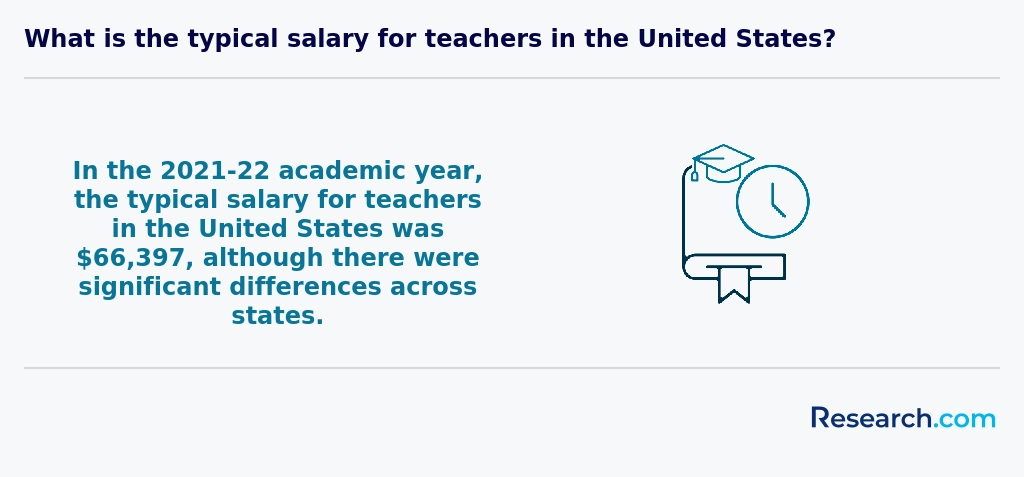
Many Wisconsin students pursuing online special education degrees find that financial aid transforms their educational journey from daunting to achievable. Graduates from popular institutions like the University of Wisconsin-Madison and Milwaukee School of Engineering often share how the FAFSA opened doors to federal grants such as the Pell Grant, which can cover thousands annually without the burden of repayment.
Beyond federal aid, the Wisconsin Higher Education Grant (WHEG) offers vital support specifically tailored to residents, providing up to $2,750 each year to ease tuition expenses. Imagine being a working professional who balances life and studies with the help of your employer's tuition assistance, making next-level degrees possible while still supporting your family.
Many special education students energize their commitment through scholarships from organizations like the Council for Exceptional Children, alongside support from local education foundations. With financial aid counselors guiding them through personalized funding plans, students at institutions like Edgewood College feel empowered to focus on their passion-making a lasting difference for children with special needs.
To enroll in an online special education degree program in Wisconsin, a strong foundation begins with holding a bachelor's degree from an accredited institution. Many graduates from respected universities and colleges in Wisconsin have found that even if their initial degree wasn't in education, completing prerequisite courses or demonstrating relevant experience opened doors to advanced study. This flexible approach reflects the state's commitment to nurturing diverse backgrounds and talents.
Applicants often need to submit standardized test scores, such as the GRE, though some programs warmly waive this for those with proven teaching success or excellent academic records. Imagine the confidence of a teacher adding a special education endorsement after years of hands-on experience, now empowered to serve students with disabilities more effectively.
Holding a valid teaching license, whether from Wisconsin or another state, is commonly required, ensuring you're ready to step into meaningful roles. Wisconsin's Department of Public Instruction carefully guides this process, tailoring it to local needs.
Additionally, many programs value professional experience working directly with children or individuals with disabilities, which enriches learning and prepares you for impactful, real-world field placements.
Online special education degree programs in Wisconsin offer inspiring coursework that equips students to make a real difference in the lives of learners with disabilities. Graduates from popular institutions like the University of Wisconsin and Concordia University feel empowered by courses such as Foundations of Special Education, where they gain a deep understanding of laws, history, and philosophies that shape inclusive education.
Students find practical value in classes like Assessment and Evaluation Techniques, learning how to measure progress in meaningful ways, and Instructional Strategies for Diverse Learners, which prepares them to tailor teaching methods to individual needs. Real-life application shines through Behavior Management and Positive Behavioral Supports, giving future educators tools to create supportive, positive classroom environments.
Courses on Family and Community Collaboration open doors to building strong partnerships, while Transition Planning prepares graduates to guide students confidently toward successful futures beyond school. Assistive Technology classes inspire creativity in making learning accessible. These combined experiences enable Wisconsin students to approach their careers with confidence and heart.
Online special education degree specializations in Wisconsin offer educators the chance to profoundly impact diverse learners. Graduates from popular universities in the state often choose tracks like Learning Disabilities, equipping themselves to support students with dyslexia or processing challenges. Many feel empowered knowing their skills directly improve the lives of nearly 9% of Wisconsin children receiving these services.
Another meaningful specialization is in Emotional and Behavioral Disorders (EBD), where teachers develop trauma-informed approaches that nurture emotional growth and resilience. Those inspired by social advocacy find great fulfillment in autism-focused programs, which emphasize communication and sensory strategies for learners on the spectrum, reflecting Wisconsin's commitment to inclusive education.
For those drawn to early intervention, specialties in Early Childhood Special Education enable support for children from birth to age 8, with graduates sharing stories of how timely help transforms futures.
These opportunities show how choosing a specialization in online special education in Wisconsin aligns perfectly with special education career paths Wisconsin online programs offer. To explore practical steps on how to get a special education teacher certification, consider programs tailored to state standards that prepare you for a rewarding journey.
Choosing the best online special education degree Wisconsin offers means focusing on programs that align with the state's licensure requirements, such as those endorsed by the Wisconsin Department of Public Instruction. Graduates from popular universities in Wisconsin often reflect on how their programs combined rigorous coursework with virtual practicum experiences, creating confidence and real-world readiness. Affordable special education programs Wisconsin online provide not only cost-effective education but also flexibility through asynchronous classes, allowing students to balance studies with family and work commitments seamlessly.
Many graduates share that having access to dedicated faculty and strong academic advising made all the difference in navigating the challenges of earning their degrees. When you select a program, consider how well it supports your growth and offers career resources. Job prospects in Wisconsin remain promising, and programs linked to local districts enhance your chances of employment. To explore career opportunities, consider checking out careers with special education degree for inspiration and guidance.
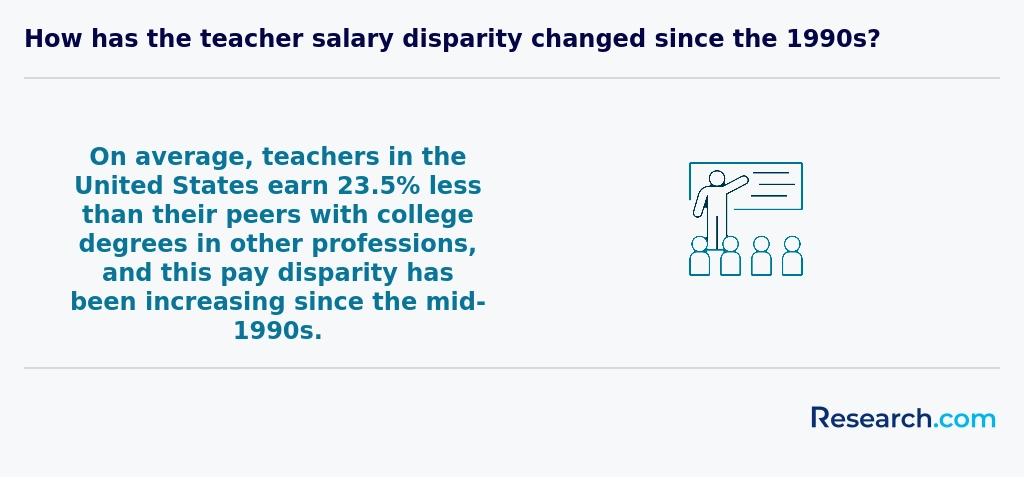
Graduates with an online special education degree in Wisconsin often find themselves drawn to special education teaching jobs in Wisconsin, where they joyfully impact the lives of children with diverse learning needs. Those who have studied at popular schools such as the University of Wisconsin or Marquette University share how their hands-on experiences prepared them to create empowering environments for students with disabilities.
Beyond classroom teaching, career opportunities extend to roles like educational diagnosticians, who carefully assess students and craft tailored learning plans. Many graduates also become behavioral specialists, guiding students toward positive behavioral growth, or special education coordinators overseeing vital programs in schools across Wisconsin.
Others embrace transition specialist positions, supporting students as they confidently move from school into higher education or the workforce. These rewarding paths highlight the versatility and impact possible with this degree.
For those eager to explore all career options, programs ranked among the best online special education master's programs offer excellent preparation and inspiring success stories.
Careers with online special education degree Wisconsin open doors to meaningful work that truly changes lives, fueled by passion and expert knowledge.
The job market for online special education degree graduates in Wisconsin is vibrant and full of promise. Graduates from well-known institutions like the University of Wisconsin and Milwaukee Area Technical College find rewarding opportunities in diverse educational settings, from bustling urban schools to rural districts facing teacher shortages. These educators bring vital skills that meet the state's commitment to inclusive classrooms and federal mandates.
Many graduates share how their programs prepared them not only academically but also practically, boosting confidence in addressing unique challenges. With Wisconsin's special education jobs Wisconsin steadily growing, salaries range from $50,000 to $66,000 annually, improving further with advanced qualifications and certifications. This makes pursuing such a degree both a meaningful and financially sustainable path.
For students balancing life and study, online special education degree employment Wisconsin offers flexibility while ensuring pathways to state licensure. Those interested in understanding the specific roles of special education teacher will find that Wisconsin programs are dedicated to cultivating those essential skills.
2027 Best Online Special Education Degree Programs Ranking in Wisconsin
Investing in your education is a significant decision that can profoundly impact your career and personal growth, and the Research.com team is committed to helping you make well-informed choices. To guide prospective students interested in special education degrees in Wisconsin, we have carefully developed the "2027 Best Online Special Education Degree Programs Ranking in Wisconsin." This ranking reflects our dedication to quality, credibility, and accuracy through rigorous research and analysis. We utilized the following reputable data sources to compile this ranking:
By reviewing this ranking, readers will gain valuable insights into the top online special education programs in Wisconsin, empowering them to select the program that best fits their goals and needs. For more information on how this ranking was created, please visit our Research.com methodology page.


Frequently Asked Questions About special education
Online special education degree students in Wisconsin can maximize their learning by actively engaging with course materials and participating in virtual discussions. The Wisconsin Department of Public Instruction emphasizes hands-on experience, so seeking local practicum or fieldwork opportunities is essential.
Utilizing university resources like tutoring, academic advising, and technology support enhances learning success. Networking with peers and faculty can provide valuable insights and professional connections.
Given Wisconsin's dedication to improving special education outcomes-where approximately 12.4% of public school students receive special education services according to the U.S. Department of Education-staying informed about state policies helps students align their training with real-world needs.
The special education field is evolving, with emerging niches driven by new student needs and technological advances. One key area is the integration of assistive technology to support students with disabilities in inclusive classrooms. Educators skilled in digital tools are increasingly in demand.
Another growing niche involves addressing mental health within special education, especially as anxiety and behavioral issues rise among Wisconsin's youth. Training in trauma-informed practices is becoming essential.
Additionally, there is a rising focus on early intervention, targeting young children with developmental delays. Wisconsin reports nearly 14,000 children receiving early special education services as of recent years (Wisconsin Department of Public Instruction).
These niches reflect broad shifts that online special education degrees are beginning to cover in their curricula.
After completing an online special education degree in Wisconsin, preparing for the job market involves several key steps. First, graduates should obtain Wisconsin's initial teaching license in special education by meeting state requirements, including passing the Praxis exams. According to the Wisconsin Department of Public Instruction (DPI), special education fields often have strong demand, especially for teachers skilled in autism and emotional/behavioral disorders.
Networking with local school districts and joining professional groups like the Council for Exceptional Children can provide valuable career connections. Additionally, gaining hands-on experience through substitute teaching or volunteering increases employability. Keeping abreast of state legislation on special education policies enhances readiness for the role.
Employers in Wisconsin seek special education graduates with strong communication skills, crucial for effectively collaborating with students, families, and multidisciplinary teams. Knowledge of Individualized Education Programs (IEPs) and state-specific regulations, such as Wisconsin's Model Academic Standards, is highly valued. Proficiency in adaptive teaching strategies tailored to diverse learning needs improves student engagement and success.
Data from the Wisconsin Department of Public Instruction highlight the importance of behavior management and data-driven instruction skills in special education roles. Additionally, cultural competence and the ability to support students with varying disabilities remain key. These skills align with the state's increasing focus on inclusion and equitable education outcomes.
Finding internships in Wisconsin for students pursuing an online special education degree involves strategic use of local education networks and resources. Prospective interns should start by connecting with Wisconsin's Department of Public Instruction, which provides guidance and partnerships with school districts offering special education services.
Many Wisconsin public schools require interns to complete fieldwork to satisfy licensure requirements. Internships often take place within school districts such as Milwaukee Public Schools or Madison Metropolitan School District, both of which support inclusive education initiatives.
Additionally, universities offering online programs typically assist students in securing placements through established partnerships. Platforms like Handshake and local special education associations also list internship opportunities.
According to the National Center for Education Statistics, Wisconsin employed over 6,000 special education teachers in 2022, indicating robust internship potential within the state's education system.
Obtaining an online special education degree in Wisconsin can significantly enhance career mobility and advancement opportunities. As the demand for qualified special education teachers grows-Wisconsin's Department of Public Instruction reports a steady need for educators in this field-an accredited online program allows licensed professionals to meet state certification requirements flexibly.
Graduates of these programs often see increased eligibility for leadership roles, such as special education coordinators or program directors, supported by Wisconsin's emphasis on ongoing professional development. Additionally, earning an advanced degree can lead to higher salaries; data from the U.S. Bureau of Labor Statistics shows that special education teachers with master's degrees in Wisconsin earn approximately 10-15% more than those with a bachelor's.
Furthermore, online degrees provide access to updated teaching strategies and legal knowledge essential for career growth within Wisconsin's education system.
Studying for a special education degree in Wisconsin equips students with skills to collaborate across disciplines such as psychology, speech therapy, and general education. Wisconsin's Teacher Preparation Standards emphasize interdisciplinary strategies to support diverse learners, which prepares graduates for teamwork in varied educational settings.
Programs often include coursework in behavioral interventions, communication methods, and inclusive classroom practices. According to the Wisconsin Department of Public Instruction, nearly 15% of students receive special education services, underscoring the need for well-rounded professionals who understand multiple perspectives.
Online degrees provide flexibility, but maintain rigorous clinical experiences with local schools. This hands-on training enhances collaboration skills with families, therapists, and educators. Overall, Wisconsin's special education degrees foster interdisciplinary competencies vital in addressing complex student needs.
Choosing between a thesis and a non-thesis special education degree program in Wisconsin depends largely on your career goals and learning preferences. A thesis program typically suits students interested in research, policy development, or pursuing a doctoral degree. It involves conducting original research and writing a detailed paper under faculty supervision. In contrast, non-thesis programs focus more on practical skills and coursework, appealing to professionals aiming to enhance classroom practice or meet licensing requirements quickly.
Wisconsin's Department of Public Instruction highlights the growing demand for special educators with strong evidence-based skills, favoring hands-on training found in non-thesis tracks. However, research projects can improve critical thinking and contribute to advancements in special education strategies.
Consider program requirements, duration, and faculty expertise before deciding. Financial aid and time commitments may also influence your choice.
Students in Wisconsin seeking online special education degrees with an international perspective have limited direct options to study abroad through U.S.-accredited programs. Most U.S. institutions, including those in Wisconsin, offer online special education degrees focused on state licensure standards and requirements. However, some universities provide study abroad opportunities or international internships as part of broader education degrees, enabling exposure to diverse educational systems.
Wisconsin's Department of Public Instruction reports that approximately 14% of K-12 students receive special education services, highlighting the demand for qualified educators. While students cannot typically complete entire special education degrees abroad, combining online coursework with short-term international experiences is possible at select universities.
Students interested in global perspectives should investigate programs that partner with foreign institutions or emphasize multicultural education components within their curricula.
In Wisconsin, part-time jobs that complement a special education degree often involve direct work with children or supporting educational environments. Positions such as teacher aides, paraprofessionals, or special education assistants provide valuable experience by allowing individuals to support students with disabilities in public and private schools. According to the Wisconsin Department of Public Instruction, these roles are crucial in implementing individualized education plans (IEPs).
Other opportunities include tutoring students with learning differences or working in after-school programs focused on special needs. These roles offer flexible hours suitable for students pursuing online degrees. Additionally, school districts across Wisconsin frequently seek qualified paraprofessionals, especially as special education enrollment increased by 12% over the past five years, signaling steady demand.
Online special education students in Wisconsin have access to various networking opportunities that can enhance their professional growth. Many universities offering these degrees provide virtual events, webinars, and discussion forums where students can connect with peers, faculty, and special education professionals across the state.
The Wisconsin Department of Public Instruction supports educators by organizing conferences and workshops focused on special education, which online students can attend either virtually or in person. These events foster connections with local districts and seasoned teachers.
Additionally, the Wisconsin Council for Administrators of Special Services (WCASS) and the Wisconsin Special Education Mediation System offer platforms for networking and advocacy involvement, which benefit students seeking to deepen their understanding and expand their professional circle in the state's special education community.
Alumni networks offer significant advantages for students pursuing online special education degrees in Wisconsin. Graduates often gain access to exclusive job postings and professional development events tailored to Wisconsin's education landscape. These networks help connect students with experienced educators familiar with state-specific special education laws and practices.
According to the Wisconsin Department of Public Instruction, over 12,000 special education teachers serve across the state, making connections through an alumni network valuable for local employment opportunities.
Additionally, alumni groups facilitate mentorship, allowing current students to receive guidance from professionals who understand challenges unique to Wisconsin's classrooms. This support enhances career readiness and networking beyond the virtual classroom.
Customizing an online special education degree program in Wisconsin often involves selecting electives and concentrations that align with specific career goals. Many Wisconsin universities offering such degrees provide options to focus on areas like autism spectrum disorders, behavioral intervention, or early childhood special education. This flexibility helps students tailor their learning to meet local workforce demands.
The Wisconsin Department of Public Instruction highlights growing needs for special educators skilled in inclusive classrooms and individualized instructional strategies. Students should explore programs accredited by the Council for Exceptional Children, ensuring quality and relevance. Additionally, internships or practicum placements in Wisconsin schools allow practical experience tailored to career interests.
Some programs also offer certification tracks in collaboration with state licensure requirements, which is crucial for career advancement. Consulting academic advisors can help optimize course choices for professional objectives.
Online special education students in Wisconsin often face challenges related to balancing coursework with personal and professional responsibilities. Many learners juggle full-time jobs and family duties, making time management crucial.
Access to specialized instructional materials and hands-on experiences can be limited in virtual settings. Wisconsin's licensure regulations require practical fieldwork, which students must arrange locally, sometimes causing logistical difficulties.
Technical issues, such as unreliable internet access, also impact some students, especially in rural areas where connectivity is less stable. According to the Wisconsin Department of Public Instruction, rural districts report up to 15% lower broadband availability.
Additionally, students may struggle with limited peer interaction and support, which affects collaboration and motivation throughout the program.
With an online special education degree in Wisconsin, graduates can pursue several key professional certifications. The most common is the Wisconsin Department of Public Instruction (DPI) Special Education Teacher License, which enables teaching children with disabilities across various age groups.
Additionally, candidates often seek the National Board Certification in Exceptional Needs Specialist, a prestigious credential that can enhance career prospects and earning potential.
Beyond teaching licenses, professionals may also qualify for endorsements in areas like autism spectrum disorder or emotional behavioral disabilities, allowing specialization in high-demand fields.
According to the Wisconsin DPI, special education teachers in the state earned an average salary of around $59,000 in 2022, with certification significantly impacting job opportunities and salary levels.
Writing a winning application for an online special education program in Wisconsin begins with understanding the state's rigorous certification requirements. Applicants should highlight relevant experience with diverse learners, as Wisconsin values practical knowledge in special education settings. Strong academic records, particularly in education-related coursework, also improve chances of acceptance. Including a well-crafted personal statement that reflects commitment to supporting students with disabilities is crucial. The Wisconsin Department of Public Instruction emphasizes the importance of aligning personal goals with state educational standards. Additionally, letters of recommendation from professionals familiar with your work in education or related fields can strengthen your application.
Special education careers hold significant importance worldwide, reflecting a growing awareness of inclusive education. In the United States, particularly in Wisconsin, demand for special education teachers is expected to grow by 7% between 2020 and 2030, according to the U.S. Bureau of Labor Statistics. This mirrors global trends emphasizing support for students with disabilities.
Internationally, educators must adapt to diverse policies and cultural contexts while focusing on individualized instruction. The U.S. system, guided by IDEA (Individuals with Disabilities Education Act), sets a high standard for inclusive practices. Wisconsin's strong commitment to IDEA ensures its special education professionals are well-prepared for these challenges.
Graduates with online special education degrees in Wisconsin join a respected profession with broad applicability at home and abroad, underscoring the global need for skilled, adaptable teachers.
Gaining practical experience is essential when pursuing an online special education degree in Wisconsin. Most programs require fieldwork or practicum placements to meet state licensure standards. These experiences allow students to apply theory in real classroom settings with children who have diverse learning needs.
Students typically arrange supervised internships through their university in collaboration with local schools. The Wisconsin Department of Public Instruction reports that these placements usually involve 200 to 400 hours of direct instruction and observation.
Additionally, some programs partner with Wisconsin school districts offering clinical experiences. This hands-on training is crucial for developing effective teaching strategies tailored to students requiring special education support.
Choosing the right concentration within an online special education degree in Wisconsin depends on your career goals and the student populations you wish to support. Wisconsin offers concentrations such as early childhood, mild to moderate disabilities, and severe disabilities, each preparing educators for specific needs.
Consider Wisconsin's demand for special education teachers, particularly in rural areas where mild to moderate disabilities expertise is highly needed, according to the Wisconsin Department of Public Instruction.
Review each program's curriculum and licensure alignment-some concentrations lead to state certification in targeted areas, which is essential for employment in Wisconsin public schools.
Lastly, think about whether your preference is working with young children or older students, as this guides the best concentration choice for your professional development.
- 2027 Best Online Special Education Degree Programs Ranking in Minnesota
- 2027 Best Online Special Education Degree Programs Ranking in Michigan
- 2027 Best Online Special Education Degree Programs Ranking in Indiana
- 2027 Best Online Special Education Degree Programs Ranking in Missouri
- 2027 Best Online Special Education Degree Programs Ranking in Ohio
- 2027 Best Online Special Education Degree Programs Ranking in Kentucky
- 2027 Best Online Special Education Degree Programs Ranking in North Dakota
- 2027 Best Online Special Education Degree Programs Ranking in Kansas
- 2027 Best Online Special Education Degree Programs Ranking in Pennsylvania
- 2027 Best Online Special Education Degree Programs Ranking in Virginia
- NASET | Professional Association for Special Education ... https://www.naset.com/
- 2026 Best Online Degrees in Special Education https://www.onlineu.com/degrees/special-education
- Inclusive, Thriving Learning for Students with Special… | NGLC https://www.nextgenlearning.org/articles/inclusive-thriving-learning-environments-for-students-with-special-education-needs
- Special Education, Unified Special Education K-12 and ... https://www.uwec.edu/academics/programs/undergraduate/special-education-unified-special-education-k-12-and-elementary
- 10 Sped: Special Education Certification in Wisconsin https://educatepathways.com/10-sped/
- Networking Events for Professionals with Disabilities https://www.specialneeds.com/articles/career/finding-jobs/networking-events-for-professionals-with-disabilities-finding-accessible-opportunities/
- 12 Best Special Education Degree Programs for 2026 https://www.special-education-degree.net/best-special-education-degree-programs/
- Special Education Teacher | Inclusive Education Jobs https://jobsineducation.com/categories/special-education-teacher-jobs/
- Special Education Professional Development Guide for 2025 https://www.simplek12.com/blog/special-education-professional-development
- Special Education Courses Online | Salary, Career & ... https://www.apteachertraininginstitute.com/blog/special-education-teacher-salary-career-paths-online-training-investement/