2027 Best Online Special Education Degree Programs Ranking in Florida

Co-Founder and Chief Data Scientist
Choosing the right special education degree program can be a challenging decision for students in Florida. Our 2027 Best Online Special Education Degree Programs Ranking in Florida was created by the Research.com team of data scientists to help you make an informed choice. This ranking highlights programs that stand out for quality and flexibility.
By exploring this article, you'll discover opportunities to grow your skills and make a meaningful difference in the lives of others. Pursuing a special education degree opens doors to rewarding careers and personal fulfillment.
Key benefits of getting online special education degree in Florida
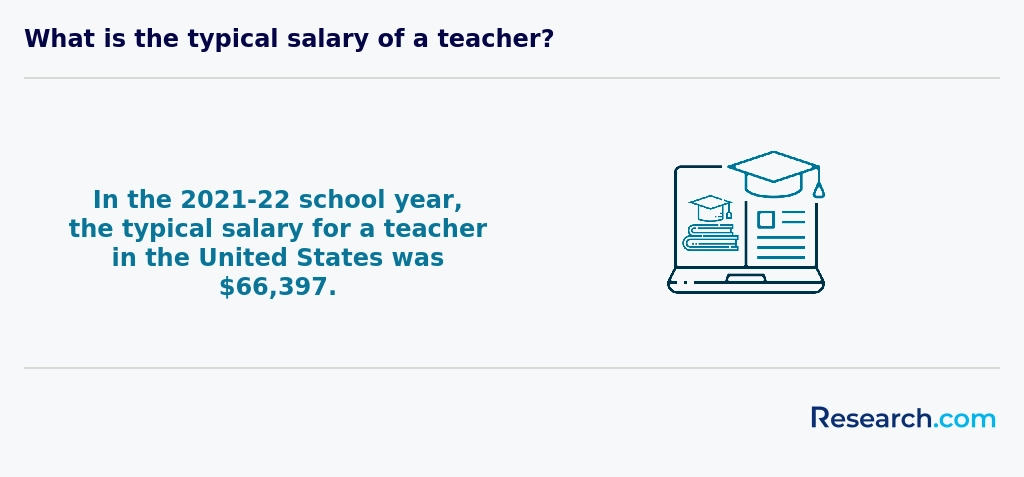
- Special education teachers in Florida earn an average annual wage around $53,000, offering a stable and rewarding career with good financial prospects.
- Graduates from the University of Florida's special education program often pursue careers as educators, counselors, or program coordinators, providing diverse opportunities to support students with special needs.
- Online special education degrees from Florida State University offer flexibility, allowing students to balance studies with personal and work life while gaining quality education from experienced faculty.
- 2027 Best Online Special Education Degree Programs Ranking in Florida
- What can I expect from online special education degree in Florida?
- Where can I work with online special education degree in Florida?
What can I expect from online special education degree in Florida?
The average cost of an online special education degree in Florida varies, but many students find it more affordable than traditional on-campus programs. For example, graduates from popular institutions like the University of Florida or Florida State University often report tuition rates ranging between $5,000 to $15,000 per year, depending on whether they qualify for in-state tuition or take advantage of financial aid options.
Many Florida residents benefit from in-state tuition discounts, even when enrolled fully online, making the investment more manageable. Graduates frequently share how combining scholarships, federal aid, and flexible payment plans helped ease financial concerns while they balanced work and studies. For those attending smaller colleges with robust special education programs, the overall expenses can be even less daunting.
By choosing a program aligned with Florida's certification requirements, students ensure their tuition dollars go toward coursework that directly prepares them for licensure, including essential practicum experiences within local schools. This practical approach makes the cost feel worthwhile as graduates quickly step into meaningful teaching roles supporting diverse learners.
Where can I work with online special education degree in Florida?
Graduates of online special education degree programs in Florida find rewarding careers primarily in public and private schools, working directly with students who have diverse learning needs. For example, those who studied at the University of Central Florida often share how collaborating with general education teachers and families to develop Individualized Education Programs (IEPs) creates a deep sense of purpose and impact. Special education teachers serve in elementary through high school settings, supporting inclusion efforts that benefit all students.
Other career paths include early intervention roles, where graduates from Florida State University's program work with children from birth to age five through initiatives like Florida's Early Steps. These professionals assist families in planning developmental goals, making a meaningful difference in a child's life from the start.
Beyond schools, careers in community organizations and private clinics are common, allowing graduates to engage in advocacy, case management, or collaborate with therapists. Many who trained at the University of Florida report feeling fulfilled by these varied opportunities, knowing their skills meet the state's growing demand for inclusive education and disability support services.
Graduates with an online special education degree in Florida can generally expect starting salaries between $40,000 and $45,000 annually, aligning with experiences shared by recent alumni from well-known schools like the University of Florida and Florida State University. As they gain experience and additional certifications, salaries often rise to $60,000 or more, especially in urban centers such as Miami or Tampa where higher demand and cost of living influence compensation.
Many graduates find that pursuing a master's degree or specialized certifications in therapies directly enhances their earning power. Florida's salary supplements for advanced credentials can add several thousand dollars annually, making further education a practical investment.
For example, graduates working as educational consultants or program coordinators within Florida's school districts report salaries ranging from $60,000 to $75,000, reflecting increased responsibilities and expertise. Those opting for private sector roles, such as nonprofit organizations or therapy centers, may find unique benefits and compensation packages that provide both financial and professional growth.
- Online special education degrees in Florida are available at bachelor's, master's, and certification levels to train teachers for students with disabilities.
- Tuition typically ranges from $10,000 to $30,000, with public universities offering lower costs for in-state students.
- Starting salaries for special education teachers in Florida average between $40,000 and $45,000 annually, increasing to $50,000 to $60,000 with experience and certifications.
- There is strong demand for special education teachers due to growing student enrollment and updated legal requirements.
- Florida requires state certification through the FTCE exams, which many online programs include as part of their curriculum.
Completing an online special education degree in Florida typically aligns with the degree level and program format. For example, associate degrees often take about two years of full-time study, while bachelor's degrees generally require four years, matching the pace at institutions like the University of Central Florida or Florida State University. Graduates frequently share that balancing coursework with life responsibilities is manageable thanks to flexible online scheduling.
Master's degrees usually extend from 1.5 to 2 years full-time but can stretch to three or more years with part-time study, a common choice among working educators enrolled at schools like the University of Florida. Many appreciate that online programs incorporate both structured pacing and self-paced components, allowing them to adjust based on personal commitments.
Transferring previous credits can significantly shorten these timelines. Additionally, staying attentive to Florida's state certification requirements, which may add coursework or exams, helps avoid unexpected delays. Graduates often emphasize that selecting a program with clear guidance and support makes completing their degree both achievable and rewarding.
Online and on-campus special education degrees in Florida differ mainly in flexibility and learning environment. Graduates from the University of Florida's online program often praise the freedom to study asynchronously, fitting classes around work or family life without commuting stress. This flexibility allows students to revisit lectures anytime, which can boost understanding and confidence.
In contrast, students attending on-campus programs at Florida State University experience direct, face-to-face interactions with professors and peers. They highlight how in-person discussions and hands-on activities enhance their practical skills, especially during supervised practicum placements in local schools.
Both formats require passing the Florida Teacher Certification Examinations and completing practicum hours, but online learners must coordinate placements locally, which can nurture connections in their own communities. On-campus learners benefit from campus resources and spontaneous collaboration, creating strong professional networks.
Choosing between these paths depends on your lifestyle-whether you value a structured campus rhythm or prefer the adaptable pace of online learning. Both approaches effectively prepare you to thrive as a special education teacher in Florida's diverse classrooms.
The average cost of an online special education degree in Florida typically centers around $16,135 for in-state students, providing a more affordable option compared to out-of-state or private university tuition. Students pursuing this path at well-known institutions like the University of Florida or Florida State University often report manageable tuition rates that align with these figures, helping them confidently invest in their careers without overwhelming debt.
Graduates frequently share how this balance between cost and quality made their educational journeys rewarding and realistic, especially when combined with financial aid opportunities. Many online programs incorporate flexible payment plans and scholarships designed specifically for education students, which significantly ease the financial burden. Those aiming to make a difference in classrooms find this aspect particularly motivating as they focus on their passion for special education.
Factors affecting Florida online special education degree tuition and fees include whether the school is public or private, and the total credit hours required, which can influence the total cost. It's common for programs to charge additional fees such as technology or graduation fees, so budgeting accordingly is key for smooth progress.
Exploring the career paths through a bachelor degree in special ed jobs resource can help students envision the return on their investment while reinforcing the real-world value of affordable online degrees in Florida.
Students pursuing online special education degrees in Florida can access a range of financial aid options to ease tuition costs. For example, many graduates from the University of Florida and Florida State University successfully used the Free Application for Federal Student Aid (FAFSA) to qualify for federal grants like the Pell Grant, which offers up to $7,895 annually without repayment. This grant has helped them significantly reduce out-of-pocket expenses while studying.
State programs are also valuable, such as the Florida Teacher Scholarship Program and the Critical Teacher Shortage Program. These initiatives reward students committed to teaching special education in Florida's public schools, sometimes covering full tuition or providing loan forgiveness. Graduates often describe how these programs made their goals feel achievable without overwhelming debt.
Additionally, scholarships from organizations like the Council for Exceptional Children encourage academic excellence and passion for special education. Many students at institutions like the University of Central Florida have benefited from these competitive awards, finding financial relief and motivation to excel.
Tuition reimbursement or stipends through partnerships between online programs and local school districts offer working teachers practical financial support, helping them balance career and education successfully. Completing FAFSA early and seeking guidance from school financial aid offices remain essential steps toward maximizing aid opportunities.
To enroll in an online special education degree program in Florida, you must first meet specific academic and state certification prerequisites. For bachelor's degrees, graduates recall needing a high school diploma or GED, with strong grades in English and math serving as essential foundations. This aligns well with programs at Florida's public universities, where academic readiness boosts confidence in tackling course materials.
Graduate tracks require a completed undergraduate degree, often favoring education or psychology backgrounds but welcoming diverse fields. Many successful applicants found maintaining a GPA around 3.0 crucial, as it reflects their dedication to learning and readiness for advanced study.
Florida's teaching certification demands, such as passing the Florida Teacher Certification Examinations (FTCE) and completing background checks, are also mandatory. Graduates appreciate how these steps prepare them practically, ensuring they're qualified to enter classrooms equipped with real-world knowledge and professionalism.
Additionally, having prior field experience or student teaching documented helps demonstrate commitment. Many students mention that submitting personal statements and recommendation letters provided opportunities to express their passion for special education, helping them feel connected to their future careers even before starting their degrees.
Online special education degree programs in Florida typically include courses that build both foundational knowledge and practical skills needed to support diverse learners. Graduates from popular institutions like the University of Central Florida often mention how courses such as Introduction to Special Education helped them understand the wide range of disabilities and the history behind special education, making their approach more empathetic and informed.
Many students highlight the value of Assessment and Evaluation, where they learn to design effective Individualized Education Programs (IEPs), a crucial skill used during supervised field placements. Courses on Instructional Strategies and Behavior Management prepare students to tailor teaching techniques and foster positive classroom environments, which graduates say made them feel confident in handling real-life challenges in Florida classrooms.
Additionally, classes covering Collaborative Practices and Legal and Ethical Issues ensure that candidates can work seamlessly with families and multidisciplinary teams while navigating Florida's specific education laws. These focused courses, paired with hands-on experiences, equip students with the competence necessary to meet state certification requirements and succeed as special educators.
Online special education degree specializations Florida students choose often address the unique challenges faced by diverse learners. Popular concentrations include Autism Spectrum Disorders, where graduates learn tailored methods to support students effectively. Behavioral Disorders specialization equips teachers with strategies to manage emotional and behavioral challenges, a vital skill in many Florida classrooms.
Other options focus on Learning Disabilities, emphasizing adaptive teaching approaches for conditions like dyslexia. Early Childhood Special Education is common among Florida students aiming to impact children from birth to age eight, using developmental assessments and early interventions. Deaf and Hard of Hearing, as well as Visual Impairments specializations, prepare educators with communication techniques such as sign language and Braille, enhancing inclusivity in schools across the state.
Graduates from top Florida universities praise the flexibility of online programs that allow balancing personal life and study. These specializations not only increase employability but also deepen impact. For those pursuing certification, understanding teacher special education certification requirements is crucial to classroom readiness and career growth.
To choose the best online special education degree in Florida, start by checking the regional accreditation, such as from SACSCOC, to ensure the program is respected statewide and nationally. Graduates from popular Florida colleges often highlight the benefit of programs that balance theory with practical field experiences, which are crucial for earning teacher certification. Many appreciate courses tailored to Florida's specific policies and diverse student needs, a key advantage when working with the state's 180,000 students with disabilities.
Consider affordability by exploring Florida public universities that offer in-state tuition rates, as well as scholarships targeted at special education students. This approach helps select affordable special education colleges Florida online without compromising quality. Graduates frequently mention the comfort of programs that integrate support services like tutoring and advising, which ease the challenges of online learning.
Aiming for licensure? Make sure the program aligns with Florida Department of Education requirements and includes supervised practicums. Finally, if you want to understand the variety of career paths available, reviewing types of jobs in special education can motivate you as it did many successful alumni.
Graduates of online special education degree programs in Florida often find themselves well-prepared for special education teaching jobs in Florida, a field with consistent demand across public and private schools. Many take pride in becoming certified teachers who support students with diverse learning needs, applying strategies learned at popular institutions such as the University of Florida or Florida State University. Their roles extend beyond classroom instruction to include developing individualized education plans and collaborating with families and specialists.
Others leverage their degrees to pursue careers as instructional coordinators or behavioral specialists, roles that allow them to design impactful curricula and interventions. Graduates from Florida's colleges frequently appreciate working in multidisciplinary teams, using their expertise to improve educational outcomes. For those considering advancement, additional credentials in applied behavior analysis open doors to becoming Board Certified Behavior Analysts (BCBAs), a rewarding career especially relevant in Florida's inclusive education environment.
Prospective students can explore accelerated options by researching the fastest online special education masters programs, helping them enter the workforce quicker while maintaining quality education. These flexible online paths offer a practical way to start your online special education careers Florida with confidence and meaningful impact.
The online special education job market Florida offers is encouraging for graduates, with steady demand driven by expanding student populations needing specialized support. Graduates from well-known Florida institutions often find rewarding roles in public and private schools, early intervention centers, or nonprofit organizations, where their skills make substantial impacts. For example, graduates from popular universities in Florida report smooth transitions into roles supporting inclusive classrooms and helping students overcome learning challenges, creating daily moments of achievement and fulfillment.
To maximize opportunities, candidates should pursue certification pathways linked to flexible online programs that many Floridian colleges offer. These paths ease entry into teaching roles and help maintain licensure with ongoing professional development. Salaries typically range between $50,000 and $60,000 annually, and while this might appear modest, the state's relatively low living costs enhance overall job satisfaction.
Exploring financial aid options can reduce the cost of an online program, which varies from $10,000 to $25,000 in Florida. Those researching a special education teacher online degree will find tailored support and resources that reflect the state's focus on inclusive education and career readiness.
2027 Best Online Special Education Degree Programs Ranking in Florida
Investing in your education is a significant decision that can shape your future, and the Research.com team understands the importance of making informed choices. To assist prospective students seeking special education degrees in Florida, we have meticulously developed the "2027 Best Online Special Education Degree Programs Ranking in Florida." Our commitment to quality, credibility, and accuracy is demonstrated through rigorous analysis and careful consideration of multiple trusted data sources.
We utilized the following reputable data sources to ensure a comprehensive evaluation of programs:
By exploring this ranking, readers will gain valuable insights into the top online special education degree programs in Florida, enabling informed and confident educational decisions. For more information on our rigorous ranking process, please visit our Research.com methodology page.
# 1 position
Florida International University
Master of Special Education, Autism Endorsement specialization


# 3 position
University of Central Florida
Bachelor of Exceptional Student Education, Learning and Language
Frequently Asked Questions About special education
Online special education degree students in Florida can maximize their learning experience by actively engaging with coursework and utilizing available digital resources. Florida's education system emphasizes practical skills, so students should seek out programs that include live virtual sessions and interactive assignments. According to the Florida Department of Education, candidates with hands-on training often perform better in classrooms.
Networking with peers and instructors in discussion forums enhances understanding of state-specific special education laws and teaching techniques. Additionally, students should take advantage of Florida's field experience requirements, completing internships or practica at local schools to gain real-world practice.
Time management is essential for balancing study and personal commitments, ensuring consistent progress. Staying informed about Florida's evolving policies on special education can further prepare students for certification and employment.
Emerging niches in special education reflect growing needs and advancements in the field. One key area is assistive technology, where educators learn to use devices and software to support students with disabilities. This niche is expanding rapidly as digital tools evolve.
Another important specialty is autism spectrum disorder (ASD) interventions. In Florida, the number of students diagnosed with ASD has increased by over 20% in the past five years according to the Florida Department of Education.
Behavioral intervention and social-emotional learning also represent growing fields. These focus on helping students manage emotions and behaviors effectively.
Online special education programs in Florida increasingly offer these focused tracks, reflecting workforce demand.
After completing an online special education degree in Florida, it is essential to build a strong foundation for entering the job market. Start by obtaining Florida's teaching certification in exceptional student education (ESE), which is required for employment in public schools. The Florida Department of Education offers detailed guidance on certification requirements.
Networking with local school districts and joining professional organizations, such as the Council for Exceptional Children (CEC), can provide valuable connections and job leads. According to the Florida Department of Education, ESE teacher demand is expected to grow by 7% through 2030.
Additionally, gaining practical experience through internships or substitute teaching helps build skills and improves employability. Staying informed about Florida's educational policies and participating in ongoing professional development can further enhance career prospects.
Employers in Florida highly value graduates of online special education degree programs who demonstrate strong communication skills. These are essential for collaborating with students, families, and multidisciplinary teams. Additionally, adaptability and problem-solving abilities are important to address diverse learning needs effectively.
Knowledge of Individualized Education Programs (IEPs) and Florida's specific state laws regarding special education is critical, as compliance ensures student rights and proper support. Data from the Florida Department of Education highlights that classroom management and behavioral intervention expertise significantly improve employment prospects for special educators.
Finally, cultural competence is increasingly emphasized due to Florida's diverse student population, making it a key skill sought by employers.
Finding internships in Florida relevant to a special education degree involves connecting with local school districts and educational organizations. The Florida Department of Education often collaborates with universities to provide internship opportunities aligned with special education licensure requirements.
Students should explore partnerships that their online programs offer, as many Florida institutions have established relationships with agencies like Exceptional Student Education (ESE) programs throughout the state. According to the Florida Department of Education, over 250,000 students receive special education services, creating strong demand for qualified interns.
Networking through professional bodies such as the Florida Council for Exceptional Children can also help locate placements. Additionally, checking with local public and charter schools often reveals unpaid or stipend-based internships that meet state certification standards.
An online special education degree in Florida significantly enhances career mobility by meeting state licensure requirements. Florida requires teachers to hold appropriate certification, and online degree programs designed within the state's guidelines align well with these standards.
Graduates from accredited online programs can access a broader range of job opportunities across public and private schools in Florida. According to the Florida Department of Education, demand for special education teachers is expected to grow by 8% through 2030, driven by increased enrollment and early intervention initiatives.
Moreover, advanced online degrees can lead to leadership roles, such as special education coordinators or program directors, offering salary increases and professional advancement. The flexibility of online studies also allows current educators to upskill without interrupting their careers, boosting long-term mobility within Florida's education system.
Studying for a special education degree in Florida equips students with skills to collaborate across multiple disciplines, crucial for supporting diverse learner needs. Florida's programs emphasize team-based approaches involving educators, therapists, counselors, and families, reflecting real classroom dynamics. The Florida Department of Education highlights that effective special education requires coordination between general and special educators to design individualized learning plans. Courses often cover behavior analysis, speech therapy basics, and assistive technology, preparing graduates for roles beyond teaching alone. This cross-disciplinary training aligns with Florida's increasing demand for inclusive education professionals who can navigate complex student support systems efficiently.
Choosing between a thesis and a non-thesis special education degree program in Florida depends largely on your career goals and learning preferences. Thesis programs require conducting original research and writing a formal document, which suits those aiming for doctoral studies or research roles.
Non-thesis options focus more on practical skills and coursework, ideal for educators seeking classroom application or professional advancement without research demands.
Florida's Department of Education notes a growing need for special educators proficient in evidence-based practices, highlighting the value of both program types.
Consider your time availability too; thesis paths often demand more months of study.
Students based in Florida seeking to study special education abroad through online programs face limited options due to accreditation and licensure requirements. Most U.S. states, including Florida, require completion of programs accredited by the Council for Exceptional Children (CEC) or regionally accredited institutions to ensure eligibility for teaching certification. While some international universities offer online special education degrees, their U.S. recognition and alignment with Florida's Department of Education standards can be challenging.
Florida's own special education landscape is robust, with over 300,000 students receiving services as reported by the Florida Department of Education in 2023. Prospective students may consider partner programs or joint degrees offered through U.S.-based schools that collaborate internationally to guarantee licensure compatibility.
It is advisable for Florida students to verify that any foreign online program meets Florida certification requirements, particularly for Teacher Certification in Exceptional Student Education (ESE), to avoid obstacles in professional practice within the state.
Part-time job opportunities in Florida that complement an online special education degree include teacher aide positions, paraprofessional roles, and behavioral therapy assistants. These roles offer practical experience supporting children with disabilities in educational settings, which enhances learning and professional growth.
According to the Florida Department of Education, paraprofessional jobs are in demand, reflecting a continued statewide focus on inclusive education. Working as a paraprofessional allows students to gain hands-on skills while managing flexible schedules suitable for online learners.
Additionally, positions such as personal care assistants or community support workers through agencies also provide relevant experience. These roles involve supporting individuals with special needs outside traditional classrooms, expanding professional competencies.
Overall, Florida's evolving special education landscape creates diverse opportunities to complement academic studies. Engaging in these roles can improve employability after graduation and help fulfill licensure pathways requiring practical experience.
Online special education students in Florida have several networking opportunities that help build professional connections despite the remote format. Many accredited Florida institutions offer virtual workshops, discussion boards, and cohort-based learning, enabling students to engage with peers and faculty in real time. Additionally, statewide organizations like the Florida Department of Education and the Council for Exceptional Children provide online events and networking groups tailored to special educators. According to the Florida Department of Education, over 700,000 students receive special education services statewide, creating a broad professional community for graduates to join.
Alumni networks play a significant role in supporting online special education degree students in Florida. These networks offer valuable opportunities for mentorship, professional development, and job placement in a competitive field. According to the Florida Department of Education, over 15% of public school students receive special education services, creating a strong demand for qualified teachers.
Through alumni connections, students can access local employment leads, participate in workshops, and engage in advocacy efforts specific to Florida's education policies. Furthermore, alumni often provide insights into navigating state certification requirements, which can differ for special educators in Florida. Overall, these networks enhance career readiness and foster a sense of community.
Customizing an online special education degree program in Florida typically involves selecting electives, certifications, or concentrations that align with your career goals. Many Florida universities offering these online degrees provide options to focus on areas such as autism spectrum disorders, behavior intervention, or early childhood special education.
Since Florida requires specific state certifications for special education teachers, you can tailor your coursework to meet these licensing requirements. Programs often include preparation for the Florida Teacher Certification Examinations (FTCE) in special education, which strengthens your qualification for state jobs.
Additionally, some programs allow you to integrate field experiences or internships in settings relevant to your interests, helping you gain practical skills while still studying online. According to the Florida Department of Education, demand for special education teachers is expected to grow by 6% through 2028, making focused program customization a smart strategy for future employability.
Online special education students in Florida often face challenges related to practical experience requirements. Many programs mandate fieldwork or student teaching, which can be difficult to arrange remotely. Access to appropriate practicum sites close to students' homes is a frequent concern.
Additionally, managing coursework while balancing personal and professional responsibilities presents difficulties. According to Florida Department of Education data, nearly 60% of special education candidates are working adults, making time management crucial.
Technical issues and maintaining engagement in online learning also impact students. Reliable internet and interactive platforms are essential for success.
Understanding state-specific policies and certification requirements adds complexity to the learning process.
With an online special education degree in Florida, graduates can pursue several professional certifications to advance their careers. The most common certification is the Florida Professional Educator Certification in Exceptional Student Education (ESE), which qualifies teachers to work with students who have disabilities.
In addition, educators may seek certifications in specific disability areas such as Autism Spectrum Disorders or Emotional and Behavioral Disabilities. These endorsements enhance job prospects and meet Florida Department of Education requirements.
National certifications, like the Certified Special Education Professional (CSEP) from the Council for Exceptional Children, also complement state credentials. According to the Florida Department of Education, demand for special educators is expected to grow by 5% through 2029, making these certifications valuable.
To write a winning application for an online special education program in Florida, start by thoroughly researching the program's requirements and mission. Florida schools often look for candidates demonstrating a clear commitment to special education and an understanding of state-specific challenges, such as Florida's diverse student population and inclusion policies.
Highlight your relevant experience with special needs students, volunteer work, or professional roles. Emphasize skills in communication and adaptability, critical for successful online learning and teaching in special education.
Many Florida programs recommend submitting strong letters of recommendation from educators or supervisors familiar with your potential in special education.
Ensure your personal statement is focused, with clear goals aligned to Florida's Department of Education standards for special education instructors. According to Florida's Education Data and Research unit, demand for special education teachers is expected to grow by 7% through 2030, making your focused application even more essential.
Special education careers in the United States, including Florida, are influenced by global trends emphasizing inclusive education and diverse learning needs. Countries worldwide are investing in specialized teacher training to support students with disabilities. In Florida, special education teachers earn a median salary of around $51,000, close to the national average, reflecting steady demand (Bureau of Labor Statistics, 2023).
Globally, educators focus on individualized learning plans and assistive technologies, practices also promoted in Florida's online degree programs. The U.S. remains a leader in research and policy, which helps shape training methods used locally.
Florida's growing population and diverse classrooms increase the need for skilled special education professionals, linking state needs to global educational advancements.
Gaining practical experience while studying for an online special education degree in Florida is essential for licensure and career readiness. Most accredited Florida online programs require students to complete field placements or internships in local schools. These experiences allow students to work directly with children who have disabilities under the supervision of certified special education teachers.
State guidelines often mandate a minimum number of practicum hours; for example, the Florida Department of Education requires at least 600 hours of supervised field experience for special education certification. Many universities assist online students in securing placements within Florida's diverse public school districts.
This hands-on training helps students apply theory to practice, develop classroom management skills, and understand individualized education programs (IEPs).
Choosing the right concentration within an online special education degree program in Florida depends on your career goals and the needs of the student populations you wish to serve. Florida offers diverse concentrations such as autism spectrum disorders, behavioral disorders, or early childhood special education. According to the Florida Department of Education, autism-related services are in high demand, reflecting a 20% increase in diagnosed cases over recent years.
Consider your professional interests and the specific challenges you want to address. Research program accreditation and how the curriculum aligns with Florida's licensure requirements. Also, exploring the availability of field placements in your preferred concentration can enhance practical experience, which employers value.
- 2027 Best Online Special Education Degree Programs Ranking in Georgia
- 2027 Best Online Special Education Degree Programs Ranking in North Carolina
- 2027 Best Online Special Education Degree Programs Ranking in Kentucky
- 2027 Best Online Special Education Degree Programs Ranking in Virginia
- 2027 Best Online Special Education Degree Programs Ranking in Missouri
- 2027 Best Online Special Education Degree Programs Ranking in Indiana
- 2027 Best Online Special Education Degree Programs Ranking in Ohio
- 2027 Best Online Special Education Degree Programs Ranking in Pennsylvania
- 2027 Best Online Special Education Degree Programs Ranking in Texas
- 2027 Best Online Special Education Degree Programs Ranking in Kansas
- What Makes Special Education Teachers "Special"? https://pepinacademies.com/what-makes-special-education-teachers-special-insights-from-pepin-academies/
- Preparing Tomorrow's Special Education Teachers ... https://pepinfamilyfoundation.org/preparing-tomorrows-special-education-teachers-through-hands-on-experience/
- 10 Best Practices for Improving Special Education https://www.dmgroupk12.com/blog/10-best-practices-for-improving-special-education
- Top 10 Special Education Schools in Florida | (2026 Guide) https://centeracademy.com/top-10-special-education-schools-in-florida-2026/
- Remote Special Education Teacher - Gainesville, FL https://www.soliant.com/jobs/schools-special-education-teacher-gainesville-fl/7939170-0/
- REQUIRED: Students with Disabilities https://renewateachinglicense.com/member/cart-cat/fl-florida-grad-students-with-disabilities
- 2026 Most Affordable Online Special Education Master's ... https://www.onlineu.com/most-affordable-colleges/special-education-masters-degrees
- Para-to-Teacher Tuition Support for Exceptional Student ... https://paratoteacherprogram.com/
- Top 25 Most Affordable Online Master's in Special Education ... https://www.masters-in-special-education.com/best/affordable-online-masters-special-education-2016/
- How to Become a Special Education Teacher in Florida https://moreland.edu/resources/blog-insights/how-to-become-special-education-teacher-florida