2027 Easiest Online Special Education Degree Programs Ranking in Wisconsin

Co-Founder and Chief Data Scientist
Choosing the right special education degree program can feel overwhelming, especially with so many options available. This article introduces the 2027 Easiest Online Special Education Degree Programs Ranking in Wisconsin, created by the Research.com team of data scientists to help you navigate your choices with confidence.
By exploring this ranking, you'll discover programs that balance both quality and flexibility, making it easier to pursue your passion for supporting diverse learners.
Whether you're starting fresh or advancing your career, a special education degree opens doors to meaningful opportunities and personal growth.
Key benefits of getting online special education degree in Wisconsin
- Special education graduates in Wisconsin can expect competitive salaries averaging around $60,000 annually, reflecting stable demand in teaching and support roles.
- Career paths include becoming a special education teacher, instructional coordinator, or counselor, as demonstrated by graduates from the University of Wisconsin-Whitewater.
- Online degrees from schools like the University of Wisconsin offer flexible schedules and reduced commuting, helping students balance work, family, and studies effectively.
- 2027 Easiest Online Special Education Degree Programs Ranking in Wisconsin
- What can I expect from online special education degree in Wisconsin?
- Where can I work with online special education degree in Wisconsin?
What can I expect from online special education degree in Wisconsin?
The average cost of an online special education degree in Wisconsin generally ranges between $10,000 and $25,000, depending on the institution and residency status. Graduates from universities within the University of Wisconsin system often report feeling satisfied with the affordability and value of their programs, especially when factoring in financial aid options tailored for Wisconsin residents pursuing teaching careers.
Many students appreciate how these programs balance cost with rigorous training, including hands-on virtual simulations and field experiences critical for state licensure. For example, those studying through institutions partnering with local school districts have actively expressed confidence in their preparedness for real classroom challenges while managing manageable tuition expenses.
Looking ahead, there is potential for even more competitive pricing and scholarship opportunities as demand for qualified special education teachers rises. This trend makes pursuing an online degree in Wisconsin not only an accessible path but an increasingly rewarding investment in one's professional future.
Where can I work with online special education degree in Wisconsin?
Graduates from online special education programs at institutions like the University of Wisconsin-Madison or Marquette University often find themselves thriving in diverse educational roles across Wisconsin. Many begin their careers in K-12 public schools, where they implement Individualized Education Programs (IEPs) that directly impact students' daily learning experiences, fostering a deep sense of fulfillment. Others explore positions in private schools specializing in autism or behavioral challenges, offering more personalized settings that allow educators to innovate and connect closely with students' unique needs.
Several graduates share stories of moving into early intervention services, working with young children in community-based programs, where their efforts actively nurture developmental milestones. There's also a growing trend of special education professionals stepping into leadership roles, shaping policies that advance inclusive education statewide. With the state's commitment to IDEA compliance, online degree holders are increasingly valued as educational consultants or program coordinators, roles that enable them to influence change beyond the classroom.
Some alumni embrace careers in higher education or adult learning, supporting students' transitions to college or vocational training. The possibilities are wide, rewarding, and evolving in Wisconsin's dynamic educational landscape.
Graduates earning an online special education degree in Wisconsin typically start with salaries in the $40,000 to $45,000 range, reflecting entry-level positions seen across regional school districts. Those attending well-regarded programs from universities like the University of Wisconsin-Madison or Edgewood College often find themselves quickly moving into roles with salaries between $50,000 and $60,000 as they gain experience and additional certifications.
Special education teachers in metropolitan areas such as Milwaukee or Madison might enjoy higher pay, sometimes exceeding $65,000, mirroring the region's demand for skilled educators and larger school budgets. Graduates have shared how online programs allowed them to balance work and study, helping them to qualify for these competitive salaries without pausing their careers. Advanced roles like special education coordinators attract even higher wages, starting at $70,000 and climbing beyond $80,000 as leadership responsibilities grow.
With increasing investment in inclusive education and evolving licensure frameworks in Wisconsin, online graduates could see their earning potential expand significantly in the coming years. This optimism fosters confidence and enthusiasm among new educators entering the field with a high degree of flexibility and dedication.
- Undergraduate special education programs in Wisconsin typically cost between $9,000 and $13,000 per year at public universities, with private schools generally charging more.
- Students can access various financial aids, including state scholarships, federal Pell Grants, and teacher-specific grants to help reduce tuition costs.
- The starting salary for special education teachers in Wisconsin averages around $43,000 per year, with potential growth to about $59,000 based on experience and location.
- Online degree programs include required coursework and practicum experiences that meet Wisconsin's state licensure requirements for special education teachers.
- Employers value graduates trained in developmental disabilities, behavioral disorders, and individualized education plan management, boosting job prospects.
- Professional resources and networks available in Wisconsin support ongoing career development for special educators trained online.
Completing an online special education degree in Wisconsin typically takes about four years for a bachelor's degree when attending full-time. Graduates from well-known institutions like the University of Wisconsin-Madison often share how balancing a 15-credit semester felt manageable yet rewarding, especially with flexible online options that help accommodate busy personal schedules. For those who prefer a slower pace, part-time enrollment can extend this duration to five or six years, allowing students to juggle work and family life without stress.
Graduate degrees, such as a master's, are frequently completed in two years of full-time study. Students at institutions like Edgewood College appreciate accelerated online courses that speed up their journey, though part-time pathways may stretch to three or four years, offering a comforting sense of control. Many report feeling energized by integrating licensure requirements and real-world practicums, which, although adding time, provide crucial hands-on experience. Smaller certificate programs can finish in just 1 to 2 years, attracting current teachers eager to expand their skills without a lengthy commitment.
Graduates from well-known Wisconsin universities often describe the shift between online and on-campus special education degrees as a balance between flexibility and immersive experience. On-campus students at places like the University of Wisconsin-Madison enjoy hands-on classroom practice and daily face-to-face engagement, which creates a strong sense of community and immediate support from professors and peers.
Conversely, graduates from online programs at institutions such as Milwaukee School of Engineering highlight the freedom to juggle family, work, and study, appreciating how coursework fits their busy lives without demanding relocation. They feel empowered by the ability to learn at their own pace while still completing vital in-person practicums locally, often near their homes, ensuring real-world training.
Looking ahead, emerging hybrid models in Wisconsin may blend these strengths, offering more dynamic interaction and personalized learning paths. Online learners today anticipate even richer virtual collaboration tools and streamlined practicum placements, making special education degrees increasingly accessible without sacrificing quality or connection.
The average cost of an online special education degree in Wisconsin typically centers around a median total of $29,011, making it a considerable but worthwhile investment. Many graduates from prominent Wisconsin universities, such as those in the University of Wisconsin system, reflect positively on their decision despite the financial commitment. They often highlight how the flexibility and support offered by online programs enabled them to balance work and study while pursuing their passion for special education.
Affordability remains a key concern for students seeking accessible options, and Wisconsin's public universities contribute to this by offering lower tuition rates for in-state residents. These programs often range between $24,000 and $36,000 for bachelor's degrees and can rise to between $15,000 and $40,000 for master's degrees, depending on course load and duration. Students appreciate the potential for scholarships and financial aid, which can ease the financial burdens significantly.
Emerging trends in affordable online special education programs Wisconsin also include bundled fees that cover textbooks and practicum expenses, minimizing surprises in total costs. Graduates from these programs frequently share how their education opened doors to fulfilling careers, particularly emphasizing how their degree prepared them for practical challenges and meaningful roles in classrooms. For those curious about career options, exploring bachelor degree in special ed jobs can provide encouraging insights into the value of this investment.
Students pursuing an online special education degree in Wisconsin often find financial aid opportunities that make their goals feel achievable and less overwhelming. Graduates from institutions like the University of Wisconsin-Madison recall how the FAFSA application unlocked access to Pell Grants and low-interest federal loans, easing their tuition burden significantly. These Pell Grants, which can provide up to $7,395 annually, offer vital relief without the stress of repayment.
State aid programs such as the Wisconsin Grant amplify this support, delivering additional funds between $500 and $3,000 to residents enrolled in online programs. One graduate shared how institutional scholarships from popular schools, including the University of Wisconsin-Whitewater, helped cut costs further, allowing focus on coursework instead of finances.
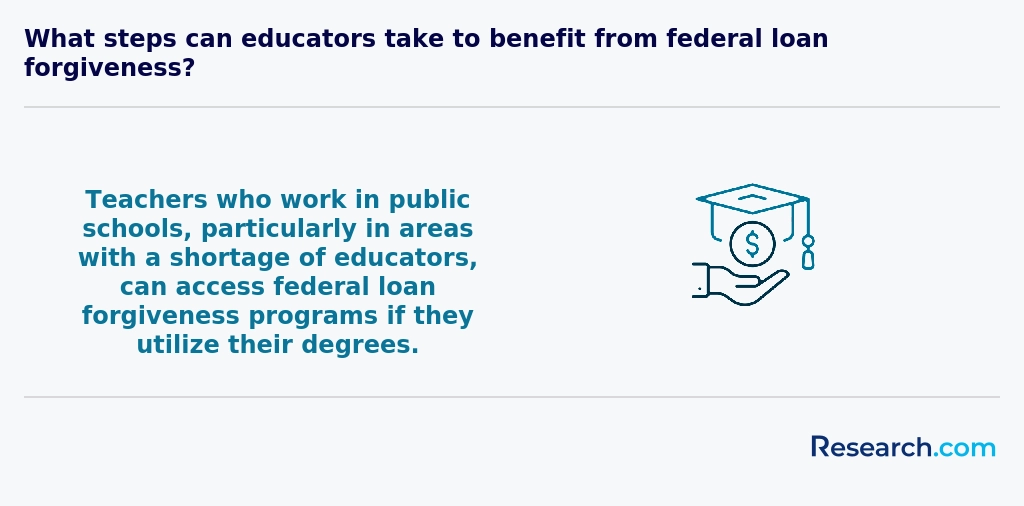
Looking ahead, these financial aids could expand through targeted loan forgiveness initiatives, especially for graduates serving in special education within Wisconsin's public schools. The evolving support from professional organizations also promises more tailored scholarships, inviting hopeful students to envision a future where financial barriers no longer hinder their dedication to this vital field.
Enrolling in an online special education degree in Wisconsin typically requires a high school diploma or GED to start a bachelor's program, while graduate applicants must hold a related bachelor's degree. Graduates share how completing prerequisite education courses helped them confidently bridge gaps when their original degrees were outside education. For instance, students attending popular institutions like the University of Wisconsin-Madison often highlight the value of well-structured online coursework aligned with Wisconsin DPI licensure pathways.
Many find submitting academic transcripts showing a GPA around 2.75 or higher reassuring, as it demonstrates readiness for the challenges ahead. Passing Praxis exams and undergoing background checks-common requirements for all Wisconsin special education candidates-can feel daunting initially but ultimately become empowering milestones. Some students appreciate how recommendation letters from previous employers beautifully capture their passion and perseverance, fueling optimism for licensure and beyond.
Looking forward, Wisconsin's programs may increasingly emphasize flexible, technology-driven assessments and personalized support to attract diverse learners eager to transform lives through special education teaching.
Online special education degree programs in Wisconsin typically include courses that blend foundational knowledge with practical applications tailored to diverse student needs. Graduates from popular institutions like the University of Wisconsin-Milwaukee often share how courses such as Foundations of Special Education helped them grasp the evolving legal and social frameworks, making classroom challenges feel more manageable and purposeful.
Many also highlight the value of Assessment and Evaluation, where learning to design individualized education programs (IEPs) transformed their ability to support students effectively. Imagine a student feeling empowered after mastering Instructional Strategies that address autism or emotional disorders-this often proves to be a turning point in their teaching journey.
Courses in Behavior Management and Assistive Technology stand out for equipping learners with skills to foster inclusive classrooms using innovative tools, a feature especially emphasized in online curriculums from Wisconsin's well-regarded colleges. Finally, many students remark on how Collaboration and Communication training helped them build vital partnerships with families and multidisciplinary teams, deepening their confidence and impact as future educators.
Online special education degree specializations in Wisconsin often include autism spectrum disorders (ASD), learning disabilities, and emotional and behavioral disorders. Graduates from popular Wisconsin colleges describe how focusing on ASD prepared them for real-life classroom challenges, such as developing personalized communication plans and behavioral supports for diverse learners. Another common path focuses on learning disabilities like dyslexia, equipping educators with tools to address these challenges through the lens of federal laws like IDEA.
Many who pursue special education certification programs Wisconsin online appreciate the inclusion of early childhood special education, which emphasizes early intervention techniques vital for children aged birth to eight. Graduates highlight how this specialization felt rewarding as they contributed to early developmental milestones, often sharing stories from their practicum experiences.
Looking ahead, these programs may increasingly integrate multicultural education and technology as essential components, reflecting Wisconsin's inclusive classrooms. For those exploring options, comparing program costs can be helpful - some find programs align with the cheapest special education masters degree online, making advanced learning accessible and inspiring.
Choosing the best online special education degree in Wisconsin requires a sharp focus on accreditation and program alignment with state licensure requirements. Graduates from popular institutions in Wisconsin often share how programs fully approved by the Wisconsin Department of Public Instruction helped them feel confident about meeting teaching standards and securing licensure. This practical alignment is crucial as it ensures your coursework and practicum hours translate directly to the demands of Wisconsin schools.
Affordability also shapes the decision for many prospective teachers. Wisconsin residents frequently seek affordable special education programs Wisconsin, prioritizing those offering competitive in-state tuition rates paired with flexible payment plans or scholarships. One graduate from a well-known Wisconsin university described how these financial benefits allowed them to balance work and study without overwhelming debt.
Future trends suggest growing demand for educators trained in specialized areas, like autism or behavioral disorders, within online formats. Students praise asynchronous courses that enable them to juggle family and employment while preparing for tomorrow's classrooms. Exploring detailed program reviews or taking advantage of resources such as top online special education bachelor's degree programs can illuminate which programs foster an engaging learning experience tailored to Wisconsin's unique educational landscape.
Graduates pursuing special education teaching jobs Wisconsin often find themselves well-prepared for diverse and evolving roles that extend beyond traditional classrooms. For example, alumni from popular Wisconsin universities share experiences of advancing as behavioral specialists, designing innovative interventions that foster students' emotional resilience-an increasingly critical skill in today's education landscape. Others leverage their degrees to become educational diagnosticians, applying cutting-edge assessment tools to tailor supports in ways they hadn't imagined during their studies.
As online degree programs in Wisconsin grow, so does the pathway to positions like resource coordinators who bridge families, schools, and therapists, ensuring a strong, community-centered support system. Graduates often recall their time at institutions known for special education programs, where faculty emphasized creating inclusive environments reflective of the state's commitment to student diversity. The future points toward more interdisciplinary work as online learners combine special education with certifications in speech-language pathology or occupational therapy, opening new avenues for meaningful impact.
Those curious about expanding their credentials can explore top special education masters programs, which increasingly integrate virtual training and real-world practicum, making it easier for Wisconsin residents to advance their careers flexibly and confidently.
The job market for online special education degree jobs Wisconsin offers continues to grow steadily, driven by the state's strong commitment to inclusive education. Graduates from popular institutions like the University of Wisconsin or Edgewood College often share how their online programs blend flexible learning with hands-on experiences, positioning them well for licensure and employment. These educators frequently find rewarding roles in both rural and urban districts, working with diverse learners who benefit from their tailored instruction.
In Wisconsin, the demand for special education teachers is closely tied to state requirements for certification and licensure, which online programs accredited by regional bodies typically satisfy. This foundation supports a broad range of career opportunities, including positions beyond traditional schools, such as specialized institutions and therapy settings. The combination of accessible tuition and positive employment trends creates an encouraging outlook for those pursuing an online special education degree.
Prospective students looking to understand what to expect from the career path can explore what is a special education teacher, gaining insight into the vital roles these professionals serve.
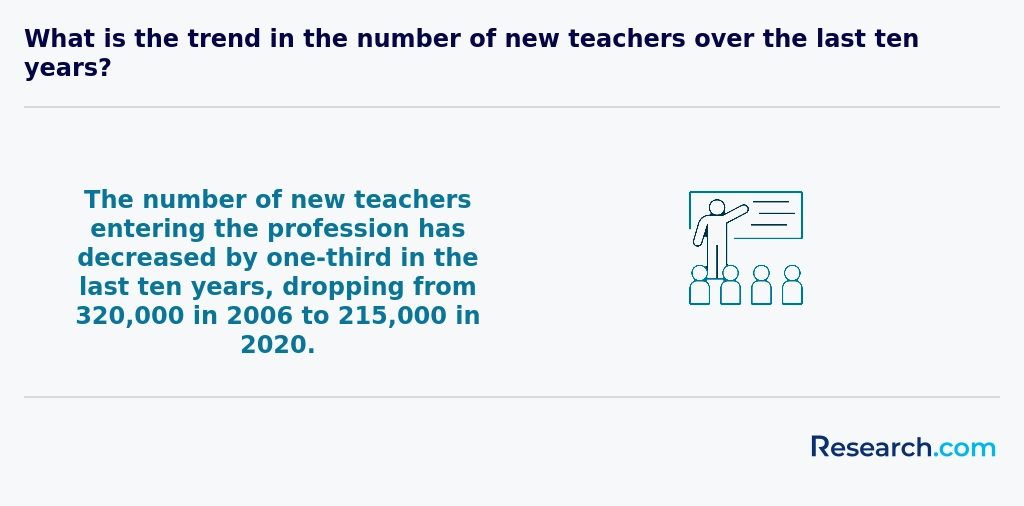
Special education teacher employment Wisconsin is poised to stay strong, with increasing openings reflecting demographic shifts and legislative support. Graduates consistently express satisfaction in translating their online training into meaningful classroom impact, signaling promising futures in this essential field.
2027 Easiest Online Special Education Degree Programs Ranking in Wisconsin
Investing in your education is a significant decision that can shape your future, and the Research.com team understands the importance of making informed choices. To assist prospective students interested in special education, we have meticulously crafted the "2027 Easiest Online Special Education Degree Programs Ranking in Wisconsin." Our commitment to quality, credibility, and accuracy is reflected in the extensive research and analysis conducted to compile this ranking.
We utilized the following reputable data sources to ensure a comprehensive evaluation of online special education degree programs:
By exploring this ranking, readers will gain valuable insights into the easiest and most accessible online special education degree programs in Wisconsin, enabling them to make well-informed decisions about their educational journey. For more details on how this ranking was created, please visit our Research.com methodology page.


Frequently Asked Questions About special education
Online special education degree students in Wisconsin can maximize their learning by actively engaging with course materials and participating in virtual discussions. According to the Wisconsin Department of Public Instruction, collaboration with peers and instructors enhances comprehension, especially when addressing diverse learner needs. Additionally, scheduling consistent study times helps students balance coursework with personal and professional responsibilities, which is crucial for students working in education roles.
Utilizing state resources like the Wisconsin DPI's special education technical assistance centers can provide practical insights and current regulations. Seeking practicum or field experience opportunities in Wisconsin schools also strengthens applied skills, meeting licensure requirements effectively.
The field of special education is evolving, with several emerging niches gaining importance. In Wisconsin, increasing attention is given to technology integration, such as assistive and adaptive devices, to support students with diverse learning needs. This aligns with the broader trend of digital inclusion highlighted by the Wisconsin Department of Public Instruction.
Another growth area is early intervention programs designed for young children with developmental delays. These programs focus on improving long-term educational outcomes.
Additionally, specialists in autism spectrum disorder (ASD) continue to be in high demand, reflecting national trends and Wisconsin's commitment to tailored education plans.
After completing an online special education degree in Wisconsin, preparing for the job market involves several key steps. First, obtaining Wisconsin licensure is essential. The Department of Public Instruction requires candidates to pass specific exams and have completed an approved educator preparation program.
Networking with local school districts can improve employment opportunities, as many special education jobs are hired regionally. Joining professional organizations, such as the Wisconsin Council for Exceptional Children, offers valuable resources and connections.
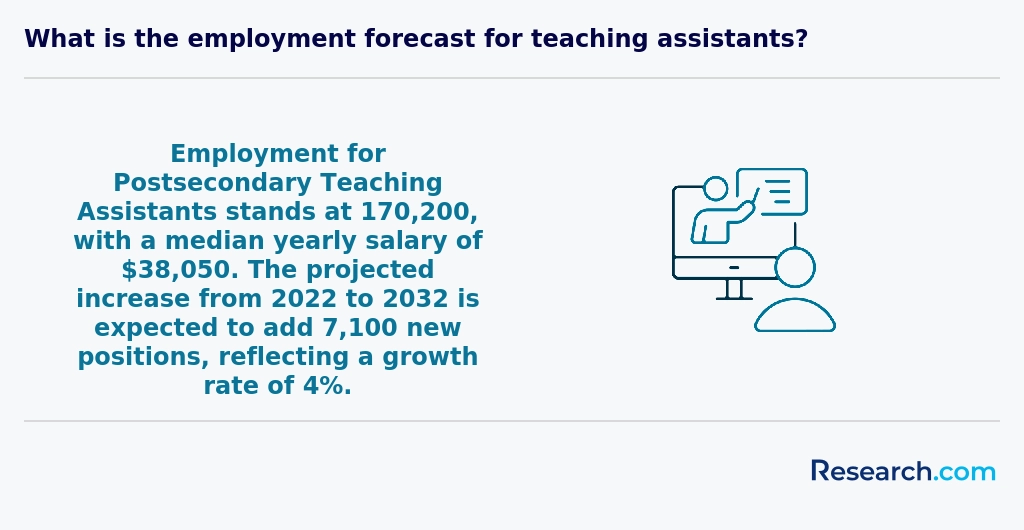
Additionally, developing practical skills during internships or field experiences included in the online program enhances readiness. According to the Wisconsin Department of Workforce Development, demand for special education teachers is expected to grow moderately, so staying updated on teaching strategies and legislative changes in the state is beneficial.
Employers in Wisconsin seek several core skills when hiring graduates with online special education degrees. Strong communication abilities are essential, enabling teachers to effectively collaborate with students, families, and multidisciplinary teams.
Knowledge of Individualized Education Programs (IEPs) and state-specific regulations is critical, as Wisconsin follows federal guidelines under the IDEA Act for special education services. According to the Wisconsin Department of Public Instruction, understanding these legal frameworks ensures compliance and appropriate student support.
Adaptability and patience are also highly valued, given the diverse needs of students with disabilities. Proficiency in behavior management and assessment strategies is vital for creating supportive learning environments.
Finally, technology skills are increasingly important as many schools integrate assistive technologies to aid student learning.
Finding internships in Wisconsin relevant to a special education degree involves connecting with local school districts and educational organizations. The Wisconsin Department of Public Instruction (DPI) provides resources and listings for special education programs that often offer internship or practicum placements. Many universities also partner with nearby schools, making it helpful to contact your online program's internship coordinator for guidance.
Internships typically include hands-on experience in classrooms serving students with disabilities, aligning with licensure requirements. The Wisconsin Special Education Study Council and the Wisconsin Education Association Council are valuable networking platforms. According to DPI, Wisconsin employs over 5,000 special education teachers, reflecting steady internship opportunities statewide.
Obtaining an online special education degree in Wisconsin can significantly improve career mobility and advancement opportunities for educators. The state has a high demand for qualified special education teachers, with the Wisconsin Department of Public Instruction reporting a growing need for these professionals in public schools. Completing a degree online provides flexibility for working adults to upgrade their credentials without relocating.
Graduates with this degree often qualify for professional educator licenses, which are required for teaching in Wisconsin schools. According to the Bureau of Labor Statistics, special education teachers in Wisconsin earn a median annual wage of about $59,000, with advancement typically linked to additional certifications and experience.
Additionally, holding an advanced degree or certification in special education can open doors to specialized roles, such as program coordinators or instructional coaches, which come with higher pay and leadership responsibilities.
Studying for a special education degree in Wisconsin equips students with skills essential for interdisciplinary collaboration. Wisconsin's online programs emphasize working alongside professionals in speech therapy, psychology, and general education. This approach aligns with the state's Department of Public Instruction guidelines encouraging team-based support for students with disabilities.
Faculty often include experts from multiple disciplines, preparing students to communicate effectively within diverse teams. According to the Wisconsin Technical College System, over 60% of special education roles require teachers to engage in planning with various specialists.
Courses also cover legal and ethical frameworks that govern interdisciplinary work, ensuring graduates can navigate complex educational environments.
When choosing between a thesis and a non-thesis special education degree program in Wisconsin, consider your career goals and learning preferences. A thesis program emphasizes research and preparing an extensive written project, ideal for students aiming for doctoral studies or research roles.
Non-thesis programs focus more on practical coursework and field experience, which suits those pursuing direct teaching or administrative careers. In Wisconsin, the demand for special education teachers is expected to grow by 7% through 2030, according to the Wisconsin Department of Public Instruction.
Both options typically require around 30-36 credits, but thesis tracks may take longer due to research commitments. Review program curriculum and support for online students when deciding.
Students based in Wisconsin who wish to study special education abroad have limited direct options, as most online special education degree programs are offered by U.S.-accredited institutions. Wisconsin's Department of Public Instruction reports that nearly 14% of students receive special education services, underscoring the local demand for qualified educators.
For international study, students often enroll in U.S. online programs with global access rather than foreign institutions. Programs accredited by the Council for Exceptional Children or NCATE are preferred for quality assurance and Wisconsin state licensure compatibility.
Some universities offer study abroad components or partnerships, but these are rare in special education. Thus, Wisconsin residents generally pursue U.S.-based online degrees while gaining international exposure through conferences or research collaborations.
In Wisconsin, pursuing part-time jobs alongside an online special education degree can enhance practical skills and improve employability. Common roles include teacher aides or paraprofessionals, which allow students to assist licensed special education teachers directly in classrooms. According to the Wisconsin Department of Public Instruction, these positions often involve individualized student support, a valuable experience for degree candidates.
Other opportunities include tutoring students with learning disabilities or working with community organizations that support children with special needs. These roles help develop communication and instructional skills relevant to special education careers.
Additionally, part-time work in behavior intervention programs or summer camps focused on special needs youth is prevalent in Wisconsin, offering hands-on experience essential for certification.
Online special education students in Wisconsin benefit from various networking opportunities to support their academic and professional growth. Many universities offering these programs encourage students to join local chapters of national organizations such as the Council for Exceptional Children (CEC), which focuses on special education professionals.
Additionally, Wisconsin's Department of Public Instruction hosts events and webinars that connect educators, giving online students access to current practitioners and statewide initiatives. Students can also participate in virtual conferences and workshops tailored to special education trends and policy changes.
These activities help build valuable contacts, foster mentorship, and increase awareness of job openings, which is vital in a state where special education teaching roles are expected to grow by 5% through 2030 (U.S. Bureau of Labor Statistics).
Alumni networks offer significant benefits to students pursuing online special education degrees in Wisconsin. These networks connect students with experienced graduates working in various educational settings across the state. Through mentorship and career advice, alumni help students understand the unique challenges of special education in Wisconsin's public schools, which serve over 250,000 students with disabilities, according to the Wisconsin Department of Public Instruction.
Active alumni groups also provide access to job opportunities and professional development events. Networking with graduates who understand the state's legal and policy framework-such as the Individuals with Disabilities Education Act (IDEA)-supports students in building relevant skills and increasing employability.
Furthermore, alumni connections foster collaboration and resource sharing, enhancing student learning beyond the online classroom.
Customizing an online special education degree program in Wisconsin begins with choosing a school that offers flexible curriculum options. Many programs allow students to select electives, such as autism spectrum disorders or behavior analysis, to tailor their expertise. Wisconsin's Department of Public Instruction provides guidelines ensuring that these programs meet state licensure requirements, which is essential for career advancement.
Students can also pursue specific endorsements like early childhood special education or emotional behavioral disabilities. Online programs often include practicum placements within Wisconsin schools, allowing learners to gain relevant experience aligned with their career goals.
Additionally, considering programs that offer accelerated options or part-time enrollment helps balance education with work commitments.
Online special education students in Wisconsin face several common challenges that can impact their success. One significant issue is limited access to hands-on experience. Special education programs often require practical fieldwork, which can be difficult to coordinate remotely. Additionally, students may struggle with inconsistent internet connectivity in rural areas, a known concern in Wisconsin's less urban regions according to the Federal Communications Commission.
Time management is another critical challenge, especially for those balancing coursework with family or work responsibilities. The rigorous demands of mastering individualized education plans (IEPs) and understanding diverse student needs require focused study. Research from the Wisconsin Department of Public Instruction highlights the growing demand for qualified special educators, adding pressure to complete programs efficiently.
Finally, some students report feelings of isolation in fully online formats, lacking the in-person interaction that benefits collaboration and support. This social gap can affect motivation and engagement over time.
With an online special education degree in Wisconsin, graduates can pursue professional certifications that enhance their qualifications and employment prospects. The most common credential is the Wisconsin Initial Special Education Teaching License, which authorizes teaching students with disabilities in various educational settings. This license requires completing an approved preparation program and passing the Praxis II Special Education exam.
Beyond teaching licensure, educators may seek additional endorsements like the English Learner (EL) or School Psychologist licenses to expand their expertise. Special education teachers in Wisconsin can also pursue National Board Certification, a voluntary advanced credential valued for professional growth.
According to the Wisconsin Department of Public Instruction, special education teacher demand remains steady, emphasizing the importance of certification for career entry and advancement.
When applying to an online special education program in Wisconsin, it is crucial to showcase your commitment to supporting diverse learners. Begin by clearly stating your motivation for pursuing special education, referencing Wisconsin's rising demand for qualified educators in the field, as reported by the Wisconsin Department of Public Instruction.
Highlight any relevant experience, such as work with children with disabilities or volunteer activities, as this strengthens your application.
Emphasize your academic readiness by stressing any previous coursework in education, psychology, or related subjects. Additionally, include any standardized test scores if required.
Finally, craft a thoughtful personal statement that reflects your understanding of challenges faced by students with disabilities in Wisconsin schools and your dedication to inclusive education.
Special education careers in Wisconsin align with global trends emphasizing inclusion and equity for students with disabilities. Worldwide, educators focus on adapting teaching strategies to diverse learning needs, a practice reflected in Wisconsin's approach to special education. According to the Wisconsin Department of Public Instruction, the state serves over 100,000 students with disabilities, making skilled special educators crucial.
Internationally, special education is evolving to support collaborative, student-centered learning. Professionals trained online in Wisconsin gain competencies recognized across many education systems, including knowledge of individualized education programs (IEPs) and assistive technologies.
Understanding these global perspectives helps Wisconsin students anticipate diverse career opportunities and contribute meaningfully to inclusive education initiatives both locally and abroad.
Gaining practical experience while studying for an online special education degree in Wisconsin is essential to prepare for a teaching career. Many programs require field experiences such as student teaching or practicum placements. These opportunities often occur in local Wisconsin schools, allowing students to work directly with children who have diverse learning needs.
The Wisconsin Department of Public Instruction (DPI) supports these placements and provides guidelines to ensure quality experience. According to DPI, candidates typically complete at least 12 weeks of supervised student teaching. This hands-on training is critical for licensure in special education.
Many universities partner with school districts across Wisconsin to facilitate these experiences, which can often be arranged near the student's home. Additionally, online students benefit from virtual simulations and interactive teaching tools that complement their in-person training.
Choosing the right concentration within an online special education degree program in Wisconsin begins with understanding your career goals. Wisconsin offers certifications in areas like mild/moderate disabilities, early childhood special education, and adaptive physical education, each addressing different student needs.
Consider the local demand: the Wisconsin Department of Public Instruction reports a rising need for educators specializing in autism spectrum disorder, reflecting national trends. Aligning your concentration with market needs can improve job prospects.
Review program accreditation and state licensure compatibility to ensure your chosen concentration meets Wisconsin's educator certification requirements for special education.
Lastly, evaluate your personal strengths and interests to choose a path where you can excel and find fulfillment.
- 2027 Easiest Online Special Education Degree Programs Ranking in Minnesota
- 2027 Easiest Online Special Education Degree Programs Ranking in Michigan
- 2027 Easiest Online Special Education Degree Programs Ranking in Indiana
- 2027 Easiest Online Special Education Degree Programs Ranking in Missouri
- 2027 Easiest Online Special Education Degree Programs Ranking in Ohio
- 2027 Easiest Online Special Education Degree Programs Ranking in Kentucky
- 2027 Easiest Online Special Education Degree Programs Ranking in North Dakota
- 2027 Easiest Online Special Education Degree Programs Ranking in Kansas
- 2027 Easiest Online Special Education Degree Programs Ranking in Pennsylvania
- 2027 Easiest Online Special Education Degree Programs Ranking in Virginia
- 10 Tips for Special Education Careers https://newstoryschools.com/blog/10-tips-special-education-careers
- Special Education Internships in Peru | Intern Abroad HQ https://www.internhq.com/destinations/peru/special-education-in-cusco/
- How to strengthen your school’s network by integrating alumni | Edusign https://edusign.com/blog/how-to-strengthen-your-schools-network-by-integrating-alumni
- Becoming and Playing the Role of Special Education Teacher https://www.cune.edu/news/becoming-and-playing-role-special-education-teacher
- Why Special Education Teachers Need a Big Support Network https://www.weareteachers.com/special-education-support-network/
- Inclusive, Thriving Learning for Students with Special Education Needs https://www.nextgenlearning.org/articles/inclusive-thriving-learning-environments-for-students-with-special-education-needs
- Special Educational Needs: Courses, & Online Certification Guide. https://www.apteachertraininginstitute.com/blog/special-educational-needs-courses-online-certification-guide/
- Discover more about Special Education and where to study it abroad https://www.hotcoursesabroad.com/subject/special-education/
- School for students with special needs internship - Internships Down Under https://www.internshipsdownunder.com/school-for-students-with-special-needs-internship/
- 9 Careers You Can Pursue with a Master’s in Special Education https://www.pointloma.edu/resources/education/9-careers-you-can-pursue-masters-special-education