
2027 Easiest Online Special Education Degree Programs Ranking in Ohio

Co-Founder and Chief Data Scientist
If you're considering advancing your career with a special education degree in Ohio, this article is here to guide you. The 2027 Easiest Online Special Education Degree Programs Ranking in Ohio was created by the Research.com team of data scientists to help students like you make informed decisions about which programs stand out for accessibility and quality.
Exploring this ranking will save you time and effort by highlighting programs that fit your needs. Pursuing a degree in special education opens doors to rewarding opportunities where you can make a real difference.
Key benefits of getting online special education degree in Ohio
- Graduates with a special education degree in Ohio often enter rewarding careers with average salaries around $60,000 per year, reflecting strong job stability and meaningful work. While exact data varies, teachers in this field typically earn competitive wages nationwide that support a comfortable lifestyle.
- Career paths include becoming special education teachers, curriculum developers, or educational consultants, as seen in alumni from Ohio State University who have found diverse opportunities helping students succeed. These roles offer fulfilling ways to make a difference in education and support inclusive learning.
- Online special education degrees from institutions like the University of Cincinnati provide flexibility, allowing students to balance work and family while earning their degree. This convenient format often leads to quicker graduation and cost savings without sacrificing the quality of education.
- 2027 Easiest Online Special Education Degree Programs Ranking in Ohio
- What can I expect from online special education degree in Ohio?
- Where can I work with online special education degree in Ohio?
What can I expect from online special education degree in Ohio?
When exploring the cost of an online special education degree in Ohio, students often find tuition ranging between $10,000 and $20,000 per year for in-state learners. This range allows many to plan budgets around flexible financial aid options and scholarships, making the journey toward certification more accessible.
Imagine a graduate from Ohio State University reflecting on how the tuition investment unlocked interactive coursework and real-world practicum placements in nearby schools. These practical experiences, combined with engaging online lessons, turned abstract concepts into daily classroom victories.
Similarly, alumni from Kent State University recall balancing work and study while appreciating the reasonable costs tied to their degrees. Their stories reveal that an affordable education doesn't mean limiting opportunity-rather, it invites commitment and adventure into a field rich with meaningful impact.
Such programs adapt to diverse lifestyles, making it possible for many Ohioans to pursue a transformative career in special education without financial overwhelm.
Where can I work with online special education degree in Ohio?
Graduates holding an online special education degree in Ohio often find themselves stepping into vibrant classrooms across the state's K-12 public schools, bringing tailored lessons to life for students with diverse needs. Imagine a graduate from a well-known Ohio university navigating their first year, adapting lessons for learners with developmental delays or emotional challenges-each day a mix of creativity and empathy.
Many Ohio programs are crafted specifically to help graduates earn their teaching licenses, unlocking opportunities in public and private schools alike. From private institutions honing specialized autism programs to intervention centers, alumni often share their excitement about impacting children's lives beyond traditional classrooms.
Careers aren't limited to teaching roles. Some graduates thrive as instructional coordinators, shaping inclusive education policies across districts, while others become educational therapists guiding families through developmental milestones. The Ohio job market's growing demand makes these paths even more inviting.
For those passionate about community impact, nonprofit organizations, rehabilitation centers, and early intervention services also welcome special education experts. Picture an Ohio graduate collaborating with families of children under three, celebrating each breakthrough-a rewarding adventure fueled by purpose and passion.
Graduates from popular Ohio universities with an online special education degree often find themselves stepping into classrooms with starting salaries between $45,000 and $50,000 annually, especially within smaller or rural districts. Imagine beginning your journey teaching in a cozy community school near Athens or Dayton, where your passion meets real impact, even if the paycheck starts modestly.
As educators gain experience and pursue advanced credentials-like those earned through Ohio State or University of Cincinnati's robust licensure programs-salaries can climb to $75,000 or more. Urban districts in cities such as Columbus and Cleveland reward this expertise with a welcomed 10-15% salary boost, reflecting the vibrant demand for skilled special education professionals.
Beyond classroom teaching, adventurous graduates sometimes take on roles like program coordinators or specialized tutors, tapping into opportunities that push incomes past $80,000. These positions call for leadership skills often developed through Ohio's online master's pathways, opening doors to careers filled with challenge and reward.
In every step, Ohio's special education salary landscape invites you to explore growth, fueled by dedication and continuous learning across the state's diverse educational settings.
- Ohio requires special education teachers to have state licensure, which involves completing an accredited degree program that meets Ohio Department of Education standards.
- Online special education degree tuition in Ohio varies: public universities typically charge between $9,000 and $15,000 annually for in-state students, while private institutions can exceed $25,000 per year.
- The average starting salary for special education teachers in Ohio is about $43,000, increasing to $60,000-$65,000 with experience.
- Job growth for special education teachers in Ohio is projected at around 8% over the next decade, matching the national average.
- Online programs in Ohio offer bachelor's, master's, and education specialist degrees focused on both theory and practical training to prepare students for licensure exams.
Many graduates recall balancing study with life's demands, especially when choosing part-time enrollment options that stretch the program timeline but offer unmatched flexibility. For those with an existing bachelor's degree, diving into online master's or certification programs can be a thrilling two- to three-year sprint, allowing them to sharpen specialized skills and expand their impact in classrooms across Ohio.
These programs embrace the practical side of teaching through dynamic internships and student teaching, sometimes extending the timeline but enriching the experience. The Ohio Department of Education's standards ensure every graduate is ready to step confidently into their role, blending theory and hands-on practice in a way that many students find incredibly rewarding.
Picture yourself juggling work and family while pursuing a special education degree at an Ohio university like Kent State or Ohio University. That's where online programs shine, offering the freedom to study anytime, anywhere-perfect for busy adults craving flexibility. Graduates often share how online learning allowed them to absorb material at their own pace without missing important family moments.
On the flip side, traditional on-campus programs provide the charm of vibrant classroom conversations and immediate feedback from professors and peers. Imagine attending Cleveland State University and feeling the energy of face-to-face discussions or hands-on labs, sparking deep connections and a rich learning atmosphere. This suits those who thrive on structure and social interaction.
Both formats embrace Ohio's strict field experience requirements, ensuring you gain real-world practice. Yet, on-campus students often find it easier to tap into university-run placement services, while online learners become resourceful explorers, securing their supervised sites independently.
The average online special education degree cost Ohio students encounter typically hovers around $18,761 for in-state tuition, based on median total costs. Graduates from well-known institutions, such as Ohio State University or University of Cincinnati, often share how navigating these costs felt like an adventurous journey, especially when balancing tuition with part-time work and scholarships. This figure gives a clearer sense of the real investment needed compared to the broad estimates you might find elsewhere.
Ohio online special education degree tuition fees usually fall into a comfortable range but are influenced heavily by whether you attend a public or private school. Public universities in Ohio offer a solid value, with in-state rates that make pursuing this flexible educational path achievable. Many students appreciate how these institutions provide opportunities for financial aid, which can turn the mountain of expenses into manageable steps.
For those wondering about career paths after earning their degree, a quick exploration of the rising number of graduates who embark confidently into special education roles reveals that the investment pays off. If you're curious about what you might do post-graduation, checking out options connected to a bachelor degree in special ed jobs can open a door to inspiring possibilities. The excitement of charting this route makes the tuition cost feel like a stepping stone rather than a barrier.
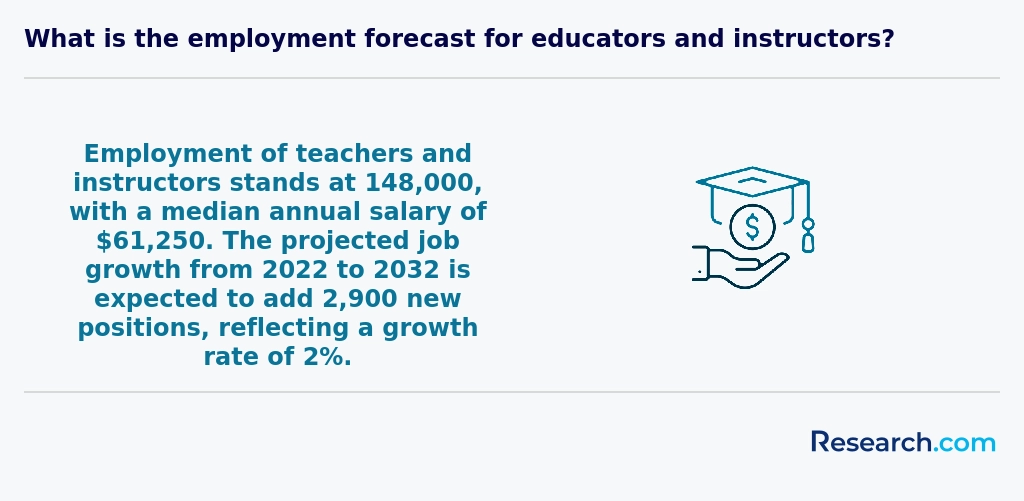
Exploring financial aid options while pursuing an online special education degree in Ohio reveals exciting opportunities that many graduates warmly recall. Imagine a student at Ohio State University discovering the Pell Grant, offering up to $7,395 annually without repayment, easing the burden of tuition for their undergraduate journey. Completing the FAFSA opens doors to federal loans, prized for their low-interest rates and flexible repayment-ideal for those advancing to a master's or certification.
State-specific programs like the Ohio College Opportunity Grant add another layer of support, helping students at local institutions manage costs based on financial need. Graduates from Kent State University often highlight these grants as game-changers. Even local programs inspired by the phased-out LEAP provide extra relief in some communities.
Scholarships from organizations such as the Council for Exceptional Children brighten the path, with many university departments rewarding dedicated Ohio special education students. Plus, tuition reimbursement programs offered by school districts make the commitment to serve in underserved areas feel truly worthwhile.
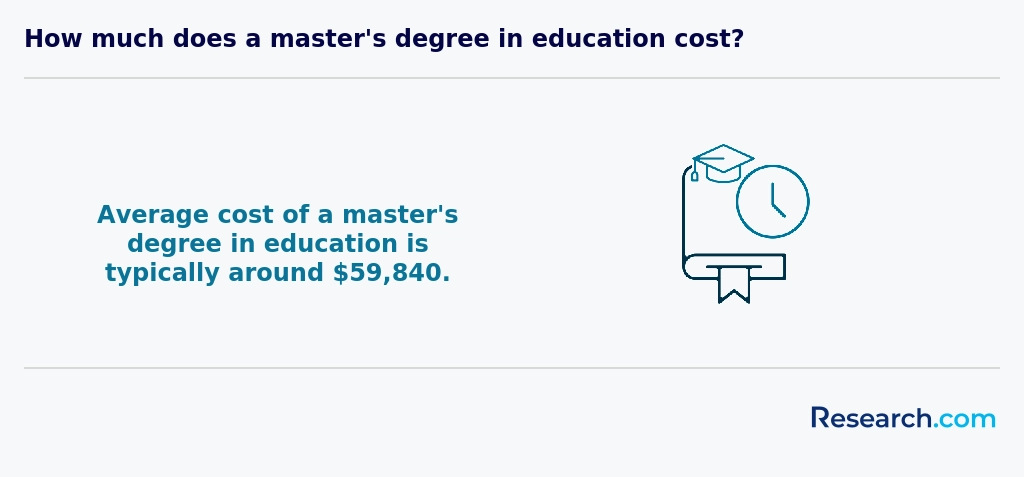
Imagine diving into courses like Introduction to Special Education, where you unravel the history and philosophy that shape today's classrooms in Ohio. Graduates from popular universities often recall how this foundation sparked their passion, turning curiosity into commitment. Picture yourself sharpening your skills with Assessment and Evaluation Techniques, learning to identify unique learning styles and challenges through hands-on virtual labs and real case studies.
Many Ohio online programs bring the excitement of Behavior Management and Intervention Strategies to life by teaching practical approaches to support students' growth and success. You'll explore how to tailor lessons in Teaching Students with Mild to Moderate Disabilities, preparing to meet the needs of learners in your own Ohio community.
Courses like Legal and Ethical Issues in Special Education illuminate essential state laws, including IDEA, ensuring you're ready to navigate the classroom with confidence. Plus, collaboration modules train you to work alongside families and educators, echoing real teamwork stories from program alumni who found this a rewarding challenge.
When exploring online special education degree specializations Ohio offers, you'll find a vibrant mix tailored to unique learner needs. Many graduates from well-known Ohio colleges share how specializing in Autism Spectrum Disorders (ASD) transformed their ability to create meaningful communication strategies and behavioral plans for students. This specialization is especially vital as autism remains a rapidly growing category in Ohio's schools. Others excitedly dive into Emotional and Behavioral Disorders (EBD), where they gain hands-on techniques for nurturing positive classroom environments for students facing anxiety or conduct challenges.
Programs also spotlight Learning Disabilities (LD), giving educators the tools to customize instruction for students struggling with reading or math, a favorite among those who love seeing clear academic progress. Additional adventurous learners opt for areas like Early Childhood Special Education or supporting students who are Deaf or Hard of Hearing, often at popular Ohio universities praised for their approachable online platforms. For those curious about affordable options, checking out the cheapest online master's degree in special education can uncover surprising savings while pursuing these dynamic special education career paths Ohio online programs cherish.
When searching for the best online special education degree programs Ohio offers, imagine yourself juggling work and family but still diving into courses designed to prepare you thoroughly for Ohio's licensure exams. Graduates from popular Ohio colleges often recall the relief of programs that clearly mapped out how their coursework aligned with the state's Intervention Specialist license requirements, making the certification journey smooth and encouraging.
Think about affordability too, as many students cheer for affordable special education degrees Ohio online, especially at public institutions where tuition fits more comfortably into tight budgets. Some graduates found the blend of scholarship opportunities and financial aid essential for easing their financial stress as they studied.
Flexibility is a game-changer. Picture asynchronous classes that let you study late at night after work or live virtual sessions syncing with Ohio school calendars. Several alumni praised programs that balanced this delicate dance well, allowing real-life responsibilities to coexist with their educational adventure.
Faculty expertise and dedicated support services created a sense of community for many, offering timely guidance and motivation during challenging moments. To explore options that align with your goals, consider checking out online special education bachelor's programs that specialize in Ohio's unique academic and licensing environment.

Graduates with an online special education degree in Ohio often discover a range of exciting career paths that blend passion with purpose. Many become special education teachers, working directly with students who have diverse learning needs, energized by the daily rewards of helping children succeed in classrooms across Ohio's public and private schools. Others dive into roles as behavioral specialists or intervention coordinators, crafting individualized strategies that transform student behavior and boost academic growth. This hands-on work is familiar to many graduates from prominent Ohio universities, who recall the thrill of seeing IEP plans come alive in real student progress.
Beyond teaching, some explore roles as school psychologists or counselors, offering critical mental health support-a path that usually builds on the solid foundation provided by an online special education degree. Those intrigued by leadership often find themselves thriving as special education coordinators or program administrators, steering compliance and innovation in school systems statewide. For anyone hunting for online special education teaching jobs Ohio offers a wealth of options supported by strong employment growth. Prospective students curious about fast-tracking their careers also consider the fastest online master's degree in special education to deepen their impact.
The job market for graduates holding an online special education degree in Ohio shines with opportunity and growth. Many who have completed their studies through popular institutions in Ohio share experiences of stepping into rewarding roles, whether teaching in public school districts, charter schools, or specialized centers. The Ohio Department of Education's licensure requirements are seamlessly integrated into these programs, allowing graduates to confidently meet state standards and enter the workforce prepared for real classroom challenges.
For those curious about Ohio special education teacher employment opportunities, the state projects promising growth around 7% through 2030. Imagine working closely with children in early intervention programs or residential care facilities, creating meaningful impacts every day. Salaries hover near $60,000, reflecting a stable and competitive market that grows with experience. Many graduates recall the flexible online coursework blended with hands-on practicum placements that shape practical skills alongside theory.
If you're exploring paths to a fulfilling career, consider checking out programs like those at Ohio's top universities offering a special education online degree. This route blends flexibility and rigor, preparing you to embrace Ohio's expanding special education landscape with confidence and enthusiasm.
2027 Easiest Online Special Education Degree Programs Ranking in Ohio
Investing in your education is a significant decision that can shape your future, and the Research.com team understands the importance of making informed choices. To assist prospective students in Ohio, we have meticulously crafted the "2027 Easiest Online Special Education Degree Programs Ranking in Ohio." Our commitment to quality, credibility, and accuracy is reflected in the extensive research and analysis conducted to compile this ranking.
We utilized the following reputable data sources to ensure a comprehensive evaluation of special education programs:
By exploring this ranking, readers will gain valuable insights into the most accessible online special education degree programs in Ohio, empowering them to make confident and well-informed decisions about their educational journeys. For more information on how this ranking was developed, please visit our Research.com methodology page.




Frequently Asked Questions About special education
Online special education degree students in Ohio can maximize their learning by engaging actively in virtual classroom discussions and seeking regular feedback from instructors. Utilizing Ohio-specific resources, such as the Ohio Department of Education's guidelines and support networks, helps align studies with state requirements. Students should also participate in local practicum placements to gain practical experience with special needs populations, a key component for licensure.
Time management and dedicated study schedules improve retention of complex topics like individualized education program (IEP) development. According to the Ohio Department of Education, certified special education teachers are in growing demand, making rigorous online preparation vital for career success.
The field of special education is evolving rapidly, opening new areas of expertise for professionals. One emerging niche is assistive technology, where educators help integrate tools like adaptive software to support students with disabilities. In Ohio, school districts have increasingly invested in such technologies, reflecting a growing need for specialists.
Another developing area is autism spectrum disorder (ASD) support. Ohio's Autism Society reports rising diagnoses, prompting demand for educators skilled in tailored interventions. Additionally, emotional and behavioral disorders remain a focus, requiring innovative classroom strategies.
Transition planning is also gaining prominence. Educators are now tasked with guiding students toward successful post-school outcomes, including employment and independent living.
Understanding these niches can help Ohio students choose online special education programs that match future workforce needs.
After completing an online special education degree in Ohio, graduates should focus on gaining appropriate licensure to enter the job market. Ohio requires teachers to obtain a Resident Educator or Professional Educator License with a special education endorsement, which involves passing state exams and completing background checks.
Networking with Ohio school districts and attending job fairs can increase employment opportunities. According to the Ohio Department of Education, special education roles often have high demand, especially in urban and rural areas.
Additionally, mastering Individualized Education Program (IEP) development and behavior management skills is essential, as these are key components of special education jobs in the state.
Employers in Ohio seek several key skills in graduates with online special education degrees. Strong communication is essential, as teachers must work closely with students, families, and multidisciplinary teams. Knowledge of Individualized Education Programs (IEPs) and state-specific special education laws demonstrates readiness to comply with Ohio regulations.
Classroom management and adaptive teaching strategies are highly valued, enabling educators to tailor instruction for diverse learning needs. Data from the Ohio Department of Education shows that professionals with skills in behavior intervention and progress monitoring see better employment prospects. Additionally, technological proficiency is increasingly important to support remote learning and digital tools used in Ohio's classrooms.
Finding internships related to a special education degree in Ohio requires focused research and preparation. Start by exploring partnerships between online special education programs and local school districts, as many universities collaborate with Ohio public schools to offer field placements.
The Ohio Department of Education website provides resources and contacts for districts seeking special education interns. Internships are often available through public schools, community organizations, and nonprofit agencies serving individuals with disabilities.
Ohio ranks among states with a growing demand for qualified special educators, making internships more accessible. According to the Ohio Education Research Center, districts actively seek interns for hands-on experience in inclusive classrooms and individualized education program (IEP) support.
Networking through professional groups such as the Council for Exceptional Children - Ohio chapter can connect students with internship leads. Also, consulting your online program's career services enhances chances of securing relevant field experiences.
Obtaining an online special education degree in Ohio significantly enhances career mobility and advancement opportunities. According to the Ohio Department of Education, there is a steady demand for qualified special education teachers, driven by increased enrollment in special education programs statewide.
Graduates holding this degree are eligible for Ohio's teaching licensure in special education, a requirement for most K-12 teaching positions. This licensure enables movement between districts and often leads to higher salary brackets or leadership roles, such as special education coordinator or curriculum specialist.
Moreover, the flexibility of online programs allows working professionals to upskill without interrupting their careers, supporting ongoing professional growth. Data from the Bureau of Labor Statistics highlight that special education roles in Ohio are projected to grow by 5% through 2031, suggesting strong future job stability for degree holders.
Studying for a special education degree online in Ohio equips students with skills to work effectively within interdisciplinary teams. Ohio's programs emphasize collaboration with educators, therapists, and families to design individualized learning plans. According to the Ohio Department of Education, specialists often work alongside speech pathologists and counselors to address diverse student needs.
Courses typically cover behavioral strategies, assessment methods, and legal frameworks, preparing graduates to coordinate services across disciplines. This integrated approach reflects Ohio's commitment to inclusive education, ensuring graduates understand roles beyond traditional teaching.
Data from the National Center for Education Statistics shows Ohio employs over 10,000 special education teachers, many engaged in interdisciplinary settings. This training helps prepare students for real-world challenges in diverse educational environments.
Choosing between a thesis and a non-thesis online special education degree in Ohio depends on your career goals and time commitment. A thesis program requires original research, which suits students aiming for academic roles or doctoral studies. Non-thesis options focus more on practical knowledge and may include additional coursework or projects.
Ohio special education programs often align with Ohio Department of Education licensure requirements. According to the National Center for Education Statistics, research-focused degrees can enhance opportunities in higher education or specialized research roles.
Consider your professional plans carefully: educators wanting to advance in school districts might prefer a non-thesis route for faster completion.
Students based in Ohio who want to study special education abroad have limited direct options due to the specialized nature of the field and state certification requirements. Most online special education programs are offered by U.S. institutions that comply with Ohio's licensure standards. Studying abroad usually involves enrolling in international universities that might not align with Ohio's teaching credentials, making it challenging to secure local certification.
However, Ohio students can consider hybrid programs or partnerships between U.S. and foreign institutions that offer global perspectives while meeting Ohio Department of Education standards. According to Ohio's Teacher Preparation Program data, candidates must complete state-approved curricula to qualify for licensure.
For truly abroad experiences, some students supplement online degrees from Ohio-approved programs with internships or student teaching in foreign settings, yet the degree itself must remain accredited by an institution recognized in the U.S. This ensures eligibility for Ohio special education teaching licenses.
In Ohio, part-time job opportunities that complement an online special education degree include teacher aide positions, behavior technician roles, and tutoring jobs focused on students with disabilities. These roles provide valuable hands-on experience with diverse learners, aligning well with coursework. For example, teacher aides often assist in special education classrooms, supporting individualized instruction-a key skill covered in Ohio's special education licensure programs.
According to the Ohio Department of Education, nearly 12% of Ohio's K-12 students receive special education services, increasing demand for qualified support staff. Positions such as paraprofessionals also offer flexibility for students managing coursework alongside employment.
Additionally, some local school districts and nonprofit organizations hire part-time professionals to help develop Individualized Education Programs (IEPs) or facilitate social skills groups, which deepens practical knowledge and enhances resumes.
Online special education students in Ohio have a variety of networking opportunities that help build professional connections despite studying remotely. Many Ohio universities offering online programs encourage students to join their education departments' virtual events and webinars, fostering interaction with faculty and peers. Additionally, organizations such as the Ohio Council for Exceptional Children (CEC) provide memberships, conferences, and local chapter meetings tailored to special educators in the state.
Students can also access online platforms like LinkedIn groups focused on Ohio special education professionals, aiding in job leads and mentorship. According to the Ohio Department of Education, connecting with local schools through practicum or internships remains a vital networking avenue for online students.
Alumni networks offer significant benefits to students pursuing online special education degrees in Ohio. These networks provide valuable professional connections that can assist graduates in finding job opportunities within Ohio's diverse school districts. According to the Ohio Department of Education, nearly 15% of Ohio's public school students receive special education services, creating a strong demand for qualified teachers.
Alumni groups often share local job openings, mentorship opportunities, and advice on navigating state licensure requirements. For online learners who might lack in-person experiences, these connections help build a sense of community. Research from the National Center for Education Statistics shows that access to networking can increase employment outcomes for education graduates by up to 20%.
Additionally, some Ohio universities facilitate alumni events and online forums tailored for special education professionals, making it easier for students to stay updated on the latest teaching strategies and legal policies relevant to Ohio schools.
Customizing an online special education degree program in Ohio involves selecting courses and concentrations that align with your career goals. Many Ohio universities offer flexible curricula where students can focus on areas such as autism spectrum disorders, behavioral interventions, or early childhood special education. This customization helps prepare for specific roles within schools or therapy settings.
Additionally, some programs allow candidates to complete practical field experiences in diverse educational environments across Ohio. According to the Ohio Department of Education, special education needs are growing, so tailoring your coursework can improve your job readiness in high-demand specialties.
Licensure preparation is another key customization feature, helping students meet Ohio's requirements to become certified special education teachers.
Online special education students in Ohio often face several unique challenges during their studies. One common difficulty is balancing coursework with fieldwork requirements. Ohio's licensure mandates meaningful in-person clinical experiences, which can be hard to schedule remotely.
Access to adequate technology and reliable internet is another barrier, especially in rural areas where broadband availability is limited. According to the Ohio Department of Education, about 13% of rural households still lack consistent internet service.
Additionally, students may experience less direct interaction with instructors and peers, which can impact collaborative learning and support critical to mastering special education strategies.
Finally, understanding complex state regulations for special education certification adds an extra layer of difficulty for online learners in Ohio.
With an online special education degree in Ohio, graduates can pursue several professional certifications to enhance their career opportunities. The most common certification is the Ohio Resident Educator License with a Special Education endorsement, allowing individuals to teach students with disabilities in K-12 settings.
Another recognized credential in Ohio is the Intervention Specialist License for different age ranges (P-3, 4-9, 7-12), which qualifies teachers to work with specific student populations. Ohio's Department of Education also supports certifications for Behavior Intervention Specialists, focusing on supporting students with behavioral challenges.
Additionally, candidates might consider national certifications such as the Certified Special Education Teacher (CSET) through the Council for Exceptional Children, which often supports advanced career goals. The Ohio Department of Education website provides detailed, up-to-date requirements for these certifications.
When applying to online special education degree programs in Ohio, a clear and well-organized application is essential. Start by thoroughly researching accredited Ohio institutions, such as those recognized by the Ohio Department of Higher Education. Many programs require a minimum GPA of 2.75 to 3.0 and official transcripts. Highlight any relevant experience with special needs populations, whether through volunteer work or employment, as this strengthens your application.
Craft a compelling personal statement explaining your motivation and commitment to special education. Ohio reports growing demand for special education teachers, with the Bureau of Labor Statistics projecting a 4% growth through 2031, so demonstrating your understanding of these trends is beneficial.
Letters of recommendation from academic or professional contacts familiar with your skills can provide valuable support. Finally, meet all deadlines and submit a complete application to maximize your chances.
The career of special education continues to gain recognition worldwide, reflecting a growing commitment to inclusive learning. In the United States, including Ohio, demand for qualified special education teachers is rising due to federal mandates like the Individuals with Disabilities Education Act (IDEA), which supports education access for all students.
Globally, perspectives on special education emphasize equity and tailored support for diverse learners. For example, the Organisation for Economic Co-operation and Development (OECD) reports increased investment in special education training across many countries. Ohio mirrors this trend with over 3,000 special education educators working statewide as of recent Ohio Department of Education data.
Choosing an online special education degree in Ohio prepares candidates to meet both state and national requirements, aligning teaching practices with global standards. Awareness of international advocacy helps professionals contribute meaningfully to inclusive education.
Gaining practical experience is essential while studying for an online special education degree in Ohio. Many Ohio universities require fieldwork placements or student teaching, which can be completed locally. These hands-on experiences allow students to apply theory in real classrooms under supervision.
Ohio follows state licensure standards requiring candidates to complete specific practicum hours, often around 400-600 hours depending on the program. Partnering with local schools helps online students meet these requirements without relocating.
Additionally, Ohio's Department of Education offers resources to connect students with special education internship opportunities, supporting skill development in diverse educational settings.
Choosing the right concentration within an online special education degree in Ohio requires understanding the needs of students and state regulations. Ohio offers concentrations like mild/moderate disabilities, severe disabilities, and intervention specialists, each preparing educators for specific classroom settings. The Ohio Department of Education reports that demand for special education teachers is growing, especially in mild/moderate disability categories.
Consider your career goals, whether you want to work with children with learning disabilities or more intensive support needs. It's also important to review the program's curriculum for alignment with Ohio licensure requirements.
Research shows that programs offering hands-on practicum opportunities increase job readiness. Checking if practicum placements align with your concentration preference is crucial.
- 2027 Easiest Online Special Education Degree Programs Ranking in Kentucky
- 2027 Easiest Online Special Education Degree Programs Ranking in Pennsylvania
- 2027 Easiest Online Special Education Degree Programs Ranking in Michigan
- 2027 Easiest Online Special Education Degree Programs Ranking in Virginia
- 2027 Easiest Online Special Education Degree Programs Ranking in North Carolina
- 2027 Easiest Online Special Education Degree Programs Ranking in Missouri
- 2027 Easiest Online Special Education Degree Programs Ranking in Georgia
- 2027 Easiest Online Special Education Degree Programs Ranking in Massachusetts
- 2027 Easiest Online Special Education Degree Programs Ranking in Minnesota
- 2027 Easiest Online Special Education Degree Programs Ranking in Kansas
- What can You Do with a Special Education Degree? - Graduate Programs for Educators https://www.graduateprogram.org/blog/what-can-you-do-with-a-special-education-degree/
- Special Educational Needs: Courses, & Online Certification Guide. https://www.apteachertraininginstitute.com/blog/special-educational-needs-courses-online-certification-guide/
- Remote Special Education Jobs - VocoVision https://www.vocovision.com/teletherapy-jobs/special-education-teacher-jobs/
- School for students with special needs internship - Internships Down Under https://www.internshipsdownunder.com/school-for-students-with-special-needs-internship/
- How the Special Education Teacher Shortage Affects Students with LD, and What to Do About it https://ldaamerica.org/how-the-special-education-teacher-shortage-affects-students-with-ld-and-what-to-do-about-it/
- 10 Tips for Special Education Careers https://newstoryschools.com/blog/10-tips-special-education-careers
- What New Special Education Teachers Need to Succeed https://www.ascd.org/el/articles/what-new-special-education-teachers-need-to-succeed
- Special Education Teacher | Inclusive Education Jobs | Jobs in Education https://jobsineducation.com/categories/special-education-teacher-jobs/
- Global Perspectives on inclusive and special Education: An analysis of International Policy Frameworks https://www.journalijdr.com/global-perspectives-inclusive-and-special-education-analysis-international-policy-frameworks
- Ohio Special Education Funding Guide https://newstory.com/insights/funding-guide/ohio-special-education-funding-guide


