2027 Best Online Master's in Special Education Degree Programs Ranking in the Northeast

Co-Founder and Chief Data Scientist
Choosing the right special education master's program is an important step toward a rewarding career. For students in the Northeast, finding programs that fit your needs and goals can feel overwhelming.
This article introduces the 2027 Best Online Master's in Special Education Degree Programs Ranking in the Northeast, created by the Research.com team of data scientists. It offers reliable insights to help you make an informed choice about where to pursue your degree.
Reading this guide can open doors to meaningful opportunities and empower your journey in special education.
Key benefits of getting online special education degree in the Northeast
- Special education graduates in the Northeast can expect competitive salaries, with many roles offering an average annual wage around $60,000 to $65,000, reflecting steady growth and strong demand.
- A graduate from a popular Northeastern university often finds diverse career paths, including becoming a special education teacher, instructional coordinator, or behavior analyst, each providing rewarding opportunities to impact students' lives.
- Completing a special education degree online, like many graduates from top Northeastern programs, offers flexibility to balance work and study, enabling faster entry into the workforce without sacrificing personalized learning experiences.
- 2027 Best Online Master's in Special Education Degree Programs Ranking in the Northeast
- What can I expect from online special education degree in the Northeast?
- Where can I work with online special education degree in the Northeast?
What can I expect from online special education degree in the Northeast?
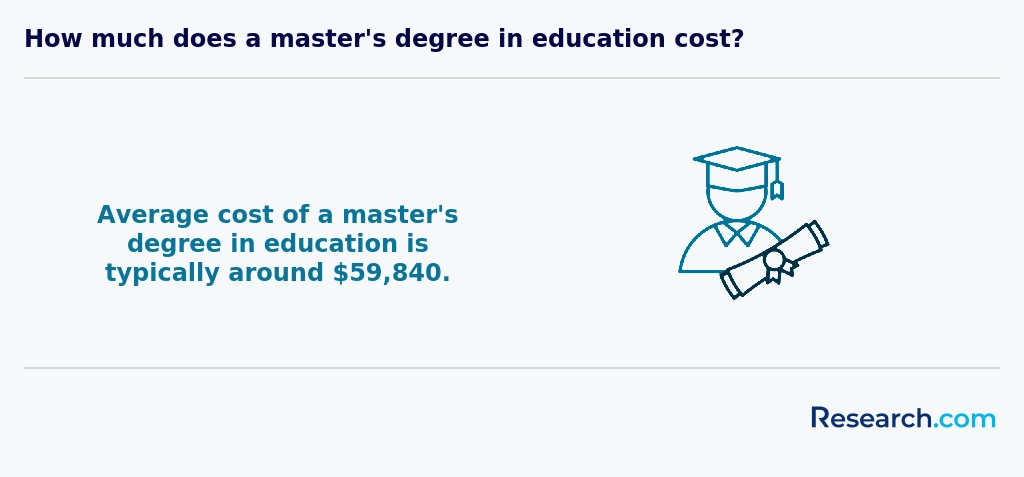
The average cost of an online special education degree in the Northeast generally falls between $10,000 and $30,000 for the entire program. Graduates from well-known universities in this region often share that while the investment may feel significant, the return is rewarding given the strong job prospects and supportive financial aid options available. Many students benefit from scholarships or state-specific loan forgiveness programs designed for special education teachers serving underserved communities.
For example, graduates from popular Northeast colleges find that aligning their degree with state licensure requirements - especially in states like New York and Massachusetts - streamlines their path to certification without incurring extra expenses. They often balance flexible asynchronous courses with local fieldwork, reducing costs associated with travel or relocation.
Reviewing program accreditation, especially from recognized bodies like CAEP, ensures you receive verified quality education that qualifies for federal financial aid, helping manage overall costs efficiently. This practical approach allows many to pursue their goals confidently without overwhelming financial burdens.
Where can I work with online special education degree in the Northeast?
Graduates with an online special education degree in the Northeast often find rewarding careers in public and private K-12 schools, where demand for qualified special education teachers remains strong. Many graduates from well-known institutions such as Boston University or Syracuse University share how their training helped them confidently support students with intellectual or emotional challenges in inclusive settings.
Beyond classrooms, opportunities exist in therapy centers, nonprofits, and early intervention programs, especially in urban hubs like Boston or Philadelphia. Here, teamwork with families to create personalized education plans becomes a daily, fulfilling task.
Some graduates pursue roles in higher education at regional colleges, coordinating programs or supporting students with disabilities, leveraging their expertise to influence future educators.
Rural areas in Maine and Vermont also offer openings due to teacher shortages, providing a chance to make a tangible difference in underserved communities. Ensuring your degree meets Northeast state licensure requirements is essential, with many online programs tailored to these certifications for smoother job entry.
Graduates with an online special education degree in the Northeast can anticipate an average annual salary ranging roughly from $60,000 to $77,000. For example, those from well-known institutions like Boston College or Syracuse University often find positions in public schools where salaries align with state averages-such as $77,000 in Massachusetts or $74,000 in New York.
Many graduates quickly realize that advancing their education with a master's degree boosts earning potential, often landing roles as behavior specialists or program coordinators earning 10% to 20% more. Teachers in Connecticut share how gaining additional certifications and experience regularly pushes their salaries above $80,000, reflecting district salary steps that reward dedication.
These opportunities not only improve income but enhance job satisfaction by allowing educators to take on leadership roles or specialized functions. Graduates praise the balance of a competitive salary combined with strong pensions and healthcare offered in many Northeastern public schools, underscoring the value of earning a special education degree online from this region's top colleges.
- The cost of an online master's degree in special education in the Northeast typically ranges from $20,000 to $40,000, with public universities generally offering more affordable options.
- Employment for special education teachers in the Northeast is expected to grow by about 7% over the next decade, matching the national average.
- Starting salaries for early-career special education teachers with a master's degree range between $45,000 and $55,000 annually, with mid-career professionals earning around $65,000 to $75,000.
- Many online programs in the Northeast hold regional accreditation from bodies like the Middle States Commission on Higher Education, ensuring quality and employer recognition.
- Programs often include practical components such as virtual classroom simulations or local internships to help meet state licensing requirements.
- Financial aid and scholarships are available, sometimes aimed at encouraging work in high-need urban school districts.
Completing an online special education degree in the Northeast generally takes between 18 and 36 months for a master's program, depending on whether you study full- or part-time. Graduates from well-known institutions like Boston University and New York University often share that balancing coursework with professional duties is manageable due to flexible schedules offered by these programs.
Accelerated options can shorten this to 12 to 18 months but require a more intense workload, which suits highly motivated students ready to dedicate significant weekly hours. Others benefit from part-time pacing, stretching their studies over three or more years to accommodate work and life commitments without sacrificing learning quality.
Post-baccalaureate certificates usually take about 12 to 18 months, providing a quicker route to specialization. Combined bachelor's and master's pathways extend from 4 to 5 years, ideal for those starting fresh and seeking certification simultaneously.
Hands-on practicum or student teaching components must be completed locally, adding several weeks to a semester onto your timeline, but most graduates find this immersive experience builds confidence and practical skills critical for success in the classroom.
Online and on-campus special education degrees in the Northeast differ mainly in flexibility, experience, and cost. Graduates from online programs at universities like Boston University appreciate being able to balance work and family while completing coursework from home, which makes managing busy schedules easier. This flexibility is especially valuable for professionals already working in education or those living in rural areas without easy campus access.
On-campus students at institutions such as the University of Pennsylvania often highlight the benefit of in-person collaboration with faculty and peers, gaining hands-on practicum experience through direct partnerships with nearby school districts. This immersive setting fosters practical skills and instant feedback, which many find boosts their confidence in real classroom situations.
Costs can vary too. Northeast online students commonly save on commuting and housing, though they should budget for technology fees. Both paths require student teaching to meet licensure standards in states like New York and Massachusetts, ensuring graduates feel prepared for their roles regardless of learning format.
The average cost of an online special education degree in the Northeast is approximately $28,400, with in-state students typically paying around $18,576 and out-of-state students about $20,448. These figures reflect a median total cost that takes into account tuition, fees, and additional expenses. Graduates of well-known programs at universities in Massachusetts or New York often share that managing this investment feels doable when they leverage financial aid or employer tuition reimbursement options.
Affordable special education master's programs in the Northeast frequently come with the flexibility to continue working full-time, which allows students to balance income and education costs effectively. One graduate from a respected online program noted that the ability to study asynchronously and pay per credit helped spread out expenses, making the total cost feel less overwhelming.
It's important to consider that additional fees for practicum placements or certification exams may add $1,000 to $3,000 to the overall cost. Prospective students looking into the average cost of online special education degree Northeast can benefit from exploring scholarships targeted at special education or checking for state-specific grants.
Many working professionals have also found it helpful to research potential career outcomes post-degree, for instance, by reviewing data on bachelor degree in special ed jobs that align with their goals. Understanding these financial and career factors ahead of time makes the cost feel more like a strategic investment toward a fulfilling profession.

Students pursuing online special education degrees in the Northeast commonly rely on federal aid through FAFSA, unlocking Pell Grants, federal loans, and work-study options. Though Pell Grants are limited for graduate students, others find relief in the TEACH Grant, which offers up to $4,000 annually to those committed to teaching special education in high-need urban districts like those around Boston or New York City. A graduate from a well-known Northeast college shared that this helped offset tuition while teaching in a public school.
State grants from places like New York and Massachusetts provide targeted scholarships for residents pursuing education certification or advanced special education degrees, making programs at schools such as Boston University or SUNY more affordable. Institutional aid, including scholarships and assistantships, is a valuable resource reported by many students balancing work and classes online.
Additionally, employer tuition reimbursement is a common perk among educators in the region's public schools, offering financial support for ongoing licensure requirements and degree advancement. This multi-layered financial aid system makes earning a special education degree in the Northeast accessible and rewarding.
To enroll in an online special education degree program in the Northeast, applicants typically need a bachelor's degree from an accredited institution, often in education or a related field. Graduates from well-known universities in this region share that holding a degree recognized by regional accreditors, like the Middle States Commission on Higher Education, makes a significant difference during admissions.
A minimum GPA of about 3.0 is usually required, though some programs accept slightly lower scores if applicants show strong experience or recommendations. For instance, graduates recall how demonstrating practical experience with special needs students helped them overcome GPA limitations.
Standardized tests such as the GRE may be required, but many top Northeast schools have waived this recently, making the process less stressful and more accessible.
Applicants should prepare a compelling personal statement detailing their passion for supporting students with disabilities. Candidates with prior teaching certifications or one to two years of relevant experience find their applications stand out, creating a relatable and hopeful path to acceptance.

Online special education degree programs in the Northeast commonly include courses that equip students with practical skills for diverse classrooms. Graduates from well-known institutions often praise courses like Foundations of Special Education, where they learn about key laws like the Individuals with Disabilities Education Act (IDEA) through real case studies-helping them confidently navigate legal requirements in schools across New York or Massachusetts.
Courses such as Assessment and Evaluation teach how to use standardized tools and observations to identify each student's unique learning profile. One recent graduate shared how this helped them design personalized learning plans in a Pennsylvania school setting.
Practical coursework on Instructional Strategies for Diverse Learners and Behavioral Interventions prepares students to manage behaviors and tailor lessons to disabilities like autism and emotional disturbances, making positive impacts felt in inclusive classrooms.
Additionally, classes on Collaboration and Consultation emphasize working with families and educators to build effective IEPs, a skill many students find invaluable once they begin full-time teaching.
Online special education degree specializations in the Northeast commonly include Autism Spectrum Disorders, Behavioral Intervention and Support, Early Childhood Special Education, Learning Disabilities and Literacy, and Deaf and Hard of Hearing education. Graduates from well-known colleges in the region often share how these focused tracks allowed them to tailor their skills to real classroom challenges, such as creating positive behavior support plans or using assistive technologies for students with auditory impairments.
Working professionals appreciate that these concentrations align closely with career goals and student needs, offering practical strategies for supporting diverse learners. For example, graduates from popular universities emphasize the advantage of studying learning disabilities and literacy to effectively assist struggling readers, a frequent challenge in local schools. Such targeted training makes these programs highly relevant and rewarding.
Those exploring special education master's concentrations Northeast-wide find flexible options that combine rigorous online coursework with the ability to maintain their current teaching roles. To understand better how do you get a special education certification and choose the best path, focusing on your preferred specialization early can maximize career payoff.
To choose the best online special education degree in the Northeast, start by confirming the program's accreditation, such as CAEP, which ensures quality and state licensure eligibility. Graduates from well-known institutions in New York and Massachusetts often share how this led to smoother certification processes. Next, weigh the cost carefully-many affordable special education master's programs Northeast offer a balance of competitive tuition and financial aid, easing the overall investment.
Look for programs with practical components like residencies or practicum placements in local schools, as hands-on experience is crucial for building confidence working with children with disabilities. Graduates appreciate when universities facilitate these field experiences nearby, helping them apply theory in real-world settings. Also, assess the curriculum's relevance to your goals; some schools offer specializations in autism or behavior intervention, valuable for career growth.
Strong student support services matter too. Former students emphasize how academic advising and tutoring kept them motivated. For insight into career prospects and the best paying jobs in special education, researching local demand can guide your decision effectively.
Graduates with an online special education degree in the Northeast often pursue special education teacher roles across elementary, middle, and high schools, benefiting from higher average salaries in states like New York, Massachusetts, and Pennsylvania. Many find fulfillment helping students thrive in classrooms, supported by the strong state certification programs of popular universities in the region. Others leverage their training to become educational diagnosticians or specialists, creating Individualized Education Programs (IEPs) that align with federal IDEA mandates, a critical need across Northeast districts.
Additional career opportunities include behavior analyst positions, where professionals design strategies for students with autism or behavioral challenges, and roles as school counselors or transition coordinators who guide youth toward employment or further education. Graduates from these programs often mention the practical support and community networks formed at well-known colleges, which ease their path into these rewarding roles. Outside schools, many find passionate careers in nonprofit organizations or government agencies focused on disability rights and inclusion.
Those exploring online special education career opportunities Northeast can enhance their prospects through strong academic preparation and strategic networking. To discover top programs known for career success, visit best master's degree special education online.
The job market for those with an online special education degree in the Northeast is promising due to strong demand from public school districts and specialized private institutions. Graduates from well-known universities in the region share stories of quickly securing positions in schools where inclusive classroom environments are a priority. These opportunities reflect the ongoing need for qualified educators to meet mandates like IDEA, especially in states such as New York and Pennsylvania, where student populations requiring special education services are notably high.
Working professionals pursuing special education career opportunities in Northeast benefit from flexible online programs that allow them to balance work and study. These programs often help graduates advance their credentials, improving their chances of employment and salary growth in competitive districts. Many report positive experiences engaging with diverse student needs and fulfilling what they describe as the important roles of a special education teacher in helping children thrive.
2027 Best Online Master's in Special Education Degree Programs Ranking in the Northeast
Investing in your education is a significant decision that can profoundly influence your future, and the Research.com team recognizes the importance of providing trustworthy guidance. To support prospective students seeking advanced training, we have carefully developed the "2027 Best Online Master's in Special Education Degree Programs Ranking in the Northeast." Our dedication to quality, credibility, and accuracy is demonstrated through rigorous research and thorough analysis behind this ranking.
We utilized the following reputable data sources to ensure a comprehensive evaluation of special education master's programs:
By consulting this ranking, readers will gain valuable insights into the top online master's programs in special education across the Northeast, empowering them to make well-informed choices aligned with their career goals. For a deeper understanding of how our ranking is created, please visit our Research.com methodology page.


# 4 position
Slippery Rock University of Pennsylvania
Master of Special Education - School Supervision


# 6 position
Penn State University Park
Master of Special Education


# 9 position
Niagara University
Master of Special Education


# 12 position
St. John's University
Master of Teaching Children with Disabilities in Childhood Education


# 14 position
New Jersey City University
Master of Special Education, Teacher of Students with Disabilities, endorsement eligible


# 16 position
PennWest California
Master of Special Education
# 17 position
University of Southern Maine
Master of Educational Psychology - Applied Behavior Analysis

# 18 position
Mercy University
Master of Education, Teaching Students with Disabilities - Birth to Grade 6 and Early Childhood

# 19 position
University of Massachusetts-Boston
Master of Vision Rehabilitation Therapy specialization

# 20 position
Salus at Drexel University
Master of Teacher of the Visually Impaired

Frequently Asked Questions About special education
Students pursuing online special education degrees in the Northeast can enhance their learning by actively engaging with course materials and instructors. Regular participation in virtual discussions and timely submission of assignments improve knowledge retention and practical skills. Many accredited programs require field experiences or practicum placements; choosing sites within the Northeast helps students understand regional educational policies and community needs.
Utilizing state-specific resources, such as the Massachusetts Department of Elementary and Secondary Education or New York's Office of Special Education, provides valuable context on compliance and best practices. According to NCES data from 2022, Northeastern states have higher rates of students with disabilities, underscoring the demand for well-prepared educators. Finally, forming peer study groups online supports collaboration and mutual support throughout the program.
Emerging niches within the special education field are gaining traction due to evolving student needs and technological advances. One key area is autism spectrum disorder (ASD) support, where demand for specialized educators has grown significantly in the Northeast, reflecting national trends reported by the National Autism Center. Another growing niche is assistive technology integration, which helps students with disabilities access the curriculum more effectively.
Additionally, early childhood special education is expanding as research highlights benefits of intervention before kindergarten. Mental health services within special education settings are also on the rise, addressing increasing awareness of emotional and behavioral challenges.
These niches offer promising career paths for those seeking online special education degrees in the region.
After completing an online special education degree in the Northeast, preparing for the job market begins with understanding regional employment demands. The U.S. Bureau of Labor Statistics projects a 7% growth in special education teaching jobs nationally through 2032, with Northeastern states like New York and Massachusetts showing strong demand.
Graduates should obtain state licensure, which often requires passing exams such as the Praxis Special Education test and fulfilling background checks specific to each state in the Northeast. Networking and joining professional organizations, such as the Council for Exceptional Children's local chapters, can provide valuable connections and job leads.
Gaining classroom experience through internships or substitute teaching helps develop practical skills. Additionally, staying updated on Individualized Education Program (IEP) regulations and inclusive teaching strategies, especially under IDEA laws, enhances employability in the region's diverse school districts.
Employers in the Northeast highly value strong communication skills in special education graduates. This includes the ability to collaborate with diverse teams, parents, and students. Understanding individualized education programs (IEPs) is essential, as nearly 15% of students in the region receive special education services according to the National Center for Education Statistics (NCES) 2022 data.
Problem-solving and adaptability are vital skills, enabling educators to tailor approaches for various learning challenges. Knowledge of assistive technology is increasingly important, reflecting advancements in classroom tools.
Finally, cultural competence is critical due to the Northeast's diverse populations, ensuring inclusive and equitable educational experiences for all students.
Finding internships relevant to a special education degree in the Northeast involves targeting school districts, nonprofit organizations, and specialized agencies focused on disability services. Many states, including New York and Massachusetts, require student interns to complete fieldwork placements as part of their certification process through approved programs.
University career centers and online portals like Handshake often list internship opportunities with local schools and agencies. According to the U.S. Department of Education's Office of Special Education Programs, partnerships between universities and K-12 schools in the Northeast facilitate access to internships for aspiring special educators.
Networking through professional associations such as the Council for Exceptional Children's regional chapters can also connect students with mentors and internship leads.
Obtaining an online special education degree can significantly enhance career mobility and advancement opportunities in the Northeast. Many states in this region, including Massachusetts and New York, require specialized credentials for teaching positions in special education, which online degrees often meet.
Professionals with such degrees report higher salaries and greater chances for leadership roles in schools and educational organizations. According to the National Center for Education Statistics, special education teacher employment in the Northeast is projected to grow by 5% through 2030, indicating steady demand.
Furthermore, online degrees offer flexibility, allowing working educators to gain qualifications without pausing their careers. This flexibility helps increase the pool of qualified special education teachers in the region, supporting career advancement.
Studying for a special education degree in the Northeast equips students with strong interdisciplinary skills essential for collaborative roles. Programs often integrate training in psychology, speech-language pathology, and occupational therapy, reflecting the region's commitment to comprehensive education. According to the National Center for Education Statistics, Northeast states allocate significant resources to prepare educators for diverse learner needs.
Many online degrees emphasize teamwork with professionals like social workers and counselors. This holistic approach enhances communication and adaptive strategies vital in special education settings. Graduates are thus well-prepared to contribute to multidisciplinary teams that support students' academic and social development effectively.
Choosing between a thesis and a non-thesis special education degree program in the Northeast depends on your career goals and learning preferences. Thesis programs often appeal to students interested in research, policy, or pursuing a doctoral degree later, as they require conducting original research and writing a detailed paper. Non-thesis programs, more common in the Northeast's online master's offerings, focus on practical skills and applied knowledge for immediate classroom or administrative use.
According to the National Center for Special Education Research, many Northeastern states emphasize practical teaching skills, influencing program structures. Check if your state's licensure requires specific components, as this can guide your choice.
Students based in the Northeast interested in studying special education abroad face limited direct options due to the regional focus of most U.S. institutions. However, some universities in the Northeast offer online programs with international components or partnerships that allow for global learning experiences. These programs often include virtual exchanges, research collaborations, or study abroad opportunities structured for graduate students. According to the National Center for Education Statistics, nearly 15% of special education graduate students in the Northeast enrolled in programs offering flexible, hybrid international experiences as of 2023. Such options enable students to gain global perspectives without relocating internationally, supporting their career growth.
Part-time job opportunities in the Northeast that complement special education degree programs include roles such as teacher aides, behavioral therapy assistants, and tutoring specialists. These positions provide practical experience working with students who have diverse learning needs, which enhances understanding of individualized education plans (IEPs). According to the U.S. Bureau of Labor Statistics, the Northeast has a growing demand for educational assistants, with New York and Massachusetts showing particularly strong employment growth.
Many school districts offer flexible part-time roles that fit around online coursework schedules. Working in after-school programs or as shadow aides also helps build essential skills in behavior management and adaptive teaching strategies. These jobs contribute valuable hands-on experience that supports academic learning in special education fields.
Online special education students in the Northeast have access to various networking opportunities that support their academic and professional growth. Many accredited institutions in this region offer virtual career fairs, alumni groups, and online forums specifically for education majors. According to the National Center for Education Statistics, Northeastern states have robust professional education networks that often extend to virtual formats.
Students may also engage with local chapters of national organizations like the Council for Exceptional Children, which hosts regional events and webinars. Additionally, partnerships between universities and school districts in the Northeast provide virtual mentorship programs and practicum placements.
These connections are vital for students seeking jobs or collaborative research in special education, helping build lasting professional relationships despite distance learning formats.
Alumni networks play a significant role in supporting online special education degree students in the Northeast. These networks offer valuable connections that can lead to job opportunities in local school districts, which often prioritize candidates recommended by trusted alumni.
Many Northeast states, including New York and Massachusetts, have active alumni associations that organize regional events and provide mentorship, helping graduates navigate state-specific certification and licensing procedures. According to the National Center for Education Statistics, networking through alumni can increase employment prospects by up to 30% for special education teachers.
Additionally, alumni groups provide platforms for sharing resources, continuing education, and best practices tailored to regional needs and regulations.
Customizing an online special education degree program in the Northeast allows students to align their studies with specific career goals. Many universities in the region offer concentrations such as autism spectrum disorders, behavioral interventions, or early childhood special education. This flexibility lets students build expertise in areas with high demand. According to the National Center for Education Statistics, the Northeast has seen a 5% increase in special education roles, emphasizing the value of targeted skills.
Additionally, students can select elective courses and participate in local practicum opportunities to gain hands-on experience relevant to regional school systems. Programs often provide options to prepare for state licensure exams, which vary across Northeast states, ensuring graduates meet local certification requirements.
Online special education students in the Northeast often face challenges related to balancing rigorous coursework with professional or personal responsibilities. Many programs require practical field experiences, which can be difficult to arrange remotely. According to the New England Board of Higher Education, coordinating these placements is a common hurdle for online learners.
Additionally, some students struggle with limited access to specialized technology and resources necessary for special education training. The digital divide remains an issue, especially in rural parts of the region. Finally, maintaining engagement and building peer connections in a virtual environment can affect motivation and completion rates among students pursuing these degrees.
Graduates with an online special education degree in the Northeast can pursue several professional certifications that enhance their teaching credentials. The most common certification is the Special Education Teaching License, required by states such as New York, Massachusetts, and Pennsylvania. This license allows educators to teach students with disabilities in K-12 settings.
Additionally, professionals often seek the National Board Certification in Exceptional Needs Specialist, recognized nationwide for advanced teaching expertise. Another option is becoming a Licensed Behavior Analyst, especially relevant in states like New Jersey, where Applied Behavior Analysis (ABA) is in demand.
Certification requirements vary; it is essential to check specific state guidelines through state education departments for up-to-date information.
To write a winning application for an online special education program in the Northeast, start by demonstrating your passion for supporting diverse learners. Highlight any experience working with children with disabilities, as firsthand engagement is highly valued. According to the National Center for Education Statistics, the Northeast has a growing demand for special education teachers, making practical experience crucial.
Clearly state your career goals and how the program aligns with them. Highlight any relevant academic achievements, such as a strong GPA or coursework in education or psychology.
Strong letters of recommendation from professionals in education or related fields can significantly strengthen your application.
The global view on special education careers highlights growing recognition of the importance of inclusive education. In the United States, particularly in the Northeast, demand for special education professionals is rising. According to the U.S. Bureau of Labor Statistics, employment of special education teachers is projected to grow 8% from 2022 to 2032.
Internationally, countries are adopting inclusive policies aligning with UNESCO guidelines, influencing training programs. For U.S. students pursuing online degrees in the Northeast, this means preparing for diverse classrooms and evolving educational standards.
The Northeast also reports high certification standards, fostering well-qualified educators who can meet both local and global needs.
Gaining practical experience while studying for an online special education degree in the Northeast often involves completing a supervised practicum or internship. Many accredited programs require students to fulfill a certain number of fieldwork hours in local schools or approved educational settings. This allows students to apply theory to real-world teaching and collaborate with experienced special educators.
Students can coordinate with their program advisors to find placements in public or private schools within their state. Using local contacts in states like New York, Massachusetts, or Pennsylvania increases access to diverse student populations with various learning needs.
The Council for Exceptional Children notes that hands-on experience improves educators' ability to implement Individualized Education Programs (IEPs) effectively, which is essential in the Northeast's diverse classrooms.
Choosing the right concentration within an online special education degree program in the Northeast involves considering regional employment trends and certification requirements. The Northeast has a growing demand for specialists in autism spectrum disorders (ASD) and emotional disturbance, aligning with state education department priorities.
Exploring concentrations like applied behavior analysis or assistive technology can increase job prospects. According to the U.S. Department of Education, Northeast states report a 7% growth in special education employment through 2028, particularly in inclusive classroom settings.
Students should also review state licensure standards, which often vary across the Northeast but typically require specific endorsements tied to concentration areas. Consulting program accreditation and alignment with local needs ensures relevancy.
- Northeastern State University https://www.virtualeduc.com/nsu/
- Sample Letter: Request a Special Education Evaluation https://www.askresource.org/resources/sample-letter-requesting-an-evaluation
- What New Special Education Teachers Need to Succeed https://www.ascd.org/el/articles/what-new-special-education-teachers-need-to-succeed
- Global Perspectives on inclusive and special Education: An analysis of International Policy Frameworks https://www.journalijdr.com/global-perspectives-inclusive-and-special-education-analysis-international-policy-frameworks
- Program Details https://www.eastern.edu/academics/undergraduate-programs/special-education-pk-12-certification-online
- Teacher of Global Perspectives (IGCSE) https://www.scie.com.cn/jobs-global-perspectives/
- 9 Careers You Can Pursue with a Master’s in Special Education https://www.pointloma.edu/resources/education/9-careers-you-can-pursue-masters-special-education
- Special Education Internships in Peru | Intern Abroad HQ https://www.internhq.com/destinations/peru/special-education-in-cusco/
- Teaching Job Roles | Teach For Life https://www.teachforlife.com/teachingjobs/global-perspectives-teacher
- Employment Board https://www.nercve.org/professional-development/job-search